 Worldwide Shipping
 Secure Payments
 Free Return
 Local Support
-da0801079a650a2e.jpeg)
17 Year Anniversary Quotes: 110+ Funny, Romantic & Furniture Wishes (2026)
Mar, 12 2026
Labor Day is the federal holiday honoring American workers, observed on the first Monday each September. Learn why we celebrate, who started this tradition, and how to make the holiday meaningful beyond the long weekend.
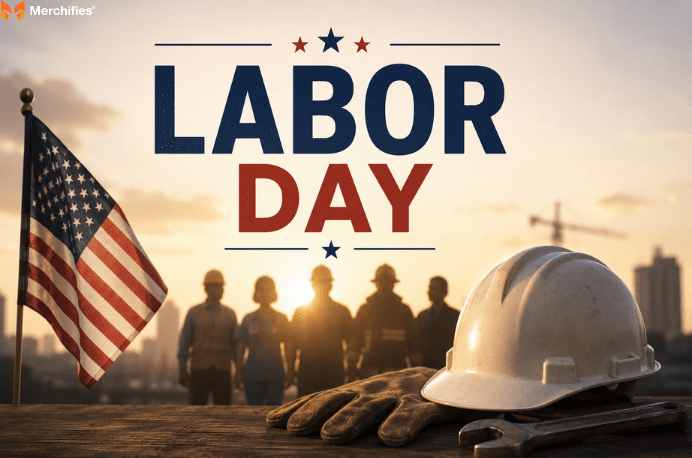
According to Benjamin Clarke's research into American holiday traditions, Labor Day is the federal holiday honoring workers and their contributions to American society, observed on the first Monday of September each year. In 2026, that falls on Monday, September 7. While most people associate this day with backyard barbecues and end-of-summer sales, the holiday carries a deeper significance rooted in the American labor movement of the 1880s. Understanding this history transforms Labor Day from just another three-day weekend into a meaningful moment of gratitude for the workers who built and continue to sustain this country.
Labor Day honors American workers every first Monday in September.
Federal holiday since 1894 under President Cleveland
Celebrates labor movement achievements and worker dignity
Marks the unofficial end of summer in the U.S.
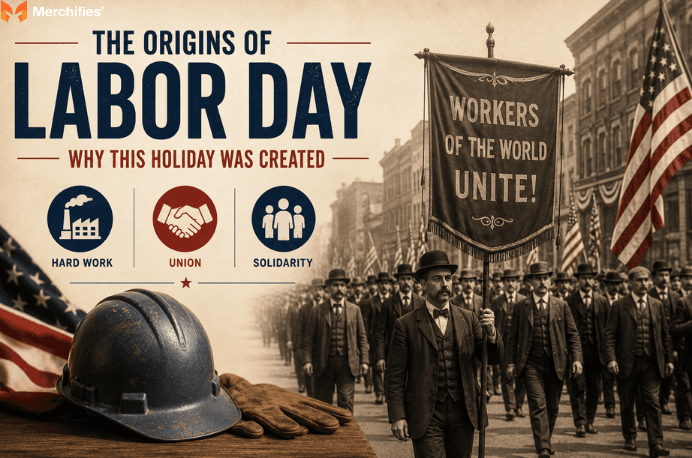
Originated from 1882 worker parades in New York City
Labor Day emerged from the brutal working conditions of 1880s industrial America, when workers routinely faced 12-hour days, seven-day weeks, and dangerous workplaces. Factory workers, miners, and railroad employees often labored in conditions that would be unthinkable today. Child labor was common. Safety regulations were virtually nonexistent. A single workplace accident could leave a family without income and without recourse.
In response to these conditions, workers began organizing into unions. They demanded fair treatment, reasonable hours, and safer workplaces. The labor movement gained momentum throughout the 1870s and 1880s as workers recognized their collective power to negotiate with employers.
The first Labor Day celebration took place on September 5, 1882, in New York City. According to the U.S. Department of Labor, more than 10,000 workers marched from City Hall to Union Square, then gathered for a picnic, concert, and speeches. This parade became the template for Labor Day celebrations across the country. Workers wore their Sunday best and carried banners representing their unions and trades. The day demonstrated solidarity and pride in the dignity of labor. For those wanting the complete timeline, our comprehensive Labor Day history article covers every milestone from the first parade to federal recognition.
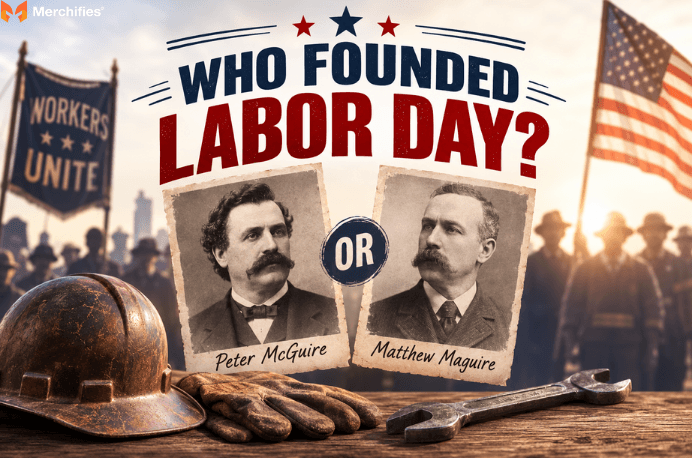
Historians debate whether Peter McGuire or Matthew Maguire deserves credit for proposing Labor Day, though both men contributed significantly to the early labor movement. Peter McGuire co-founded the American Federation of Labor and served as a prominent union leader. Some historical accounts credit him with first suggesting a holiday honoring workers.
However, other research, including some conducted for the Department of Labor, points to Matthew Maguire as the holiday's originator. Maguire worked as a machinist and served as secretary of the Central Labor Union of New York, the organization that planned the first Labor Day parade.
The honest trade-off here: if you want absolute historical certainty, you will not find it. The records from this period are incomplete, and both men had the standing and motivation to propose such a holiday. What matters more than settling this debate is recognizing that ordinary workers united to create official recognition for their contributions to American prosperity. The holiday represents collective action, not individual achievement.
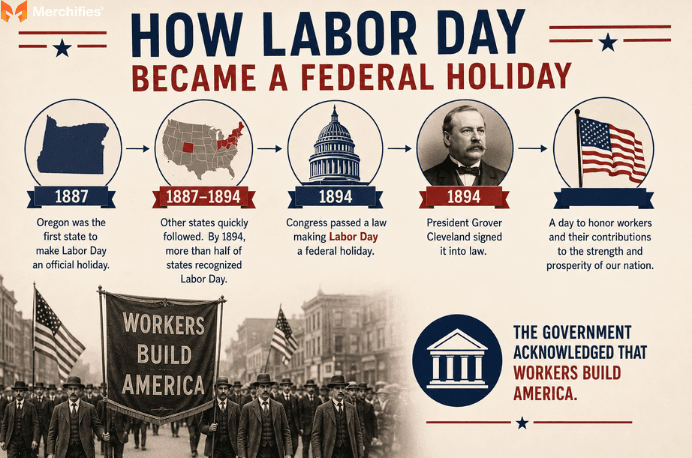
Oregon became the first state to make Labor Day an official holiday in 1887, setting off a wave of state-level recognition that swept the nation. Colorado, Massachusetts, New Jersey, and New York followed within the year. By 1894, more than half of American states had established Labor Day as a legal holiday.
Congress passed legislation making Labor Day a federal holiday in 1894, and President Grover Cleveland signed it into law. The timing was significant. The Pullman Strike had recently paralyzed railroad traffic across much of the country. Federal troops had been called in, violence had erupted, and workers had died. The federal Labor Day holiday was partly a conciliatory gesture, an attempt to repair relations between the government and the labor movement.
This federal recognition meant that government offices would close, and it established Labor Day as a day of national significance. The government formally acknowledged that worker contributions formed the foundation of American economic prosperity.
Labor Day in 2026 means more than a day off work. It is an opportunity to honor the essential workers who keep America running. As Benjamin Clarke notes, the holiday's meaning has expanded beyond factory workers and tradespeople to include everyone whose labor sustains daily life.
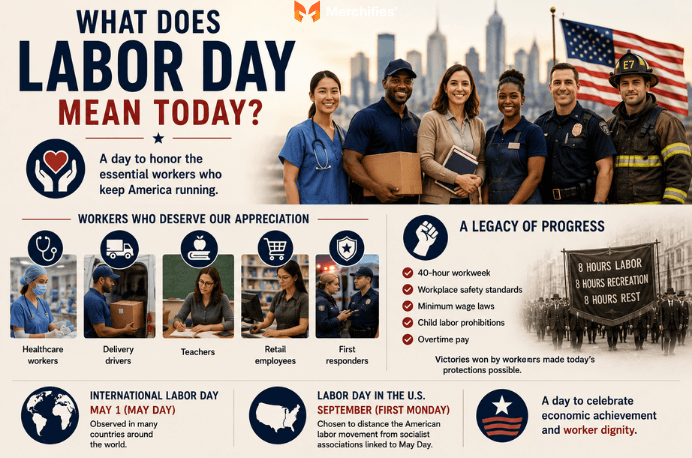
Think about the specific workers who deserve appreciation. Healthcare workers staff hospitals around the clock. Delivery drivers ensure packages arrive on time. Teachers spend evenings grading papers and planning lessons. Retail employees work weekends and holidays. First responders answer calls at all hours. These workers carry forward the same spirit of dedication that the original Labor Day sought to honor.
The connection between 1880s labor struggles and modern workplace protections remains direct and tangible. The 40-hour workweek, workplace safety standards, minimum wage laws, child labor prohibitions—all of these emerged from organized labor's efforts. Every time you leave work after eight hours or receive overtime pay, you benefit from victories won by workers who came before you.
International Labor Day falls on May 1, known as May Day. The United States deliberately chose a different date in September, partly to distance the American labor movement from socialist associations linked to May Day in other countries. Our holiday emphasizes economic achievement and worker dignity within the American system.
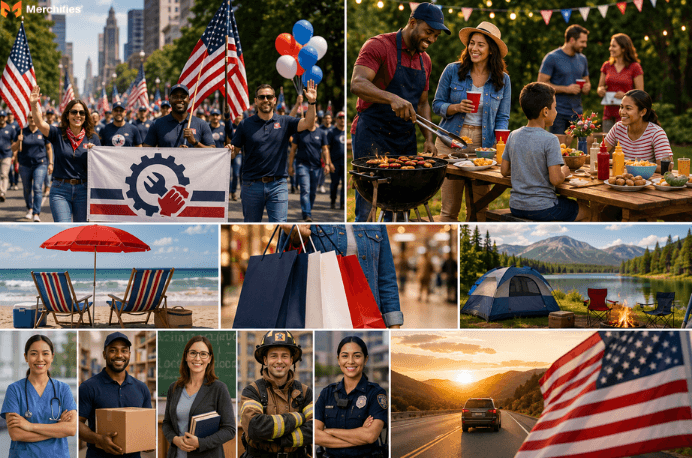
Traditional Labor Day celebrations center on parades, barbecues, family gatherings, and the last summer hurrahs before autumn arrives. The 2026 Labor Day weekend runs from Saturday, September 5, through Monday, September 7, giving families a three-day stretch for travel, outdoor activities, and time together.
Labor Day sales have become a retail tradition, with major discounts on summer merchandise, appliances, and back-to-school items. Many Americans use the weekend for road trips, beach outings, or camping before cooler weather sets in. If you are planning travel, our September 1st holiday and Labor Day weekend guide covers logistics and destination ideas.
Parade-goers often wear red, white, and blue or pro-worker themed apparel to show solidarity with the labor movement. This visual display connects modern celebrations to the original 1882 parade, where workers marched proudly in their trade colors and union banners.
Consider ways to celebrate that honor the holiday's actual purpose. Thank the essential workers you encounter. Support worker-owned businesses. Learn about a union's history in your industry or region. These small gestures acknowledge that Labor Day commemorates real sacrifices and ongoing contributions.
Federal offices, banks, and post offices close on Labor Day. However, essential services remain operational. Hospitals, some retail stores, restaurants, and transportation services continue operating, often staffed by workers who deserve particular gratitude for working while others rest.
Labor Day serves as an annual reminder to appreciate workers year-round, not just on one Monday in September. Merchifies carries worker appreciation apparel in various styles and messages that let you express gratitude any day of the year.
Practical ways to show appreciation extend beyond the holiday itself. Tip generously when service warrants it. Support businesses known for fair labor practices. Advocate for worker protections in your community or industry. Small actions accumulate into meaningful cultural change.
Worker appreciation gifts make thoughtful gestures for colleagues, employees, or the essential workers in your life. A simple gift acknowledging someone's labor has more impact than generic holiday presents. Wearing pro-worker messages functions as everyday appreciation and can start conversations about labor history and worker dignity.
Labor Day themed apparel, from tees to hoodies, offers a way to celebrate the holiday and express worker solidarity. Browse Merchifies Labor Day collection , including pro-worker designs, patriotic themes, and appreciation messages, to find styles that match your celebration approach.
Drawing on Benjamin Clarke's work with American holiday traditions, the spirit of Labor Day extends beyond September. Every paycheck you receive, every safe workplace you enter, every reasonable schedule you work reflects victories won by the labor movement. Honoring workers means recognizing this debt and paying it forward through how we treat the workers around us every day.
-d4c38c342cdf20ca.jpeg)


-b555fcc6b204c456.jpeg)