 Worldwide Shipping
 Secure Payments
 Free Return
 Local Support
-da0801079a650a2e.jpeg)
17 Year Anniversary Quotes: 110+ Funny, Romantic & Furniture Wishes (2026)
Mar, 12 2026
Day of the Dead is a vibrant cultural celebration that honors and remembers loved ones who have passed away. Rooted in ancient Mesoamerican traditions and later influenced by Spanish customs, it blends remembrance with joy, reflecting a deep belief in the ongoing connection between the living and the departed. In this guide to the Day of the Dead holiday, you’ll explore its rich history, meaningful traditions, and iconic symbols such as altars, marigolds, and sugar skulls. You’ll also discover how this unique celebration has influenced cultures around the world, transforming into a global expression of love, memory, and cultural identity.
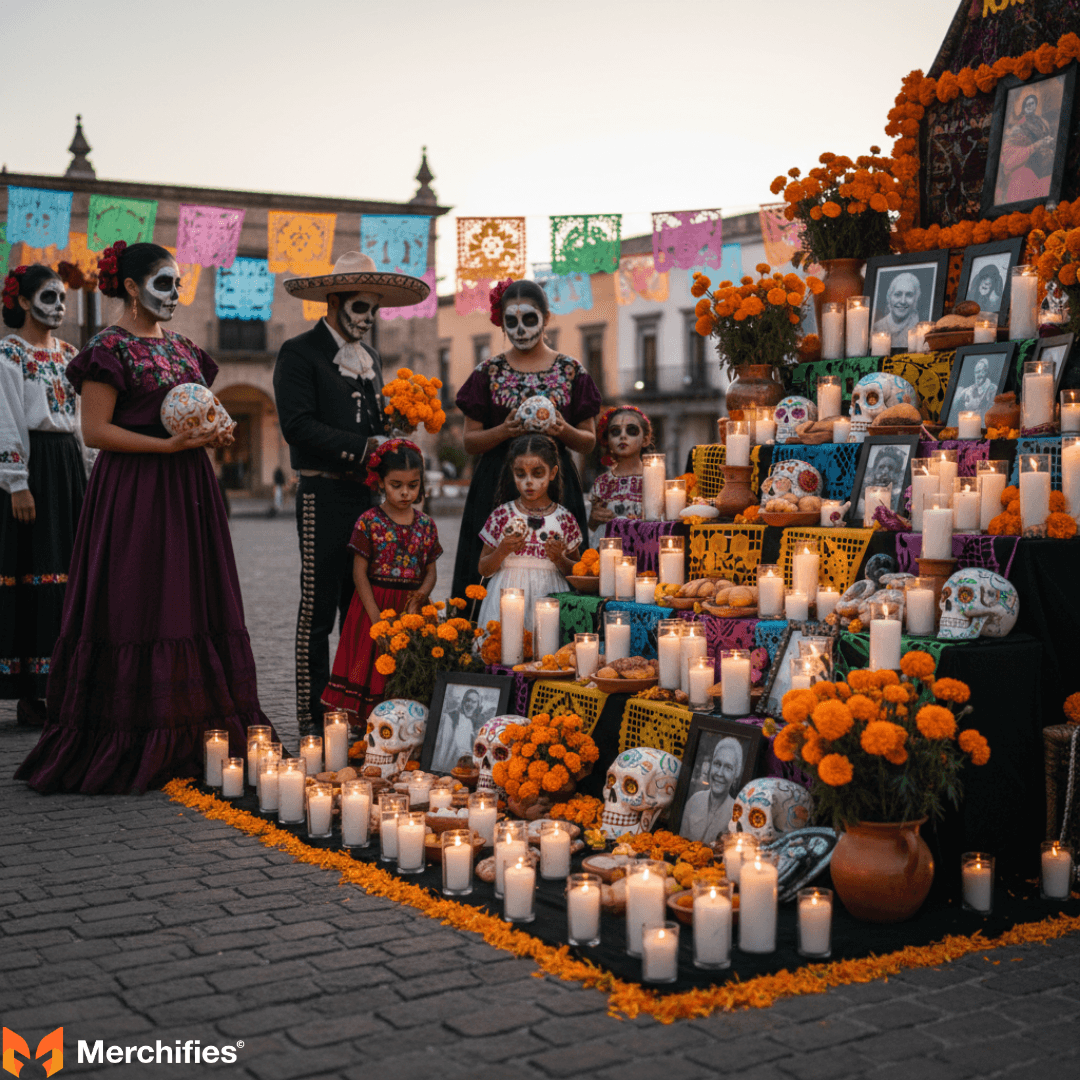
The Day of the Dead, known in Spanish as Día de los Muertos, is far more than just a holiday; it's a profound cultural celebration. As Isabella Cruz, a Senior SEO content writer with 4 years of experience specializing in global traditions, I've seen how this vibrant observance beautifully blends remembrance with joy. This guide dives deep into the history, traditions, and significance of this unique celebration, offering a comprehensive look at what makes it so special.
Día de los Muertos is a multi-day Mexican holiday focused on remembering and honoring deceased loved ones. Families believe that the spirits of the dead return to visit their living relatives for a brief period, and they prepare to welcome them with warmth and celebration. This isn't a somber occasion; rather, it’s a joyful reunion, a testament to the enduring bond between the living and the dead. The day of the dead holiday traditionally spans from October 31st to November 2nd, with specific days dedicated to different spirits.
Unlike many Western observances that treat death with solemnity or fear, the Day of the Dead frames it as a natural, even joyful, part of the human experience. It's a time to share stories, favorite foods, and memories, ensuring that the deceased remain a vibrant part of the family narrative. This perspective, I believe, offers a remarkably healthy way to grieve and connect, transforming loss into a continuum of love. For instance, in the movie *Coco* (2017), the central theme revolves around the idea that a person truly dies only when no one remembers them, perfectly encapsulating this holiday's spirit.
The intricate tapestry of the Day of the Dead holiday traditions weaves together millennia of history, reflecting a unique blend of indigenous beliefs and colonial influences. Understanding its origins is key to appreciating its enduring power.
The roots of the Mexican Day of the Dead stretch back thousands of years to pre-Hispanic Mesoamerican cultures, particularly the Aztecs, Mayans, and Toltecs. These civilizations held complex beliefs about death and the afterlife, viewing death not as an end but as a continuation of life in another realm. For the Aztecs, the goddess Mictecacíhuatl, the "Lady of the Dead," presided over the underworld. They held month-long rituals dedicated to the dead, believing that after death, individuals embarked on a journey through nine levels of the underworld, Mictlán, before reaching their final resting place. This cyclical view of life and death is a foundational element.
When the Spanish conquistadors arrived in the 16th century, they brought Catholicism with them, including traditions like All Saints' Day (November 1st) and All Souls' Day (November 2nd). These European observances, which honored saints and prayed for the souls of the departed, found common ground with the existing indigenous practices. Rather than fully eradicating the native customs, a fascinating syncretism occurred. The indigenous celebrations, originally held in the summer, gradually shifted to align with the Catholic calendar, creating the modern Day of the Dead holiday we recognize today. This blending of traditions is a powerful example of cultural resilience.
Over centuries, this fusion continued to evolve, incorporating elements from both traditions to create a distinct Mexican holiday. The core belief, however, remained: death is a part of life's journey, and the dead should be remembered and celebrated. From the early 20th century, artists like José Guadalupe Posada popularized the *calavera* (skeleton) imagery, particularly with his iconic La Catrina, which helped shape the holiday's modern aesthetic. This evolution demonstrates how cultural practices adapt while retaining their fundamental meaning.
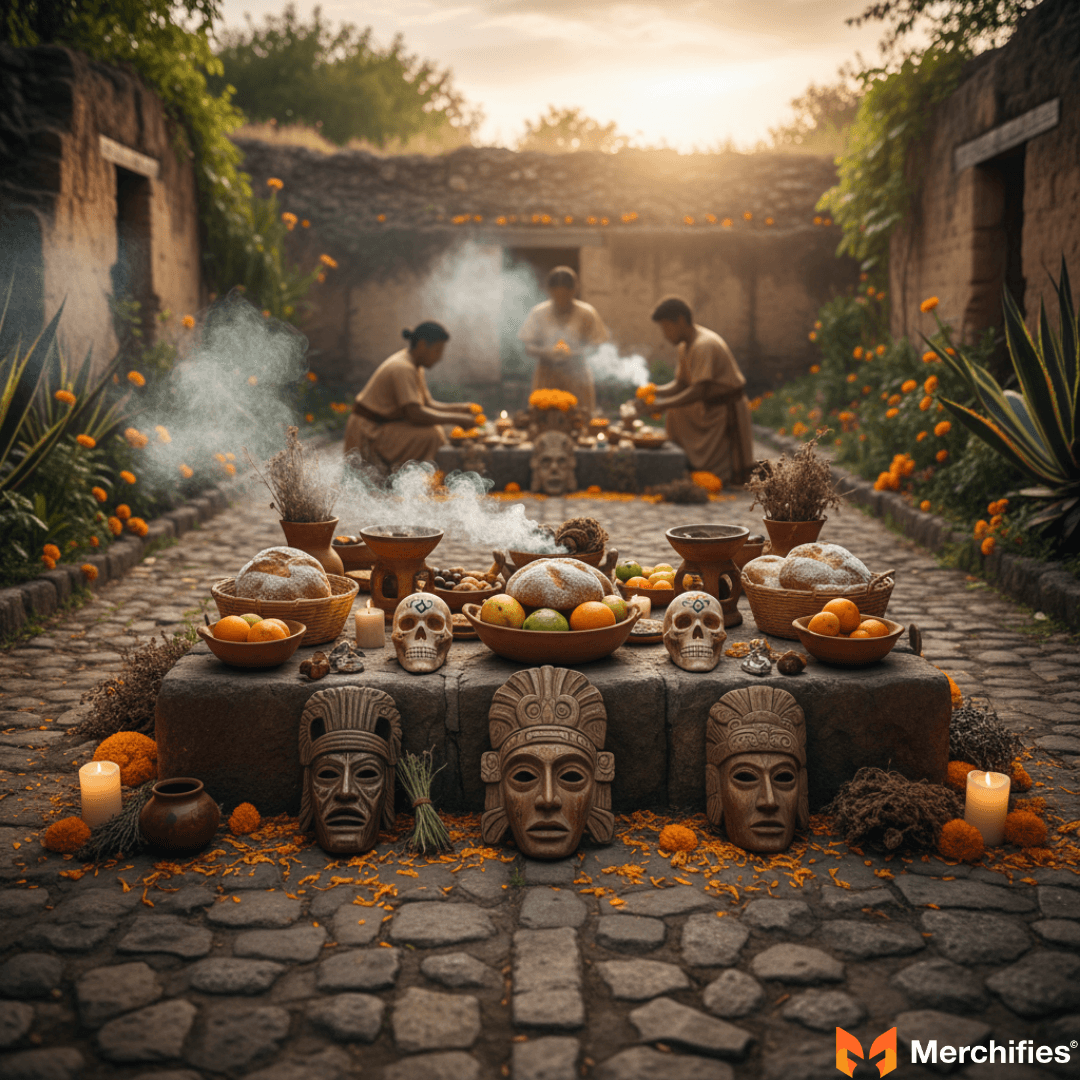
At the heart of the Day of the Dead holiday are its vibrant traditions and sacred rituals, each imbued with deep symbolism and purpose. These practices are not mere decorations but essential acts of love and remembrance.
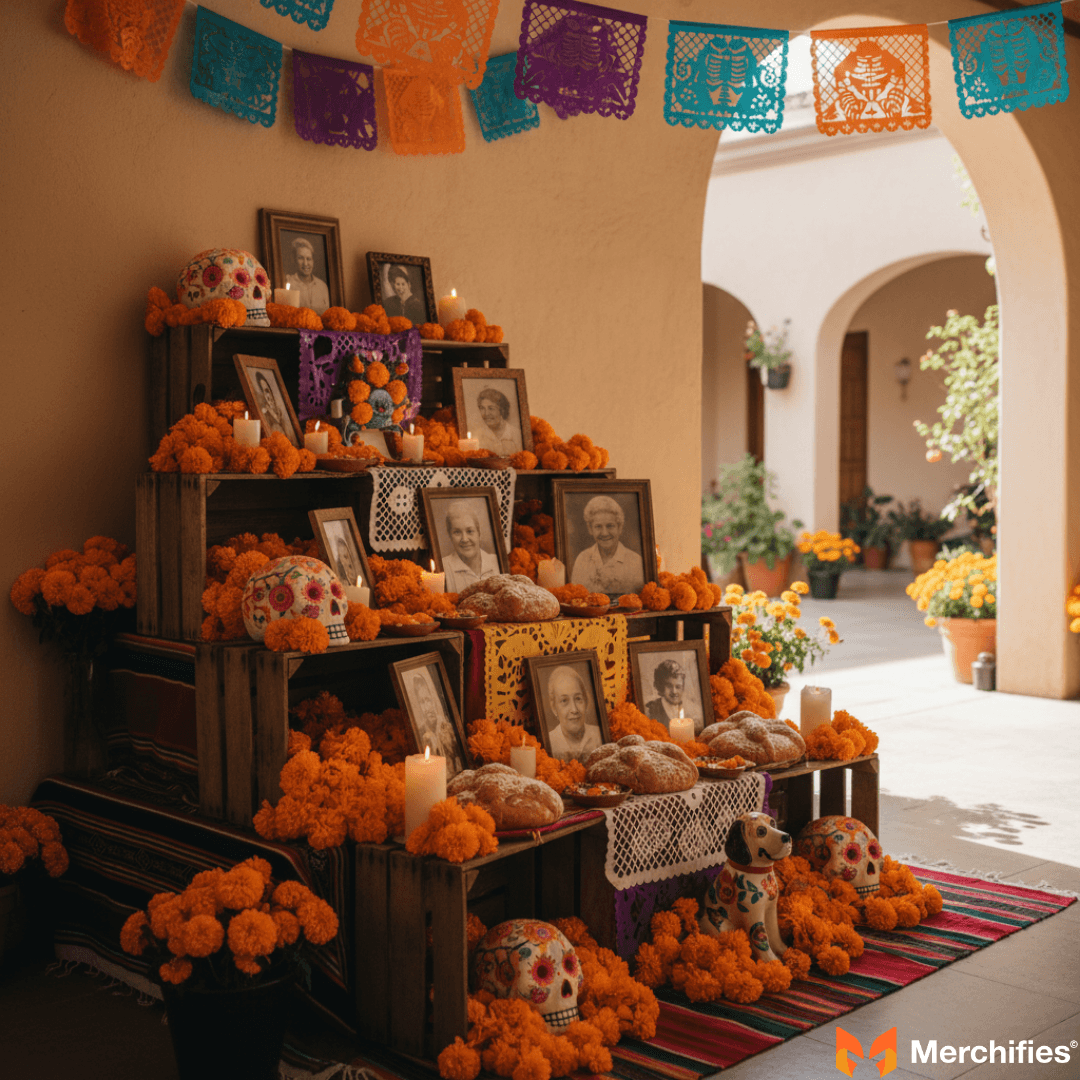
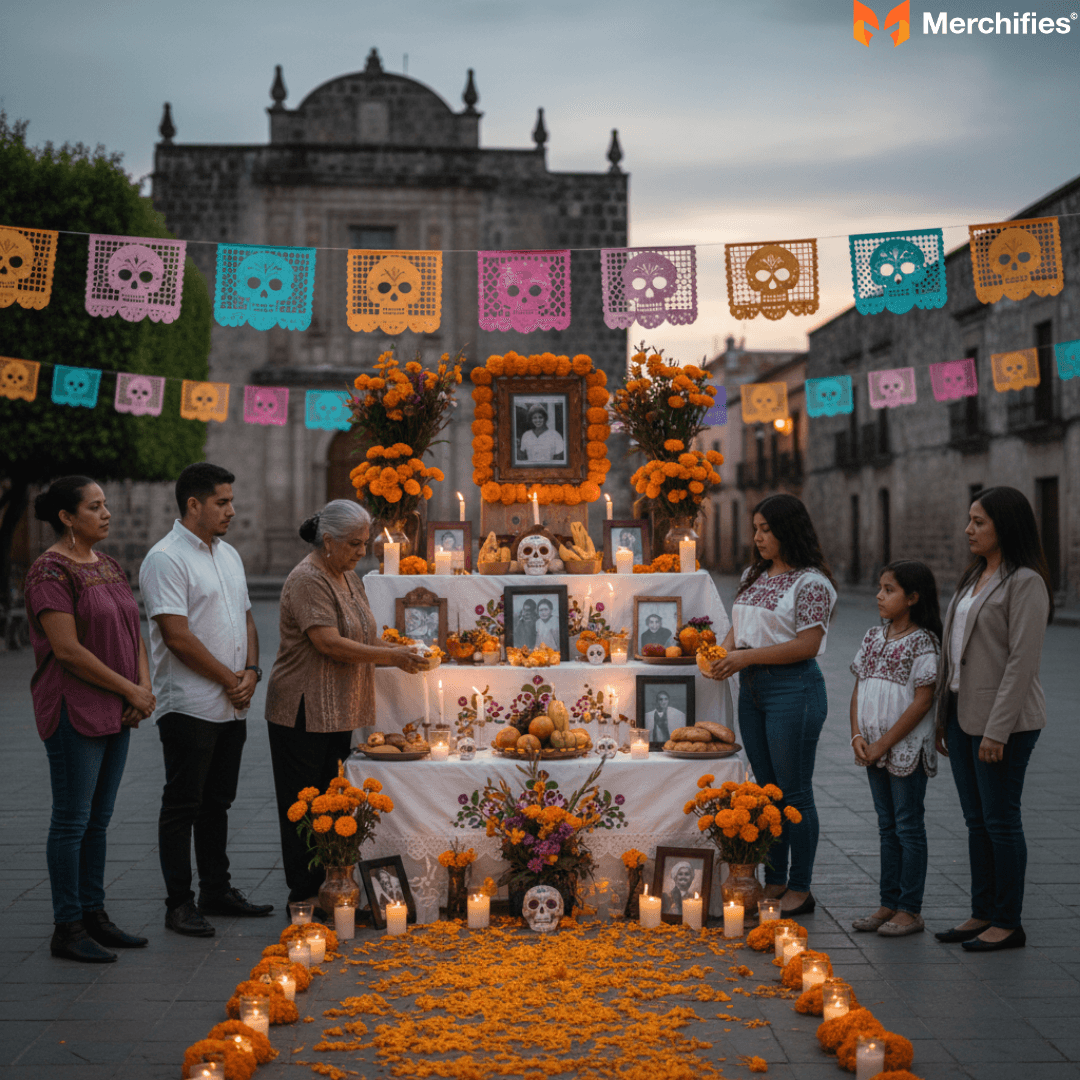
The *ofrenda*, or altar, is arguably the most central element of the celebration. Families meticulously build these altars in their homes, often multi-tiered, to welcome the spirits of their returning loved ones. Each item placed on the ofrenda has a specific meaning, creating a heartfelt invitation and offering. In my research into cultural practices, I’ve learned that a truly meaningful ofrenda is a deeply personal narrative, telling the story of those it honors.
Creating an ofrenda is a labor of love, a tangible expression of remembrance. Here's how to build one:
This meticulous construction is a deeply personal ritual, often shared across generations.
Another crucial tradition of the day of the dead holiday involves visiting cemeteries. Families clean and decorate graves, often with marigolds, candles, and offerings similar to those on the home *ofrenda*. They spend the night at the cemetery, sharing food, music, and stories, creating a festive atmosphere rather than a mournful one. This direct interaction with the resting place of their loved ones underscores the idea of a continued connection. I've heard stories of families playing the favorite music of the deceased right at their graveside, turning a somber location into a place of joyful remembrance.
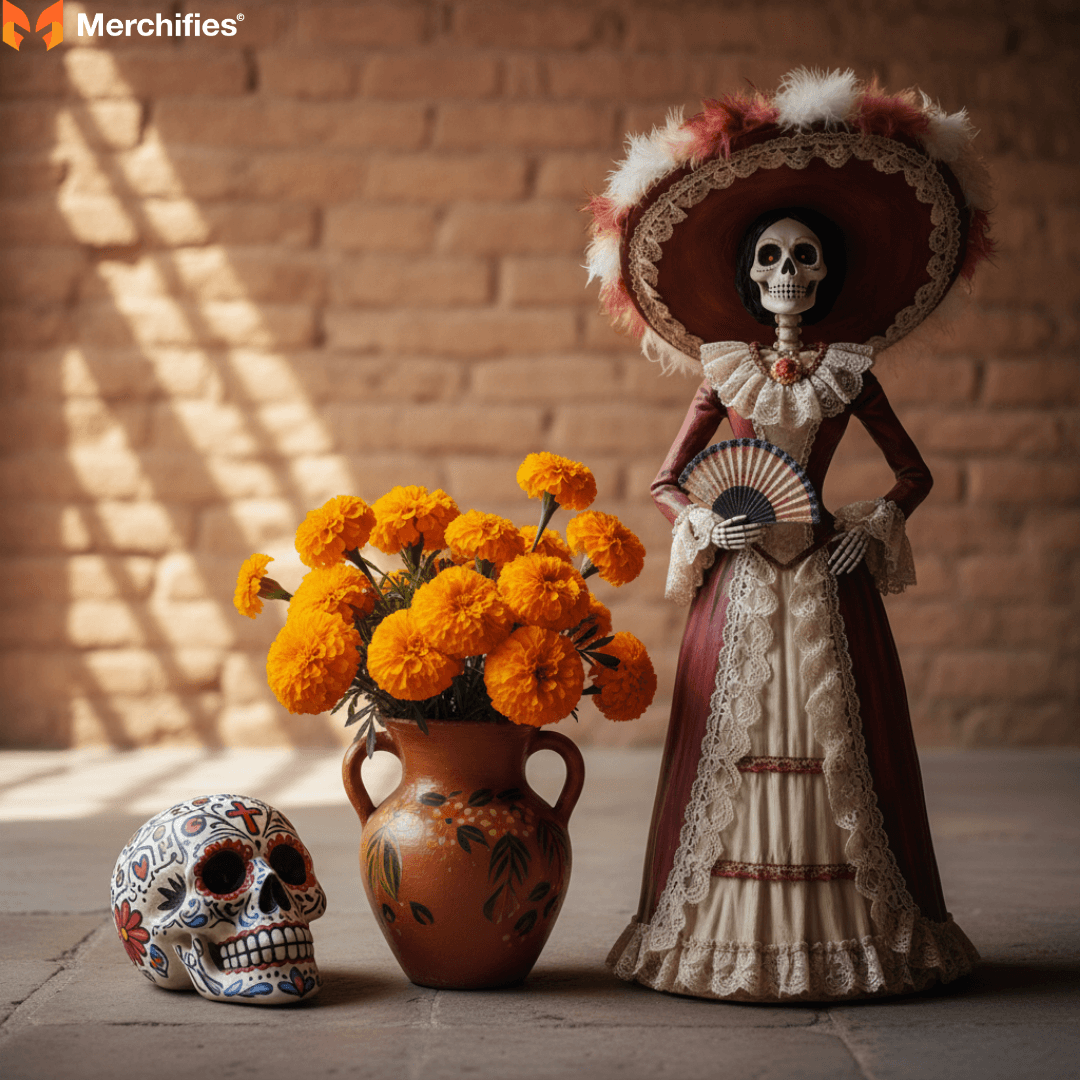
The visual language of Día de los Muertos is rich with iconic symbols. The vibrant *cempasúchitl* (marigold) flowers are ubiquitous, their bright hues and pungent scent believed to attract and guide spirits. *Calaveras*, or skulls, appear in many forms—from the edible sugar skulls to elaborate artistic representations. These aren't meant to be frightening but rather a cheerful acknowledgement of death. Then there's La Catrina, the elegant, skeleton figure dressed in aristocratic European clothing, originally created by artist José Guadalupe Posada. As Isabella Cruz explains, La Catrina serves as a powerful satirical symbol of mortality, reminding everyone, regardless of social status, that death is the great equalizer. Her prevalence in modern celebrations, especially since her appearance in the James Bond film *Spectre* (2015), has cemented her status as a global icon of the holiday.
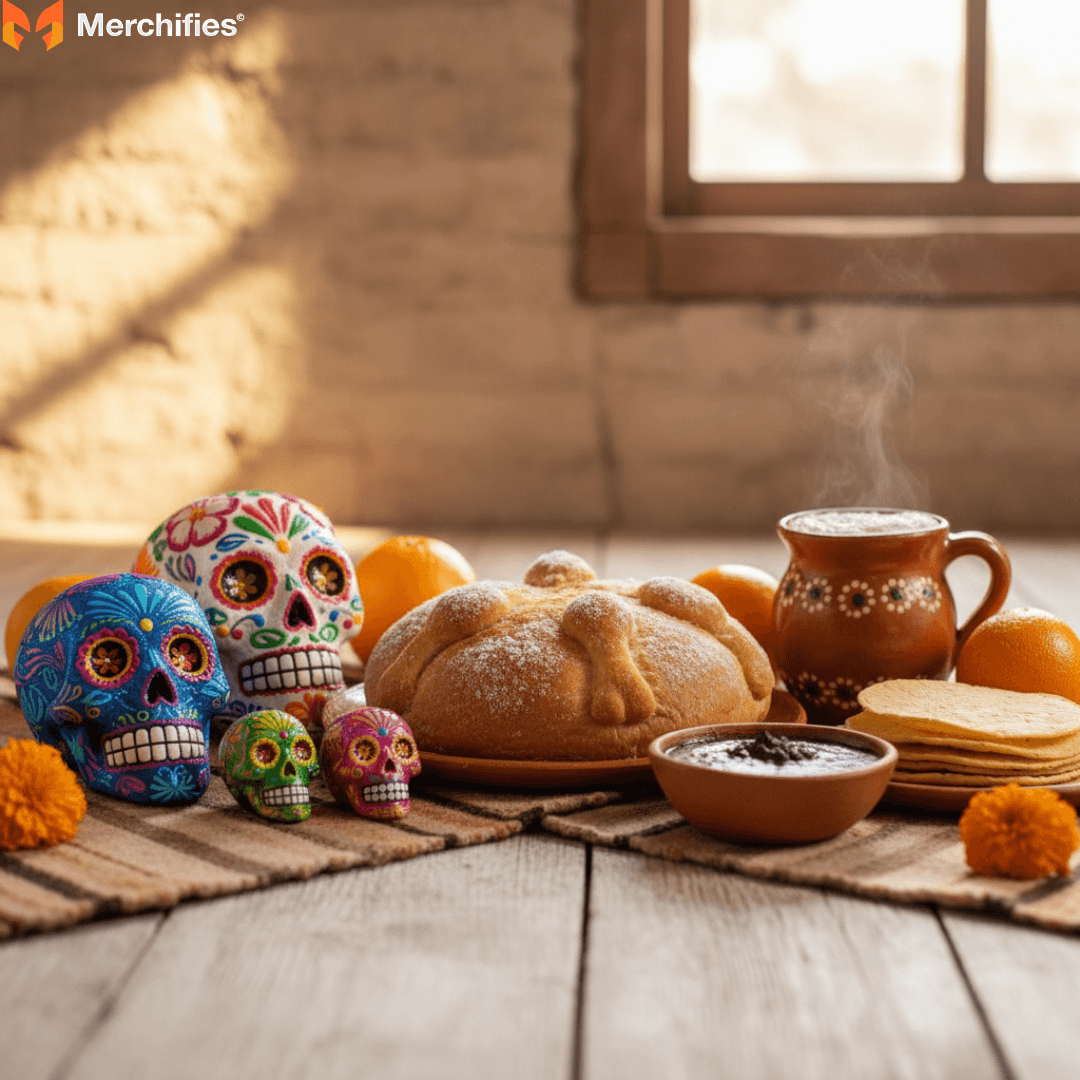
Food plays an integral role in the celebration of the day of the dead. *Pan de Muerto*, a sweet bread often adorned with crossbones, is a staple. Sugar skulls, or *calaveras de azúcar*, are not only decorative but also edible, a sweet nod to the deceased. Families also prepare the favorite meals and drinks of their departed loved ones, from *mole* to tamales, ensuring the spirits are well-fed upon their return. These culinary traditions are about nourishment, remembrance, and sharing, creating a sensory experience that connects generations.
While the core tenets of the Day of the Dead holiday remain consistent, its expression varies significantly across different regions of Mexico, each offering a unique flavor to the celebration. This diversity highlights the richness of Mexican culture.
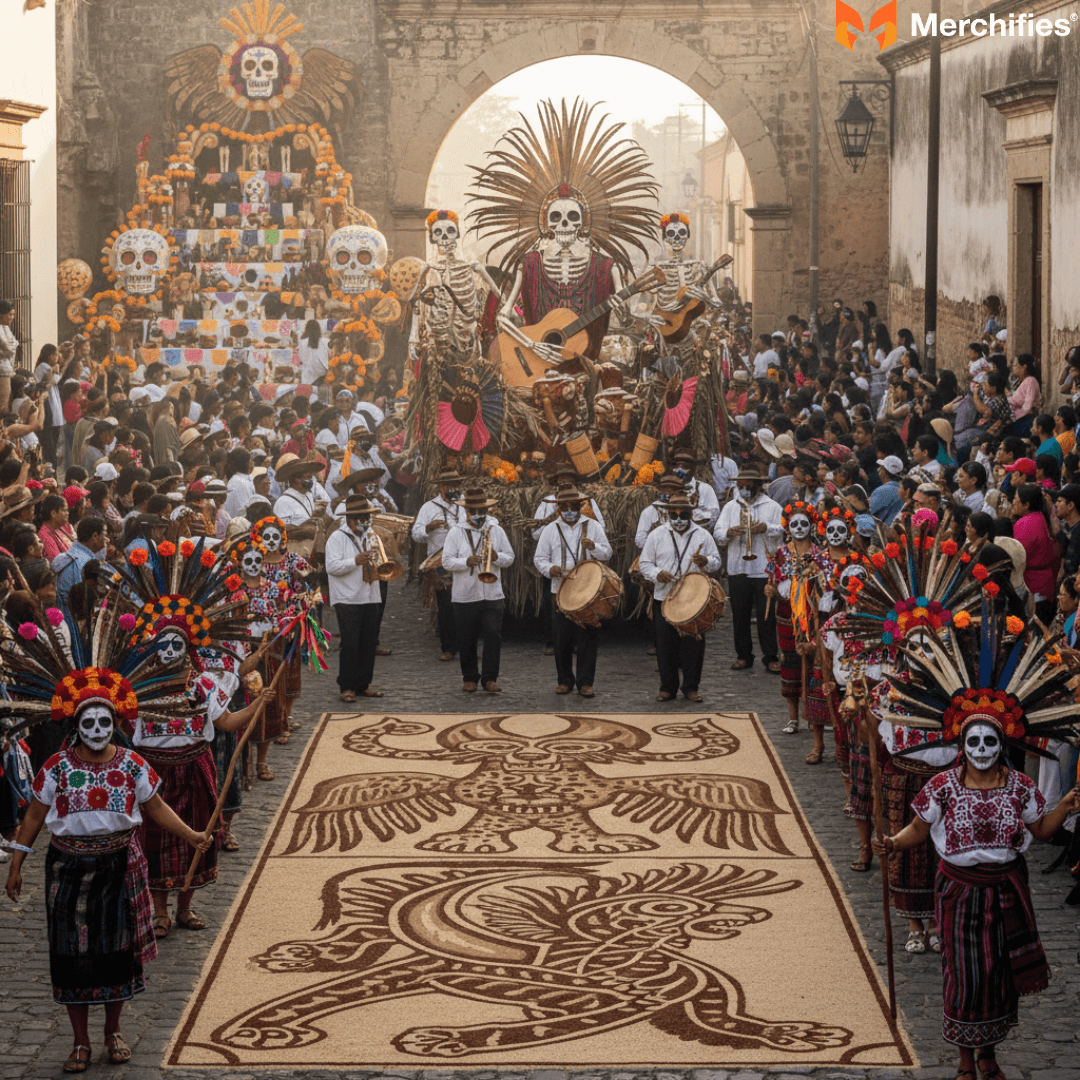
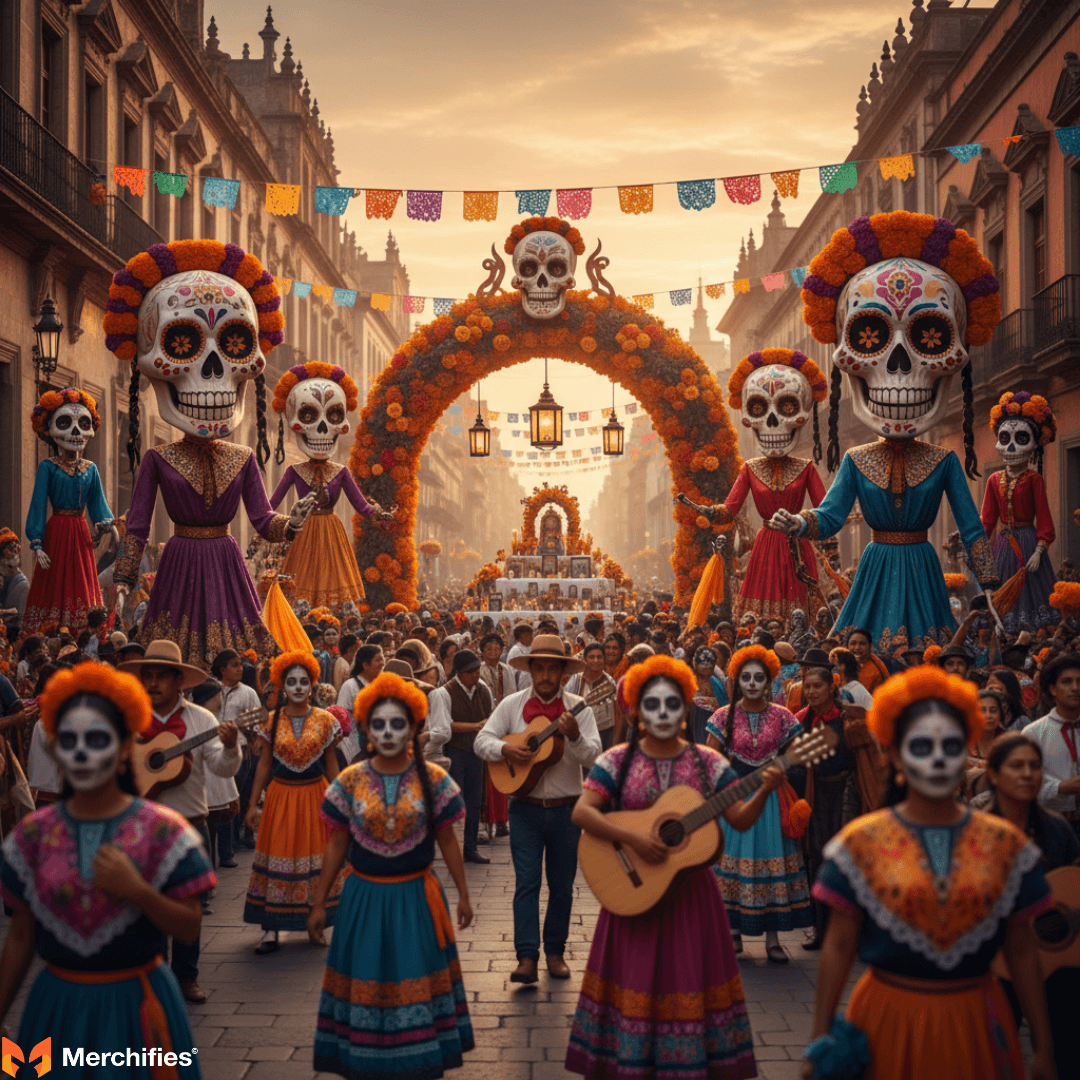
Oaxaca, a state known for its deep indigenous roots and vibrant artisan culture, offers some of the most elaborate Day of the Dead celebrations. Here, you'll find intricate sand tapestries (*tapetes de arena*) depicting religious or mythological scenes, alongside grand, colorful parades (*comparsas*) where people dress as *calaveras* and dance through the streets. The *ofrendas* in Oaxaca are often particularly ornate, showcasing the region's renowned craftsmanship. It's a truly immersive experience, where the boundary between the living and the dead feels especially thin.
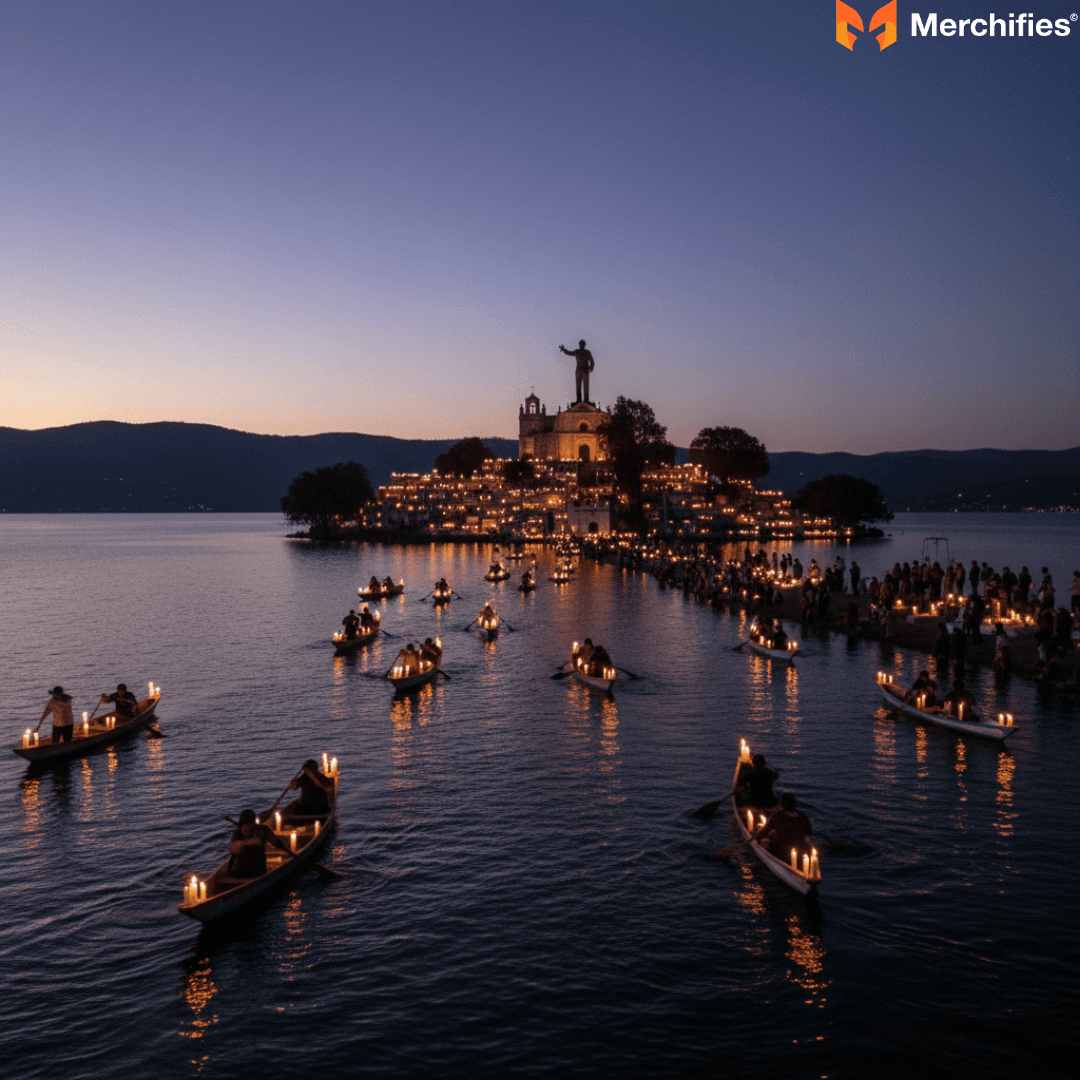
In the state of Michoacán, particularly around Lake Pátzcuaro, the Day of the Dead takes on a deeply spiritual and serene character. The indigenous Purépecha people conduct solemn candlelight vigils in cemeteries, especially on the island of Janitzio. Fishermen paddle across the lake in canoes adorned with candles, creating a breathtaking spectacle that guides the spirits. This region's traditions are deeply rooted in pre-Hispanic customs, offering a glimpse into the ancient origins of the holiday. The quiet reverence here is a stark contrast to the boisterous parades found elsewhere, yet equally powerful.
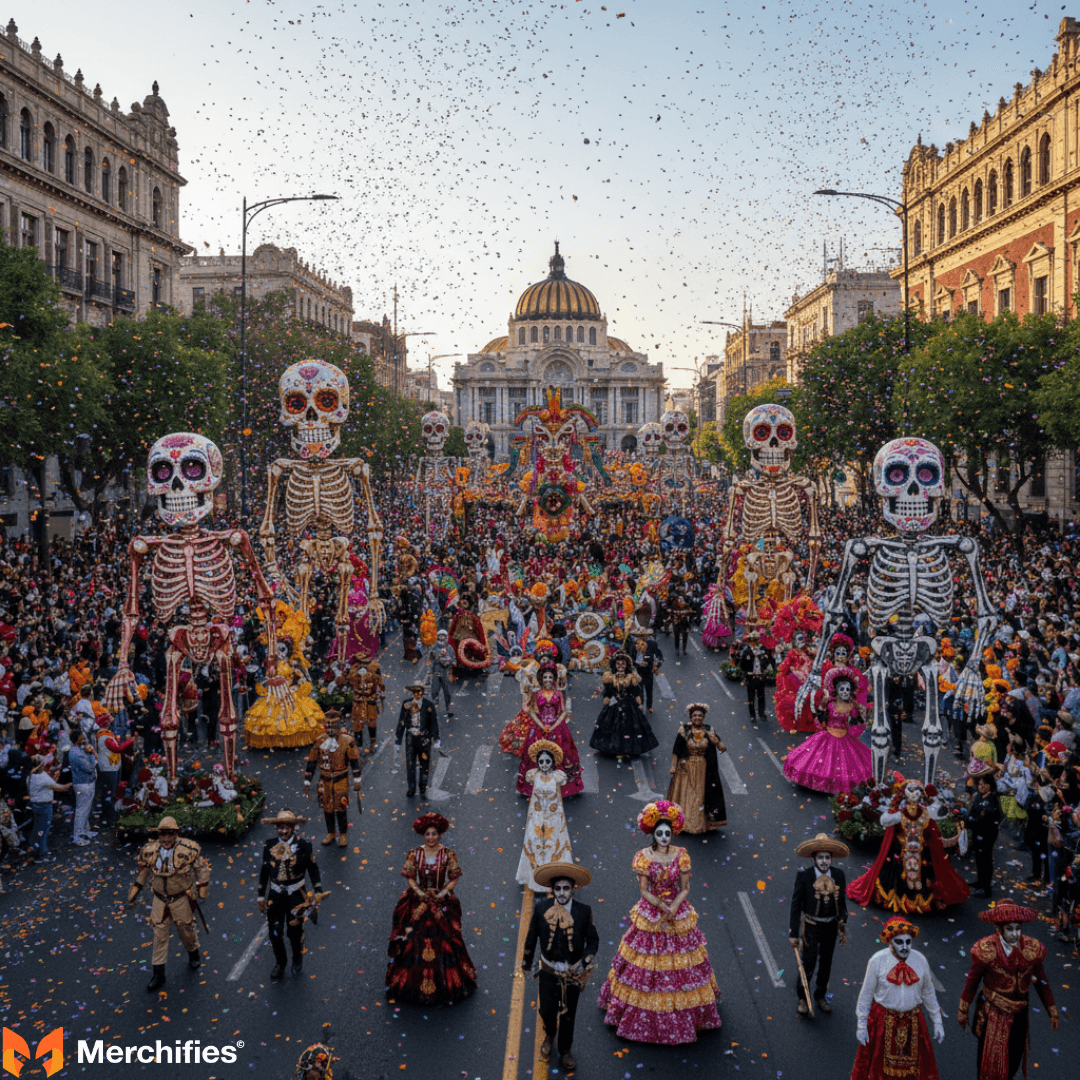
Mexico City, the nation's capital, has seen a resurgence in large-scale public Day of the Dead celebrations, particularly in recent years. While home *ofrendas* and cemetery visits remain important, the city is now famous for its massive Gran Desfile de Día de Muertos (Grand Day of the Dead Parade). This spectacular event, featuring giant *calaveras*, elaborate floats, and thousands of participants in intricate costumes, was notably inspired by the opening scene of the James Bond film *Spectre* (2015), which depicted a fictional parade. This modern interpretation shows how tradition can evolve, embracing both ancient roots and new influences.
The influence of the day of the dead holiday extends beyond Mexico's borders, particularly in areas with large Mexican and Latin American populations, such as the United States. Cities like Los Angeles, San Antonio, and Chicago host significant public celebrations, parades, and *ofrenda* exhibitions. While these observances often adapt to local contexts, they strive to maintain the core spirit of remembrance and cultural pride. Countries like Guatemala and parts of the Philippines also have similar traditions, demonstrating the widespread human need to honor the deceased.
The Day of the Dead holiday has transcended its traditional boundaries, gaining global recognition and influencing various aspects of modern culture. This expanded reach highlights its universal themes of love, memory, and the acceptance of death.
In 2008, UNESCO recognized Día de Muertos as an Intangible Cultural Heritage of Humanity, a significant milestone that brought increased global awareness and protection to the tradition. This designation acknowledged the holiday's profound cultural value, its role in strengthening community ties, and its unique blend of indigenous and European influences. It underscored the importance of preserving such rich cultural expressions for future generations. This recognition also helped clarify that the day of the dead is a Mexican holiday with a distinct identity.
The day of the dead has seen a notable surge in pop culture representation. Disney-Pixar's *Coco* (2017) introduced millions worldwide to the holiday's beauty, traditions, and emotional depth, particularly the concept of family remembrance and the power of music. The film's accuracy and respectful portrayal earned critical acclaim and educated a global audience. As mentioned, the James Bond film *Spectre* (2015) also played a role, inadvertently inspiring Mexico City's now-famous parade. These cinematic portrayals, while sometimes simplified, have undoubtedly increased interest and appreciation for the holiday.
Beyond its cultural and spiritual significance, the Day of the Dead holiday holds considerable economic importance. Local artisans thrive during this period, producing traditional items like *papel picado*, sugar skulls, pottery, and intricate costumes. The demand for marigolds alone supports countless flower farmers. Tourism also sees a significant boost, with people traveling to Mexico to experience the authentic celebrations firsthand, particularly in places like Oaxaca and Michoacán. This economic activity strengthens communities, providing livelihoods and reinforcing cultural identity. In my experience observing cultural trends, the economic impact of such holidays is often overlooked but crucial for sustaining traditions.
As the global interest in the Day of the Dead holiday grows, so does the importance of respectful engagement. For those outside the culture, understanding how to participate ethically is paramount.
Día de los Muertos is not a costume party or a mere aesthetic. It is a sacred, deeply personal, and communal observance. Therefore, understanding its cultural context is vital to avoid appropriation. This means recognizing that elements like sugar skull makeup or La Catrina costumes, when adopted without understanding or respect for their meaning, can diminish the holiday's significance. It's about appreciation, not appropriation. For example, simply wearing a skull mask for a Halloween party completely misses the point of remembrance and honor that defines the day of the dead.
If you plan to experience the celebration in Mexico, ethical tourism is key. Here are some guidelines:
This mindful approach ensures that your experience enriches both you and the communities you visit.
Perhaps the most common misconception surrounding the day of the dead holiday is its perceived similarity to Halloween. While they occur around the same time of year, their origins, meanings, and practices are profoundly different.
Halloween, celebrated on October 31st, has roots in ancient Celtic harvest festivals and pagan rituals, evolving into a night associated with ghosts, monsters, and warding off evil spirits. Its focus is often on fear, the supernatural, and playful mischief. The Day of the Dead, on the other ofrenda, stems from Mesoamerican traditions intertwined with Catholic observances. Its core meaning is about honoring and celebrating deceased loved ones, inviting their spirits to return for a visit. It's a celebration of life within death, not a night of fright. This fundamental difference in origin and purpose sets them apart.
The distinction becomes clearest in their emotional core. Halloween embraces the spooky and the eerie, with costumes designed to scare or entertain. The day of the dead, conversely, embraces remembrance and connection. While skeletons and skulls are prominent, they are depicted cheerfully and elegantly, symbolizing the cycle of life and death, and the vibrant personalities of those who have passed. There's no intent to invoke fear; rather, it’s about joyful reunion and the comforting belief that death is not the end of a relationship. For instance, children in Mexico might receive sugar skulls with their names, a sweet treat rather than a scary one.
The Day of the Dead holiday is a powerful testament to the human spirit's capacity for remembrance, love, and celebration in the face of loss. It offers a unique and beautiful perspective on death, transforming grief into a vibrant affirmation of life and enduring connections. From its ancient Mesoamerican roots to its modern global recognition, Día de los Muertos continues to evolve, yet its core message remains steadfast: our loved ones are never truly gone as long as we remember them. With 4 years of experience in SEO content and a passion for cultural exploration, I believe understanding and respectfully engaging with traditions like Día de los Muertos enriches us all.
-d4c38c342cdf20ca.jpeg)

-b555fcc6b204c456.jpeg)