 Worldwide Shipping
 Secure Payments
 Free Return
 Local Support
-da0801079a650a2e.jpeg)
17 Year Anniversary Quotes: 110+ Funny, Romantic & Furniture Wishes (2026)
Mar, 12 2026
Memorial Day is a U.S. holiday dedicated to honoring military service members who died while serving their country. Originating after the American Civil War as Decoration Day, the observance began when communities decorated soldiers’ graves with flowers and flags. Over time, it evolved into a national day of remembrance held on the last Monday of May. Traditions such as visiting cemeteries, attending parades, and participating in the National Moment of Remembrance help Americans reflect on the sacrifices made for freedom. Memorial Day reminds the nation to honor and remember those who gave their lives in military service.
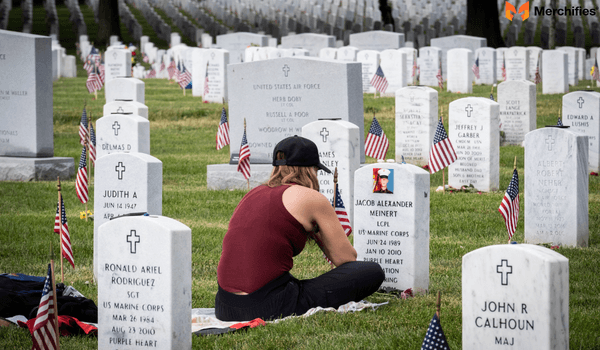
For many, Memorial Day marks the unofficial start of summer, a time for barbecues, beach trips, and family gatherings. But beneath these joyful traditions lies a profound and solemn purpose. Memorial Day is a U.S. national holiday dedicated to honoring the brave men and women who died while serving in the United States military. As a writer specializing in emotional communication and life’s sensitive moments, Emily Harper often shares insights into how we collectively process grief and honor significant sacrifices. This article aims to delve into the historical context and the enduring, heartfelt reasons behind its observance, ensuring we understand that its ultimate goal is remembrance and honor for those who gave everything.
The journey to understanding why is Memorial Day celebrated begins in the immediate aftermath of America's deadliest conflict. This foundational historical context shows how the holiday was initiated from a profound national need.
The American Civil War, ending in 1865, left an indelible mark on the nation. With an estimated 620,000 to 750,000 soldiers lost, the scale of death was unprecedented. Nearly every community, North and South, grieved immensely. This widespread loss created a deep, collective need for remembrance, leading to spontaneous local tributes. Across the ravaged landscape, citizens began to visit soldiers' graves, adorning them with flowers and flags, a simple yet powerful gesture of respect for the fallen soldiers.
While various communities claim "first" observances – from women in Columbus, Georgia and Mississippi decorating graves in 1866, to the solemn gathering of freed slaves in Charleston, South Carolina in 1865, and the official recognition of Waterloo, New York, as the birthplace of Decoration Day – the holiday gained national momentum through General John A. Logan. As commander-in-chief of the Grand Army of the Republic, a Union veterans' organization, Logan issued General Order No. 11 on May 5, 1868. This order formally established May 30th as an annual day "for the purpose of strewing with flowers, or otherwise decorating the graves of comrades who died in defense of their country." This initial practice of adorning graves with flowers quickly took root, giving the day its original name.
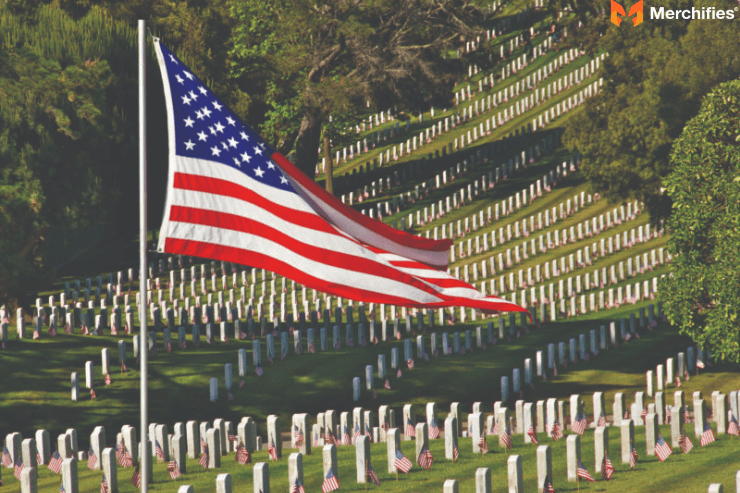
The practice of honoring the fallen didn't remain confined to Civil War veterans. The holiday's scope gradually broadened, reflecting a reunified nation's collective gratitude and eventually achieving national recognition.
As the nation healed and entered new conflicts, the scope of Decoration Day expanded. It wasn't long before communities began to commemorate all American service members lost in any conflict, not just the Civil War. This gradual shift cemented its place as a national day of remembrance, uniting a once-divided country in honoring sacrifice. The focus moved from a specific war's casualties to a more encompassing recognition of every life given for the nation.
By the early 20th century, the term "Memorial Day" organically began to replace "Decoration Day." This new identity better reflected its broader, more solemn purpose: a day not just for decorating graves but for a nation's collective memory of its fallen. Many states began to recognize it as a legal holiday, signaling its growing importance beyond local observances.
The final step in its national recognition came in 1971 with the passage of the Uniform Monday Holiday Act. This legislation officially declared Memorial Day a federal holiday and moved its observance to the last Monday in May. This ensured a three-day weekend for federal employees and, subsequently, for most Americans. While providing a convenient long weekend, it also solidified Memorial Day's permanent place in the national calendar, cementing its importance for generations to come.
This brings us to the core of why is it celebrated today. Beyond its historical roots, Memorial Day carries a profound, timeless significance that demands our attention and respect. As Emily Harper emphasizes in her work on emotional connection, understanding these foundational meanings helps us truly honor those who made the ultimate sacrifice.
At its heart, Memorial Day is about commemorating those who made the ultimate sacrifice, those who died protecting American freedoms and values. It’s a day to acknowledge the profound personal cost and selflessness of military service. We reflect on the lives cut short, the futures unfulfilled, and the families forever changed by their devotion to duty. This immense debt of gratitude can never truly be repaid, but it can be acknowledged and remembered.
This holiday calls for a pause, a moment of quiet reflection, and an acknowledgment of the immense price of liberty. It stands apart from purely celebratory holidays; its solemnity reminds us that the freedoms we enjoy came at a great cost. It's a day for profound gratitude, allowing us to truly appreciate the sacrifices made on battlefields far from home.Connecting Generations: Preserving Memory and Our Military History
Memorial Day also serves as a vital bridge between generations. It’s an essential tool to educate younger Americans about the nation's military legacy and the profound sacrifices made to secure our present and future. By observing this day, we ensure that the memories of these heroes are preserved, their stories are told, and their courage continues to inspire.

$12.79
$22.79
43% off
$12.79
$22.79
43% off
$12.79
$22.79
43% off
$12.79
$22.79
43% off
$12.79
$22.79
43% off
$12.79
$22.79
43% off
$12.79
$22.79
43% off
$12.79
$22.79
43% off
$12.79
$22.79
43% off
$12.79
$22.79
43% off
$12.79
$22.79
43% off
$12.79
$22.79
43% off
$12.79
$22.79
43% off
$12.79
$22.79
43% off
$12.79
$22.79
43% off
$12.79
$22.79
43% off
$12.79
$22.79
43% off
$12.79
$22.79
43% off
$12.79
$22.79
43% off
$12.79
$22.79
43% offToday, the spirit of Memorial Day is upheld through a variety of traditions, both national and personal, all reinforcing its central message of remembrance.
Official protocols mark the day's solemnity. The U.S. flag is traditionally flown at half-staff from sunrise until noon, symbolizing the nation in mourning, then raised to full staff until sunset, representing the resilience and remembrance of the fallen. A key national observance is the "National Moment of Remembrance," established by Congress in 2000, which asks all Americans to pause at 3:00 PM local time for a minute of silence to remember the fallen. Wreath-laying ceremonies are common at national cemeteries, with the most prominent taking place at Arlington National Cemetery, where the President or Vice President typically delivers an address.
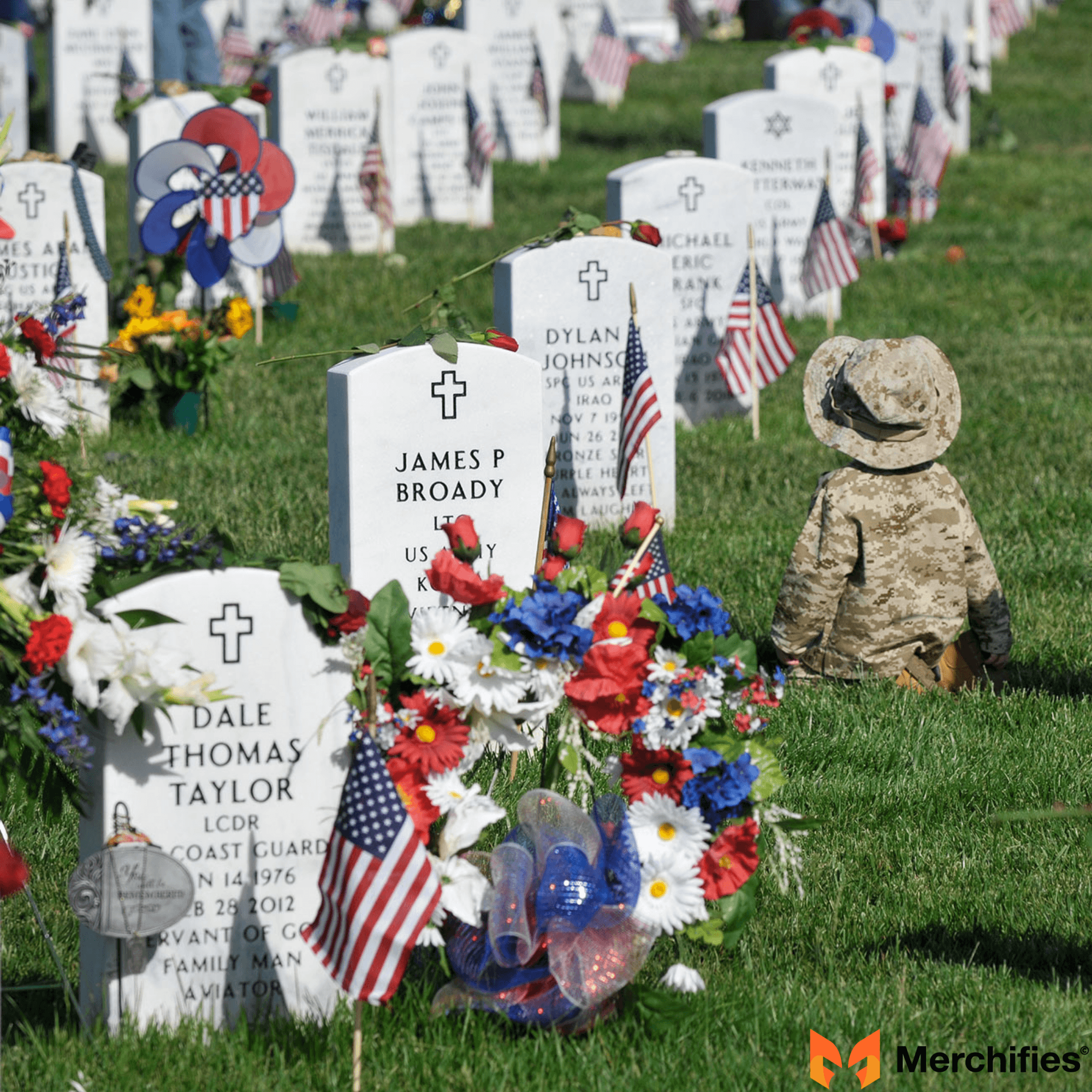
Beyond national ceremonies, individuals and communities engage in their own heartfelt tributes. Many visit the graves of service members, whether family or strangers, placing flowers, small flags, or other tokens of respect. Memorial Day parades, often featuring veterans' groups and military organizations, march through towns and cities, reminding residents of the sacrifices made. While many families gather for picnics or travel, these gatherings often serve as a backdrop for quiet remembrance, a chance to share stories, and instill the meaning of the day in younger generations.
ALSO READ: 50+ Quotes for Veterans: Honoring Their Service & Sacrifice
Ultimately, Memorial Day is much more than a three-day weekend; it is a sacred day of national reflection. From its origins as Decoration Day in the wake of the Civil War to its status as a federal holiday honoring all who fell in service, its purpose remains steadfast: to remember those who made the ultimate sacrifice. As Emily Harper reminds us through her focus on empathy and connection, understanding this day isn't just about history; it's about honoring a profound human story of courage, loss, and enduring gratitude.
Let us all take a moment to pause, reflect, and truly honor the brave men and women who gave their lives for our freedoms. Their legacy endures, and so too must our remembrance.
-d4c38c342cdf20ca.jpeg)


-b555fcc6b204c456.jpeg)