 Worldwide Shipping
 Secure Payments
 Free Return
 Local Support
-da0801079a650a2e.jpeg)
17 Year Anniversary Quotes: 110+ Funny, Romantic & Furniture Wishes (2026)
Mar, 12 2026
St. Patrick's Day is a vibrant celebration of Irish heritage, culture, and community observed each year on March 17. Originally honoring Saint Patrick, the patron saint of Ireland, the holiday has grown into a global festival known for parades, music, festive foods, and the color green. This ultimate guide explores the rich history behind the holiday, the traditions that have shaped its celebration over centuries, and the many ways people around the world join in the festivities. From shamrocks and Irish folklore to lively parades and cultural gatherings, St. Patrick’s Day continues to bring people together in a joyful celebration of Irish spirit and tradition.
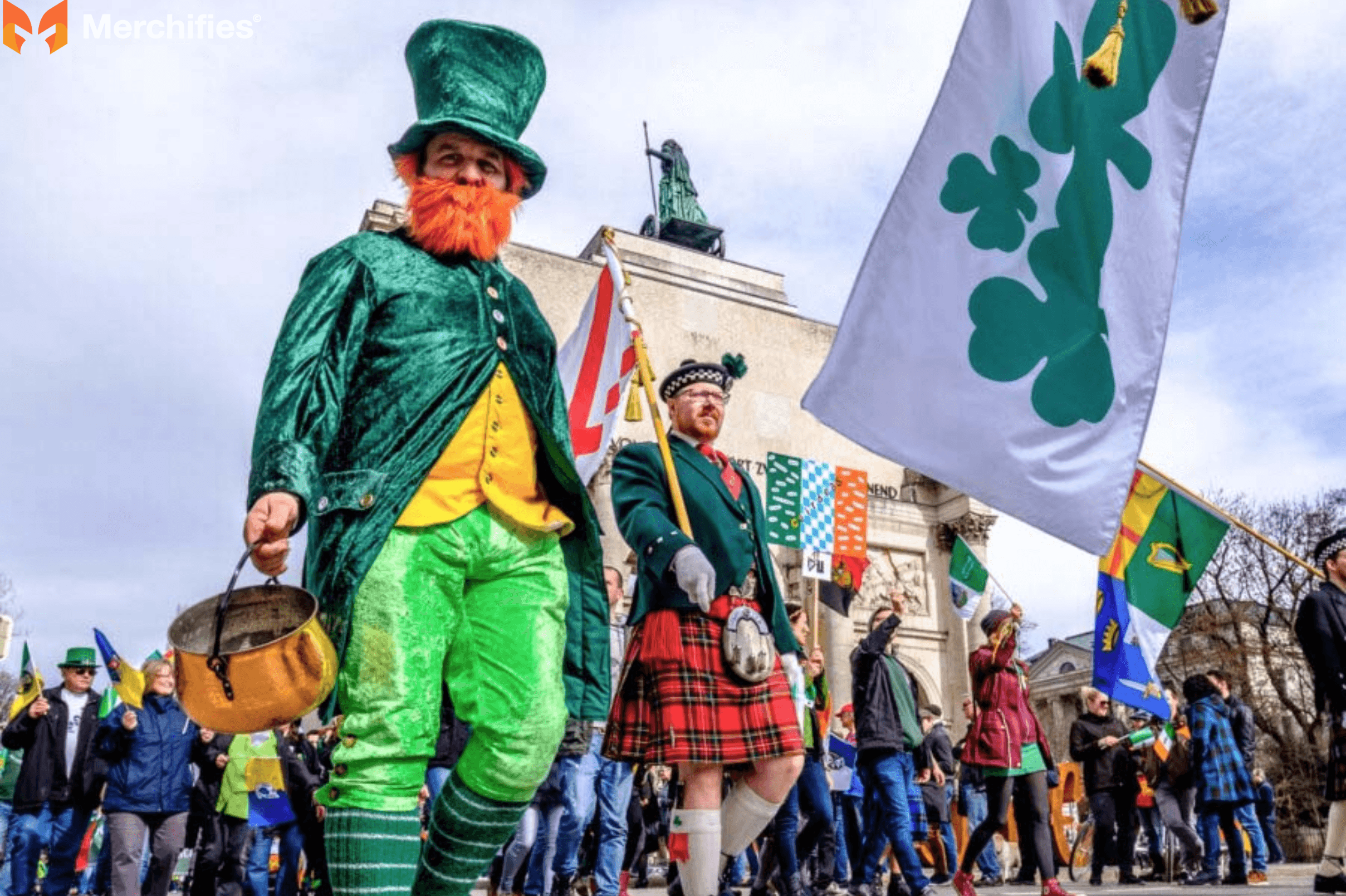
Why do we wear green, parade down streets, and toast with special drinks every March 17th? From bustling city parades to cozy pub gatherings, Saint Patrick's Day captures hearts worldwide as a vibrant celebration of Irish culture and heritage. As Benjamin Clarke, a Lifestyle Writer and American Traditions Content Curator, has often observed in his work on U.S. holidays, these festive occasions are more than just dates on a calendar; they represent shared values, history, gratitude, and community connection. This comprehensive guide will take you on a journey through the captivating history of this cherished day, unravel its most beloved traditions, explain its iconic symbols, and provide actionable ideas for how you can join the global festivities. Get ready to dive deep into the spirit of Saint Patrick's Day!
At its core, Saint Patrick's Day is a cultural and religious holiday celebrated annually on March 17th. It commemorates the death of Saint Patrick, who is revered as the foremost patron saint of Ireland. Far from being a somber observance, it has evolved into a joyous global festival, embracing everything from grand parades to intimate family meals. The day's essence lies in celebrating Irish heritage and culture across the world.
To truly understand Saint Patrick's Day, we must first look to the extraordinary individual behind the name. His story is one of resilience, faith, and transformation, laying the groundwork for centuries of Irish pride.
Surprisingly, Saint Patrick was not Irish by birth. Born in Roman Britain in the late 4th century, his given name was Maewyn Succat. At the age of 16, he was kidnapped by Irish pirates and taken to Ireland, where he was enslaved for six years, herding sheep. During this solitary period, he found solace in Christianity, experiencing a profound religious awakening. After escaping and returning to his family in Britain, he felt a divine calling to return to Ireland, not as a captive, but as a missionary.
Following his ordination as a bishop, Saint Patrick returned to Ireland in the 5th century, embarking on a mission to convert the largely pagan Irish population to Christianity. He traveled extensively, preaching and establishing monasteries, churches, and schools across the island. One of the most enduring narratives associated with him is his ingenious use of the three-leaf shamrock to explain the concept of the Holy Trinity (Father, Son, and Holy Spirit) to the Irish people. While many legends abound, such as him driving snakes from Ireland (which is largely symbolic, as snakes were not native to Ireland), his historical impact on the spread of Christianity is undeniable.
Initially, Saint Patrick's Day was observed primarily as a solemn religious feast day in Ireland. However, its transformation into the lively cultural celebration we know today largely began with the Irish diaspora, particularly in America. The first recorded Saint Patrick's Day parade, in fact, was held in a British colony in North America – either Boston in 1737 or New York City in 1762 – by Irish soldiers serving in the British army. These early parades were a way for Irish immigrants to connect with their heritage and express their national pride, eventually blossoming into the global phenomenon we celebrate today.
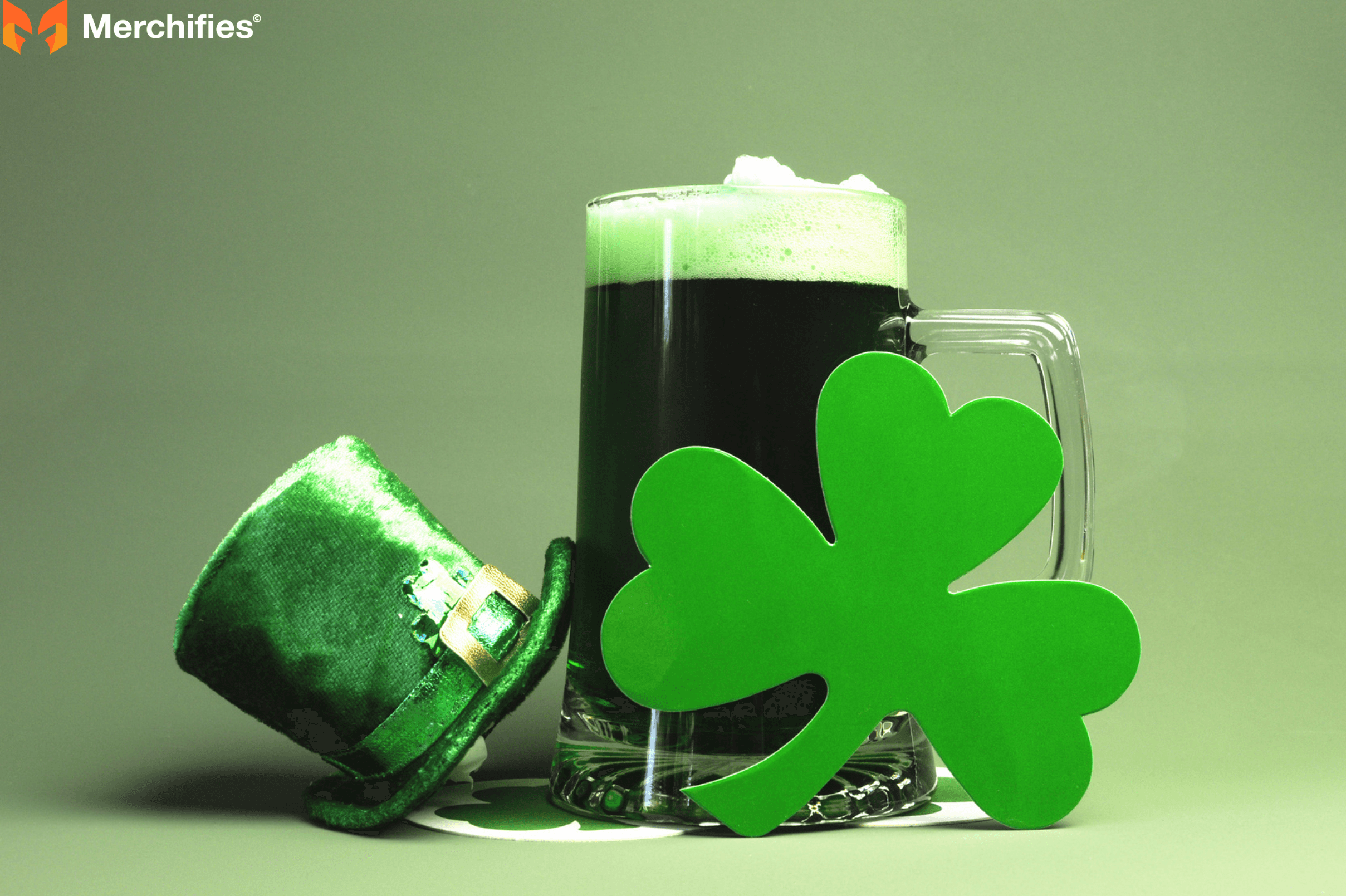
When you think of Saint Patrick's Day traditions, vibrant images come to mind. These customs are deeply rooted in history and culture, making the holiday truly unique.
The tradition of wearing green is perhaps the most visible Saint Patrick's Day custom. While blue was historically associated with Saint Patrick and Ireland, green gradually became the dominant color. This shift was fueled by its strong ties to Ireland's lush landscapes (often called the "Emerald Isle"), revolutionary movements, and the iconic shamrock. Today, wearing green is a symbol of national pride and a simple way to participate in the festivities – and perhaps avoid a playful pinch!
Parades are synonymous with Saint Patrick's Day. As Benjamin Clarke's research into cultural traditions shows, these public spectacles often become focal points for community gathering and shared celebration. The early Irish immigrants in America initiated these parades, and cities like New York and Boston continue to host some of the largest and most famous. Beyond North America, Dublin's week-long festival and even unique traditions like dyeing the Chicago River green showcase the global reach and creativity of these celebrations.
Food and drink play a central role in any holiday, and Saint Patrick's Day is no exception. While many associate corned beef and cabbage with the day, it's worth noting this dish gained popularity among Irish immigrants in America as a more affordable alternative to bacon. Authentic Irish staples include hearty Irish stew, comforting soda bread, and savory shepherd's pie. For beverages, Guinness stout, Irish whiskey, and even green-tinted beer are popular choices, each contributing to the festive atmosphere and the celebration of Irish culture.
The infectious joy of Saint Patrick's Day is amplified by traditional Irish music and dance. From lively céilí bands playing fiddles, flutes, and bodhráns to the intricate footwork of Irish dancing, these art forms are central to the merriment. The Irish concept of 'craic' (pronounced "crack") — meaning fun, entertainment, and good times — perfectly encapsulates the spirit of the day's gatherings.
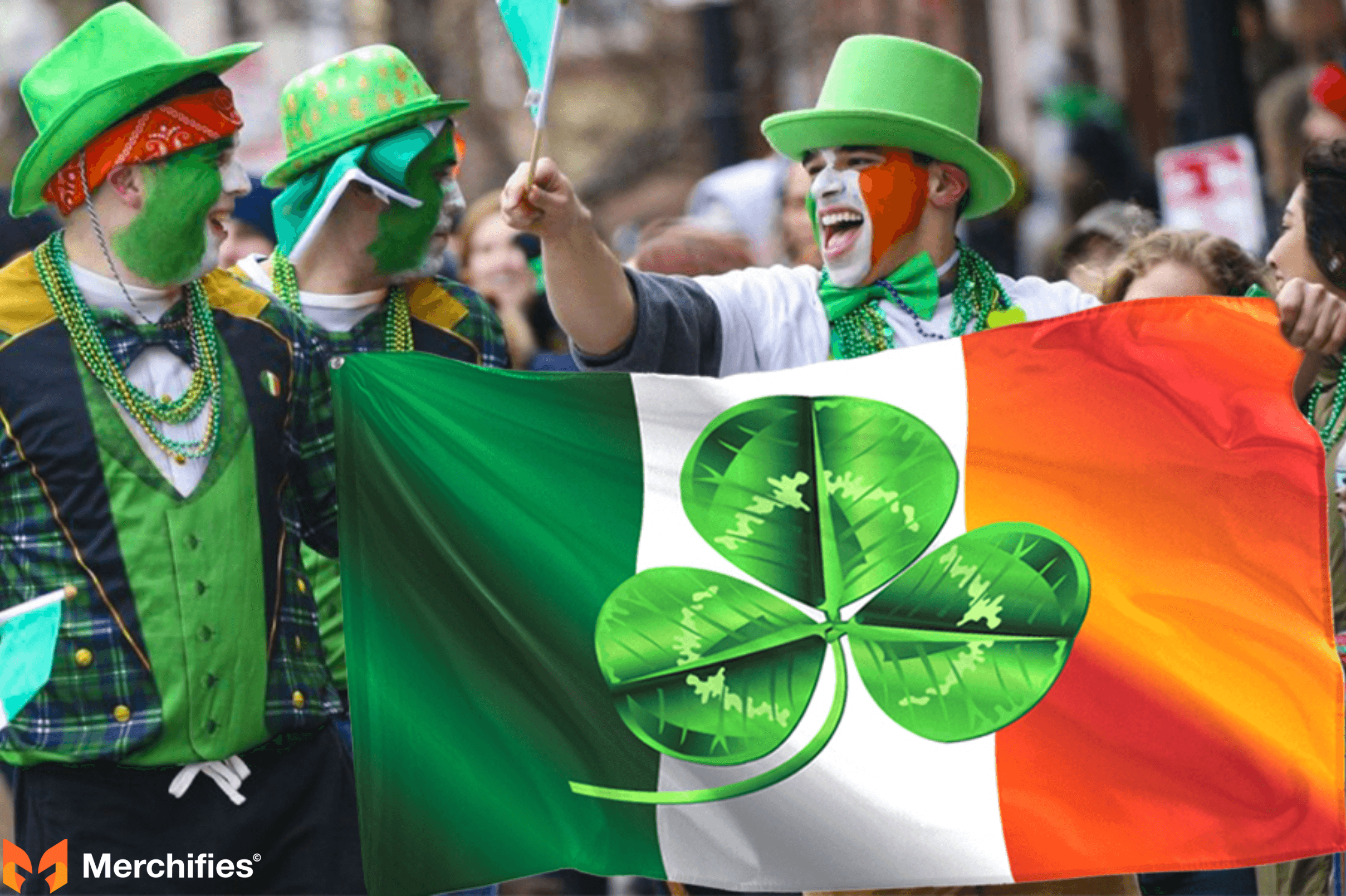
Beyond the green attire and parades, several symbols hold deep meaning for Saint Patrick's Day and Irish culture. Understanding these provides a richer appreciation for the holiday.
The shamrock, a small three-leaf clover, is arguably the most recognizable symbol of Ireland and Saint Patrick's Day. Its botanical identification is typically Trifolium repens (white clover) or Trifolium dubium (lesser trefoil). As mentioned earlier, Saint Patrick famously used it to illustrate the Christian Holy Trinity. It's important to differentiate it from the four-leaf clover, which is generally a symbol of luck, whereas the shamrock is a powerful national and religious emblem.
Leprechauns, mischievous fairies from Irish culture and mythology, have become popular, albeit somewhat commercialized, symbols of Saint Patrick's Day. Legend states these solitary figures are shoemakers who hoard pots of gold at the end of rainbows. While modern portrayals often depict them as friendly, historically they were more elusive and tricky. Benjamin Clarke reminds us that understanding these mythical figures adds a layer of depth to the holiday, connecting us to Ireland's rich storytelling tradition.
The Celtic Cross, with its distinctive circle surrounding the intersection of the cross, is another significant Irish culture symbol. It combines traditional Christian symbolism with ancient pagan sun worship, representing a unique synthesis of beliefs and a powerful emblem of Irish heritage. Other notable symbols, often seen briefly, include the Irish harp (Ireland's national emblem) and tales of the Blarney Stone.
$16.79
$26.79
37% off
$16.79
$26.79
37% off
$16.79
$26.79
37% off
$16.79
$26.79
37% off
$16.79
$26.79
37% off
$16.79
$26.79
37% off
$16.79
$26.79
37% off
$16.79
$26.79
37% off
$16.79
$26.79
37% off
$16.79
$26.79
37% off
$16.79
$26.79
37% off
$16.79
$26.79
37% off
$16.79
$26.79
37% off
$16.79
$26.79
37% off
$16.79
$26.79
37% off
$16.79
$26.79
37% off
$16.79
$26.79
37% off
$16.79
$26.79
37% off
$18.79
$28.79
34% off
$18.79
$28.79
34% offWhile rooted in Ireland, Saint Patrick's Day has truly become a global phenomenon, celebrated in diverse ways across continents.
In Ireland itself, Saint Patrick's Day is a national holiday. Dublin hosts a grand multi-day festival featuring parades, street performers, music, and cultural events. While historically a religious observation, it now blends solemnity with vibrant celebrations of Irish culture and national identity. Local towns and villages also hold their own unique traditions, often centered around community gatherings and traditional music sessions.
North America is famous for its elaborate Saint Patrick's Day celebrations. The United States, with its large Irish-American population, sees major cities like New York, Boston, and Chicago host immense parades and events. From green bagels to rivers dyed emerald, American celebrations often embrace a flamboyant enthusiasm. Canada also partakes in the festivities, with major parades and cultural events in cities like Montreal.
Beyond Ireland and North America, countries across Europe and even farther afield embrace the day. The UK sees celebrations, particularly in areas with strong Irish communities. Even in places as distant as Australia and Japan, you'll find parades and themed events, demonstrating the holiday's universal appeal and the spread of Irish culture. These modern interpretations have transformed the day from a purely religious observation into a global cultural carnival, where anyone can join in the fun.
Whether you're looking for family fun or an adult gathering, here's how to celebrate St. Patrick's Day with authenticity and joy. This section, in line with Benjamin Clarke's focus on practical celebration guides, offers actionable advice for everyone.
Crafts & Games: Engage kids with shamrock crafts, leprechaun scavenger hunts, or green-themed activities.
Storytelling: Read books about Saint Patrick, Irish folklore, or Irish culture to bring the stories to life.
Traditional Recipes: Involve the family in making soda bread or simple potato dishes.
Local Events: Seek out community parades or festivals that offer family-friendly entertainment.
Pub Gatherings: Many enjoy visiting Irish pubs for a pint of stout and live music.
Themed Parties: Host a green-themed party with traditional food, music, and decorations.
Responsible Celebration: Always remember to celebrate responsibly, arranging for designated drivers or public transport.
When you celebrate St. Patrick's Day, consider supporting authentic Irish businesses. Look for local Irish pubs, delis selling Irish goods, or stores that import genuine Irish crafts and products. Attending performances by local Irish culture groups, like traditional music bands or dance schools, is another wonderful way to honor the heritage.
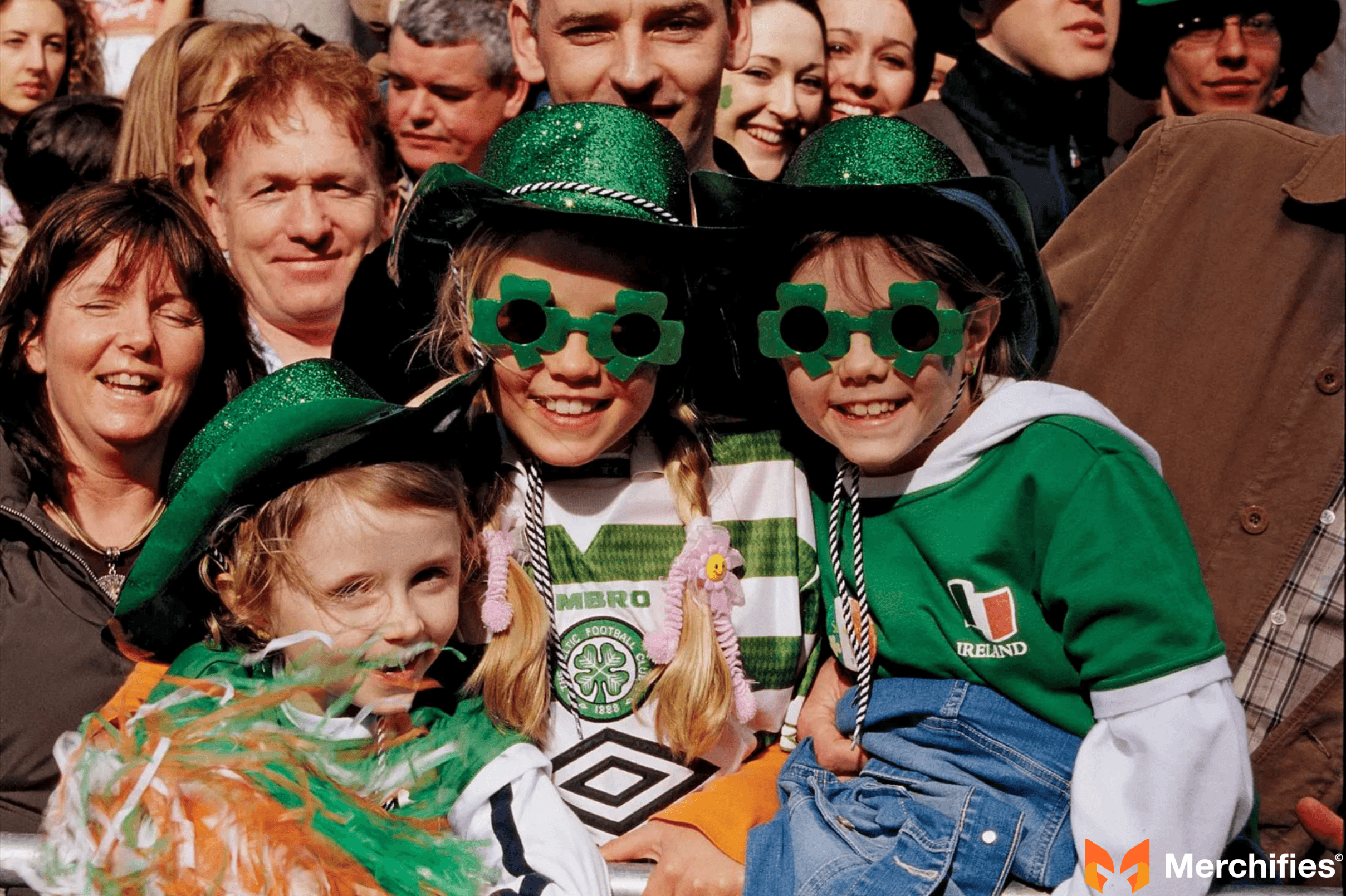
From its humble beginnings as a religious feast to its modern incarnation as a global party, Saint Patrick's Day remains a vibrant testament to the enduring spirit of Irish culture and community. We've explored who was St. Patrick, the fascinating st patricks day history, and the cherished st patricks day traditions that make this day so special.
Whether you're toasting with a pint of Guinness, enjoying a lively parade, or simply wearing a touch of green, Saint Patrick's Day offers a unique opportunity to connect with a rich heritage and celebrate shared values of joy and camaraderie. As Benjamin Clarke consistently reminds us, holidays like this provide meaningful moments for connection, reflection, and celebration. So, this March 17th, embrace the 'craic' and celebrate with deeper appreciation. We encourage you to share your own favorite Saint Patrick's Day traditions, try a new Irish recipe, or explore Irish culture further!
-d4c38c342cdf20ca.jpeg)


-b555fcc6b204c456.jpeg)