The Ultimate Guide: How to Store Shirts for a Wrinkle-Free Wardrobe
This ultimate guide shows you the best methods for how to store shirts neatly, prevent wrinkles, and keep your wardrobe organized. Learn when to fold or hang shirts, how to maximize space when you store shirts, and the right techniques for different fabrics. Keep your shirts looking fresh, tidy, and ready to wear every day.
Blog Post Contents
Tired of rumpled shirts, messy drawers, and wasted space? If your wardrobe feels less like a well-oiled machine and more like a chaotic laundry pile, you're in the right place. Proper shirt storage isn't just about aesthetics; it’s a vital practice that preserves garment quality, prevents wrinkles, saves precious space, and ultimately, saves you time and extends the longevity of your favorite clothes. As Mason Ellis Grant, a renowned home organization expert and seasoned wardrobe consultant, often emphasizes, "The way you store your shirts can dramatically impact their appearance and your daily routine. It’s an investment in your wardrobe and your peace of mind."
This comprehensive guide will unravel the secrets to impeccable shirt organization, covering everything from essential preparation and mastering various folding techniques to smart storage solutions, like using the KonMari method, and invaluable maintenance tips. You might also be interested in our guide on closet organization ideas. Get ready to transform your shirt collection from disarray into a perfectly curated and wrinkle-free display.
Essential Preparation: Before You Store Your Shirts
Before you even think about folding or hanging, a couple of crucial steps will set the foundation for truly effective shirt storage.
Decluttering Your Shirt Collection
The first golden rule of organization, according to Mason Ellis Grant, is to declutter. Why is it so crucial? It frees up valuable space, makes the entire organization process significantly easier, and helps you identify what you truly wear and love. If you're looking for more decluttering tips, check out our guide on minimalist wardrobe essentials. Start by pulling out all your shirts. Then, employ the "keep, donate, discard" method. Ask yourself tough questions for each shirt:
When was the last time I wore this? (If it’s been over a year, consider letting it go.)
Does it still fit well and flatter me?
Is it in good condition, or is it stained, faded, or torn?
Do I genuinely love it and feel good wearing it?
Being honest here is key to creating a wardrobe that serves you well.
Essential Preparation Before You Store Your Shirts
Ensure Shirts are Clean and Completely Dry
This is perhaps the most fundamental rule for garment longevity. Never store damp or dirty clothes, no matter how briefly. Doing so carries significant risks:
Mildew and Mold: Even slight dampness can lead to unsightly and odorous mildew, which can permanently damage fabrics.
Unpleasant Odors: Storing unwashed clothes traps body oils and scents, leading to stale smells that can permeate other garments.
Fabric Damage: Dirt, food particles, and sweat can attract pests and cause irreversible stains or weaken fabric fibers over time.
Always ensure your shirts are freshly laundered, completely dry, and free of any stains before putting them away for storage.
Mastering the Art of Folding Shirts (and When to Hang!)
The age-old debate: fold or hang? Knowing which method to use for different types of shirts is vital for wrinkle-free shirt storage and maintaining their shape.
Fold vs. Hang: Debunking the Myths
Mason Ellis Grant often clarifies that there's no single "best" method; it depends entirely on the fabric and style of the shirt.
When to FOLD:
T-shirts: Especially graphic tees or soft cotton, as hanging can cause them to stretch out at the shoulders or neck. Folding is the best way to store t-shirts.
Heavy Knits: Sweaters and cardigans should always be folded to prevent stretching and shoulder bumps.
Denim Shirts: Their weight can distort them on a hanger.
Casual Button-Downs: If you don't mind a slight crease, folding these can save hanger space.
Folding generally preserves the shape and prevents unsightly hanger marks.
Mastering the Art of Folding Shirts (and When to Hang!)
When to HANG:
Dress Shirts & Blouses: To maintain a crisp, professional look and avoid deep creases.
Delicate Fabrics: Silk, rayon, or linen often hang best to prevent wrinkling and preserve drape.
Outerwear: Jackets and heavier shirts that need to maintain their structure.
Collared Shirts: If immediate, crisp wear is your priority, hanging is often preferred.
Step-by-Step Folding Techniques for Every Need
Mastering how to fold t-shirts and other shirts neatly is a game-changer for organization and wrinkle prevention.
The Basic T-Shirt Fold: (For drawers, general storage)
Lay the shirt flat, face down.
Fold one side inward, about a third of the way, bringing the sleeve back towards the bottom hem.
Repeat on the other side.
Fold the bottom hem up towards the collar once or twice, depending on the desired size.
Flip it over for a neat, compact rectangle.
Step-by-Step Folding Clothing Techniques for Every Need
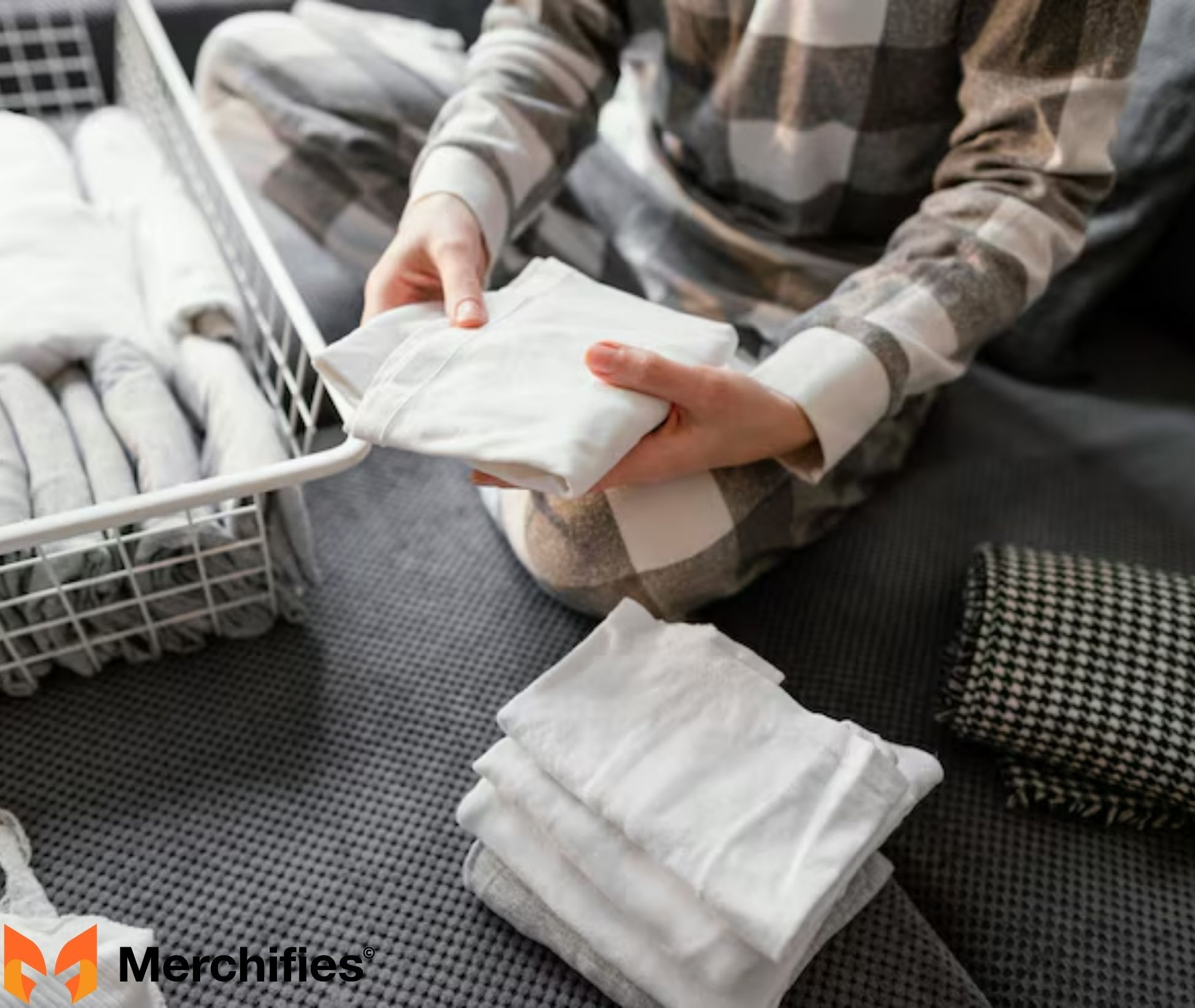
The File Fold (Vertical Folding): (Maximizing drawer space, easy visibility)
This technique, popularized by tidying experts, allows you to see all your shirts at a glance, preventing digging and saving significant space.
Follow the basic t-shirt fold steps, but ensure your final rectangle is narrower and longer.
Fold the shirt in half or thirds lengthwise again, creating a compact bundle that can stand upright on its own.
Place these bundles vertically in your drawer, like files in a cabinet.
The Shirt Roll: (Ideal for travel, small spaces, wrinkle prevention)
Lay the shirt flat, face down.
Fold both sleeves inward towards the center.
Fold the bottom hem up by about 2-3 inches.
Starting from the collar, tightly roll the shirt downwards, pressing out any air as you go.
The folded hem at the bottom will help secure the roll. This method is incredibly compact and minimizes wrinkles when packed tightly.
The Square/Retail Fold: (For shelves, crisp presentation)
Lay the shirt flat, face down.
Fold one side inward about a third of the way, then fold the sleeve down straight.
Repeat on the other side.
Fold the shirt in half from the bottom up, aligning the hems.
Adjust to create a perfect, uniform rectangle suitable for neat stacks on shelves.
The File Fold (Vertical Folding) (Maximizing drawer space, easy visibility)
How to Store Shirts in a Drawer (and How to Store Shirts Without Hanging)
For many casual items, particularly t-shirts and soft cottons, drawers offer an excellent solution for how to store shirts without hanging. This is often the best way to store t-shirts to prevent stretching.
Best for: Folded t-shirts, casual wear, athletic gear, and pajamas.
Tips for success:
Implement File Folding: As detailed above, vertically folding your shirts allows you to see every item at a glance. This prevents the "digging" effect that can mess up an entire drawer.
Use Drawer Dividers: These simple tools can work wonders. Mason Ellis Grant suggests using drawer dividers or tension rods to create sections within your drawers, helping to maintain neatness and prevent stacks from toppling.
Organize Strategically: Arrange your shirts by color, type (e.g., short-sleeve vs. long-sleeve), or frequency of use. Putting your most-worn items at the front makes grabbing an outfit effortless. This maximizes space and visibility in your drawer storage.
How to Store Shirts in Closet & Wardrobe (for Wrinkle-Free Storage)
Your closet and wardrobe offer a range of options beyond just hanging. Thoughtful utilization of these spaces is crucial for closet organization and maintaining wrinkle-free shirt storage.
Shelves: Ideal for neatly folded stacks of shirts, especially those you access frequently. Use the square/retail fold for a uniform look. Mason Ellis Grant advises against stacking too many shirts high, as this can make the bottom items inaccessible and prone to wrinkling under pressure. Shelf dividers can help maintain tidy piles.
Bins & Baskets: Excellent for t-shirt storage ideas that involve seasonal items, workout gear, or less frequently worn shirts. Clear or labeled bins are highly recommended for easy identification, saving you time. They keep contents contained and prevent items from getting dusty.
Hanging Organizers: These fabric or plastic shelves that hang from your closet rod are fantastic for utilizing vertical space. They’re perfect for categorizing outfits, storing folded knits, or keeping accessories with relevant shirts.
The Right Hangers: This is critical for how to store shirts without wrinkling when hanging. Ditch those flimsy wire hangers! They can cause shoulder bumps, crease marks, and even stretch out delicate fabrics. Instead, invest in:
How to Store Shirts in Closet & Wardrobe (for Wrinkle-Free Storage)
Plastic Hangers: A step up from wire, better for general use.
Velvet Hangers: Slim, non-slip, and excellent for preventing clothes from sliding off.
Padded Hangers: Best for delicate blouses and knitwear, preventing stretching and creases.
Long-Term and Seasonal Shirt Storage: For off-season clothing, sentimental items, or rarely worn shirts, specialized storage is key to preservation.
Methods: Airtight containers (plastic bins with secure lids), vacuum-seal bags (use with caution for delicate or natural fibers that need to breathe), or breathable garment bags.
Key Considerations: Store in a cool, dry, dark place to prevent fading, mildew, and pest attraction. Add cedar blocks or sachets (lavender, cedar) for freshness and as a natural pest deterrent. Mason Ellis Grant emphasizes that properly prepared long-term storage is essential for maintaining the condition of your garments for years to come.
Maximizing Space in Small Closets or Rooms: If space is a premium, think vertically.
Shelf Risers: Create double the storage on existing shelves.
Multi-Tier Hangers: Allow you to hang several shirts in the space of one.
Rolling Carts: Offer flexible storage that can be moved as needed.
Under-Bed Storage Containers: Perfect for out-of-season items, freeing up valuable closet real estate.
Advanced Organization Hacks & Maintenance Tips
Beyond the basics, these tips will elevate your shirt organization to expert levels.
Advanced Organization Hacks & Maintenance Tips
Categorize for Ultimate Clarity
Don't just organize by color. Go deeper! Categorize your shirts by:
Type: Casual tees, athletic wear, work shirts, dress shirts.
Season: Winter long-sleeves, summer tanks.
Occasion: Date night tops, loungewear.
Benefits include faster outfit selection, easier put-away after laundry, and a clearer overview of your wardrobe.
Embrace Smart Tools & Accessories
Smart tools make organization effortless and sustainable. Consider investing in:
Drawer dividers and shelf dividers to keep items in their designated spots.
Stackable bins for flexible storage on shelves or in closets.
Labeled boxes for clear identification of contents, especially for seasonal storage.
Cedar blocks or natural fresheners to keep your wardrobe smelling fresh and deter pests.
Implement a Weekly Refresh Routine
Even the most organized systems need maintenance. Dedicate a few minutes each week to:
Quick tidy-ups: Refold any shirts that have become messy.
Promptly put away fresh laundry: Don't let clean clothes sit in a pile.
Straighten hangers and adjust stacks.
This small routine can prevent chaos from creeping back in.
Common Shirt Storage Mistakes to Avoid
Knowing what not to do is just as important as knowing what to do for optimal shirt care.
Storing damp or dirty clothes: As discussed, this invites mildew, odors, and fabric damage.
Using wire hangers for everyday shirts: They cause stretching, creases, and can even rust.
Overstuffing drawers and closets: This is a major culprit for wrinkles, makes it hard to find anything, and can damage garments from compression. Leave a little breathing room.
Ignoring decluttering: Holding onto shirts you don't wear clogs your system and makes genuine organization impossible.
Storing in extreme temperatures or direct sunlight: This can damage fabrics, fade colors, and attract pests. Always opt for cool, dry, dark spaces.
Conclusion: Your Path to a Perfectly Organized Shirt Collection
Achieving a perfectly organized, wrinkle-free shirt collection is entirely within reach. By incorporating the strategies outlined in this guide—from mindful decluttering and mastering various folding techniques to choosing the right storage solutions and implementing smart maintenance—you can transform your wardrobe into a functional and aesthetically pleasing space.
This comprehensive guide, backed by the expert insights of Mason Ellis Grant, provides a clear roadmap to better shirt management. The satisfaction of opening a neat drawer or a tidy closet, knowing exactly where everything is, and grabbing a pristine shirt cannot be overstated. So, take the first step today: start with one drawer, one shelf, or even just a stack of shirts, and experience the profound difference proper storage can make!
 Worldwide Shipping
 Secure Payments
 Free Return
 Local Support
-da0801079a650a2e.jpeg)






-d4c38c342cdf20ca.jpeg)


-b555fcc6b204c456.jpeg)