Merchifies.com
Share

How To Fold Shirts: The Ultimate Guide to Perfect Folds Every Time

This guide walks you through the best methods to fold shirts neatly and efficiently—whether you prefer the classic fold, retail-style fold, or space-saving KonMari technique. Learn step-by-step tips to achieve crisp, uniform folds that keep your closet organized and your shirts wrinkle-free every time.
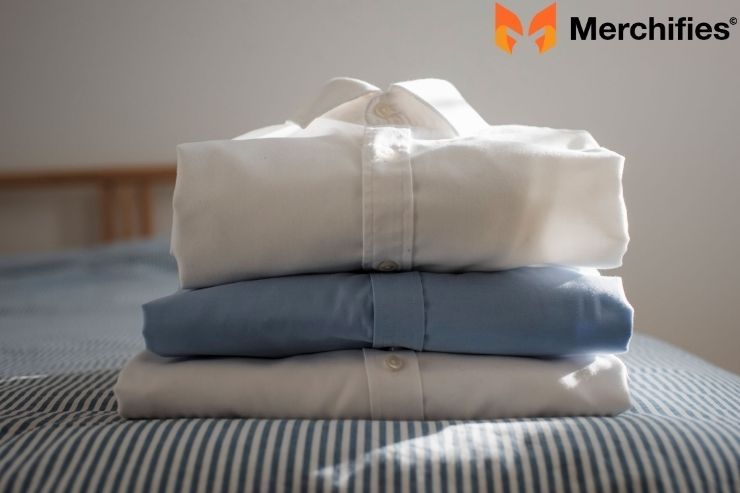
How To Fold Shirts: The Ultimate Guide to Perfect Folds Every Time

Blog Post Contents

Imagine opening your drawer to perfectly stacked shirts, or unpacking your suitcase with nary a wrinkle in sight. For many, the simple act of learning how to fold shirts can feel like a chore, often leading to messy drawers, creased garments, and wasted space. But what if there was a way to master shirt folding, turning chaos into order and making your wardrobe work smarter for you? The truth is, there are proven techniques that can transform your clothing care routine.

Proper folding, especially mastering techniques like the 'flat fold' or 'rolling method,' isn't just about aesthetics; it’s a practical skill that optimizes closet space, minimizes creasing through 'fiber relaxation,' streamlines wardrobe organization using principles of 'visual merchandising,' and extends garment longevity by reducing 'tensile stress' on fabrics. In this ultimate guide, you'll learn a variety of methods, from classic everyday folds to lightning-fast tricks, space-saving rolls, and specific techniques for different shirt types. We'll demystify the art of shirt folding, ensuring you're equipped to handle any situation – whether you're organizing your home, preparing for a trip, or just looking to elevate your daily routine. This article aims to be your definitive, expert resource, providing clear, actionable advice on how to fold shirts perfectly, helping you achieve perfect folds every time. As Mason Ellis Grant, a renowned professional organizer and wardrobe efficiency expert with over 15 years of experience, often emphasizes, "Mastering the fold is the first step towards a truly functional and enjoyable wardrobe."

Essential Prep Before You Start Folding

Before you even touch a shirt, a little preparation goes a long way in ensuring clean, crisp folds and an efficient process.

Clear Your Workspace

The foundation of a good fold is a good surface. Always start with a flat, clean surface. A bed, a large table, or even a clean floor can work. This ensures your shirt lays evenly and prevents accidental wrinkles or dirt transfer.

Sort Your Shirts

For maximum efficiency, sort your shirts by type. Grouping T-shirts, dress shirts, long-sleeved shirts, and sweaters together allows you to use the most appropriate folding method for each category without constantly switching techniques. This systematic approach, as Mason Ellis Grant advises, streamlines the entire process.

Lay Flat and Smooth

No matter the folding method, the very first step is always to lay your shirt completely flat and smooth it out. Gently run your hands over the fabric to remove any initial wrinkles or bunched areas. This crucial step sets the stage for a pristine fold, ensuring the final result is as wrinkle-free as possible.
Essential Prep Before You Start Folding

How to Fold Shirts for Drawers: Classic & Organized Methods

When it comes to keeping your drawers tidy and your shirts accessible, these classic methods are your best friends. They provide consistent, uniform results—perfect for everyday storage and especially helpful if you’re learning how to fold shirts for drawers in a neat, space-saving way.

The Standard Rectangle Fold (The Everyday Essential)

This is a versatile, no-fuss method suitable for most casual shirts and T-shirts, creating a neat rectangle that stacks well.

Step-by-Step Instructions:

  1. Lay the shirt face down on your clean, flat surface.
  2. Imagine a line from the middle of the shoulder down to the hem. Fold one side of the shirt along this imaginary line, bringing the outer edge towards the center.
  3. Fold the sleeve back on itself, aligning it with the newly folded edge of the shirt body.
  4. Repeat steps 2 and 3 on the other side of the shirt, ensuring symmetry. You should now have a long, narrow rectangle.
  5. Fold the bottom hem of the shirt up towards the collar, usually in half or thirds, depending on the shirt's length and your desired final size.
  6. Best For: T-shirts, casual shirts, everyday drawer storage.
  7. Visual Aid Suggestion: Include clear images or a short GIF showing each step.
The Standard Rectangle Fold

The Clean Square Fold (For a Tidy Wardrobe)

For an even more compact and uniform result, often preferred for neat stacks that mimic store displays, the clean square fold is ideal.

Step-by-Step Instructions:

  1. Lay the shirt face down.
  2. Fold each side in towards the center, ensuring the sleeves are folded back to create a consistent width, forming a neat rectangle. The goal is to make the sides perfectly straight.
  3. Take the bottom hem and fold it up, usually in halves or thirds, until it meets the collar area, forming a compact square.
  4. Best For: T-shirts, polos, creating uniform stacks, maintaining a neat appearance in drawers or on shelves.
  5. Visual Aid Suggestion: Include clear images or a short GIF.

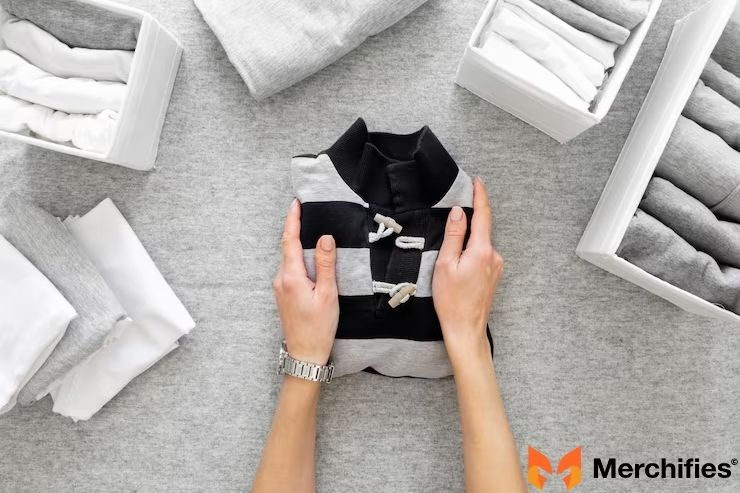
File Folding (Marie Kondo Method for Drawers and How To Fold Shirts To Save Space)

Popularized by Marie Kondo, file folding is a game-changer for drawer organization, allowing you to store shirts vertically and see everything at a glance. This method is incredibly effective for how to fold shirts to save space by maximizing vertical drawer room.

Step-by-Step Instructions:
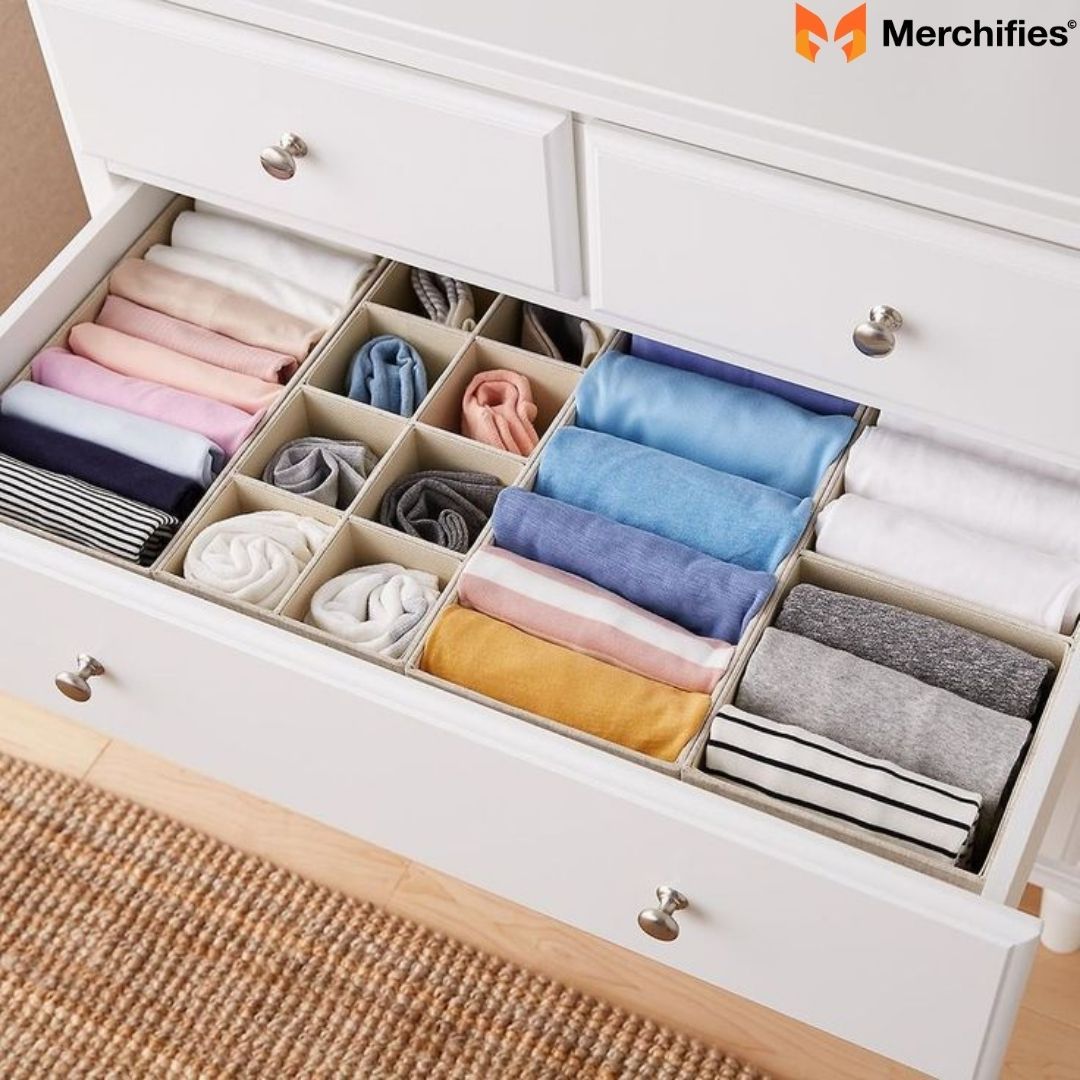
  1. Start with a standard rectangle or clean square fold as described above. The goal is to get a neat, relatively narrow rectangle.
  2. Now, fold the shirt again. Take one end and fold it back on itself, then fold it again in halves or thirds lengthwise until the folded garment can stand upright on its own. The final size should be small enough to fit vertically in your drawer.
  3. Best For: Drawer organization, maximizing vertical space, effortless visibility of all your clothes.
  4. Visual Aid Suggestion: Include clear images of the folded shirt standing upright in a drawer.
File Folding (Marie Kondo Method for Drawers and How To Fold Shirts To Save Space)

How to Fold Shirts Fast: The 2-Second Japanese Trick

Need to fold a pile of T-shirts in record time? The Japanese Fast Fold is your secret weapon—and one of the most effective techniques for anyone learning how to fold shirts fast. It’s incredibly satisfying once you get the hang of it.

The Japanese Fast Fold (The 2-Second Trick)

This viral method is beloved for its speed and efficiency, making it perfect for T-shirts and quick laundry days.

Step-by-Step Instructions:
  1. Lay the shirt flat, face up.
  2. Imagine a horizontal line across the middle of the shirt and a vertical line down the left side, about a third of the way in.
  3. Pinch the shirt at point A (the top left corner of the imaginary vertical line, near the shoulder).
  4. Pinch the shirt at point B (the middle of the imaginary vertical line, where it intersects the horizontal line).
  5. Cross your right hand (holding point A) over your left hand (holding point B) and pinch point C (the bottom hem of the shirt along the same vertical line).
  6. Lift the shirt, shake it gently, and the shirt will magically fold into a neat square.
  7. Best For: T-shirts, quick folding, impressive party tricks!
  8. Visual Aid Suggestion: Embed a short video (like a YouTube tutorial) or a detailed GIF sequence. This method is truly best learned visually.
How to Fold Shirts Fast The 2-Second Japanese Trick

How to Fold Shirts for Travel & Packing Without Wrinkles

Traveling can be tough on clothes, but with the right folding technique, you can arrive with your shirts looking fresh and ready to wear. These methods are designed to protect your garments and optimize luggage space, making them excellent choices for how to fold shirts for packing, how to fold shirts for travel, and most importantly, how to fold shirts for travel without wrinkles.

The Roll Fold (Perfect for Packing & Space-Saving)

The roll fold is a perennial favorite for travelers because it minimizes creases and maximizes space. This technique is especially effective at preventing wrinkles.

Step-by-Step Instructions:
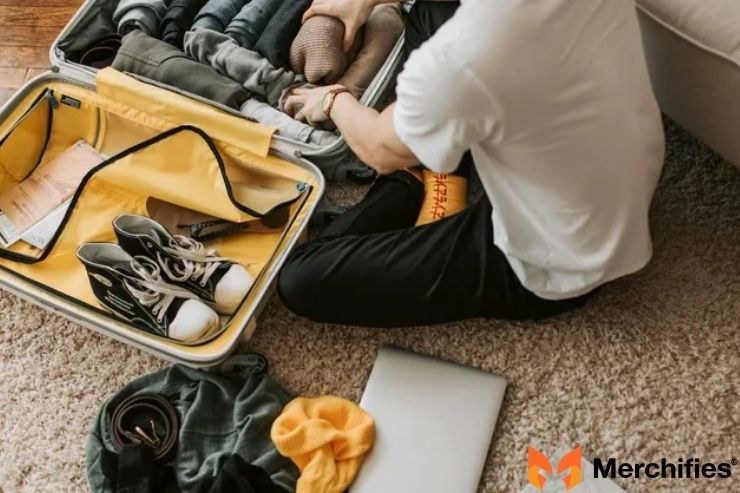
  1. Lay the shirt face down and smooth it out completely. Ensure there are no existing wrinkles.
  2. Fold each side of the shirt in towards the center, creating a narrow rectangle. For T-shirts, you might fold the sleeves in first, then the sides. For long-sleeved shirts, fold the sleeves over the body first, then bring the sides in. The narrower the rectangle, the tighter the roll.
  3. Starting from the bottom hem, begin rolling the shirt tightly upwards towards the collar. Maintain consistent tension to create a compact, firm cylinder.
  4. Once rolled, you'll have a dense, wrinkle-resistant package ideal for fitting into tight spaces.
  5. Best For: Travel, gym bags, small drawers, exceptional wrinkle prevention for items like T-shirts, polos, and even some casual dress shirts.
  6. Visual Aid Suggestion: Include clear images or a short GIF demonstrating the rolling process.
How to Fold Shirts for Travel & Packing Without Wrinkles

How to Fold Shirts Without Wrinkles: Specialized Techniques for Crispness

Some shirts require a more delicate or specific approach to ensure they remain pristine. These methods focus on maintaining crispness and preventing unsightly creases—especially useful if you want to master how to fold shirts without wrinkles for perfectly polished results every time.

Folding Long-Sleeved Shirts

Long-sleeved shirts, whether casual or formal, benefit from a careful folding technique that manages the sleeves gracefully.

Step-by-Step Modifications:

  1. Lay the shirt face down and smooth it thoroughly.
  2. Fold one side of the shirt towards the center, similar to a standard fold. Crucially, allow the sleeve to extend straight out, perpendicular to the folded edge of the shirt body.
  3. Fold the extended sleeve back on itself, aligning it neatly with the folded edge you just created. This tucks the sleeve cleanly within the shirt's outline.
  4. Repeat steps 2 and 3 for the other side and sleeve.
  5. Once you have a neat rectangle with the sleeves tucked, proceed with a standard rectangle or square fold from the bottom up.
  6. Best For: All long-sleeved garments, from casual tees to lighter blouses.

Folding Dress Shirts (To Prevent Wrinkles)

Dress shirts demand precision to avoid creases that would ruin their smart appearance. This method ensures they stay crisp, even when folded.

Step-by-Step Instructions:

  1. For the best results, button the top button of the shirt. This helps maintain the collar's structure.
  2. Lay the shirt face down. Smooth out any wrinkles meticulously.
  3. Fold one side of the shirt towards the center, creating a straight line from the shoulder/collar down to the bottom hem. The goal is to make the folded width consistent and appropriate for the final fold.
  4. Fold the sleeve back at an angle. Instead of folding it straight, bring it diagonally across the back of the shirt, ensuring it doesn't create a bulky lump. Alternatively, fold it straight down along the initial side fold, then back up to meet the shoulder line, creating a clean rectangular sleeve fold.
  5. Repeat steps 3 and 4 on the other side of the shirt. You should now have a neat rectangle with the sleeves tucked within.
  6. Fold the bottom hem of the shirt up to meet the collar, usually once or twice, depending on the shirt's length and your storage needs.
  7. Tips: Use a folding board for incredibly crisp edges and uniform sizing. For optimal wrinkle prevention, Mason Ellis Grant recommends storing dress shirts flat or, whenever possible, on good quality hangers.
  8. Visual Aid Suggestion: Focus on the intricate sleeve folding technique.

Folding Sweaters & Knitwear

Sweaters and knitwear require a gentle touch to prevent stretching, pilling, and shoulder indentations.

  • Key Takeaway: Always fold sweaters; never hang them, as hanging can distort their shape, especially at the shoulders. A soft square or rectangle fold is best.

Method:

  1. Lay the sweater face down.
  2. Fold each side towards the center, taking care not to create sharp creases. Gently bring the sleeves in.
  3. Fold the bottom hem up towards the collar in half or thirds, creating a soft, rectangular package.
  4. Best For: All types of sweaters, cardigans, and delicate knitwear that can stretch easily.
How to Fold Shirts Without Wrinkles Specialized Techniques for Crispness

How to Fold Shirts Military Style & Like Stores: Achieving Uniformity

For those who appreciate extreme neatness and efficiency, or want their clothes to look professionally presented, these methods deliver unparalleled uniformity and compactness. This covers how to fold shirts military style for maximum compression and how to fold shirts like stores for perfect presentation.

The Military Style Fold (Precision and Compactness)

The military style fold is all about creating an incredibly compact, tight, and uniform package. It's an excellent technique for organizing gear bags or drawers where space and order are paramount. It often involves a very precise square or roll fold.

Method (Variation of a Tight Square/Roll):

  • Lay the shirt face down and smooth it meticulously.
  • Fold the bottom hem up by about 2-3 inches to create a "pocket" or starting anchor.
  • Fold one side towards the center, ensuring the fold is perfectly straight. Fold the sleeve back sharply to align with this edge.
  • Repeat on the other side, creating a narrow, perfectly rectangular strip.
  • Starting from the collar end, roll the shirt very tightly downwards, tucking the final end into the initial "pocket" created by the hem. This creates a highly compressed, cylindrical roll that holds its shape.
  • Best For: Uniforms, tactical packing, extremely compact storage, achieving a disciplined, organized look.

Folding Shirts Like Stores (Crisp Presentation)

Ever wonder how retail stores get those shirts to look so perfect on display? It's all about consistency, crisp edges, and often, a little help from a folding board. This method focuses on a precise square fold.

Method:
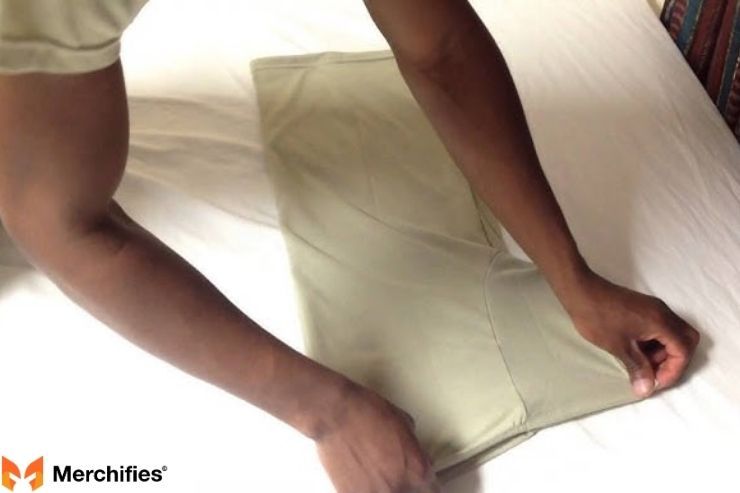
  • Begin with a clean square fold, as described earlier, but with heightened attention to detail.
  • Ensure every edge is razor-sharp. Use a folding board for the most professional result.
  • Lay the shirt face down. Place the folding board on the back of the shirt, aligning its top edge with the collar.
  • Fold one side of the shirt over the board, then fold the sleeve back.
  • Repeat on the other side.
  • Fold the bottom of the shirt up over the bottom edge of the board.
  • Carefully remove the board, leaving a perfectly symmetrical, crisp square.
  • Best For: Displaying shirts, maintaining a pristine appearance in open shelving, creating an immaculately organized closet.
How to Fold Shirts Military Style & Like Stores Achieving Uniformity

Expert Tips for Impeccable Folds & Organization

Beyond the specific techniques, some universal principles can elevate your folding game and transform your entire wardrobe organization.

Maintain Consistent Size

No matter which method you choose, strive for consistency in your final folded dimensions. Uniformly sized shirts stack better, fit more neatly into drawers, and create a far more aesthetically pleasing and functional storage space.

The Power of a Folding Board

A folding board is a simple, inexpensive tool that guarantees consistent folds every time. It's particularly useful for dress shirts and for achieving that "store-bought" look. Just lay your shirt on it, fold the sides and bottom, and slide the board out.

Wrinkle Prevention Strategies

Smooth Fabric Before Folding: As reiterated earlier, a smooth starting point is critical.

Don't Overpack Drawers or Luggage: Cramming too many items together undoes all your careful folding and creates new wrinkles. Leave a little breathing room.

Utilize Rolling for Delicate Items: The roll fold, as discussed, is excellent for preventing hard creases in many fabrics.

Proper Fabric Care: Always ensure shirts are fully dry before folding to prevent mildew and set-in wrinkles.

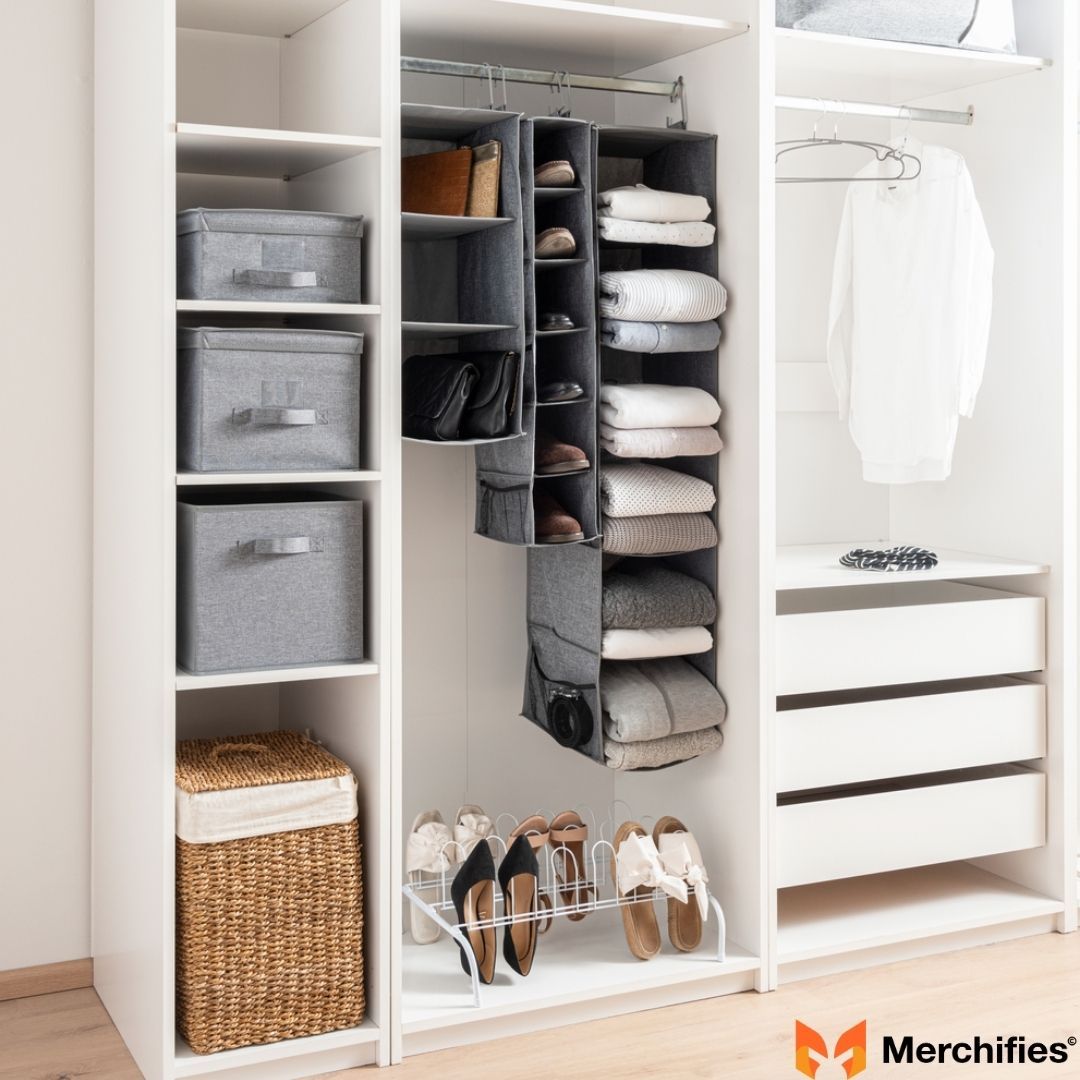
Storage Solutions

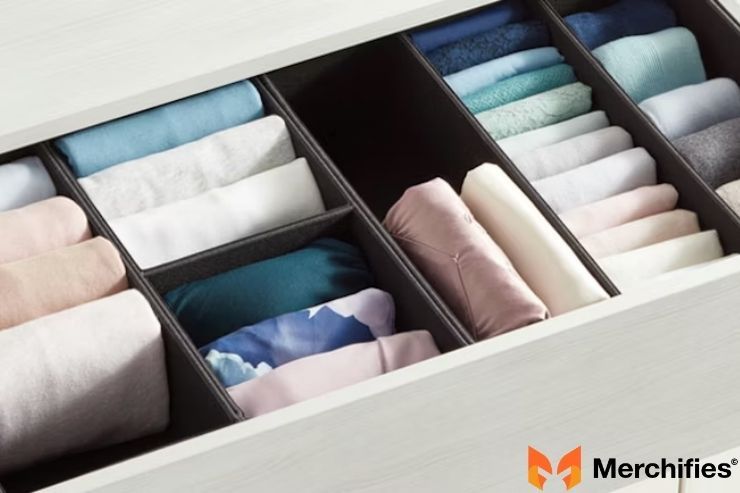
Consider investing in drawer dividers or shelf organizers. These tools help maintain the structure of your folded clothes, preventing stacks from toppling and making it easier to retrieve items without disturbing others. A well-organized storage system complements perfect folds, creating a harmonious and efficient wardrobe.
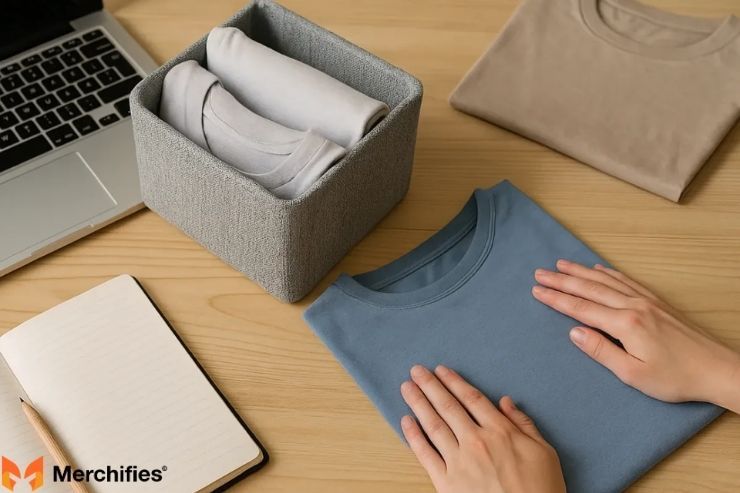
Expert Tips for Impeccable Folds & Organization

Conclusion

Mastering how to fold shirts is more than just a mundane chore; it's a valuable life skill that contributes to an organized home, a stress-free morning routine, and a longer life for your favorite garments. From the lightning-fast Japanese fold to the space-saving roll and the precise dress shirt technique, you now have a comprehensive toolkit for every shirt and every occasion. As Mason Ellis Grant wisely concludes, "An organized wardrobe isn't about perfection, it's about peace of mind and making your daily life just a little bit easier." With a little practice, you’ll find that creating perfectly folded shirts becomes second nature, transforming your drawers, your suitcase, and ultimately, your relationship with your clothes. Embrace these proven methods, and enjoy the lasting benefits of a truly organized wardrobe!

Frequently Asked Questions

Loading...