 Worldwide Shipping
 Secure Payments
 Free Return
 Local Support
-da0801079a650a2e.jpeg)
17 Year Anniversary Quotes: 110+ Funny, Romantic & Furniture Wishes (2026)
Mar, 12 2026
This guide will show you the best and most efficient methods to fold shirts for drawers, helping you maximize space, keep everything neatly organized, and make it easier to find what you need. From simple everyday folds to the popular KonMari method, you’ll learn techniques that keep your drawers tidy and clutter-free.
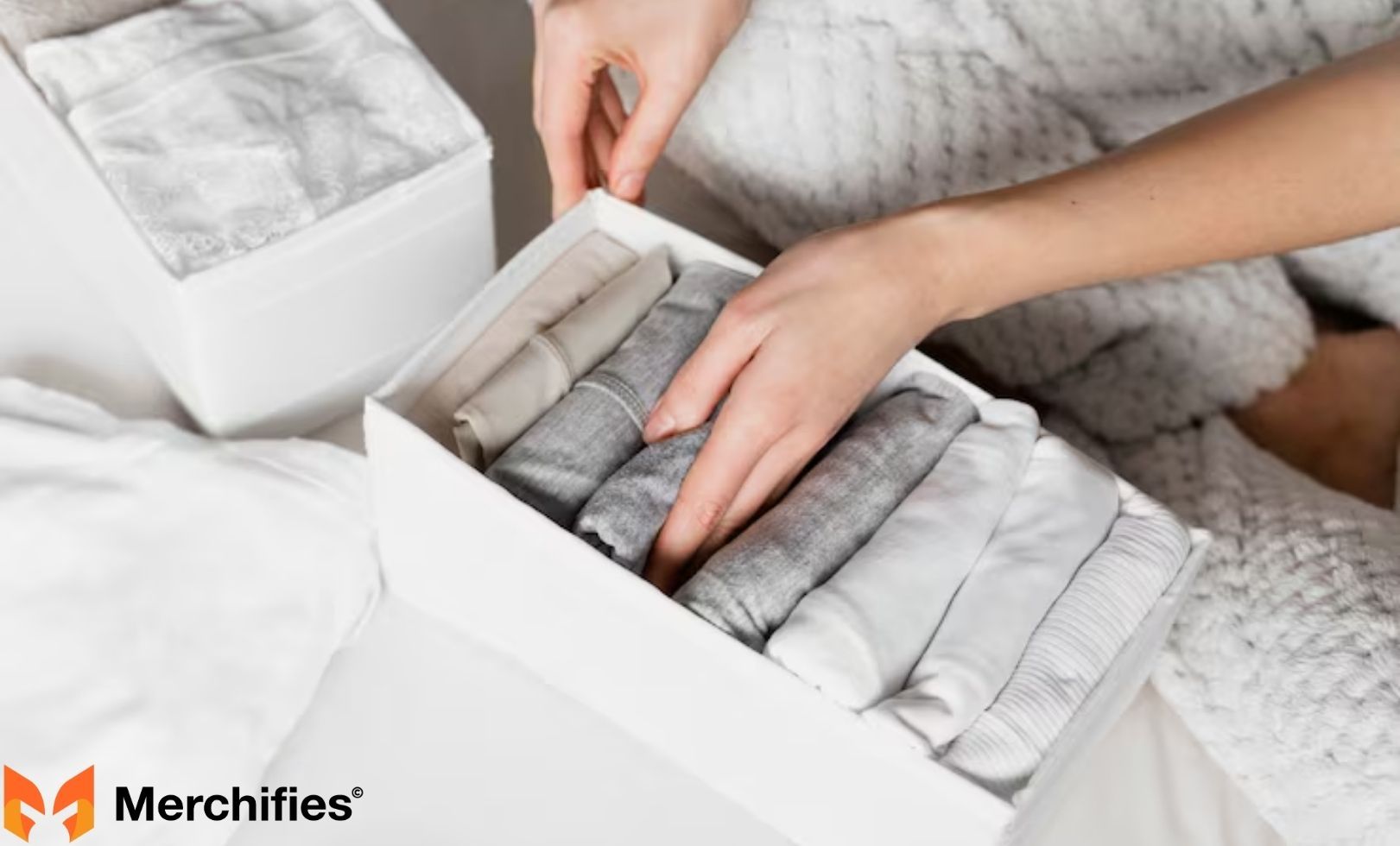
Do you dream of opening your dresser drawers to a perfectly organized, clutter-free haven? A place where every shirt is easy to find, wrinkle-free, and fits neatly without a struggle? It’s not just a dream; it’s an achievable reality. As Mason Ellis Grant, a recognized expert and experienced professional in home organization, often emphasizes, transforming your cluttered, messy drawers into neat, organized havens begins with mastering the simple art of how to fold shirts for drawers.
Proper shirt folding for drawers isn't just about aesthetics; it's a game-changer for your daily routine and the longevity of your wardrobe. It helps you save space, maximizing every inch of your dresser. It's crucial for preventing wrinkles, keeping your shirts crisp and ready to wear without extra ironing. Plus, it ensures easy visibility, so you can find exactly what you need at a glance, and can even extend garment life by reducing wear and tear.
This comprehensive guide will cover everything you need to know: from a variety of proven folding methods to specific tips for different shirt types and smart drawer organization hacks. Get ready to transform your drawers and revolutionize your morning routine!
The effort you put into learning how to fold shirts for drawers pays dividends far beyond just a pretty drawer. It fundamentally changes how you interact with your wardrobe.
Efficient folding is the secret weapon against overcrowded drawers. When you haphazardly stuff clothes in, you're creating wasted pockets of air and uneven piles that collapse. Proper techniques, however, prevent overcrowding and allow you to fit significantly more items into the same space. Imagine the difference between a messy pile of clothes and neatly stacked or vertically arranged shirts – the latter almost doubles your capacity, effectively unlocking hidden drawer space you never knew you had.
One of the biggest frustrations with dresser drawers is pulling out a shirt only to find it a crumpled mess. Understanding why some folds cause creases and how to avoid them is key to wrinkle-free shirt folding. Methods that create smooth surfaces and avoid sharp, unnecessary creases mean less ironing and more shirts ready to wear right out of the drawer. This direct link between proper folding and less ironing is a major time-saver for anyone.
The days of rummaging through a chaotic drawer, desperate to find that one specific tee, are over. With a visually organized drawer, where every shirt is neatly folded and easily identifiable, outfit selection becomes effortless. No more pulling out five shirts just to find the one you want. This immediate visual access saves precious minutes in your daily routine and reduces stress.
When shirts are crammed, crushed, or stretched haphazardly into drawers, it puts unnecessary stress on their fabrics and seams. Proper folding, particularly gentle methods, reduces this stress, helping to maintain the original shape and quality of your clothes. By reducing wear and tear caused by friction and compression, you're actively prolonging the life of your favorite garments, saving you money in the long run.
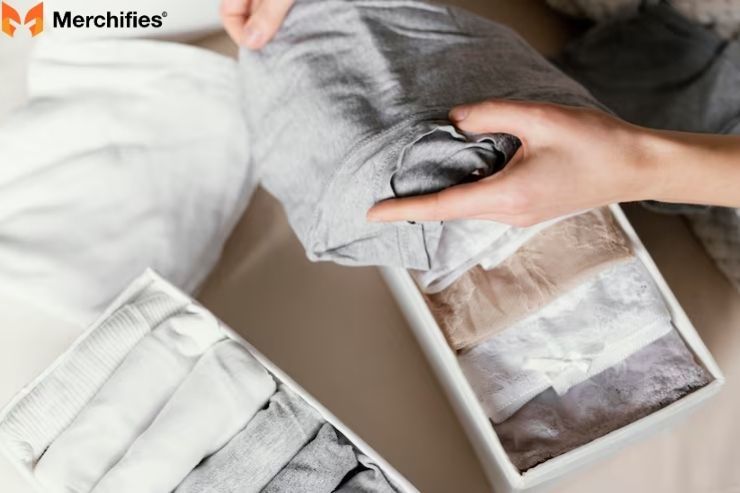
Ready to get hands-on? Let's explore popular techniques for folding t-shirts for drawers and other garments, including The Basic, KonMari, and The Roll.
Best for: General use, easy stacking, traditional drawer organization.
Step-by-step instructions:
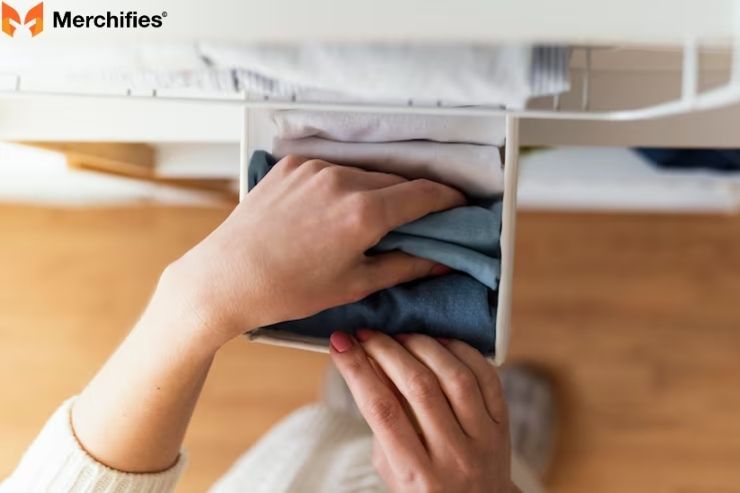
The philosophy behind Marie Kondo's method: The KonMari method focuses on folding clothes into a self-supporting "packet" that stands upright, allowing you to see all your items at a glance.
Detailed step-by-step guide for T-shirts:

Step-by-step instructions:

Simplified steps or a brief explanation of the "grab-and-fold" technique: This method involves grabbing three specific points on the shirt (typically the left shoulder, the center line, and the bottom hem) and executing a swift, coordinated series of folds. It's often demonstrated in videos and looks like magic when done correctly.
One size doesn't fit all – adapting your method is crucial for storing different garments properly. The best way to fold shirts for drawers depends on the fabric and style.
For T-shirts, you have the most flexibility. The KonMari vertical fold is excellent for saving space and visibility, while the Army Roll is unbeatable for compactness and wrinkle resistance. The Basic Fold works well for simple stacking. For graphic tees, consider folding them face out with the basic fold or gently rolling them with the graphic inward to protect the print. For delicate fabrics, a looser KonMari or flat fold is usually best to avoid creasing.

Protecting collars and preventing chest creases are the main concerns here. A modified basic fold is often best. Lay the shirt face down, smooth it out, button the top button, and lay the collar flat. Fold in the sides and sleeves to create a narrow rectangle. Then, fold up from the bottom, typically into halves or thirds, keeping the folds gentle. Avoid sharp creases through the collar or chest area. Mason Ellis Grant advises against the tightest rolls for dress shirts, as they can set wrinkles.
Polo shirts are similar to button-downs. Ensure the collar is laid flat and neat before folding. Use a modified basic fold, paying attention to the placket (the buttoned strip). You can fold the placket inward slightly to protect it, then proceed with a two or three-fold method from the bottom up.
Sweaters require a gentler approach to avoid stretching or marking. Generally, a loose, flat fold is preferred over rolling. Lay the sweater flat, fold the arms inward, then fold the body of the sweater in half or thirds. For very heavy knits, a simple horizontal half-fold might be best to reduce bulk and prevent distortion. When considering how to fold shirts for drawers that are bulky, remember that gentle handling is key.
These smaller, often stretchier items can benefit from mini-KonMari packets or simple small rolls for maximum space saving. For very delicate items like silk camisoles, a simple flat fold in a dedicated drawer section or fabric bin can prevent snags and excessive creasing.
Creating an organized drawer is one thing; maintaining it is another. Here are some advanced strategies, as recommended by Mason Ellis Grant, to ensure your system for folding shirts for drawers lasts.

For consistent, uniform results, especially if you prefer the basic or retail fold, a shirt folding board is a game-changer. Simply lay your shirt on the board, fold the sections as indicated, and remove the board. It ensures every shirt is the same size and shape, leading to perfectly neat stacks. You can purchase these or even DIY one from cardboard.
Drawer dividers and organizers are indispensable for keeping folds intact and categories separated. They prevent KonMari-folded shirts from toppling over and keep different types of shirts (e.g., short-sleeve vs. long-sleeve, casual vs. dress) clearly delineated. Types of dividers include tension dividers, grid organizers, and fabric bins, all of which can dramatically improve your drawer organization.
Before you even begin to fold, embrace the "spark joy" principle. Don't organize what you don't need or love. A smaller, curated wardrobe is exponentially easier to organize and maintain. Decluttering first reduces the sheer volume of items, making the task of how to fold shirts for drawers far less daunting and more effective.
Organization is an ongoing process. Incorporate quick weekly tidy-ups and refolding as needed. When you put away clean laundry, ensure you use the proper methods. Consider rotating clothes seasonally to keep frequently used items accessible and store off-season garments appropriately.
ALSO READ: How to Fold Shirts for Travel Without Wrinkles (Guaranteed!)
Mastering the art of how to fold shirts for drawers is a small change with a profoundly transformative impact. It's not just about tidier drawers; it’s about a more efficient routine, extended garment life, and a sense of calm each time you open your dresser.
We encourage you to start with one method – perhaps the KonMari vertical fold for your everyday tees – practice it, and then explore others. Find what works best for your lifestyle, your wardrobe, and your specific drawer dimensions. An organized drawer isn't just about clothes; it's about a calmer, more efficient start to your day. This guide, crafted by Mason Ellis Grant, provides the essential tools and techniques to achieve that peace and order.
What's your go-to method for folding shirts for drawers? Share your favorite folding tips and techniques in the comments below!
-d4c38c342cdf20ca.jpeg)


-b555fcc6b204c456.jpeg)