 Worldwide Shipping
 Secure Payments
 Free Return
 Local Support
-da0801079a650a2e.jpeg)
17 Year Anniversary Quotes: 110+ Funny, Romantic & Furniture Wishes (2026)
Mar, 12 2026
This ultimate guide teaches you how to fold shirts to save maximum space using smart, efficient techniques. From the KonMari method to compact travel folds, you'll learn step-by-step ways to keep your drawers organized, neat, and clutter-free.
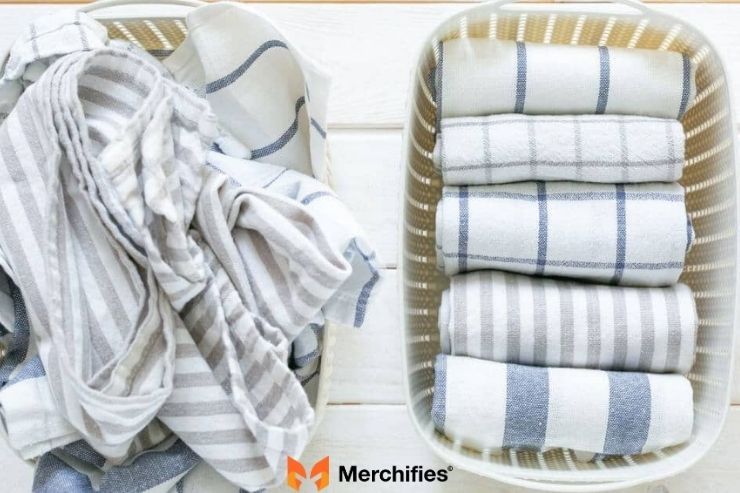
We've all been there: staring into an overflowing drawer, wrestling with a suitcase that refuses to zip, or navigating a closet where shirts tumble out with every reach. The frustration of messy drawers, overstuffed suitcases, and limited closet room is a common pain point for many. It often feels like no matter how much you try to tidy up, the clutter always finds a way back.
This guide is your definitive solution. You’re about to discover a collection of proven folding techniques designed to eliminate clutter, reduce wrinkles, and reclaim every inch of wasted space in your wardrobe and travel bags. As Mason Ellis Grant, a recognized expert and professional in home organization and efficiency, often emphasizes, "The secret to a spacious wardrobe isn't necessarily buying less, but organizing what you have more intelligently." We'll explore practical strategies that Mason Ellis Grant has refined over years, helping countless individuals transform their living spaces.
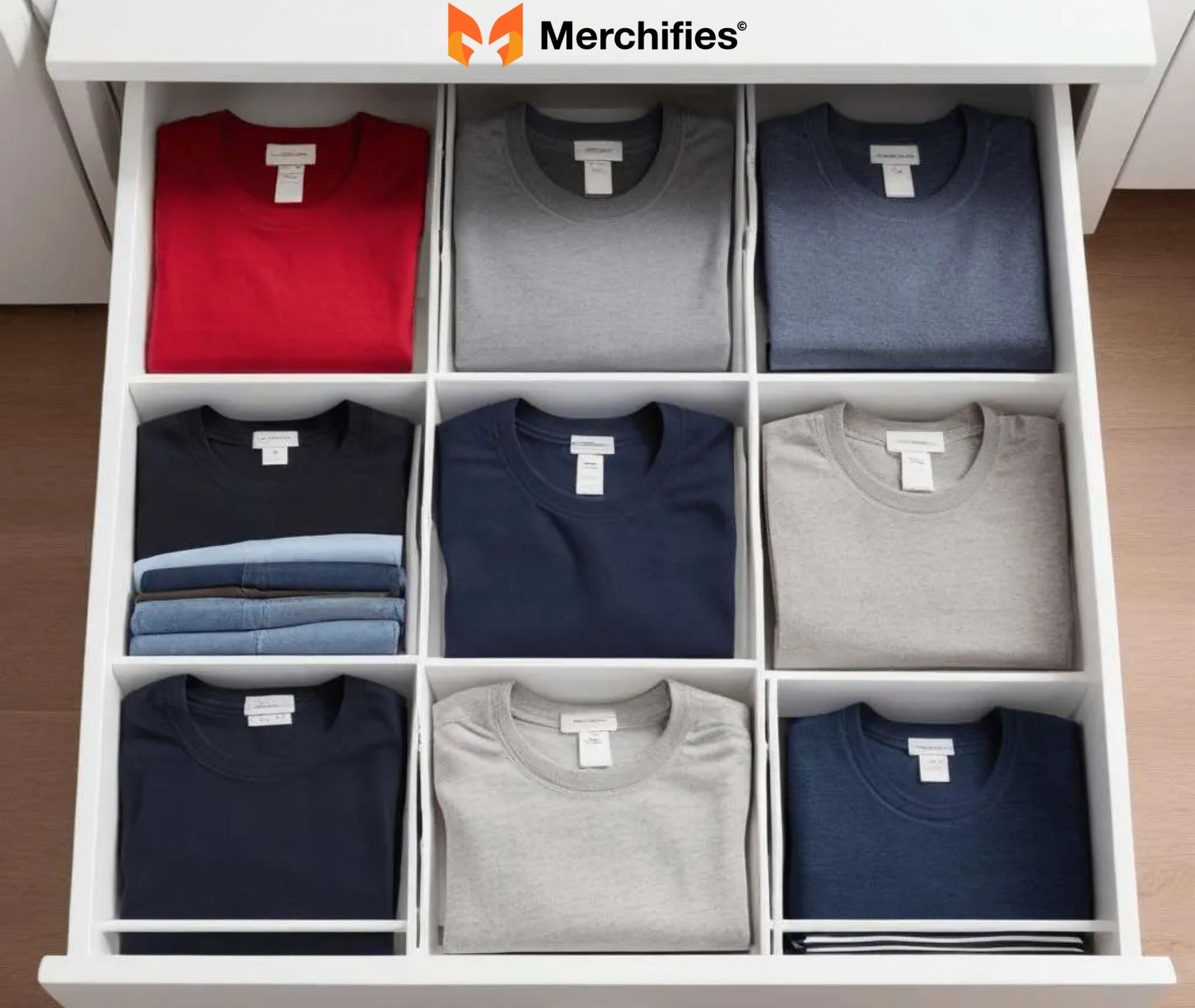
Proper shirt folding is a revelation for anyone struggling with storage. By adopting consistent, compact folding methods, you can dramatically increase the usable capacity of your drawers and shelves. This isn't just about fitting more in; it's about making your existing storage work harder for you.
For travelers, efficient folding is a non-negotiable skill. Learning how to fold shirts to save space in your luggage means fitting more essentials without checked bag fees, or simply enjoying the luxury of a less crammed carry-on. It’s about smart packing for any adventure.
Beyond just saving space, precise folding techniques actually help preserve your clothes. By reducing air pockets and creating smooth, consistent bundles, you minimize creases and prevent shirts from getting rumpled, meaning less ironing and a longer life for your garments.
When your shirts are uniformly folded and stored, finding what you need becomes effortless. You gain better visibility of your entire wardrobe, making outfit selection quicker and reducing decision fatigue. A tidy space contributes to a tidy mind.
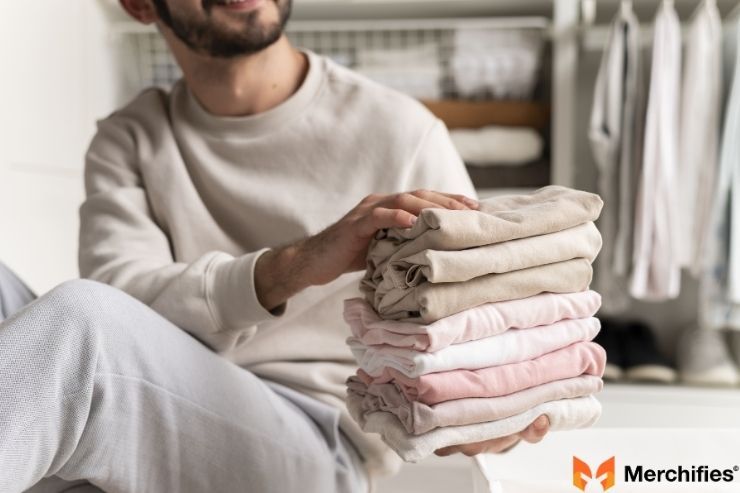
Before diving into specific techniques, understanding a few foundational principles will elevate your folding game and ensure maximum space efficiency.
Always begin with a smooth, clean surface – whether it's a table, bed, or dedicated folding board. This provides the stable foundation needed to create crisp, uniform folds without snags or additional wrinkles.
Before making your first fold, take a moment to smooth out the shirt. Remove any wrinkles or air trapped within the fabric. This crucial step ensures a tighter, more compact bundle, preventing bulkiness and creating a neater finish.
The power of space-saving folding lies in consistency. Strive to make each shirt the same approximate size and shape. Uniformly folded garments stack or file together much more efficiently, eliminating wasted gaps and creating a visually appealing storage solution.
Many of the most effective space-saving methods rely on "file folding," which means storing items vertically rather than stacking them horizontally. This concept allows you to see every shirt in a drawer at a glance, much like files in a cabinet, making retrieval easy and preventing stacks from toppling.
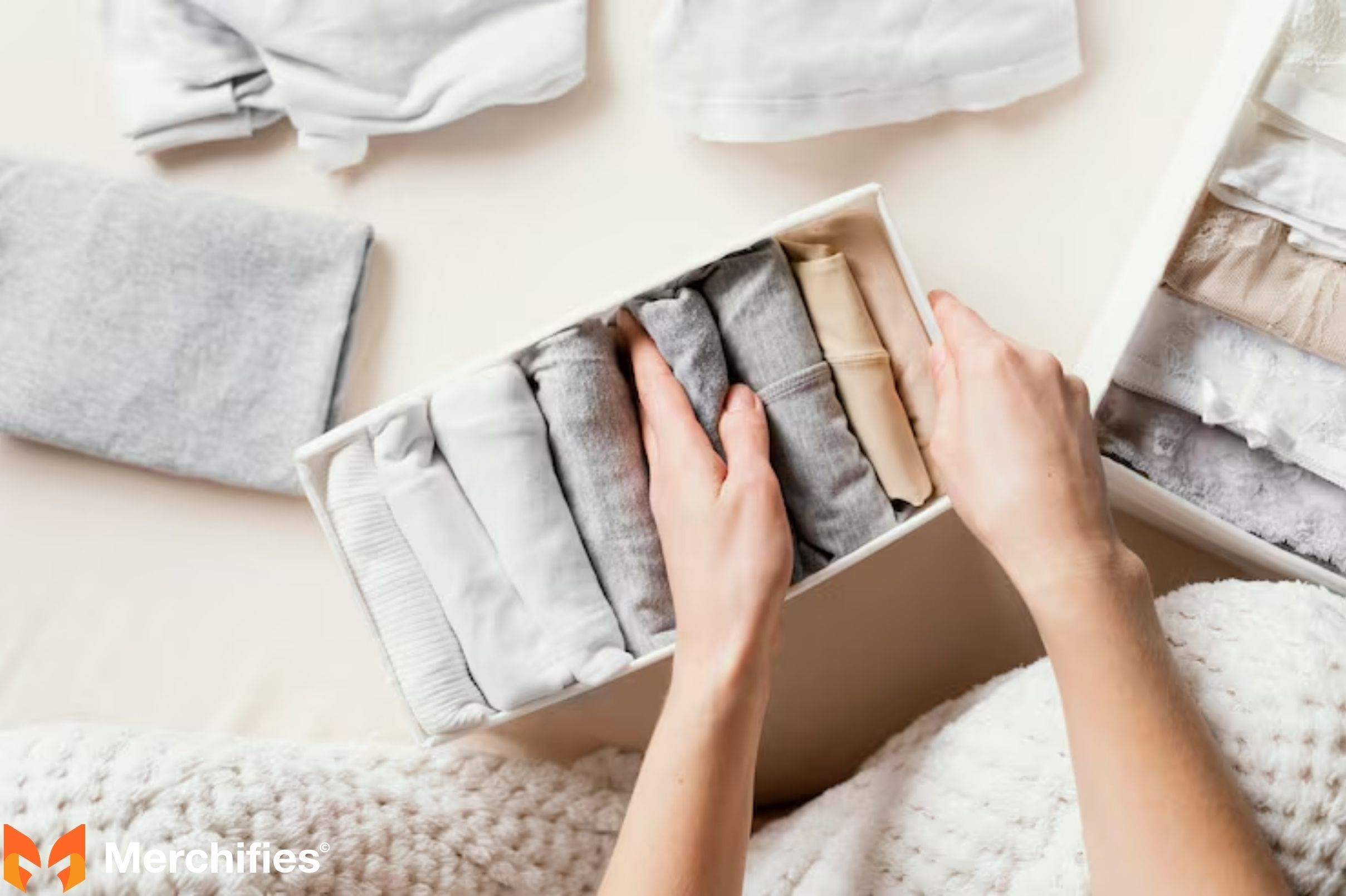
Here are the most effective methods to transform your shirt storage, each tailored for different needs and garment types.
This revolutionary method, popularized by Marie Kondo, is a game-changer for drawer and shelf organization. It creates self-supporting bundles that stand upright, maximizing visibility and preventing wrinkles.
How-to Steps for T-shirts:
How-to Steps for Long-sleeve Shirts:
(Implied keywords: "how to KonMari fold shirts," "vertical shirt folding," "KonMari t-shirt folding")
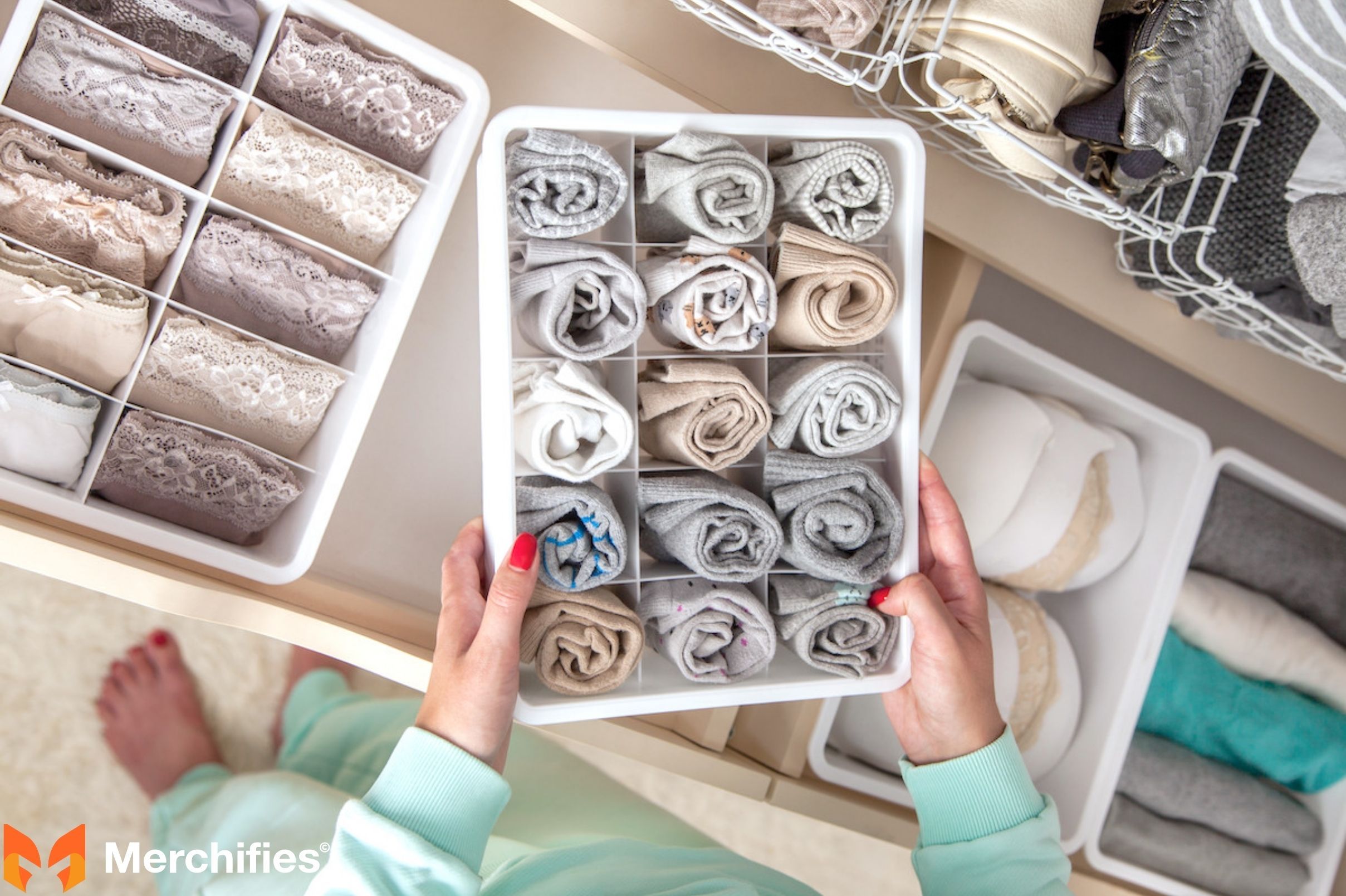
The military roll, also known as the ranger roll, is famous for creating an incredibly compact, wrinkle-resistant cylinder. It’s perfect for maximizing space in tight bags.
(Implied keywords: "how to military roll a t-shirt," "ranger roll shirt tutorial," "travel shirt rolling method")

This method creates neat, rectangular folds that stack beautifully, ideal for display or situations where a flatter profile is preferred. It's often seen in stores because of its clean aesthetic and space-saving ability when stacking.
How-to Steps:
(Implied keywords: "how to fold dress shirts for shelves," "neat shirt folding," "retail folding shirts")
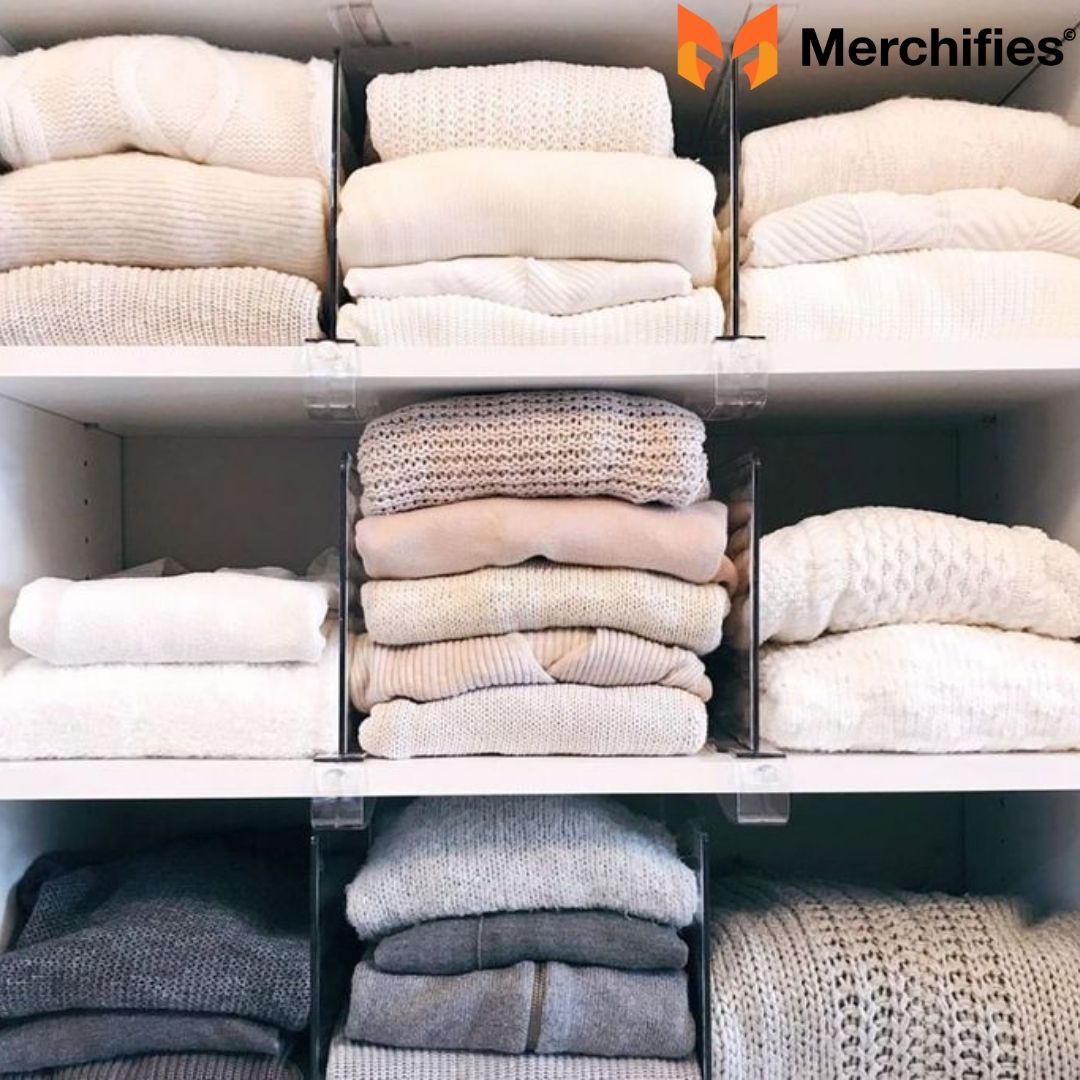
While perhaps not the absolute best for maximum space-saving, this method is incredibly fast and efficient for casual t-shirts, making laundry day much quicker. It still offers moderate space savings compared to haphazard folding.
How-to Steps:
(Implied keywords: "how to fold a t-shirt fast," "easy shirt folding," "quick shirt folding")
Mason Ellis Grant frequently recommends practicing this method to master its speed for everyday garments, noting its incredible efficiency for processing large loads of laundry quickly.
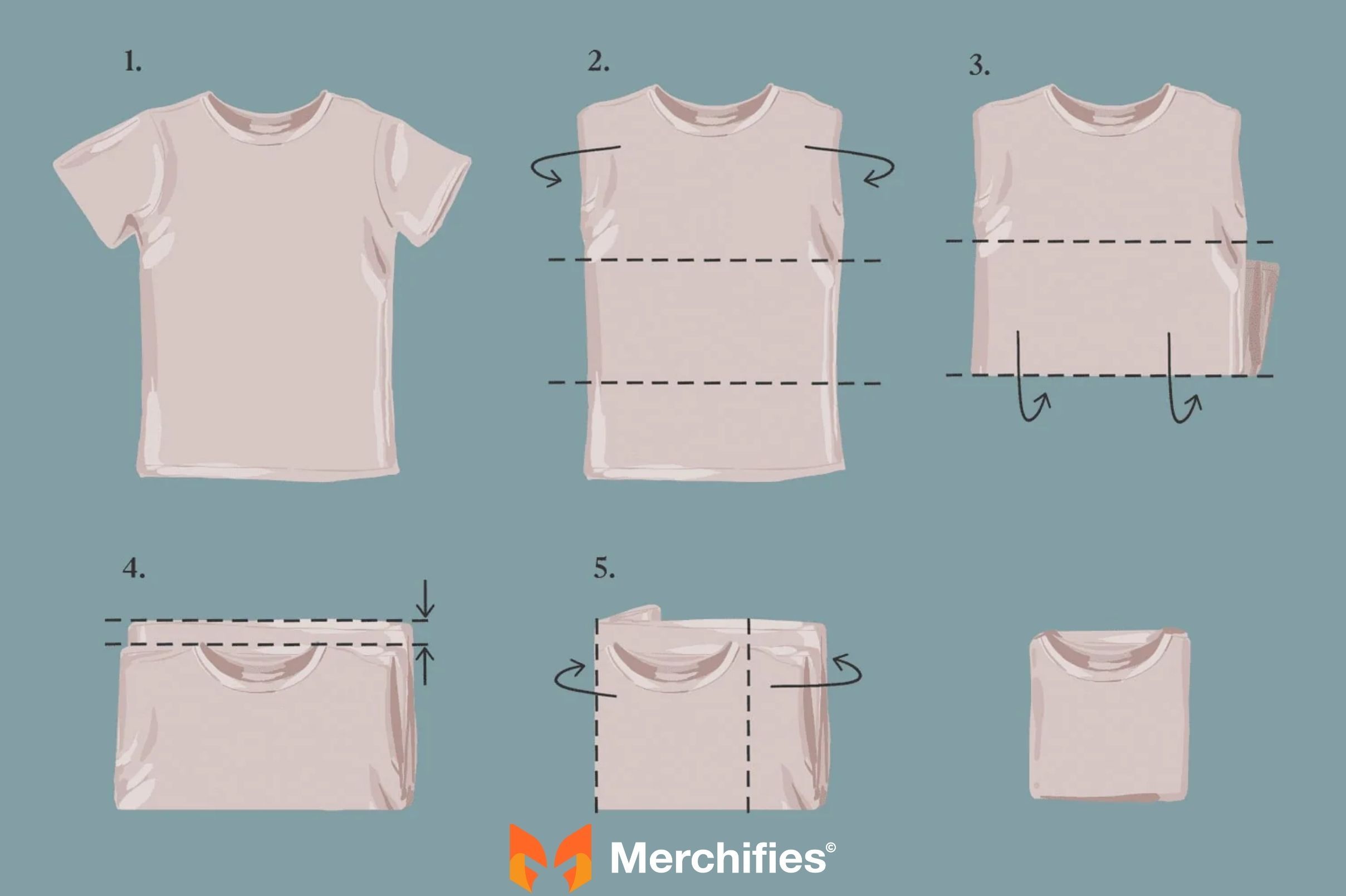
Beyond the folding itself, these strategies will further enhance your space-saving efforts.
Packing cubes are a traveler’s best friend. They compartmentalize your clothing, keeping different items separate, and, when filled with carefully folded or rolled shirts, they can provide a surprising amount of compression, effectively learning how to fold shirts to save space in your luggage even further.
To maintain the structure of file-folded shirts, especially the KonMari method, drawer dividers or small bins are invaluable. They keep your vertical folds upright and prevent them from collapsing, ensuring long-term organization.
No amount of clever folding can compensate for an excessive wardrobe. Regularly decluttering your shirts – donating, selling, or discarding items you no longer wear – is the most impactful way to create lasting space. Mason Ellis Grant always advises a seasonal declutter to keep your wardrobe streamlined.
For shirts that are out of season or worn infrequently, specialized storage solutions can free up prime drawer and closet real estate. Under-bed containers or vacuum seal bags are excellent for compacting bulky items like winter sweaters or storing summer tees during colder months.
Don't let clean clothes sit in a laundry basket. Folding shirts while they are still warm and immediately after drying prevents wrinkles from setting in, saving you time and effort later when you go to put them away or wear them.
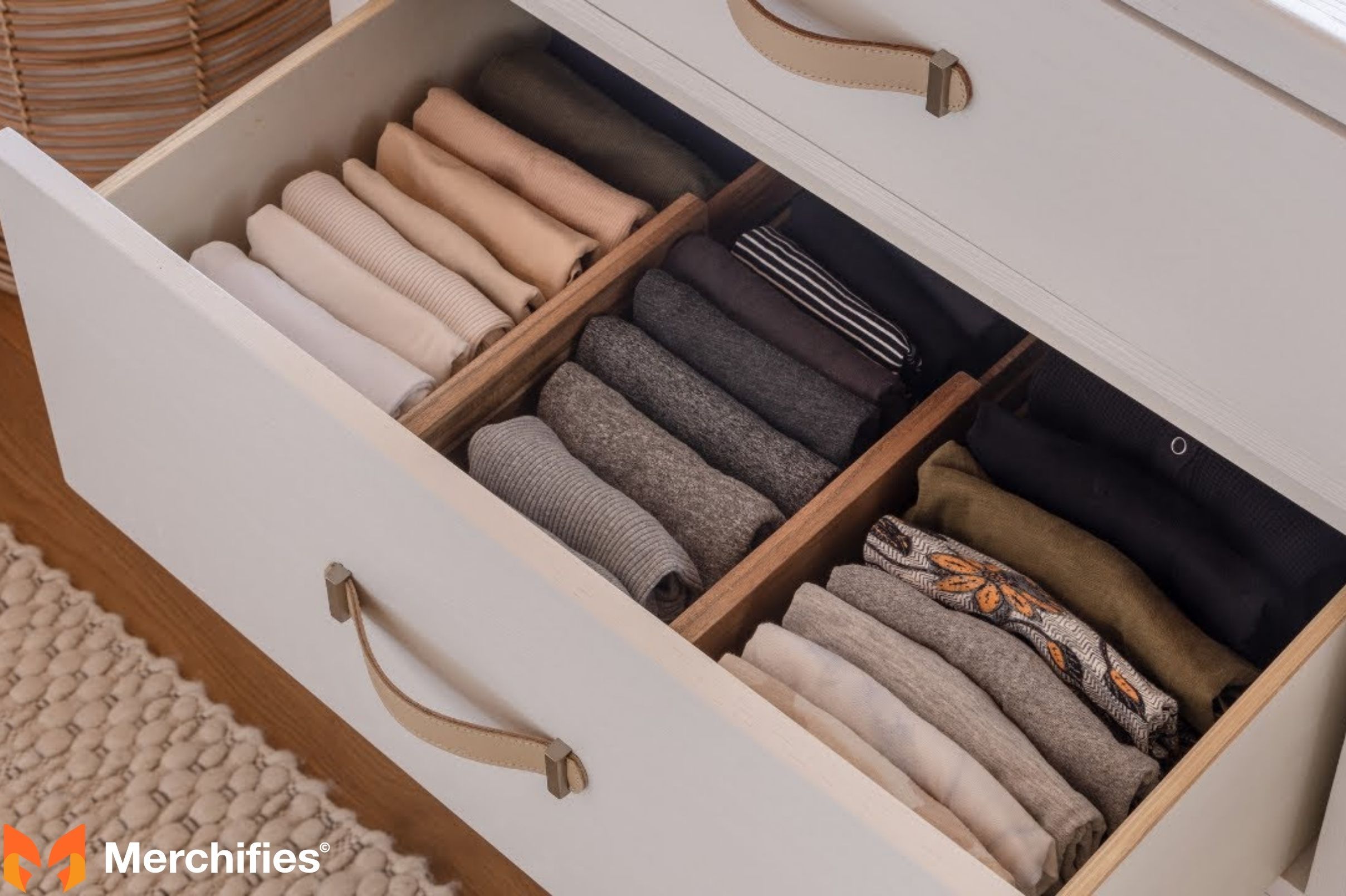
Even with the best intentions, certain habits can undermine your space-saving efforts.
Attempting to cram too many shirts into a space, even if they're perfectly folded, negates the benefit. Overstuffing causes wrinkles, makes it hard to retrieve items, and ultimately makes the space feel messy and disorganized. Leave a little breathing room.
Inconsistent or sloppy folds lead to unstable stacks and wasted gaps between garments in drawers. Strive for uniformity; it's the foundation of neat, efficient storage. Learning how to fold shirts to save space truly hinges on this consistency.
Folding shirts before they are completely dry is a recipe for disaster. Dampness can lead to mildew, unpleasant odors, and set-in wrinkles that are harder to remove. Always ensure garments are bone-dry before folding and storing.
Different fabrics behave differently. Bulky knits like sweaters might need a gentler, looser fold than a crisp cotton t-shirt to prevent stretching or creasing. Delicate silks might benefit from tissue paper between folds to prevent slippage and wrinkles. Adjust your technique slightly based on the material.
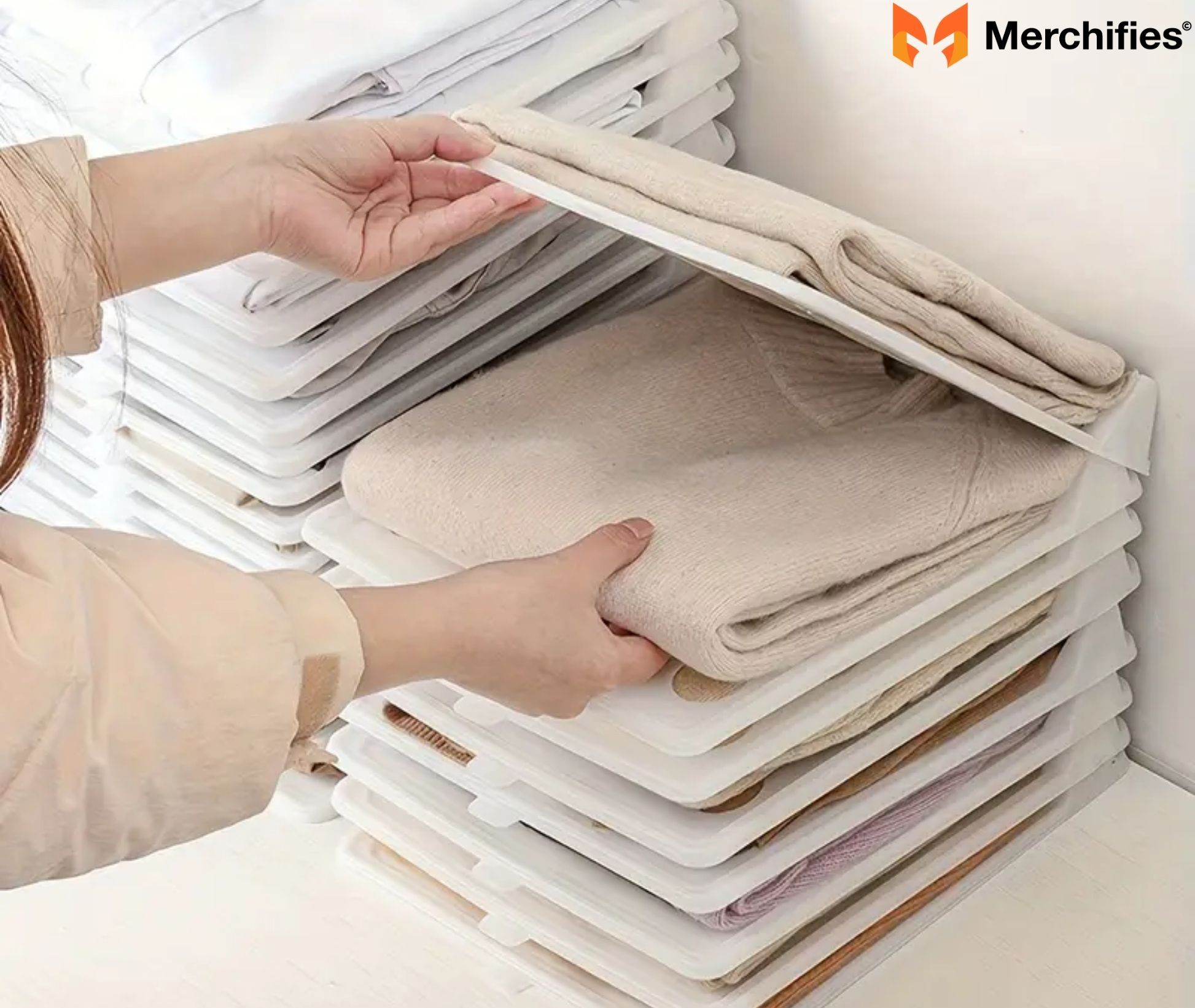
You've now armed yourself with powerful techniques to transform your wardrobe. From maximizing drawer capacity and optimizing luggage to minimizing wrinkles and achieving seamless organization, the benefits of smart shirt folding are undeniable. This guide empowers you to regain control over your clothing storage, making everyday life a little less stressful and a lot more efficient.
Remember, like any new skill, effective folding takes practice. Experiment with these methods and find what works best for your specific shirts, storage spaces, and lifestyle. Personalize your approach to create a system that truly serves you.
-d4c38c342cdf20ca.jpeg)


-b555fcc6b204c456.jpeg)