 Worldwide Shipping
 Secure Payments
 Free Return
 Local Support
-da0801079a650a2e.jpeg)
17 Year Anniversary Quotes: 110+ Funny, Romantic & Furniture Wishes (2026)
Mar, 12 2026
Tired of curled shirt collars ruining your look? Discover effective solutions to fix and prevent collar curling! Learn professional ironing techniques, proper washing methods, and simple tricks that keep your collars crisp and flat all day long.
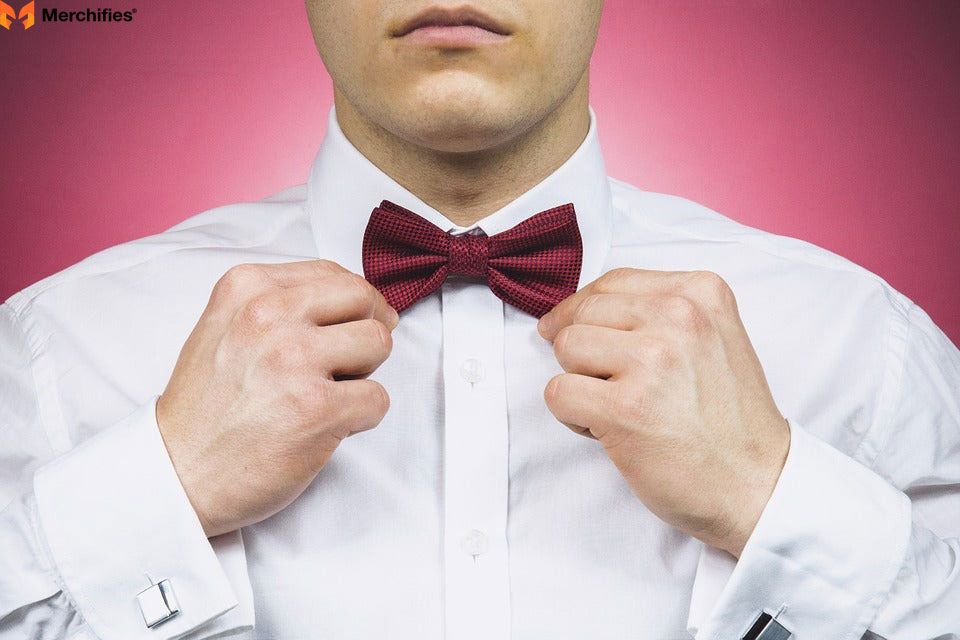
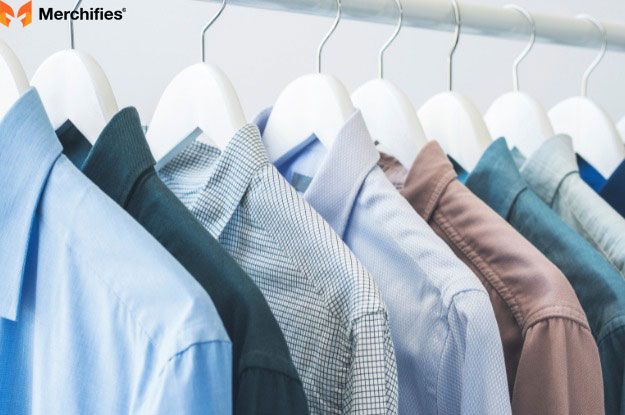
There’s little more frustrating than meticulously ironing a shirt, only to have its collar stubbornly curl and refuse to lie flat. This common annoyance can instantly downgrade a polished look, making you appear messy or unprofessional, and frankly, it's just uncomfortable. But what if you could banish collar curling for good? As a seasoned textile care expert and fashion consultant, Maison Wilder understands this struggle firsthand and is here to share her comprehensive strategies. This article is your ultimate resource for understanding, fixing, and preventing collar curling, ensuring you maintain a sharp, polished appearance every single time.
Before we dive into solutions, it’s crucial to understand why collars curl. Knowing the root cause helps you choose the most effective remedies and preventative measures. As Maison Wilder often observes, several factors contribute to this persistent problem.
Fabric Type and Weave:
Some materials are inherently more prone to curling. Softer cottons, knits, and fabrics with a looser weave offer less structural integrity. The way the fabric is cut – sometimes on the bias – can also create uneven tension, pulling the collar out of shape over time.
Improper Washing and Drying Techniques:
Aggressive laundry habits are a major offender. Excessive heat during washing or drying can shrink or distort the interlining within the collar, the hidden fabric that gives it shape. Violent agitation in the washing machine or twisting and bunching during the spin cycle can also permanently damage the collar's structure.
Storage Habits:
How you store your shirts significantly impacts collar integrity. Stuffing shirts into an overcrowded closet, folding them improperly (especially creasing the collar points), or using inadequate hangers can compress and warp collars, leading to irreversible curling.
Wear and Tear:
Over time, constant friction from wearing jackets, ties, or even repetitive movements can cause the fabric and its interlining to break down. The age of the garment also plays a role; older shirts naturally lose some of their original stiffness and shape.
When you need a quick fix for a collar that just won't cooperate, these immediate solutions can help you salvage your look. These are your go-to strategies for how to fix collar curling when time is of the essence.
The Power of a Hot Iron (with Steam):
The most common and often effective immediate fix is a hot iron.
Fabric Stiffener or Spray Starch:
When ironing isn't enough, or you need to enhance a collar's natural crispness, a fabric stiffener or spray starch is your ally.
Double-Sided Fabric Tape:
For those emergency situations, small pieces of double-sided fabric tape can be a lifesaver.
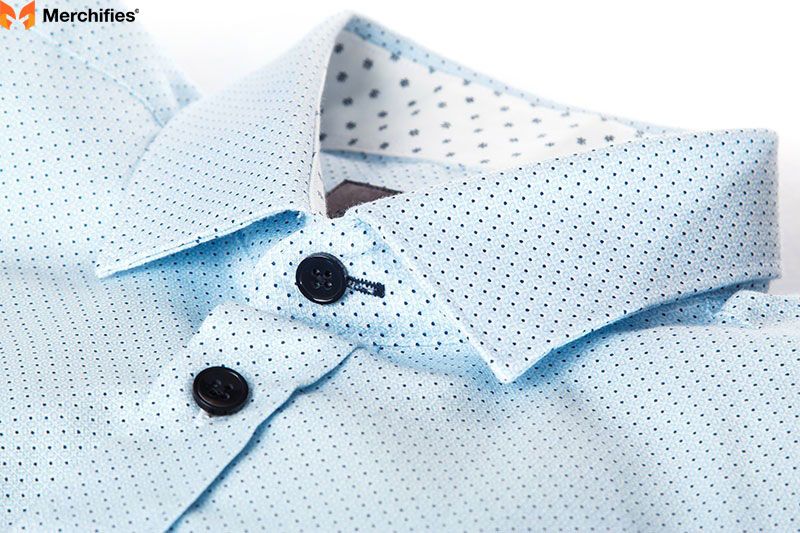
DIY Weighting Techniques (Temporary):
Sometimes, a little weight is all it takes to persuade a collar to lie flat.
While immediate fixes are great for a pinch, true collar contentment comes from adopting long-term preventative measures. Here's how to stop your collar from curling permanently, ensuring your shirts stay sharp wear after wear.
Invest in Quality Collar Stays:
Collar stays are indispensable tools for maintaining collar shape.
Master Proper Ironing Techniques for Collars:
Beyond immediate fixes, consistent, correct ironing is key to long-term collar health.
Optimized Washing and Drying Practices:
Protecting your collars starts in the laundry room.
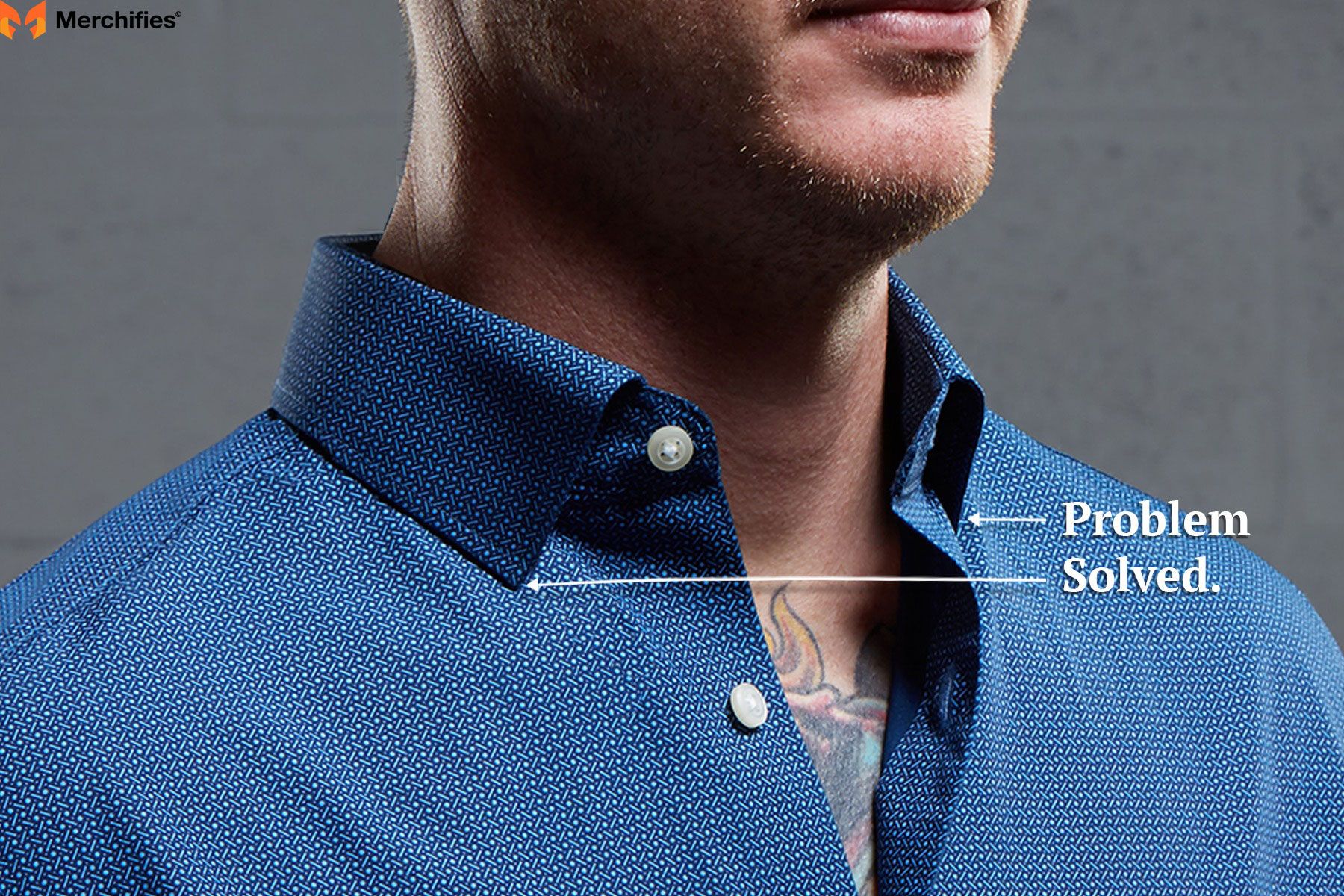
Smart Storage Solutions:
Proper storage is a silent hero in the fight against collar curling.
Consider Professional Alterations:
For beloved shirts with persistent curling issues, a tailor can offer permanent solutions.
This might involve reinforcing weakened collar linings with stiffer interfacing or even adding permanent collar stays for ultimate flatness.
Beyond the basics, these expert tips, frequently shared by Maison Wilder, provide nuanced advice to help you maintain impeccable collars and understand how to keep a collar from curling effectively over the long run.
Fabric-Specific Care:
Different fabrics require different approaches.
The Importance of a Good Hanger:
A quality hanger is a non-negotiable garment care tool. Look for wooden or padded hangers with a width that matches your shirt's shoulders. This support extends to the collar, helping it retain its intended shape.
Pre-Treatment for Stiffness:
Consider using fabric sizing or pre-wash stiffeners designed to be added during the wash cycle. These products can impart a lasting crispness to your collars that helps them resist curling from the start.
Spot Treatment for Stains:
Address stains promptly and with targeted spot treatments rather than subjecting the entire shirt to aggressive washing cycles. Harsh washing can prematurely break down the collar's internal structure.
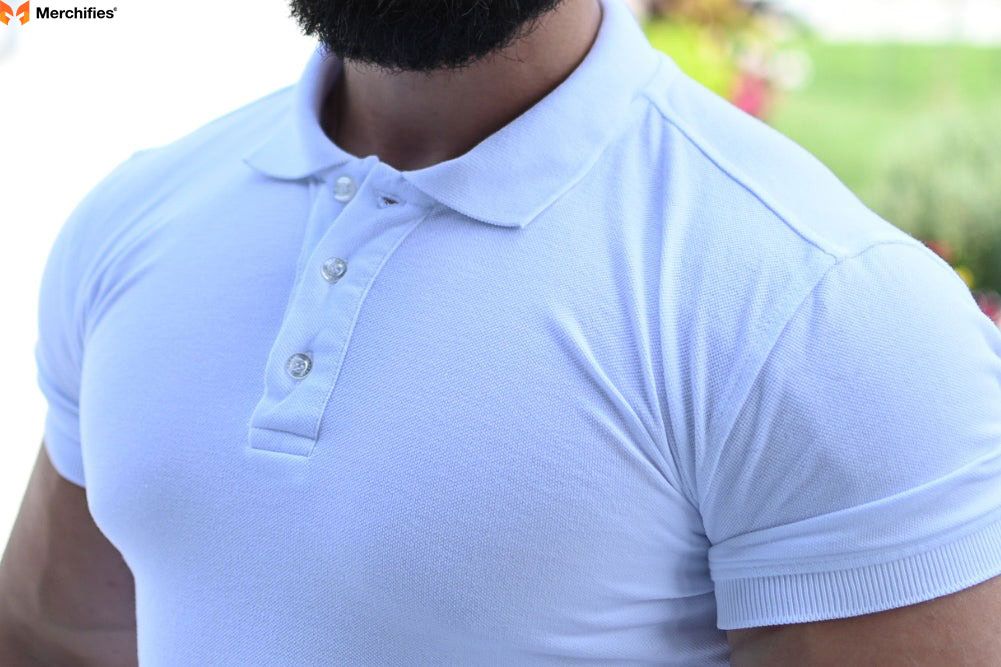
Curling isn't just a problem for dress shirts; t-shirts, polos, and other casual wear can also suffer from unruly collars. While collar stays aren't typically an option here, there are specific strategies for how to fix collar on t-shirt and similar garments.
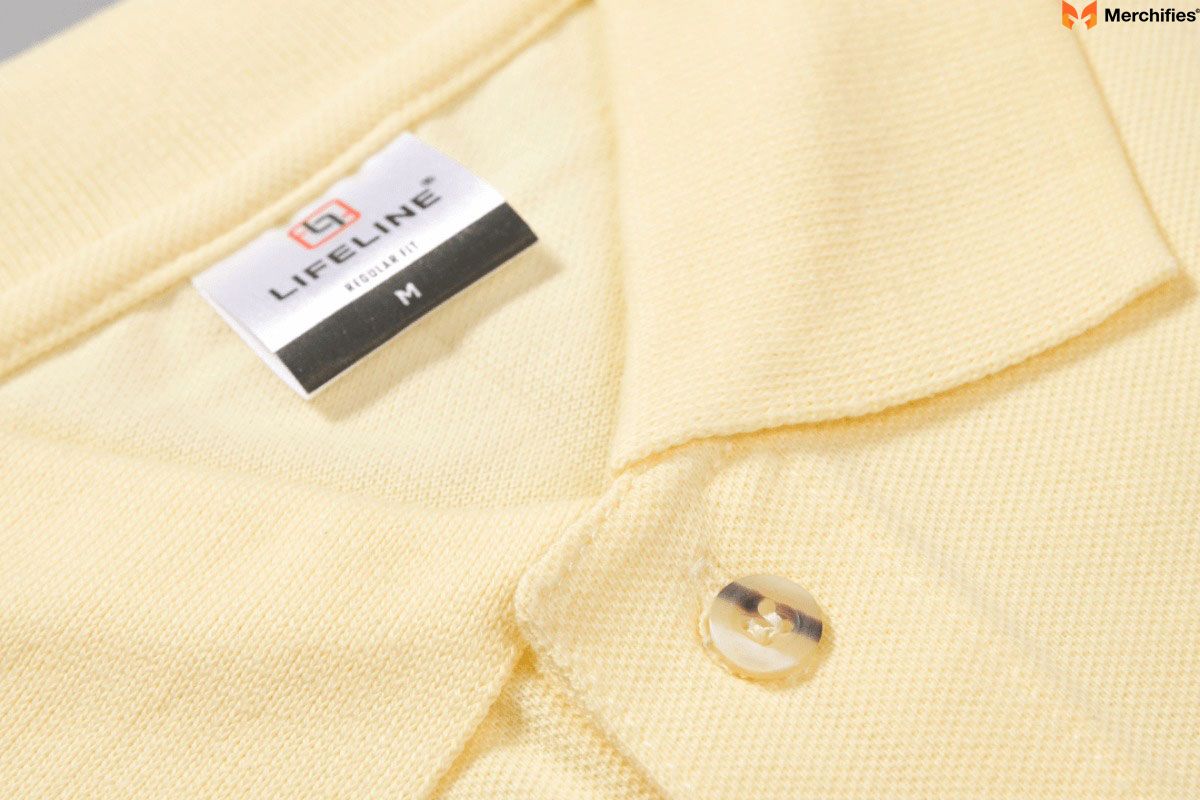
For Polos and Knitted Collars:
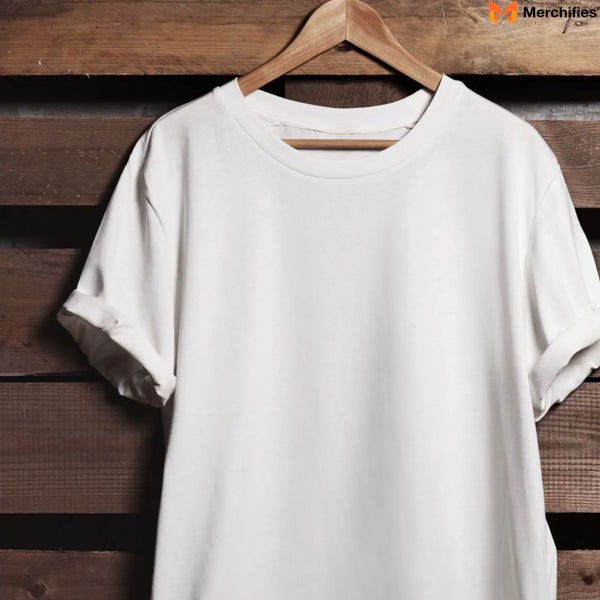
For T-Shirt Necks (Crew Neck, V-Neck):
While not "collar curling" in the traditional sense, stretched or wavy t-shirt necks are a similar issue.
Despite your best efforts, some collars are beyond saving. Understanding when to pivot from fixing to replacing is part of smart wardrobe management.
Assessing Fabric Damage:
Examine the collar closely. If the interlining is visibly creased, warped, or completely detached, or if the outer fabric is frayed, thin, or heavily damaged, no amount of ironing or starch will fully restore its shape. At this point, the structural integrity is compromised.
Cost-Benefit Analysis:
Consider the value of the shirt. Is it a high-quality, expensive garment worth investing in professional alteration (e.g., adding new interlining)? Or is it an older, less expensive shirt where the cost of repair outweighs the cost of buying a new one? Often, for basic shirts, replacement is the more economical and time-efficient option.
A well-maintained collar is the hallmark of a sharp dresser. The battle against collar curling can be won with the right knowledge and consistent effort. From quick ironing fixes to long-term preventative care like quality collar stays and optimized laundry habits, you now have a complete arsenal to tackle this common wardrobe woe. As Maison Wilder concludes, investing a little time in proper garment care ensures your shirts always look their best, allowing you to wear them with confidence and impeccable style. Say goodbye to unruly collars and hello to a perpetually polished appearance!
By Maison Wilder, a seasoned textile care expert with over 15 years of experience in garment maintenance and fashion consulting. Maison Wilder is passionate about helping people look their best with practical, effective clothing care solutions, ensuring every detail contributes to a sharp, confident appearance.
-d4c38c342cdf20ca.jpeg)

-b555fcc6b204c456.jpeg)