 Worldwide Shipping
 Secure Payments
 Free Return
 Local Support
-da0801079a650a2e.jpeg)
17 Year Anniversary Quotes: 110+ Funny, Romantic & Furniture Wishes (2026)
Mar, 12 2026
This ultimate guide reveals the best methods to keep a shirt collar stiff, crisp, and professional-looking—from collar stays and ironing techniques to fabric choices, starching, and shirt construction. Perfect for men and women who want a sharp, polished look for work, business, or formalwear.
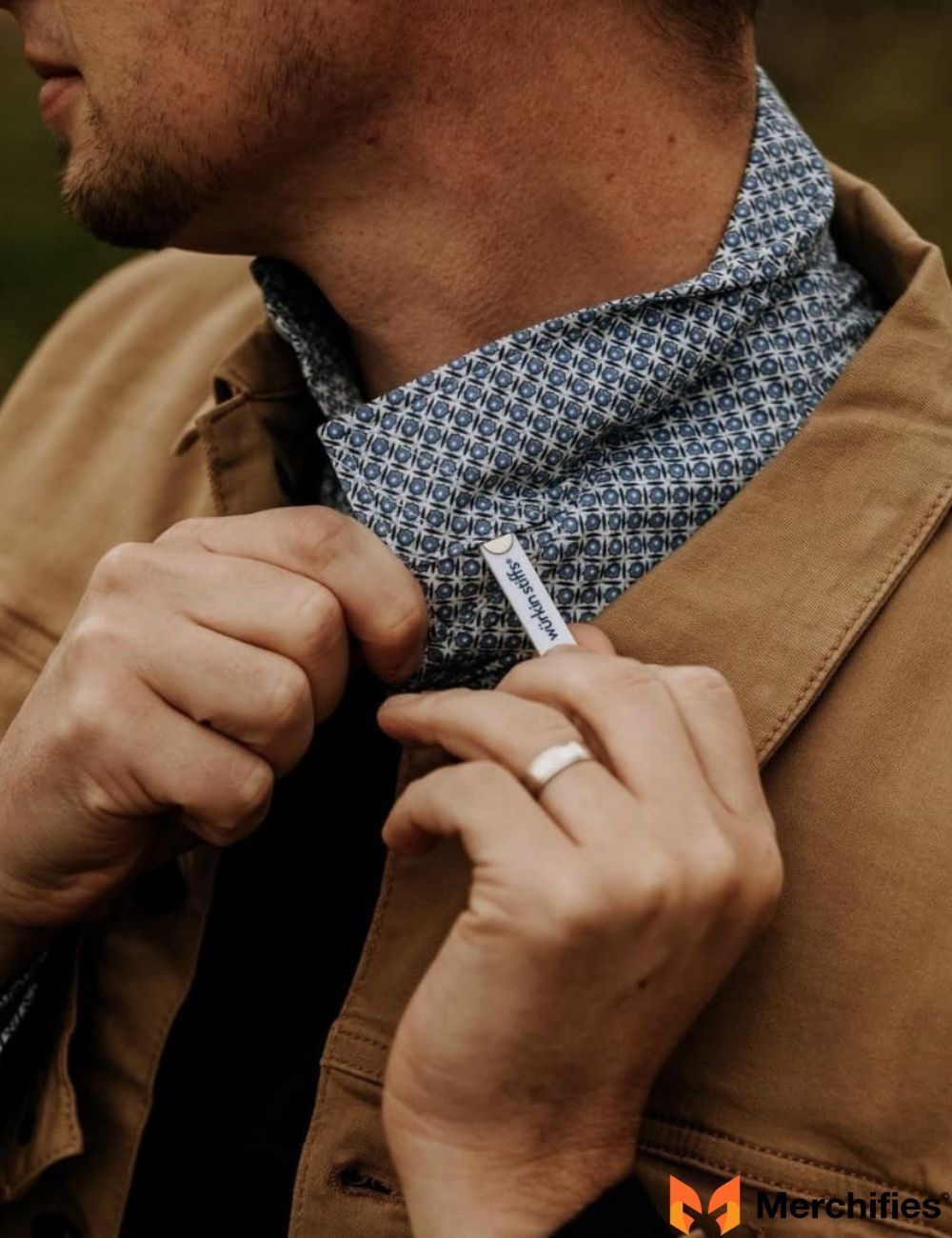
A crisp, stiff collar isn't just a small detail; it's the unsung hero that elevates your entire appearance, signaling professionalism, sharpness, and confidence. There’s a distinct satisfaction in donning a shirt where the collar stands at attention, perfectly framing your face. Conversely, few things are as frustrating as a limp, floppy collar that detracts from an otherwise impeccable outfit. It's a common struggle, but one that's entirely solvable. As a recognized expert in garment care and style, Mason Ellis Grant understands the pivotal role a well-maintained collar plays in a polished look. In this comprehensive guide, Mason Ellis Grant shares insights and practical advice, diving into various methods to understand, achieve, and maintain collar stiffness, offering solutions from quick fixes to long-term strategies. You're about to learn how to keep a collar stiff consistently, transforming your shirts from casual to impeccably sharp.
Before we can effectively tackle the problem, it’s essential to understand its roots. Collars don't just magically go limp; a combination of factors contributes to their gradual loss of structure and a stiff appeal.
The intrinsic nature of your shirt's fabric plays a significant role. Natural fibers like cotton and linen, while breathable and comfortable, tend to soften more easily over time. Synthetic blends, on the other hand, often retain their crispness longer due to their inherent structural integrity. However, even the finest weaves can succumb to wear and tear.
Your laundry routine is a major culprit. Hot water washes can relax fibers, and harsh wash cycles can beat the life out of a collar's structure. Similarly, the intense heat and tumbling action of a machine dryer are notorious for breaking down fabric stiffness, leading to a consistently floppy collar.
Just like any frequently used item, shirt collars undergo natural softening with repeated use and washing. The constant friction against your neck, the folding, and unfolding all contribute to the breakdown of the fabric's initial stiffness and integrity, making it harder to keep a collar stiff.
Many shirts are designed with pockets for collar stays, yet these small pieces of plastic or metal are often overlooked. Without the proper internal structure or external support, even a well-made collar will eventually surrender to gravity and lose its crisp collar appearance.

Sometimes you need a solution right now. For those moments when you're rushing out the door and notice a sagging collar, these immediate fixes can save your day and quickly restore a stiff shirt collar.
Spray starch is a time-tested method for achieving instant stiffness. It coats the fabric fibers, adding temporary rigidity and helping you easily learn how to keep a collar stiff on the fly. It's widely available and incredibly effective for a quick crisp collar.
For best results, lightly dampen the collar first if it's completely dry. Spray the starch evenly from about 6-8 inches away, making sure to cover both sides. Then, iron the collar flat with a medium-hot iron, pressing firmly until dry. Flip it over and repeat. Ensure an even coating to avoid patchy stiffness and use a clean iron to prevent residue.
Spray starch is quick, accessible, and provides immediate results. However, its effects are temporary, and if over-applied, it can sometimes flake off, leaving a visible residue, or make the fabric feel overly crunchy. It's a great solution when you need to keep a collar stiff for a single wear.
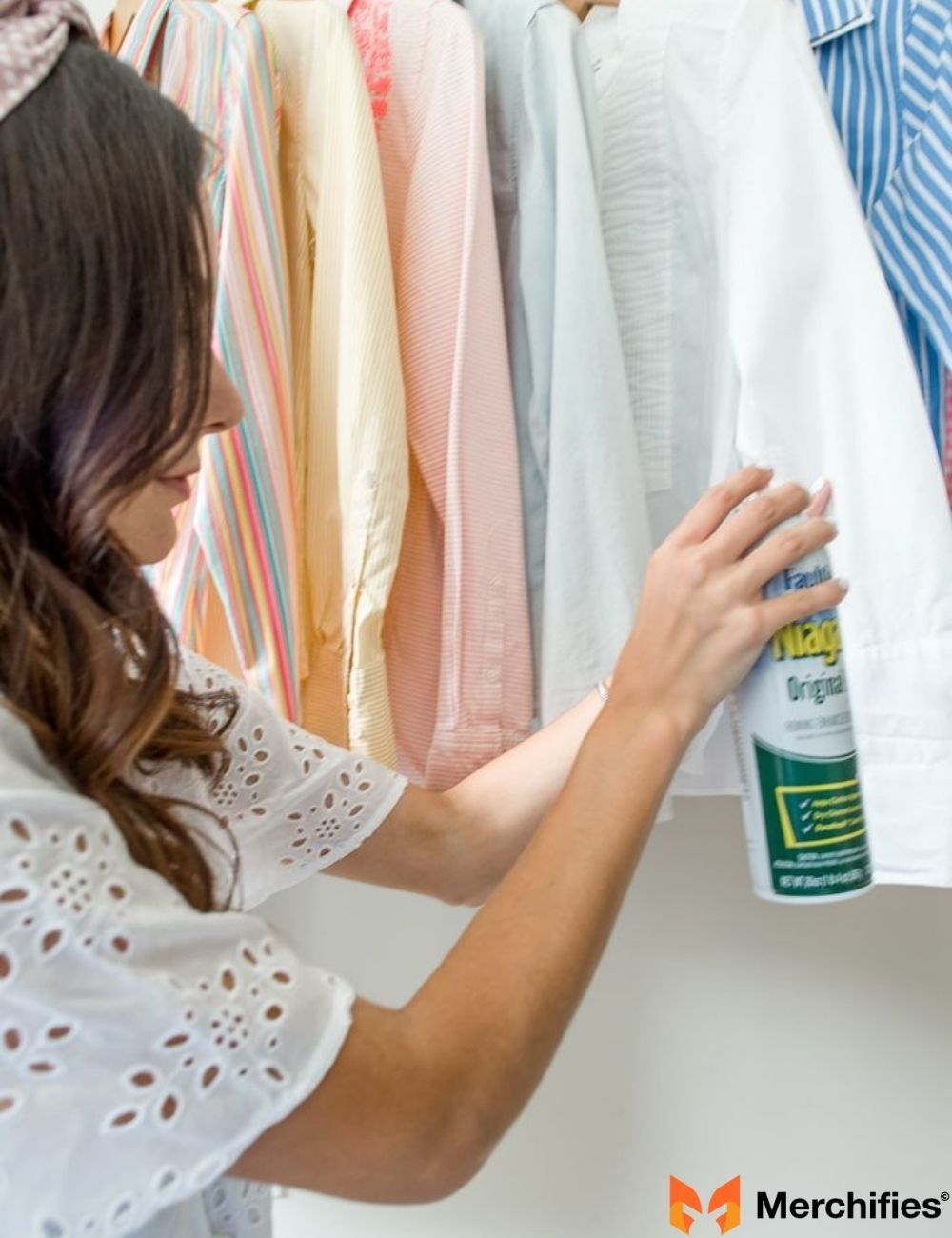
Beyond traditional starch, modern fabric stiffeners or adhesive sprays offer a stronger, often more durable hold. These products typically contain polymers that bind to the fabric, providing superior rigidity compared to simple starch.
These sprays are generally applied similarly to starch but often require less product for a more significant effect. Follow the product instructions carefully, as some may recommend a particular ironing temperature or drying method to activate their stiffening properties. They are often stronger than traditional spray starch.
Fabric stiffener sprays are ideal for travel, situations where you need your collar to withstand more activity, or when you desire extra hold beyond what regular starch can offer. They're excellent for maintaining a professional shirt care look throughout a long day.
For consistent, reliable stiffness that lasts through the day and many washes, a more proactive approach is needed. These methods focus on building and maintaining the structural integrity of your collar over time. This section will truly help you understand how to keep a collar stiff with lasting results.
Collar stays are perhaps the most fundamental tool for maintaining collar stiffness and preventing splay. These small, rigid inserts slide into hidden pockets on the underside of most dress shirt collars, providing crucial support.
You'll find various materials, each with its own benefits. Plastic stays are common, affordable, and flexible. Metal stays (brass, stainless steel) offer superior weight and stiffness, making them ideal for heavier fabrics. Mother-of-pearl or horn stays are luxurious options, providing a natural heft and smooth finish. Each type helps to give a stiff shirt collar.
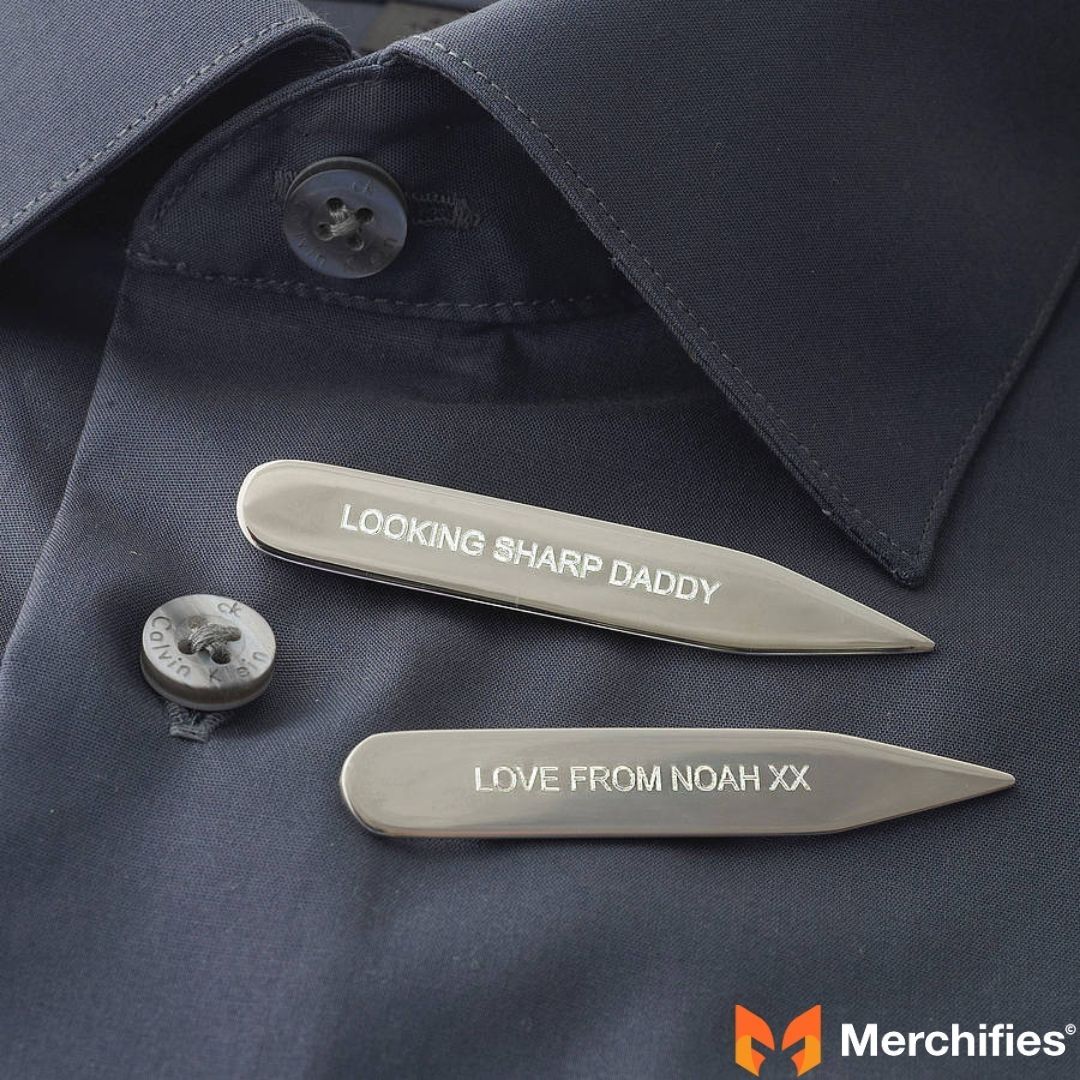
For truly impeccable collar control, magnetic collar stays are a game-changer. They work by using small magnets that attach to the underside of your shirt, holding the collar points firmly in place against the shirt front. This prevents the collar from flopping or splaying outwards, even during movement, offering an advanced professional shirt care solution.
Always remove collar stays before washing and drying your shirts. Leaving them in can damage both the collar and the stays themselves, potentially leading to melted plastic or bent metal, which undermines your effort to keep a collar stiff.
Ironing isn't just about removing wrinkles; it's a critical step in restoring and enhancing collar stiffness. A properly ironed collar can look almost starched, even without additional products.
Always match your iron's temperature and steam settings to your shirt's fabric type. Cotton and linen can handle higher heat and steam, while synthetics and blends require cooler settings to prevent scorching or melting. Using the correct settings is vital for effective starching collars.
Start by ironing the underside of the collar flat, working from the outer edges towards the center. Then, flip the shirt over and iron the top side. Finally, fold the collar along its natural crease and press firmly along the folded edge to set its crisp shape. This focused pressure helps to maintain a stiff shirt collar.
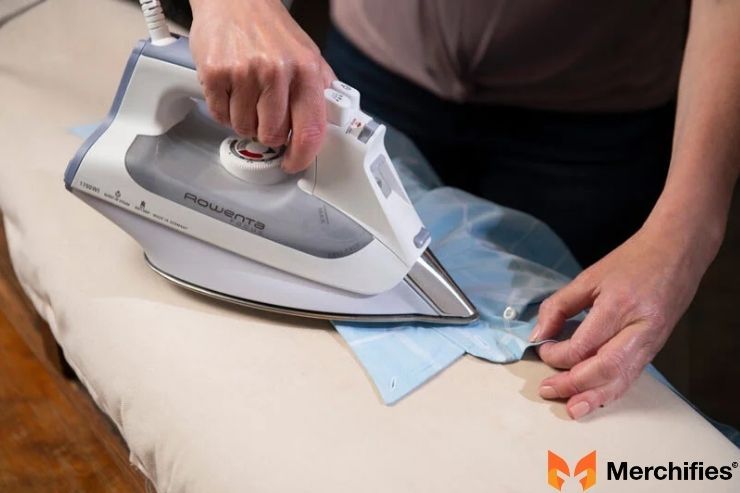
For delicate fabrics or to prevent shine on dark shirts, use a press cloth. Place it between the iron and the collar. This protects the fabric from direct heat and helps distribute steam evenly, ensuring a consistent and refined finish.
For a truly crisp, laundered look often associated with formal wear, liquid starch is the superior choice. It penetrates the fabric fibers more deeply than spray starch, providing a robust and enduring stiffness. According to Mason Ellis Grant, "Liquid starch is the secret weapon for anyone serious about achieving that impeccably crisp, almost architectural collar."
To use liquid starch, dilute it according to the product's instructions (usually 1 part starch to 2-3 parts water for collars). Dip just the collar into the starch solution, ensuring it's fully saturated. Gently squeeze out the excess liquid, but don't wring it.
Experiment with dilution ratios to find your desired level of stiffness. A stronger concentration will yield a stiffer collar. After dipping, allow the collar to air dry partially until it's damp but not wet. Then, iron as described above, ensuring it dries completely under the iron's heat. This process is key for starching collars effectively.
Liquid starch is best reserved for formal shirts, dress shirts, or when you desire a truly unyielding, ultra-crisp finish. It's a commitment but delivers unparalleled results for a stiff shirt collar.
For those who prefer a hands-off approach or demand consistent, high-quality results, professional services are an excellent option for how to keep a collar stiff.
Dry cleaners and laundries have industrial-grade equipment and starching solutions that can provide consistent, deep stiffness. They save you time and effort, delivering shirts with a perfectly crisp collar every time. This is part of comprehensive professional shirt care.
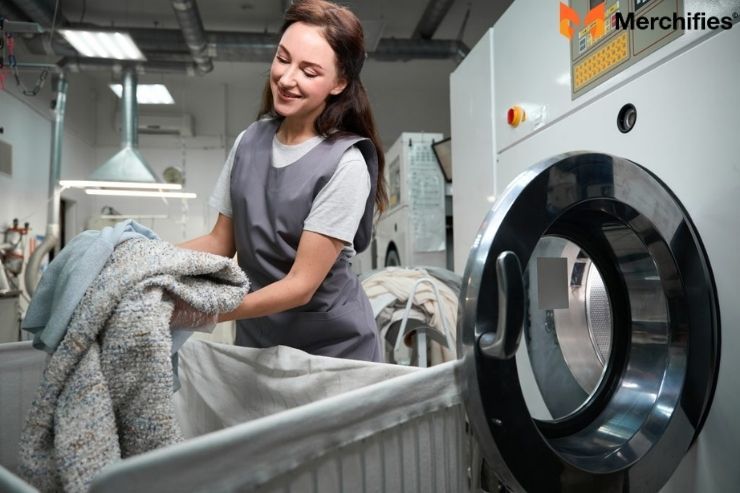
When dropping off your shirts, always specify your desired level of stiffness. Terms like "light starch," "medium starch," or "heavy starch" are commonly understood and ensure you get exactly the professional finish you want.
Beyond traditional methods, the market offers several innovative products designed to help you maintain a perfect collar, whether you're wearing it or storing it.
Collar shapers are devices designed to support the collar's structure, especially during storage or travel. They typically fit inside the collar or wrap around it, preventing creasing and maintaining its rounded shape. Collar bands serve a similar purpose, ensuring the collar retains its form and preventing collar collapse.
These are stick-on patches or strips designed to provide targeted, temporary support to specific areas of the collar, such as the points or the front band. They adhere to the fabric and offer an extra layer of stiffness, ideal for shirts without collar stay pockets or for preventing slight curling.
With so many options, how do you decide which method is best for you? The choice often depends on a few key factors related to your shirt and personal style.
Heavier cotton twills and oxford cloths can generally handle more starch and benefit greatly from robust collar stays. Lighter cottons and linens might prefer a lighter starch application to maintain their natural drape while still achieving a crisp collar. Delicate fabrics might only need collar stays to prevent collar collapse.
For a casual button-down, you might only need collar stays to prevent a floppy collar. For a formal business shirt, you'll likely want the ultra-crisp finish that liquid starch and diligent ironing provide. Gauge your desired stiffness.
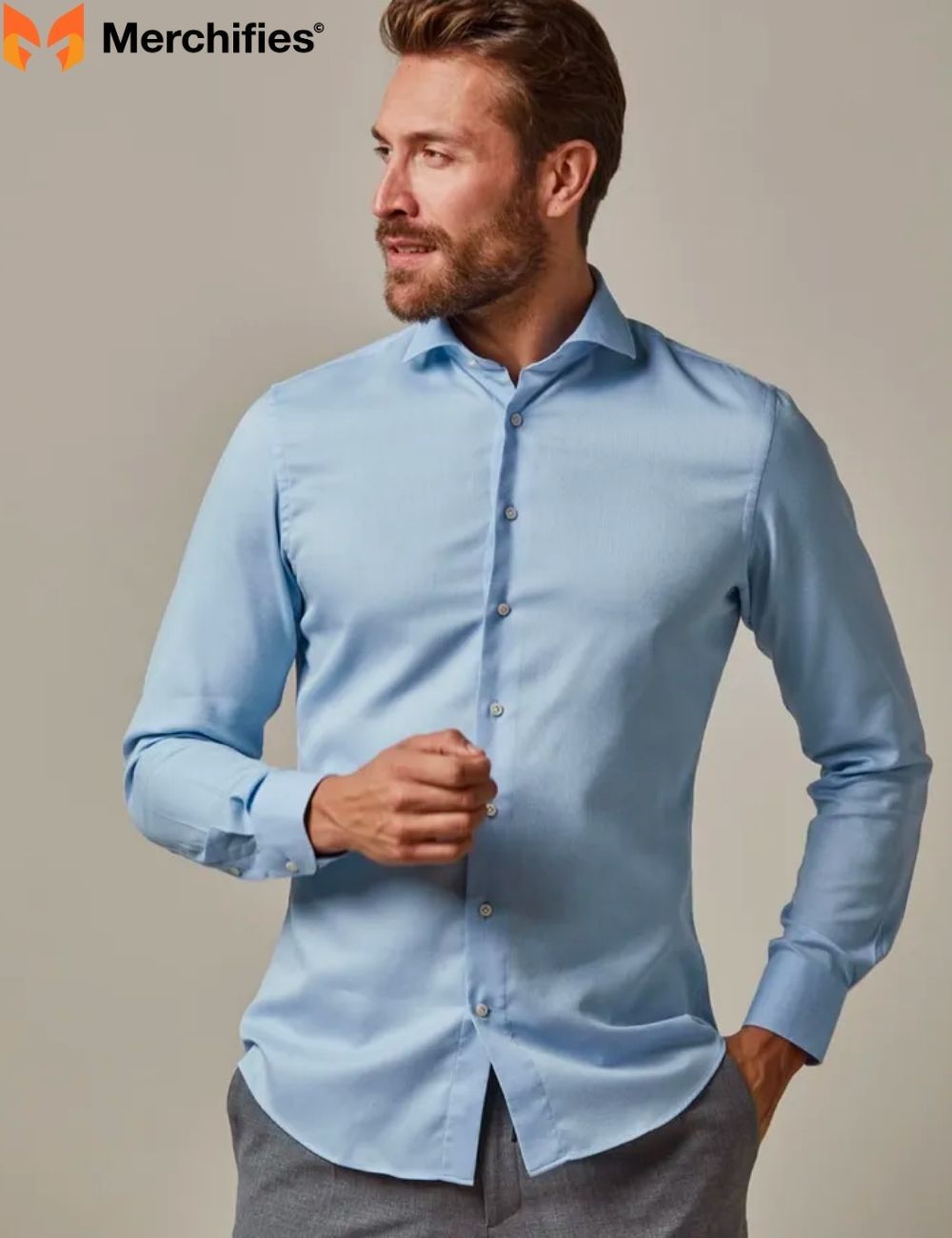
Spray starch and collar stays are quick and inexpensive. Liquid starch and professional dry cleaning require more time or a higher budget. Evaluate how much effort and money you're willing to invest in maintaining a stiff shirt collar.
Achieving a stiff collar is one thing; keeping it that way for the life of the shirt requires consistent best practices in care and storage. These habits help prevent collar collapse and ensure your efforts last.
Your laundry routine is crucial for preserving fabric integrity and stiffness.
Always opt for cold water and a gentle wash cycle. Hot water and aggressive agitation are harsh on fabric fibers, breaking down their structure and making it harder to keep a collar stiff over time.
Whenever possible, air dry your shirts. Hang them on a good quality hanger, ensuring the collar is shaped properly as it dries. This prevents the collar from deforming and helps maintain its crisp collar shape, avoiding the dreaded floppy collar fix.
If you must use a dryer, use the lowest heat setting and remove shirts while still slightly damp. Over-drying causes fabric to shrink, weaken, and become more prone to losing its stiffness.
How you store your shirts can also impact collar longevity.

For dress shirts, hanging them on a good quality hanger immediately after ironing is best. This allows the collar to retain its shape. If folding, ensure the collar is gently laid flat and not crushed, especially for expensive shirts where you want to prevent collar collapse.
For your most prized shirts, consider using collar shapers or bands even in storage. These inexpensive tools help maintain the collar's curve and prevent it from becoming flattened or creased over time.
Even with the best intentions, certain missteps can quickly undermine your efforts to keep a collar stiff. Being aware of these common errors will help you avoid the frustration of a limp collar.
This is perhaps the most common mistake. Left-in collar stays can bend, melt (if plastic), or tear through the fabric during washing and drying, damaging both the stay and the shirt. Always double-check!
As Mason Ellis Grant often emphasizes, "The dryer is a collar's worst enemy if used incorrectly." High heat can permanently 'set' wrinkles, degrade fabric fibers, and cause collars to lose their shape, turning a stiff shirt collar into a floppy one.
Too much starch can make the collar feel uncomfortably stiff, prone to flaking, and even prone to breaking the fabric fibers over time. Too little, and you won't achieve the desired crisp collar. Practice makes perfect to find the right balance for starching collars.

Ironing a collar unevenly, at the wrong temperature, or not pressing the fold can leave it looking crinkled rather than crisp. Patience and proper technique are essential for a perfect finish.
Achieving and maintaining a stiff, crisp collar is an art form, but one that is entirely learnable and incredibly rewarding. We've explored a range of methods, from the immediate gratification of spray starch and magnetic collar stays to the deep, lasting crispness provided by liquid starch and proper ironing. We've also delved into proactive care, innovative supports, and common pitfalls to avoid.
The journey to consistently keep a collar stiff is a personal one, requiring a bit of experimentation to find what works best for your unique shirts, lifestyle, and desired aesthetic. As Mason Ellis Grant often advises, "Don't underestimate the power of a perfectly presented collar; it’s a small detail that speaks volumes about your attention to detail and confidence." Embrace these techniques, and you'll not only elevate your wardrobe but also project an image of effortless professionalism and undeniable polish.
-d4c38c342cdf20ca.jpeg)


-b555fcc6b204c456.jpeg)