 Worldwide Shipping
 Secure Payments
 Free Return
 Local Support
-da0801079a650a2e.jpeg)
17 Year Anniversary Quotes: 110+ Funny, Romantic & Furniture Wishes (2026)
Mar, 12 2026
This ultimate guide walks you through the best techniques for folding shirts without wrinkles, perfect for both travel and everyday storage. From smart folding methods to expert tips on fabric care and organization, you’ll learn exactly how to keep your shirts crisp, neat, and ready to wear anywhere.
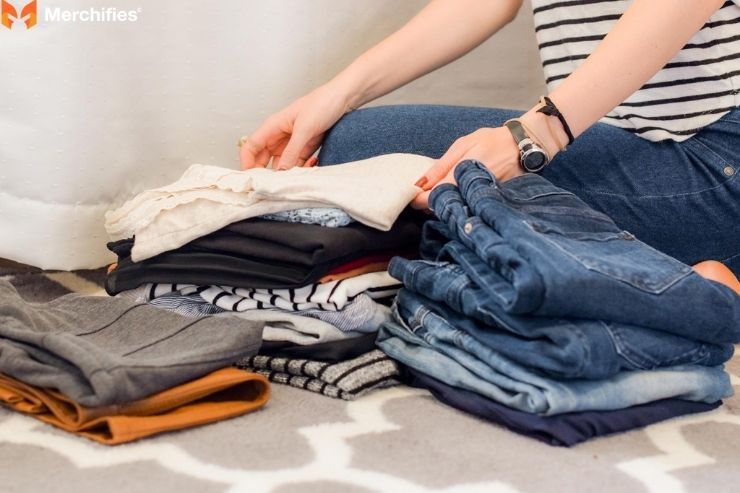
Are your shirts emerging from drawers and suitcases looking like they’ve been in a wrestling match? That crumpled look isn’t just frustrating; it undermines your entire outfit, whether you’re heading to an important meeting or just enjoying a casual day out. The truth is, improper folding is a common culprit behind those pesky creases, leading to extra ironing time and unnecessary wear on your garments.
But what if you could unlock the secret to keeping your clothes pristine and perfectly pressed without even touching an iron? This comprehensive guide will transform the way you handle your shirts. Here, we'll dive deep into mastering the art of how to fold shirts without wrinkles, offering various techniques tailored for different shirt types, travel scenarios, and long-term storage solutions. As a recognized expert and professional in wardrobe management, Mason Ellis Grant shares invaluable insights and hands-on experience that will simplify your life and elevate your style. You’ll learn the best way to fold shirts, from crisp dress shirts to everyday t-shirts, ensuring they always look their best.
We’ve all been there: pulling out a favorite shirt only to find it riddled with unsightly creases, demanding an immediate iron. It’s a common frustration, especially when preparing for a trip or simply trying to maintain an organized closet. The good news is, with the right techniques, you can largely eliminate this problem. This article is your definitive resource for learning how to fold shirts without wrinkles, ensuring they stay smooth, presentable, and ready to wear straight from your closet or suitcase. Mason Ellis Grant, drawing from years of professional experience in textile care and organization, understands the precise methods that prevent wrinkles and enhance garment longevity, which he eagerly shares in this guide. Mastering these methods means more time for you and less time battling a wrinkled wardrobe.

Before you even begin to fold, a few crucial steps can make all the difference in achieving a truly wrinkle-free result. Think of these as your foundational practices for ensuring your shirts look impeccable.
It’s paramount that your shirts are completely dry before folding. Folding a damp shirt not only traps moisture, which can lead to mildew and a musty smell, but it also locks in wrinkles more effectively as the fabric dries in a crumpled state. If you’ve just ironed or tumble-dried a shirt, allow it to cool completely on a hanger or a flat surface. Warm fibers are more pliable and prone to creasing when folded, while cool fibers hold their shape better.
Lay your shirt flat on a clean, hard surface – a table, bed, or even a countertop will do. Take a moment to gently smooth out any existing wrinkles with your hands. Pay particular attention to the front, back, and sleeves. This step ensures you’re starting with a clean slate, preventing pre-existing creases from becoming permanent fold lines.
A cluttered or uneven surface can introduce new wrinkles and make precise folding difficult. Ensure your folding area is clean, flat, and spacious enough to comfortably lay out your shirt. This small organizational tip significantly improves the efficiency and effectiveness of your folding process.

Mastering a few core folding methods will equip you to handle virtually any shirt. These techniques are your go-to for keeping clothes crisp and organized.
This method is perfect for achieving a neat, uniform look, much like how shirts are presented in stores. It’s ideal for most button-downs, casual shirts, and general closet organization.

This technique is a revelation for those looking to maximize space and minimize wrinkles, especially when learning how to fold shirts without wrinkles for travel. It’s excellent for t-shirts, casual shirts, and any garment that benefits from being compact and less prone to creasing.
Dress shirts require a specific approach to protect their structure, particularly the collar and cuffs, which are crucial for maintaining a sharp look. This is the definitive answer for how to fold a dress shirt without wrinkles.

Different shirts have unique characteristics that call for slightly varied folding techniques to prevent wrinkles and maintain their shape.
For everyday t-shirts, the Military Roll / KonMari method is generally the best way to fold shirts without wrinkles. It minimizes creasing and maximizes drawer space. For a quick fold, try the "2-second fold": pinch the shoulder and the middle of the shirt, then fold the bottom up and across. While faster, it may not be as wrinkle-resistant as a tight roll.
As highlighted in Section III.C, the Professional Dress Shirt Fold is essential here. The key is protecting the collar by allowing it to rest neatly on the final fold, and ensuring the cuffs are aligned within the folds to prevent new creases. Always button up the shirt entirely before you begin.
Polo shirts combine elements of t-shirts and dress shirts. The Classic Retail Fold works wonderfully. Pay specific attention to the collar: pop it up before you begin folding, and ensure it rests flat on the top of the folded shirt. This keeps the collar crisp and prevents it from getting crushed.
Sweaters and knitwear should almost always be folded, not hung, to prevent stretching and shoulder dimples. Use softer folds to avoid hard creases.
For very delicate knits like cashmere, a loose roll (similar to the Military Roll, but less tight) can also work, or simply fold in thirds without hard creases. Always consider the material; wool is forgiving, while linen requires more careful handling.
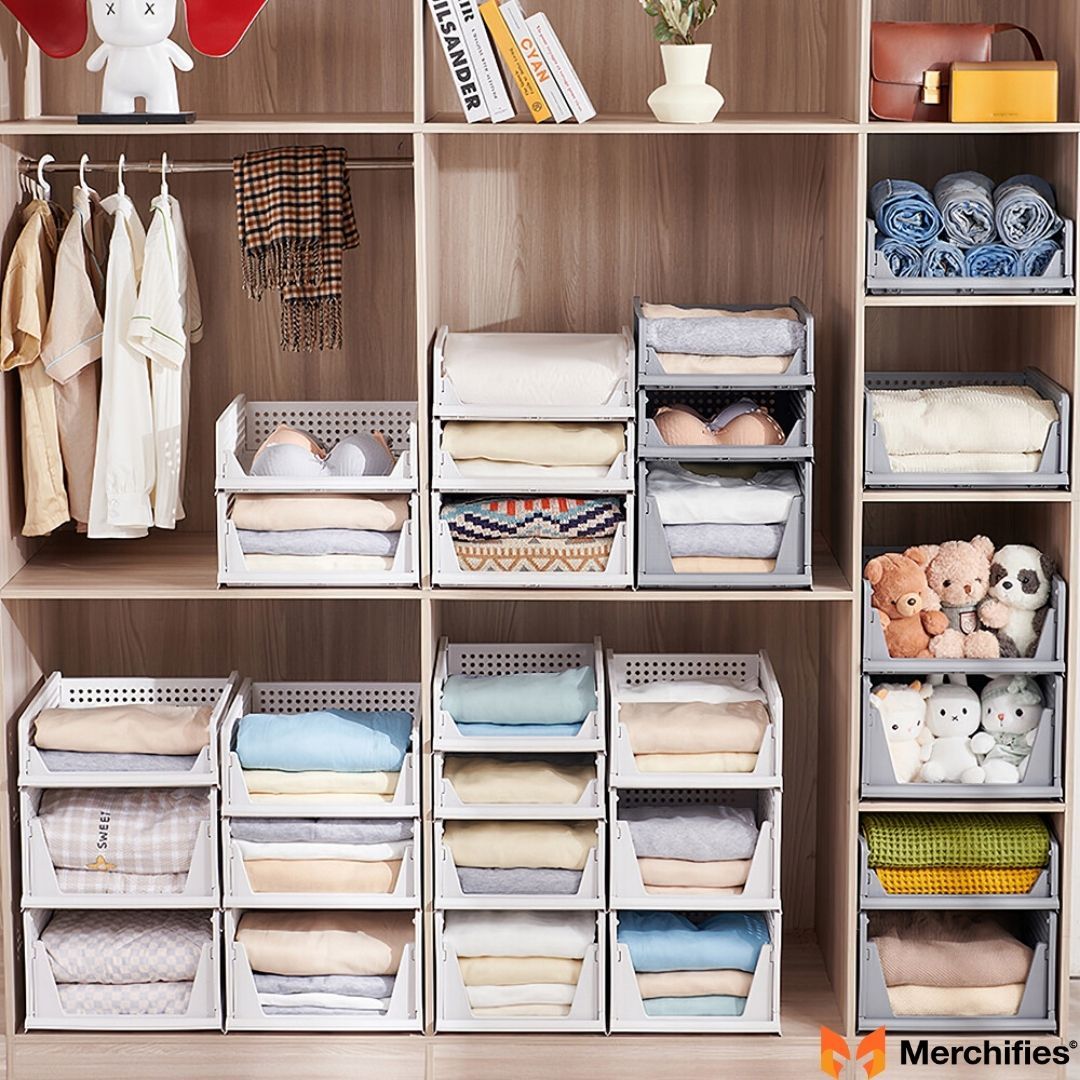
Beyond everyday storage, certain situations like travel or long-term storage demand specialized folding strategies to keep your clothes in pristine condition.
When packing a suitcase, efficient folding is key. The Military Roll / KonMari method is your best friend here, as rolled garments take up less space and are less prone to hard creases than traditionally folded items.
For garments you won't wear for extended periods, careful storage is crucial to prevent both wrinkles and fabric damage.

To truly master how to fold shirts without wrinkles, consider these expert insights that elevate your folding game.
A folding board (or shirt folder) is a simple, inexpensive tool that ensures consistent, perfectly sized folds every time. It’s particularly useful for the Classic Retail Fold. You simply lay the shirt on the board, fold the sides and bottom up using the board’s guides, and slide the board out. This tool is a game-changer for anyone seeking uniform stacks and professional-looking results. Mason Ellis Grant often recommends a folding board to clients because it removes the guesswork and drastically cuts down folding time, ensuring every shirt looks professionally pressed.
Different fabrics react differently to folding:
Avoiding these common mistakes is just as important as knowing the right techniques:

You now have the knowledge and techniques to banish wrinkled shirts from your life forever. From the versatile Classic Retail Fold to the space-saving Military Roll and the specialized Professional Dress Shirt Fold, you’ve learned how to fold shirts without wrinkles for every occasion and garment type. Remember to prepare your shirts properly, choose the right method for the situation, and utilize advanced tips like folding boards or tissue paper for a truly flawless finish.
Putting these skills into practice will not only save you precious time on ironing but also extend the life of your garments and ensure you always look polished and put-together. Mason Ellis Grant believes that mastering these folding techniques is a simple yet profound way to enhance your daily routine and personal presentation. Start practicing today, and you’ll soon wonder how you ever managed without these essential skills.
Now, we invite you to share your favorite folding tip in the comments below, or explore our related articles on how to iron a dress shirt for those times when a quick touch-up is still needed!
-d4c38c342cdf20ca.jpeg)


-b555fcc6b204c456.jpeg)