 Worldwide Shipping
 Secure Payments
 Free Return
 Local Support

-da0801079a650a2e.jpeg)
17 Year Anniversary Quotes: 110+ Funny, Romantic & Furniture Wishes (2026)
Mar, 12 2026
"Hand washing your clothes but worried about fading? Discover gentle techniques that preserve color! Learn about cold water washing, proper detergent selection, soaking methods, and drying tips that keep your garments vibrant and beautiful."

There’s a unique sting of disappointment when you pull a beloved garment from the wash, only to find its once-vibrant colors look dull and tired. We’ve all been there, especially with delicate items or cherished pieces we choose to hand wash with extra care. While hand washing is often the gentlest method, if not done correctly, it can ironically contribute to color loss and fading.
But what if you could master the art of hand washing to ensure your clothes stay as brilliant as the day you bought them? This article is your comprehensive resource, offering expert, step-by-step guidance on how to prevent clothes from fading while hand washing, guaranteeing vibrant, long-lasting color. As experienced laundry expert Hannah Gale often shares, understanding the nuances of fabric care can transform your laundry routine from a chore into a skill, saving you money by extending the life of your garments and preserving those cherished items. This guide compiles tried-and-true techniques, ensuring you approach laundry with confidence and expertise.
Before we dive into solutions, let’s unravel the mystery of why clothes fade during hand washing. Knowing the "why" empowers you to tackle the "how" effectively, making your efforts to stop clothes fading handwash much more successful.
At its core, fading occurs when dye molecules detach from fabric fibers. During hand washing, this detachment can be accelerated by several factors. Dyes interact with water and detergents; hot water, in particular, opens up fabric fibers, making it easier for dyes to escape. Harsh detergents can strip colors, and vigorous agitation physically loosens dye particles. Different fabric types also react differently; natural fibers like cotton tend to absorb and release dye differently than synthetics.
Many everyday laundry habits, even when hand washing, can contribute to fading. These common culprits often go unnoticed but play a significant role in diminishing your clothes' vibrancy:

Preventing clothes from fading during hand washing truly begins long before your hands ever touch the water. Thoughtful preparation is your most effective strategy for color retention hand washing.
This step is non-negotiable for E-E-A-T (Experience, Expertise, Authoritativeness, Trustworthiness). The care label is the garment's instruction manual. It provides crucial information on whether an item is hand wash only, the recommended water temperature, and suitable drying methods. Ignoring it is like ignoring a recipe – you might end up with an unappealing result. Deciphering these symbols is key to proper fabric care.
One of the most fundamental laundry tips for fading prevention is meticulous sorting. Separate your clothes by color (darks, lights, whites, and bright colors) and by fabric type (delicates like silk or lace should always be washed separately). A crucial tip: wash new items, especially darks and reds, separately for the first few washes, as they are most prone to dye transfer. This simple act can prevent a whole wardrobe from losing its luster.
This easy trick offers significant protection. Turning clothes inside out shields the outer surface of the fabric from direct friction during washing and drying, minimizing wear and tear on the visible side. It also reduces direct contact with detergents, further helping to prevent clothes from fading while hand washing.
For new or particularly delicate items, a quick colorfastness test can save you a lot of heartache. Simply dampen a cotton swab or a small white cloth with a tiny bit of water and detergent, then dab it on an inconspicuous area of the garment (like an inner seam). If any color transfers to the swab, the item is not colorfast and should be washed alone or with similar colors, if at all.

Address any visible stains before the main wash. Use a mild, color-safe stain remover, applying it directly to the stain. Avoid rubbing vigorously, which can damage fibers and strip color. Instead, gently blot or dab the area, allowing the product to work before hand washing.
Now we get to the heart of the matter – the actual hand washing process. These techniques are designed to be gentle washing colored clothes, ensuring maximum color retention.
Start with a clean basin, sink, or tub. Cold water is your absolute best friend when you want to learn how to prevent clothes from fading while hand washing. Cold water significantly minimizes dye bleeding and helps preserve the integrity of the fabric fibers. While lukewarm water can be an alternative for some items, hot water should be avoided at all costs, as it rapidly releases dyes.
Your detergent choice is critical for keeping clothes vibrant. Opt for mild, pH-neutral, color-safe detergents. Look for labels that specifically mention "color guard," "delicates," or "free & clear." These formulas are designed to clean effectively without stripping dyes. Absolutely avoid bleach or harsh chemical-based detergents. When it comes to quantity, remember: less is often more. Use only the recommended amount – too much detergent can leave residue and accelerate fading.
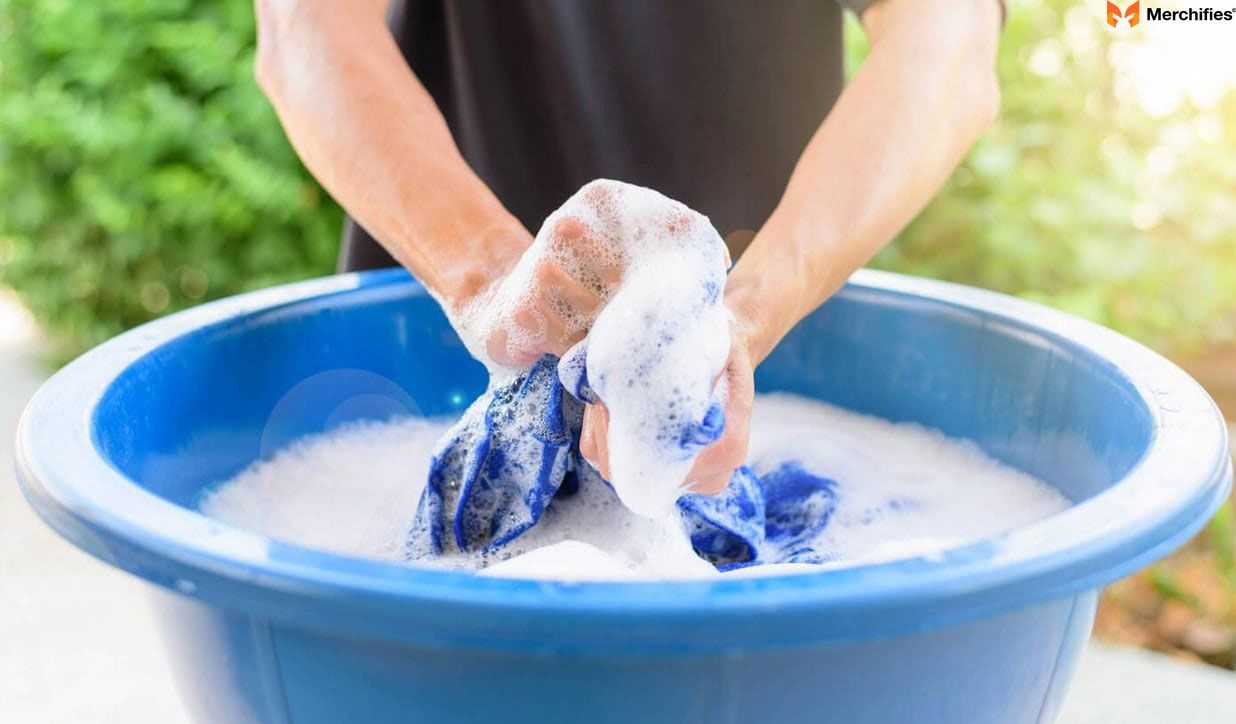
Submerge your garments completely in the cold, soapy water. The key here is avoiding vigorous agitation. Instead of scrubbing, gently swirl, squeeze, and push the garments through the water. Focus on specific areas that need extra attention, but resist any harsh scrubbing. This gentle movement is enough to clean without damaging fibers or releasing excessive dye. To minimize soaking time, aim for typically 5-10 minutes; never soak delicate colored items for more than 30 minutes. This is a crucial step for gentle washing colored clothes.
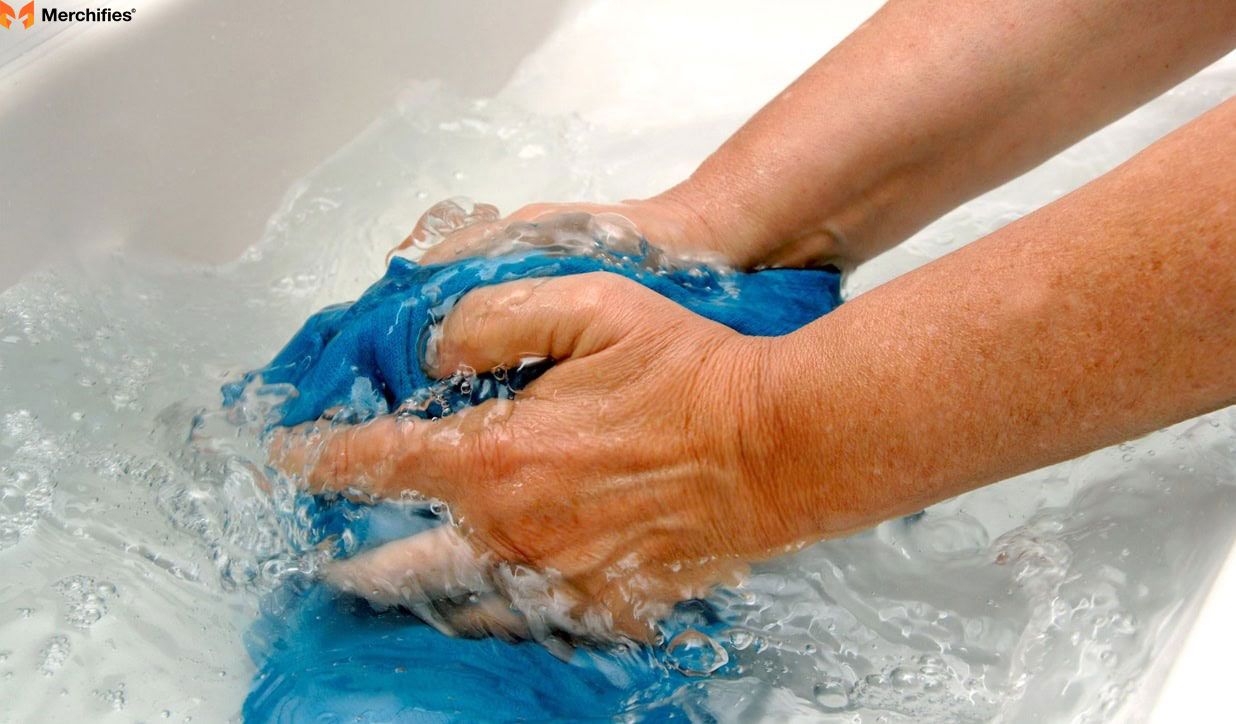
Once washed, drain the soapy water and refill the basin with fresh, cold water. Rinse the garment thoroughly, gently squeezing out soapy water. You may need multiple rinses until the water runs clear and is completely free of suds. Remember to squeeze out water gently without twisting or wringing the fabric, which can distort its shape and stress the dyes.
For an extra layer of protection, especially for new items, some natural additions can help.
The journey to preventing clothes from fading while hand washing doesn't end with the rinse cycle. How you dry and store your garments significantly impacts their long-term color retention.
After rinsing, avoid wringing or twisting your delicate items. Instead, lay the garment flat on a clean, dry towel. Roll the towel and garment together, gently pressing to absorb excess water. This method prevents stretching, distortion, and unnecessary stress on the fabric and its dyes.
Air dry indoors or in the shade – this is perhaps the most critical drying rule for keeping clothes vibrant. Direct sunlight is a powerful natural bleaching agent, and its UV rays will quickly break down dyes, causing significant fading. Hang garments on a padded hanger to maintain their shape, or lay them flat on a clean, dry surface, turning occasionally for even drying. Ensure there's good air circulation to speed up the process.

Once completely dry, store your colored clothes away from direct sunlight. Closets and drawers are ideal. Avoid damp environments, which can lead to mildew and potential dye degradation over time. Proper storage ensures the colors you've worked so hard to preserve remain intact.
Understanding what not to do is just as important as knowing what to do for effective color retention hand washing. Steer clear of these common pitfalls:
Mixing colors, especially new items, without checking colorfastness: A surefire way to end up with dull, stained clothes.
Mastering how to prevent clothes from fading while hand washing is a skill that will serve you well, extending the life and beauty of your wardrobe. By embracing cold water, choosing mild detergents, practicing gentle agitation, and adopting proper drying techniques, you can significantly prolong the vibrancy of your garments. These simple yet effective laundry tips for fading prevention not only save you money but also allow you to enjoy your favorite items for years to come.

Hand washing is truly an act of care, a small investment of time that yields significant returns. With these insights from laundry expert Hannah Gale, you're now equipped to master it, turning every wash into an opportunity to preserve your clothes’ brilliant colors. We encourage you to put these tips into practice and share your own color-safe laundry hacks or success stories in the comments below!
-d4c38c342cdf20ca.jpeg)


-b555fcc6b204c456.jpeg)