Master the Military Shirt Fold: Space-Saving Guide
This guide teaches you how to master the military shirt fold—a precise, compact, and wrinkle-preventing method used by the armed forces. Learn each step clearly, discover why it saves space, and see how it keeps your drawers organized and travel bags tightly packed.
Blog Post Contents
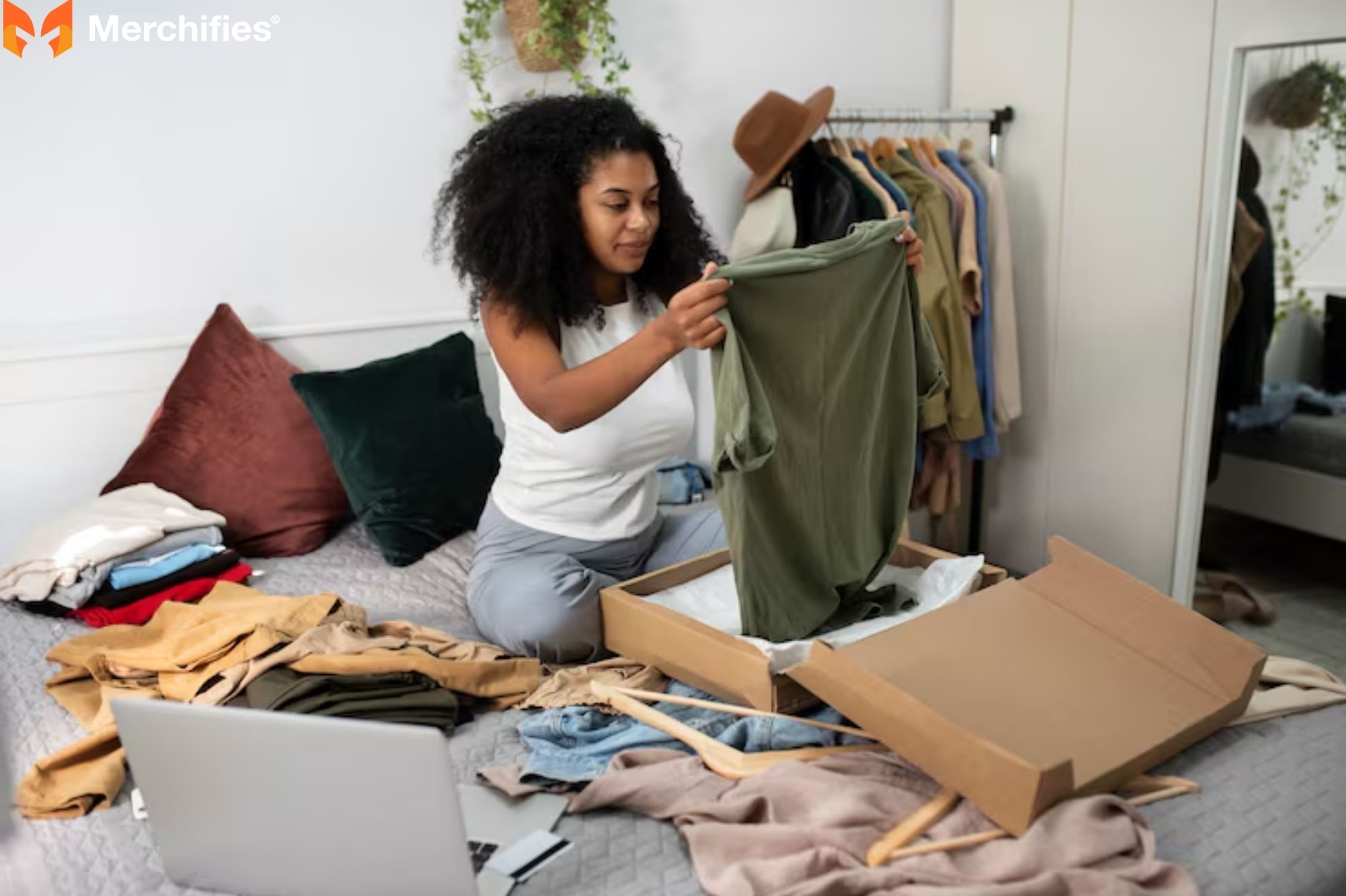
Are you tired of rummaging through messy drawers, wrestling with cramped suitcases, or constantly ironing wrinkled clothes? It's a common struggle for many, but there's a solution rooted in military precision and efficiency: learning how to fold shirts military style. This technique isn't just for service members; it's a game-changer for anyone looking to optimize their wardrobe.
As Mason Ellis Grant, a seasoned professional in efficient organization and packing techniques, often emphasizes, mastering the military fold transforms your relationship with your clothing. It's about more than just neatness; it's about making your life easier. This style of folding entails precision, compactness, and an unwavering commitment to neatness.
Here’s why adopting the military fold will revolutionize your closet and travel routine:
Maximizes Space: Whether for bulging drawers, overflowing shelves, or tightly packed travel bags, these methods ensure every inch is utilized.
Minimizes Wrinkles: Say goodbye to unsightly creases. Military folding keeps clothes looking crisp and presentable, ready to wear at a moment's notice.
Enhances Organization: Experience the satisfaction of a uniform, tidy appearance in your closet or luggage. Finding what you need becomes effortless.
Boosts Efficiency: Once mastered, these techniques are quick and easy, saving you valuable time during laundry day or when packing for a trip.
In this ultimate guide, you'll learn the essential principles and various techniques for different shirt types, from dress shirts to casual T-shirts, ensuring your clothes are always in parade-ready condition.
Essential Principles Before You Fold
Before you dive into the specific techniques of how to fold shirts military style, a solid foundation is key. Think of it as preparing your uniform for inspection.
Essential Principles Before You Fold
Preparation is Key:
Lay your shirt flat on a clean, hard surface. A bed, table, or even a clean floor provides the stability needed for precise folds.
Smooth out any existing wrinkles. A quick swipe of your hands ensures you're starting with a flat canvas, preventing new creases from forming during the fold.
(For collared shirts) Button up the front of the shirt and lay it face down. This helps maintain the collar's structure and ensures symmetrical folds.
The Goal: The core objective of any military shirt fold is to create a compact, uniform rectangle or cylinder that holds its shape, minimizing air pockets and maximizing density. This systematic approach is vital for effective space-saving folding.
Method 1: The Classic Military Flat Fold (Best for Dress Shirts, Polos & T-shirts)
The classic military flat fold is the go-to technique for maintaining sharp creases and preventing wrinkles, especially for more formal shirts. This method results in a clean, stackable rectangle, perfect for drawers, shelves, or traditional suitcase packing. It's an excellent way to organize T-shirts that you want to keep neat.
When to Use It: Ideal for dress shirts, polo shirts, and any garment where maintaining a crisp, professional appearance is paramount. It’s also excellent for stacking clothes neatly in a wardrobe.
Step-by-Step Guide: How to Fold Shirts Military Style (Flat Fold)
Lay Flat: Begin by placing the shirt face down on your clean, hard surface, ensuring it's completely smoothed out.
Fold One Side In: Imagine a straight line running from the shoulder to the bottom hem, about one-third of the way in from the side. Fold one side of the shirt (including the sleeve) along this line towards the center. The sleeve should naturally fold flat along the new edge of the shirt body.
Repeat Other Side: Perform the exact same fold on the opposite side, ensuring both sides are symmetrical. You should now have a narrower rectangle.
Fold Sleeves: Neatly fold the sleeves down so they align perfectly with the folded sides. For long sleeves, fold them across the back horizontally. The goal is to create a perfectly clean rectangle without any bulges.
Bottom Up: Fold the bottom hem of the shirt upwards towards the collar. This is typically done in 2-3 equal folds, depending on the desired final size of your rectangle. Aim for tightness and consistency.
Flip & Inspect: Gently turn the shirt over. You should be greeted by a perfectly folded, crisp garment with a clean front.
Tips for a Perfect Flat Fold:
Always use a consistent width for your initial side folds to ensure symmetry.
Ensure sleeves are perfectly flat against the shirt body to avoid creating bulky spots that lead to wrinkles.
Keep your final folds tight and even. Pressure helps maintain the shape and prevents unraveling.
The Classic Military Flat Fold (Best for Dress Shirts, Polos & T-shirts)
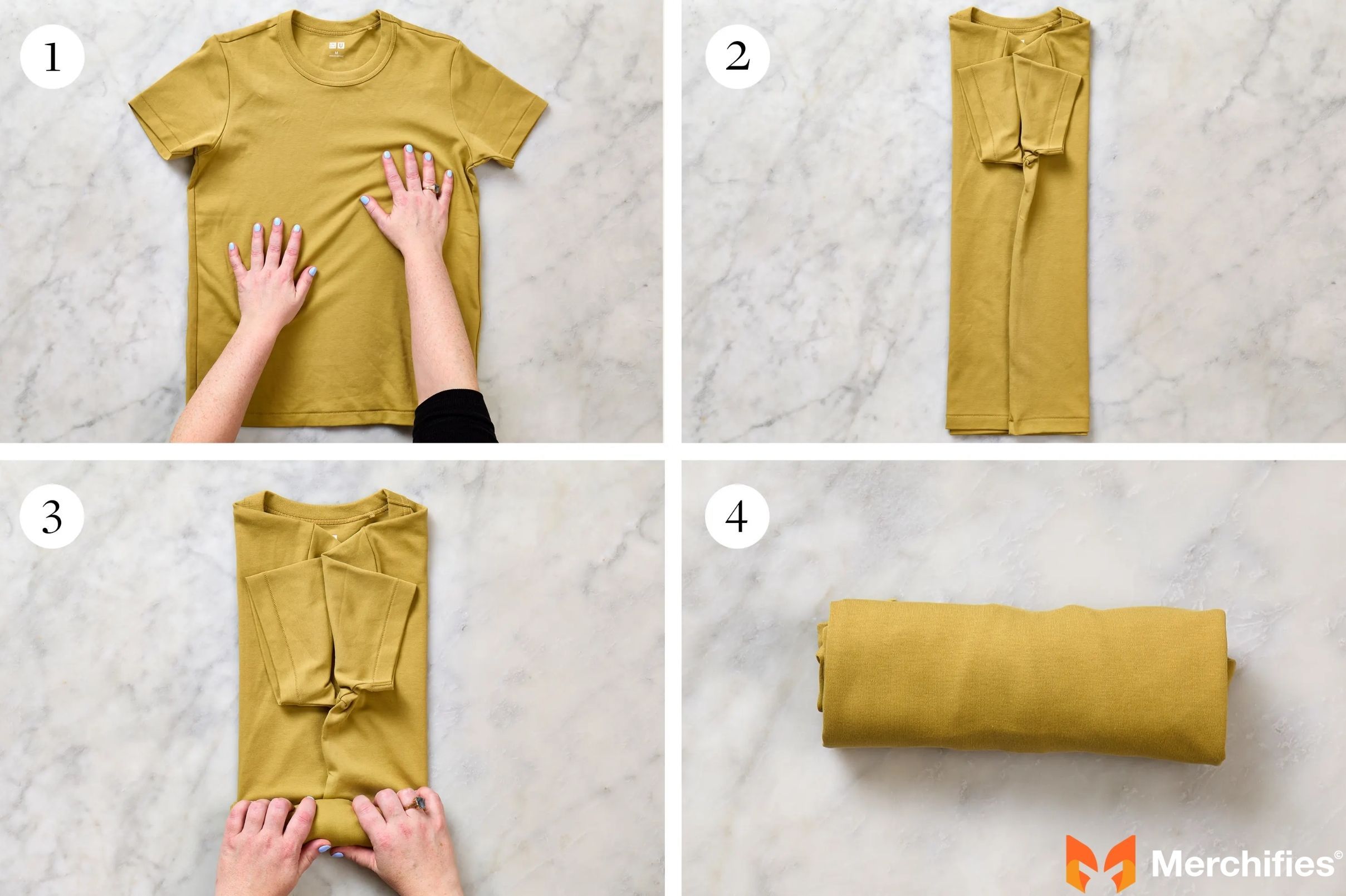
Method 2: The "Ranger Roll" or "Army Roll" (Ideal for T-shirts, Underwear, & Casual Attire)
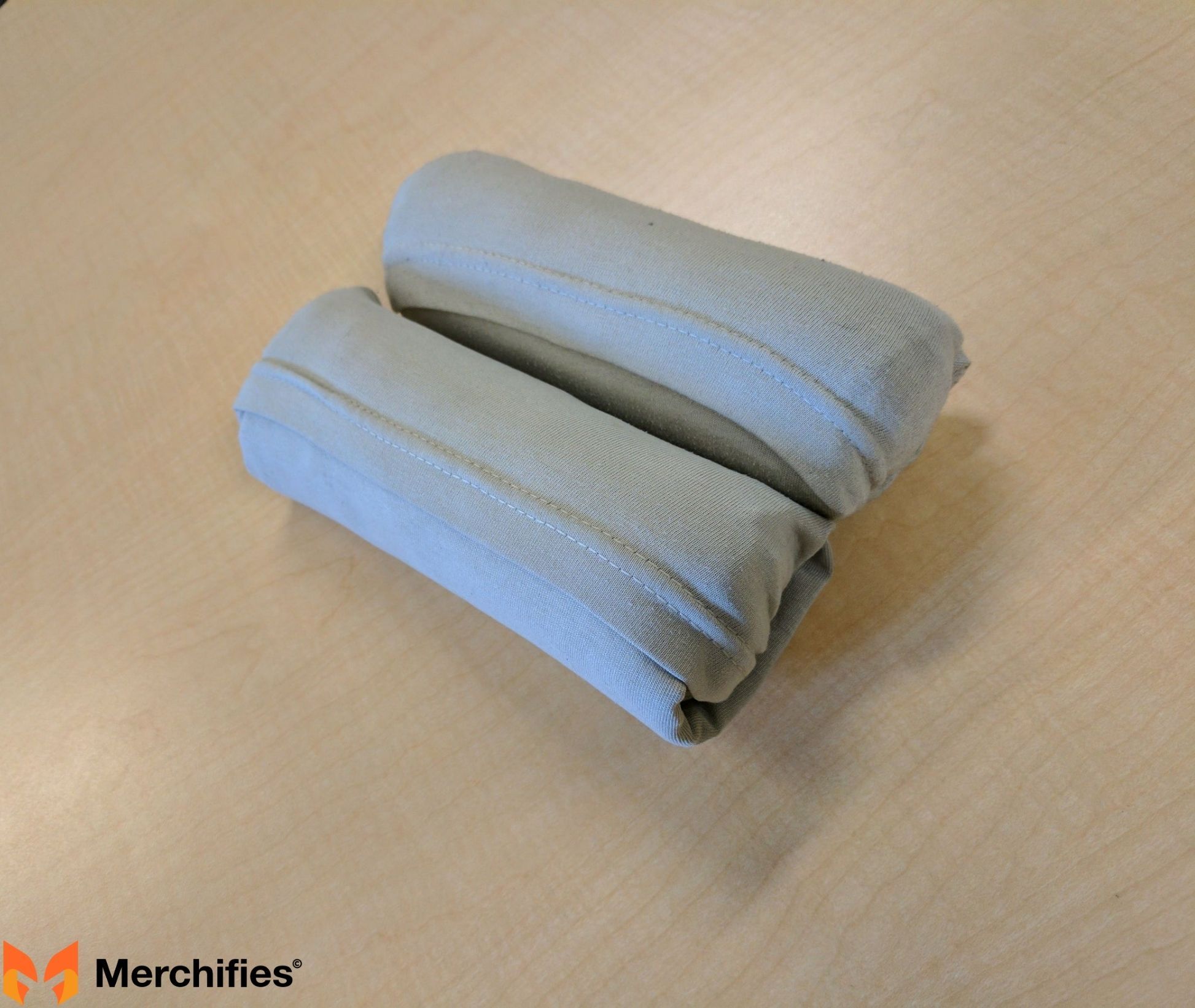
If you're looking for ultimate space-saving and a self-contained, wrinkle-resistant package, the "Ranger Roll" is your best friend. This popular military shirt fold variant is a lifesaver for travel packing hacks and maximizing space in tight areas. Mason Ellis Grant often points out that this method is a game-changer for backpackers and those who live out of a duffel bag, thanks to its exceptional compactness.
When to Use It: Excellent for T-shirts, underwear, socks, and other casual attire. It creates a tight, self-contained cylinder that’s virtually immune to shifting and wrinkling in transit. It’s the ultimate army roll for efficiency.
Step-by-Step Guide: How to Fold Shirts Military Style (Ranger Roll)
Lay Flat & Prepare: Place the shirt face up, smoothed out, on your folding surface. Fold the bottom hem up about 2-3 inches to create a "pocket" along the entire width of the shirt. This pocket will be used to secure the roll at the end.
Fold Sleeves In: Bring both sleeves towards the center of the shirt, overlapping slightly if needed. This narrows the shirt into a more manageable rectangle for rolling.
Fold Sides In: Next, fold the outer edges of the shirt inwards, creating a width roughly the size of your final roll. The narrower you make it, the tighter and more compact your ranger roll will be.
Start Rolling: Beginning from the collar or the top of the shirt, tightly roll the shirt downwards towards the folded "pocket" at the bottom. The key here is to roll as tightly and evenly as possible.
Secure the Roll: Once you've rolled the entire shirt down to the pocket, take the edge of the "pocket" you created in step 1 and pull it over the entire roll, effectively securing it in place.
Tips for a Perfect Ranger Roll:
Roll as tightly as possible from the very start. Loose rolls tend to unravel and aren't as effective for space-saving.
Ensure the initial hem fold (the "pocket") is deep enough to provide a secure grip over the final roll.
Practice makes perfect for both speed and achieving that desirable tight, compact cylinder. This space-saving folding technique is worth refining.
The Ranger Roll or Army Roll (Ideal for T-shirts, Underwear, & Casual Attire)
Specific Considerations for Different Shirt Types
While the basic principles of how to fold shirts military style remain consistent, different garment types may require slight adjustments to ensure optimal results.
Dress Shirts:
Always button up the front first to maintain the shirt's structure and alignment.
Pay extra attention to collar and cuff placement. Ensure the collar is folded flat and the cuffs are neatly tucked to avoid crushing or creating unsightly bulges.
Consider using a folding board for ultimate precision and consistent results, especially for uniform folding.
Polo Shirts:
Similar to dress shirts, but less rigid. Ensure the collar is folded down flat and smoothly before beginning your flat fold.
T-shirts:
Both the classic flat fold and the ranger roll work exceptionally well for T-shirts. Choose your method based on your storage needs: flat for stacking in drawers, ranger roll for maximum space in travel bags.
Hoodies/Sweaters:
These bulkier items can also be adapted using similar principles. You'll often need to make wider initial side folds to accommodate the extra fabric. Lay them face down, fold the sleeves in, then fold the sides, and finally, fold or roll from the bottom up. The goal remains a compact shape.
Specific Considerations for Different Shirt Types
Beyond the Fold: Maximizing Your Organization
Learning how to fold shirts military style is just the beginning. The real power comes from how you use these skills to transform your entire wardrobe and packing strategy. This goes beyond simple folding; it's about comprehensive closet organization.
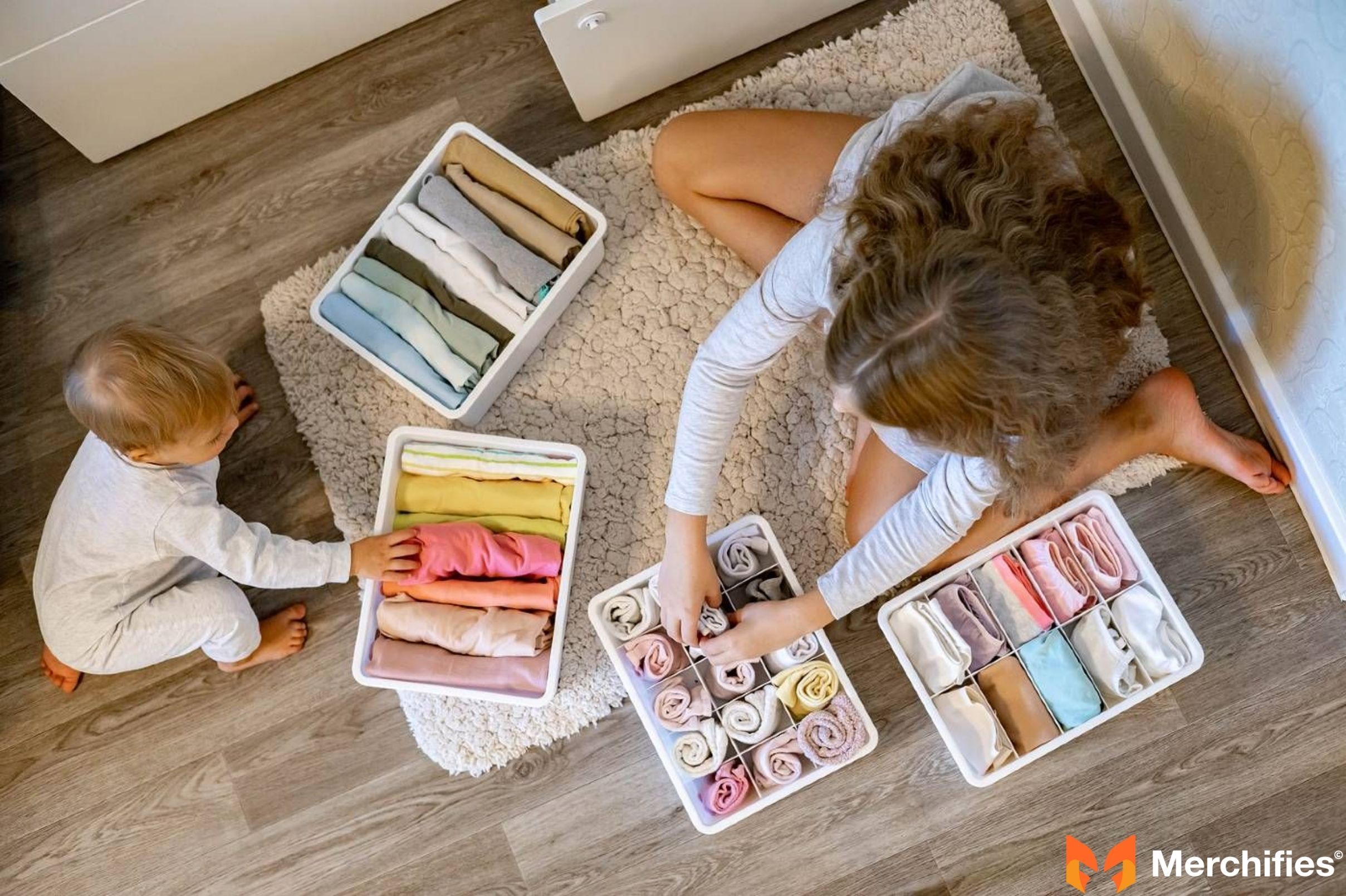
Drawer & Shelf Organization:
File Folding: For flat-folded shirts, consider standing them vertically in drawers (like files in a filing cabinet). This "file folding" technique allows you to see every shirt at a glance and prevents stacks from toppling over. It's a fantastic way to organize T-shirts.
Stacking: If you prefer stacking, ensure your flat-folded shirts are consistently sized and stacked neatly. Use drawer dividers to keep stacks upright and separate different garment types.
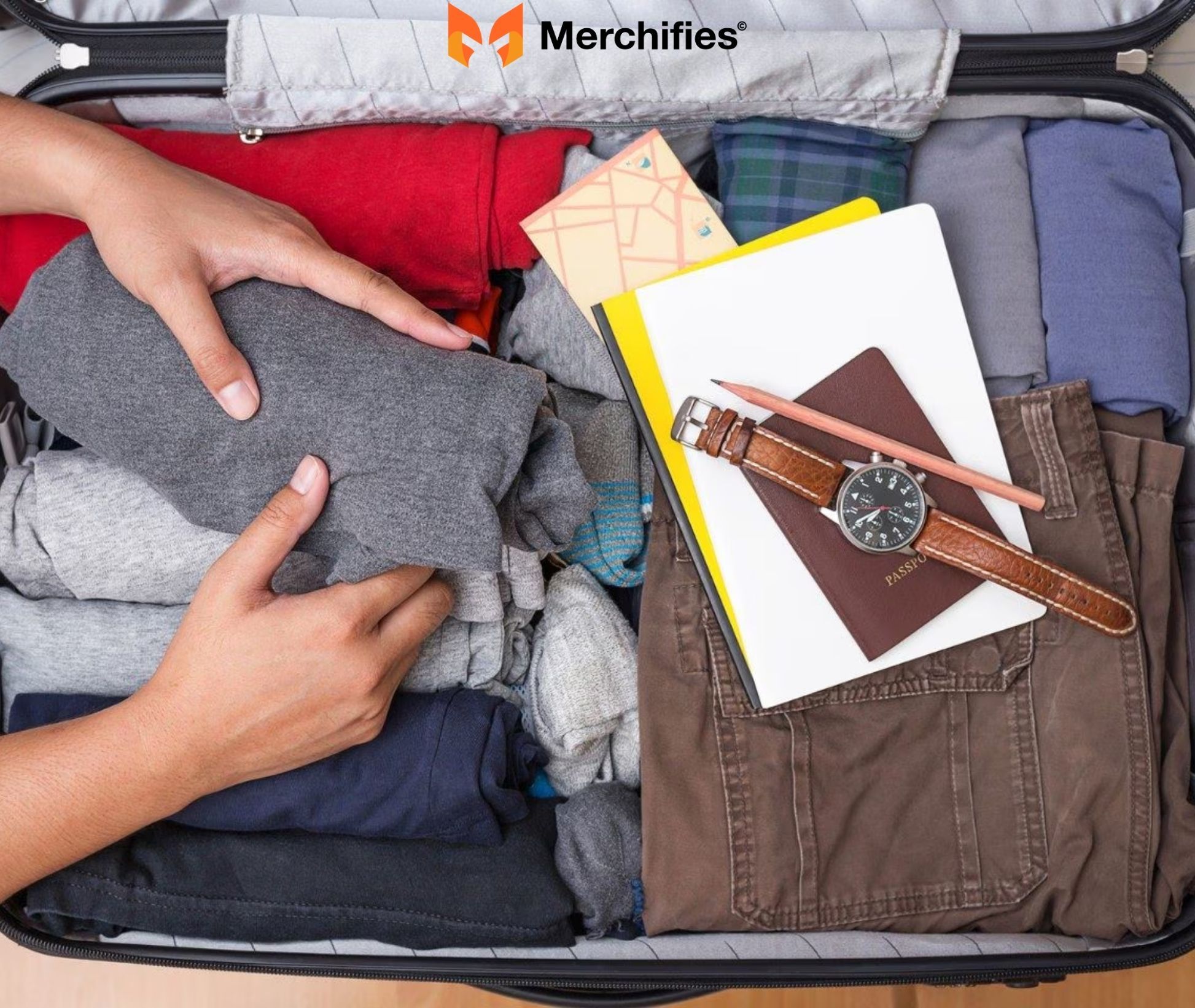
Travel Packing:
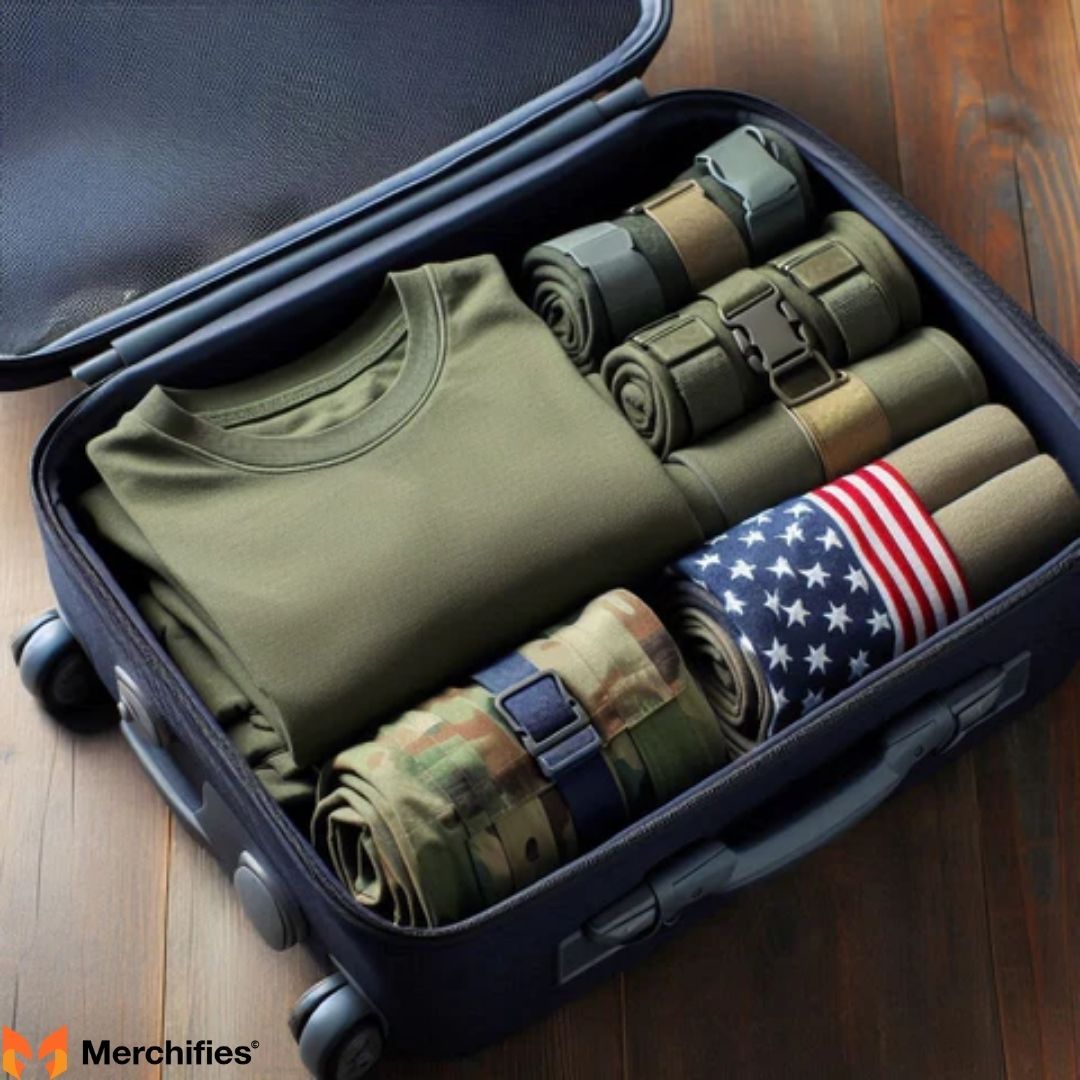
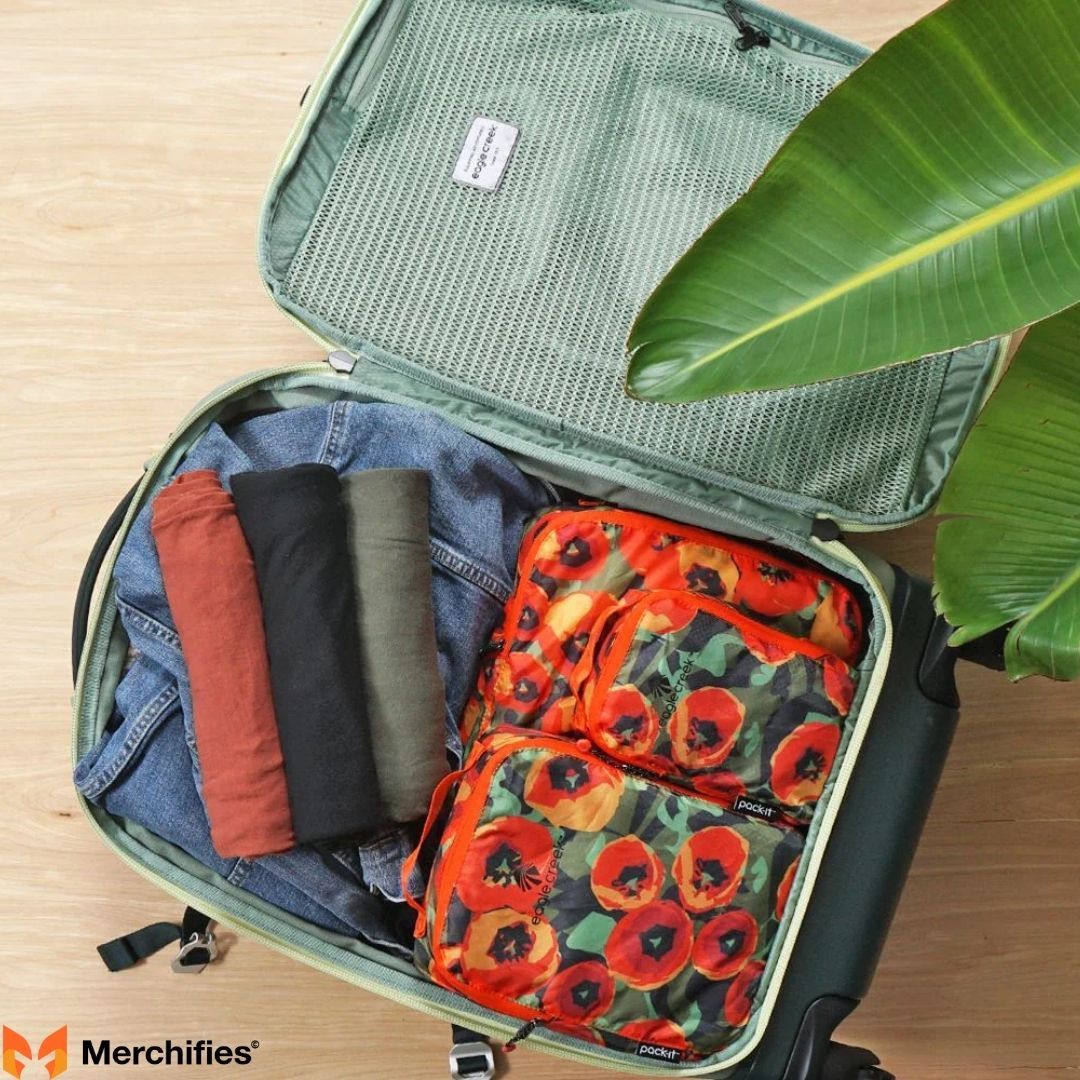
Combine Methods: For suitcases, a combination works best. Use flat folds for items you want to keep crisp (like dress shirts) and ranger rolls for casual wear and underwear in any available gaps.
Utilize Packing Cubes: For even greater compression and organization, especially when using the army roll technique, packing cubes are invaluable. They keep rolled items compressed and separate different clothing categories. This is a top-tier travel packing hack.
Long-Term Storage:
Cleanliness is Key: Always ensure clothes are clean and completely dry before folding for long-term storage. This prevents mildew, odors, and permanent stains.
Breathable Storage: Store folded clothes in breathable containers or on shelves to allow for air circulation, protecting them from dust and damage.
Beyond the Fold Maximizing Your Organization
Common Mistakes to Avoid
Even with the best intentions, it's easy to fall into habits that undermine the benefits of military-style folding. Being aware of these common pitfalls will help you refine your technique and achieve consistently perfect results.
Not smoothing out the shirt beforehand: Starting with a wrinkled shirt ensures you'll end with a wrinkled (albeit folded) shirt. Always flatten your canvas!
Inconsistent fold widths: This leads to lopsided, unstable stacks or rolls that won't hold their shape, negating the neatness factor of uniform folding.
Rolling/folding too loosely: A loose fold or roll will quickly unravel, take up more space, and offer no wrinkle protection. Tightness is paramount for both compactness and integrity.
Ignoring sleeve placement, leading to bulges: Sleeves that aren't folded flat and aligned correctly will create unsightly bumps and unevenness, which can cause wrinkles in other parts of the shirt.
Trying to rush the process initially: While these methods become quick with practice, rushing when you're first learning can lead to sloppy results. Take your time, focus on precision, and the speed will follow.
Common Mistakes to Avoid When Folding
Conclusion: Your Wardrobe, Military-Grade Organized
By learning how to fold shirts military style, you're not just adopting a new laundry trick; you're embracing a philosophy of precision, efficiency, and preparedness that extends far beyond your closet. You now have the tools to maximize space, minimize wrinkles, and enhance the overall organization of your wardrobe and travel bags.
As Mason Ellis Grant reminds us, the effort invested in mastering these techniques pays dividends in saved time, reduced stress, and a perpetually tidy living space. The satisfaction of a perfectly organized drawer or a meticulously packed suitcase is truly unparalleled.
So, take a deep breath, lay your next shirt flat, and give these techniques a try. Practice makes perfect, and with a little patience, you'll soon achieve military-grade organization in your own home. Your clothes, your drawers, and your travel experiences will thank you. Now go forth and conquer that laundry pile with confidence!
 Worldwide Shipping
 Secure Payments
 Free Return
 Local Support
-da0801079a650a2e.jpeg)
-d4c38c342cdf20ca.jpeg)


-b555fcc6b204c456.jpeg)