 Worldwide Shipping
 Secure Payments
 Free Return
 Local Support
-da0801079a650a2e.jpeg)
17 Year Anniversary Quotes: 110+ Funny, Romantic & Furniture Wishes (2026)
Mar, 12 2026
This guide shows you how to fold shirts like retail stores do—neat, uniform, and perfectly stacked. You’ll learn the step-by-step retail folding method, the tools stores use, and tips to create a polished, organized wardrobe at home.
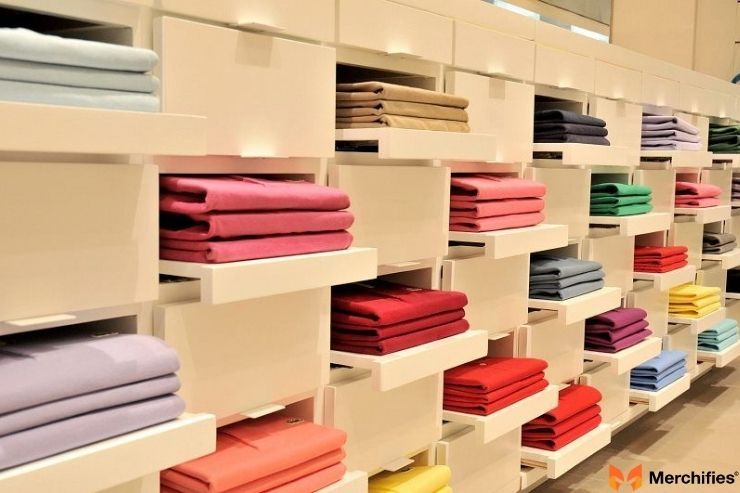
Tired of messy drawers, crumpled shelves, and wrinkled shirts that never seem to stay put? Imagine opening your wardrobe to a sight so pristine and organized, it rivals a high-end boutique display. This isn't just a dream; it's an achievable reality. As Mason Ellis Grant, an experienced professional in home organization and retail presentation, often emphasizes, mastering the art of folding can fundamentally transform your closet.
This comprehensive guide will teach you the exact professional retail folding techniques that store associates use to create perfectly neat, space-saving displays. You'll discover how to save precious closet space, effectively prevent wrinkles, effortlessly find your clothes, and enjoy the profound satisfaction of a beautifully organized wardrobe. We'll cover essential folding principles, specific folding methods for different shirt types, and expert tips from Mason Ellis Grant to help you maintain your pristine, store-quality wardrobe long-term. Get ready to elevate your laundry game and unlock the secrets of how to fold shirts like stores!
Adopting retail folding techniques isn't just about aesthetics; it's about efficiency and garment care. There are numerous benefits to learning how to fold shirts like stores.
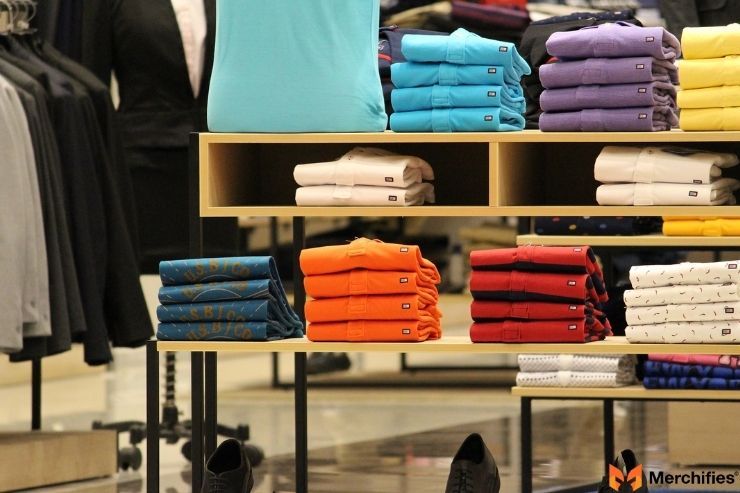
One of the immediate advantages of consistent, compact folds is the incredible amount of space you reclaim. When every shirt is folded to a uniform size, they stack neatly and efficiently, freeing up valuable real estate in your drawers and on your shelves. This means more room for your existing clothes or the ability to see everything at a glance without overcrowding.
Proper folding minimizes creasing and stretching, which are common culprits behind wrinkled clothes. By creating smooth, intentional folds, you protect the fabric from unnecessary stress, helping your garments maintain their shape and extending their lifespan. This expert approach to garment care is a cornerstone of professional organization.
No more rummaging through a messy pile to find that one specific t-shirt! When shirts are folded uniformly and potentially filed vertically, you can see every item at a glance. This enhanced visibility makes outfit selection a breeze and reduces the time spent searching for clothes.
Beyond the practical benefits, there's immense joy in opening a beautifully organized closet. A tidy, well-arranged wardrobe creates a calming and efficient space that sparks joy and simplifies your daily routine. It's a small change that can have a big impact on your morning stress levels and overall sense of order.
Before you even touch your shirts, a little preparation goes a long way in achieving that perfect, retail-level fold. This crucial step ensures every fold is crisp and consistent.
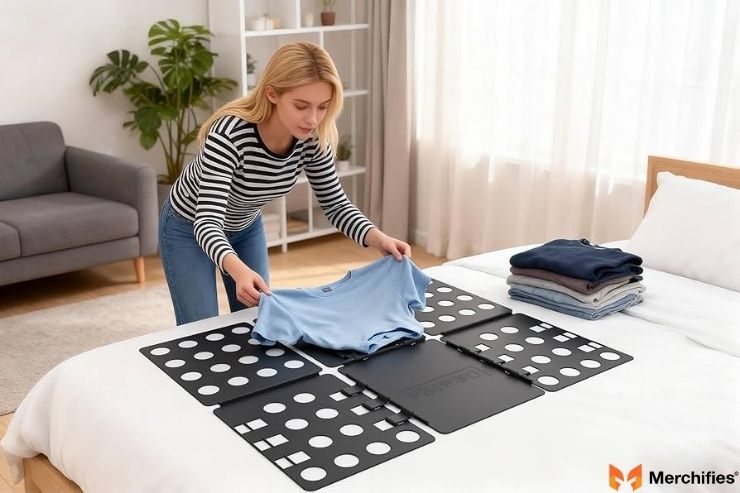
This is perhaps the most sought-after method for casual shirts, often referred to as the "Japanese Fold" or the "Magic Fold." It's incredibly fast and yields perfectly rectangular shirts. Learning how to fold shirts like stores often starts with this technique.
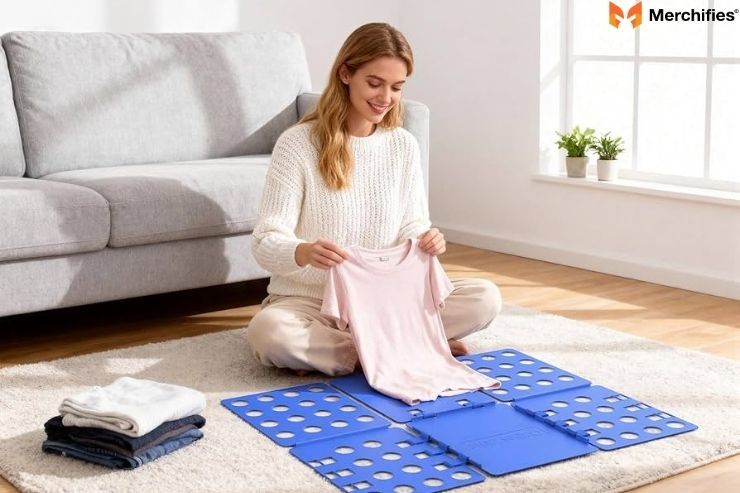
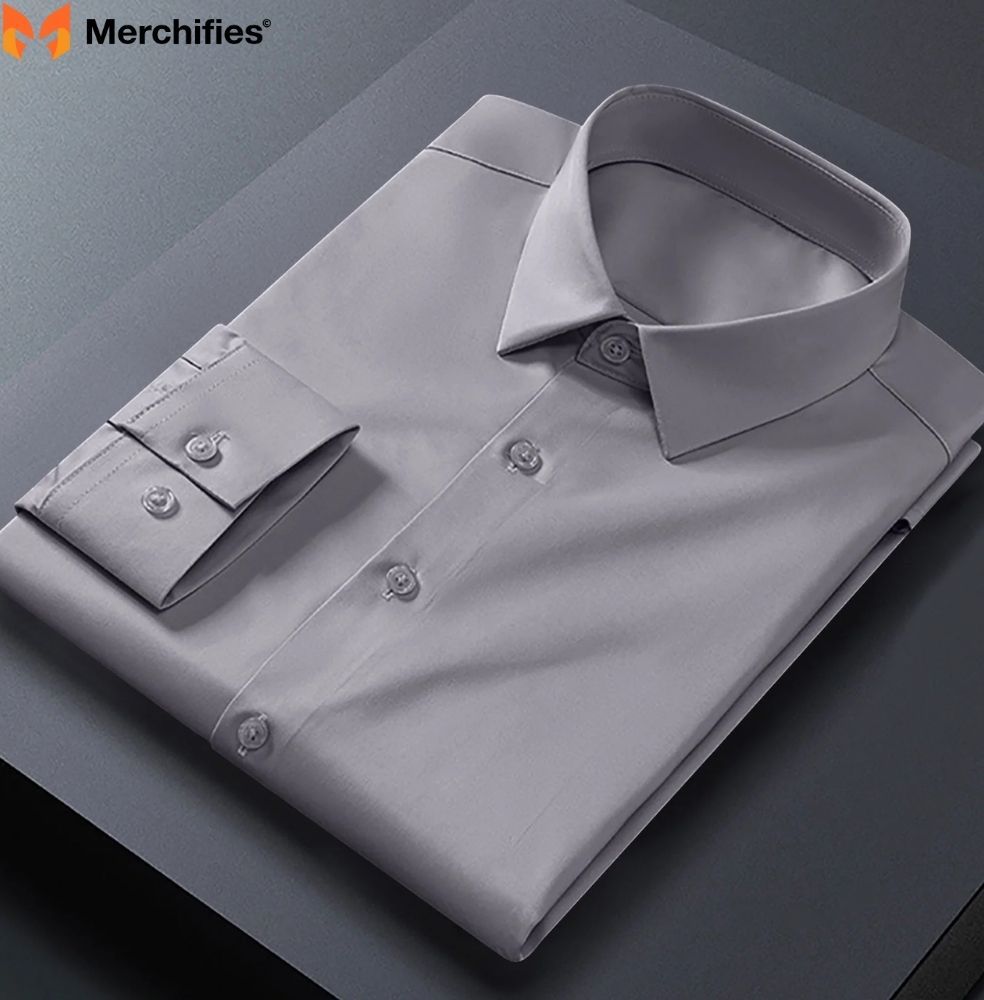
Dress shirts and long-sleeve shirts require a slightly different approach to maintain their crispness and prevent collar deformation. This method is the standard for professional retail displays.
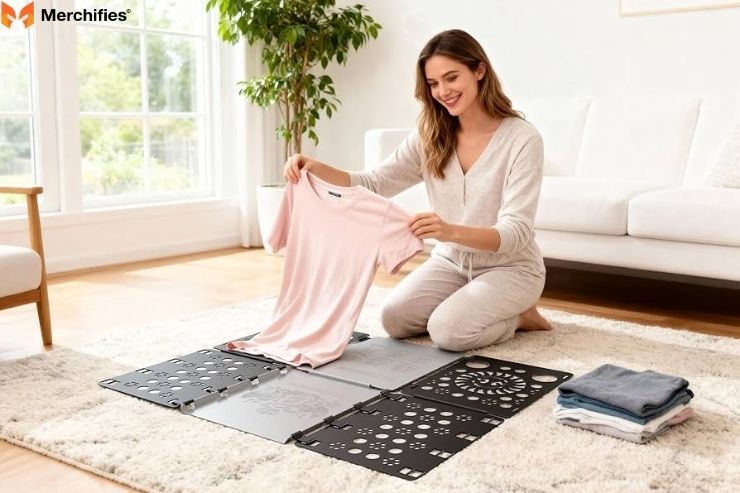
For ultimate consistency, especially with dress shirts, a folding board is a fantastic aid. Simply lay the shirt face down on the board, follow the instructions for folding the sides and sleeves over the board, then slide the board out before the final fold. This standardizes the dimensions every time. Mason Ellis Grant, through years of organizing bespoke closets, often recommends a folding board for a truly uniform finish.
Learning how to fold shirts like stores isn't just about t-shirts and button-downs. Expanding your folding repertoire to include other garments further enhances your wardrobe's organization.
Sweaters, especially delicate knits, require a gentle touch to prevent stretching and creasing. Lay the sweater face down. Fold one side inwards, about a third of the way from the edge, then fold the sleeve down diagonally. Repeat on the other side. Finally, fold the bottom hem up to create a compact rectangle. Avoid hanging heavy sweaters as this can stretch the shoulders.
These small, often slippery items can be tricky. Lay them flat, fold them in half lengthwise, then fold them into thirds or quarters from the bottom up. This creates a tiny, neat rectangle perfect for vertical filing or small stacks.
For bulkier items like hoodies, lay them face down, smooth them out, and fold the arms in towards the center. Then, fold the sides inwards to create a narrower rectangle, and finally, fold the bottom up, often in half or thirds, to create a neat, compact square that can be stacked.
Achieving that retail-store look extends beyond the folding itself. These additional tips will help you maintain a perpetually organized wardrobe.

While stacking is common, consider the KonMari method of vertical filing. Instead of piling shirts on top of each other, stand them upright in your drawers. This allows you to see every item at a glance and prevents wrinkles from the weight of other clothes.
Drawer dividers are excellent for keeping folded shirts from unraveling and migrating. They create distinct compartments that maintain order and make it easier to pull out one shirt without disturbing the rest.
Reinforce the importance of folding all similar items to the same size. This uniformity is what gives retail displays their polished look and makes your wardrobe both visually appealing and highly functional.
A tidy wardrobe starts with fewer, cherished items. Regularly review your clothes, donating or discarding items you no longer wear, fit, or love. As Mason Ellis Grant often advises clients, "An organized space is an intentional space; only keep what truly serves you."
You now possess the insider knowledge on how to fold shirts like stores. By adopting these simple yet incredibly effective retail folding techniques, you're not just organizing your clothes; you're transforming your entire wardrobe experience. Say goodbye to messy drawers and crumpled garments, and hello to perfectly neat stacks and a sense of calm every time you open your closet.
Remember, practice makes perfect – soon you'll be folding like a pro, creating a visually appealing and highly functional space. As Mason Ellis Grant has demonstrated through his work, even small organizational changes can lead to significant improvements in daily life. Start transforming your wardrobe today with these retail-inspired folding hacks, and don't hesitate to share your beautifully organized spaces!
-d4c38c342cdf20ca.jpeg)


-b555fcc6b204c456.jpeg)