
Merchifies.com
Share

How To Stretch A Tight T-Shirt: Your Ultimate Guide to Rescuing Shrunk or Snug Tees

"Got a tight t-shirt that's too snug? Discover easy methods to stretch your favorite tee! Learn simple techniques using water, conditioner, and stretching tricks that help loosen fabric safely without damaging the shirt's quality or shape."
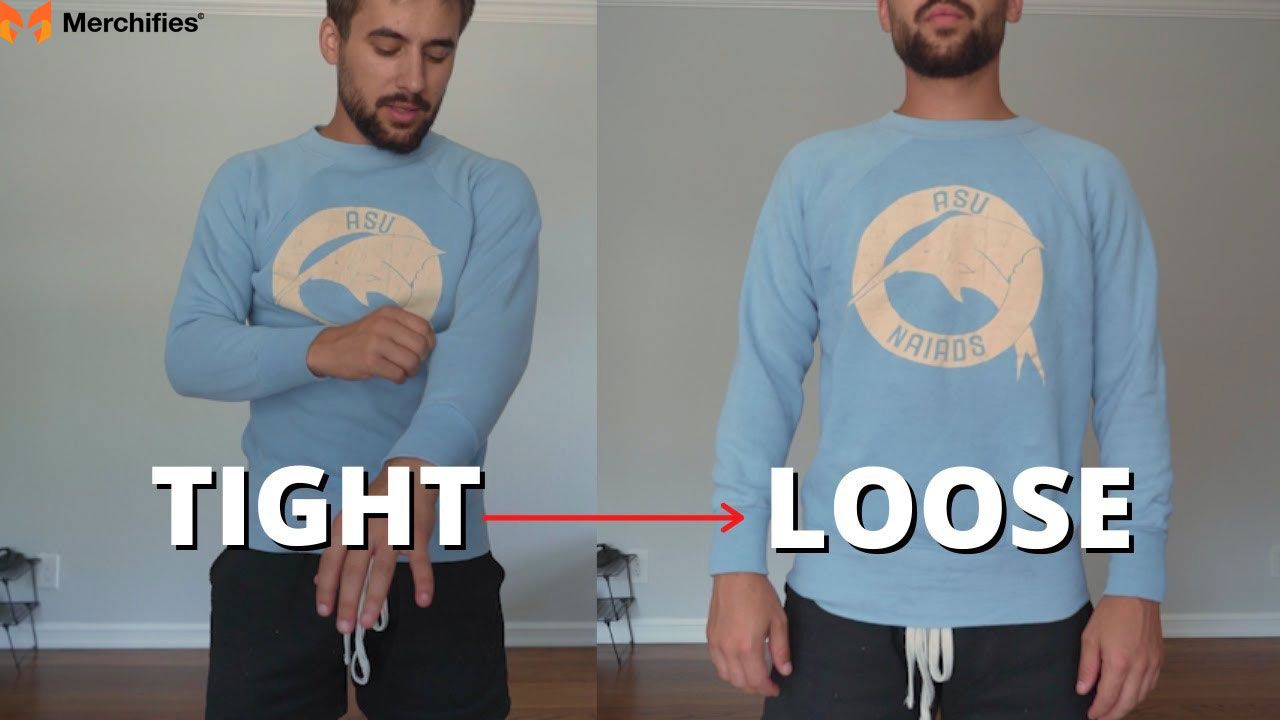
How To Stretch A Tight T-Shirt: Your Ultimate Guide to Rescuing Shrunk or Snug Tees

Blog Post Contents

Introduction: Don't Toss That Tight Tee Yet!

There's a special kind of frustration that comes with pulling out your favorite t-shirt, only to find it's mysteriously shrunk, become too snug, or simply doesn't fit the way it used to. It's a universal problem, often the result of an accidental tumble in a hot dryer or just a bit of general wear and tear that tightens the fabric. But before you relegate that beloved tee to the rag pile, know this: you might be able to rescue it!
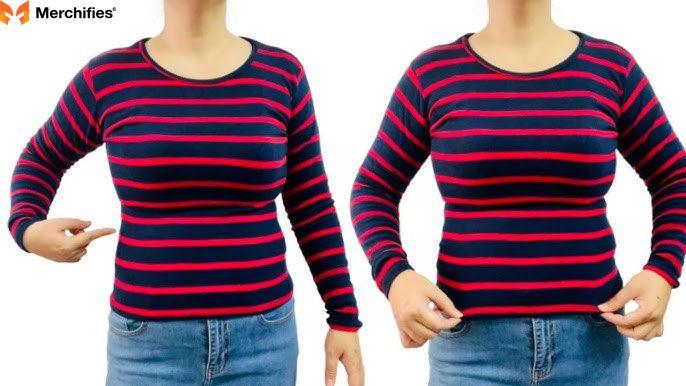
Don't Toss That Tight Tee Yet

In this comprehensive guide, we're diving deep into proven, safe, and effective methods to stretch a tight t-shirt. We'll cover everything from understanding your fabric type – which is crucial for success – to step-by-step instructions for various stretching techniques. As Hannah Gale, a seasoned fabric care enthusiast and long-time rescuer of "lost cause" garments, often says, "With a little patience and the right approach, many shrunken shirts can be coaxed back to a comfortable fit. It's about understanding the fabric and working with it, not against it." We’ll set realistic expectations and equip you with the knowledge to potentially unshrink a shirt and loosen a tight t-shirt, saving it from an untimely demise.

Understanding Your Fabric: What Stretches & What Doesn't

Before attempting any stretching, it’s vital to know what kind of fabric you’re working with. Different materials react differently to moisture and tension, directly impacting your success rate and preventing potential damage.

The Stretchability Spectrum

  • Cotton & Cotton Blends: These are your best friends when it comes to stretching. Cotton, being a natural fiber, absorbs water readily, which relaxes its woven structure. This makes it highly responsive to stretching methods. Most everyday t-shirts are cotton or a cotton blend, making them excellent candidates for revival.
  • Rayon & Viscose: Often used for their soft, flowing drape, rayon and viscose are also natural-based (though heavily processed) fibers. They can be quite stretchy when wet, but they are also more delicate. Handle them with extra care to avoid tearing or distorting the fabric.
  • Polyester & Synthetics: These fibers, like nylon and spandex (though spandex is inherently stretchy), have a strong "memory." While some stretching is possible, especially with blends, pure synthetics are more resistant. The results will be less dramatic, and you’ll need more persistent effort.
  • Wool, Silk & Delicate Fabrics: For these luxurious or delicate materials, aggressive stretching is generally not recommended. Wool can felt or lose its shape irreversibly, and silk can be easily damaged. For such items, consult a professional cleaner or consider alternative solutions rather than DIY stretching.

The Role of Water & Tension

The magic behind stretching a tight t-shirt lies in a simple principle: water relaxes the fibers, and tension elongates them. When fibers absorb water, they become more pliable. Applying gentle, sustained tension while the garment is damp allows these softened fibers to stretch and reset in a new, larger configuration as they dry.
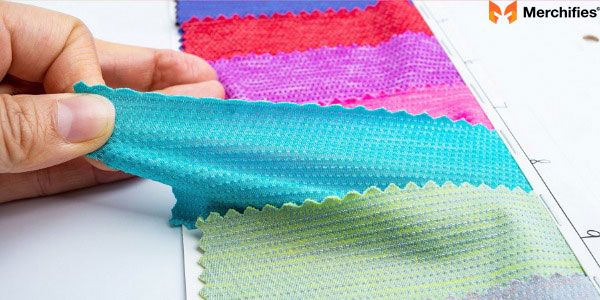
What Stretches & What Doesn't

Essential Preparations Before You Begin

Proper preparation is key to a successful stretching endeavor and helps prevent any mishaps.

Gather Your Tools

You won't need a professional workshop, just a few common household items:

  • Lukewarm water (for soaking)
  • Mild hair conditioner or baby shampoo (for extra softening, especially with stubborn shrinkage)
  • Spray bottle (for targeted dampening)
  • Clean towels (for absorbing excess water and drying)
  • Sturdy hangers (wide plastic or padded ones are best to avoid shoulder bumps)
  • Heavy objects (books, weights, or even cans for holding down edges during drying)
  • Measuring tape (to track your progress)

Test for Colorfastness

Before fully submerging your t-shirt, it’s always wise to perform a quick colorfastness test. Dab an inconspicuous area of the shirt (like an inside seam) with a wet cloth or cotton swab. If any color transfers to the cloth, your shirt might bleed dye when wet, and you should proceed with extreme caution or opt for very short, cool soaks.

Initial Wash (Optional)

If your t-shirt is dirty, it's best to wash it first. Use cold water and a gentle cycle to ensure it's clean and ready to absorb the stretching solution evenly. This also removes any stiffness from dirt or oils that might hinder the stretching process.
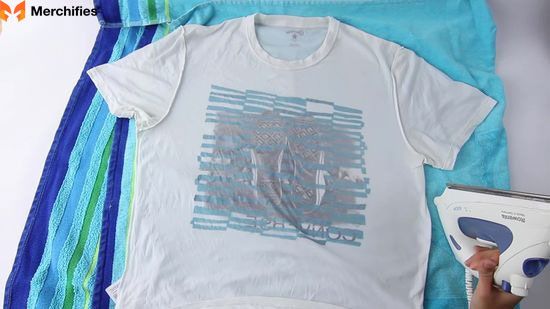
Initial Wash (Optional)

Proven Methods to Successfully Stretch a Tight T-Shirt

Now, let's get into the actionable strategies for how to stretch a tight t-shirt and bring it back to life. Each method offers a slightly different approach, allowing you to choose the best fit for your garment and your desired results.

Method 1: The Classic Soak & Stretch Method (Ideal for Cotton)

This is often the most effective and straightforward approach for natural fibers, especially cotton, that have shrunk.

Step-by-Step: The Classic Soak & Manual Stretch
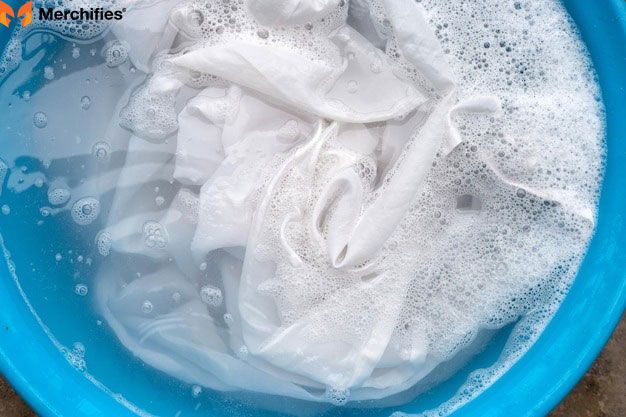
  • Prepare the Soak: Find a clean basin, sink, or tub. Fill it with enough lukewarm water to fully submerge your t-shirt.
  • Submerge & Saturate: Place the entire t-shirt into the water, ensuring it's completely soaked. Gently press out any air bubbles to guarantee total saturation.
  • Gentle Squeeze: Carefully lift the t-shirt from the water. Do not wring it aggressively, as this can damage fibers or stretch unevenly. Instead, gently squeeze out excess water until the shirt is thoroughly damp but not dripping.
  • Lay Flat & Begin Stretching: Lay the damp t-shirt flat on a clean, dry towel. Starting with the areas that feel tightest, gently pull and stretch the fabric. For width, pull horizontally; for length, pull vertically. Work slowly and evenly across the entire area, maintaining consistent tension.
  • Secure & Air Dry: To help the shirt retain its stretched shape, you have a few options:
  • Flat Drying: Lay it flat on a fresh, dry towel. For length, gently pull the bottom hem and place heavy objects (like books or cans) along the edge to hold the tension as it dries. For width, you can gently pull the sides and secure them with clips or weights.
  • Hanger Drying: For overall stretching, especially length, carefully place the damp shirt on a sturdy, wide hanger (avoid thin wire hangers that can create shoulder bumps). Gently pull the bottom hem downwards and let gravity do some work.
  • Monitor & Repeat: Check the shirt's size as it dries. If it's still not quite right, you can re-dampen and repeat the stretching process. Patience is your best ally here.
The Classic Soak & Stretch Method (Ideal for Cotton)

Method 2: The Hair Conditioner / Baby Shampoo Boost (For Stubborn Shrinkage)

When a t-shirt is particularly stubborn, adding a softening agent can make the fibers even more pliable, aiding the stretching process significantly.

Soften & Stretch: Using Conditioner for Extra Give

  • Create the Solution: Fill your basin with lukewarm water. Add 1-2 tablespoons of mild hair conditioner or baby shampoo per gallon of water. Stir gently to mix. These products contain emollients that help relax fabric fibers, much like they soften your hair.
  • Soak Thoroughly: Submerge the shrunken t-shirt in the solution. Let it soak for 20-30 minutes. The longer soak time allows the conditioner to penetrate and soften the fibers.
  • Light Rinse (Optional): You can either very lightly rinse the shirt to remove most of the conditioner or leave a small amount in for added softness. Avoid a full, vigorous rinse, as you want some of that softening effect to remain.
  • Stretch While Damp: Proceed directly to steps 3-6 from Method 1. The fibers will be much more relaxed and receptive to stretching, allowing you to achieve a more significant size adjustment.

Method 3: The "Wear-It-Wet" Strategy (For Minor Adjustments & Custom Fit)

This method is fantastic for minor adjustments and achieving a custom, body-conforming fit in specific areas. It’s also a good option if you want to subtly loosen a tight t-shirt without major overhauls.

Custom Fit: The "Wear It Wet" Trick

  • Dampen the Shirt: You can either thoroughly spray the t-shirt with clean water until it's damp all over, or quickly soak it and gently squeeze out the excess water until it's just damp, not dripping.
  • Put it On: Carefully put on the damp t-shirt. It might feel a bit cool and clingy, but that's part of the process.
  • Move & Stretch: As you wear the shirt, gently pull and move in the areas you want to stretch. For example, raise your arms to stretch the sleeves and armpits, bend and twist your torso to stretch the body, or gently pull the hem for added length. Your body heat will also help the fibers relax.
  • Air Dry on Body or Form: Continue wearing the shirt until it is mostly dry. This allows it to stretch and mold to your body's specific contours. If wearing it until dry isn't practical, carefully remove it and let it air dry on a mannequin or a sturdy, appropriately sized hanger, ensuring it dries in the stretched shape you desire.
The "Wear-It-Wet" Strategy (For Minor Adjustments & Custom Fit)

Method 4: Targeted Stretching with a Spray Bottle (For Specific Areas)

Sometimes, only one part of your t-shirt is tight – perhaps the sleeves, the neckline, or the armpits. A spray bottle allows for precision stretching without soaking the entire garment.

Precision Stretching: Spray Bottle Spot Treatment

  • Identify Tight Spots: Locate the exact areas of your t-shirt that are too snug.
  • Spray & Saturate: Fill a spray bottle with lukewarm water (or the conditioner solution from Method 2). Generously spray only the specific tight areas until they are thoroughly damp.
  • Pull & Hold: Gently but firmly pull the wet fabric in the desired direction. For a tight sleeve, pull it horizontally; for a restrictive armpit, pull diagonally. Hold the tension for a few seconds, then release and repeat several times.
  • Allow to Air Dry: Let the stretched area air dry naturally. As the water evaporates, the fibers will set in their new, slightly larger configuration.

How To Stretch A T-Shirt Collar: Neckline Revival

A tight t-shirt collar can be particularly annoying, making a comfortable shirt feel constricting. Fortunately, the collar is often one of the easier areas to target for stretching.

The key to successfully stretching a t-shirt collar is gentle, consistent tension while the fabric is damp. Begin by thoroughly dampening the collar area using a spray bottle with lukewarm water, or by soaking just the neckline in a basin. Once the fabric is pliable, gently pull the collar outwards and downwards around the entire circumference. You can use your hands to evenly stretch it.

For sustained tension, try these techniques:
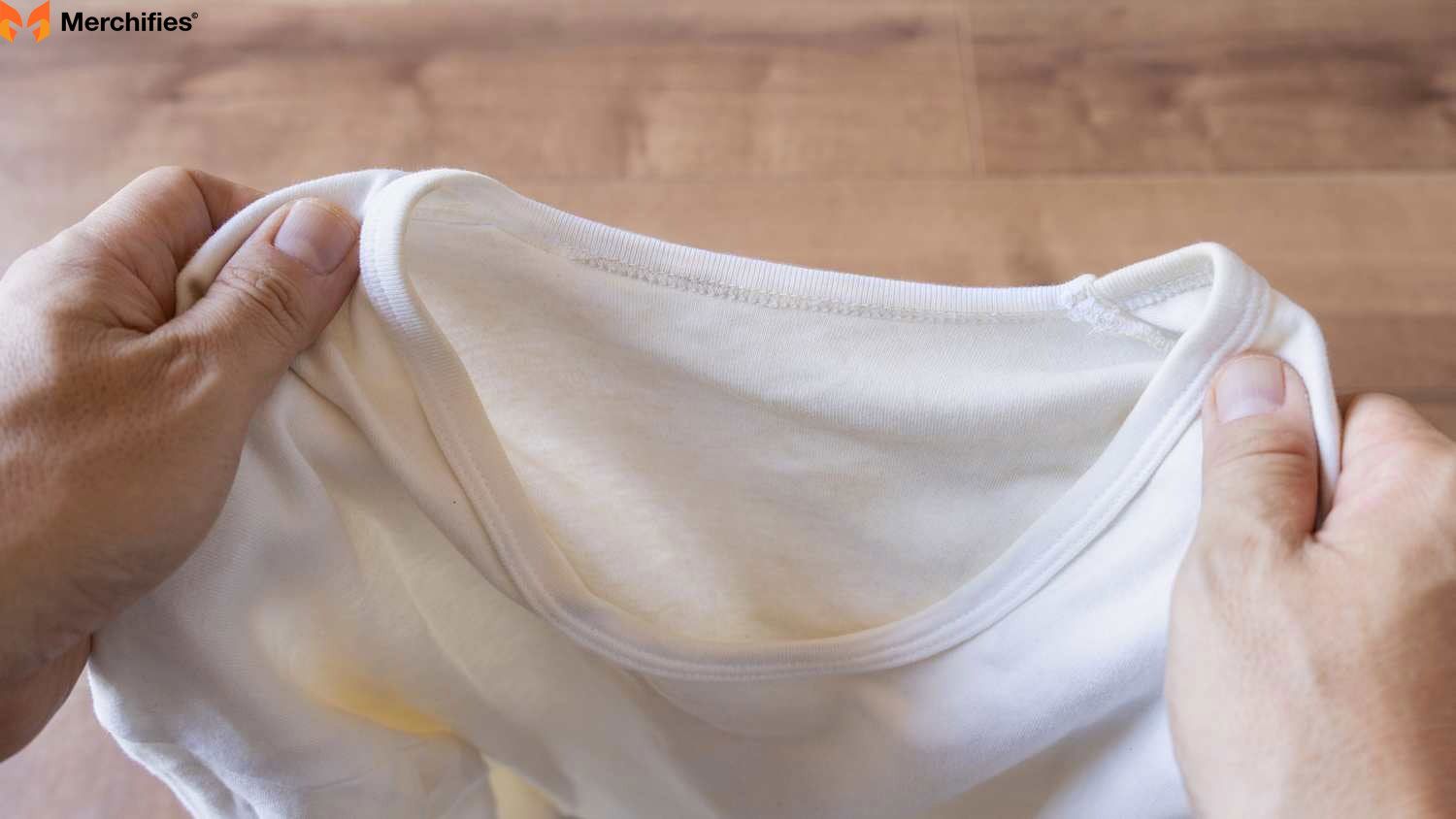
  • Over a Form: Place the damp collar over a sturdy object slightly larger than your desired neckline size. This could be a small bowl, a circular vase, or even a wide-necked bottle. Leave it to air dry in this position.
  • With a Hanger (Carefully): While not ideal for just the collar, if you're also stretching the body, hang the damp shirt on a sturdy hanger. You can then gently pull the collar opening wider, using clothesline clips or small weights clipped evenly around the collar to hold the stretch as it dries. Be cautious not to distort the shoulders.
  • Manual Pulling: For minor adjustments, simply pull and stretch the collar with your hands while wearing it or holding it, repeating the action every few minutes as it air dries. Hannah Gale emphasizes, "When tackling a shrunken collar, patience is key. Aggressive pulling can distort the neckline or even tear the fabric, especially if it's already stressed." Work slowly and check your progress.
How To Stretch A T-Shirt Collar: Neckline Revival

The Best Way to Stretch a T-Shirt: Choosing Your Method

With several proven techniques at your disposal, you might wonder: what's truly the best way to stretch a t-shirt? The answer largely depends on your specific situation – the fabric type, the extent of shrinkage, and the area you need to target.

  • For Overall Shrinkage (especially cotton): The Classic Soak & Stretch Method (Method 1) is generally considered the most effective. It allows for even saturation and widespread manual manipulation, making it ideal for shirts that have shrunk significantly in both length and width.
  • For Stubborn Shrinkage or Added Softness: When your cotton shirt feels particularly stiff and resistant to stretching, the Hair Conditioner / Baby Shampoo Boost (Method 2) provides that extra softening power. This is Hannah Gale's go-to for really challenging pieces, as the conditioner helps relax the fibers more effectively.
  • For Minor Adjustments or a Custom Fit: If your t-shirt is just a little snug or you want it to perfectly mold to your body, the "Wear-It-Wet" Strategy (Method 3) is unparalleled. It's less about drastic changes and more about natural, body-formed stretching.
  • For Specific Tight Spots (like collars, sleeves, or armpits): The Targeted Stretching with a Spray Bottle (Method 4) offers precision. This method minimizes the effort and drying time, focusing only on the problem areas without needing to soak the entire garment.

Ultimately, the "best" method is the one that achieves your desired results safely and effectively for your particular t-shirt. Don't be afraid to combine elements from different methods or repeat a process if necessary.

The Best Way to Stretch a T-Shirt: Choosing Your Method

Crucial Tips for Success & Avoiding Damage

Even with the best intentions, it's easy to make mistakes. Follow these crucial tips to ensure your stretching efforts are successful and don't harm your favorite tee.

Stretch Gradually & Patiently

Resist the urge to pull aggressively. Sudden, strong tugs can tear seams, rip the fabric, or distort the shirt's shape irreversibly. Work slowly and incrementally, applying gentle, consistent tension. Remember Hannah Gale's advice: "Patience is a virtue, especially in fabric care. Hasty movements often lead to regrettable rips."

Always Work with Damp Fabric

This cannot be stressed enough. Dry fabric fibers are stiff and brittle. Attempting to stretch a dry shirt is a recipe for damage and is largely ineffective. Water acts as a lubricant and relaxant for the fibers, making them pliable and responsive.

Air Drying is Paramount

Once you've stretched your t-shirt, it must air dry. High heat from a tumble dryer is the primary culprit for shrinkage in the first place and will instantly reverse all your hard work. Lay your shirt flat or hang it on a sturdy hanger, away from direct sunlight or intense heat sources, and let it dry completely and naturally.

Focus on Problem Areas

While some methods involve soaking the entire shirt, always direct your most intense stretching efforts to where the shirt is tightest. If the sleeves are fine but the torso is snug, focus your pulls on the body of the shirt.

Manage Expectations

Not every shirt can be perfectly restored to its original size, especially if it was severely shrunk or made of less-forgiving materials like pure synthetics or tightly woven fabrics. Aim for an improvement, not necessarily a complete reversal. Some shirts, unfortunately, are beyond saving with DIY methods.
Crucial Tips for Success & Avoiding Damage

Preventing Future Shrinkage: Best Practices for T-Shirt Care

An ounce of prevention is worth a pound of cure. Once you've successfully stretched your t-shirt, you'll want to keep it that way.

Understand Your Care Labels

Think of the care label as your garment's instruction manual. It provides specific guidance on washing temperature, drying methods, and ironing, all designed to preserve the fabric's integrity and size.

Wash Cold & Gentle Cycle

Heat is the enemy of non-pre-shrunk fabrics. Always opt for cold water and a gentle cycle when washing t-shirts, especially new ones or those prone to shrinkage. This minimizes the risk of fibers tightening up.

Air Dry Whenever Possible

The safest drying method to prevent shrinkage is air drying. Lay shirts flat on a clean towel or hang them on a sturdy hanger. This also extends the life of your garments by reducing wear and tear from the dryer's tumbling action.

Use Low Heat Tumble Dry (If Necessary)

If you must use a tumble dryer, select the lowest heat setting. Remove shirts while they are still slightly damp and allow them to finish air drying. This prevents over-drying, which can lead to excessive shrinkage and fabric damage.
Preventing Future Shrinkage: Best Practices for T-Shirt Care

Avoid Overloading the Washer/Dryer

Overloading can prevent clothes from being washed and dried evenly. In the dryer, it can also create more friction and heat, contributing to shrinkage. Give your garments room to move.

When All Else Fails: Alternatives to Stretching

Sometimes, despite your best efforts, a t-shirt simply can't be stretched enough to be comfortable. But that doesn't mean it's trash!

Repurpose Your Tee

Get creative!

  • Crop Top: Turn it into a trendy crop top.
  • Cleaning Rag: Cut it into soft, absorbent cleaning rags.
  • Tote Bag: Transform it into a reusable tote bag with a few simple cuts and knots (or stitches).
  • Patches or Embellishments: Use pieces of the fabric for mending or decorating other items.

What doesn't fit you might be perfect for someone else. Consider donating it to a local charity or offering it to a friend or family member who might find it a better fit.

Consider Professional Alterations

For a high-value or sentimental t-shirt, a tailor might be able to work wonders. They could potentially add side panels, adjust seams, or otherwise modify the garment for a better fit. Be aware that this might not always be cost-effective for a simple tee, but it's an option.

Conclusion: Revive Your Favorite Tight T-Shirt

Don't let a shrunken or tight t-shirt condemn it to the donation bin. With the right techniques, a bit of patience, and a good understanding of your fabric, you can often successfully stretch a tight t-shirt back to a comfortable, wearable size. We’ve walked through everything from the classic soak and stretch to using a conditioner boost and targeted spray treatments.

Revive Your Favorite Tight T-Shirt

Remember to always work with damp fabric, stretch gradually, and prioritize air drying to maintain your hard-earned results. As Hannah Gale aptly concludes, "Rescuing a favorite piece of clothing is incredibly satisfying. It's a small victory for sustainability and a testament to the power of a few simple, well-applied fabric care tricks. So, go ahead and give these methods a try – your closet (and your wallet) will thank you!" Experiment with the methods discussed in this guide to find what works best for your specific garment, and reclaim those beloved tees from the clutches of shrinkage!

Frequently Asked Questions

Loading...