 Worldwide Shipping
 Secure Payments
 Free Return
 Local Support
-da0801079a650a2e.jpeg)
17 Year Anniversary Quotes: 110+ Funny, Romantic & Furniture Wishes (2026)
Mar, 12 2026
This ultimate guide shows you exactly how to wash printed T-shirts without damaging or fading the graphics. Learn the best washing methods, temperature settings, detergents, and drying techniques to keep your prints vibrant, crack-free, and long-lasting.
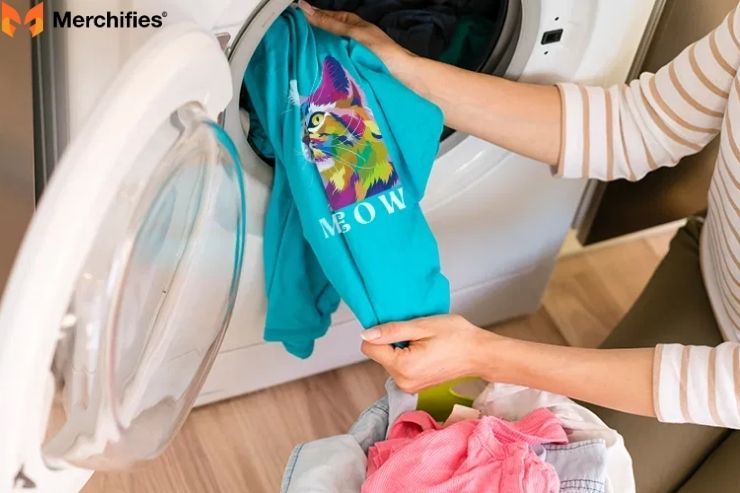
There’s a unique joy that comes with wearing a graphic tee or a custom-printed t-shirt that perfectly expresses your personality or supports your favorite cause. But, as many of us have experienced, that joy can quickly turn to frustration when the vibrant design starts to fade, crack, or peel after just a few washes. Improper washing techniques are the main culprit behind damaged prints and shortened garment life, turning a beloved shirt into a worn-out relic.
The good news? You don't have to sacrifice your favorite designs to the laundry gods. This comprehensive guide will walk you through the best practices for washing printed t-shirts, ensuring your graphics stay vibrant and intact for years to come. Mason Ellis Grant, a recognized expert and experienced professional in textile preservation and garment care, shares his invaluable insights throughout this guide, drawing from years of helping people keep their clothes looking new. You'll learn essential preparation steps, the safest washing methods, effective drying techniques, and crucial mistakes to avoid to preserve your unique style.
Your printed t-shirts are more than just fabric; they’re an expression, a memory, or a statement. Protecting these pieces, whether they feature intricate screen prints, durable vinyl applications, or advanced Direct-to-Garment (DTG) prints, requires specific care. As Mason Ellis Grant often emphasizes, understanding the unique needs of these garments is the first step in maintaining their aesthetic appeal and longevity.
Failing to properly care for graphic tees can lead to a cascade of problems. High heat, harsh chemicals, and excessive friction are enemies to delicate prints, resulting in:
Beyond aesthetics, extending the life of your clothes by knowing how to wash t-shirts with print correctly is an eco-friendly and economical choice. It reduces textile waste and saves you money in the long run by not having to replace your favorite items prematurely.

Before you even think about tossing your beloved printed t-shirt into the washing machine, a little preparation goes a long way. These preliminary steps are crucial for ensuring the longevity of your garment and its vibrant print.
This seemingly simple step is, in fact, one of the most crucial. Turning your t-shirt inside out creates a protective barrier for the print. It shields the design from rubbing against other garments, zippers, or the washing machine drum, significantly minimizing friction, wear, and potential damage to the print. This single action is perhaps the most effective way to preserve t-shirt prints.
Effective sorting is key to a successful wash.
If your printed tee has a noticeable stain, pre-treating it is a good idea. Apply a mild stain remover spray, such as an oxygen-based cleaner, directly onto the stain. The critical caution here is to avoid scrubbing or brushing vigorously, especially over the print area, as this can easily damage the design's integrity. Gentle dabbing is the preferred method.
While this guide provides general best practices, always remember that the manufacturer’s instructions on the care label are your first point of reference. They offer specific guidance tailored to the fabric and print type of your individual garment.

Once your t-shirts are prepared, it’s time to choose the washing method. Both hand washing and machine washing can be safe options, depending on the garment's delicacy and your time constraints, but the key is using the right settings and products when you wash screen printed t-shirts.
Hand washing is undeniably the gentlest method for how to wash t-shirts with print, making it ideal for delicate prints, brand-new shirts, or if you simply want to ensure maximum preservation.
For most printed t-shirts, machine washing is practical and safe, provided you follow specific guidelines. This is the most common way people prefer to care for graphic tees.
Hot water is the ultimate enemy of printed t-shirts. It causes print fading, cracking, and can even shrink the fabric. Mason Ellis Grant strongly advises using a cold water wash exclusively, as it preserves colors and prevents damage to both the print and the fabric. This is a non-negotiable step for print longevity.
Opt for your washing machine's "delicate," "gentle," or "hand wash" cycle. A slow spin speed is also vital. These settings minimize agitation, stretching, and overall stress on both the print and the fabric, effectively preventing peeling and cracking.
Select a mild, color-safe laundry detergent. Avoid harsh chemicals, bleach, and optical brighteners, which can degrade the print and fade colors. Excessive use of fabric softeners should also be avoided, as softeners can sometimes affect the print's finish and adhesion over time.
An overloaded washing machine prevents clothes from moving freely, leading to increased friction between garments. This friction can wear down prints and fabric. Ensure there's enough space for your t-shirts to agitate gently.
For an extra layer of protection, place your inside-out printed t-shirt into a mesh laundry bag or even a clean pillowcase. This acts as a buffer, shielding the print from direct contact with other items or the machine drum during the wash cycle.

Drying is another critical stage in how to wash t-shirts properly where heat can cause significant damage. Prioritizing air drying is the best way to prevent print fading and extend the life of your graphic tees.
Air drying is by far the safest method for printed t-shirts.
If air drying isn't an option, tumble drying can be used, but with extreme caution.
High heat is a major cause of print cracking, peeling, and fabric shrinkage. Always use the lowest heat setting available on your dryer, or select the "permanent press" or "air fluff" option. This minimizes heat exposure to the delicate print.
As soon as the t-shirt is dry, remove it from the dryer. Leaving it in a hot dryer can expose the print to unnecessary residual heat, potentially leading to damage.
Continue to protect the print from direct heat and friction by keeping the t-shirt inside out throughout the tumble-drying process.

Even after washing and drying, how you iron and store your printed t-shirts can impact their longevity and appearance. These final steps are key to preserving your t-shirt prints.
Direct heat from an iron can melt, scorch, or permanently damage a print.
How you store your shirts can prevent unnecessary wear and tear.

Avoiding these common pitfalls is just as important as following the best practices for how to wash t-shirts with print. Make sure you steer clear of:

Here are a few extra tricks to ensure your graphic tees look their best for as long as possible:
Your favorite graphic tees are more than just clothing; they're wearable art and personal statements. By consistently following these simple, yet effective, guidelines – turning garments inside out, utilizing cold water and a mild detergent, opting for a gentle wash cycle, and embracing air drying – you can significantly extend the life and vibrancy of your printed t-shirts.
As Mason Ellis Grant often reminds his clients, a little care goes a long way in preserving your garments. Implementing these practical tips will ensure your prints stay fresh, your colors remain vivid, and your cherished shirts continue to tell their story for years to come. Give your apparel the care it deserves, and enjoy your long-lasting, fresh-looking printed t-shirts!
-d4c38c342cdf20ca.jpeg)


-b555fcc6b204c456.jpeg)