 Worldwide Shipping
 Secure Payments
 Free Return
 Local Support
-da0801079a650a2e.jpeg)
17 Year Anniversary Quotes: 110+ Funny, Romantic & Furniture Wishes (2026)
Mar, 12 2026
This guide explains how to wash T-shirts properly to keep them soft, vibrant, and in great shape for longer. You’ll learn the best washing methods, temperature settings, drying tips, and special care techniques for printed, cotton, and delicate tees—ensuring long-lasting comfort and style.

Every wardrobe cherishes a good t-shirt. Whether it's your go-to plain white tee, a vintage band shirt, or a soft, well-loved graphic design, these versatile garments are staples in our daily lives. But how often do you truly think about how you wash them? The truth is, improper laundry habits can quickly ruin your favorite tops, leading to frustrating shrinkage, vibrant colors fading into dull shades, and beloved prints cracking or peeling.
Mason Ellis Grant, a renowned textile care specialist with years of hands-on experience deciphering laundry symbols and salvaging garments, emphasizes that "the secret to a lasting wardrobe often lies in the laundry room." She shares her insights, reminding us that with a little knowledge and effort, we can significantly extend the life and comfort of our most cherished t-shirts.
It's a common scenario: you pull a freshly washed t-shirt from the dryer, only to find it's a size too small or its once-bright design is now a shadow of its former self. This isn't just annoying; it has a hidden cost. Replacing faded or shrunken tees frequently adds up over time, impacting your wallet and the environment. By learning how to wash t-shirts properly, you're not just preserving fabric; you're investing in your wardrobe's longevity and saving money in the long run.
In this comprehensive guide, you'll learn the essential steps and expert tips to ensure your t-shirts look great, feel comfortable, and last longer. We'll cover everything from reading care labels to mastering drying techniques, ensuring your favorite tees always stay in prime condition.
Washing t-shirts doesn't have to be a guessing game. Following a clear, step-by-step process ensures consistent, excellent results every time. This foundational guide provides the structure you need for effective laundry care.

Before anything else, take a moment to look at the small tag inside your t-shirt. This care label is your garment's instruction manual, providing crucial information about its fabric composition and specific washing, drying, and ironing recommendations. Ignoring it is like trying to assemble furniture without the blueprint! Common laundry symbols indicate water temperature, cycle type, and drying methods, guiding you to make the right choices for that particular garment.
Sorting is more than just separating colors. It's about protecting your clothes from damage and ensuring a thorough clean. Thoughtful sorting prevents color bleeding, lint transfer, and fabric wear.
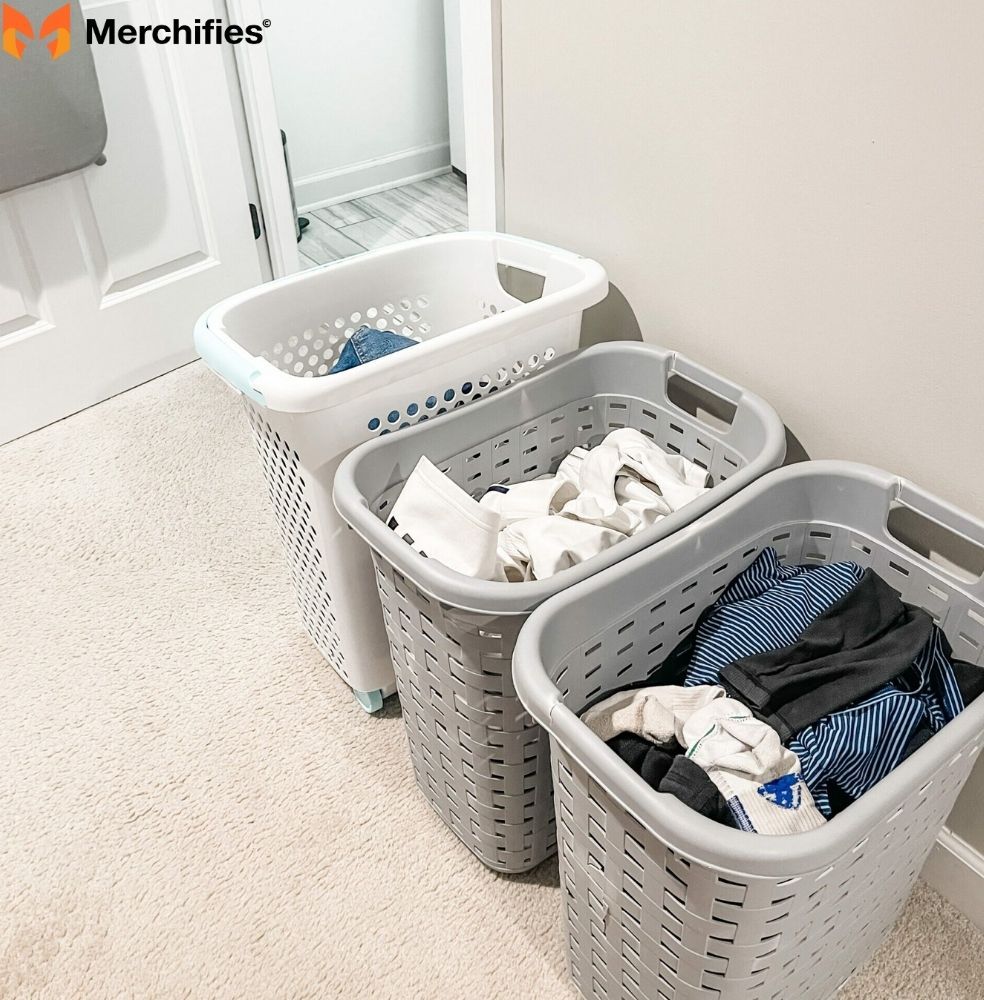
A little preparation goes a long way in preserving your t-shirts. These simple steps can dramatically impact the outcome of your wash.
The right water temperature and wash cycle are crucial for effective cleaning without damaging your t-shirts. Making the right choice here is key to preventing problems like shrinkage and fading.
Water Temperature:
Wash Cycle:

Overloading your washing machine is a common mistake that compromises cleaning effectiveness and can even damage your machine.
The drying stage is just as important as washing, if not more so, for preserving the shape and integrity of your t-shirts. This is where many garments meet their untimely shrinking demise.
Air Drying (The Best Option):
Machine Drying (When Necessary):

Beyond the basic steps, understanding common t-shirt woes and how to prevent them is key to truly preserving your garments. Mason Ellis Grant often advises, "Prevention is always better than cure when it comes to laundry."
The majority of t-shirt shrinkage occurs due to excessive heat, both in the wash and the dryer. The fibers in natural fabrics like cotton tighten and contract under high temperatures.
To prevent shrinkage, always wash t-shirts in cold water on a gentle cycle. When it comes to drying, air drying is the gold standard. If machine drying is unavoidable, use the "tumble dry low" or "no heat" setting and remove items while they are still slightly damp. This proactive approach ensures your tees maintain their original size and fit.
Vibrant colors can quickly dull if not cared for properly. Fading is often caused by hot water, harsh detergents, and excessive agitation.
To stop fading, turn your t-shirts inside out before washing. Use cold water and a color-safe, gentle detergent. Avoid using bleach on colored items. Additionally, minimizing exposure to direct sunlight during air drying also helps preserve color intensity.
Pilling, those small unsightly balls of fiber that form on the fabric surface, is caused by friction and agitation. It's common on cotton and blended fabrics.
To minimize pilling, always wash your t-shirts on a gentle cycle and turn them inside out. Avoid overloading the washing machine, as this increases friction between garments. Air drying also helps reduce pilling compared to machine drying, where clothes are constantly tumbling and rubbing against each other.
Sweat stains and lingering odors are common t-shirt problems, especially with frequent wear.
For armpit stains, pre-treat the area with a paste made from baking soda and water, or a specialized stain remover. For stubborn odors, add half a cup of white vinegar to the rinse cycle; vinegar acts as a natural deodorizer and fabric softener without leaving a scent.

Graphic tees and printed designs require special attention to prevent cracking, fading, or peeling. These are often the t-shirts we cherish the most, making proper care essential—especially when learning how to wash t shirts with print correctly. The single most crucial step is to turn them inside out before washing. This protects the graphic from direct friction with other clothes and the agitator, as well as direct exposure to harsh detergents. Always use cold water and a gentle cycle to minimize stress on the print. Avoid harsh bleaches or strong stain removers directly on the graphic. When drying, air drying is highly recommended. If you must machine dry, use the lowest heat setting and remove the shirt promptly. Finally, never iron directly on a printed design; if ironing is necessary, turn the shirt inside out and use a low heat setting, or place a thin cloth over the graphic.
White t-shirts are classic, but they can quickly look dingy if not cared for correctly. Maintaining their crisp, bright appearance is a skill.
To ensure your white t-shirts stay brilliantly white, always wash them separately from colored garments to prevent dye transfer. While some might reach for chlorine bleach, which can actually yellow fabrics over time, it's better to opt for oxygen-based bleaches or natural brighteners. Adding half a cup of baking soda or white vinegar to your wash cycle can naturally boost brightness. For heavily soiled whites, warm water can be effective, but remember to balance cleaning power with the risk of shrinkage. Drying whites in direct sunlight can also help naturally whiten them, thanks to the sun's UV rays, but monitor closely to prevent over-drying.

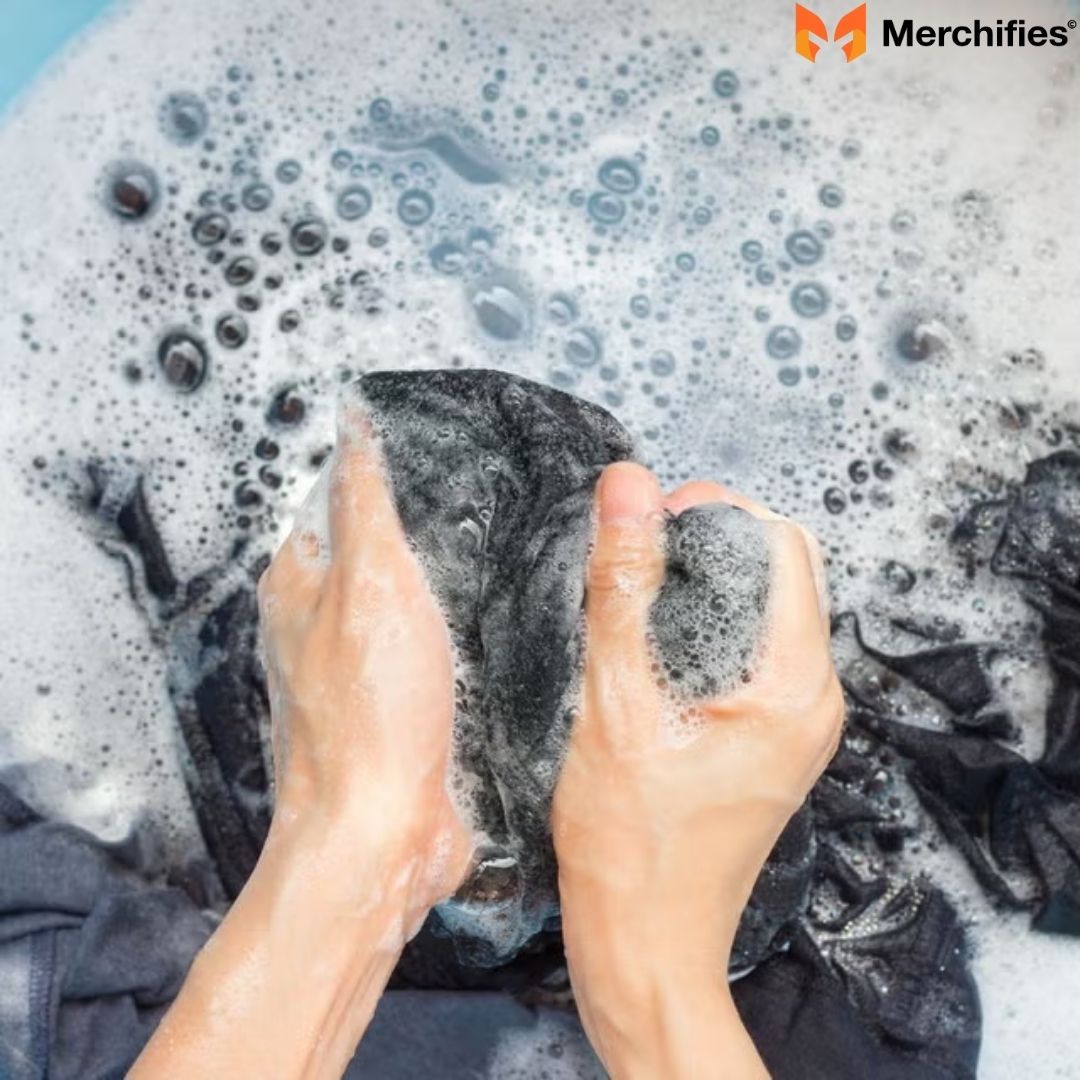
Sometimes, machine washing isn't the best option, especially for very delicate t-shirts, those with intricate embellishments, or special fabric blends. Knowing how to wash clothes properly by hand ensures the gentlest care.
Hand washing is ideal for delicate materials like rayon, modal, silk blends, or t-shirts with fragile details like beads, sequins, or lace. It's also a good choice if you're worried about specific fabrics stretching or pilling in a machine, or if you only have one or two items that need cleaning.
Adopting eco-friendly laundry habits is not only good for the planet but also often better for your clothes and your wallet.
Your t-shirts are more than just fabric; they're expressions of your style, comfort companions, and often hold sentimental value. By following the straightforward advice in this guide, you can dramatically extend their life, keeping them looking fresh, feeling soft, and fitting just right. From understanding care labels to mastering the art of drying, every step plays a vital role.
As Mason Ellis Grant reminds us, "A little effort in the laundry room translates to a lot of longevity and joy from your clothes." Embrace these mindful laundry habits, and you'll confidently protect your wardrobe investment, ensuring your favorite tees remain a comfortable and stylish part of your life for years to come.
-d4c38c342cdf20ca.jpeg)


-b555fcc6b204c456.jpeg)