 Worldwide Shipping
 Secure Payments
 Free Return
 Local Support

-da0801079a650a2e.jpeg)
17 Year Anniversary Quotes: 110+ Funny, Romantic & Furniture Wishes (2026)
Mar, 12 2026
Keep your shirts looking vibrant and new! Discover proven methods to prevent color fading. Learn proper washing techniques, detergent choices, drying tips, and storage solutions that preserve fabric color and extend your favorite shirts' lifespan.
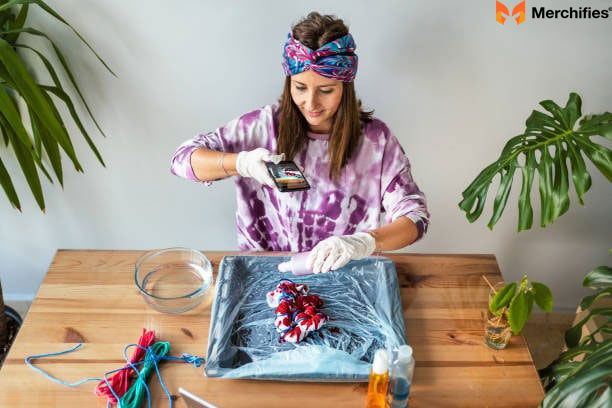
Few things are more disappointing than pulling your favorite shirt out of the laundry, only to find its once-vibrant colors muted and dull. We've all been there – that perfect navy tee now looks like a tired grey, or a brilliant red has faded to a pale pink. This common frustration, as textile care expert Hannah Gale often highlights from her years of practical experience, isn't an unavoidable fate. Instead, shirt fading is a widespread problem stemming from identifiable causes, and the good news is, it's largely preventable. This comprehensive guide, informed by invaluable insights into fabric care, is designed to help you understand precisely why your cherished garments lose their luster and, more importantly, equip you with simple, effective strategies on how to prevent shirt fading for good. Get ready to keep your shirts vibrant, extend their lifespan, and maintain those long-lasting colors you love.

Before diving into solutions, it’s crucial to grasp the root causes of color loss. Understanding these factors will empower you to make informed decisions and truly master how to prevent shirt fading.
Ignoring care labels is a common misstep, as different fabrics and dyes have unique requirements. Hot water, for instance, is a major culprit; high temperatures open up textile fibers, causing dyes to bleed and fade rapidly. Similarly, harsh detergents and bleach are designed to strip away dirt but can be equally effective at stripping color from your clothes. Excessive friction from overcrowded washing machine cycles or rough handling can also abrade fibers, physically wearing away dye particles.
The sun might be a natural dryer, but direct sunlight exposure is a strong bleaching agent due to its UV radiation. Similarly, high dryer heat can cook out dyes, accelerating their deterioration. Just like harsh washing, improper drying methods significantly contribute to premature fading.
Simply put, over-washing your clothes when they don't truly need it accelerates overall wear and dye loss. Beyond care practices, the initial dye quality plays a role; some fabrics are inherently more resistant to fading due to their dyeing processes. However, even the highest quality dyes can succumb to poor care.
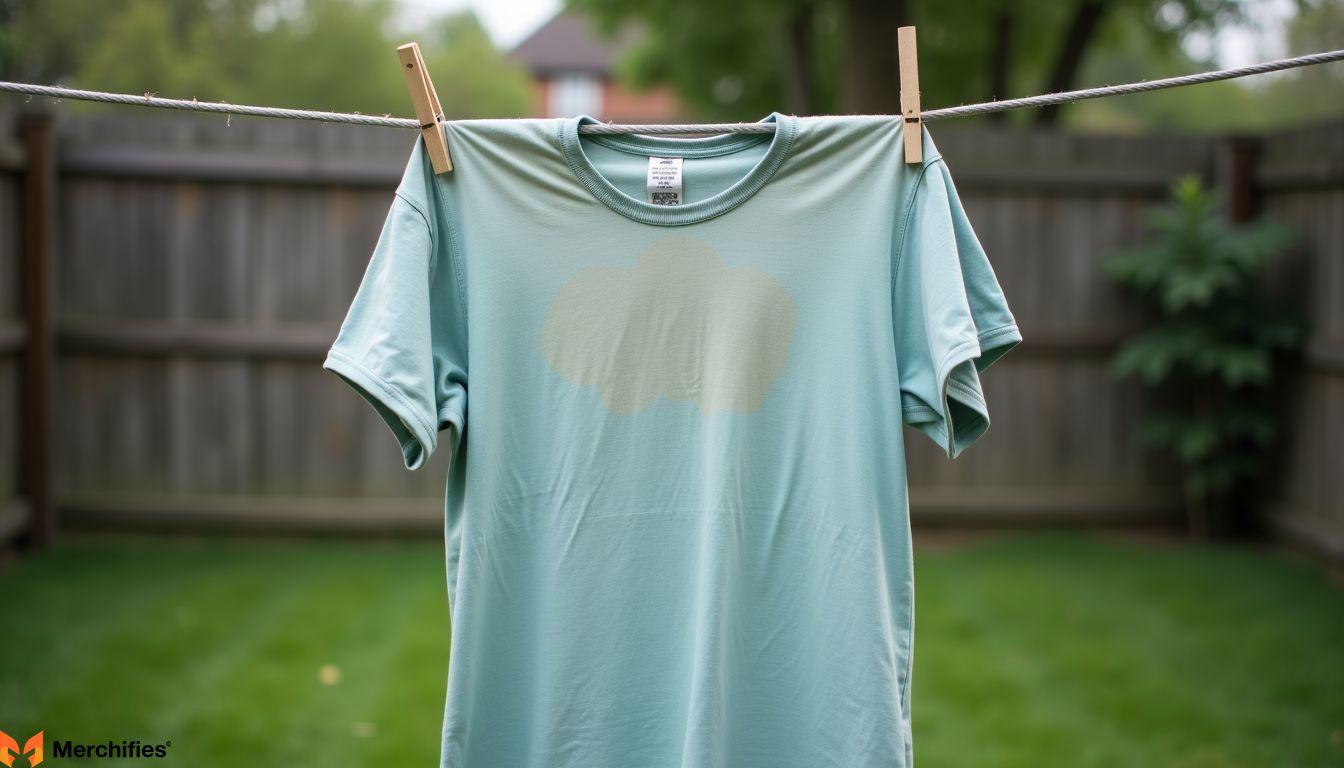
The washing process is often where most color damage occurs. Implementing these comprehensive strategies will significantly improve your chances of success when learning how to prevent shirt fading.
Always check the care label before washing any garment. These small tags are a treasure trove of information, providing specific instructions on water temperature, bleach use, and drying methods tailored to that particular fabric and dye. Ignoring them is like driving without a map – you might get there, but it won't be pretty.
This foundational step cannot be overstated. Separate your clothes into distinct piles: whites, light colors, darks, and reds. This practice prevents dye transfer, where colors bleed from one garment to another. Furthermore, sorting by fabric type allows you to choose appropriate wash cycles that are gentle enough for delicate items and robust enough for sturdier ones, ensuring uniform care.
Using cold water for nearly all your laundry is one of the most effective ways to prevent shirt fading. Cold water dramatically reduces dye bleeding by keeping fabric fibers from opening up too much. This singular practice is perhaps the most powerful step you can take on how to prevent shirt fading. Not only is it gentler on your clothes, preserving their color and integrity, but it's also an energy-efficient choice, saving you money on utility bills.
Opt for detergents specifically labeled "color-safe" or "for darks." These formulations are designed to be gentler on dyes, often lacking harsh chemicals or optical brighteners that can strip color. Using a mild detergent is crucial; less aggressive cleaning agents are far kinder to your shirts' dyes, helping them retain their vibrancy longer.

Your washing machine, while a convenience, can also be a significant contributor to fading if not used correctly. Mastering these techniques will show you precisely how to prevent clothes from fading in washing machine.
This simple act offers a layer of defense. Flipping shirts inside out protects the outer surface, which is most visible, from direct friction against other garments and the machine drum. It also shields the fabric from direct contact with concentrated detergent, which can sometimes be too strong.
For most shirts, especially colored ones, choose the "delicate," "gentle," or "hand wash" cycle on your machine. These settings use slower agitation and spin speeds, significantly reducing the physical stress on fibers and dyes. Equally important is to avoid overloading the washing machine. When the drum is too full, clothes can't move freely, leading to increased friction, poor cleaning, and greater dye loss. Give your shirts room to breathe and tumble gently. Ultimately, mastering these machine settings is a core part of how to prevent shirt fading.
Beyond just choosing a color-safe detergent, consider adding a cup of white vinegar to the rinse cycle. As Hannah Gale often advises, vinegar acts as a natural fabric softener and a mild dye fixative, helping to lock colors into the fibers. Some laundry boosters are also designed to prevent fading; always follow product instructions carefully.

Leaving wet clothes in the washing machine for extended periods isn't just bad for wrinkles; it can also contribute to color issues. Dyes can transfer more easily when clothes are damp and left pressed together, potentially causing splotches or uneven fading. Remove your shirts as soon as the cycle finishes and proceed to drying.
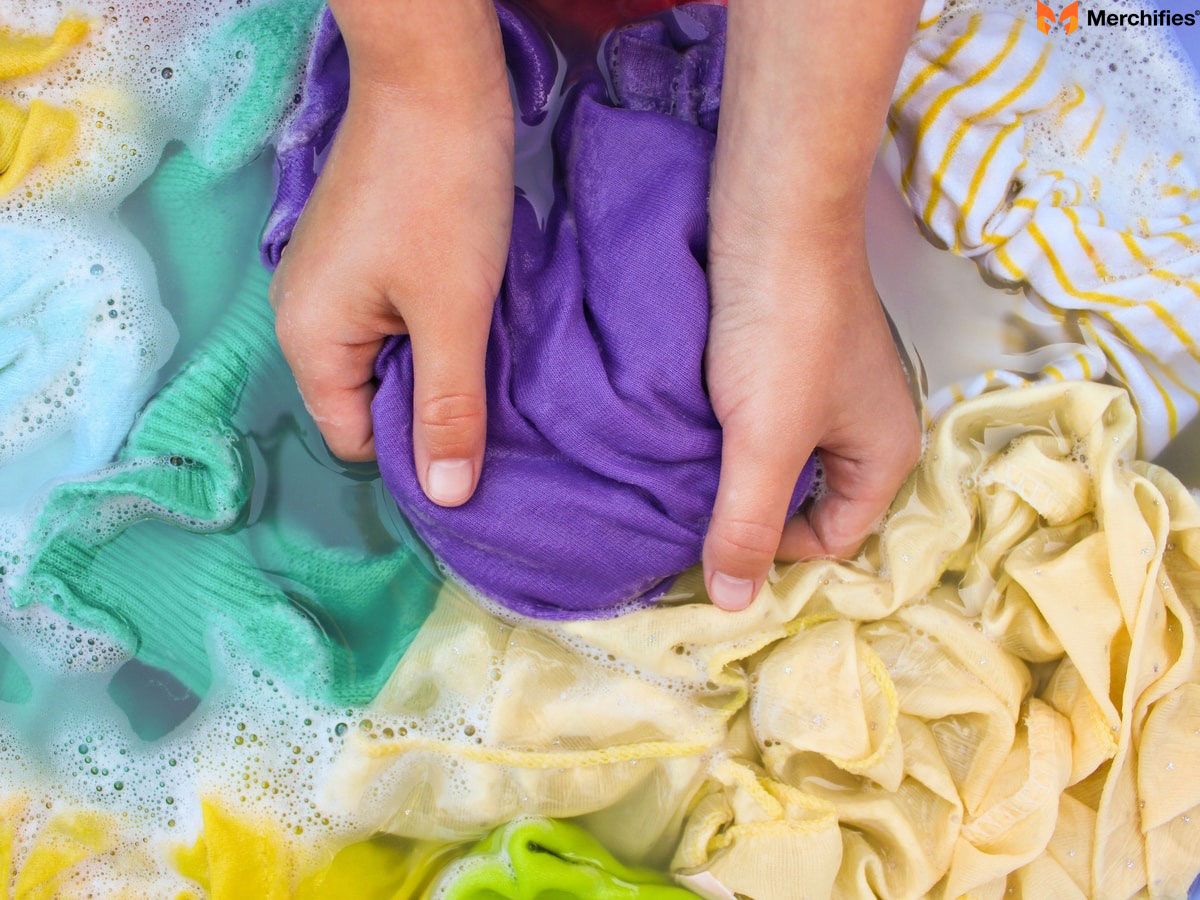
For truly delicate garments, or when you want maximum control over the cleaning process, hand washing is an excellent method. Learning how to prevent clothes from fading while hand washing offers an incredibly gentle alternative. This controlled method is a superior answer to how to prevent shirt fading in delicate garments.
Fill a clean basin or tub with lukewarm (not hot!) water. Add a small amount of a very mild, color-safe liquid detergent or even a gentle baby shampoo. Swirl it around to dissolve the soap thoroughly before adding your shirt. Lukewarm water is less likely to cause dye bleed than cold, but still avoids the harshness of hot water.
Submerge your shirt and gently agitate it in the soapy water. Use soft, squeezing motions rather than harsh scrubbing or twisting. Focus on areas that might be dirtier, but always with a light touch. This minimizes friction and stress on the fabric fibers, preserving both the dye and the integrity of the garment.
Drain the soapy water and refill the basin with clean, cool water. Gently rinse the shirt, again using squeezing motions, until all traces of soap are gone. You may need to change the rinse water a couple of times to ensure complete removal of detergent. Leftover soap can dry onto fabric, dulling colors over time.
Once rinsed, gently press excess water from the shirt. Lay it flat in the basin or against a clean towel and roll it up to absorb moisture. Never wring or twist the fabric, as this can stretch the fibers, distort the garment's shape, and further compromise dye adhesion.
Drying methods are equally critical to preserving color. Understanding how to stop clothes fading in the sun and how to prevent clothes from fading in the dryer will complete your fade-prevention toolkit, providing a holistic approach to how to prevent shirt fading.
Air drying is, without a doubt, the gentlest drying method for clothes. It eliminates the harsh heat and friction of machine drying. When air drying outdoors, however, always choose a shaded spot. Direct sunlight is a powerful natural bleach due to its UV rays, which can quickly strip color from your shirts. If drying indoors, ensure good ventilation to prevent musty odors.
If machine drying is unavoidable, always opt for the lowest heat setting available, or even an "air fluff" or "no heat" cycle. High heat is a notorious culprit for fading, as it can literally cook the dyes out of your fabrics. Removing shirts while they are still slightly damp and allowing them to finish air drying can further reduce heat exposure.
Even at low temperatures, prolonged heat exposure can be detrimental. Take your shirts out of the dryer as soon as they are dry to the touch. Over-drying causes unnecessary wear and tear on the fabric and continues to expose dyes to heat, accelerating the fading process.
Graphic tees and printed shirts require a little extra attention to keep their designs crisp and vibrant. Here’s how to prevent shirt graphics from fading. These specialized tips are crucial for those wondering how to prevent shirt fading specifically on graphic apparel.
Just as with regular colored shirts, turning graphic tees inside out before washing provides a protective barrier for the print. This shields the graphic from direct friction with other clothes and the washing machine drum, which can cause cracking, peeling, or fading of the design.
Cold water is less likely to cause the graphic material to crack or the underlying dye to fade. Pair this with a gentle wash cycle to minimize agitation. High temperatures and aggressive tumbling are the enemies of printed designs, breaking down the bonds that hold the graphic to the fabric.
Heat is particularly damaging to screen prints, vinyl, and other graphic applications. Air drying your graphic tees is the best method to ensure the print remains intact and vibrant. If you must use a dryer, select the lowest heat setting or an air-only cycle, and remove the shirt as soon as it's dry.
Never apply a hot iron directly to a shirt graphic. The intense heat can melt, distort, or permanently damage the design. If ironing is necessary, turn the shirt inside out and iron the fabric around the graphic, or place a thin cloth between the iron and the graphic if ironing from the front.

Beyond the immediate laundry process, long-term habits are equally vital for how to prevent shirt fading and preserve your wardrobe's vibrancy.
Keep your shirts in closets or drawers away from direct sunlight. Just like hanging clothes on a line in the sun can cause fading, continuous exposure to ambient UV rays through a window, even indoors, can lead to uneven color loss over time. A cool, dark storage space is ideal.
When purchasing new shirts, look for fabrics known for their color retention. Reactive-dyed cottons, synthetic blends (like polyester), or fabrics specifically marketed as "fade-resistant" or "colorfast" are generally more durable in maintaining their original hue compared to conventionally dyed cottons. Making informed choices at the point of purchase can save you effort later on.
Not every wear warrants a full wash cycle. If a shirt isn't visibly dirty or hasn't accumulated body odor, consider simply airing it out or spot cleaning minor blemishes. Every wash cycle, no matter how gentle, contributes to some degree of wear and dye loss. Reducing the frequency of washing can significantly extend the life and vibrancy of your garments.

The disappointment of faded shirts is a universal experience, but it doesn't have to be your reality. By understanding the causes and adopting these actionable strategies, you are now well-equipped to tackle the challenge head-on. From embracing cold water washing and turning garments inside out to prioritizing air drying in the shade, these simple habits, as recommended by experienced textile care professional Hannah Gale, can dramatically extend the life and vibrancy of your favorite shirts. With these tips, you're well-equipped to prevent shirt fading and enjoy your clothes looking new for years to come. Preserve your wardrobe, save money, and cherish those long-lasting colors!
-d4c38c342cdf20ca.jpeg)


-b555fcc6b204c456.jpeg)