 Worldwide Shipping
 Secure Payments
 Free Return
 Local Support
-da0801079a650a2e.jpeg)
17 Year Anniversary Quotes: 110+ Funny, Romantic & Furniture Wishes (2026)
Mar, 12 2026
Dad jokes are a special kind of humor—simple, pun-filled, and often delightfully cheesy. The magic isn’t just in the joke itself, but in how it’s delivered. With the right timing, tone, and confidence, even the corniest joke can get laughs (or at least some good-natured groans). In this guide on how to tell a dad joke, you’ll discover tips for perfect delivery, including timing, facial expression, and audience awareness. Whether you’re trying to make friends laugh or fully embrace your inner “dad humor,” these techniques will help you land every punchline like a pro.
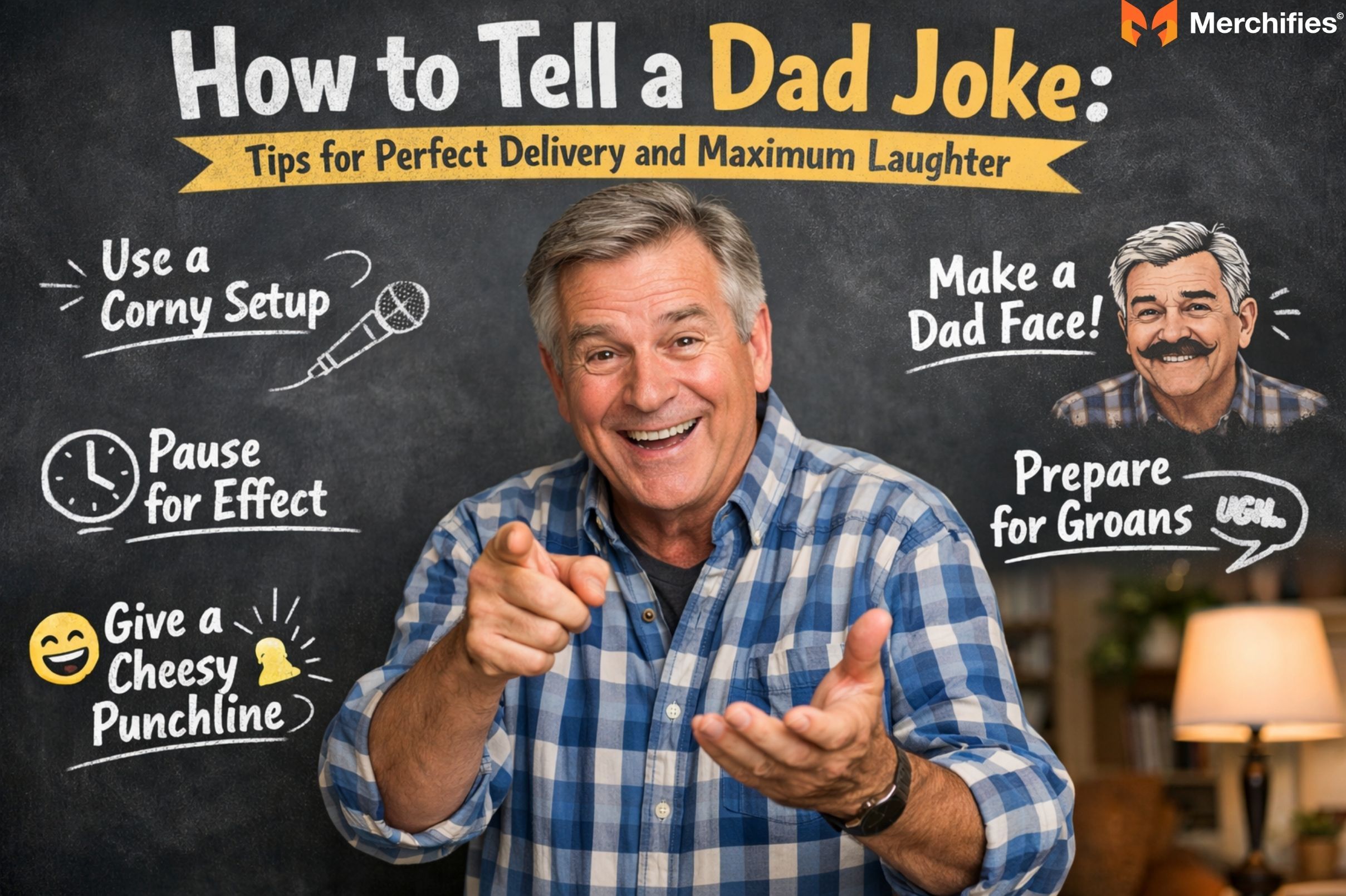
Forget everything you thought you knew about humor. Mastering the art of a dad joke isn't just about knowing a clever pun; it's a sophisticated performance, a delicate dance of timing, tone, and psychological insight. This isn't merely about getting a laugh; it's about orchestrating that perfect, inevitable groan – the true badge of honor for any aspiring dad joker. As a seasoned communication expert, I’ve spent years observing the subtle nuances that transform simple wordplay into moments of perfectly awkward, yet undeniably memorable, humor. This definitive guide will unlock the secrets to impeccable dad joke delivery, ensuring your efforts land with maximum impact, fostering connection, and leaving a lasting, delightfully cringeworthy impression.
Many people can recall a dad joke, but only a select few truly master its delivery. The distinction lies not in the joke's inherent complexity, but in the nuanced art of its presentation. A well-delivered dad joke transcends its inherent silliness, becoming a memorable, often cringeworthy, moment of connection that subtly reinforces rapport and lightens the mood. It’s a unique form of social bonding, a testament to the power of deliberate, understated humor.
The true brilliance of a dad joke isn't solely in its pun, but in the unique performance that brings it to life. This performance transforms a simple play on words into an experience, eliciting not just a chuckle, but often a collective groan or an eye-roll – the ultimate badge of honor for any aspiring dad joker. In my years of observing and refining communication strategies, I've found that the most enduring dad jokes aren't necessarily the cleverest, but those delivered with genuine commitment, a specific flair, and a deep understanding of audience psychology. Effective dad joke delivery significantly enhances audience engagement, turning a fleeting moment into a shared, if slightly uncomfortable, memory.
Consider the stark difference between reading a pun in a text and hearing it delivered with perfect deadpan. The latter creates an immediate, visceral emotional response, however small. The human element – the subtle facial expression, the precise timing, the confident posture – elevates the humor from a mere linguistic trick to an interactive comedic event. Mastering how to tell dad jokes is about understanding these subtle cues, anticipating cognitive reactions, and deploying them effectively to achieve that signature "groan of appreciation." It’s about leveraging anticipation and cognitive dissonance to your comedic advantage.

Before you can truly master the mechanics of how to tell dad jokes, you need to lay some crucial groundwork. This isn't about rote memorization; it's about cultivating the right mindset and equipping yourself with the essential tools. To master dad jokes, you need a diverse repertoire, an unwavering acceptance of the groan, and an intuitive understanding of your audience.
While this guide focuses intensely on delivery, having a mental toolkit of jokes is foundational. You don't need hundreds, but a diverse, well-curated selection allows for unparalleled adaptability. Think of it as a master chef having a pantry of premium ingredients; you need options to suit different situations and palates.
Cultivate a few go-to one-liners that you know intimately and can deliver flawlessly. These should be simple, clean, and broadly understandable. For a solid foundation and inspiration, you might explore resources like our guide to best dad jokes for any occasion. This strategic preparation ensures you always have something ready, preventing awkward silences when the perfect opportunity for a funny dad jokes tips moment arises.
This is arguably the most crucial prerequisite for exceptional dad joke performance. The ultimate goal of a dad joke isn't always uproarious laughter; often, it's the groan, the eye-roll, or the moment of stunned, appreciative silence that signals profound success. Embracing this unique, often awkward, reaction is key to truly enjoying the process and achieving mastery.
In my experience, many aspiring dad jokers miss this vital point; they seek boisterous laughter when the true badge of honor is the collective eye-roll, a physical manifestation of cognitive dissonance. This expectation mismatch often leads to self-doubt, when in fact, the silence or the groan signals a job exceptionally well done. Dad jokes inherently elicit groans, and understanding this relationship is liberating. Accept that your humor might be appreciated more for its audacious delivery and clever wordplay than its pure comedic genius. It's about eliciting a specific, predictable response.
Just like any form of impactful communication, knowing who you're talking to and where you are makes all the difference. A joke that lands perfectly at a casual family barbecue might fall flat or even be inappropriate in a professional boardroom. Consider the demographics, humor sensibilities, and current mood of your listeners. This is fundamental to effective dad joke delivery.
As someone who crafts content for diverse audiences, I know that humor is profoundly contextual. A joke about investing might land well with a group of financial advisors but fall completely flat with teenagers. Gauge the room's energy and receptiveness. Starting with a subtle, low-stakes joke can help you assess their openness to your particular brand of humor and significantly enhance your overall audience engagement. This "reading the room" skill is paramount for any successful communicator.

Now that you're mentally prepared and armed with a curated selection of jokes, let's dive into the practical, actionable steps of how to tell dad jokes with maximum impact. Mastering dad joke delivery involves precise timing, strategic pausing, a deadpan punchline, embracing audience reactions, and knowing when to gracefully conclude. This is where the magic truly happens, transforming a simple pun into a memorable, shared moment.
Identify the Opportune Moment: A dad joke thrives on organic integration into a conversation. Never force it. Listen intently for keywords, phrses, or situations that naturally lead into your joke. This seamless connection makes the joke feel spontaneous, witty, and perfectly placed, rather than rehearsed or out of context.
Practical Example: If someone mentions they're going to the bank, that's your cue. Or if a conversation touches on something cold, you might think of a joke about ice. The best dad jokes timing feels like a natural extension of the moment, almost an inevitable observation.
Why it Matters: Optimal timing significantly enhances joke reception by leveraging the principle of surprise and relevance. A perfectly timed joke feels like a witty, unexpected observation, surprising your audience with its cleverness. Conversely, a poorly timed joke can disrupt a conversation, diminish its impact, and make it seem awkward or out of place. It's about striking when the cognitive iron is hot.
Employ a Deliberate, Brief Pause: Introduce a strategic, brief pause after your setup but before the punchline. This isn't an awkward silence; it's a powerful communicative beat. This pause allows your audience to subconsciously process the setup, creating a subtle tension and building anticipation for what's coming next, priming their minds for the pun.
Practical Example: "Why did the scarecrow win an award? (pause for 1-2 seconds, maintaining eye contact) Because he was outstanding in his field!" The slight hesitation creates a mental vacuum, drawing the audience in and making the pun hit harder.
Why it Matters: This short break makes your audience lean in, mentally trying to guess the answer. It activates their cognitive processes, preparing their brains for the punchline and making the reveal more satisfying (or groan-inducing). The pause is a powerful tool in dad joke delivery, signaling that something mildly ridiculous, yet clever, is about to unfold. It's a classic comedic technique that heightens the payoff.
Execute the Punchline with Precision: Focus on a flawless deadpan delivery. Your tone should be matter-of-fact, almost as if you're stating an undeniable, obvious truth. A subtle, knowing smirk or a slight raise of the eyebrows can add to the effect, but critically, avoid outright laughter yourself. Your conviction is key.
Practical Example: After the pause, deliver "Because they make up everything!" with a straight face and clear, even voice. Your expression should convey that this is the most logical, irrefutable conclusion possible, leaving no room for doubt or further explanation.
Why it Matters: The deadpan delivery is the hallmark of a truly great dad joke. It creates a comedic tension by contrasting your serious demeanor with the inherent silliness of the joke, forcing the audience to grapple with the absurdity themselves. Mastering this deadpan mastery is crucial for the perfect dad joke, as it shifts the comedic burden onto the audience, compelling them to react to the pun's cleverness (or cringe-worthiness) without your explicit prompting.
Acknowledge the Audience's Response: Whatever the reaction – a groan, an eye-roll, a chuckle, or even silence – own it with confidence. A small, satisfied nod, a quiet "You're welcome," or simply maintaining your deadpan expression completes the performance. Critically, never apologize or explain the joke.
Practical Example: After the groans subside, you might just offer a slight shrug and a confident "I'm here all week." or "Don't worry, I've got more." This reinforces your commitment to the bit.
Why it Matters: This follow-through demonstrates unwavering confidence and commitment to your craft. It shows you understand the unique appeal of dad jokes and are comfortable eliciting the desired reaction, which is often a collective groan. Mastering the groan means you've successfully engaged your audience in the unique humor of the moment, solidifying your role as a dad joke connoisseur.
Exercise Moderation and Sensitivity: Dad jokes are best in small, well-placed doses. Overloading your audience can quickly turn charmingly awkward into genuinely annoying, leading to "joke fatigue." Always read the room and their reactions.
Practical Example: If you've landed two solid groans in a short period, it's probably time to save the next one for a different occasion. Pacing is crucial for sustained audience engagement and ensuring your jokes retain their unique charm.
Why it Matters: Knowing when to pull back prevents your humor from becoming tiresome and preserves the specialness of each delivery. It shows respect for your audience and ensures that when you do tell another dad joke, they'll be more receptive and less jaded. This skill is vital for preventing your jokes from becoming a humor killer and maintaining your reputation as a master of funny dad jokes tips.

Even with perfect delivery techniques, certain pitfalls can undermine your efforts and diminish the impact of your carefully crafted humor. Avoid explaining the joke, forcing laughter, over-relying on one style, and ignoring your audience; these common pitfalls undermine dad joke effectiveness. Recognizing and actively avoiding these common mistakes is as important as mastering the delivery itself.
Nothing deflates a dad joke faster than having to explain it. The moment you start dissecting the pun or clarifying the wordplay, you've completely lost the comedic effect. The humor, however subtle, is meant to be self-evident, even if it's groan-worthy. Forcing an explanation implies a lack of confidence in your audience's intelligence or your joke's inherent wit.
As a communication expert, I’ve seen this mistake derail countless attempts at humor. A dad joke’s unique charm lies in its self-contained simplicity; dissecting it is like explaining why a birthday cake is sweet – it misses the point entirely and removes all the fun. Trust your audience to get it, or not get it, on their own terms. This act of over-explanation is truly the ultimate humor killer, stripping away the cognitive payoff.
Pressuring your audience to laugh, or laughing too loudly and excessively at your own joke, rarely works. Dad jokes are not about forcing a reaction; they're about offering a moment of lighthearted, often predictable, humor. A forced laugh feels insincere, awkward, and diminishes the joke's genuine impact. It creates an uncomfortable social dynamic where your audience feels obligated rather than genuinely amused.
Allow the reaction to be natural, whether it's a polite chuckle, a deep sigh, or a genuine groan. Your confidence in the delivery, not in the audience's coerced reaction, is what truly sells the joke. The relationship between forcing laughter and diminishing joke impact is a direct one; authenticity is always preferred over manufactured amusement.
While having go-to jokes is commendable, sticking exclusively to one type of pun or setup can quickly become monotonous. Audiences crave novelty, even within the predictable framework of a dad joke. Vary your repertoire to keep things fresh and your audience engaged. Some dad jokes are classic puns, others are clever one-liners, and some rely on situational irony or wordplay.
Branch out to different forms of wordplay and comedic structures. This not only keeps your audience guessing but also expands your own comedic range and versatility. A varied approach ensures your humor remains unpredictable and prevents your audience from becoming immune to your perfectly crafted funny dad jokes tips attempts, keeping them on their toes.
This goes back to the fundamental prerequisites of effective communication. Telling a dad joke to an uninterested, distracted, or inappropriate audience is a recipe for guaranteed failure. If people are deeply engrossed in a serious conversation, clearly not in the mood for lighthearted banter, or simply overwhelmed, save your joke for another, more opportune time.
In my 15 years crafting content and observing communication dynamics, I've learned that audience awareness is paramount. A joke about investing might land well with a group of financial advisors, but fall completely flat with teenagers. The peril of the unread room is real; it can turn a potentially great joke into an awkward silence or, worse, resentment. Always prioritize reading the room for effective audience engagement and ensure your dad jokes timing is impeccable.
Let's put these principles into practice with a timeless classic. Seeing the steps applied in a specific, vivid scenario can solidify your understanding and prepare you for your own masterful dad joke delivery performances.

For this demonstration, we'll use a universally recognized and elegantly simple dad joke:
"Why don't scientists trust atoms? Because they make up everything!"
This joke is short, employs a common pun, and has a clear setup and punchline, making it ideal for illustrating effective how to tell dad jokes delivery.
Imagine you're at a casual family dinner. Your niece, who's in high school, is lamenting her science homework, specifically mentioning chemistry or physics. This creates a natural, low-pressure, and highly relevant opening for your joke. The conversation flows, and the topic of "making things up" or "trust" might even come up in a separate context, offering a secondary hook.
This organic setup is crucial for the best dad joke impact. The context provides a perfect, unforced stage for your performance, making your joke feel like a spontaneous, witty contribution rather than a forced interruption. It's about finding the conversational "seam" where your joke fits naturally.
Timing (Step 1): Your niece sighs dramatically, "Ugh, I just don't trust these science concepts, they're so confusing!" This is your golden moment. You wait for a precise beat, letting her finish her thought entirely, allowing her statement to hang in the air for a moment.
Pause (Step 2): You interject calmly, with a thoughtful expression, "You know, that reminds me..." You then ask, with a slight tilt of your head, "Why don't scientists trust atoms?" You hold a deliberate pause, perhaps 1.5 to 2 seconds, maintaining direct eye contact with your niece, perhaps with a flicker of mischief in your eyes, letting the anticipation build.
Punchline (Step 3): With a perfectly straight face, an almost stone-faced deadpan expression, you deliver: "Because they make up everything!" Your voice is even, clear, and your posture remains relaxed, conveying that this is the most logical, undeniable conclusion possible.
Follow-Through (Step 4): You hold the deadpan for another second, allowing the pun to land fully. Then, perhaps, you offer a small, satisfied nod. You don't laugh yourself. You let the inevitable groan from your niece (and maybe a chuckle from her parents) be the ultimate reward, the confirmation of your successful dad joke delivery.
This play-by-play breakdown clarifies delivery techniques, showing precisely how each step builds on the last to achieve maximum comedic effect and that desired groan.
When delivered with precision and confidence, this joke will likely elicit a groan from your niece, perhaps an eye-roll, followed by a lighthearted chuckle from other family members. The groan is the undeniable success metric here. It works because:
Relevance: It ties directly into her complaint about science, making it feel personal and timely.
Timing: It's inserted naturally and spontaneously into the conversation, not forced or out of place.
Deadpan: Your serious, unwavering delivery creates a comedic tension that makes the silly pun even funnier and more impactful.
Low Stakes: It's a casual family setting, the ideal environment for this type of lighthearted, awkward humor.
If it doesn't work (e.g., silence, confusion), it might be due to poor timing, an unclear punchline, or an audience simply not receptive to the specific brand of humor. The key is to analyze and adjust for next time, always striving for that perfect dad joke moment, and refining your funny dad jokes tips toolkit.
Once you've mastered the fundamentals of how to tell dad jokes, you can begin to explore more sophisticated techniques. These advanced methods add layers of humor, personalization, and comedic depth, elevating your dad joke delivery from good to truly legendary.
The most impactful jokes often have a personal touch. Tailoring a dad joke to a specific person, a shared experience, or an inside joke can exponentially increase its effectiveness and resonance. This demonstrates thoughtfulness, keen observation, and a deeper understanding of your audience, making the humor resonate more profoundly and forge a stronger bond.
As someone who often crafts personalized messages for various occasions, I deeply appreciate how profoundly personal touches resonate. An inside joke, cleverly delivered as a dad joke, can forge a unique bond, transforming a simple pun into a moment of exclusive, shared amusement. It transforms a generic joke into something uniquely yours and your audience's, deepening audience engagement and creating a truly memorable interaction.
A call-back joke refers to a previous joke, comment, or situation, creating a comedic thread throughout a conversation or event. This technique requires excellent memory, sharp observational skills, and an even better sense of dad jokes timing. It demonstrates a sophisticated mastery of comedy, building on established humor and rewarding attentive listeners.
For example, if you told a joke about banks earlier, and someone later mentions a river bank, you might quip, "I hope it's not too crowded; I heard they have a lot of liquid assets." This continuity shows a sophisticated approach to humor and can lead to bigger laughs or groans when the connection is cleverly made, showcasing your comedic prowess and ability to weave narratives.
Joking about yourself, your own quirks, or even your acknowledged tendency to tell dad jokes, can be incredibly endearing and disarming. Self-deprecating humor shows humility, vulnerability, and allows your audience to laugh with you, rather than just at the joke. It's a powerful way to connect, build rapport, and demonstrate that you don't take yourself too seriously.
A perfectly executed self-deprecating dad joke might be, "My wife asked me to stop telling dad jokes. I said, 'I can't, it's a pun-ishment!'" This not only delivers a clever joke but also acknowledges your identity as a dad joker, inviting a shared moment of amusement and a deeper connection. It's a nuanced approach that solidifies your unique comedic identity and makes your humor more approachable.

Learning how to tell dad jokes is less about raw comedic genius and more about consistent practice, keen observation, and a deep understanding of human interaction. It’s an art form built on precise timing, confident tone, and an intuitive grasp of your audience. Embrace the groans, perfect your deadpan, and don’t be afraid to experiment with your delivery – each attempt is a valuable learning opportunity.
Ultimately, as Michael Donovan, I believe the true mastery of how to tell dad jokes isn't about flawless execution every single time, but about the joy of the attempt, the courage to be playfully awkward, and the unique, often groaning, connection it creates. Keep practicing; the world needs more perfectly awkward, memorable moments. For a deeper dive into the cultural impact and origins of this unique humor, consider exploring the history and psychology of dad jokes. Your journey to becoming a legendary dad joker, a true maestro of the groan, is just beginning. Go forth and pun with confidence!
-d4c38c342cdf20ca.jpeg)


-b555fcc6b204c456.jpeg)