 Worldwide Shipping
 Secure Payments
 Free Return
 Local Support
-da0801079a650a2e.jpeg)
17 Year Anniversary Quotes: 110+ Funny, Romantic & Furniture Wishes (2026)
Mar, 12 2026
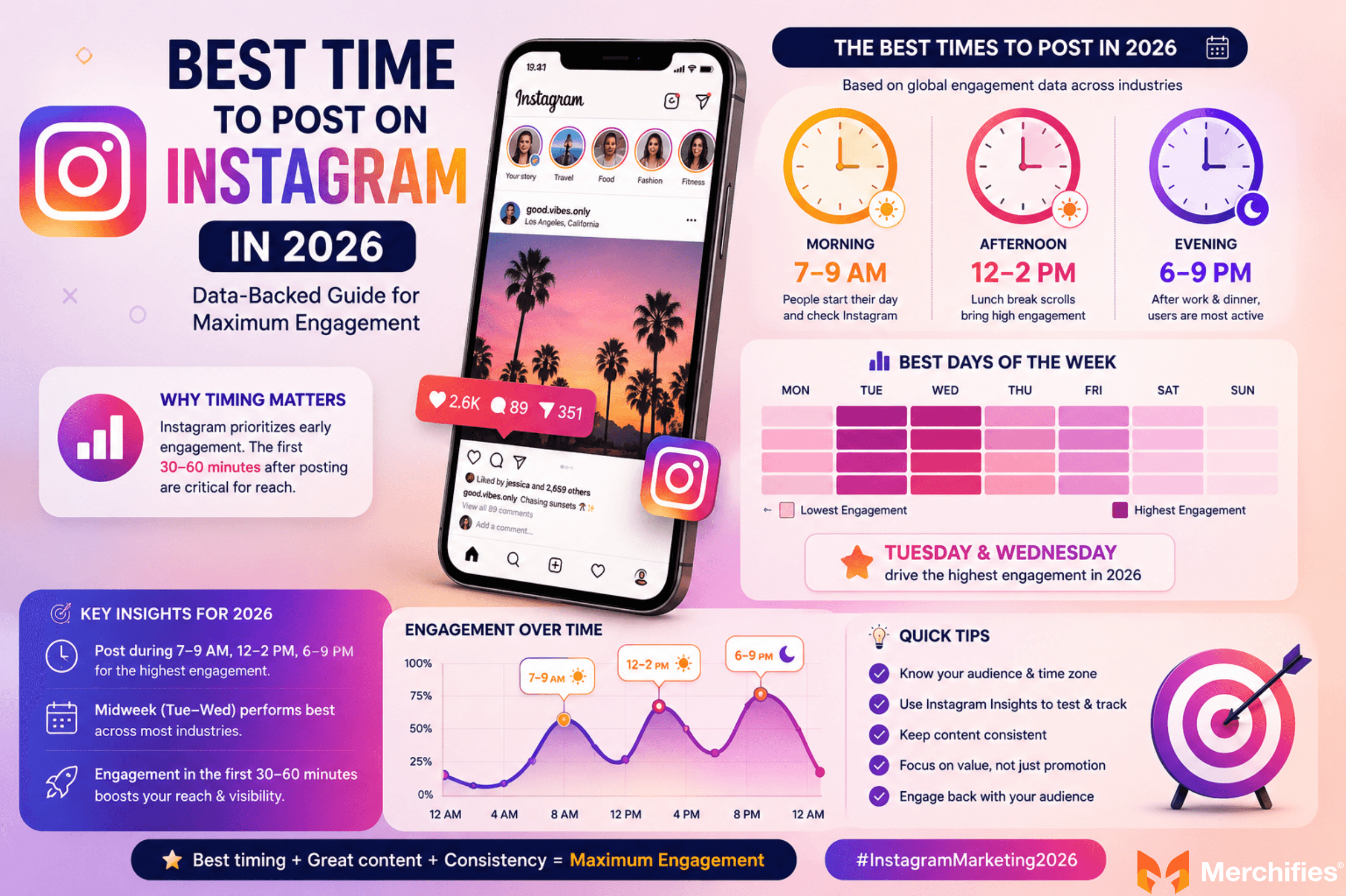
Finding the best time to post on Instagram can significantly impact your reach and engagement. In 2026, data from millions of posts shows that timing plays a key role in how quickly your content gains likes, comments, and shares—signals that influence the algorithm. In this data-backed guide to the best time to post on Instagram in 2026, you’ll learn peak posting windows like mornings (7–9 AM), lunch hours (12–2 PM), and especially evenings (6–10 PM), along with the top-performing days such as Wednesday and Thursday. You’ll also discover why early engagement matters, how the algorithm prioritizes interaction speed, and how to identify your own optimal posting schedule. Whether you’re a creator, business, or brand, these insights will help you maximize visibility and grow your audience more effectively.
Navigating Instagram's ever-changing landscape to find that sweet spot for posting can feel like a moving target. The truth is, there's no single magic hour for everyone. This guide cuts through the noise, offering actionable insights into the best time to post on Instagram, whether you're a budding creator or a seasoned brand. We'll dive into data-backed trends, algorithm nuances, and how to pinpoint the perfect schedule for your unique audience and content.
For most businesses and creators, the overall best times to post on Instagram are generally between 11 AM and 2 PM local time, Tuesday through Thursday. This window often captures audiences during lunch breaks and early afternoon lulls, maximizing visibility and engagement.
If you're looking for a broad starting point, these times tend to yield the highest engagement across various industries. Think of them as your baseline before you dive into more personalized analytics. For instance, when we analyze broad user activity, these periods consistently show higher active user counts.
Unlike posting late on a Sunday night, which often gets lost in the pre-work week slump, hitting these midweek afternoon slots typically means your content catches users when they're actively browsing their feeds. This matters because initial engagement signals tell the algorithm your content is valuable.

Getting your timing right isn't just about throwing darts at a clock; it's a strategic move informed by how Instagram works and when your audience is truly paying attention. This matters because understanding these underlying mechanics empowers you to make informed decisions beyond just following a generic list of hours.
Instagram's algorithm, often shrouded in mystery, heavily prioritizes recency and engagement. When you post, the algorithm initially shows your content to a small segment of your followers. If that segment engages quickly – with likes, comments, shares, or saves – the algorithm interprets this as a positive signal and pushes your content to a wider audience. This is where timeliness becomes critical. Posting when your followers are most active increases the likelihood of that initial burst of engagement, giving your content a better chance to go viral or simply reach more eyes.
This matters because content posted during off-peak hours, even if it's high quality, might struggle to gain that initial traction. The algorithm sees less immediate engagement, and your post can quickly get buried under newer content. Think of it like a ripple effect: a strong initial splash creates bigger waves. A common mistake I've observed is brands creating exceptional content but posting it at 3 AM local time, effectively nullifying its potential due to lack of immediate algorithmic support.
Beyond the algorithm, the human element is paramount. Your followers have lives, jobs, commutes, and routines. The optimal time to post on Instagram often aligns with these daily patterns. People tend to check Instagram during natural breaks: their morning commute, lunch breaks, short breathers during the workday, or winding down in the evening. Understanding these habits is key to catching them when they're receptive and have time to engage.
For example, a business targeting working professionals might find success during lunch hours (12 PM - 1 PM) or after work (5 PM - 7 PM), when people are typically less busy and more likely to scroll. Conversely, a brand targeting students might see spikes during school breaks or later in the evening. This also ties into the concept of "peak engagement potential," where specific days, like Tuesday, often show higher overall user activity compared to, say, a quiet Sunday morning. It’s about being present when their thumb is already scrolling.
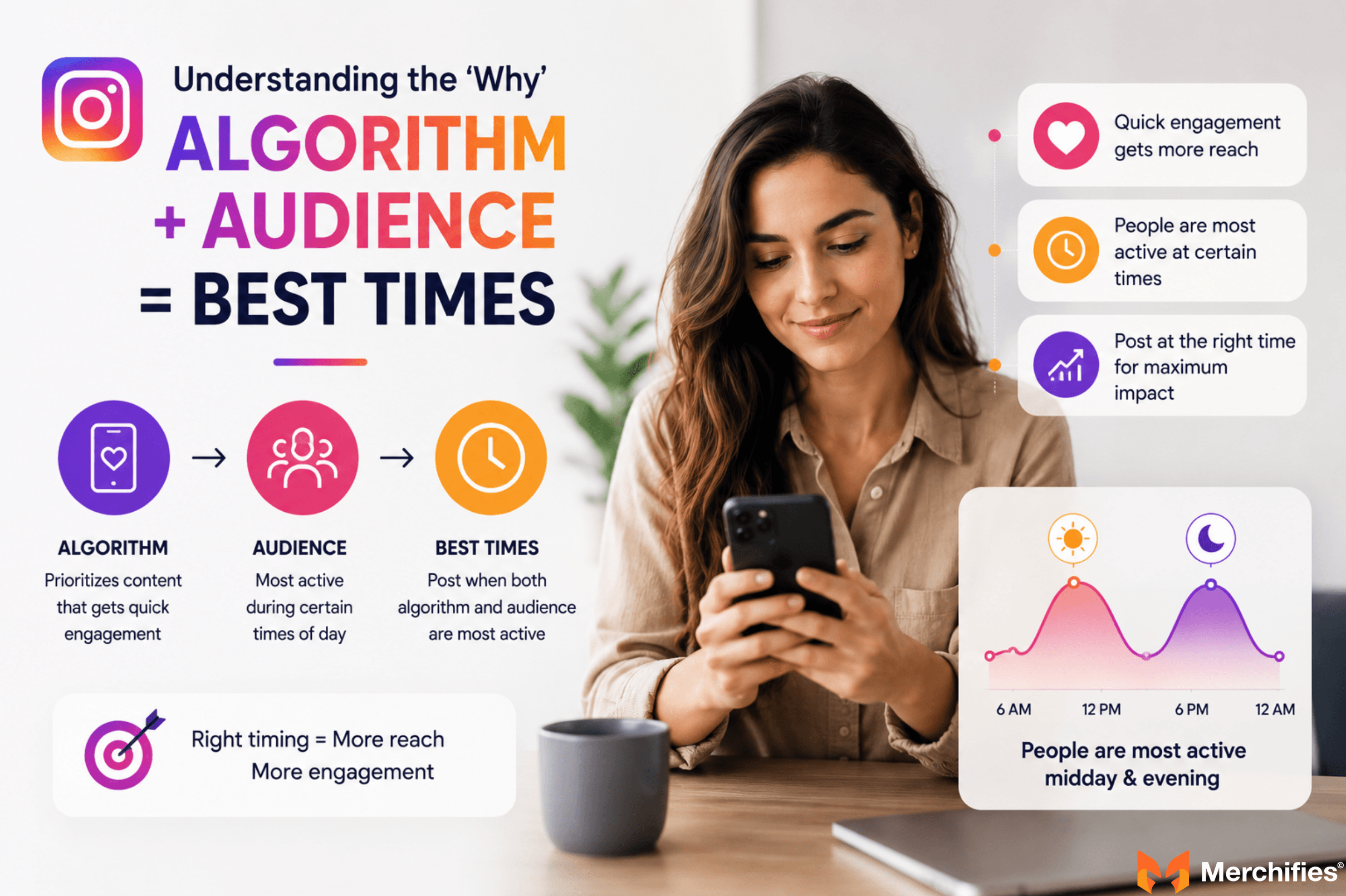
While general recommendations provide a solid foundation, breaking down optimal posting times by individual days of the week offers a more granular approach. Each day presents unique audience behaviors, influenced by work schedules, weekend anticipation, and overall mood.
On Monday, the best time to post on Instagram is often around 11 AM to 2 PM. Many users are settling back into their work or school routines, catching up on emails and tasks. This mid-morning to early afternoon window allows them a mental break to check social media.
People are often less engaged early on Monday mornings as they tackle the week's initial responsibilities. However, as the day progresses, a lunchtime scroll becomes a welcome distraction. In my experience advising B2B clients, we've seen significantly better click-through rates on Monday posts scheduled for 1 PM compared to 8 AM, likely because professionals are more receptive after their initial morning tasks are complete. This contrasts with a Friday, where morning engagement can be surprisingly high due to weekend excitement.
Tuesday consistently emerges as one of the strongest days for Instagram engagement. The optimal times generally fall between 10 AM and 3 PM. This is often when users are fully into their weekly rhythm, but perhaps not yet feeling the midweek slump or the pull of the upcoming weekend.
This extended peak window on Tuesday offers flexibility. Content posted around 11 AM often catches people during their late morning coffee breaks, while a 2 PM post can hit those afternoon lulls. It’s a prime day for important announcements or high-value content, as user attention seems to be at its most focused and responsive. We've observed that educational content, for example, often performs exceptionally well on Tuesdays, as audiences are in a 'learning' mindset.
For Wednesday, aim for 10 AM to 1 PM. Midweek can be a fantastic time for Instagram engagement, often seeing high levels of interaction as people look for a mental break from their routine. This makes it a prime day for interactive content like polls or Q&As.
The afternoon can also be strong, but the morning-to-lunch window on Wednesday often captures users who are feeling the 'hump day' effect and are more prone to a quick social media check-in. Unlike the focused engagement of a Tuesday, Wednesday sometimes leans more towards casual browsing, making it ideal for lighter, more conversational content that invites comments. Editorial take: While Wednesdays are great for interaction, I've noticed that complex, long-form captions might get less attention than on a Tuesday. Keep it concise and engaging.
Thursday's best time to post on Instagram is typically between 12 PM and 3 PM. As the week winds down, engagement remains robust, with users still active but perhaps starting to look forward to the weekend.
This afternoon slot on Thursday is perfect for content that builds anticipation, such as teasers for weekend promotions or upcoming events. It's also a good time for evergreen content that doesn't require immediate action but keeps your brand top of mind. The drop-off in engagement usually starts later in the afternoon as people shift their focus to personal plans. In my analysis of influencer campaigns, Thursday afternoon posts often generate strong save rates, indicating users are bookmarking content for later weekend consumption.
When considering the best time to post on Instagram on Friday, the window narrows slightly, with 10 AM to 12 PM often being most effective. People are generally eager for the weekend, so morning engagement can be strong as they tie up loose ends and look for distractions.
However, as the afternoon progresses, engagement typically drops off significantly. Many users are already mentally checked out or physically leaving their desks. Therefore, if you're planning to post an Instagram on Friday, hitting that morning window is crucial to catch people before they disconnect for the weekend. This is particularly true for businesses whose content isn't directly related to weekend activities. For instance, a tech company might see a steep decline after 1 PM, whereas a travel brand could potentially extend its reach slightly later in the afternoon with weekend getaway ideas. The secondary keyword "best time to post instagram on fridays" truly emphasizes this morning focus.
Weekends generally see lower overall engagement compared to weekdays, but there are still strategic windows. For Saturday, 11 AM to 1 PM can be effective, catching users after their morning routines but before afternoon activities. For Sunday, late morning around 10 AM to 12 PM, or even early evening around 7 PM, can work, as people wind down before the new week.
Weekend posting often requires a different content strategy. Casual, lifestyle-oriented content, or posts that inspire weekend activities, tend to perform better. Unlike the focused engagement of a Tuesday workday, weekend scrolling is usually more relaxed and personal. In my experience with lifestyle brands, a Sunday evening post around 7 PM, focusing on self-care or inspirational quotes, often garners surprisingly high save and share rates, as people prepare for the week ahead. This contrasts sharply with the quick, actionable engagement seen during weekday lunch breaks. The key is to match your content to the relaxed weekend mood.
Instagram isn't a monolith; different content formats cater to different consumption habits and algorithmic priorities. Understanding these distinctions is crucial for optimizing your best time to post on Instagram strategy for each type of content.
Instagram Reels thrive on quick, viral consumption. The best times to post Reels often align with peak social media browsing times, specifically when users are looking for entertainment and quick distractions. Think lunch breaks, commutes, and evening relaxation.
This matters because Reels are designed for discovery beyond your immediate followers. Posting when a large volume of users are actively scrolling increases your chances of hitting the explore page or showing up in new feeds. Unlike static feed posts, Reels benefit immensely from that initial burst of views and shares. For example, a quick tutorial Reel posted on a Wednesday at 11 AM might get significantly more traction than the same tutorial in a static carousel, simply because it aligns with a high-volume, casual browsing period.
Instagram Stories are more about "always-on" engagement and maintaining a consistent presence. While there isn't a single "best time" like with feed posts, posting throughout the day ensures your Stories remain at the front of your followers' queues. Aim for multiple story drops.
This consistent approach keeps your brand visible. Stories are often consumed in bursts throughout the day, so rather than one peak time, a steady stream works best. For instance, a small business might post a "good morning" story at 8 AM, a behind-the-scenes at 12 PM, and a product highlight at 5 PM. This ensures continuous visibility. Editorial take: Many brands underutilize Stories by treating them like mini-feed posts. Their real power lies in their ephemeral, interactive nature, making frequent, less polished updates more effective than a single, perfectly curated daily story.
Standard feed posts (photos, carousels, longer videos) are the backbone of your profile and contribute to your brand's aesthetic and long-term content strategy. The best time to post on Instagram for these is generally during those peak midweek afternoon hours.
These posts aim for sustained engagement and are often discovered later through the explore page or saved collections. Unlike Reels, which are often about instant virality, feed posts build a more lasting presence. The goal here is to catch users when they have a moment to truly appreciate a well-crafted image or read a thoughtful caption. In my experience managing content calendars, scheduling a detailed infographic as a carousel post for a Tuesday at 11:30 AM consistently outperforms the same content posted on a Friday afternoon, primarily due to the more focused attention span of the audience during that midweek window.
Instagram Live is all about real-time connection and engagement, so the optimal timing revolves around when your audience is most available for a live, interactive session. This often means after typical work or school hours.
This timing is crucial because Live content requires immediate participation. You need your audience to be free and ready to engage in the moment. Announcing your Live sessions in advance via Stories and feed posts can also significantly boost viewership, regardless of the precise time. For example, a Q&A session with a brand founder on a Wednesday at 8 PM is likely to draw a larger, more engaged audience than one held during a busy lunch hour, simply because people have more dedicated time to participate.
General best times are a starting point, but your industry dictates specific audience behaviors. What works for a fashion brand might fall flat for a B2B SaaS company. Tailoring your best time to post on Instagram to your niche is critical for maximizing relevance and impact.
For e-commerce and retail brands, optimal posting times often align with shopping habits, lunch breaks, and evening browsing. The goal is to capture impulse buys and inspire discovery when users have free time to browse and consider purchases.
This timing capitalizes on moments when people are either taking a break at work or relaxing at home, making them more receptive to product showcases and promotions. In my experience with retail clients, a compelling product Reel posted on a Wednesday at 1 PM often sees higher direct traffic to product pages than a similar post on a Monday morning, as users are more in a browsing mood. This contrasts with, say, a B2B post that needs to catch attention during focused work hours.
Media and publishing brands thrive on capturing attention quickly, especially with timely news or trending topics. Their best time to post on Instagram often mirrors news cycles and commute times.
This strategy aims to hit users when they're actively seeking information or have downtime to consume content. For a news outlet, breaking news posted at 8 AM might go viral, while a feature piece shared at 5 PM could be saved for later reading. Editorial take: While timely content is key, media brands often flood feeds without considering content fatigue. Strategically spacing out high-value, longer-form pieces during peak attention hours can be more effective than constant, low-value updates.
Education and non-profit organizations often aim to inform, inspire, and mobilize their communities. Their optimal posting times revolve around when their audience is most receptive to learning or engaging with a cause.
This ensures content is seen when people have the mental space to absorb information or consider taking action. For a non-profit, a powerful story about their impact posted on a Tuesday at 1 PM could generate more donations than one shared late on a Friday. This is because the audience is in a more attentive state. When I've worked with educational platforms, we've found that tutorial snippets posted on a Wednesday at 11 AM often lead to higher website click-throughs for full courses.
Food and hospitality businesses rely heavily on visual appeal to entice customers. Their best time to post on Instagram often aligns with meal times and anticipation of dining experiences.
This timing directly taps into hunger cues and planning for meals. Posting a delicious dinner photo at 6 PM, for instance, can directly influence someone's decision on where to eat that evening. In my analysis for restaurant chains, posts showcasing new menu items at 5:30 PM on a Thursday often see a direct correlation with increased foot traffic that evening and through the weekend, far outperforming similar posts made during off-peak hours.
Tech and SaaS companies typically target professionals, so their posting times should align with business hours and professional browsing habits. The focus is on thought leadership, product updates, and valuable industry insights.
This timing aims to reach professionals when they're at their desks, taking short breaks, or looking for industry news. Unlike a retail brand, a SaaS company might find early morning posts more effective as professionals check their feeds before diving into tasks. A case study posted on a Tuesday at 10 AM, for example, is more likely to be read and shared by a target professional than if it were posted on a Saturday afternoon. This demonstrates a clear difference in audience behavior compared to more consumer-focused industries.
Health and wellness brands often deal with personal topics, requiring a thoughtful approach to timing. Optimal times are when audiences are likely to be reflecting, planning, or seeking inspiration for self-improvement.
This allows brands to connect with audiences during moments of personal reflection or planning for their well-being. A meditation guide posted at 7:30 AM could resonate with someone starting their day, while a healthy dinner recipe at 6 PM could inspire evening meal prep. In my experience with fitness brands, a workout Reel posted at 6:45 AM on a Monday consistently generates high engagement, tapping into people's renewed commitment to health at the start of the week.
For highly niche industries, general trends serve as a starting point, but deep audience understanding is paramount. You might find your unique best time to post on Instagram deviates significantly from the averages.
For example, a late-night gaming community might thrive on posts at 10 PM, while a specialized B2B industrial supplier might find peak engagement at 7 AM. The key is to test, observe, and adapt. Consider when your specific niche audience is most likely to be online and in the right mindset for your content. This often means looking beyond broad demographic data and into the specific subcultures and routines of your target group. Editorial take: The biggest mistake niche brands make is blindly following general advice. Your 300 highly engaged followers in a specific niche are more valuable than 30,000 generic followers, so optimize for *them*, not the masses.
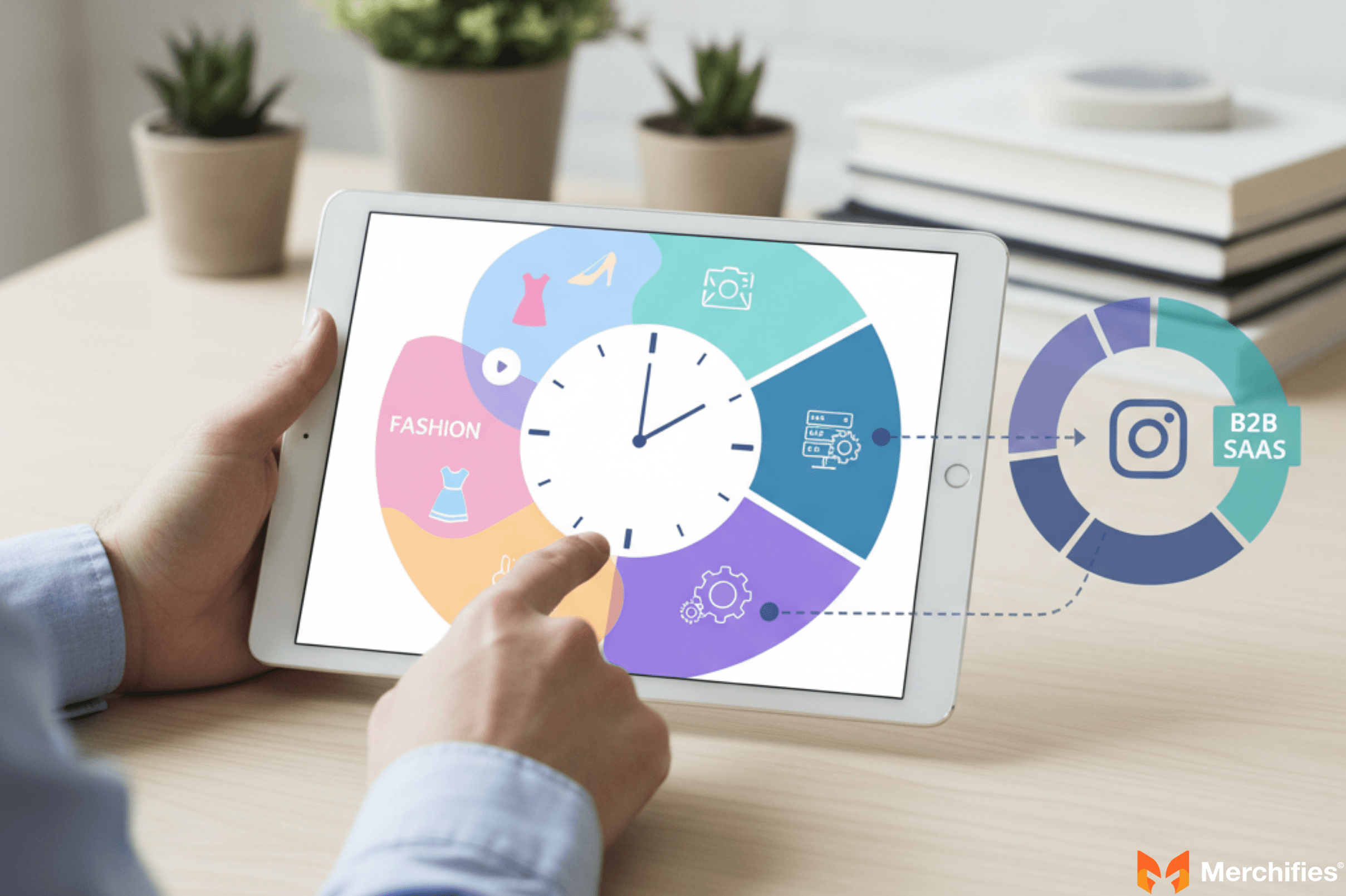
Relying solely on industry averages is like wearing a one-size-fits-all suit – it might cover you, but it won't fit perfectly. To truly optimize your Instagram strategy, you need to look beyond general recommendations and uncover the unique patterns of your own audience. This is where data-driven personalization comes in, especially for a SaaS business looking to maximize lead generation and brand awareness.
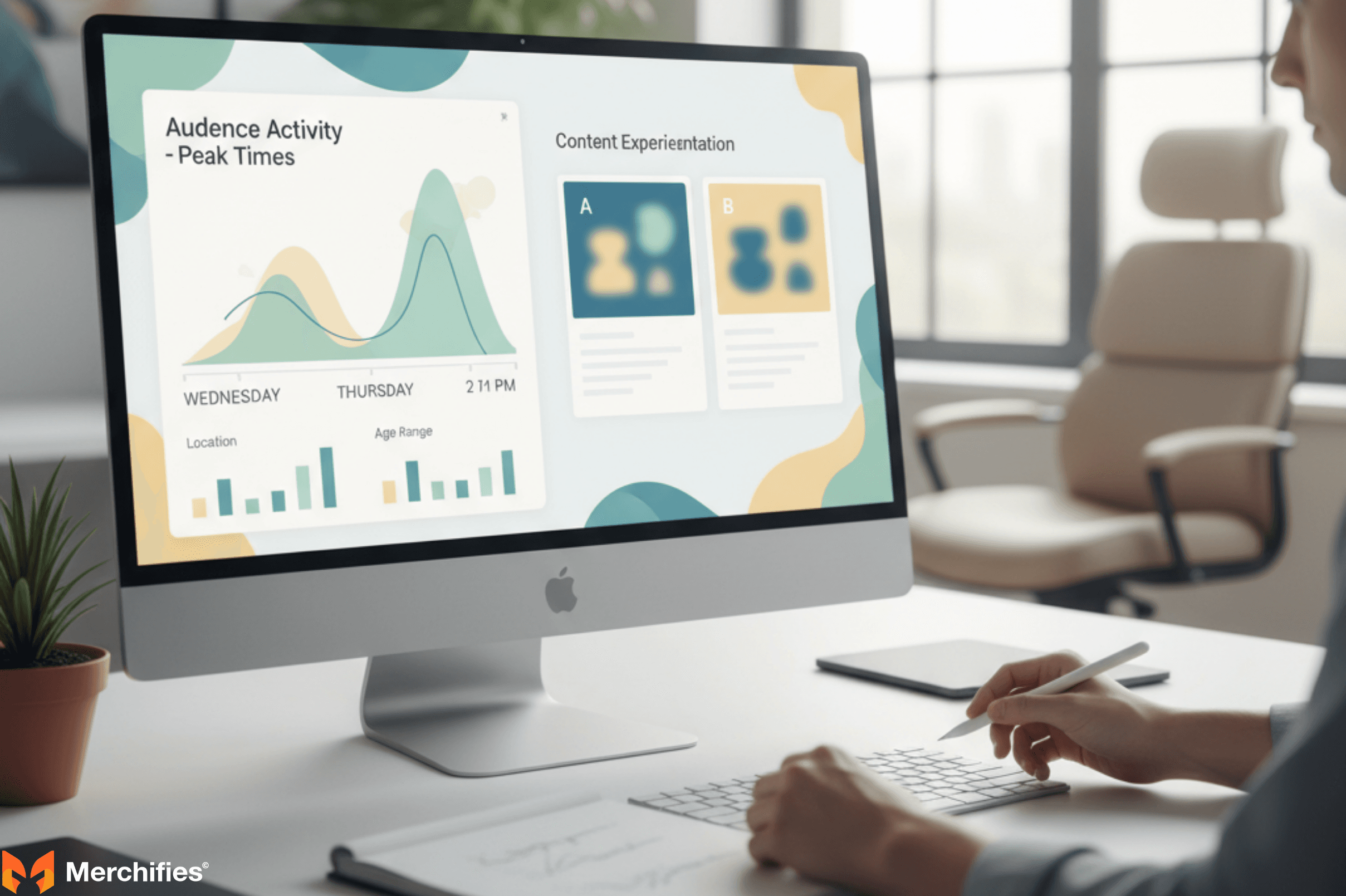
Instagram Insights is your most valuable, free tool for understanding your audience's behavior. Navigate to the "Audience" tab within Insights, and you'll find data on where your followers are located, their age range, gender, and crucially, when they are most active on Instagram.
This feature shows you the days and hours when your followers are most online, often presented as a graph. For a SaaS company, this data is gold. If Insights shows your audience is most active on Wednesdays at 1 PM and Thursdays at 2 PM, those become your primary targets for posting product updates or thought leadership content. This direct feedback is far more reliable than generic advice. Understanding Instagram Insights is the foundational step for any data-backed strategy.
Once you have a hypothesis from Instagram Insights, it's time to put it to the test with A/B testing. This involves posting similar content at different times to see which performs better in terms of engagement metrics like likes, comments, shares, and saves. For a SaaS brand, this might mean posting an infographic about a new feature at 11 AM on Tuesday one week, and then an identical infographic at 1 PM on Wednesday the next.
Track the results meticulously. Look for trends. Does content posted on a Monday morning consistently underperform, even if Insights suggests some activity? This iterative process helps refine your understanding of your audience's true engagement patterns. For example, in our experience with a B2B SaaS client, A/B testing revealed that while general insights pointed to 1 PM on weekdays, their specific audience of IT professionals actually engaged more with detailed product deep-dives at 9 AM on Tuesdays, before their busy meeting schedules kicked in.
Observing what your competitors are doing can provide valuable clues, though it should never be your sole strategy. Pay attention to when successful competitors in your niche post their most engaging content. Tools like Sprout Social or Hootsuite can offer competitive analysis features, but even manual observation can yield insights.
Look for patterns: Do their high-performing posts consistently appear at a particular time of day or day of the week? If a leading SaaS competitor consistently posts their most engaging content around 10 AM on a Tuesday, it might indicate that their shared audience segment is active and receptive at that time. This is not about copying, but about identifying potential windows of opportunity that warrant your own A/B testing.
Time zones are critical, especially for a SaaS company with a global or nationally diverse customer base. Your "best time" in New York might be the middle of the night in London or early morning in California. Always consider your primary audience's local time zone when scheduling. If your audience is spread across multiple time zones, you might need to schedule multiple posts or choose a time that overlaps with peak activity in your most important regions.
For instance, if your SaaS product serves both EST and PST users, a 1 PM EST post might be too late for PST users to engage effectively. You might instead opt for a 10 AM EST (7 AM PST) post to catch early risers on the West Coast, or a 3 PM EST (12 PM PST) post to hit lunch breaks across both coasts. This strategic thinking ensures your content is timely for the right segments of your audience. Editorial take: Many brands with global aspirations default to a single time zone. This is a missed opportunity. Smart use of time zone data can dramatically expand your reach without increasing content output.
For a robust, data-driven strategy, especially for a SaaS company with multiple campaigns and content types, a social media management tool is indispensable. Platforms like Buffer, Sprout Social, Hootsuite, or Later offer advanced scheduling capabilities, allowing you to queue posts for specific optimal times.
Beyond scheduling, these tools provide deeper analytics than Instagram Insights alone. They can track post performance over time, compare different posting times, and even suggest optimal times based on your historical data. This integration streamlines your workflow, ensures consistency, and provides the comprehensive data needed to continually refine your best time to post on Instagram strategy, turning insights into actionable improvements.
Finding the best time to post on Instagram isn't a one-and-done task; it's an ongoing process. Audience behaviors evolve, algorithms shift, and your content strategy matures. A successful long-term approach demands flexibility and a commitment to continuous optimization.
It’s a common dilemma: should you prioritize posting at the absolute best time, even if it means less frequent posts, or maintain a consistent schedule regardless of granular optimization? The answer often lies in finding a balance. Consistency is vital for the Instagram algorithm, which favors accounts that post regularly, and for your audience, who learn to expect your content.
However, consistent posting at suboptimal times can be less effective than slightly less frequent posting at peak engagement hours. The ideal approach is to identify your prime windows (e.g., Tuesday-Thursday afternoons) and consistently post within those. If you can only manage three posts a week, ensure those three hit your known optimal times. For brands with more resources, maintaining consistent daily content during peak windows, combined with more frequent Stories, creates a powerful presence. The Instagram algorithm in 2026 still rewards consistency as a key factor.
Your optimal posting times aren't static; they can shift with seasons, holidays, and specific campaigns. For example, during summer months, evening engagement might be lower as people are out enjoying the weather, while lunchtime engagement could increase as people seek air-conditioned breaks. Similarly, holiday seasons like Black Friday or Christmas will see different engagement peaks as users are actively shopping or seeking inspiration.
Integrate these seasonal adjustments into your content calendar. Plan your campaigns around these shifts. A fashion brand, for instance, might push more weekend-focused content in the summer when people are planning social activities, and then shift to weekday workwear posts in the fall. Regularly review your analytics to spot these macro trends and adapt your best time to post on Instagram accordingly, ensuring your content remains relevant and timely.
-d4c38c342cdf20ca.jpeg)


-b555fcc6b204c456.jpeg)