 Worldwide Shipping
 Secure Payments
 Free Return
 Local Support


-da0801079a650a2e.jpeg)
17 Year Anniversary Quotes: 110+ Funny, Romantic & Furniture Wishes (2026)
Mar, 12 2026
This ultimate guide explains why wearing cotton clothes in summer helps you stay cool and comfortable. Learn about cotton’s breathability, moisture absorption, and lightweight feel, plus practical styling tips to create fresh, effortless outfits for warm weather days.
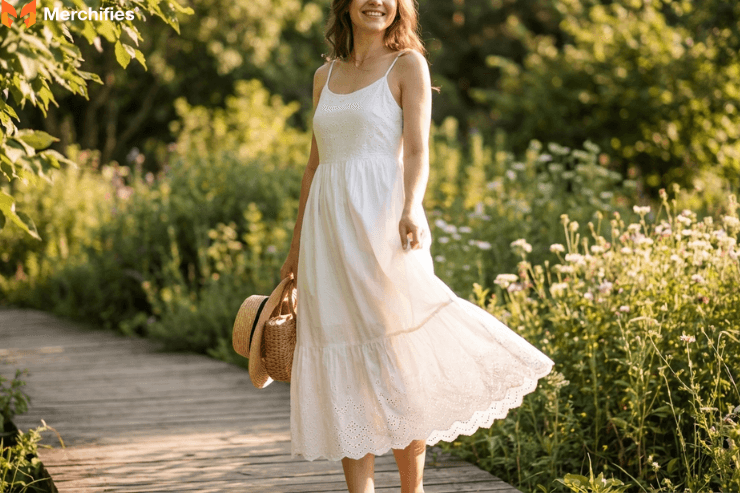
Summer is synonymous with sunshine, longer days, and that persistent quest for comfort in the face of rising temperatures. We all seek clothing that helps us stay cool and collected, and cotton, a natural fiber woven into the fabric of our lives, often emerges as the go-to choice. But is it truly the ideal summer fabric, or are there nuances we should consider?
This article, crafted with insights from textile researcher and apparel materials writer Daniel Harper Cole, delves deep into the world of wearing cotton clothes in summer. We’ll explore its widely celebrated benefits, confront its surprising drawbacks, guide you through choosing the best types of cotton, and share smart strategies to maximize your comfort. Our goal is to empower you with balanced, in-depth knowledge so you can make informed decisions and truly master summer dressing.
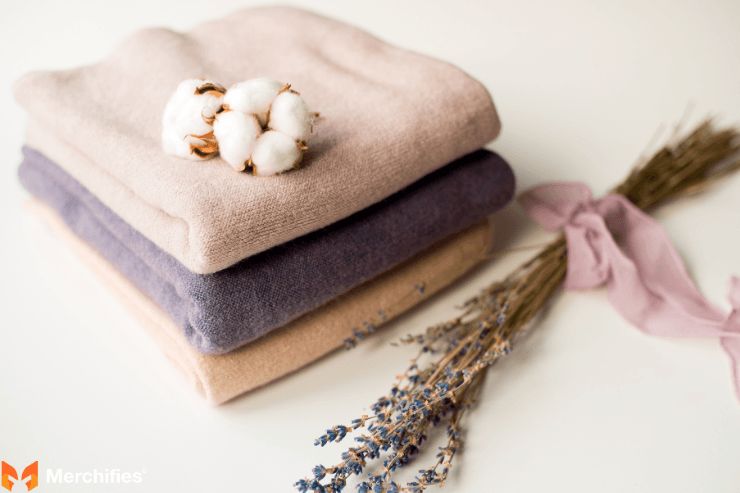
Cotton’s widespread popularity, especially when it comes to wearing cotton clothes in summer, isn't accidental. It offers a suite of benefits that make it a perennial favorite for warm weather.
One of cotton's standout features is its inherent breathability. The natural fibers and their typical weave create tiny air pockets that allow air to circulate freely. This open structure prevents heat from getting trapped against your skin, a critical factor in maintaining a comfortable body temperature when the mercury climbs.
There’s little denying the gentle, comforting feel of cotton against the skin. Unlike some synthetic alternatives, cotton is remarkably soft, minimizing irritation, which is particularly crucial when humidity causes stickiness. Its hypoallergenic properties further enhance its appeal, making it a safe and soothing choice for those with sensitive skin.
Cotton excels at soaking up moisture. When you first start to perspire, cotton effectively absorbs sweat from the skin’s surface, providing an immediate feeling of dryness. This natural absorbency helps to manage light perspiration, keeping you feeling fresh in moderately warm conditions.
Beyond comfort, cotton is a highly practical fabric. It’s known for its robustness, standing up well to everyday wear and frequent washing. Its widespread availability and affordability also mean that wearing cotton clothes in summer is an accessible option for almost everyone, requiring no special care routines.
From casual t-shirts and shorts to elegant summer dresses and crisp button-downs, cotton’s versatility is boundless. It drapes well, takes dyes beautifully, and can be fashioned into an endless array of garments suitable for various summer occasions, always presenting a clean, classic aesthetic.
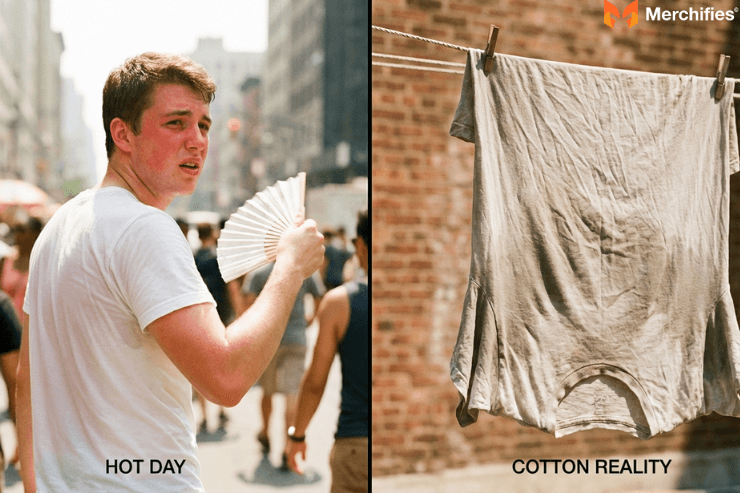
While cotton has undeniable strengths, it's crucial to understand its limitations, especially concerning wearing cotton clothes in summer when temperatures and activity levels peak. This is where Daniel Harper Cole’s expertise in real-life fabric performance truly comes into play.
Here’s a crucial insight: while cotton is highly absorbent, its major drawback is that it retains moisture once saturated. As Daniel Harper Cole explains from his extensive textile research, unlike modern moisture-wicking fabrics designed to pull sweat away and spread it for rapid evaporation, cotton holds onto water within its fibers. This means that once you start sweating significantly, your cotton clothes become damp and stay that way for a considerable time. The consequence? You can feel clammy, heavy, and sticky, and even experience a chilling effect if you move from warm outdoor air into a cool, air-conditioned environment.
A sweat-soaked cotton garment becomes noticeably heavier. This added weight can make the fabric cling uncomfortably to your body, impeding movement and airflow. Furthermore, prolonged dampness and friction from clinging fabric can lead to chafing, particularly in areas like the inner thighs or underarms, turning a day of enjoyment into one of discomfort.
Cotton’s natural fibers are also susceptible to wrinkling. While a relaxed, slightly rumpled look can be charmingly casual, it might not be ideal for travel or situations requiring a more polished appearance, demanding extra ironing or steaming.
Because cotton holds onto moisture, it can sometimes create a damp environment that, if not dried promptly, becomes a breeding ground for bacteria. This can lead to lingering odors that are harder to remove, making fresh clothes feel less than pristine.
$12.79
$22.79
43% off
$12.79
$22.79
43% off
$12.79
$22.79
43% off
$12.79
$22.79
43% off
$12.79
$22.79
43% off
$12.79
$22.79
43% off
$12.79
$22.79
43% off
$12.79
$22.79
43% off
$12.79
$22.79
43% off
$12.79
$22.79
43% off
$12.79
$22.79
43% off
$12.79
$22.79
43% off
$12.79
$22.79
43% off
$12.79
$22.79
43% off
$12.79
$22.79
43% off
$12.79
$22.79
43% off
$12.79
$22.79
43% off
$12.79
$22.79
43% off
$12.79
$22.79
43% off
$12.79
$22.79
43% off
$12.79
$22.79
43% off
$12.79
$22.79
43% off
$12.79
$22.79
43% off
$12.79
$22.79
43% off
$12.79
$22.79
43% off
$12.79
$22.79
43% off
$12.79
$22.79
43% off
$12.79
$22.79
43% off
$12.79
$22.79
43% off
$12.79
$22.79
43% off
$12.79
$22.79
43% off
$12.79
$22.79
43% off
$12.79
$22.79
43% off
$12.79
$22.79
43% off
$12.79
$22.79
43% off
$12.79
$22.79
43% off
$12.79
$22.79
43% off
$12.79
$22.79
43% off
$12.79
$22.79
43% off
$12.79
$22.79
43% off
$12.79
$22.79
43% off
$12.79
$22.79
43% off
$12.79
$22.79
43% off
$12.79
$22.79
43% off
$12.79
$22.79
43% off
$12.79
$22.79
43% off
$12.79
$22.79
43% offNot all cotton is created equal, and understanding the nuances of different types is key to successful wearing cotton clothes in summer.
The construction of your cotton garment significantly impacts its performance in heat.
Lightweight vs. Heavyweight: Always opt for lightweight cotton. Think thin, airy weaves like cotton voile, lawn, or batiste. These are fine, sheer fabrics that feel barely there. Seersucker, with its puckered texture, is another excellent choice as it lifts the fabric slightly away from the skin, enhancing airflow.
Open Weaves: Looser weaves, such as gauze or eyelet, offer superior breathability due to their more open structure, allowing maximum air circulation.
Poplin/Chambray: These tighter weaves still offer good breathability and are suitable for more structured summer pieces like shirts or light jackets, providing a crisp yet comfortable feel.
Sometimes, the best cotton for summer isn't 100% cotton but a smart blend, as Daniel Harper Cole often highlights in his analyses of textile performance.
Cotton-Linen: This blend combines cotton's softness with linen's ultimate breathability and quick-drying properties, resulting in a fabric that's airy, textured, and less prone to severe wrinkling than pure linen.
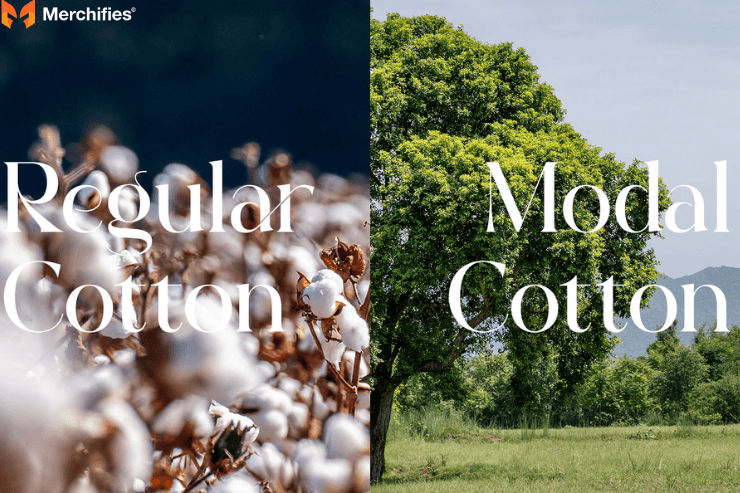
Cotton-Modal/Tencel: Adding modal or Tencel (regenerated cellulose fibers) to cotton enhances its softness, drape, and significantly improves moisture management, making it feel cooler against the skin.
Cotton-Synthetics (e.g., Polyester): For specific needs, like enhanced durability, stretch, or much faster drying, cotton-polyester blends can be useful. However, for general casual wear, pure cotton or cotton-natural blends often offer a superior natural feel and breathability.
For those prioritizing environmental benefits and often a softer, higher-quality feel, organic cotton is a superb choice. Grown without harmful pesticides, it's not only better for the planet but can also be gentler on sensitive skin.
To truly make wearing cotton clothes in summer a comfortable experience, integrate these practical styling and care tips.
Embrace Loose-Fitting Silhouettes
The golden rule for hot weather dressing is to allow air to flow freely around your body. Choose relaxed-fit garments – oversized shirts, wide-leg trousers, flowy dresses. Loose fabric prevents clinging, reducing sweat buildup and enhancing the cooling effect of natural air circulation.
Opt for Lighter Colors
It’s a simple scientific principle: lighter colors reflect sunlight, while darker colors absorb it. Dressing in whites, pastels, and other light hues can significantly help you feel cooler by deflecting heat rather than drawing it in.
Layer with Intention
Even in summer, temperatures can fluctuate, especially from intense outdoor heat to often overly air-conditioned indoor spaces. Light cotton layers, like an open cotton shirt or a light cardigan, allow you to adapt comfortably without feeling bulky or trapped.
Consider the Activity Level
Cotton is fantastic for casual wear, leisurely strolls, or relaxing outdoors. However, for intense workouts, long hikes, or any activity involving significant perspiration, cotton’s moisture-retaining properties become a liability. For these situations, opt for performance synthetics or merino wool, which excel at wicking moisture away.
To keep your cotton feeling fresh and performing its best:
Washing Tips: Wash in cool water with a gentle cycle to prevent shrinkage and preserve the fabric’s integrity.
Drying Tips: Air drying is ideal for cotton. If using a dryer, opt for a low heat setting. Crucially, ensure cotton garments are completely dry before storing to prevent mildew and lingering odors.
While wearing cotton clothes in summer is a great choice, it's helpful to know how it stacks up against other popular warm-weather fabrics.
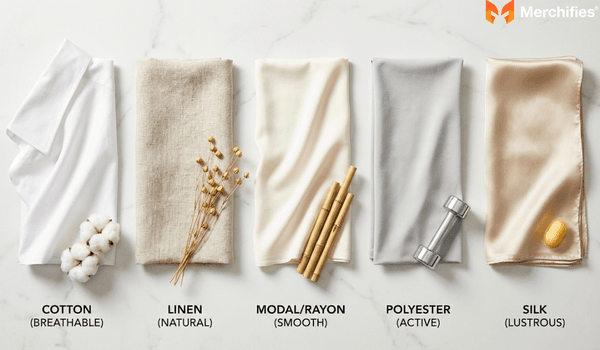
Linen
Pros: The ultimate in breathability and incredibly quick-drying. Its natural stiffness creates an airy separation from the skin.
Cons: Very prone to wrinkling, which some find appealingly rustic, others frustrating. Can feel a bit stiff initially.
Rayon/Viscose/Modal/Tencel
Pros: These regenerated cellulose fibers offer a silky feel, excellent drape, and good absorbency. They often feel cooler than cotton due to their smooth surface and enhanced moisture management.
Cons: Can be less durable when wet, requiring careful washing. Some types of rayon are prone to wrinkling.
Performance Synthetics (e.g., Polyester/Nylon blends for activewear)
Pros: Engineered for superior wicking, quick-drying, and extreme durability. Ideal for high-intensity activities.
Cons: Can feel less natural against the skin, and some types are known to retain odors. Generally less breathable than natural fibers for casual, everyday wear.
Silk
Pros: Lightweight, luxurious, and surprisingly breathable, silk naturally regulates temperature, making it comfortable in both heat and cold.
Cons: Delicate, expensive, and can show sweat marks prominently. Requires careful handling and cleaning.
So, is wearing cotton clothes in summer the right choice? Absolutely, for many situations! Cotton remains an excellent option due to its unparalleled comfort, natural breathability, and soft feel against the skin. However, as Daniel Harper Cole’s analysis emphasizes, understanding its limitations—particularly its tendency to retain moisture—is key to truly maximizing your comfort.
By choosing lightweight, loosely woven cottons, opting for smart blends, embracing relaxed fits, and dressing in lighter colors, you can fully leverage cotton's benefits. For high-activity days, consider alternatives. Armed with this knowledge from a seasoned textile expert like Daniel Harper Cole, you’re now perfectly equipped to make intelligent clothing choices for a truly cool and comfortable summer.
-d4c38c342cdf20ca.jpeg)


-b555fcc6b204c456.jpeg)