 Worldwide Shipping
 Secure Payments
 Free Return
 Local Support
-da0801079a650a2e.jpeg)
17 Year Anniversary Quotes: 110+ Funny, Romantic & Furniture Wishes (2026)
Mar, 12 2026
This ultimate guide explores the best fabrics for summer, highlighting breathable, lightweight, and moisture-wicking materials. Learn how to choose the right textiles to stay cool, comfortable, and stylish during hot weather while making smart wardrobe decisions.

Summer brings sunshine, outdoor adventures, and a yearning for comfort. But let's be honest, it also brings sweat, discomfort, and the dreaded sticky feeling that can quickly put a damper on your day. What if I told you that transforming your entire summer experience could be as simple as choosing the right clothes? It’s not just about style; it’s about intelligent dressing, picking materials that work with your body and the climate, not against them.
As Daniel Harper Cole, a textile researcher and apparel materials writer with over a decade of hands-on experience, I’ve spent countless hours analyzing fabric performance, comfort, and wearability. My goal is to help you cut through the marketing jargon and understand how fabrics truly feel, perform, and behave in real-life use, especially when the temperatures soar. Together, we'll explore the best fabrics for summer, ensuring you stay cool, confident, and utterly comfortable.
We've all been there: a beautiful summer day ruined by an outfit that traps heat, clings uncomfortably, and leaves you feeling clammy. The common struggles of summer heat—excessive sweating, chafing, and general discomfort—are often exacerbated by poor fabric choices. Many people simply grab whatever's available, unaware that the textile's properties play a crucial role in regulating body temperature and managing moisture.
Choosing the right summer fabric isn’t just a minor detail; it’s a game-changer. The material directly impacts air circulation, how sweat is handled, and even how heavy or restrictive your clothing feels. An informed fabric choice can transform a sweltering experience into one of refreshing ease, allowing you to fully embrace the season without a second thought about discomfort.
When you're searching for the best fabrics for summer, you need to understand the science behind comfort in warm weather. It’s about more than just a light color; it’s about how the fibers and weave interact with your body and the environment. As Daniel Harper Cole often emphasizes, "Understanding these core properties empowers you to make informed clothing choices based on actual performance, not just appearance."
Breathability: How Air Circulation Prevents Overheating
Breathability is paramount. It refers to a fabric's ability to allow air to flow through it, preventing heat from getting trapped against your skin. This air circulation is crucial for regulating your body temperature, letting excess heat escape and fresh, cooler air in. Fabrics with open weaves or natural fibers tend to be more breathable, creating a mini-climate around your body that keeps you comfortable.
Moisture Management: Wicking vs. Absorbency
Sweat is your body's natural cooling mechanism, so how your clothing handles it is vital.
Lightweight Feel: The Comfort of Not Being Weighed Down
In hot weather, the last thing you want is clothing that feels heavy or bulky. Lightweight fabrics minimize the physical burden on your body, allowing for greater freedom of movement and contributing to an overall cooler sensation. They also tend to dry faster and feel less restrictive.
Softness & Drape: How the Fabric Feels Against the Skin and Moves with the Body
The tactile experience of a fabric is incredibly important for summer comfort. A soft fabric feels pleasant against bare skin, reducing irritation and chafing. Drape refers to how a fabric hangs and flows. Good drape means the fabric moves gracefully with your body, preventing clinginess and allowing for better air circulation between your skin and the fabric.
Durability & Easy Care: Practical Considerations for Everyday Summer Wear
While comfort is king, practicality matters too. Summer clothes often face more frequent washing due due to sweat and outdoor activities. Fabrics that are durable and easy to care for – resisting wrinkles, holding their shape, and washing well – save you time and effort, making them truly suitable for everyday summer wear.
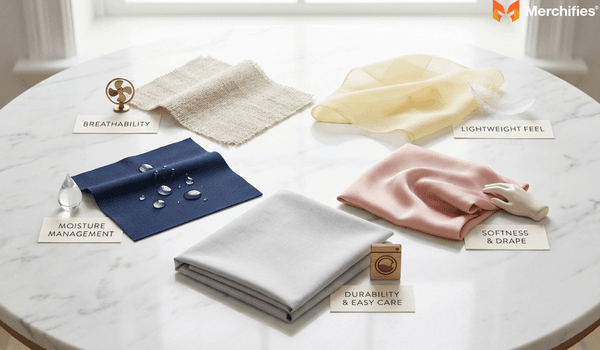
Now that we understand what makes a fabric great for summer, let's dive into the specific materials that excel in hot weather. From my years of fabric testing and long-term wear observations, Daniel Harper Cole has found these to be consistently reliable for summer comfort.
Linen: The Classic Summer Staple
Linen is undeniably the king of summer fabrics for many.
Cotton: The Versatile Everyday Choice
Cotton is a ubiquitous natural fiber for good reason.
Rayon (Viscose, Modal, Lyocell/Tencel™): The Silky & Sustainable Options
Rayon is a semi-synthetic fiber derived from wood pulp, prized for its luxurious feel.
Hemp: The Durable & Eco-Conscious Pick
Hemp is an ancient fiber making a modern comeback, particularly in sustainable fashion circles.
Seersucker: The Textured Breathability Expert
Seersucker stands out with its distinctive puckered texture.
Silk: For Elegant Summer Evenings (With Caution)
Silk, a natural protein fiber, is known for its exquisite luster and feel.
Performance Synthetics (Polyester Blends, Nylon for Activewear): When You Need to Sweat
For intense activity, engineered synthetics are often the best fabrics for summer.
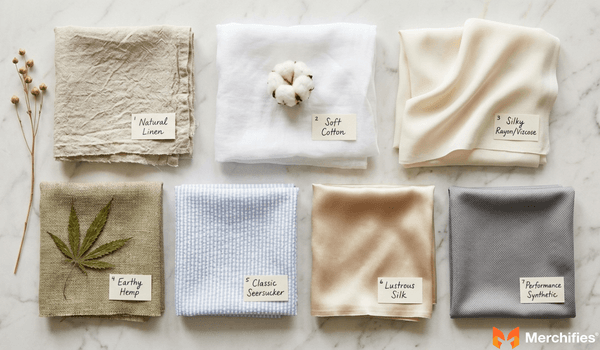
Understanding the individual properties of these summer fabrics is one thing; applying that knowledge to your personal needs is another. This is where Daniel Harper Cole's practical, sensory-based lens really comes into play, helping you bridge the gap between theory and everyday comfort.
For Casual Everyday Wear & Lounging:
When it comes to daily comfort and relaxation, you can't go wrong with Cotton, Linen, Rayon, or Hemp.
Consider blends (e.g., linen-cotton) for an ideal balance of comfort, breathability, and reduced wrinkling. These provide the best of both worlds – the crispness of linen with the softness of cotton.
For Active Lifestyles & Workouts:
If your summer involves breaking a sweat, whether at the gym or on a trail, your focus shifts.
Performance Synthetics are your go-to. Look for labels specifically mentioning moisture-wicking and quick-drying properties.
Lightweight Hemp or specific Cotton blends designed for activity can also work well, particularly if you prefer natural fibers.
For Work & Formal Occasions:
Maintaining a professional appearance while staying cool requires a thoughtful approach.
Lightweight wool blends (yes, wool can be cooling!) are excellent for suits, while high-quality Linen blends, refined Rayon, or sophisticated Silk can work for dresses, blouses, and tailored separates.
The key is to balance a polished look with the necessary breathability.
For Sleepwear & Relaxation:
Your sleep environment significantly impacts comfort.
Prioritize materials like soft Cotton, luxurious Silk, or wonderfully soft Modal. These offer unparalleled skin comfort and help regulate your body temperature throughout the night.
Considering Your Climate & Activity Level:
Your local environment plays a huge role.
High humidity demands fabrics that excel at moisture-wicking and quick-drying (synthetics, Tencel™).
Dry heat can tolerate more absorbent materials like linen and cotton, which feel crisp.
Are your days mostly sedentary or are you constantly active? This will dictate whether breathability alone is enough, or if active moisture management is essential.
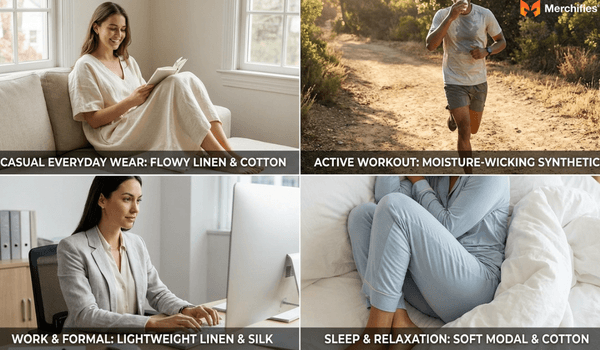
Absolutely! Fabric blends are a clever way to combine the benefits of different fibers while mitigating their drawbacks. A linen-cotton blend, for instance, offers the breathability of linen with cotton's softness and slightly less wrinkle-proneness. Polyester-cotton blends can add durability and quicker drying to everyday wear. As Daniel Harper Cole has observed in his material studies, "Blends are often designed to optimize for specific performance criteria, giving you a tailored comfort experience."
Once you've invested in the best fabrics for summer, knowing how to care for them is crucial for their longevity and your continued comfort. Proper care ensures your clothes remain breathable, retain their shape, and stay fresh.
Washing Instructions by Fabric Type:
Drying Tips: Air Drying vs. Machine Drying:
Ironing vs. Embracing Wrinkles: When to Press, When to Let Go:
Odor Management for Performance Fabrics:
Performance synthetics can sometimes retain odors. To prevent and remove sweat smells:
Wash promptly after wear.
Use specialized sports detergents.
Add a cup of white vinegar to the wash cycle occasionally.
Avoid using too much fabric softener, as it can build up on synthetic fibers and trap odors.
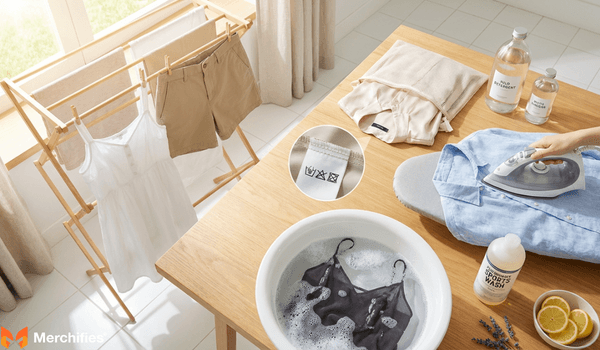
Choosing the best fabrics for summer doesn’t have to be a guessing game. By understanding the key properties like breathability, moisture management, and lightweight feel, you're empowered to make choices that truly enhance your comfort. We’ve explored the versatility of linen, cotton, rayon, hemp, seersucker, silk, and performance synthetics, each offering unique benefits for different occasions and climates.
I encourage you to experiment, to feel the fabrics, and to find what works best for your personal preferences and the climate you live in. Summer comfort is not just a dream; it's an achievable reality with informed fabric choices. With these insights from Daniel Harper Cole, you're now equipped to build a summer wardrobe that keeps you cool, confident, and stylish, no matter how high the mercury climbs. Embrace the season, comfortably.
-d4c38c342cdf20ca.jpeg)


-b555fcc6b204c456.jpeg)