 Worldwide Shipping
 Secure Payments
 Free Return
 Local Support
-da0801079a650a2e.jpeg)
17 Year Anniversary Quotes: 110+ Funny, Romantic & Furniture Wishes (2026)
Mar, 12 2026
Back-to-school season is an exciting opportunity for students, parents, and teachers to prepare for a fresh start. From organizing supplies and setting goals to building productive routines, thoughtful preparation can make the transition into a new school year smoother and more successful. In this ultimate guide to back to school, you’ll find practical tips, preparation checklists, organization strategies, and helpful advice for navigating the school year with confidence. Whether you're starting a new grade, returning after a break, or helping a student get ready, this guide covers everything you need for a positive and productive start.

The transition from summer freedom to structured learning remains a significant annual event for families. As the academic year approaches, preparing for a successful return to the classroom becomes a top priority. This ultimate guide equips parents and students with practical, forward-thinking strategies to navigate the entire back to school process for 2026 and beyond, ensuring a confident and thriving academic year.
The annual ritual of going back to school in 2026 involves more than just buying new supplies; it's a holistic preparation impacting a child's academic, emotional, physical, and digital well-being. This period, often marked by a mix of excitement and apprehension, requires thoughtful planning to transform potential stress into a smooth, empowering experience for everyone involved, ready for the challenges and opportunities of modern education.
Parents juggle countless tasks, from managing household routines to career demands, making the back to school rush feel overwhelming. For students, the shift can bring a range of emotions, from eagerness to reconnect with friends to anxiety about new classes, teachers, or even navigating online learning platforms. This guide serves as a definitive resource, offering actionable advice and comprehensive checklists designed to streamline preparations, address common challenges, and prepare for the evolving educational landscape. A structured approach is key to avoiding last-minute panic and unnecessary stress.
Our approach to the back to school season is multifaceted, encompassing practical logistics, emotional readiness, academic excellence, and modern challenges. We'll delve into re-establishing routines, smart shopping, health checks, and crucial conversations about feelings. Beyond that, we'll cover strategies for academic success, digital safety, mental wellness, and fostering adaptability. A well-rounded preparation ensures children are not just physically present, but also mentally and emotionally ready to thrive in their learning environment, equipped for 2026 and the future.

Getting organized is the bedrock of a successful back to school transition. This section focuses on tangible steps families can take to establish order, from tweaking daily schedules to strategic shopping and setting up functional home environments. A common mistake families make is waiting until the last minute to tackle these logistical hurdles, which inevitably leads to rushed decisions and forgotten essentials.
One of the biggest hurdles when going back to school is snapping out of relaxed summer schedules. Consistency is key, and starting early can make all the difference. Think of it as a gradual re-entry, not a sudden shock to the system. This proactive approach helps children's bodies and minds adjust, reducing morning meltdowns and improving focus throughout the day.
To avoid a jarring change, begin shifting sleep and wake times by 10-15 minutes earlier each day, starting at least two weeks before school begins. The body's circadian rhythm responds best to subtle, consistent changes. Ensure bedrooms are cool, dark, and quiet, and limit screen time for at least an hour before bed, a practice supported by countless sleep studies for improving sleep quality.
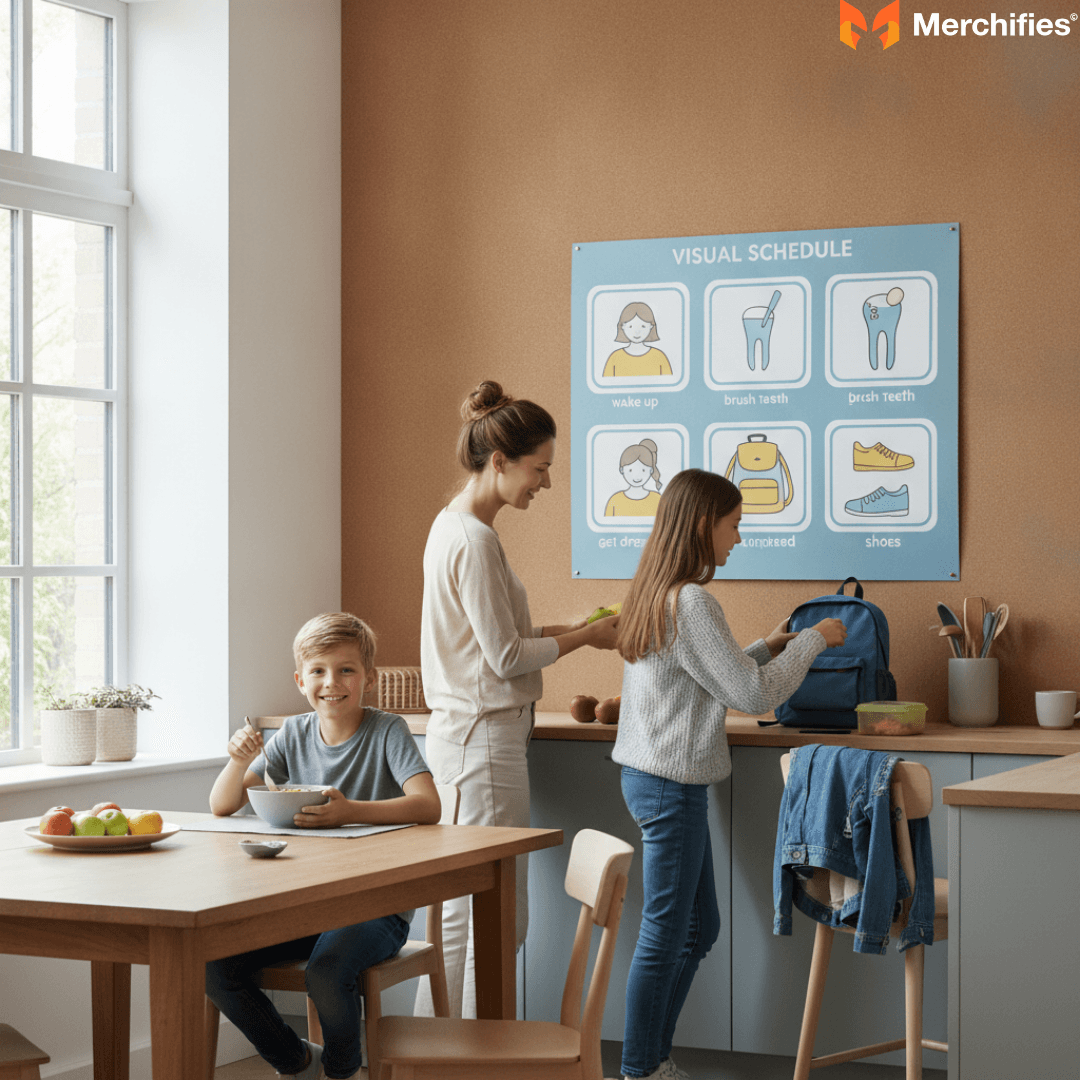
A well-oiled morning routine sets a positive tone for the entire day. Map out every step: wake-up, breakfast, getting dressed, packing lunches, and double-checking backpacks. Visual schedules are helpful for younger children. For older students, assigning specific tasks, such as preparing their own breakfast or laying out clothes the night before, fosters independence and speeds up the process. Predictable routines reduce decision fatigue and stress for both parents and children.
Afternoons need structure too, balancing academic responsibilities with downtime and extracurriculars. Consider a typical schedule: snack, homework, free play/chores, dinner, and then family time. This structured approach helps prevent procrastination and ensures important tasks like homework are completed without last-minute scrambling. Remember to factor in buffer time for unexpected delays or more challenging assignments.
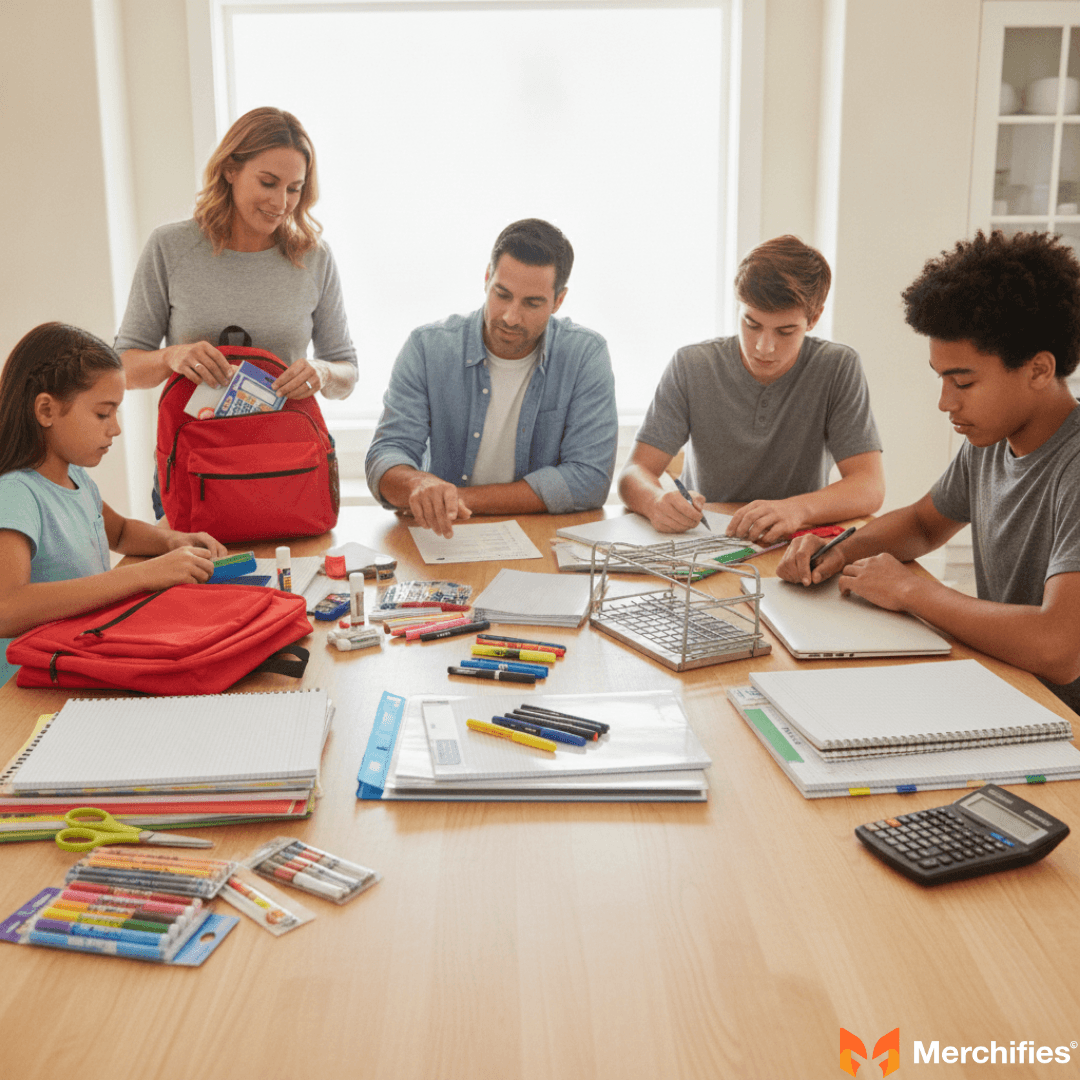
Back to school shopping can quickly become an overwhelming and expensive endeavor if not approached strategically. The goal here isn't just to buy things, but to acquire the right tools that support learning and organization while respecting your budget. Families who create detailed lists and stick to them tend to save significantly more than those who impulse buy.
Supply needs evolve significantly with age and the increasing integration of technology.
Beyond academic supplies, practical items are crucial.
Financial planning for back to school can be substantial. Start by taking inventory of last year's unused supplies. Set a budget for each child and category. Look for sales events (e.g., online retailer sales, store loyalty programs) and utilize coupons. Comparison shopping between big-box retailers, office supply stores, and online platforms is essential. Consider buying in bulk for non-perishables like pencils or paper, especially if you have multiple children. Thoughtful financial planning prevents unexpected strain on household budgets.
Making sustainable choices benefits both the planet and often, your wallet in the long run. Opt for reusable items like refillable pens, metal water bottles, and fabric lunch bags instead of single-use plastics. Look for products made from recycled materials (e.g., notebooks from post-consumer waste paper, rulers made from recycled plastic). Prioritizing eco-friendly supplies not only teaches children about environmental responsibility but also often leads to more durable, higher-quality products that last longer, reducing the need for frequent replacements.
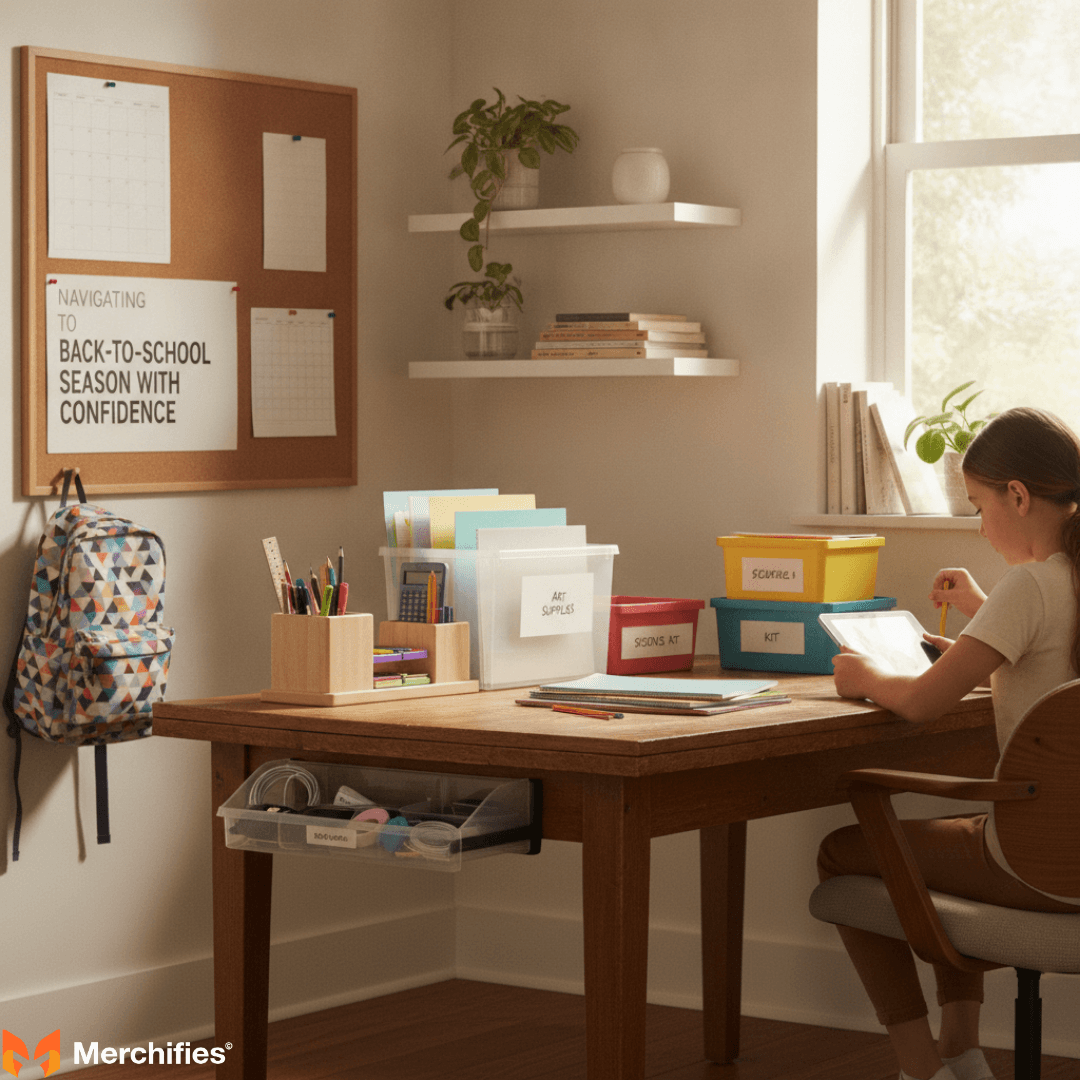
A well-organized physical and digital space directly contributes to a child's ability to focus, manage tasks, and feel prepared. This extends from their dedicated study area at home to how they manage their belongings and digital files at school. It's about creating sustainable systems, not just tidying up once.
Every student benefits from a designated, consistent place to do homework. This doesn't need to be an elaborate office; a quiet corner of a kitchen table or a small desk in their bedroom works. Equip it with good lighting, necessary supplies (pencils, paper, calculator), and minimal distractions. Ensure comfortable seating and adequate space for a laptop or tablet. Setting up an effective homework station signals to the child that learning is a priority and provides the tools they need within reach.
Before new supplies arrive, purge the old. Go through last year's backpack, binders, and desk drawers. Discard broken items, recycle old papers, and consolidate usable supplies. Label new items, especially for younger children, to prevent loss and encourage ownership. Use bins, folders, and drawer organizers to keep everything tidy and accessible. Extend this to digital files, ensuring old school projects are archived and new ones are organized in cloud folders.
A central family calendar is indispensable. This could be a large wall calendar, a shared digital calendar (like Google Calendar, Outlook Calendar, or family apps), or a combination. Mark school holidays, early dismissals, parent-teacher conferences, project due dates, and extracurricular activities. A shared digital calendar accessible by all members on their devices, with color-coded entries for each child or activity, drastically reduces missed appointments and improves overall family coordination.
A healthy body and mind are fundamental to a child's ability to learn and engage. The back to school period is an ideal time to ensure all health bases are covered, from routine check-ups to planning nutritious meals and managing specific health needs. This proactive approach helps catch potential issues early and provides peace of mind.
Many schools require updated physical examination forms and immunization records before the start of the academic year. Schedule these appointments early to avoid the last-minute rush. Annual dental check-ups are crucial for oral health, while eye exams ensure vision problems aren't hindering learning. Undetected health issues can significantly impact a child's comfort, concentration, and overall school performance.
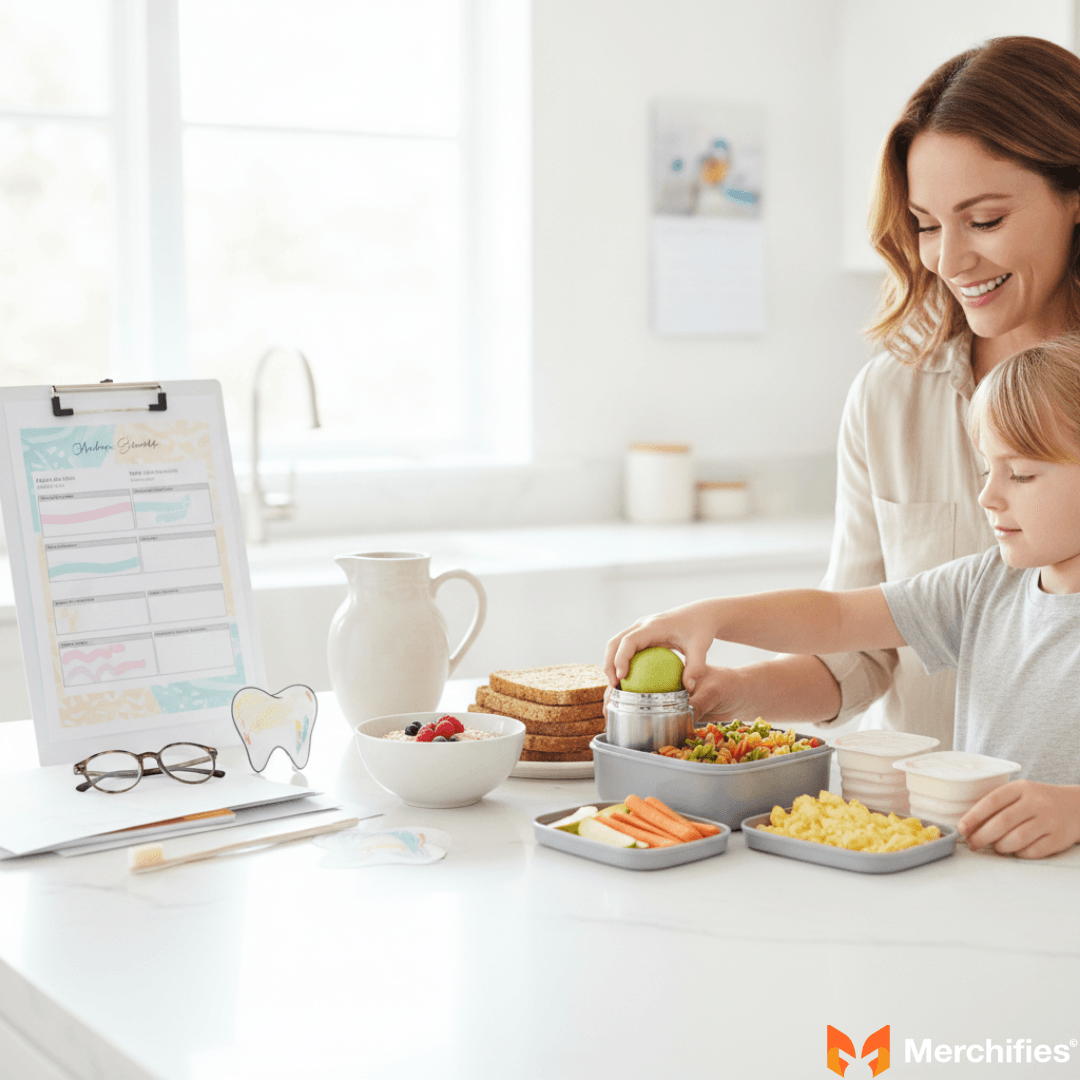
Fueling growing brains and bodies with wholesome food is non-negotiable. Plan breakfasts that are quick but substantial, like oatmeal with fruit or whole-wheat toast with eggs. For lunches, focus on a balance of lean protein, whole grains, fruits, and vegetables. Think beyond sandwiches; thermos meals like soup or pasta are excellent options. Pack healthy snacks such as apple slices, carrot sticks, or yogurt. Involving children in meal planning and preparation increases their buy-in and encourages healthier choices.
If your child has allergies, asthma, or requires daily medication, communicate clearly with the school nurse and teachers. Provide all necessary documentation, emergency action plans, and properly labeled medications. Ensure all forms are updated annually. Create a clear system for health records, perhaps a dedicated binder or digital folder, so all information is easily accessible in an emergency. This level of detail is critical for ensuring your child's safety and well-being while at school.
The importance of good hygiene practices remains paramount. Reinforce frequent handwashing with soap and water (for at least 20 seconds) and using hand sanitizer when soap isn't available. Discuss cough and sneeze etiquette ("into your elbow"). Emphasize staying home when sick to prevent the spread of illness, highlighting community responsibility. Stay informed about your district's current policies regarding illness reporting or other health-related guidelines.
While logistics are important, a child's emotional state profoundly influences their ability to adapt and thrive. The back to school period can evoke a wide spectrum of feelings, from excitement to anxiety, and addressing these openly is paramount. Validating a child's anxieties, even if they seem minor, is far more effective in building their emotional resilience than simply telling them "not to worry."
Creating an environment where children feel safe to express their emotions is the first step in nurturing their emotional readiness. Don't wait for them to come to you; initiate conversations about how they're feeling about the upcoming school year. This proactive approach helps to surface hidden worries or build on existing excitement.
Listen actively to your child's feelings without judgment. If they express anxiety about a new teacher, acknowledge it: "It's totally normal to feel a little nervous about meeting someone new." If they're excited about seeing friends, share in their joy: "That sounds wonderful!" Validation helps children process their emotions and feel understood, rather than dismissed. For more support, consider resources on managing-child-anxiety-tips.
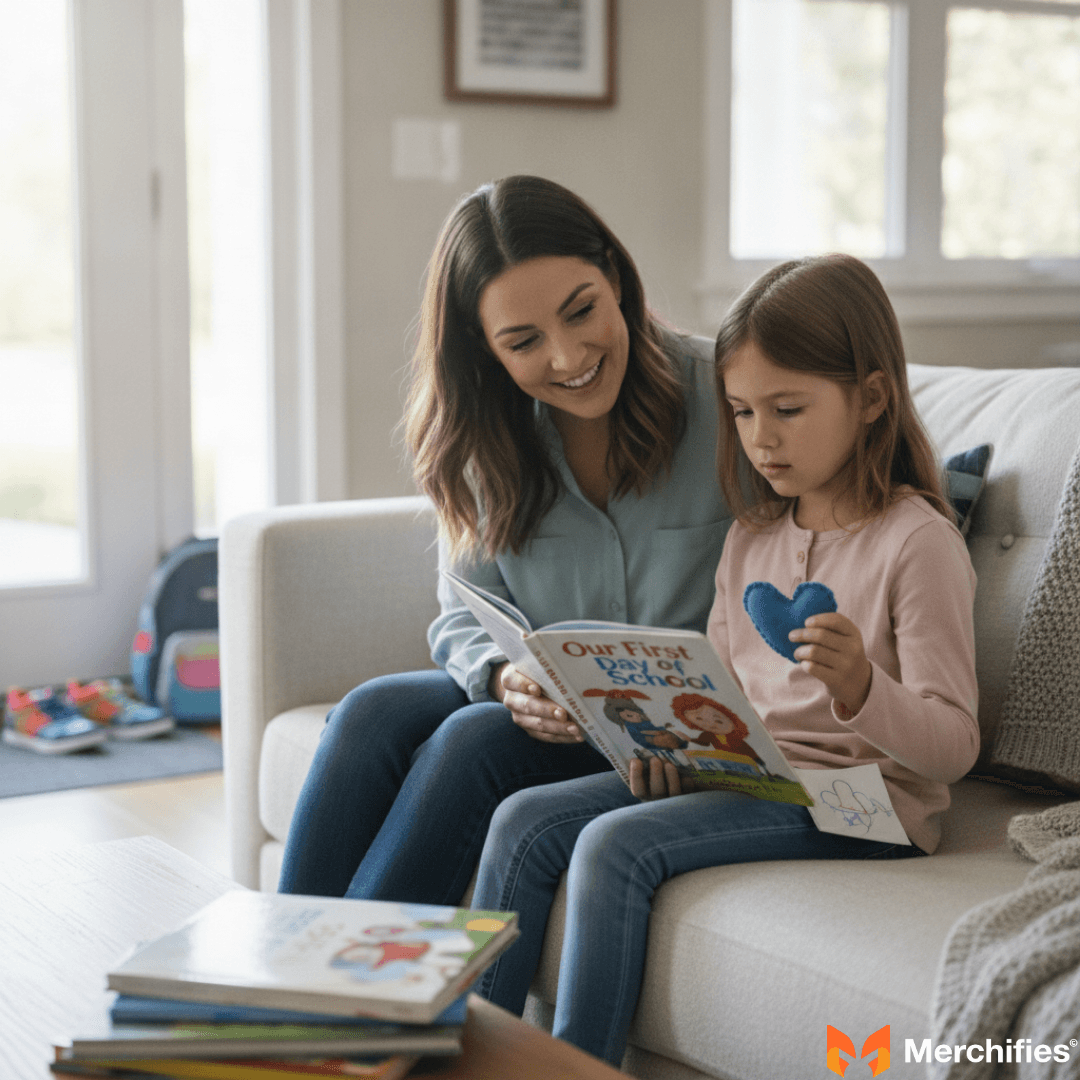
For younger children, separation anxiety is a common concern when going back to school. Practice short separations before school starts. Establish a consistent, reassuring drop-off routine that's quick and firm, avoiding prolonged goodbyes. A special "hug button" or a small comfort item in their pocket can provide a tangible connection to home. Reading books about starting school can also be incredibly helpful in normalizing these feelings and providing coping mechanisms.
Older children often worry about social hierarchies, fitting in, and maintaining friendships, both in-person and online. Talk about navigating new social groups, resolving conflicts peacefully, and recognizing healthy friendships. Discuss the importance of being inclusive and kind. Emphasize that friendships evolve, and it's okay to seek out new connections. Also, discuss responsible online social interactions.
Beyond addressing worries, it's vital to foster a sense of excitement and capability. Highlighting the positive aspects and actively preparing for the new environment can significantly boost a child's confidence. This helps them approach the new school year with an eager and open mind.
Shift the narrative from "summer's over" to "what exciting things await." Talk about the new subjects they'll learn, the new skills they'll acquire, and the unique projects they might undertake. Frame challenges as opportunities for growth. This positive framing encourages a growth mindset, vital for lifelong learning.
Arrange playdates or meet-ups with classmates before school starts. This helps ease social anxieties and rebuilds connections. For older children, a simple text message exchange or a group chat can help them feel more connected to their peer group. Discuss social scenarios and practice introductions if your child is shy. Knowing they'll see familiar faces on the first day can make a huge difference in their comfort level.
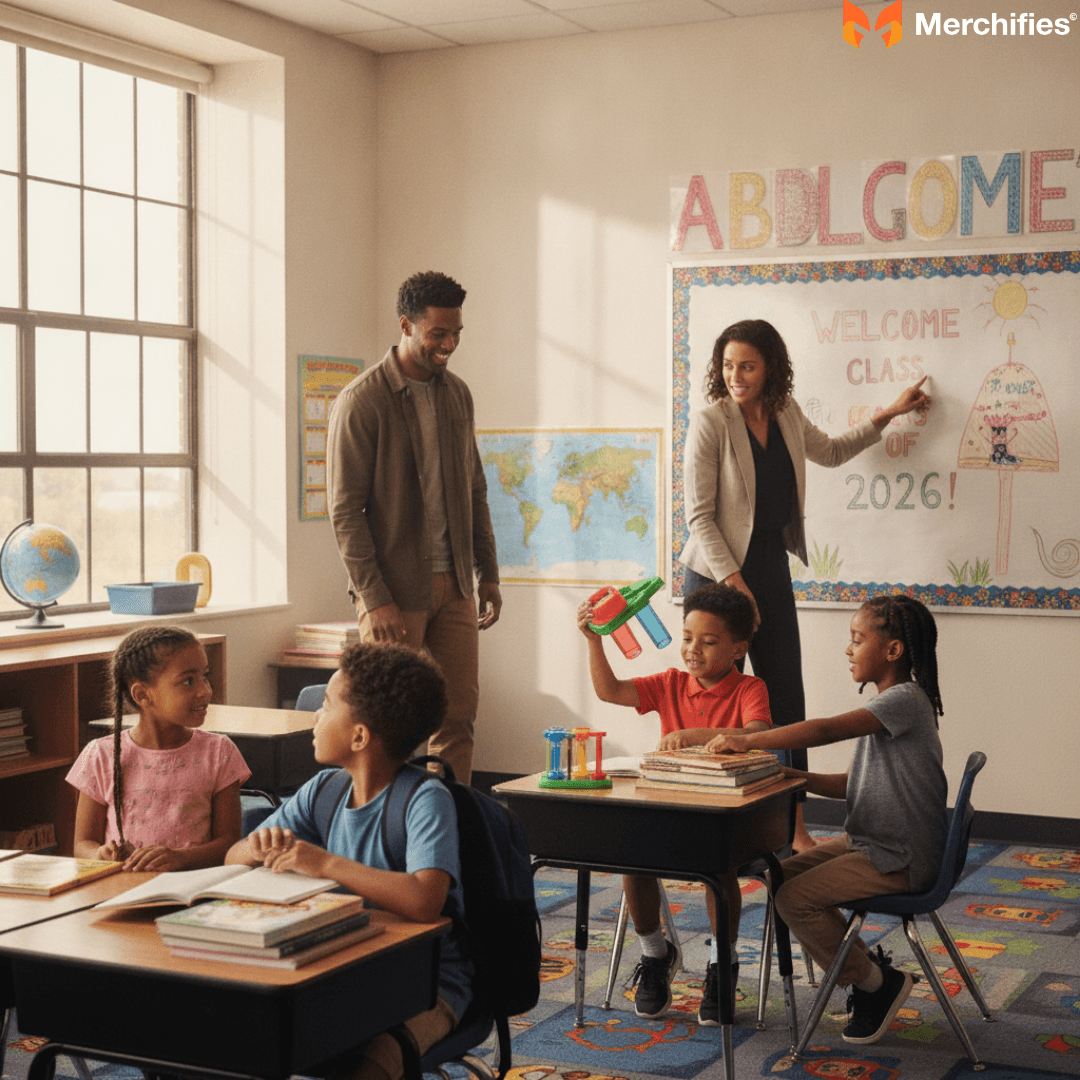
Many schools offer orientation days, "meet the teacher" events, or open houses specifically for this purpose. If possible, take advantage of these opportunities. Walking the halls, finding their locker, or seeing their new classroom helps demystify the unknown. For younger children, simply seeing where the bathrooms are or where they'll hang their coat can reduce a significant amount of first-day jitters. This familiarity builds confidence and reduces the element of surprise on the actual first day.
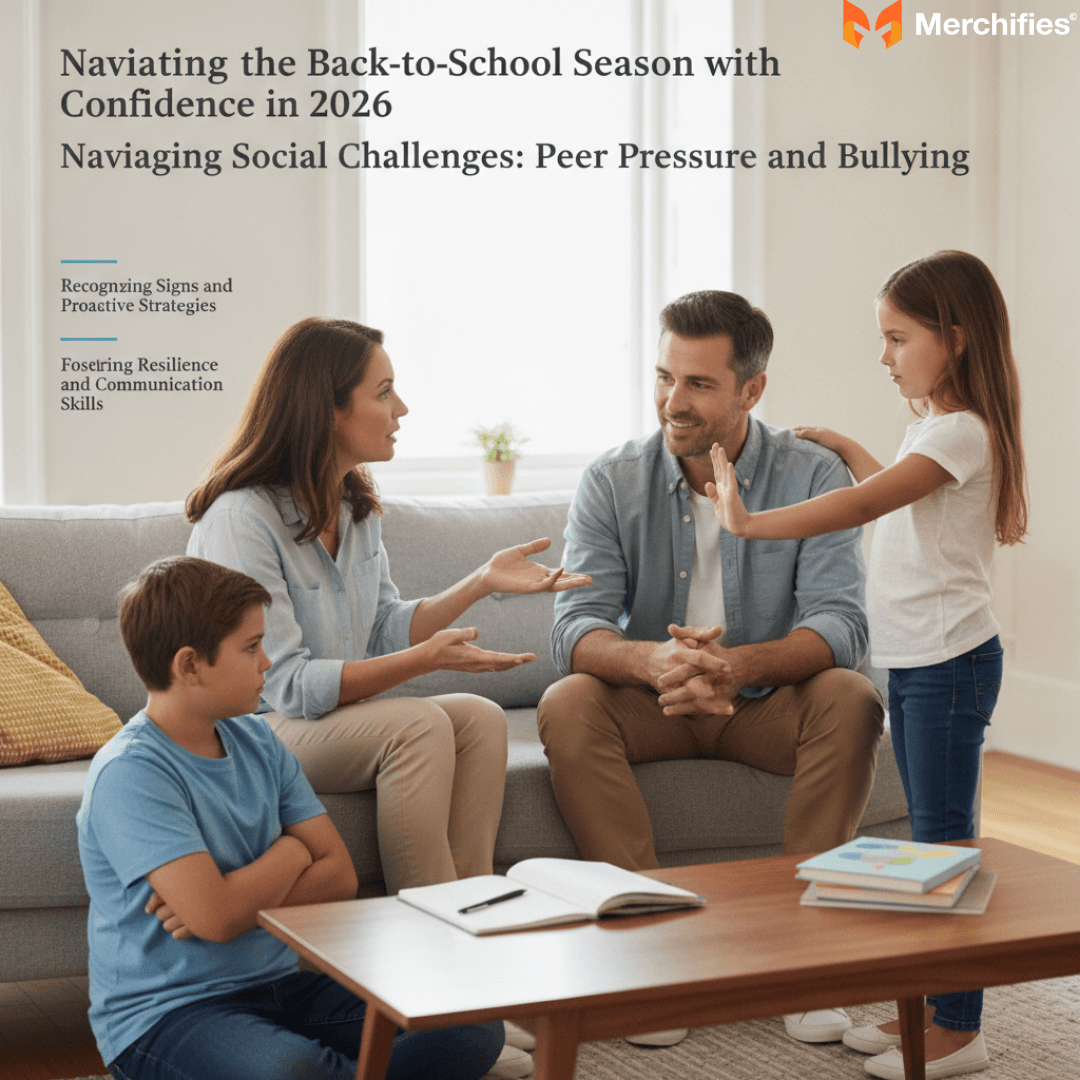
As children grow, they inevitably encounter social complexities. Equipping them with the tools to navigate peer pressure and address bullying, both online and offline, is a critical part of back to school preparation. These conversations are ongoing, not one-time events.
Educate your child about what peer pressure and bullying look like, both online and offline. Discuss different forms of bullying (physical, verbal, social, cyberbullying) and how to identify them. Encourage them to trust their instincts if something feels wrong. Proactive strategies include teaching them to say "no" assertively, to walk away from uncomfortable situations, and to seek out supportive friends. Role-playing refusal techniques can be highly effective.
Teach your child how to communicate their feelings effectively and how to stand up for themselves and others. Emphasize that telling a trusted adult (parent, teacher, counselor) is a sign of strength, not weakness. Discuss problem-solving strategies for social conflicts. Building resilience means helping them understand that setbacks are part of life, and they have the inner strength to overcome them.
A successful school year isn't just about showing up; it's about being prepared to engage with learning. This involves easing back into academic routines, setting clear goals, and establishing effective study habits. The true measure of academic excellence lies in fostering a genuine curiosity and love for learning, which often gets overshadowed by the pressure to achieve perfect scores. Prioritizing understanding and skill development leads to deeper, more lasting knowledge.
The "summer slide" is a real phenomenon where students can lose some academic ground during the long break. Easing back into learning helps bridge this gap and prepares their minds for the rigor of the classroom. The key is to make it low-pressure and engaging, often incorporating digital learning tools.
Encourage daily reading for pleasure, in any format (physical books, e-books, audiobooks). Even 20-30 minutes can make a significant difference in maintaining literacy skills. Integrate light academic refreshers: review basic math facts, practice writing short paragraphs, or explore educational apps (e.g., Khan Academy, Duolingo). Keep it fun and informal, avoiding anything that feels like summer school. Consistent, gentle engagement keeps the brain active and ready for new information.
Learning doesn't have to be confined to textbooks. Visit museums, science centers, or historical sites. Play educational board games (e.g., Scrabble, Ticket to Ride). Work on puzzles, coding projects, or creative writing challenges. Explore educational technology (EdTech) platforms that offer interactive learning. These activities stimulate critical thinking and problem-solving skills in an enjoyable way.

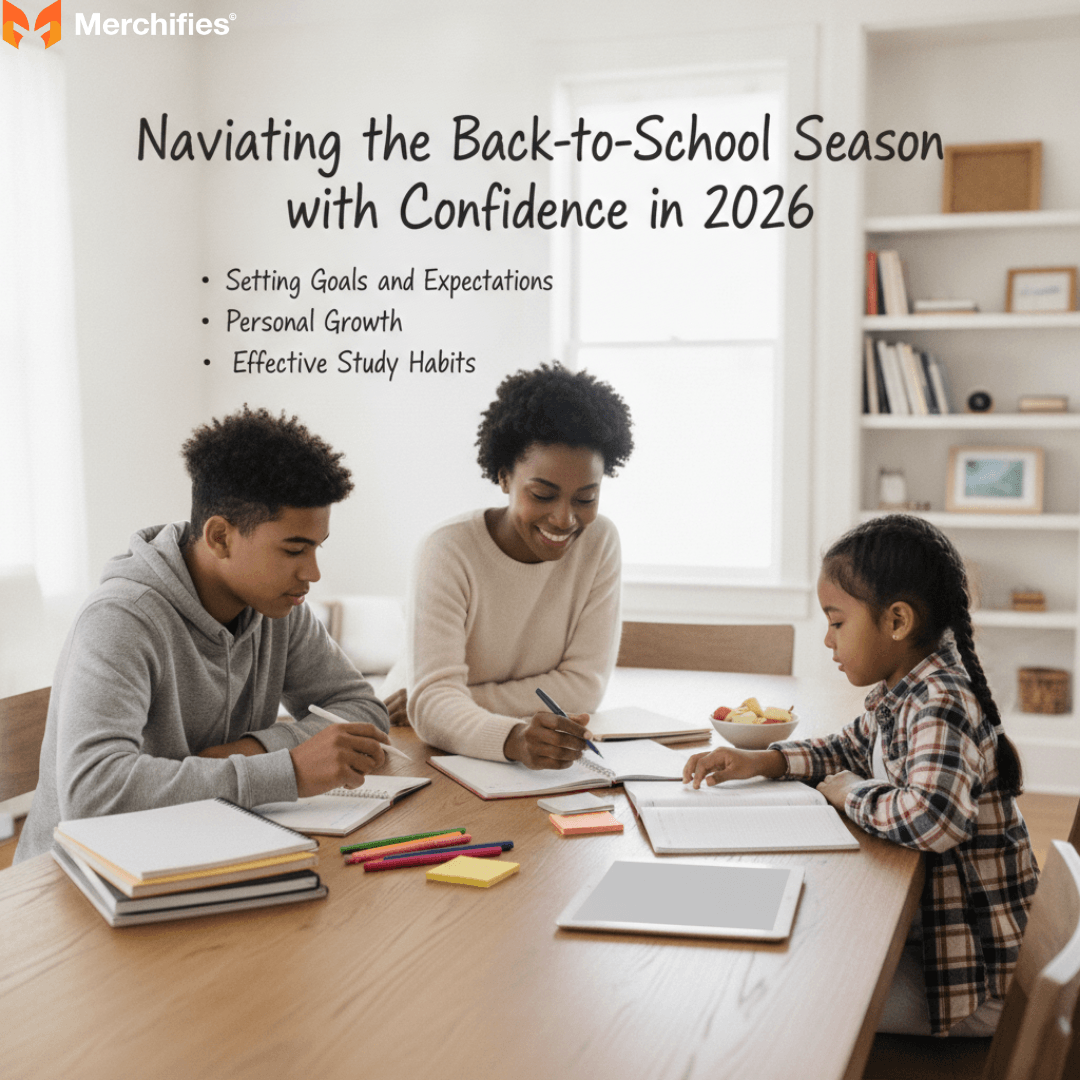
Clear goals provide direction and motivation. Involve your child in setting these goals, making them feel like an active participant in their educational journey. This collaborative approach fosters a sense of ownership and responsibility, aligning with personalized learning approaches.
Discuss realistic academic goals. These could be specific, like "improve my math grade to a B+" or "read one book per month." They could also be process-oriented, such as "complete all homework assignments on time" or "ask questions in class when I don't understand." For high schoolers, this might involve setting specific GPA targets for college applications. Ensure expectations are challenging but achievable, tailored to your child's individual abilities and previous year's performance.
Beyond grades, encourage goals related to personal growth. This might include "making new friends," "trying out for a school club or sport," "improving my time management skills," or "being more organized with my digital files." These goals build character, resilience, and social skills, which are just as vital as academic achievements for overall success.
Good study habits are not innate; they are learned skills. The start of the school year is the perfect time to establish routines that promote efficient and effective learning. This foundation will serve students well throughout their academic careers, especially with increasing digital demands.
Revisit the dedicated homework station. Ensure it's free from distractions like TV, video games, or excessive noise. For older students, this includes managing phone notifications and social media alerts. Consider noise-canceling headphones if needed. The goal is to create a space where focus is the primary objective. Even a simple rule like "no phones at the study desk" for an hour during homework time dramatically improves concentration and task completion.
Teach your child how to use a planner (physical or digital) or an assignment tracker. Help them break down large projects into smaller, manageable steps. Teach them to prioritize tasks based on urgency and importance. This skill, often demonstrated by a student using a color-coded planner to track due dates for different subjects, is crucial for managing the increasing workload as they progress through school.
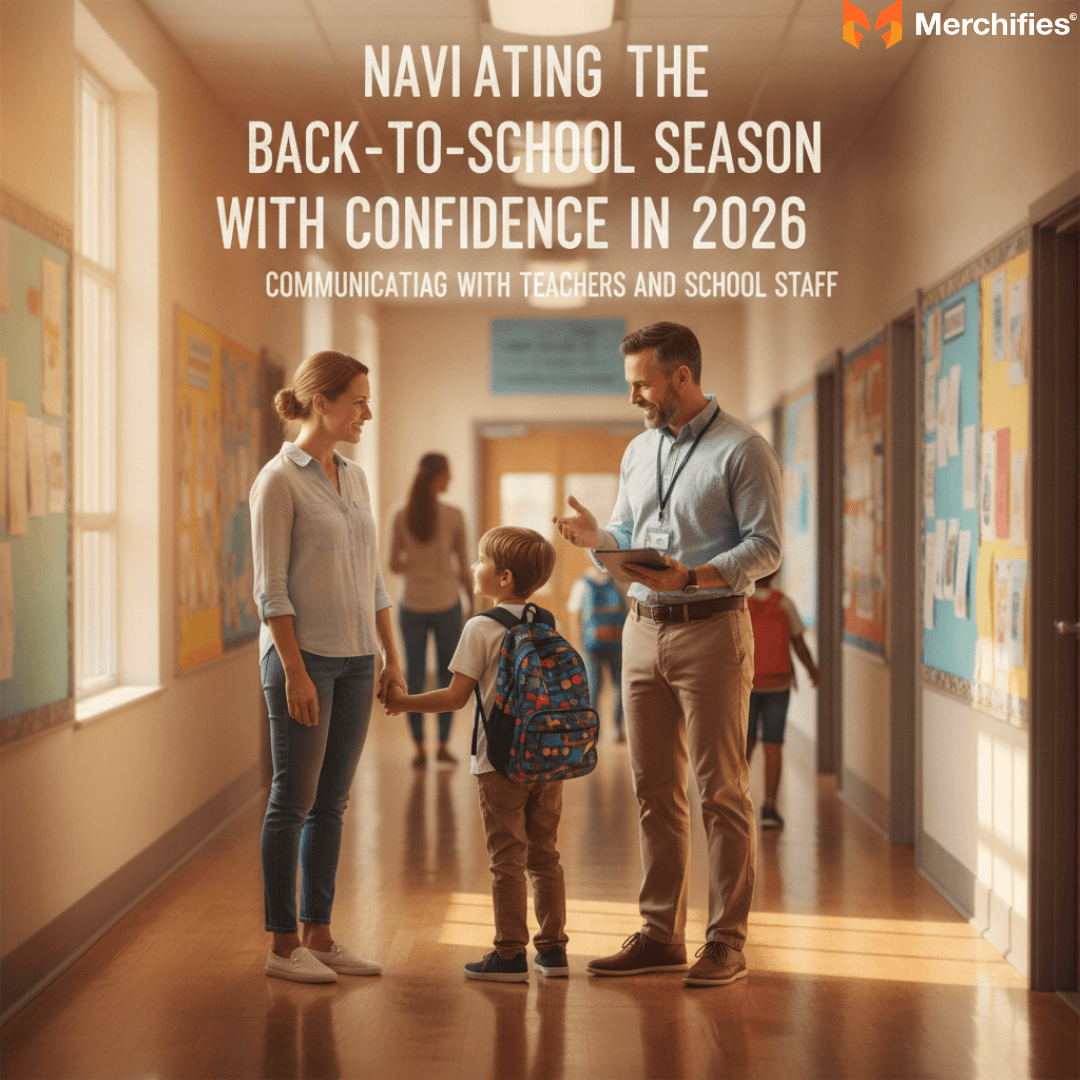
An open line of communication between home and school is a powerful tool for student success. It fosters a collaborative environment where everyone is working towards the child's best interest. Proactive engagement prevents small issues from escalating.
These events are invaluable opportunities to put faces to names, understand classroom expectations, and learn about the teacher's communication preferences. Many schools offer virtual options. Make a point to introduce yourself and your child. This initial connection sets a positive tone for the year.
Beyond initial meetings, understand how the school and individual teachers prefer to communicate (e.g., email, school portal, communication apps, phone calls). Don't hesitate to reach out if you have concerns, but also remember to share positive feedback. Be respectful of their time; brief, concise messages are often best. Early communication about a child's struggles can lead to targeted support before the issue becomes entrenched.
Familiarize yourself with the school handbook, disciplinary policies, attendance rules, and grading systems. Explore the school's website for resources like tutoring programs, counseling services, or extracurricular activity schedules. Many schools use parent portals (e.g., PowerSchool, Canvas, Schoology) for checking grades, attendance, and assignments. Mastering these tools empowers you to stay informed and address issues promptly.
Today's educational landscape is vastly different from previous generations, demanding attention to digital literacy, inclusivity, and mental health. These modern challenges require proactive strategies to ensure students are not only academically prepared but also resilient and safe in an ever-evolving world. Parents need to be informed about online platforms and potential risks to effectively guide and protect their children.
Technology is an integral part of modern schooling, from online assignments to research. However, with its benefits come responsibilities and risks that parents and students must navigate carefully for 2026 and beyond.
Discuss expectations for online behavior, especially if virtual learning is part of the curriculum or for completing homework. This includes respectful communication in forums, proper attribution of sources, and understanding digital citizenship. Ensure your child knows how to use essential tools like Google Workspace (Docs, Slides, Sheets), Microsoft Office applications, and any school-specific learning management systems. Discuss the ethical use of AI tools in academic work.
Establish clear boundaries for screen time, differentiating between educational use and entertainment. Implement "tech-free zones" (e.g., during meals, an hour before bed) and encourage alternative activities. Teach children about digital well-being, including taking breaks, protecting their eyes, and avoiding excessive use that impacts sleep or physical activity. A family rule of "no phones in bedrooms after 9 PM" can significantly improve sleep quality and overall well-being. For more insights, explore digital-citizenship-for-kids-and-teens.
Have ongoing conversations about cyberbullying, its impact, and what to do if they or a friend experience it. Emphasize that online behavior has real-world consequences. Teach children about online privacy: not sharing personal information (address, phone number, school name), being cautious about what they post, and understanding privacy settings on social media platforms. Discuss evolving online threats and how to report them.

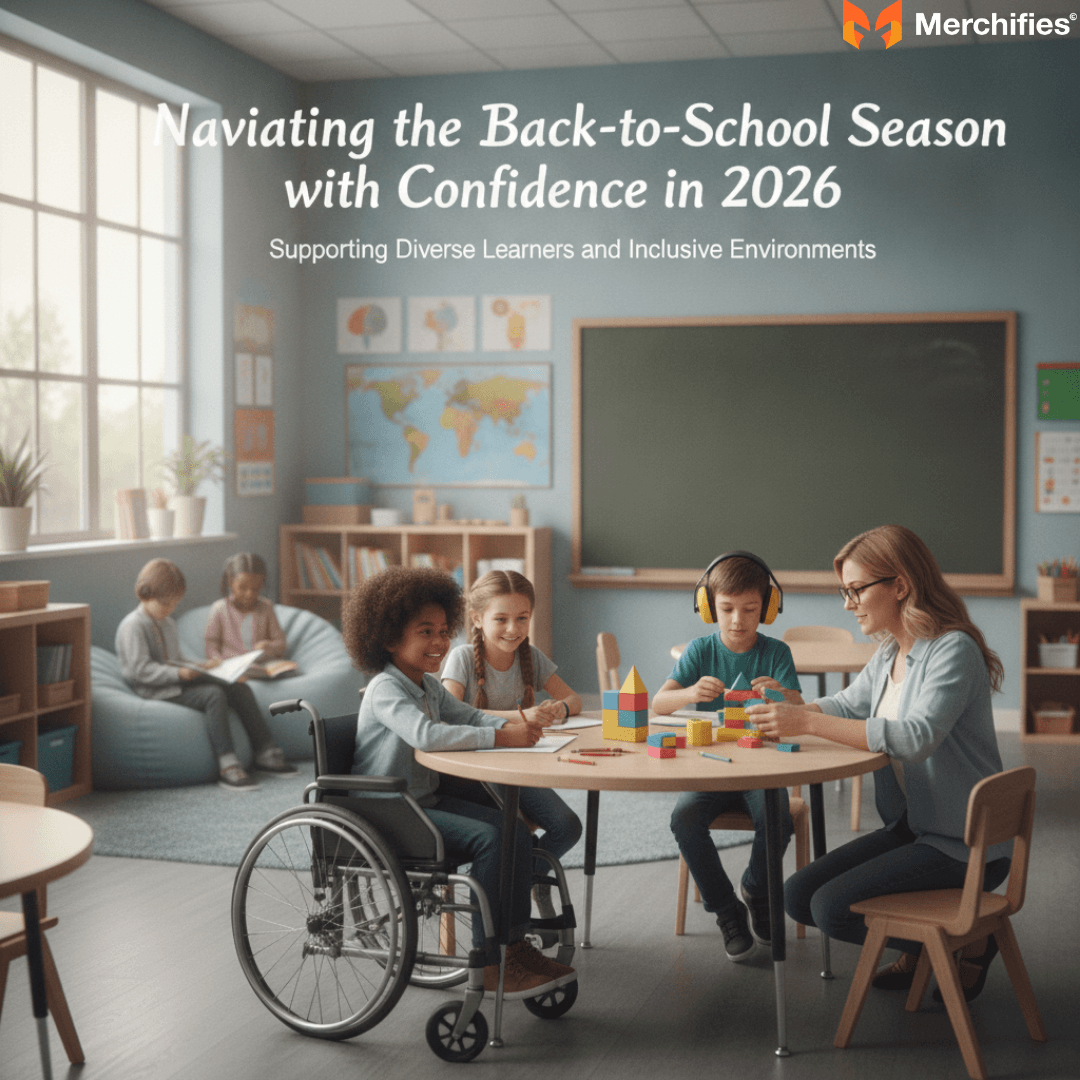
Every child brings a unique set of strengths, needs, and backgrounds to the classroom. A truly effective educational environment embraces and supports this diversity, ensuring all students feel valued and have the opportunity to succeed.
If your child has an Individualized Education Program (IEP) or 504 Plan, review it before school starts. Ensure you understand the accommodations and services outlined, and confirm with the school that they are in place. Maintain open communication with case managers or special education teachers. This proactive engagement is crucial for ensuring their needs are met, including any digital accommodations.
Schools are microcosms of society, reflecting a wide array of family structures and cultural backgrounds. Teach your child to respect and appreciate these differences. If your family has a unique structure or cultural practice, communicate it to the teacher if it impacts the child's school experience. This fosters understanding and ensures accommodation during school events.
Encourage your child to be an ally and advocate for inclusivity. Discuss cultural holidays, traditions, and perspectives that may differ from their own. Read books that feature diverse characters and experiences. This helps children develop empathy and a broader worldview. True inclusion often starts at home, where parents can actively teach children to celebrate differences and challenge stereotypes, rather than passively relying on school curricula to do all the work.
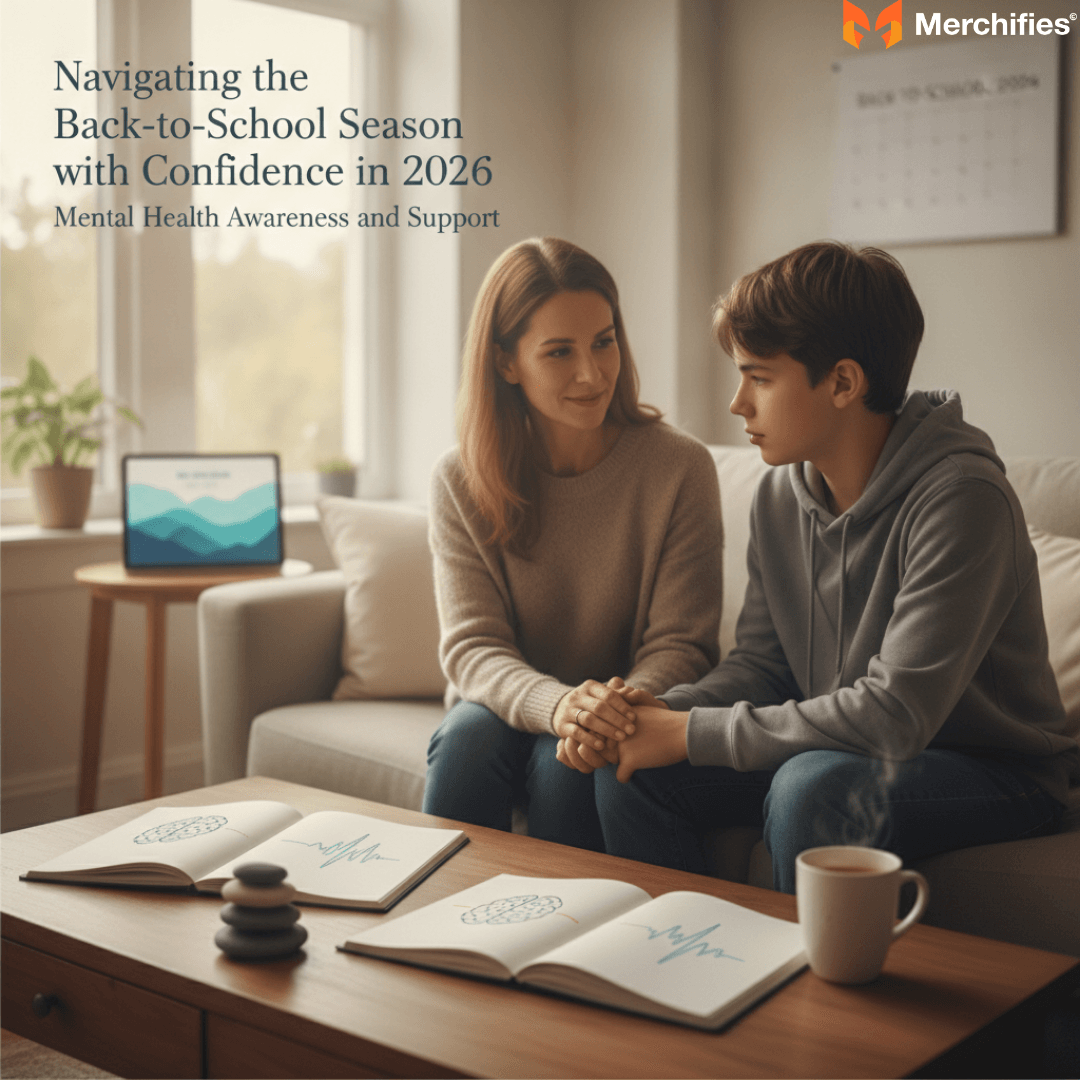
Student mental health is a growing concern, and the pressures of school can exacerbate existing challenges. Recognizing signs of distress and knowing how to access support are vital for both students and parents.
Pay attention to changes in your child's behavior, mood, sleep patterns, or appetite. Increased irritability, withdrawal from friends, a sudden drop in grades, or persistent sadness could be indicators of underlying stress or mental health challenges. Don't dismiss these signs as "just a phase"; they warrant attention and professional evaluation.
Familiarize yourself with the mental health resources available at your child's school, such as school counselors, psychologists, or social workers. Understand how to refer your child for support if needed. Many communities also offer mental health services for children and adolescents, including telehealth options. While utilizing school services is important, parents should also proactively research community resources, as waiting lists for school counselors can be long, delaying critical support for a struggling student.
Teach children the importance of self-care: adequate sleep, healthy eating, physical activity, and engaging in hobbies they enjoy. This might mean scheduling time for creative pursuits or playing an instrument. Parents also need to prioritize their own well-being to effectively support their children. This includes managing stress, seeking support networks, and taking breaks. Remember, you can't pour from an empty cup.
To help you stay organized and ensure no critical step is missed, here's a consolidated, actionable checklist. Use this as your personal guide to navigate the back to school season with confidence and ease. Feel free to print this out or download it to mark off items as you complete them, making the entire process less daunting and more manageable.
Logistics & Routines:
Health & Wellness:
Emotional Readiness:
Academic Excellence:
Modern Challenges:

The journey back to school is a significant annual event, laden with potential for both excitement and apprehension. By adopting a comprehensive and proactive approach to preparations—covering everything from logistical arrangements and health checks to emotional readiness, academic goals, and modern digital challenges—families can transform this transition into an empowering experience. This guide, designed to be your definitive resource for 2026 and beyond, offers the tools and insights needed to ensure every student steps into the new academic year not just prepared, but poised for success, growth, and resilience in an evolving world.
-d4c38c342cdf20ca.jpeg)


-b555fcc6b204c456.jpeg)