 Worldwide Shipping
 Secure Payments
 Free Return
 Local Support
-da0801079a650a2e.jpeg)
17 Year Anniversary Quotes: 110+ Funny, Romantic & Furniture Wishes (2026)
Mar, 12 2026
Transform bare kitchen walls into focal points that reflect your cooking personality. This guide covers style matching, sizing rules, and arrangement techniques so you can choose decor with confidence.
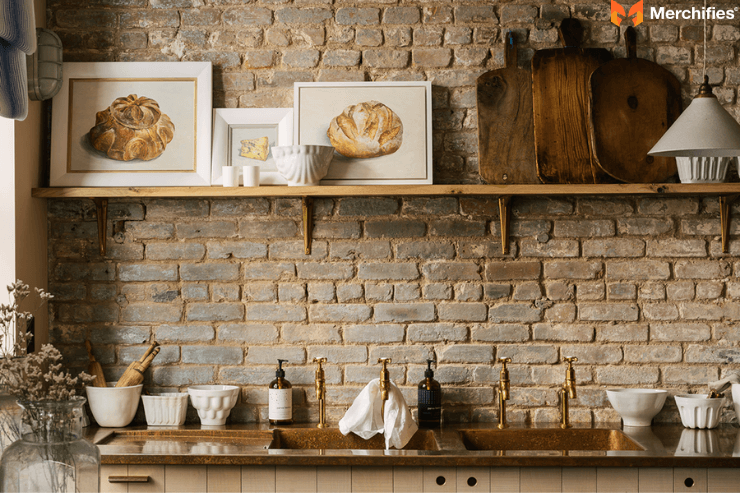
Kitchen wall decor transforms functional cooking spaces into rooms with genuine personality. The right pieces reflect how you cook, eat, and gather—whether that means bold canvas art above your breakfast nook or vintage metal signs near the coffee station. As of 2026, the shift toward intentional home styling means kitchens get the same decorating attention as living rooms, with walls serving as canvases for personal expression rather than afterthoughts. This guide walks you through selecting, sizing, and arranging decor that actually fits your kitchen's character.
Core principles for kitchen wall decor success:
Successful kitchen wall decor balances three elements: style match, appropriate scale, and strategic placement. Unlike living rooms where aesthetic rules dominate, kitchens demand practical considerations first. Heat rises from stovetops. Steam drifts from boiling pots. Grease splatters beyond the backsplash. These realities shape what belongs on your walls and where.
Style match means your decor speaks the same visual language as your cabinets, countertops, and hardware. A sleek modern kitchen with flat-panel cabinets fights against ornate gilded frames. A cozy farmhouse kitchen feels incomplete without warm wood tones or botanical elements. The honest trade-off: if you want trendy decor that photographs well, you may need to sacrifice cohesion with your existing finishes. You cannot fully have both without replacing cabinetry or committing to an eclectic mix.
Scale determines visual impact. Small pieces disappear on large walls. Oversized art crowds compact kitchens. Placement matters equally—hanging decor too high or clustering pieces without breathing room creates visual tension rather than comfort. The sections ahead break down exactly which decor types work for specific kitchen styles, with sizing guidance you can measure against your actual walls.
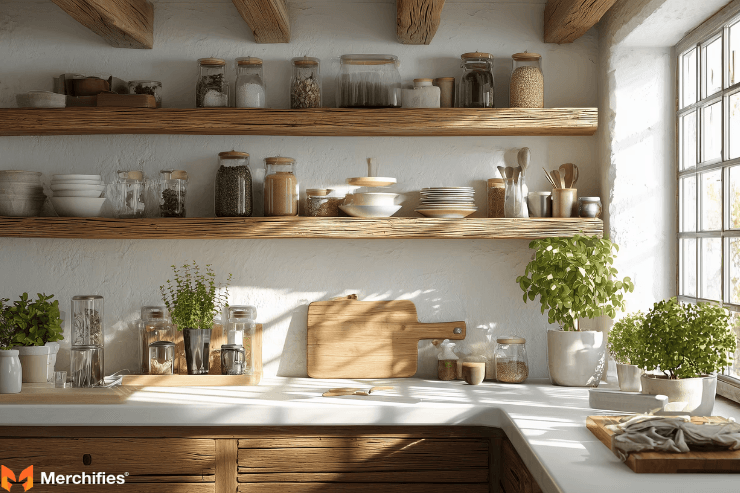
Canvas art and framed prints deliver instant kitchen personality with minimal installation effort. These pieces work best in modern, transitional, and minimalist kitchens where clean lines and defined focal points set the tone. The flat surfaces complement sleek cabinetry without competing for attention.
For standard kitchen walls, a 24x36 inch piece creates appropriate presence without overwhelming the space. Larger walls—think open-concept kitchens with 10+ feet of continuous wall space—benefit from gallery groupings of three to five coordinated pieces. Food-themed art suits kitchens where cooking takes center stage. Abstract pieces fit better when your kitchen serves primarily as a pass-through or gathering space rather than a serious culinary zone.
Placement follows a reliable rule: hang the center point of your artwork at 57 inches from the floor. This eye-level standard ensures comfortable viewing whether you're standing at the counter or seated at the table. Above countertops, aim for 6-8 inches of clearance between the surface and frame bottom. Framed prints and canvas art collections offer entry points at various price ranges, making this category accessible whether you're decorating your first apartment or refreshing a longtime home.
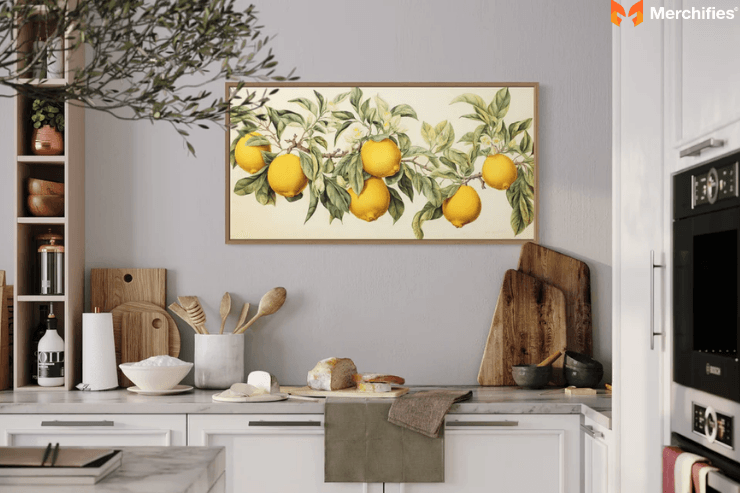
Decorative plates and metal wall art bring texture and dimension that flat prints cannot match. These pieces suit farmhouse, traditional, and eclectic kitchens where layered visual interest reinforces the overall aesthetic. Metal signs carry nostalgic charm. Ceramic plates introduce curves and shadows.
Arrange plates in triangle groupings—three pieces with the largest at bottom center—for balanced composition. Asymmetrical clusters work when you're mixing plate sizes and patterns, creating intentional visual energy rather than rigid symmetry. The fit/not-fit distinction matters here: vintage metal signs with distressed finishes belong in casual breakfast nooks and family kitchens. They clash in formal dining spaces or kitchens designed for entertaining.
Durability becomes critical when placing decor near cooking zones. Metal pieces tolerate heat better than wood or fabric alternatives. Above-stove placement requires materials that won't warp, discolor, or collect grease in ways that damage finishes. Metal wall decor options range from lightweight signs to substantial sculptural pieces, with price points scaling accordingly.
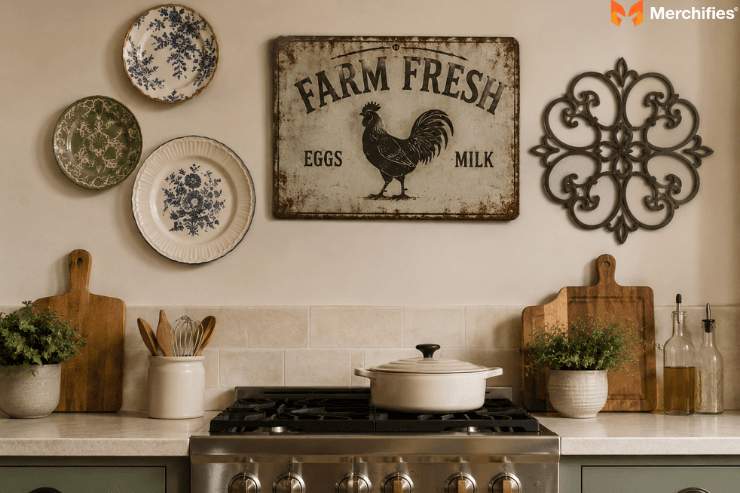
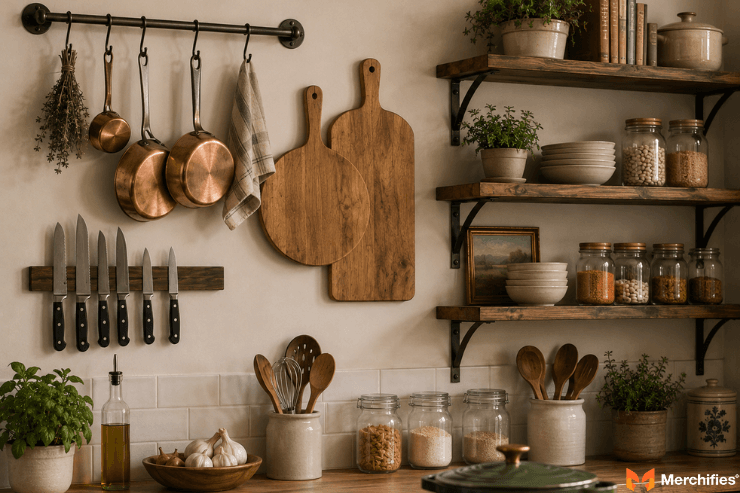
Functional wall decor turns everyday kitchen tools into decorative statements while maximizing limited space. Cutting boards mounted vertically, hanging utensil rails, and display shelving double as practical storage and visual interest. This approach works especially well in small kitchens where every square inch of wall carries weight.
Magnetic knife strips transform essential tools into sleek horizontal displays. Pot racks suspend copper-bottomed cookware at eye level, adding metallic warmth while freeing cabinet space. Open shelving lets you curate collections of matching dishes, vintage finds, or colorful ingredients in glass jars.
The trade-off with functional decor is maintenance. Displayed items collect dust and kitchen grime faster than protected alternatives. Expect monthly cleaning rather than the occasional wipe-down framed art requires. Readers who cook daily often find this trade-off worthwhile—their most-used tools stay visible and accessible. Weekend cooks may prefer protected pieces that require less upkeep.
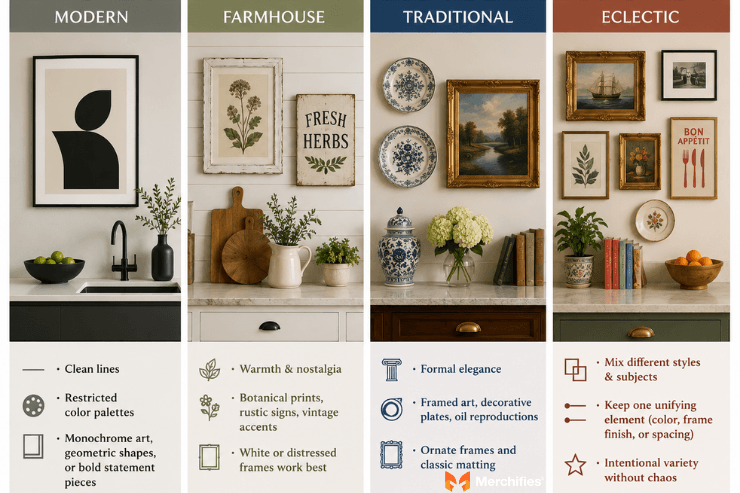
Identifying your kitchen's dominant style narrows decor choices from overwhelming to manageable. Most kitchens fall into one of four categories, each with distinct decor preferences that create cohesion rather than competition.
Modern kitchens favor clean lines and restricted color palettes. Choose monochrome photography, geometric abstracts, or single bold-color statement pieces. Avoid ornate frames, busy patterns, or rustic materials that contradict the streamlined aesthetic.
Farmhouse kitchens embrace warmth and nostalgia. Botanical prints, rustic wood signs, vintage-style metal accents, and nature-inspired imagery reinforce the welcoming atmosphere. White or distressed frames integrate better than sleek black options.
Traditional kitchens support formal elegance. Framed art with classic matting, decorative plates with refined patterns, and oil-painting reproductions honor the style's heritage. These kitchens handle ornate frames that would overwhelm other spaces.
Eclectic kitchens grant permission to mix. Gallery walls combining different frame styles, subjects, and even decades create intentional variety. The key is maintaining one unifying element—consistent frame color, shared color accent across pieces, or uniform spacing—that prevents chaos.
For broader room-by-room styling inspiration beyond the kitchen, wall decor ideas for every room covers complementary approaches throughout your home.
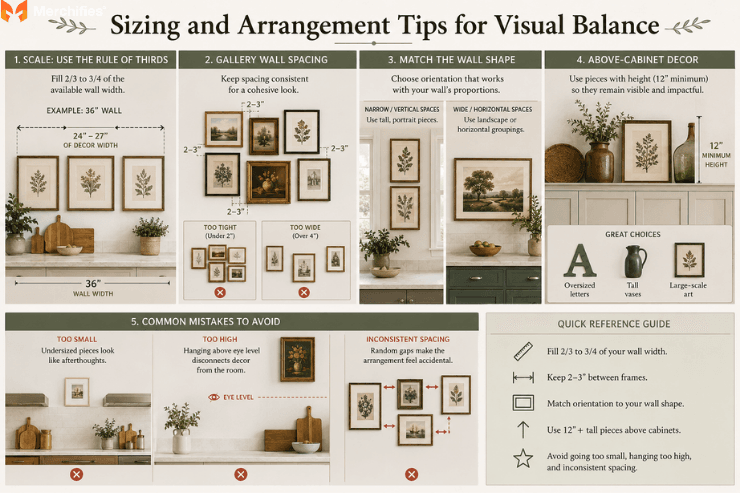
Proper sizing and arrangement transform random pieces into intentional design statements. The rule of thirds guides scale decisions: wall decor should fill two-thirds to three-quarters of available wall width. A 36-inch-wide wall section calls for 24-27 inches of combined decor width.
Gallery wall spacing requires consistency. Maintain 2-3 inches between frames throughout the grouping. Tighter spacing (under 2 inches) makes individual pieces blur together. Wider spacing (over 4 inches) breaks visual connection between elements.
Wall shape influences orientation. Narrow vertical spaces—between windows, beside doorways—suit tall portrait-oriented pieces. Wide horizontal expanses accommodate landscape orientations or horizontal groupings. Fighting your wall's natural proportions creates tension viewers sense even if they cannot articulate why.
Above-cabinet decor follows different rules. Pieces need substantial height—12 inches minimum—to maintain visual impact from floor level. Small items placed above cabinets disappear rather than decorate. Consider oversized letters, tall vases, or large-scale botanical prints for these elevated positions.
Common mistakes to avoid: going too small (undersized pieces look like afterthoughts), hanging too high (above eye level strains necks and disconnects decor from the room), and ignoring spacing consistency (random gaps suggest accidental rather than intentional arrangement).
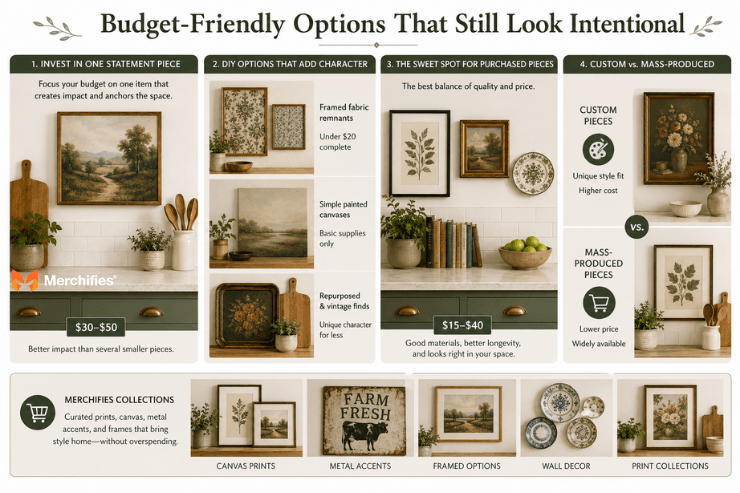
Strategic budget allocation delivers better results than spreading limited funds across multiple cheap pieces. The most successful budget approach concentrates investment in one statement piece—$30-50 for a quality frame or substantial canvas—rather than four $10 items that individually lack presence.
DIY options expand possibilities without expanding budgets. Framed fabric remnants in coordinating patterns cost under $20 complete. Simple painted canvases in your kitchen's accent colors require only basic supplies. Repurposed items—vintage trays, interesting cutting boards, architectural salvage—add character unavailable in mass-market decor.
For purchased pieces, the $15-40 range delivers balanced quality-to-cost ratio. Below this threshold, materials often look cheap under kitchen lighting. Above it, you're paying premium prices that may not justify the visual difference in most home settings.
The trade-off between custom and mass-produced pieces deserves honest assessment. Custom artwork guarantees unique style fit but costs significantly more. Mass-market pieces offer immediate availability and lower prices but risk appearing in neighbors' kitchens too. Merchifies carries curated print collections including canvas prints, metal accents, and framed options that balance distinctiveness with accessibility.
Material selection determines whether your kitchen decor maintains appearance for years or degrades within months. Kitchen environments stress artwork more than any other room. Moisture from dishwashers, heat from ovens, and grease particulates from stovetops attack vulnerable materials continuously.
Frame construction matters for longevity. Moisture-resistant frames—metal or sealed wood—outlast raw wood alternatives in kitchen humidity. Glass or acrylic glazing protects prints from grease and allows cleaning. Canvas pieces should have sealed edges rather than exposed fabric that absorbs airborne oils.
Placement extends lifespan. Avoid hanging valuable pieces directly above stovetops where heat damage accelerates. Keep sensitive materials away from dishwasher steam vents and sink splash zones. Walls perpendicular to cooking zones receive less direct exposure than walls behind stoves.
Quality indicators help distinguish durable pieces from disposable ones. Examine frame corners for tight joints rather than gaps. Check print resolution—pixelation visible at arm's length indicates low-quality source files. Verify mounting hardware supports the piece's weight with margin to spare.
The investment mindset serves budget-conscious decorators well here. One quality piece at $50 that maintains appearance for five years costs less annually than three $20 pieces replaced every eighteen months. Browse Merchifies kitchen wall art collections—including canvas prints, metal accents, and framed options—to find pieces built for kitchen environments rather than adapted from general home decor lines.
-d4c38c342cdf20ca.jpeg)


-b555fcc6b204c456.jpeg)