 Worldwide Shipping
 Secure Payments
 Free Return
 Local Support
-da0801079a650a2e.jpeg)
17 Year Anniversary Quotes: 110+ Funny, Romantic & Furniture Wishes (2026)
Mar, 12 2026
Get your family ready for the 2026 school year with our complete back to school guide. From supply checklists to first-day preparation, everything parents need starts here.
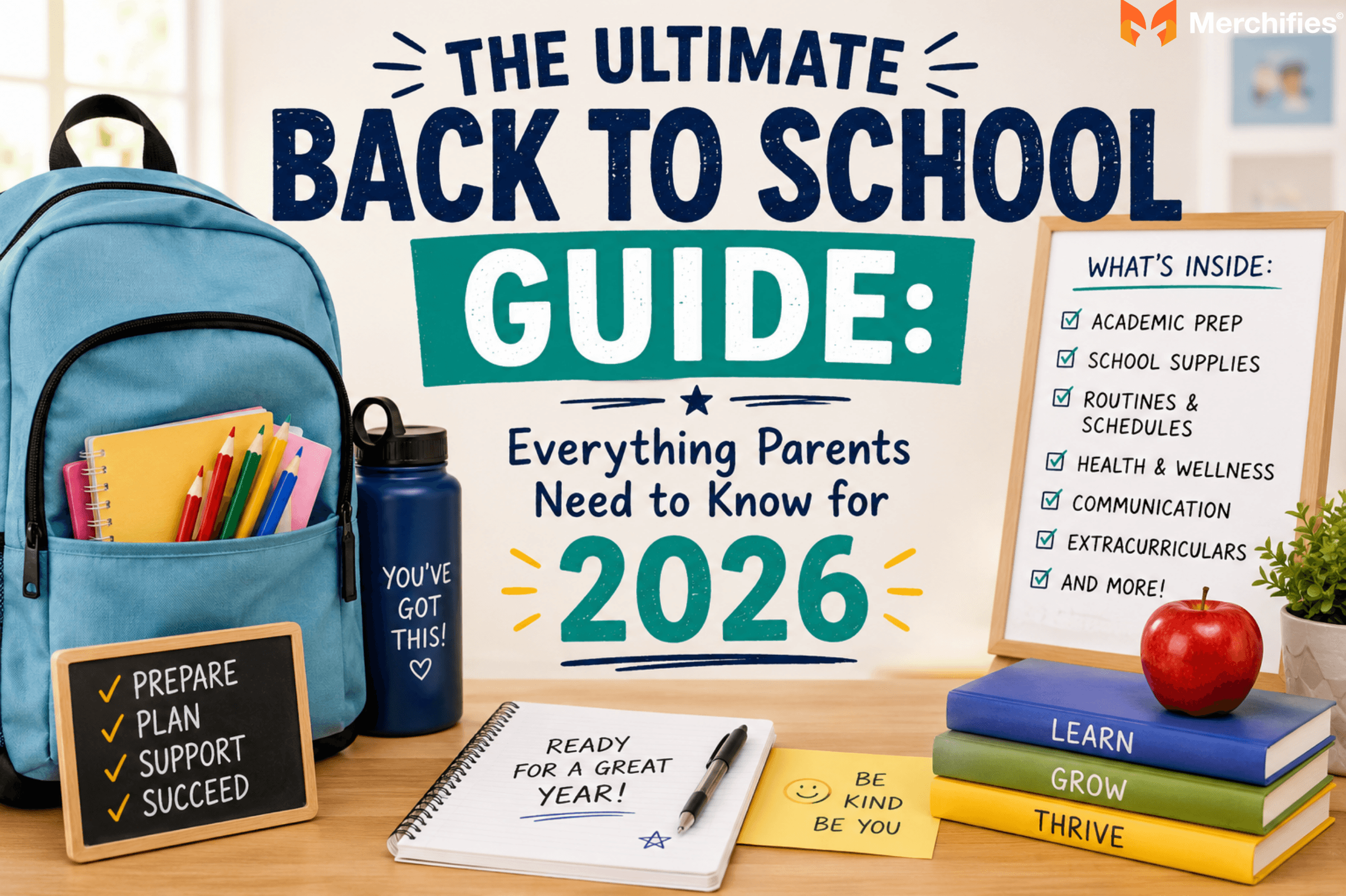
Back to school preparation is a 4-8 week process that starts in early July and covers three essential areas: supplies, organization, and emotional readiness. If you're reading this in July 2026, you're right on schedule. The families who nail back to school aren't the ones who panic-shop the week before—they're the ones who spread the work across summer's final stretch with a clear plan.
This guide gives you that plan. We're covering the complete timeline from now through the first day of school, grade-specific supply lists that actually help you decide what to buy, organizational systems that prevent the endless cycle of lost water bottles, and practical strategies for getting your child (and yourself) emotionally ready for the transition back to class.
What this guide covers:
Back to school is not a single shopping trip—it's a structured preparation period that smart families begin 6-8 weeks before classes resume. The phrase gets thrown around starting in June, but meaningful preparation happens in phases. Each phase has different tasks, and trying to compress everything into one weekend creates stress for everyone.
Three pillars define successful back to school preparation. First, supplies: the physical items your child needs, from backpacks to specific classroom materials. Second, organization: the systems that keep those supplies from disappearing into the void of lost-and-found bins. Third, emotional readiness: helping your child (and yourself) transition from summer's flexibility to school's structure.
July 2026 marks the beginning of the active preparation window. You have roughly 4-8 weeks depending on your district's start date. Some year-round schools begin late July. Traditional districts typically start mid-August to early September. Whatever your timeline, the structure below adapts to fit.
The honest trade-off: if you want to avoid last-minute stress, you need to start earlier than feels natural. Summer momentum works against you. But spreading the work means each task stays small and manageable.
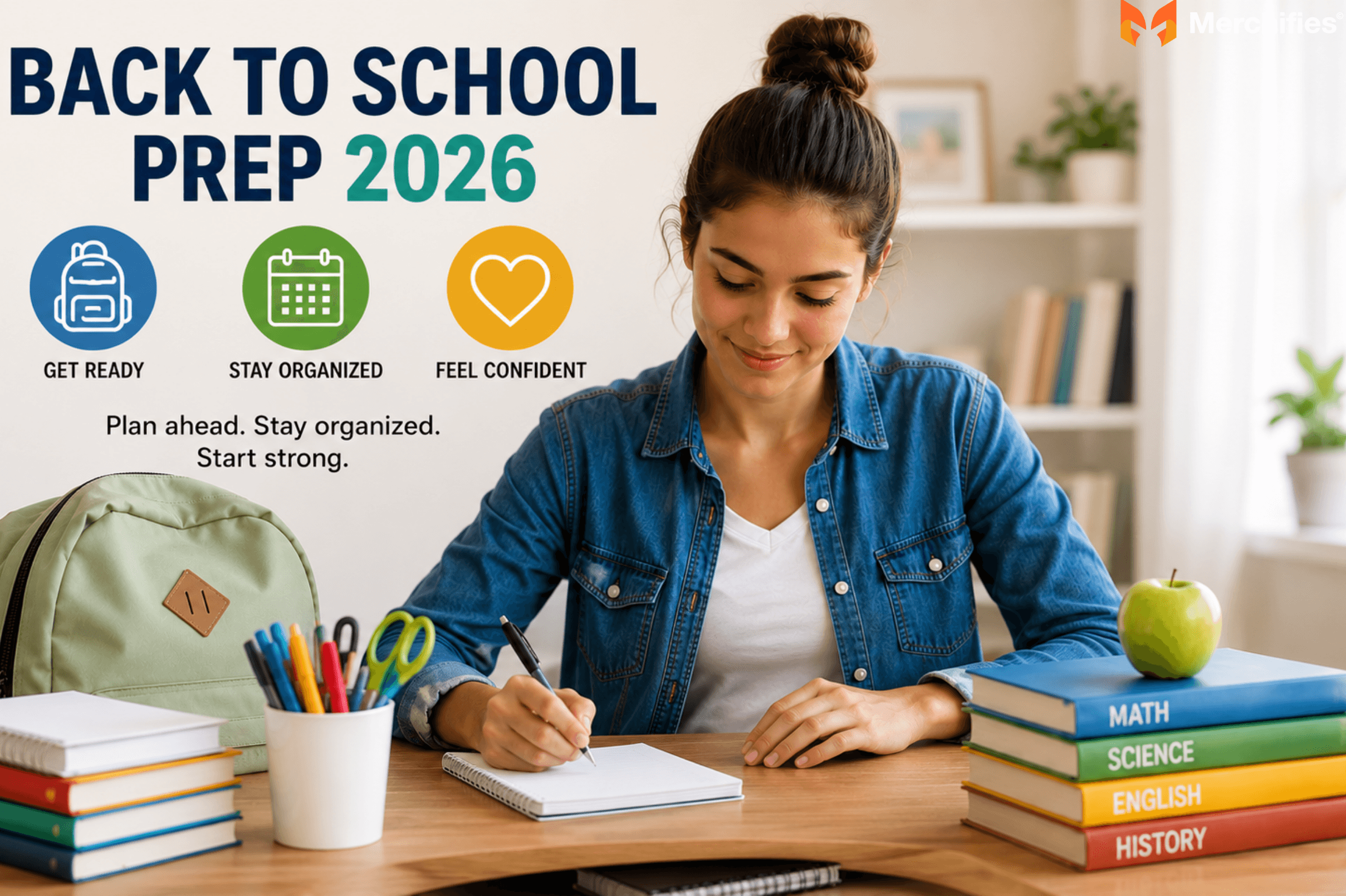
The most effective back to school preparation follows a phased timeline, not a single marathon shopping day. Here's exactly when to tackle each category, starting from July 2026.
July 2026 (now through mid-month): Review last year's supplies. Check what's reusable—backpacks, lunchboxes, and binders often survive multiple years. Watch for early sales at office supply stores. If your school publishes supply lists before August, download them now.
Late July through early August: Complete the bulk of supply shopping. This window typically includes state tax-free weekends (dates vary by state—check your local schedule). Popular backpack styles and character-themed items sell out, so don't wait on these.
Two weeks before school starts: Shift focus from buying to organizing. Label everything. Set up the homework station. Start adjusting bedtimes by 15-minute increments. Practice the morning routine even if it feels silly.
Final week before school: Conduct a first-day dry run. Walk or drive the route. Confirm transportation details. Pack the backpack completely. Lay out the first-day outfit. Handle any last-minute supply needs.
This timeline works whether school starts August 5th or September 3rd. Simply count backward from your start date and assign each phase accordingly.
Supply needs shift dramatically between elementary, middle, and high school—a first-grader's list looks nothing like a freshman's. Rather than a generic checklist, here's what actually matters at each level.
Young students need basics plus organizational tools designed for small hands and developing responsibility. Expect to replace items frequently. A kindergartener will lose at least one jacket, probably three pencils per week, and potentially their entire lunchbox at some point.
Focus on durability over style for daily-use items. Spend more on the backpack (look for reinforced bottoms and water-bottle pockets) and less on decorative supplies that won't survive November.
Subject-specific organization becomes critical. Most middle schoolers need separate binders or folders for 6-8 classes. Locker organization tools—shelves, mirrors, magnetic containers—help students who've never managed their own storage space.
Technology requirements often appear at this level. Check whether your school requires specific calculators, headphones, or device accessories. Some districts provide Chromebooks; others expect families to supply tablets or laptops.
High schoolers need fewer items but higher-quality versions. Advanced math classes require graphing calculators that cost $100+. College prep often means additional materials for test prep or extracurriculars.
Personal tech management becomes relevant. Many students need laptop sleeves, portable chargers, and USB drives. Academic planners (physical or digital) help students tracking multiple deadlines across challenging courses.
Regardless of age, every student needs: a quality backpack sized appropriately for their frame, reliable writing tools, a durable water bottle, and labels on everything that might get lost. The average family replaces 3+ water bottles per school year—proper labeling cuts that number significantly.
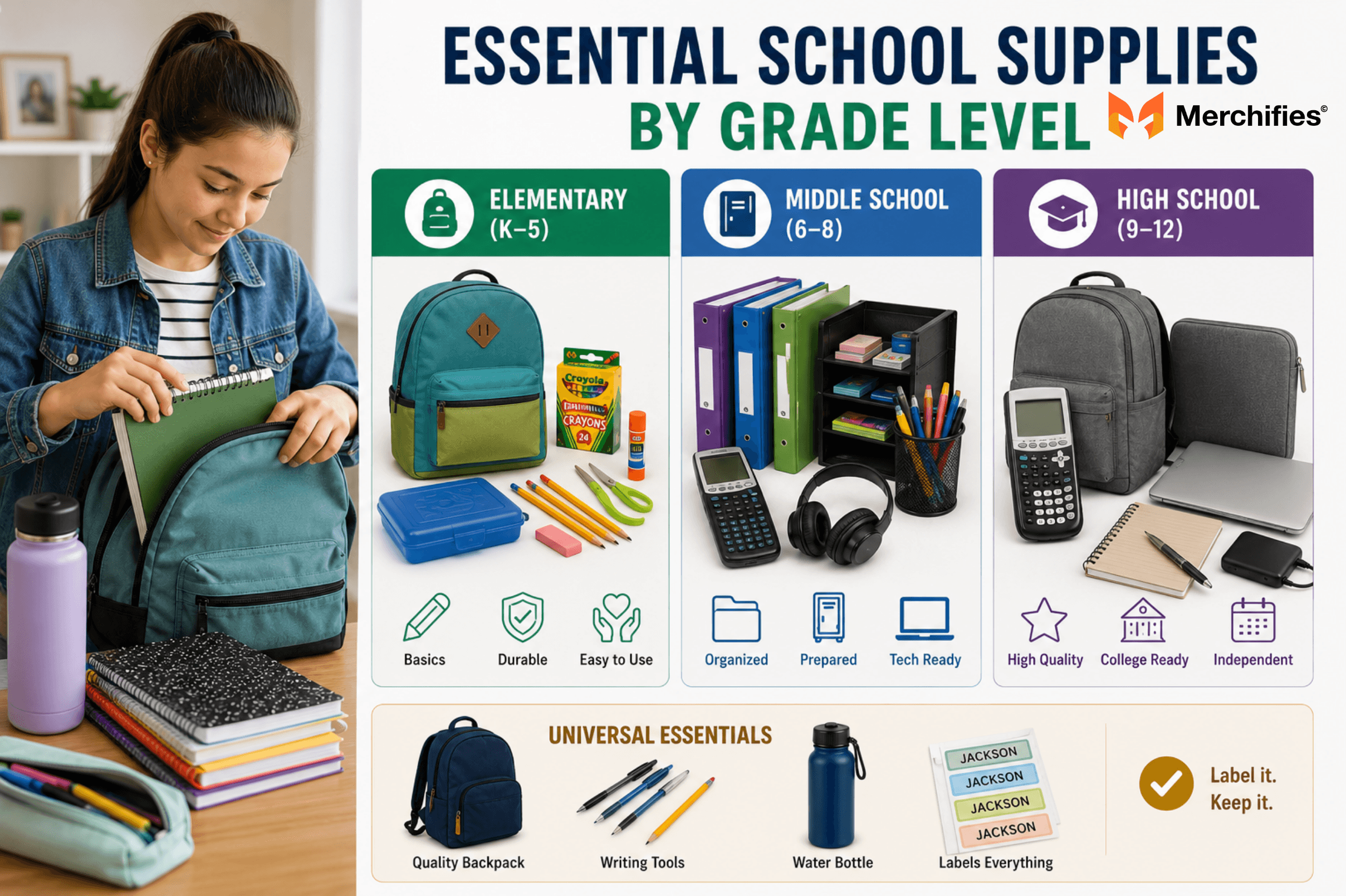
Labeling every item your child brings to school isn't helicopter parenting—it's practical loss prevention that saves money and frustration. Lost-and-found bins in elementary schools overflow within weeks. Most items never get claimed because they're indistinguishable from every other navy jacket or silver water bottle.
The short answer: everything that leaves your house. The realistic priority list: lunchboxes, water bottles, backpacks, jackets, hoodies, PE clothes, tech devices, and headphones. For younger children, consider labeling shoes and even socks—items that come off during nap time or gym often vanish.
Different items need different solutions. Waterproof labels work best for bottles, containers, and anything that gets washed frequently. Iron-on or stick-on clothing tags handle fabric items. For tech devices, engraved tags or permanent labels prevent the "that's my iPad" disputes.
The key factor: make labels something your child actually likes. Personalized options with favorite colors, characters, or designs increase the chance your kid will identify and claim their own belongings. Generic white labels get ignored. For detailed recommendations on choosing labels that survive dishwashers, washing machines, and daily kid use, check our best school labels guide.
AllMasterHub offers personalized labels in waterproof and iron-on varieties designed for exactly this purpose—customizable styles that kids actually want to claim as their own.
A dedicated workspace doesn't require a separate room—it requires consistent location, good lighting, and minimal distractions. The kitchen table works fine if homework happens before dinner when the space is clear. A desk in a shared room works if siblings have staggered schedules.
Good lighting prevents eye strain and signals "work mode." A desk lamp with adjustable brightness helps. Organized storage—cups for pencils, trays for papers, bins for supplies—reduces the "I can't find my scissors" delays that derail homework time. Keep the setup simple enough that your child can maintain it independently.
The back to class transition goes smoother when evening routines are established before school starts. Practice these elements 1-2 weeks early:
Build in a 15-minute buffer. Mornings will go wrong—missing shoes, spilled cereal, forgotten homework. That buffer prevents chaos from derailing the whole day. Prioritize protein at breakfast for sustained energy. For younger kids, a visual departure checklist (pictures of backpack, lunchbox, jacket) helps them take ownership of readiness.
First-day anxiety affects kids and parents differently, but both benefit from preparation that removes unknowns. The goal isn't eliminating all nervousness—some excitement is healthy. The goal is preventing preventable stress.
Visit the school if possible. Walk the route from the car or bus stop to the classroom. Find the bathrooms. Locate the cafeteria. If your child is starting at a new school, these visits transform an intimidating unknown into familiar territory.
Have honest conversations about expectations. Avoid overpromising ("You'll make a best friend immediately!") and instead normalize the adjustment: "It might feel hard at first, and that's completely okay. It usually takes a few weeks to feel comfortable."
Pack the backpack completely the night before
Lay out the chosen outfit (avoiding decision fatigue in the morning)
Confirm transportation: bus stop time, carpool driver, or walking route
Place an emergency contact card in the backpack's front pocket
Set two alarms (yours and your child's)
Drop-off emotions hit parents harder than expected, especially for kindergarteners, new schools, or kids who've struggled in the past. Give yourself permission to feel complicated feelings. Have something planned for the hour after drop-off—coffee with a friend, a short walk, anything that isn't sitting in the parking lot spiraling.
Standard back to school advice doesn't cover every family—different circumstances require adjusted approaches.
Extra preparation matters when everything is unfamiliar. Schedule orientation visits beyond the standard tour. If possible, connect your child with one future classmate before school starts—even a brief playdate reduces the "I don't know anyone" pressure. Label everything clearly since staff won't recognize your child's belongings yet.
Virtual school requires different supplies: reliable headphones, webcam (often built-in), dedicated quiet space, and organizational systems for digital assignments rather than physical folders. For families exploring this route, our guides on online elementary school programs and online middle school options cover what parents should evaluate before enrolling.
Some districts begin late July. Year-round schedules have multiple shorter breaks rather than extended summers. If this applies, compress the timeline above accordingly. Start supply shopping in June.
Connect with school counselors early—before the first day if possible. Create visual schedules for children who benefit from predictability. Establish a comfort item (small toy, photo, note from home) for the backpack. Practice drop-off scenarios to reduce novelty.
AllMasterHub's personalized labels and custom school supplies give kids something uniquely theirs to bring into an unfamiliar environment—a small comfort that can ease transitions. Browse the back to school collection, including personalized labels, custom lunch accessories, and name tags, to find items that help your child feel prepared and confident.
-d4c38c342cdf20ca.jpeg)


-b555fcc6b204c456.jpeg)