50 Polyester and 50 Cotton: Your Ultimate Guide to This Popular Fabric Blend
The 50/50 polyester-cotton blend combines cotton’s softness with polyester’s durability and wrinkle resistance. This guide covers comfort, breathability, care tips, and why it’s a top choice for casual wear, workwear, and custom apparel.
Blog Post Contents
Have you ever wondered what makes certain clothes so comfortable, durable, and easy to care for? Chances are, you’ve encountered the magic of the 50/50 blend. This innovative textile, precisely 50 polyester and 50 cotton, has become a true staple across countless apparel items and home textiles. It’s a workhorse fabric that truly embodies the best of both worlds, bridging the gap between natural comfort and synthetic performance.
As a textile researcher and apparel materials writer with over a decade of hands-on experience, I’ve spent countless hours analyzing how fabrics perform in real-life use. My goal is always to help you understand common materials through a practical, sensory-based lens. In this comprehensive guide, I, Daniel Harper Cole, will share insights into the properties, pros, and cons of this remarkable poly-cotton blend, offer detailed comparisons with other popular fabrics, provide essential care tips, and address the common concern of shrinkage. You'll gain a clear understanding of why 50 polyester and 50 cotton might just be the perfect choice for your next garment.
What is a 50 Polyester and 50 Cotton Blend?
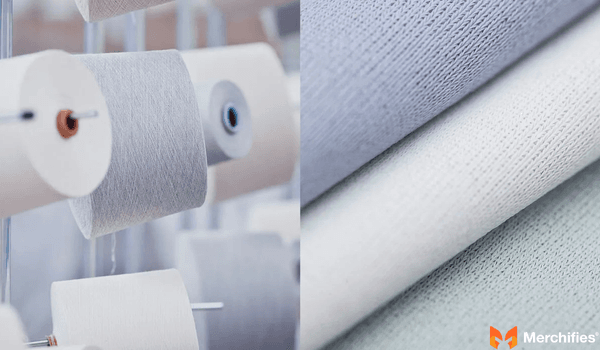
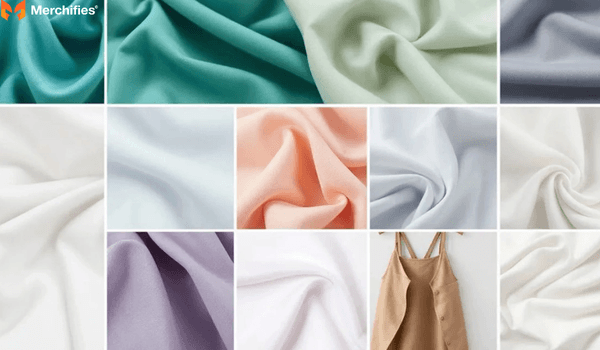
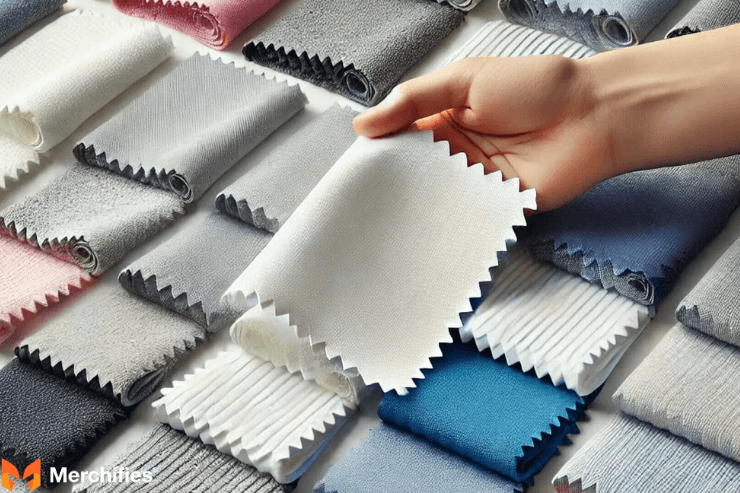
At its core, a 50 polyester and 50 cotton blend is exactly what it sounds like: a fabric woven or knitted from an equal combination of natural cotton fibers and synthetic polyester fibers. This cotton polyester fabric isn't just a random mix; it's a carefully engineered solution designed to harness the strengths of both parent materials while mitigating their individual weaknesses.
The Composition Explained
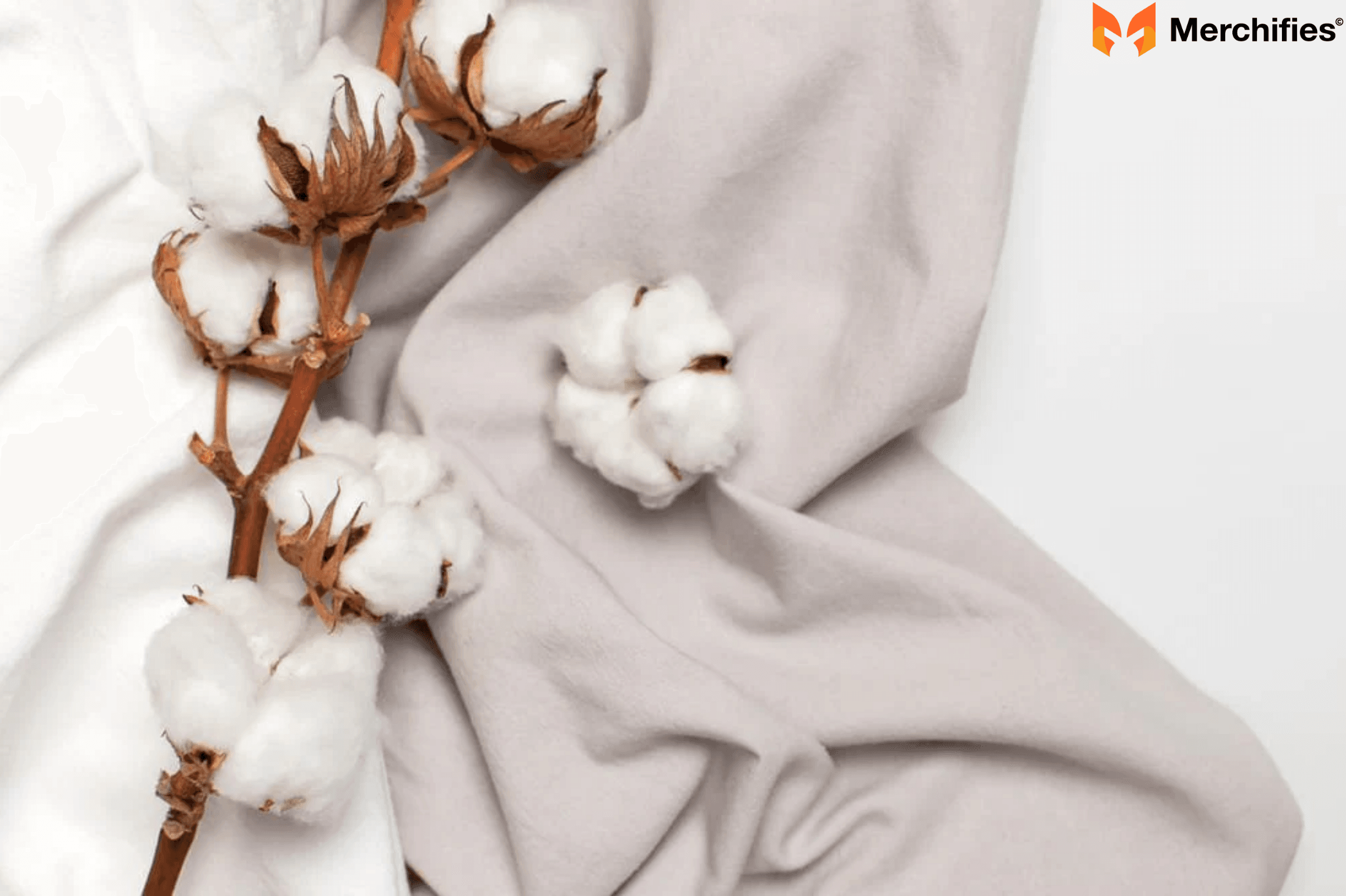
The intentionality behind this 50/50 blend is crucial. Cotton, a natural fiber, is renowned for its softness, breathability, and comfort against the skin. However, it can be prone to shrinking, wrinkling, and showing wear over time. Polyester, on the other hand, is a synthetic powerhouse known for its strength, durability, wrinkle resistance, and colorfastness. Yet, 100% polyester can sometimes feel less breathable or "plastic-y" to some wearers.
The intent behind combining these two, forming a 50 polyester and 50 cotton fabric, is to create a material that offers an optimized balance. It aims to deliver the comfort and natural feel of cotton while gaining the resilience and low-maintenance characteristics of polyester. While 50/50 blend is the most common and balanced ratio, minor variations exist (e.g., 60/40), but the fundamental goals of combining these fibers remain the same: superior performance and feel.
What is a 50 Polyester and 50 Cotton Blend
The Synergistic Benefits: Why Choose 50/50 Cotton Polyester?
When you blend cotton and polyester, you don't just get a simple average of their properties; you often get a synergistic effect where the combined fabric outperforms either component alone in specific areas. This is where the true value of 50 polyester and 50 cotton shines, offering a compelling array of advantages that make it a go-to choice for manufacturers and consumers alike.
Advantages of 50/50 Blends
Enhanced Durability & Strength: From my years analyzing fabric performance, I've observed that polyester's inherent strength truly fortifies cotton. This means garments made with a 50/50 blend are significantly more resilient to everyday wear and tear, stretching, and repeated washing cycles than items made from 100% cotton. This increased robustness translates directly into a longer lifespan for your clothes.
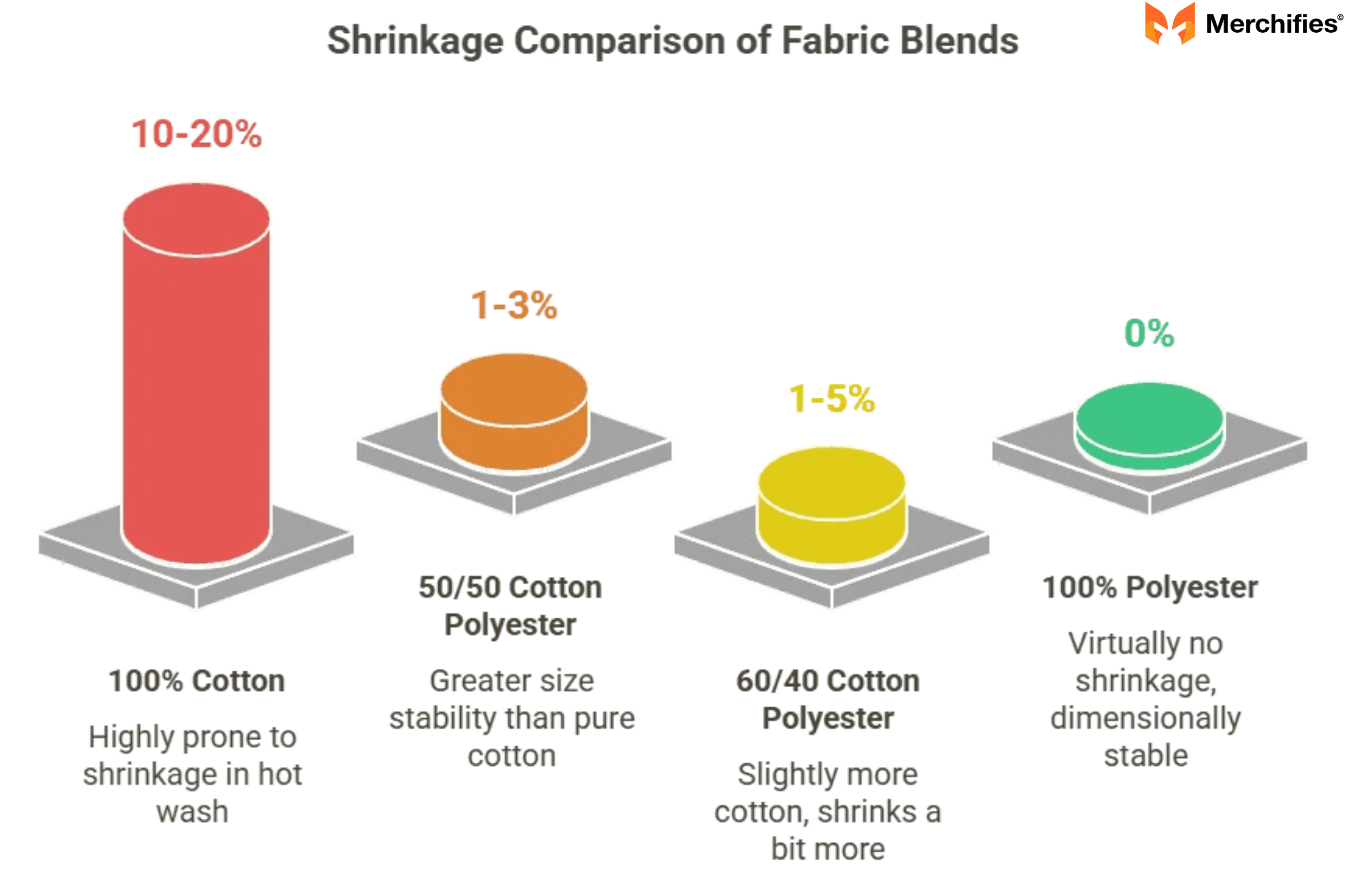
Reduced Shrinkage: One of cotton's well-known downsides is its tendency to shrink, especially with heat. The polyester content in a 50 polyester and 50 cotton fabric acts as a stabilizing force, dramatically reducing its propensity to shrink. This means your 50/50 t-shirts are much more likely to retain their original size and fit after washing.
Wrinkle Resistance: Nobody enjoys ironing, and the polyester component comes to the rescue here. It contributes substantial wrinkle resistance to the fabric, allowing cotton polyester fabric garments to emerge from the dryer looking smoother and requiring significantly less, if any, ironing compared to pure cotton.
Improved Shape Retention: I've noted in my work with garment manufacturers that the structural integrity polyester provides helps 50/50 blend garments hold their shape better. This resistance to stretching and sagging means your clothes maintain their intended form even after extended wear and numerous washes, extending their usable life and aesthetic appeal.
Comfort & Feel: While 100% polyester can sometimes feel a bit slick or less natural, the cotton in a 50 polyester and 50 cotton blend softens the fabric considerably. The result is a much more pleasant, softer feel against the skin, making it a comfortable choice for all-day wear while still retaining strength.
Moisture Management: Polyester inherently boasts moisture-wicking properties, pulling sweat away from the skin. When blended into 50 polyester and 50 cotton, this characteristic is partially imparted to the fabric. While not as efficient as specialized athletic polyesters, it still makes the 50/50 blend suitable for light activewear or warmer climates where some moisture management is desired.
Color Retention: Dyes tend to bond well with polyester fibers, making cotton polyester fabric blends excellent at resisting fading. Your favorite 50/50 blend garments will likely maintain their vibrant colors wash after wash, looking newer for longer.
Cost-Effectiveness: Often, 50 polyester and 50 cotton fabrics are more affordable to produce than high-end 100% cotton, especially certain varieties like Pima or Egyptian cotton. This makes them a great value proposition, offering a strong balance of performance and comfort without breaking the bank.
Potential Drawbacks of 50/50 Blends
While the 50/50 blend offers numerous advantages, it's essential to present a balanced perspective, as Daniel Harper Cole always aims to do. No fabric is perfect for every situation.
Breathability: Although better than 100% polyester, a 50 polyester and 50 cotton blend is generally less breathable than 100% cotton. The polyester fibers, being synthetic, don't allow air to pass through as freely as natural cotton, which can be a factor in very hot or humid environments.
Natural Feel: For some who prefer the ultimate "natural" hand, a 50/50 blend might not feel quite as soft or organic as a premium 100% cotton fabric. The synthetic component, however subtle, can alter the drape and texture.
Heat Sensitivity: Because of the polyester component, 50 polyester and 50 cotton can feel warmer in intensely hot and humid conditions compared to pure cotton, which excels at airflow and absorbing moisture.
Pilling Potential: While not universal, lower quality poly-cotton blend fabrics can sometimes be prone to pilling – the formation of small, fuzzy balls on the surface – especially in areas of high friction. This is often an issue of fiber quality and weave tightness.
The Synergistic Benefits Why Choose 5050 Cotton Polyester
50/50 Cotton Polyester vs. Other Popular Fabrics: A Comparative Look
Understanding the 50 polyester and 50 cotton blend truly comes into focus when you compare it to its individual components. As Daniel Harper Cole often emphasizes, the "best" fabric is always relative to its intended use and your personal priorities.
50/50 Blend vs. 100% Cotton
This is perhaps the most common comparison, and it’s a critical one for anyone choosing between everyday garments.
Shrinkage: The most significant difference. 50 polyester and 50 cotton dramatically reduces shrinkage compared to 100% cotton, which can shrink considerably if not cared for properly.
Durability: The 50/50 blend generally offers superior durability and tear resistance thanks to the polyester content. 100% cotton can be prone to quicker wear, especially with frequent washing.
Wrinkle Resistance: Cotton polyester fabric is far more wrinkle-resistant, often needing minimal to no ironing. 100% cotton, particularly lighter weights, can wrinkle quite easily.
Breathability: 100% cotton typically wins in terms of breathability, offering a lighter, airier feel, making it ideal for extremely hot weather.
Softness: High-quality 100% cotton (like Pima or Supima) can feel incredibly soft and luxurious. A 50/50 blend is soft, but some might argue it lacks the ultimate "natural" softness of premium cotton.
Drying Time: Polyester helps 50 polyester and 50 cotton dry faster than 100% cotton, which absorbs more moisture and holds onto it longer.
Cost: 50/50 blend is often more cost-effective than premium 100% cotton, offering a better balance of performance and price for many applications like 50/50 t-shirts.
Best For: Choose 50 polyester and 50 cotton for uniforms, everyday wear requiring less maintenance, activewear, or when you need a balance of comfort and resilience. Opt for 100% cotton when maximum breathability, a purely natural feel, or specific luxury is the priority.
50/50 Blend vs. 100% Polyester
Comparing 50 polyester and 50 cotton to pure polyester highlights the blend's ability to introduce natural comfort.
Softness & Feel: The addition of cotton makes a 50/50 blend significantly softer and more pleasant to the touch than 100% polyester, which can sometimes feel slick, synthetic, or even slightly scratchy in cheaper varieties.
Breathability: While 50/50 blend isn't as breathable as 100% cotton, it’s generally more breathable and less prone to feeling clammy than 100% polyester, particularly in warmer climates.
Comfort in Different Climates: 50 polyester and 50 cotton offers better comfort across a wider range of temperatures due to the cotton's contribution. 100% polyester can feel hot and non-breathable in extreme heat, though it excels in moisture-wicking for intense activity.
Moisture-Wicking Efficiency: 100% polyester, especially performance-grade, will generally offer superior, faster moisture-wicking for intense athletic activities. The 50/50 blend provides good moisture management for lighter activity but might not be enough for high-sweat scenarios.
Drape: Cotton adds a more natural, flowing drape to the fabric, which many prefer over the sometimes stiffer or more structured drape of 100% polyester.
Best For: Choose 50/50 blend when you desire a softer feel, more natural drape, and improved breathability compared to pure polyester, without sacrificing too much durability or wrinkle resistance. Opt for 100% polyester when maximum durability, advanced moisture-wicking for heavy workouts, or extreme colorfastness are paramount.
50/50 Cotton Polyester vs. Other Popular Fabrics A Comparative Look
Does 50% Cotton 50% Polyester Shrink? The Truth Revealed
This is one of the most frequently asked questions about any fabric blend, and for good reason! As Daniel Harper Cole has seen in his textile research, shrinkage is a primary concern for consumers, impacting fit and longevity.
Understanding Shrinkage in Blended Fabrics
To understand does 50/50 blend shrink, we must look at its components. Cotton fibers, being natural, have an inherent tendency to swell and contract when exposed to heat and moisture. This is why 100% cotton garments are notorious for shrinking. Polyester, on the other hand, is a synthetic fiber that is highly resistant to shrinkage and maintains its shape even under high temperatures.
When these two are combined into a 50 polyester and 50 cotton fabric, the polyester acts as a backbone, significantly minimizing the overall shrinkage potential. While a 50/50 blend still has some shrinkage potential because of its cotton content, it is dramatically less pronounced and less problematic than with 100% cotton garments. It typically ranges from a minimal 1-3% if not pre-shrunk, compared to cotton's potential 5-10% or more.
Factors Influencing 50/50 Blend Shrinkage
Even with polyester's resistance, certain factors can still contribute to minor shrinkage in your 50 polyester and 50 cotton items:
Heat: High temperatures, especially during drying, are the primary culprit. Hot water washing followed by high heat drying can cause the cotton fibers to contract more than usual.
Agitation: Harsh washing cycles with excessive tumbling and friction can contribute to fiber compaction, leading to a subtle reduction in size.
Fabric Quality & Manufacturing: The quality of the blend and how it was manufactured matters. Some cotton polyester fabric is "pre-shrunk" during production, further minimizing post-purchase shrinkage. Untreated or lower-quality blends might show slightly more initial shrinkage.
How to Prevent Shrinkage in Your 50/50 Garments
Preventing shrinkage in your 50/50 blend clothing is straightforward and largely involves careful washing and drying practices.
Washing: Always use cold or lukewarm water. A gentle cycle is recommended to reduce agitation.
Drying: This is the most crucial step. Air dry your 50/50 t-shirts and other garments whenever possible for the best results and minimal shrinkage. If machine drying, use the lowest heat setting or a "no heat" cycle. Remove garments promptly once dry to avoid excessive heat exposure.
Care Labels: Always check the garment's care label! Manufacturers provide specific instructions tailored to their particular fabric blend and garment construction.
Can You Unshrink a 50/50 Cotton Polyester Item?
Unlike 100% cotton, which can sometimes be "unshrunk" with specific methods, success with a 50 polyester and 50 cotton item is much more limited. Because the polyester fibers hold their shape so well, they resist stretching back out once contracted. However, if an item has only mildly shrunk, gently stretching it back into shape while it's still damp from washing or after a low-heat tumble dry can sometimes help. But for significant shrinkage, it's generally a lost cause due to the polyester's stability.
Does 50% Cotton 50% Polyester Shrink
Best Uses and Applications for 50 Polyester and 50 Cotton
The balanced properties of 50 polyester and 50 cotton make it incredibly versatile, suitable for a wide array of applications where comfort, durability, and easy care are paramount.
Popular Apparel Choices
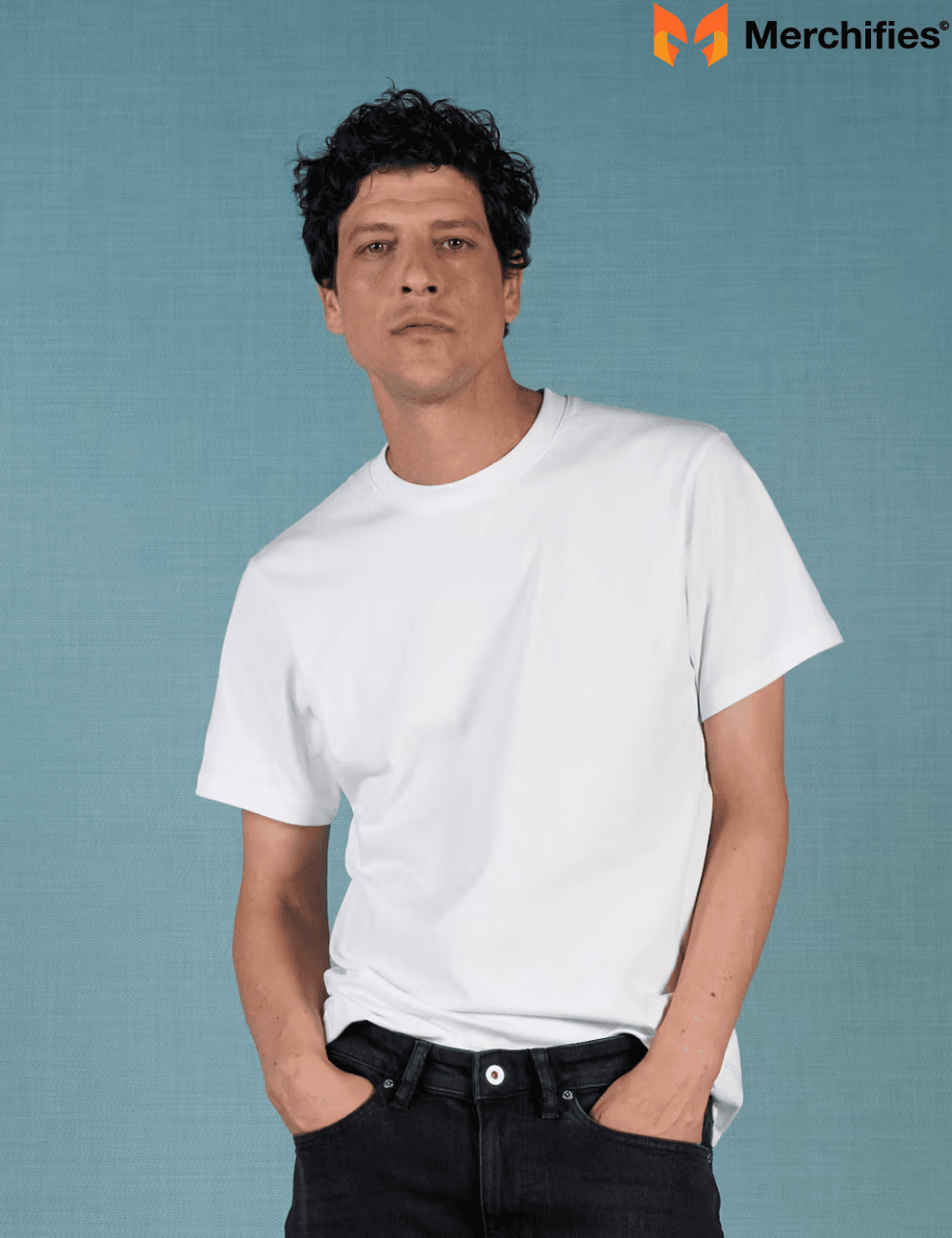
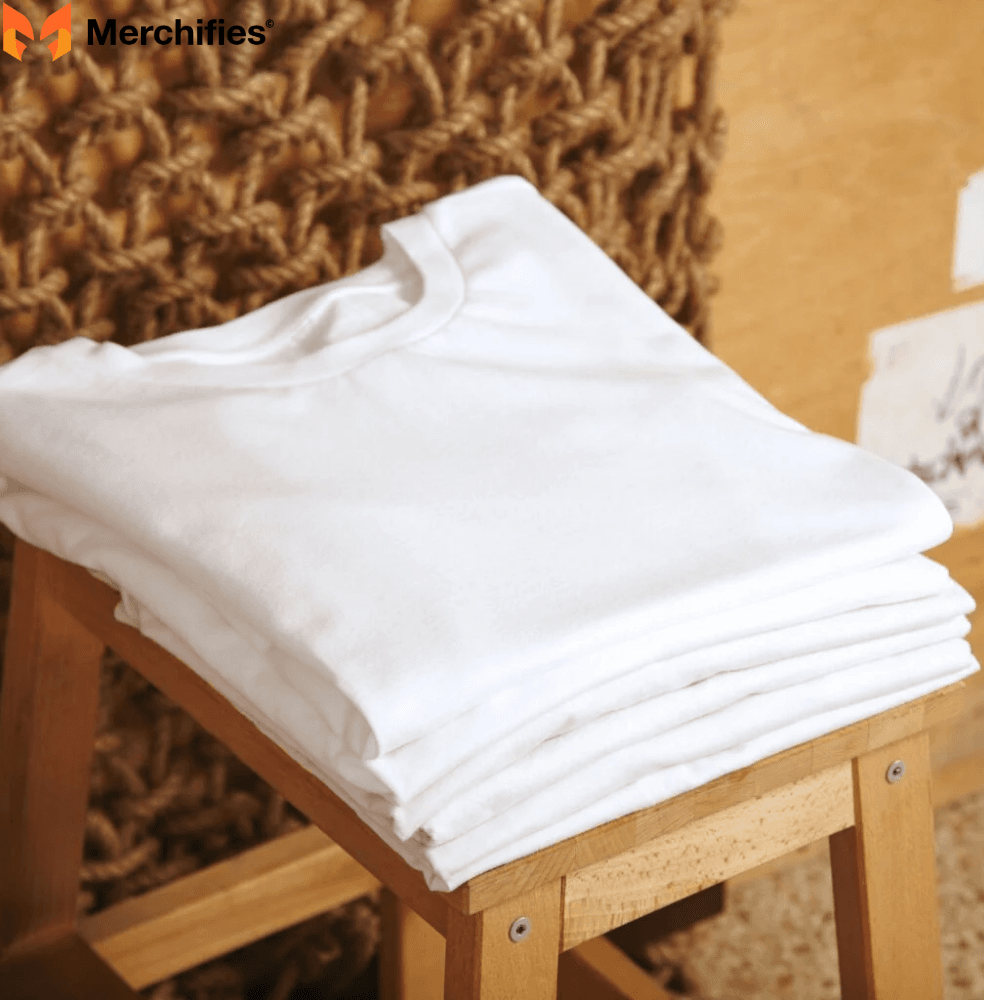
T-shirts & Hoodies: This is arguably the most common and beloved application. 50/50 t-shirts are a top choice for everyday wear, custom printing, promotional items, and school or work uniforms. They offer a great balance of comfort, shape retention, and resistance to fading, making them ideal for branding and longevity.
Activewear & Gym Clothes: For light to moderate workouts, 50 polyester and 50 cotton provides an excellent balance. It's more comfortable than 100% polyester for many, offering decent moisture-wicking and breathability, while still being more durable and less prone to stretching out than 100% cotton.
Workwear & Uniforms: Industries that require uniforms benefit immensely from poly-cotton blend fabrics. They stand up to repeated industrial washing, resist wrinkles, and maintain a professional appearance, all while keeping the wearer comfortable throughout the day.
Loungewear & Sleepwear: The soft feel of the cotton combined with the durability of polyester makes 50 polyester and 50 cotton a popular choice for comfortable loungewear and sleepwear that can withstand frequent washing.
Other Textile Applications (Brief Mention)
Beyond apparel, the benefits of 50 polyester and 50 cotton extend to other textile categories. You'll find it in some bedding (especially sheets and pillowcases that need to be durable and easy to wash), certain upholstery fabrics where resilience and stain resistance are important, and even various industrial textiles that require a combination of strength and some natural feel.
Best Uses and Applications for 50 Polyester and 50 Cotton
Caring for Your 50 Polyester and 50 Cotton Garments
Proper care can significantly extend the life and maintain the look of your 50 polyester and 50 cotton garments. The good news, as Daniel Harper Cole has consistently found, is that poly-cotton blend fabrics are generally low-maintenance.
Washing Instructions
Temperature: Cold or lukewarm water is ideal for washing 50 polyester and 50 cotton items. This helps preserve color, reduce the risk of any potential shrinkage, and is energy-efficient.
Cycle: A gentle or normal wash cycle is usually sufficient. Avoid excessively harsh cycles that can cause unnecessary friction and wear.
Detergent: Standard laundry detergents are perfectly fine for cotton polyester fabric.
Separation: As with all laundry, wash similar colors together to prevent dye transfer. It's also a good practice to wash 50/50 blend items with other synthetic or blended fabrics to prevent lint transfer from heavier cottons or fleeces.
Drying Instructions
Air Drying: This is always the best option for longevity and minimizing shrinkage for any 50 polyester and 50 cotton garment. Hang items on a line or lay them flat.
Machine Drying: If using a machine dryer, always opt for a low heat setting. High heat can still cause the cotton fibers to contract and potentially damage the polyester.
Avoiding Over-Drying: Remove garments from the dryer as soon as they are dry or even slightly damp. Over-drying at any temperature can lead to static buildup, increased wear, and potential damage to fibers.
Ironing and Storage
Ironing: 50 polyester and 50 cotton is wonderfully wrinkle-resistant. If ironing is needed, use a low to medium heat setting. It's often best to iron the garment inside out or place a pressing cloth over it to protect the polyester fibers from direct high heat, which can cause scorching or melting.
Storage: Store your 50/50 blend garments folded neatly or hung on appropriate hangers to maintain their shape and prevent creasing.
Caring for Your 50 Polyester and 50 Cotton Garments
Common Myths About 50/50 Cotton Polyester Blends (and the Truth!)
Through my decade of working with fabrics, I've encountered many misconceptions, and 50 polyester and 50 cotton is no exception. Let's bust a few common myths that Daniel Harper Cole often clarifies for clients and consumers.
Myth 1: "50/50 blends don't shrink at all."
Truth: While significantly more resistant to shrinkage than 100% cotton, a 50 polyester and 50 cotton fabric still contains cotton fibers that can contract under high heat. The key is "reduced" shrinkage, not "no" shrinkage. Always follow care instructions, especially regarding drying temperatures.
Myth 2: "They feel completely synthetic and scratchy."
Truth: This is a major misconception! The cotton component adds a significant level of softness and a natural hand to the fabric. Modern 50/50 blend fabrics, particularly those with good quality cotton, are known for their comfortable feel, which is a major cotton blend advantages. They are much softer than 100% polyester.
Myth 3: "They're always a cheap, low-quality option."
Truth: While 50 polyester and 50 cotton can be more affordable than premium 100% cotton, its quality varies greatly by manufacturer and the quality of the fibers used. Many high-quality brands utilize this blend for its excellent performance, durability, and easy care properties, not just cost. It offers superb value and performance across various applications.
Common Myths About 5050 Cotton Polyester Blends
Conclusion: Is 50 Polyester and 50 Cotton the Right Choice for You?
We've explored the fascinating world of 50 polyester and 50 cotton, a fabric blend that truly punches above its weight. From its enhanced durability and reduced shrinkage to its comfortable feel and easy care, the 50/50 blend offers a compelling set of advantages that make it a standout choice in the textile landscape. It adeptly balances the natural breathability and softness of cotton with the strength, wrinkle resistance, and colorfastness of polyester.
As Daniel Harper Cole has consistently observed throughout his career, the "best" fabric is ultimately subjective and depends on your individual needs and priorities. If you're looking for a versatile fabric that stands up to daily wear, resists wrinkles and fading, offers a comfortable feel, and is easy to maintain – without the significant shrinkage concerns of pure cotton – then 50 polyester and 50 cotton is very likely the right choice for you. It's a testament to textile innovation, providing a practical, high-performing solution for modern life.
Consider your lifestyle, desired comfort level, and maintenance preferences. With the insights shared here, you’re now well-equipped to make an informed decision and appreciate the clever engineering behind this ubiquitous and beloved poly-cotton blend.
 Worldwide Shipping
 Secure Payments
 Free Return
 Local Support
-da0801079a650a2e.jpeg)
-d4c38c342cdf20ca.jpeg)


-b555fcc6b204c456.jpeg)