The Ultimate Guide to Stunning Personalised T-Shirt Printing: Methods, Costs, Design & More
This ultimate guide covers everything you need to know about personalised T-shirt printing—from popular printing methods and costs to design tips and fabric choices. Whether for business, events, or personal use, you’ll learn how to create high-quality custom T-shirts that look great and last.
Blog Post Contents
Welcome to the definitive guide on personalised t shirt printing! In a world of mass-produced goods, the appeal of a custom-designed t-shirt is undeniable. Whether you're looking to express your individuality, build a brand, or commemorate a special event, a personalised t-shirt offers a unique blend of creativity and utility. It’s more than just fabric and ink; it’s a canvas for your ideas, a statement of who you are or what you represent.
For over seven years, I, Mason Ellis Grant, have been helping people navigate complex tasks and bring their DIY projects to life. My journey in technical communication and practical troubleshooting has taught me the immense value of clear, actionable advice – especially when it comes to creative endeavors like custom apparel. Here, I'm sharing insights and experiences to help you understand what personalised t shirt printing truly entails and how to achieve stunning results.
In this comprehensive guide, we'll dive deep into everything you need to know: from exploring the various printing methods and mastering design principles to understanding costs and choosing the perfect printing partner. By the end, you'll be empowered with the knowledge to transform your vision into a wearable masterpiece.
Why Choose Personalised T-Shirts? Popular Use Cases & Benefits
The versatility of personalised t shirt printing is truly remarkable. From casual wear to professional branding, custom tees serve a multitude of purposes, making them a popular choice for individuals and organizations alike.
Expressing Personal Style & Creativity
Imagine wearing a t-shirt that perfectly captures your personality, a favorite quote, or a unique piece of art. Personalised t-shirts allow you to craft one-of-a-kind fashion statements that stand out from the crowd. They make thoughtful, sentimental gifts for loved ones, commemorating birthdays, anniversaries, or inside jokes with a truly personal touch.
Boosting Business Branding & Marketing
For businesses, especially small enterprises, custom t-shirts are a powerful and cost-effective marketing tool. Uniforms for employees foster a sense of unity and professionalism, while promotional merchandise adorned with your logo acts as a walking billboard, enhancing brand awareness and recall. It's a tangible way to connect with your audience.
Why Choose Personalised T-Shirts Popular Use Cases & Benefits
Unifying Teams, Events & Causes
There's an undeniable camaraderie that comes with wearing matching attire. Sports teams, charity event participants, family reunion attendees, and school trip groups all benefit from custom t-shirts that foster team spirit, identify members, and promote a shared identity or cause. It creates a memorable visual impact.
Creating Merchandise for Content Creators & Artists
In today's digital age, content creators, musicians, and artists can leverage personalised t shirt printing to build stronger connections with their audience. Selling custom merchandise not only provides a valuable monetisation opportunity but also allows fans to proudly display their support, building a loyal and engaged community.
Understanding Personalised T-Shirt Printing Methods (The Core of E-E-A-T)
Choosing the right method for your personalised t shirt printing project is crucial, directly impacting the look, feel, durability, and cost of your finished product. According to Mason Ellis Grant's methodical approach to problem-solving, understanding these core techniques is the first step to making an informed decision. Let's explore the most common ones.
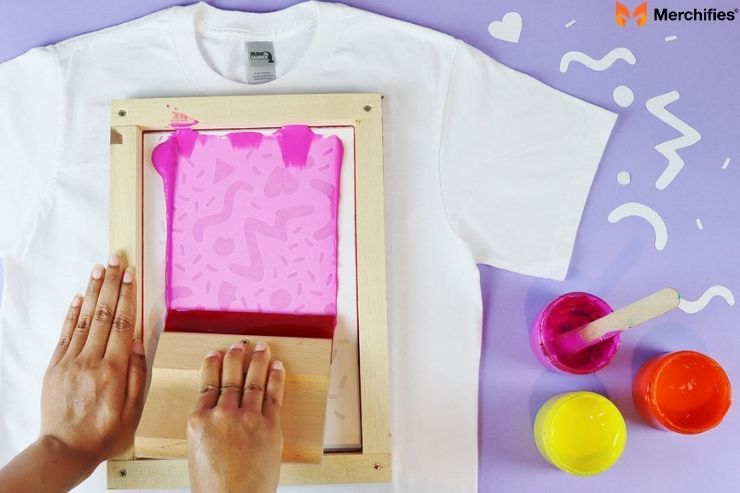
Screen Printing: The Classic Choice
Screen printing is a traditional method where ink is pushed through a woven mesh stencil onto the fabric, one color at a time.
How it works: Each color in your design requires a separate stencil (screen). Ink is applied to the screen and a squeegee is used to push it through the mesh onto the t-shirt.
Pros: Renowned for its durability, vibrant colors, and soft feel once washed. Highly cost-effective for large batches due to efficient production.
Cons: Involves significant setup costs for each color and design, making it less economical for small runs. Limited colors for highly complex designs.
Best for: Bulk orders (typically 20+ items), simple designs, bold graphics, and company logos where longevity and color vibrancy are key.
Direct-to-Garment (DTG) Printing: For Intricate Designs
DTG printing is essentially like using a large inkjet printer for fabric. It sprays ink directly onto the t-shirt.
How it works: A digital image is sent directly from a computer to a specialized printer that applies water-based inks directly onto the garment.
Pros: Capable of high detail and an unlimited number of colors, perfect for photos and gradients. Offers a soft, breathable feel. Excellent for small orders or even single custom t-shirts.
Cons: Generally higher cost per unit compared to screen printing for large quantities. Colors can be less vibrant on dark fabrics without a white underbase, which adds to cost. Durability can vary depending on ink and garment quality.
Best for: Intricate designs, photographs, artwork with many colors, gradients, and when you need just one or a few personalised t shirts.
Heat Transfer Vinyl (HTV): Versatility & Special Effects
HTV involves cutting designs from special vinyl material and then applying them to the fabric using a heat press.
How it works: A design is cut from a sheet of vinyl using a plotter. Excess vinyl is removed (weeded), and the remaining design is placed on the garment and pressed with heat, adhering it permanently.
Pros: Produces sharp, clean lines and vibrant, opaque colors. Excellent for specialty finishes like glitter, metallic, neon, or flock. Ideal for individual names, numbers, or small logos.
Cons: Can create a slightly thick or "plastic-y" feel, especially with large designs, making it less breathable. Limited number of colors per design, as each color is a separate layer of vinyl.
Best for: Personalised names and numbers on sports jerseys, small logos, simple text, and unique fashion accents requiring special effects.
Sublimation Printing: For All-Over Designs & Polyester
Sublimation is a process where dye is transferred from paper to fabric using heat, turning the ink into a gas that infuses directly into the fabric fibers.
How it works: Designs are printed onto a special transfer paper with sublimation inks. This paper is then placed on the garment and heated to a high temperature, turning the ink into a gas that permanently dyes the synthetic fibers.
Pros: Creates incredibly vibrant, permanent, and soft-feel prints that won't crack, peel, or fade. Perfect for all-over prints as the dye becomes part of the fabric.
Cons: Primarily works only on polyester or poly-coated items (white or light colors) because the dyes bond with synthetic fibers. Cannot print white ink.
Best for: Performance wear, athletic jerseys, all-over custom patterns, and promotional items made of polyester.
Embroidery: The Premium, Textured Option
While not strictly "printing," embroidery is a highly popular and premium customisation method that uses thread to stitch designs onto fabric.
How it works: A digital design is converted into a stitch file, and an embroidery machine uses various colored threads to stitch the design directly onto the garment.
Pros: Delivers a high-end, professional, and textured look. Extremely durable and resistant to fading and washing. Adds a touch of sophistication.
Cons: Generally the most expensive option, especially for complex designs. Limited in fine detail and color gradients. Not suitable for very large or intricate designs that require fine lines.
Best for: Corporate wear, polo shirts, jackets, hats, professional branding, and any item where a premium, long-lasting finish is desired.
Comparison of custom T-shirt printing techniques for high-quality designs
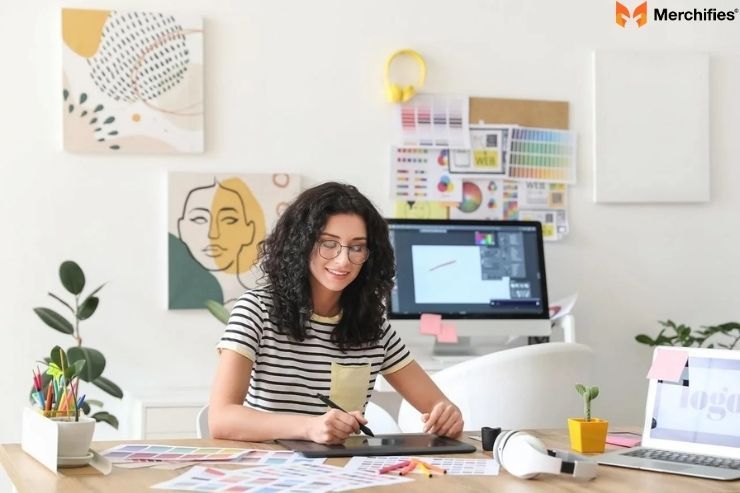
Designing Your Personalised T-Shirt: Tips for Success
A great print starts with a great design. Preparing your artwork correctly is paramount for a flawless personalised t shirt printing outcome.
Key Design Considerations
Before you even touch a design tool, consider your audience and the purpose of your shirt. Is it for a fun family event, a professional brand launch, or a bold personal statement?
Understanding your audience and purpose helps tailor the message and aesthetic.
Color choices are critical; ensure good contrast and, for branding, adhere to brand guidelines. Remember, colors on screen can look different when printed.
Placement and size greatly impact visual appeal. Standard print areas include the chest, back, sleeves, and neck tag. Always confirm maximum print sizes with your chosen printer.
Simplicity vs. complexity influences not only the aesthetic but also the viable printing method and ultimately the cost. Simpler designs often translate better and are more versatile.
Preparing Your Artwork for Printing
This is where technical accuracy ensures your vision translates perfectly.
Vector vs. Raster images:
Vector images (e.g., logos, illustrations) are made of mathematical paths, allowing them to be scaled to any size without losing quality. Files like AI, EPS, SVG, and PDF (if created from vector art) are preferred for most printing methods, especially screen printing and HTV.
Raster images (e.g., photos, complex artwork with gradients) are made of pixels. They can become pixelated or blurry if enlarged beyond their original resolution. Files like PNG, JPG, and TIFF are common for DTG printing but require high resolution.
Required file formats: Always check with your printer, but generally AI, EPS, PDF, SVG for vector; PNG (with transparent background), JPG (high resolution), TIFF for raster.
Resolution (DPI for raster images): For raster images, aim for at least 300 DPI (dots per inch) at the final print size to ensure sharpness and clarity.
Transparent backgrounds: For raster images like PNGs, ensure the background is transparent if you don't want a white box printed around your design.
Designing Your Personalised T-Shirt Tips for Success
Copyright and Intellectual Property: Navigating US Legal Considerations
This is a critical, often overlooked aspect. It’s important to either own the rights to your design or have explicit permission to use any copyrighted or trademarked material. Avoiding common pitfalls like using celebrity images or brand logos without consent can save you significant legal trouble.
A US Legal Perspective When creating personalized t-shirts, especially for commercial purposes, understanding US copyright and intellectual property laws is crucial. Copyright protects original works of authorship, including designs, logos, and artwork. Using copyrighted material without permission can lead to legal consequences, including lawsuits and financial penalties. It's essential to ensure you have the right to use any design elements you incorporate into your t-shirt. This includes obtaining licenses or permissions from copyright holders. The US Copyright Office provides resources and information on copyright law. Furthermore, be aware of trademark law, which protects brand names and logos. Avoid using any trademarks without authorization, as this can result in legal action. Consult with an attorney specializing in intellectual property law for specific legal advice regarding your designs.
Tools and Resources for T-Shirt Design
You don't need to be a professional designer to create great custom t-shirts.
Online design tools: Platforms like Canva or many printer-specific customizer apps offer user-friendly interfaces with templates and clip art.
Professional software: For advanced designs, Adobe Illustrator (vector graphics) and Photoshop (raster graphics) are industry standards.
Hiring a graphic designer: If your vision is complex or you lack design skills, investing in a professional designer is often worthwhile for a polished result.
The Personalised T-Shirt Printing Process: From Idea to Delivery
Understanding the typical steps involved in personalised t shirt printing can demystify the journey and help you set clear expectations. As Mason Ellis Grant often explains when breaking down complex tasks, a step-by-step approach ensures a smoother experience.
Step 1: Concept & Design Finalisation
This initial phase involves brainstorming your idea, sketching concepts, and refining your design. You might create digital mock-ups to visualize how the design will look on a t-shirt. This is where your creative vision takes shape.
Step 2: Choosing Your Garment
The choice of t-shirt is as important as the design itself. Consider:
Material: 100% cotton is popular for comfort; cotton/polyester blends offer durability and shape retention; 100% polyester is best for sublimation.
Fit: Regular, slim, athletic, unisex – select what best suits your audience.
Brand and quality: Higher quality garments often lead to more durable prints and a better feel.
The Personalised T-Shirt Printing Process From Idea to Delivery
Step 3: Getting a Quote & Placing Your Order
Provide your chosen printer with all necessary details: your final design file, desired printing method, garment type, quantity, and preferred print locations. This allows them to provide an accurate estimate. Be aware of minimum order quantities (MOQs), which vary by printer and method.
Step 4: Proofing & Approval
Before production begins, your printer will send you a digital proof (a visual representation of your design on the garment). For larger or critical orders, you might request a physical sample. Carefully check every detail – spelling, colors, placement, size – as this is your last chance for revisions.
Step 5: Production & Quality Control
Once approved, your order moves into production. Depending on the method, screens are prepared, ink is mixed, or digital files are sent to printers. Reputable printers implement quality control checks throughout this stage to ensure consistency and adherence to your specifications.
Step 6: Shipping & Delivery
After production, your custom t-shirts are packaged and shipped. Be sure to confirm turnaround times and shipping options upfront, especially if you have a deadline.
How Much Does Personalised T-Shirt Printing Cost? Budgeting Guide
One of the most common questions about personalised t shirt printing revolves around pricing. Understanding the factors that influence cost is key to smart budgeting. Mason Ellis Grant believes in providing transparent and actionable information, especially when it comes to financial considerations.
Factors Influencing Price
Several variables contribute to the final price tag:
Printing method: Screen printing has setup fees but lower per-unit costs for bulk. DTG often has higher per-unit costs but no setup fees. Embroidery includes digitizing fees for the design.
Quantity: The more shirts you order, the lower the per-unit cost typically becomes due to bulk t-shirt printing discounts.
Number of colors in design: For methods like screen printing, more colors mean more screens and higher costs. DTG handles unlimited colors without additional charges.
Type and quality of garment: Premium brands, organic cotton, or specialized fabrics will naturally cost more than basic tees.
Complexity of design and number of print locations: A design with fine details or multiple print areas (front, back, sleeve) will increase production time and cost.
Expedited services: Needing your order faster than standard turnaround times usually incurs an extra fee.
How Much Does Personalised T-Shirt Printing Cost Budgeting Guide
Understanding Pricing Structures
Printers typically provide a per-unit cost breakdown. Be sure to clarify if this includes setup fees (for screens or digitizing embroidery designs) and any potential design fees if you require their design services. Always get a detailed quote that itemizes all costs.
Smart Budgeting Tips
Getting multiple quotes from different printers allows for comparison.
Consolidating orders whenever possible to hit higher quantity discount tiers.
Choosing appropriate methods for your budget: If you need just one full-color shirt, DTG is usually more budget-friendly than screen printing. If you need hundreds of shirts with a 2-color logo, screen printing will be more economical.
Personalised T-Shirt Printing Online: Convenience at Your Fingertips
The digital age has made personalised t shirt printing online incredibly accessible. This option offers a distinct set of advantages, particularly for those who value convenience and a wide range of choices.
Pros:
Wider Selection: Online platforms often boast vast catalogs of garment styles, brands, and colors, far exceeding what a local shop might stock.
Competitive Pricing: The ability to compare prices from numerous providers with a few clicks often leads to more competitive rates.
Extensive Design Tools: Many online printers offer intuitive, web-based design interfaces that empower users to create professional-looking designs without needing specialized software.
Global Reach: You can order from anywhere and have your custom t-shirts delivered to nearly any location, ideal for remote teams or gifts.
Cons:
Lack of Physical Interaction: You can't physically touch garment samples or discuss your design face-to-face, which can be a drawback for some.
Shipping Times: While convenient, you'll need to account for production and shipping times, which can sometimes be longer than picking up locally.
Potential for Miscommunication: All communication is typically digital, requiring clear and precise instructions to avoid errors.
Best for: Individuals, small businesses, content creators with complex or multi-color designs, and anyone seeking unique garment options or competitive pricing for custom apparel.
Personalised T-Shirt Printing Online Convenience at Your Fingertips
Personalised T-Shirt Printing Near Me: Local Service & Support
For many, the appeal of personalised t shirt printing near me lies in the tangible benefits of working with a local business. There’s a distinct advantage to human interaction and direct oversight.
Pros:
Face-to-Face Consultation: You can visit the shop, discuss your vision directly with an expert, and get personalized advice.
Quick Turnarounds for Local Pickup: For urgent orders or projects with tight deadlines, local printers often offer faster turnaround times and the convenience of direct pickup.
Supporting Local Businesses: Many prefer to contribute to their local economy.
Inspecting Samples: You can often see and feel actual garment samples, fabric swatches, and even print quality samples before committing to a larger order.
Cons:
Potentially Higher Costs: Local shops might have higher overheads, which can translate to slightly higher prices compared to large online operations.
Limited Options Compared to Online: Their inventory of garment styles and printing capabilities might be narrower.
Geographic Restrictions: You're limited to printers within a reasonable proximity.
Best for: Urgent orders, local events, specific quality checks, community engagement, and when you value direct communication and personal service for your custom t-shirt printing.
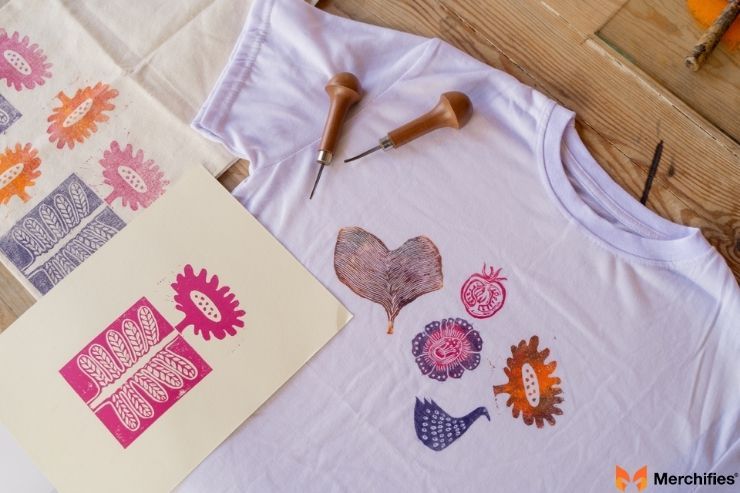
T-Shirt Printing at Home: The DIY Approach
For those with a creative streak or a need for just a single, highly personalised t shirt, t-shirt printing at home offers a rewarding and cost-effective DIY solution. My experience with DIY projects has shown that while it requires patience, the satisfaction of creating something yourself is immense.
T-Shirt Printing at Home The DIY Approach
How it works:
Iron-On Transfers: Designs are printed onto special transfer paper using an inkjet printer, then ironed onto the t-shirt. Simple and quick.
Craft Vinyl (with a cutting machine): Similar to HTV, but you do it yourself. Designs are cut from vinyl using a craft cutter (like a Cricut or Silhouette) and then heat-pressed onto the shirt.
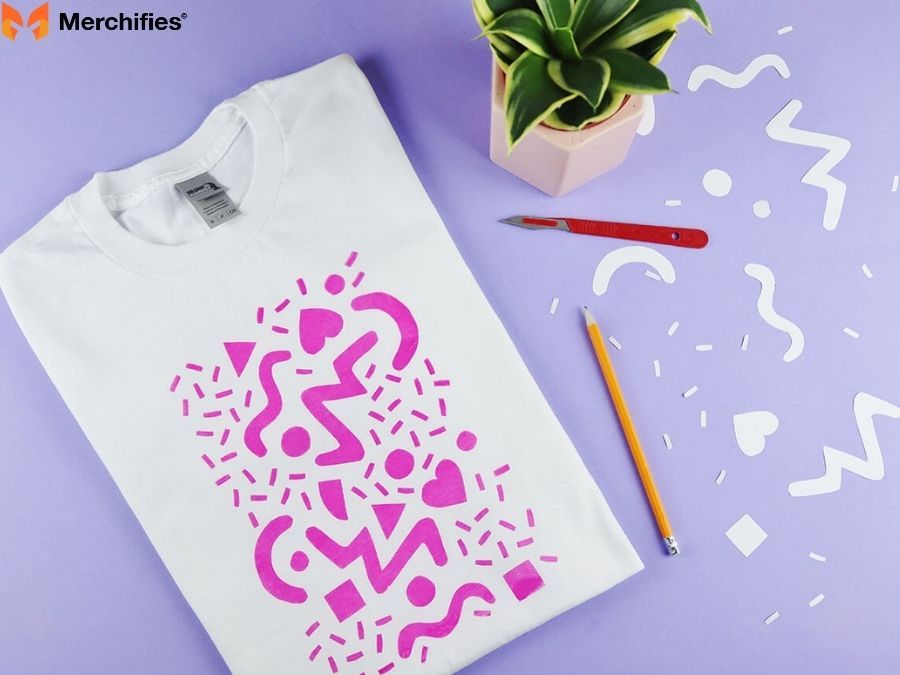
Simple Screen Printing Kits: Basic kits allow you to create one-color designs using stencils and textile ink. Requires more setup but yields more durable results than iron-ons.
Pros:
Cost-Effective for Single Items: Significantly cheaper than professional printing for just one or two shirts.
Creative Freedom & Immediate Results: You have full control over the design and can see your creation come to life instantly.
Learning Opportunity: A great way to experiment with design and printing techniques.
Cons:
Quality Limitations: Home prints rarely match the professional finish and durability of commercial methods.
Durability Issues: Especially with iron-on transfers, prints may crack or peel after several washes.
Time-Consuming: Designing, preparing, and applying can take considerable time and effort.
Steep Learning Curve: For methods like screen printing or advanced vinyl, there's a learning curve to achieve good results.
Best for: Personal use, unique gifts, experimental designs, and small-scale hobby projects where quality isn't paramount and the DIY experience is valued.
Choosing the Right Personalised T-Shirt Printer (Demonstrating Trustworthiness)
Selecting the right partner for your personalised t shirt printing project is paramount to a successful outcome. As Mason Ellis Grant continuously updates his knowledge to maintain high editorial standards, he also emphasizes due diligence when choosing a service provider.
Choosing the Right Personalised T-Shirt Printer
Key Qualities to Look For
When evaluating potential printers, consider these factors:
Reputation and reviews: Check online testimonials, Google reviews, and ask for case studies. A printer's track record speaks volumes.
Quality of work: Request to see samples or review their portfolio. This is crucial for verifying their print quality and garment options.
Customer service and communication: Are they responsive, helpful, and clear in their communication? Good communication is vital for a smooth process.
Turnaround times and reliability: Can they meet your deadlines consistently? Look for realistic estimates, not just the fastest promise.
Pricing transparency: A trustworthy printer will provide clear, itemized quotes without hidden fees.
Experience with your chosen method/design complexity: Ensure they specialize in or have extensive experience with the printing method best suited for your design.
Questions to Ask Before Ordering
Don't hesitate to ask questions; it shows you're an informed customer.
"Can I see samples of your work and available garments?"
"What are your exact file requirements for my design?"
"What is your typical turnaround time for an order of my size?"
"What's your minimum order quantity (MOQ) for this printing method?"
"Do you offer digital proofs, and is there a charge for revisions?"
"What's your policy on misprints or returns if there's an issue?"
"Are there any setup fees or hidden costs I should be aware of?"
Essential Tips for a Flawless Personalised T-Shirt Order
Even with the best printer, a few common-sense tips can significantly improve your personalised t shirt printing experience and the longevity of your custom garments. These are the kinds of practical troubleshooting tips Mason Ellis Grant is known for.
Essential Tips for a Flawless Personalised T-Shirt Order
Plan Ahead
Don't rush the process. Allow ample time for design iterations, obtaining quotes, production, and shipping. Last-minute orders often come with higher costs and increased stress.
Proofread Everything
Text on a t-shirt is permanent. Double-check all spellings, dates, names, and numbers on your design proof. A typo can ruin an entire batch of shirts.
Understand Fabric Blends
Different fabrics react differently to various printing methods. For example, 100% cotton is great for screen printing and DTG, while 100% polyester is required for sublimation. Ask your printer which fabric will yield the best results for your chosen method.
Proper T-Shirt Care
To maximize the longevity of both the garment and the print:
Wash inside out in cold water.
Use a mild detergent.
Avoid bleach and harsh chemicals.
Tumble dry on low heat or hang dry.
Do not iron directly on the print.
Choosing the best printing method for personalised T-shirts
Common Mistakes to Avoid
Low-resolution images: Always provide high-resolution files to avoid pixelated or blurry prints.
Ignoring MOQs: Don't assume a printer will do a single shirt if their minimum is 20. Confirm MOQs early.
Last-minute orders: Leads to stress, limited options, and higher costs.
Copyright infringement: Always ensure you have the rights or permission to use any design elements.
Conclusion: Your Journey to Perfect Personalised T-Shirts Begins Here
You now have a robust understanding of the world of personalised t shirt printing. We've journeyed through the diverse methods, explored the art of design, demystified the printing process, broken down costs, and equipped you to choose a reliable printer – whether you're looking for personalised t shirt printing online or personalised t shirt printing near me, or even considering t-shirt printing at home.
The possibilities with custom apparel are truly endless, allowing you to bring your unique vision to life. As Mason Ellis Grant, I hope this guide empowers you with the trustworthy information you need to confidently act on your next project.
Don't let your creative ideas just sit there. Take the first step: start designing, request a quote, or explore the reputable printing services available to you. Your perfect personalised t shirt is waiting to be created!
 Worldwide Shipping
 Secure Payments
 Free Return
 Local Support
-da0801079a650a2e.jpeg)


-d4c38c342cdf20ca.jpeg)


-b555fcc6b204c456.jpeg)