How to Keep Your Christmas Tree Alive Longer: The Ultimate Guide to a Fresher Holiday Season
This guide reveals the essential steps to keep your Christmas tree alive longer—from choosing a healthy tree and proper watering to ideal placement, trimming, and maintenance tips—to ensure a fresher, greener holiday season.
Blog Post Contents
The unparalleled magic of a real Christmas tree – its distinctive scent, its vibrant beauty, and the warm glow it casts – is a cornerstone of the holiday season for many. Yet, this joy can quickly turn to disappointment when needles start dropping prematurely, or the tree dries out, losing its festive luster. The truth is, real trees are incredibly thirsty, and the dry indoor air of our homes can accelerate their demise, leading to an early exit from your living room.
But what if you could significantly extend the life of your tree, keeping it fresh and fragrant throughout the entire festive period? This comprehensive guide provides simple yet crucial steps, backed by expert advice, to ensure your Christmas tree remains vibrant, safe, and truly magical. As Mason Ellis Grant, a seasoned professional with years of hands-on experience in home and garden care, often emphasizes, "The longevity of your Christmas tree isn't just luck; it's a direct result of informed choices and consistent care." By following these practical strategies, you'll learn exactly how to keep Christmas tree alive longer, enjoying a beautiful display with minimal fuss and maximum festive cheer.
Choosing the Freshest Christmas Tree
The foundation for a long-lasting, vibrant Christmas tree begins even before it enters your home. Selecting a truly fresh tree is paramount to its longevity.
Inspecting for Freshness at the Lot
When you're at the tree lot, take a few moments for a thorough inspection. This initial quality check is crucial.
Needle Test: Gently grasp a branch between your thumb and forefinger and pull them towards you. The needles should be pliable and spring back into place, not break off or feel brittle. A good sign of a fresh Christmas tree care beginning.
Color & Fragrance: Look for a vibrant green color throughout the tree, avoiding any with noticeable yellowing or browning. A strong, natural pine scent is another excellent indicator of freshness.
Shake Test: Lift the tree a few inches off the ground and gently bounce it. Some inner, brown needles might fall – this is normal. However, excessive shedding of green needles indicates a dry, older tree. Minimal green needle drop is what you’re looking for.
Trunk Base: Examine the cut surface of the trunk. It should appear moist and sappy, not dry, gray, or cracked. This is where the tree absorbs water, so a healthy base is essential.
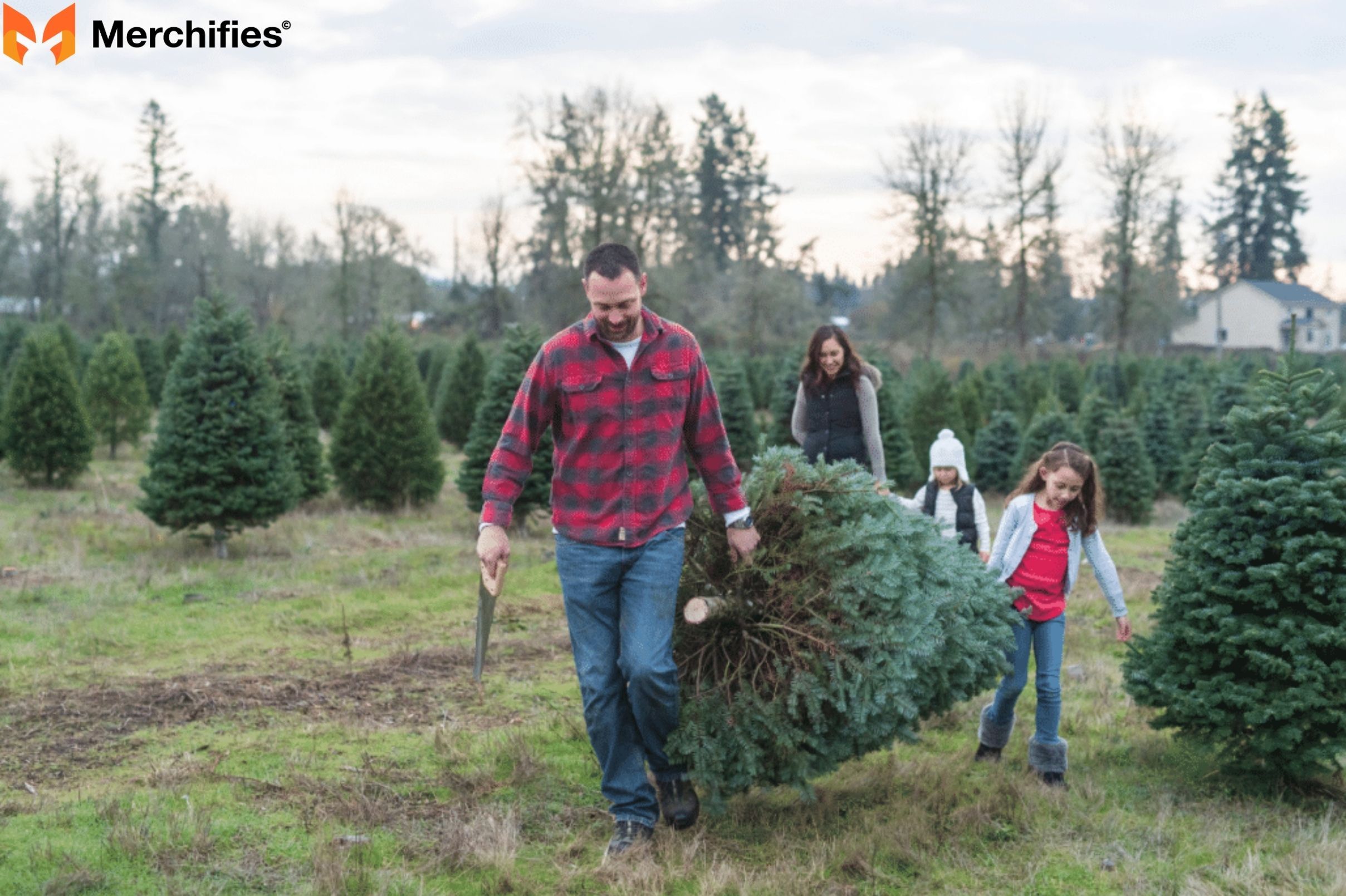
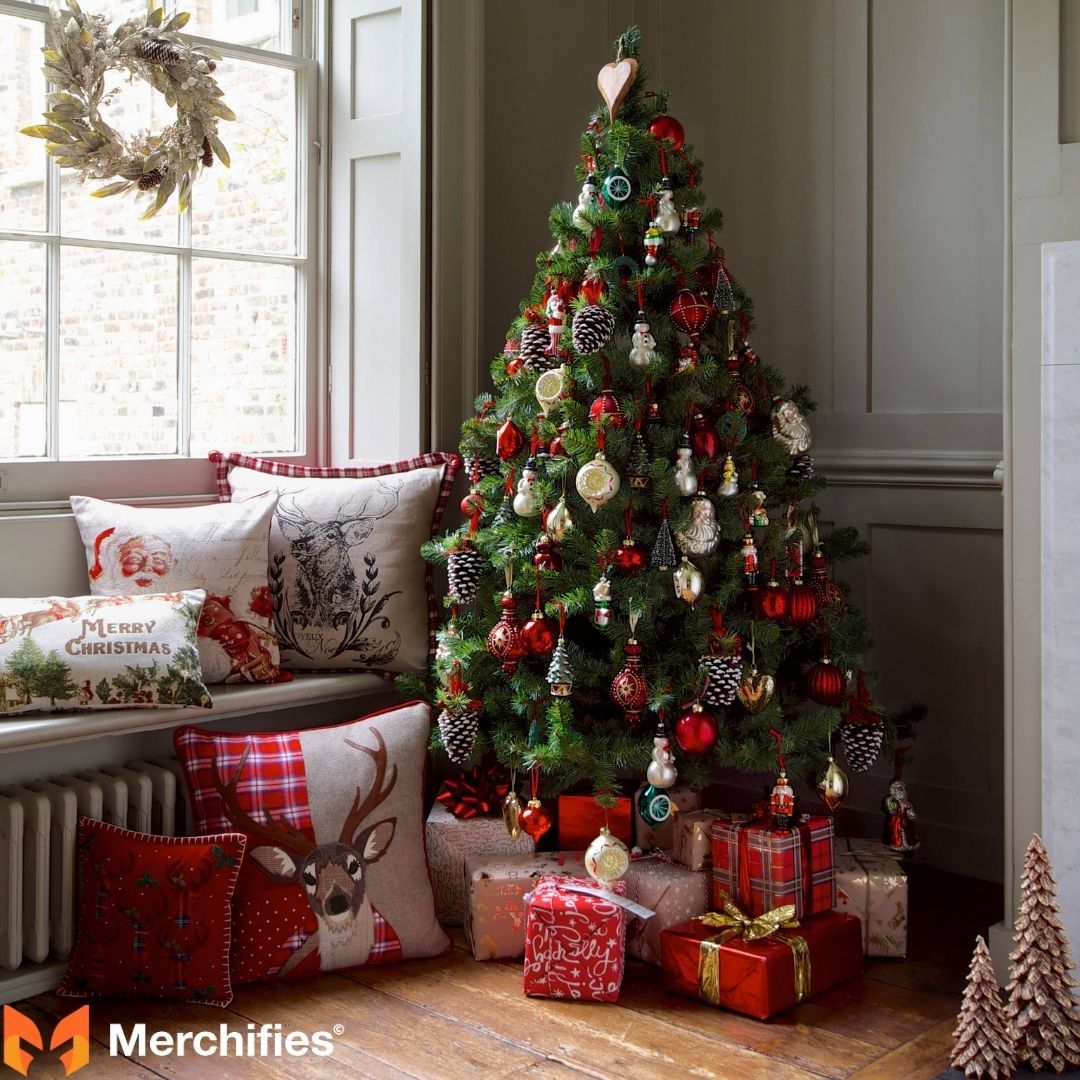
Choosing the Freshest Christmas Tree
Understanding Tree Species for Longevity
Different tree species have varying needle retention rates, which directly impacts how to keep Christmas tree alive longer. Knowing your options can help you choose wisely.
Top Choices:
Fraser Fir: Widely considered the best for needle retention, excellent fragrance, and strong branches for ornaments.
Noble Fir: Known for its stiff branches, beautiful layered look, and very good needle longevity.
Balsam Fir: Features a classic pyramid shape, strong fragrance, and good needle retention.
Good Choices:
Scotch Pine: Offers excellent needle retention, stiff branches, and a strong, distinctive scent.
White Pine: Has softer needles, a pleasant aroma, and decent needle retention if cared for properly.
Avoid if Possible (for longevity):
Colorado Blue Spruce: While beautiful, it's known for quicker needle drop once brought indoors.
Norway Spruce: Similar to the Blue Spruce, it tends to shed needles faster than firs and pines.
Buying from a Reputable Source
Where you buy your tree can also make a difference. Local tree farms often cut their trees closer to the selling date, ensuring maximum freshness. They can also tell you exactly when their trees were harvested, which is a great real christmas tree tip. Big box stores, while convenient, might have trees that were cut weeks earlier and transported long distances, reducing their inherent longevity.
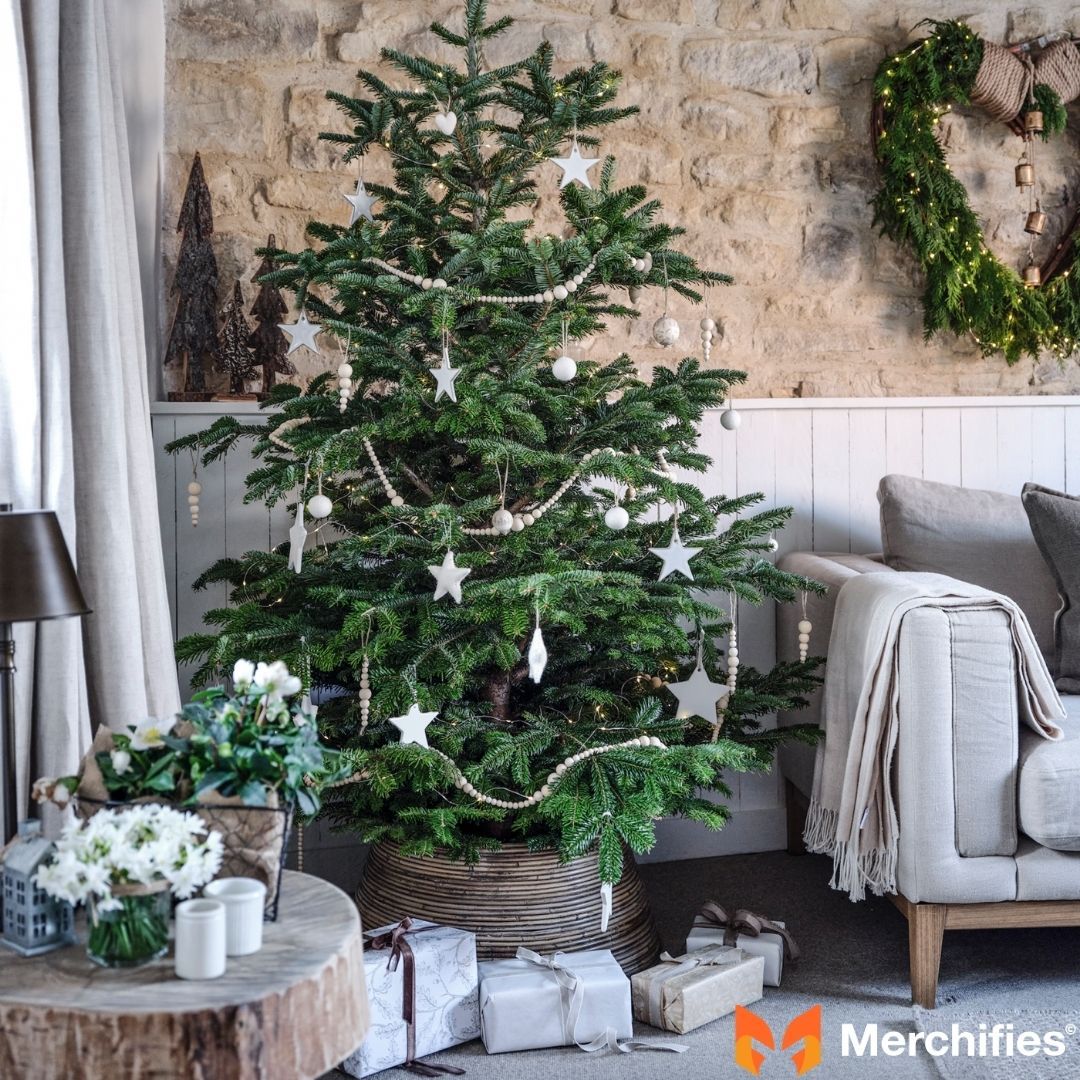
Understanding Tree Species for Longevity
Immediate Care: The Crucial First Steps at Home
Once you’ve selected your perfect tree, the actions you take in the first few hours at home are paramount to its proper hydration and, consequently, how to keep Christmas tree alive longer.
The Essential "Fresh Cut" of the Trunk
This step is arguably the most critical and often overlooked real christmas tree tip.
Why it's crucial: When a tree is cut, its sap quickly forms a seal over the wound, preventing water absorption. Think of it like a scab. Without a fresh cut, your tree cannot drink, leading to rapid drying and premature needle drop. Re-opening the vascular system is key.
How to do it: Just before placing your tree in its stand, cut 1 to 2 inches straight off the bottom of the trunk. Make a straight cut, not at an angle or a V-shape, as these reduce the surface area available for water uptake.
When to do it: This cut must be made immediately before the tree is placed in a stand filled with water. If more than a few hours pass after the cut without the trunk being in water, the sap will re-seal, and you'll need to make another fresh cut.
Hydration Station: Choosing the Right Tree Stand
Your tree stand is more than just a holder; it's your tree's lifeline. Investing in a quality stand is part of optimal christmas tree care.
Water Reservoir Capacity: The stand must hold plenty of water. A good rule of thumb is a minimum of 1 gallon for larger trees. A tree can drink a surprisingly large amount, especially in the first few days, and a spacious reservoir is essential for consistent christmas tree watering.
Trunk Size: Ensure the stand accommodates the trunk's diameter without requiring you to trim away the bark. The outer bark and its underlying cambium layer are crucial for water absorption. Trimming it away significantly impairs the tree's ability to hydrate.
Stability: A sturdy stand prevents tipping and spillage, keeping your tree safe and your floors dry.
Immediate Care The Crucial First Steps at Home
Water, Water, Water (Plain Water is Best!)
As Mason Ellis Grant consistently reminds his clients, the importance of water cannot be overstated. "Imagine trying to run a marathon without drinking. Your tree needs constant hydration to stay vibrant."
Initial Thirst: Freshly cut trees are incredibly thirsty. It's not uncommon for a new tree to drink a gallon or more of water in the first 24 hours alone. Keep a close eye on the water level.
Myth Debunked: Forget the old wives' tales about sugar, aspirin, bleach, or commercial preservatives. While some products claim to help, numerous studies show that plain tap water is superior. Additives can sometimes do more harm than good by promoting bacterial growth or sealing off water-absorbing cells, or they are simply unnecessary.
Temperature: Room temperature water is ideal. Avoid using hot or ice water, which can shock the tree and potentially hinder absorption.
Strategic Placement for Optimal Tree Health
The location of your Christmas tree significantly impacts its lifespan and how to keep Christmas tree alive longer. Thoughtful placement can make a big difference.
Avoid Heat Sources at All Costs
This is a critical rule to prevent needle drop. Heat is your tree's enemy.
Common Culprits: Keep your tree well away from fireplaces, radiators, heating vents, and even direct sunlight streaming through a window.
Why: Heat drastically accelerates moisture loss from the needles and the trunk, causing the tree to dry out rapidly and shed its needles much faster. This not only shortens its life but also creates a significant fire hazard.
Ideal Room Temperature and Humidity
Creating the right microclimate around your tree will greatly assist in preventing needle drop.
Temperature: A cooler room is always better for christmas tree longevity. Consider lowering your thermostat a few degrees, especially in the room where the tree is located, and particularly at night.
Humidity: Indoor heating systems can make the air very dry. Combat this by using a humidifier nearby to add moisture to the air around your tree.
Misting (Carefully): Lightly misting the branches with water can help, but do so carefully and avoid spraying directly onto electrical lights. Remember, misting is a supplement; consistent christmas tree watering at the base remains the priority.
Strategic Placement for Optimal Tree Health
Accessibility for Watering
Ensure your chosen spot allows easy access to the water reservoir. You'll be refilling it daily, so you don't want to be crawling under branches or moving furniture every time.
Daily Maintenance for a Lasting Freshness
Consistent effort in daily fresh christmas tree care truly pays off in extending your tree's life and ensuring christmas tree longevity.
Consistent Watering is Non-Negotiable
This is the golden rule for how to keep Christmas tree alive longer.
Daily Check: Never, ever let the water level drop below the base of the trunk. Even an hour without water can allow the sap to re-seal the cut, making it unable to absorb water again. If this happens, you’ll have to take the tree out of the stand, make another fresh cut, and re-set it – a task no one wants to do mid-holiday season.
Refill Technique: Use a watering can with a long, slender spout to make refills easy and prevent spills. Check the water level every morning and evening, especially for the first week.
Lighting Smart: Reduce Heat Exposure
The type of lights you use can impact your tree's drying rate.
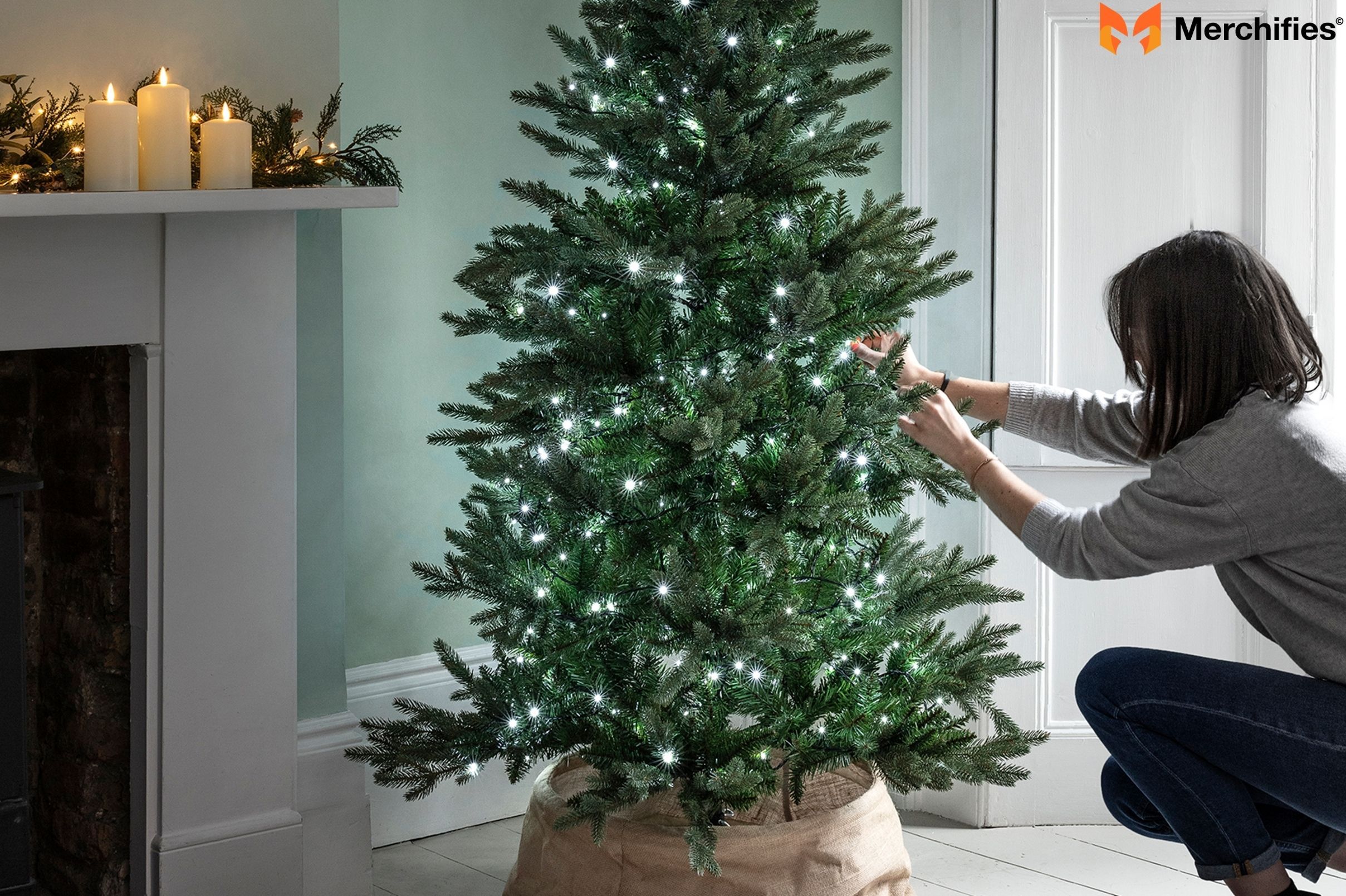
LED Lights: Opt for energy-efficient LED lights. They generate significantly less heat than traditional incandescent bulbs, which helps prevent needle drop by reducing heat-induced moisture loss.
Turn Off Lights: Always turn off your Christmas tree lights when you leave the house or go to bed. This not only saves energy but also reduces the continuous heat exposure on the tree.
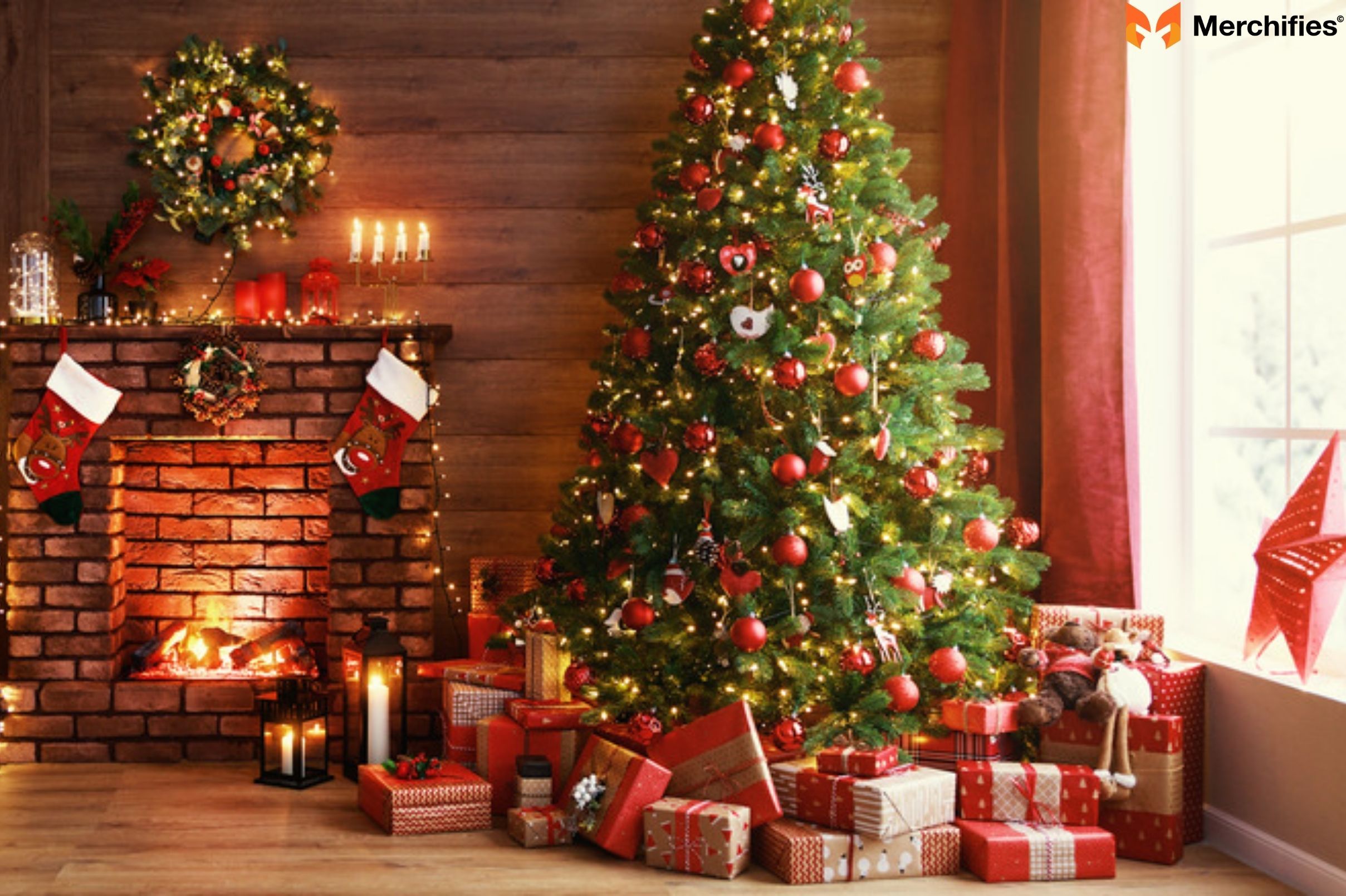
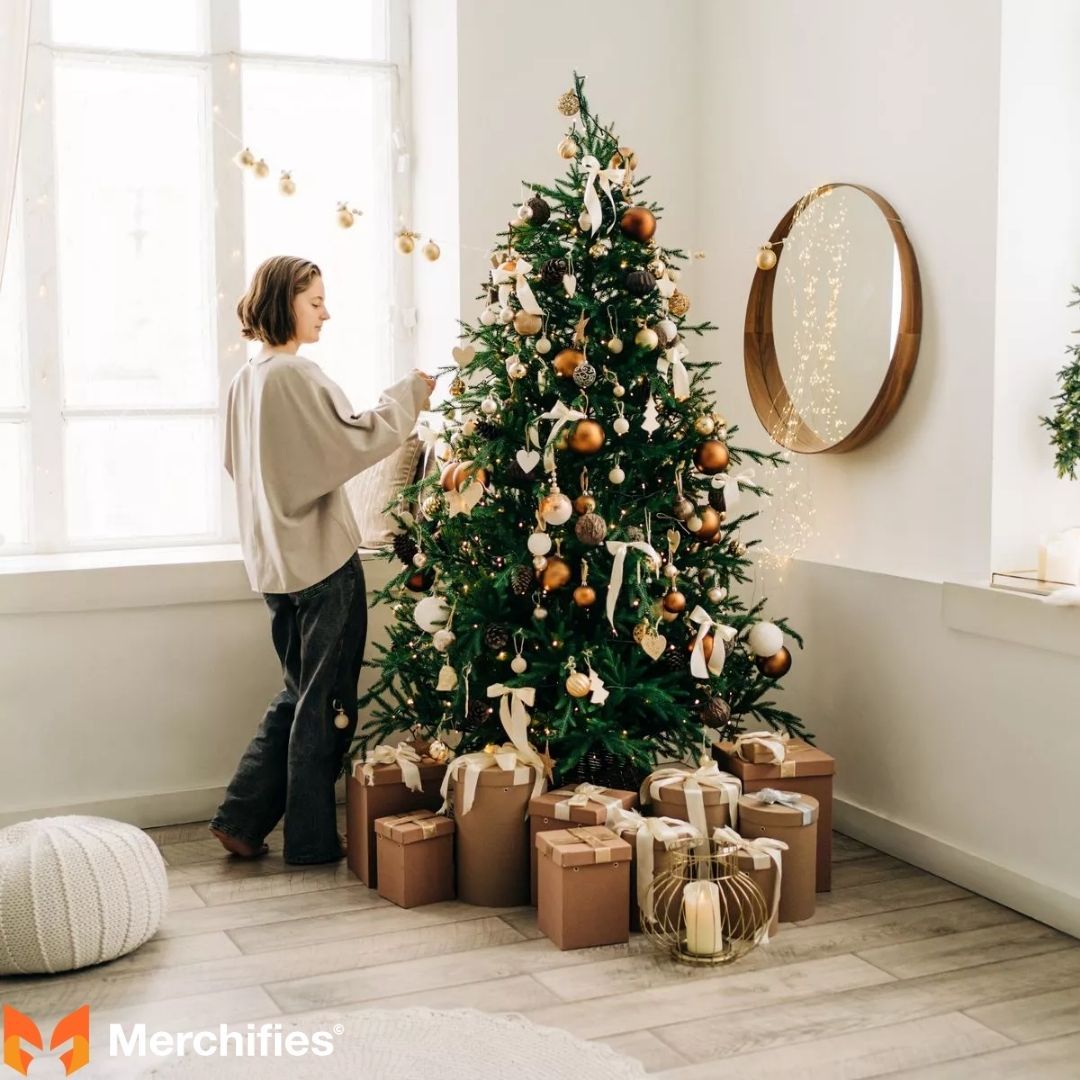
Daily Maintenance for a Lasting Freshness of Chirstmas Tree
Decorating Mindfully
While decorating is a beloved tradition, a few real christmas tree tips can help with tree health.
Avoid Overloading Branches: Heavily laden branches can impede air circulation around the needles, potentially contributing to faster drying in certain areas.
Ensure Access: Make sure your decorations don't block easy access to the water reservoir, making your daily christmas tree watering routine a chore.
Troubleshooting & Essential Safety Measures
Even with the best care, sometimes issues arise. Knowing how to keep Christmas tree alive longer also includes knowing when to troubleshoot and, critically, prioritizing safety.
When Needles Start to Drop Excessively
Despite your best efforts, if you notice an excessive amount of green needle drop, it’s a sign your tree is drying out.
Re-check Watering Routine: Double-check that the water reservoir has never been allowed to dry out and that the trunk is submerged.
Consider Moving: If possible, try moving the tree to a cooler, less drafty location, further from heat sources.
Recognize When It's Time: Ultimately, every real tree has a lifespan. If needles are falling profusely and branches feel brittle, it’s time to take the tree down for safety reasons, even if the holidays aren’t officially over.
Fire Safety First: A Dry Tree is a Dangerous Tree
A dry Christmas tree is a serious fire hazard. This cannot be stressed enough.
Keep Away from Open Flames: Never place your tree near fireplaces, candles, or any open flames.
Inspect Light Strands: Before decorating, thoroughly inspect all light strands for frayed wires, broken bulbs, or loose connections. Replace any damaged sets immediately.
Smoke Detector: Ensure you have a working smoke detector nearby and that its batteries are fresh.
Never Use Real Candles: This is a firm no-go. Real candles on a Christmas tree are extremely dangerous.
Troubleshooting & Essential Safety Measures of Chirstmas Tree
Pet Safety Considerations
Many households have furry friends who might be curious about the new addition.
Prevent Drinking Tree Water: Tree water can accumulate sap, mildew, or even fire retardant chemicals if used. Prevent pets from drinking it by securing the stand or placing a tree skirt tightly around the base.
Secure Ornaments: Ensure ornaments are securely attached, especially those low on the tree, to prevent pets from pulling them off and potentially ingesting small or sharp pieces.
Post-Holiday Care: Responsible Disposal
Even the freshest, best-cared-for tree eventually reaches the end of its festive life. Knowing when to say goodbye and how to keep Christmas tree alive longer by disposing of it responsibly is the final step.
Knowing When It's Time to Say Goodbye
Your tree will give you clear signals when its time has come.
Signs: Excessive needle drop (when green needles fall with just a light touch), dry and brittle branches, and fading color are all indicators.
Typical Lifespan: With proper fresh christmas tree care, a healthy tree should last anywhere from 2 to 4 weeks indoors, depending on its initial freshness and species. When it becomes noticeably dry, it’s a fire risk and should be removed.
Eco-Friendly Disposal Options
Don't just toss your tree in the trash. There are many environmentally friendly ways to dispose of your tree.
Local Curbside Pickup: Check your municipality's holiday tree recycling schedule. Many communities offer special curbside pickup services in early January.
Chipping Programs: Numerous cities and counties offer drop-off sites where trees are chipped into mulch, which is then used in parks or made available to residents. This is an excellent way to recycle your tree and contribute to christmas tree longevity in a different form.
Habitat Programs: Some parks or wildlife organizations use old trees for erosion control, to create fish habitats in lakes, or as shelter for birds and small animals. Inquire with local nature centers.
Avoid Burning: Do not burn a dry Christmas tree in a fireplace or wood stove. The sap residue can build up creosote in your chimney, significantly increasing the risk of a dangerous chimney fire.
Post-Holiday Care Responsible Disposal
Conclusion
Keeping your Christmas tree fresh, vibrant, and safe throughout the holiday season doesn't have to be a mystery or a struggle. By implementing a few straightforward yet impactful tips – starting with a truly fresh tree, giving it that essential fresh cut, committing to consistent christmas tree watering, and strategically placing it away from heat sources – you can dramatically extend its life.
As Mason Ellis Grant reiterates, "These simple steps aren't just about aesthetics; they're about maximizing the enjoyment and safety of your festive display. A well-cared-for tree truly enhances the spirit of the season." Embrace these insights, and you’ll find how to keep Christmas tree alive longer is surprisingly easy. Implement these practical tips this year and savor the enduring beauty and enchanting fragrance of your vibrant real Christmas tree throughout the entire holiday season!
 Worldwide Shipping
 Secure Payments
 Free Return
 Local Support
-da0801079a650a2e.jpeg)


-d4c38c342cdf20ca.jpeg)


-b555fcc6b204c456.jpeg)