 Worldwide Shipping
 Secure Payments
 Free Return
 Local Support
-da0801079a650a2e.jpeg)
17 Year Anniversary Quotes: 110+ Funny, Romantic & Furniture Wishes (2026)
Mar, 12 2026
Learn expert tips on how to keep your Christmas tree alive, fresh, and beautiful throughout the holiday season. Discover proper watering, placement, and essential care for a vibrant, safe tree.
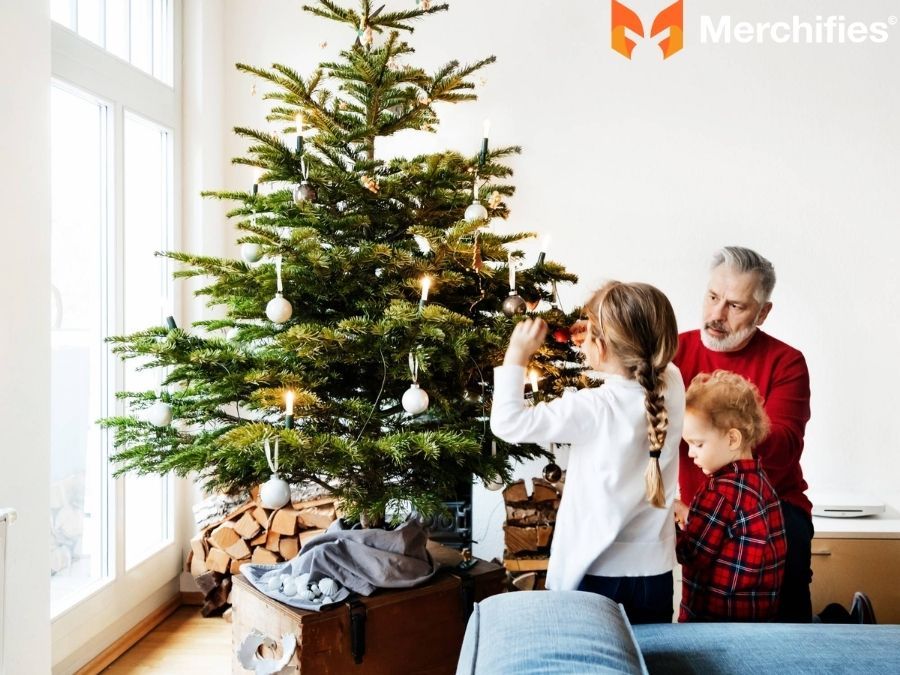
The magical scent and breathtaking beauty of a real Christmas tree are hallmarks of the holiday season. Yet, for many, the joy can quickly turn to frustration as needles drop, branches droop, and the tree loses its vibrant appeal. There’s nothing quite as disheartening as a dried-out tree before Christmas Day even arrives, not to mention the safety concerns it raises.
Many struggle to keep their real tree fresh and lively, leading to premature needle drop and a diminished holiday spirit. The good news is, with the right knowledge and a few simple steps, you can significantly extend your tree's freshness.
This comprehensive guide, informed by years of practical experience in horticulture and festive decor, will equip you with all the knowledge to keep your Christmas tree alive and vibrant from setup to New Year. According to Mason Ellis Grant, a seasoned expert in cultivating and maintaining festive foliage, "The secret lies in understanding a tree's basic needs, even after it's been cut. It's less about magic and more about consistent, common-sense care." We’ll cover everything from selecting the perfect specimen and proper setup to daily care, optimal environmental conditions, and crucial safety tips, ensuring your tree thrives indoors.
The journey to a long-lasting Christmas tree begins long before it ever enters your home. Making informed choices at the tree farm or lot can dramatically influence how to keep Christmas tree alive longer.
When selecting your tree, look for clear indicators of health and freshness. A robust tree starts fresh, stays fresh. Perform a simple needle test: gently grasp a branch and pull your hand towards you. Needles should bend without breaking or falling off easily. Also, lift the tree a few inches and tap it on the ground; only a few outer needles should fall, not a shower of inner ones. The tree's color should be a vibrant green, not dull, faded, or yellowed, and it should possess that strong, fresh pine fragrance you expect. Mason Ellis Grant emphasizes, "A healthy tree is hydrated from the start. If it's already showing significant needle drop at the lot, it's likely been cut for too long or not cared for properly, and will struggle indoors."
This step is arguably the most crucial for how to keep Christmas tree alive indoors. Once a tree is cut, a layer of sap quickly forms over the base of the trunk, effectively sealing it off and preventing water absorption. To counteract this, you must make a fresh cut off the base of the trunk. Use a sharp saw to remove about one inch from the bottom of the trunk, ensuring the cut is straight to sit stably in the stand. This fresh cut opens up the tree's vascular system, allowing it to "drink" water efficiently. It's imperative to make this cut right before placing the tree into its water-filled stand or a bucket of water. Delaying this even for a few hours can cause the seal to re-form.
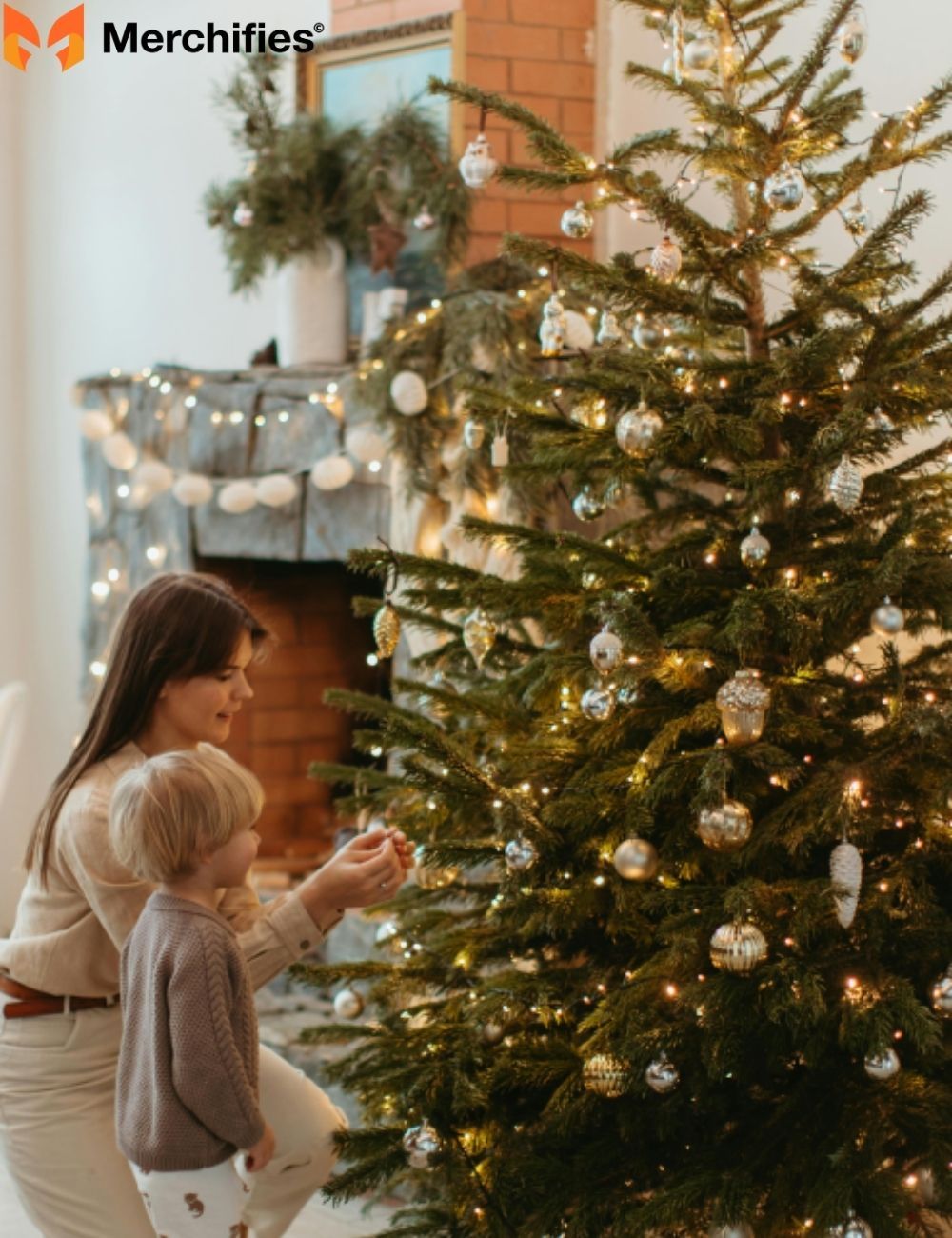
Transporting your tree properly minimizes stress. Wrap it in a net or tarp to protect branches from breaking or drying out during transit, especially on top of a car. If you’re not setting up the tree immediately, store it in a cool, shaded area, such as a garage or porch, away from direct sunlight and harsh winds. Crucially, place the freshly cut trunk into a sturdy bucket of water right away. This temporary outdoor storage with immediate hydration is vital to how to keep Christmas tree alive outside until it's ready for its indoor debut, preventing it from drying out before it even gets into its permanent spot.
Consistent and ample hydration is the absolute bedrock of how to keep Christmas tree alive. Without water, all other efforts are in vain.
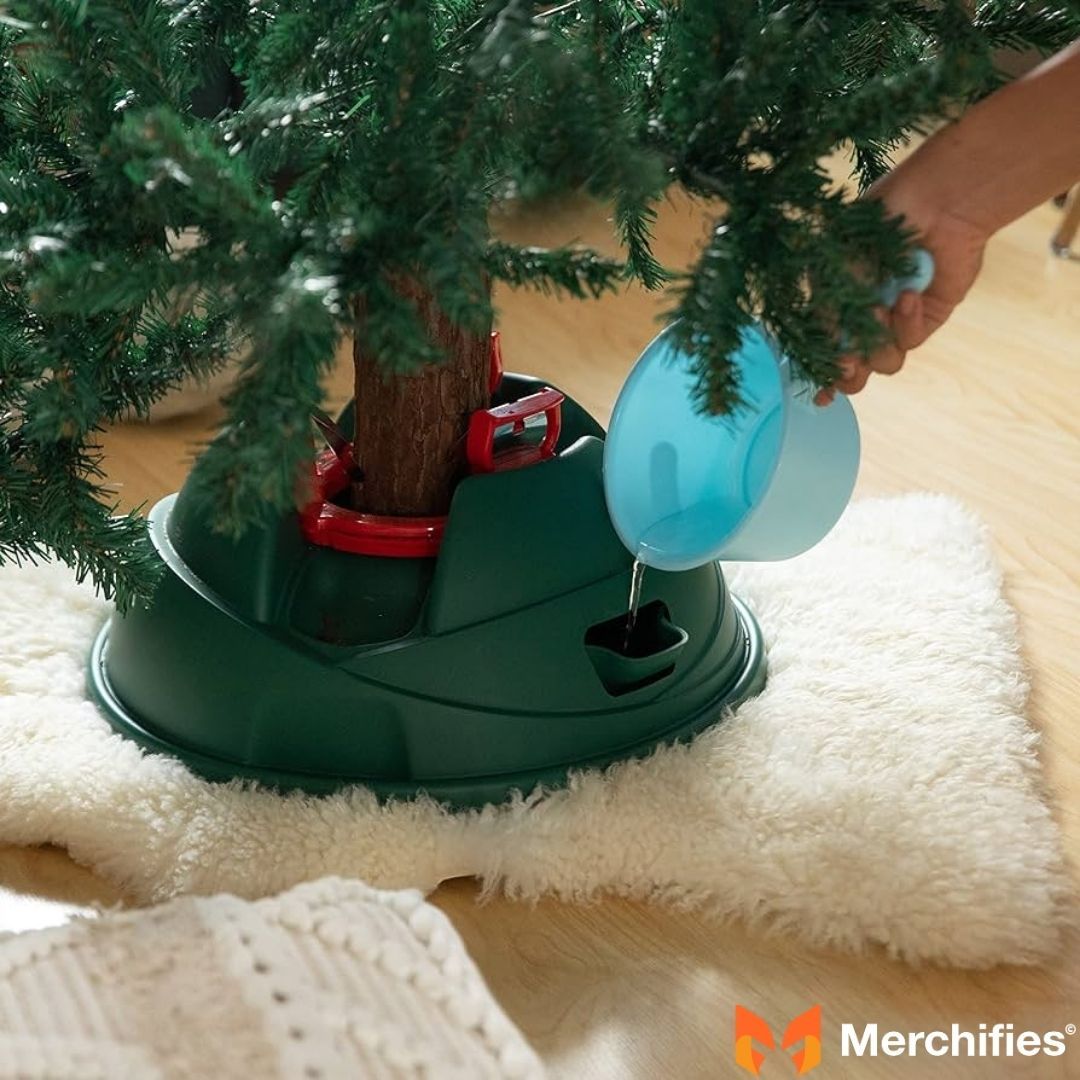
Your tree stand is more than just a holder; it's your tree's lifeline. Choose a stand with a large water reservoir – at least one gallon for most standard trees is non-negotiable. Smaller reservoirs mean more frequent refilling, and the risk of the water level dropping too low is higher. The stand must also be sturdy enough to support your tree's height and weight, and its opening needs to accommodate the trunk's diameter without requiring you to shave off bark (which damages the cambium layer responsible for water uptake).
As soon as your freshly cut tree is securely in its stand, fill the reservoir to the brim with plain tap water. This initial "big drink" is critical, as a thirsty tree can absorb a surprising amount of water in its first few hours indoors. Don't be surprised if the water level drops significantly overnight; this is a sign your tree is actively rehydrating.
The golden rule for how to keep Christmas tree alive for a month is simple: never let the water level drop below the base of the trunk. If the water level drops too low, the fresh cut can re-seal, and the tree will stop absorbing water. Check the water level at least once a day, and sometimes twice, particularly during the first week when the tree is most thirsty, or if your home is particularly warm and dry. A large turkey baster or a watering can with a long spout can make checking and refilling easier without disturbing decorations. Consistency is key for lasting freshness.
You might hear recommendations for various additives like sugar, aspirin, bleach, or commercial tree foods. However, extensive research and the experience of professionals like Mason Ellis Grant consistently show that plain, fresh tap water is the most effective and safest solution. "Your tree's needs are simple: consistent access to clean water," Grant explains. "Most additives offer little to no proven benefit and can sometimes even be harmful by promoting bacterial growth or interfering with water uptake." Stick to the basics for optimal hydration.
If you plan to be away from home during the holidays, maintaining your tree's hydration requires a bit of foresight. Before you leave, ensure the water reservoir is completely full. Consider using a larger-capacity stand if possible, or even a specialized watering device designed to slowly release water into the reservoir over several days. A common DIY trick is to use a clean plastic bottle filled with water, inverted with a small hole in the lid, placed into the tree stand (ensure it's stable and won't tip). Lowering your home's thermostat while you're gone will also reduce the rate of water evaporation and keep the tree cooler, further conserving its moisture and helping how to keep Christmas tree alive while away from daily attention.
Placement plays a crucial role in preventing premature drying and maintaining your tree's health and safety.
Heat is the enemy of a fresh Christmas tree. Position your tree far away from heat sources like fireplaces, heating vents, radiators, and even sunny windows. These sources accelerate moisture loss, causing needles to dry out rapidly and increasing the risk of fire. A cooler room temperature is ideal for prolonging your tree's freshness.
In very dry indoor environments, low humidity can contribute to needle dehydration. While not a substitute for proper watering, a room humidifier placed near the tree can help increase ambient moisture, slowing down needle drying. You can also lightly mist the branches with plain water periodically, but be cautious if your tree is decorated with electrical lights to avoid any hazards.

Sudden or drastic temperature changes can stress a Christmas tree, leading to accelerated needle drop. Try to keep the room temperature as stable as possible. Avoid placing the tree in a drafty area where it might experience cold blasts followed by warm air, which can cause its moisture content to fluctuate rapidly.
Even your decorating choices can impact how to keep Christmas tree alive and fresh throughout the season.
Modern LED Christmas lights are a game-changer for tree longevity and safety. They generate minimal heat compared to traditional incandescent bulbs, which can significantly dry out branches and increase fire risk. Switching to LEDs not only preserves your tree's moisture but also makes it a safer, more energy-efficient option.
While it's tempting to adorn every branch with festive ornaments, be mindful of the weight. Overloading branches, especially thinner ones, can cause them to sag, break, or even detach from the trunk. Distribute ornaments evenly, placing heavier decorations closer to the sturdy trunk to prevent undue stress on the tree's structure.
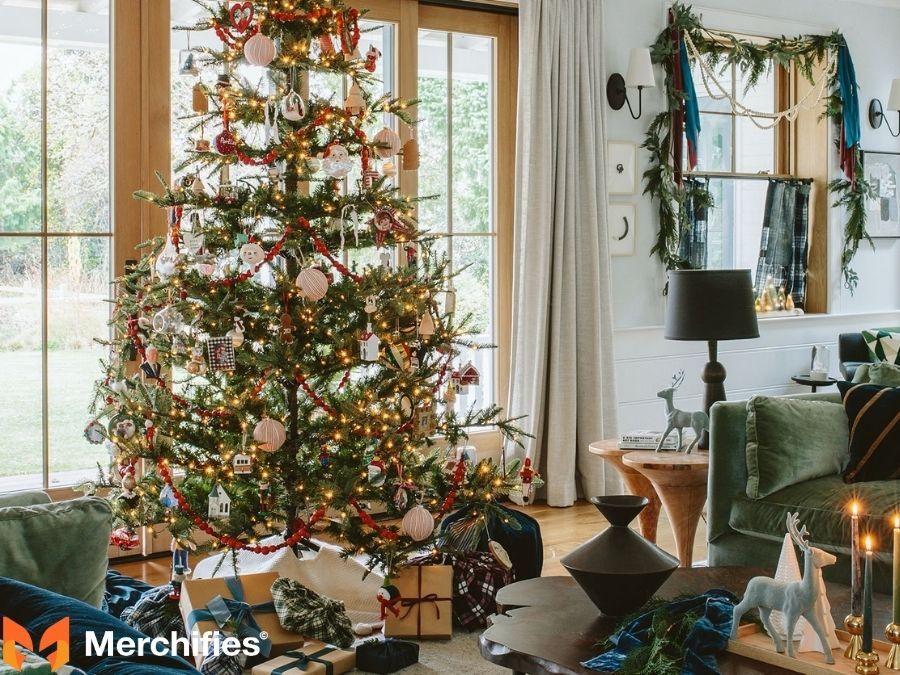
Even with the best care, you might encounter minor issues. Knowing how to identify and address them is key to how to keep Christmas tree alive as long as possible.
Some needle drop is normal, especially with older growth or if the tree was handled roughly. However, if needles are falling off in large quantities with a gentle shake or touch, it's a clear sign of dehydration. This typically means the tree's water reservoir has run dry, and the trunk has re-sealed. Address this immediately by making a fresh cut (if possible and practical) and refilling the stand. If needle drop continues excessively after rehydration, the tree might be past saving.
Beyond needle drop, dry, brittle branches are another obvious indicator of insufficient hydration. Gently feel the needles; they should be pliable and soft, not crunchy or stiff. If branches feel brittle to the touch, it's a strong signal that your tree needs more consistent watering, or that its ability to absorb water has been compromised.
While rare, a real Christmas tree can sometimes harbor harmless pests like aphids, mites, or even praying mantis egg sacs. It's a good practice to thoroughly shake out your tree outdoors before bringing it inside. For minor pest issues, a quick vacuuming or wiping with a damp cloth is usually sufficient. Most common tree pests are not interested in indoor environments and pose no threat to your home or family.
A well-cared-for tree is a safer tree. Fire safety is paramount, and your efforts to keep Christmas tree fresh directly contribute to this.
This cannot be overstated: a well-hydrated tree is significantly less flammable than a dry one. Dry trees ignite quickly and burn intensely, posing a severe fire hazard. By consistently ensuring the water reservoir is full, you are not only preserving your tree's beauty but, more importantly, protecting your home and loved ones. Make water checks a daily habit.
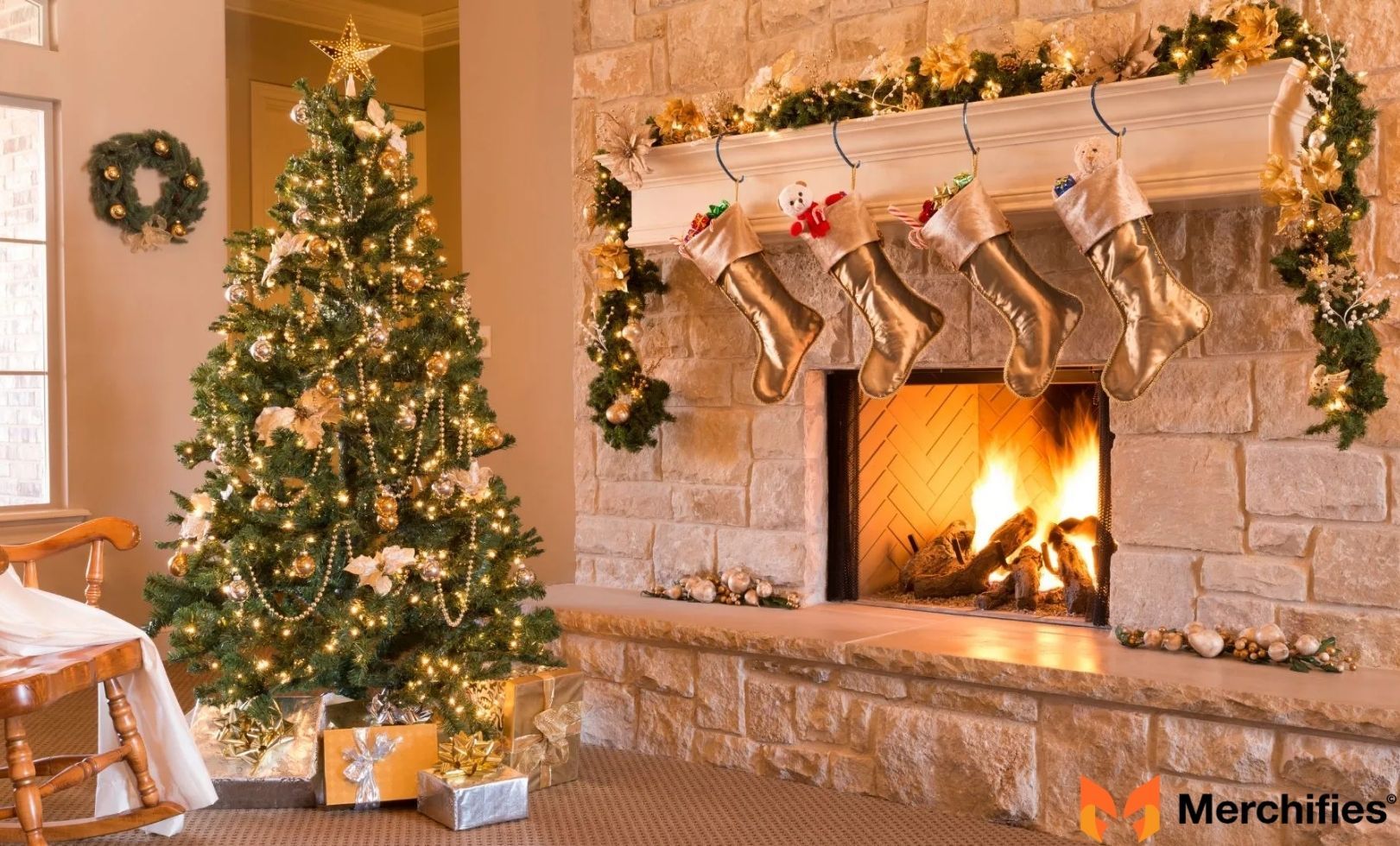
Before decorating, carefully inspect all Christmas lights and extension cords. Look for frayed wires, cracked insulation, loose bulb connections, or any signs of damage. Discard and replace any faulty sets. Do not overload electrical circuits by plugging too many light strands or other decorations into one outlet. Use surge protectors if necessary and ensure all lights are rated for indoor use.
Despite best efforts, accidents can happen. It's always wise to have a functional fire extinguisher readily accessible in your home. Ensure your smoke detectors are working properly by testing them regularly. Finally, review your family's fire escape plan, ensuring everyone knows how to safely exit the home in an emergency.
10. Main Section 7 (H2): When It's Time to Say Goodbye: Disposal & Recycling
All good things must come to an end, and your Christmas tree is no exception. Knowing when and how to dispose of it safely and responsibly is important.
You'll know your tree is ready for disposal when its needles become brittle and fall off easily with even a gentle tap or "thump" on the ground. Branches will feel stiff and dry, losing their pliability. This indicates that the tree is no longer absorbing water and has become a fire hazard.
Don't just toss your tree in the trash. Many communities offer eco-friendly disposal options. Check with your local waste management services for specific instructions. Common options include curbside pickup for mulching programs, where trees are chipped and repurposed for landscaping or trail surfaces. Some areas even collect trees to create fish habitats in lakes or for erosion control along shorelines. Giving your tree a second life is a wonderful way to end the holiday season responsibly.
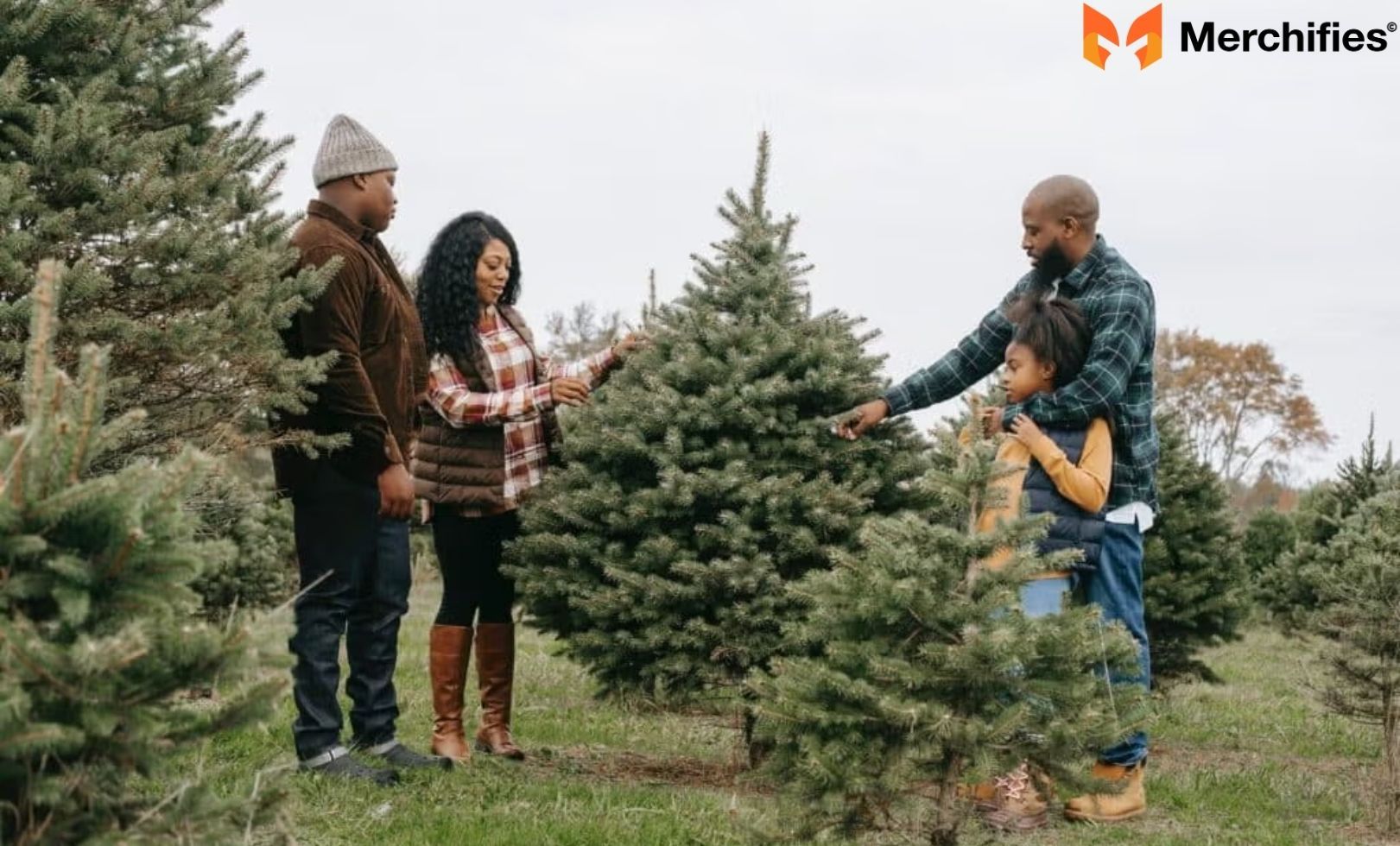
Keeping your Christmas tree alive and fresh throughout the holiday season doesn't require a green thumb, just a commitment to a few essential care practices. From making that critical fresh cut and providing consistent hydration to choosing the right placement and ensuring electrical safety, each step contributes significantly to your tree's longevity and your family's safety.
To summarize the most critical steps for how to keep Christmas tree alive: always start with a fresh, healthy tree; make a precise fresh cut just before setting it up; never let its water reservoir run dry; and place it away from heat sources. As Mason Ellis Grant often reminds us, "A little daily attention goes a long way. Treat your tree like a cherished houseplant, and it will reward you with beauty and fragrance well into the New Year."
Implement these straightforward yet powerful tips, and you can confidently enjoy a vibrant, fragrant, and safe real Christmas tree that stays beautiful from the first advent candle to the last day of the festive season. Have a happy, safe, and fresh holiday!
-d4c38c342cdf20ca.jpeg)


-b555fcc6b204c456.jpeg)