-da0801079a650a2e.jpeg)
17 Year Anniversary Quotes: 110+ Funny, Romantic & Furniture Wishes (2026)
Mar, 12 2026

Getting the right size for your wall art transforms ordinary rooms into stunning spaces. After two decades helping homeowners create beautiful interiors, I've learned that proper wall decor sizing makes the difference between amateur mistakes and professional-looking results.
-2d6160daf63c2060.jpeg)
The best ways to fit your wall decor involve understanding proportions, measuring accurately, and applying proven design principles. Whether you're hanging a single statement piece or creating an elaborate gallery wall, these expert techniques will help you achieve perfect balance every time.
Wall decor sizing affects everything from room perception to emotional comfort. During my years as an interior design consultant, I've witnessed countless "wall art disasters" that could have been prevented with basic sizing knowledge.
Room Proportion Impact: Oversized artwork overwhelms small spaces, while tiny pieces get lost on expansive walls. Proper sizing creates visual harmony that makes rooms feel intentionally designed rather than randomly decorated.
Furniture Relationship: Wall decor must complement existing furniture proportions. A massive painting above a delicate side table creates awkward tension, while appropriately sized pieces enhance the entire furniture arrangement.
Visual Balance: The best ways to fit your wall decor consider how artwork interacts with architectural elements, lighting, and traffic patterns. This holistic approach prevents common mistakes that make spaces feel unfinished or chaotic.
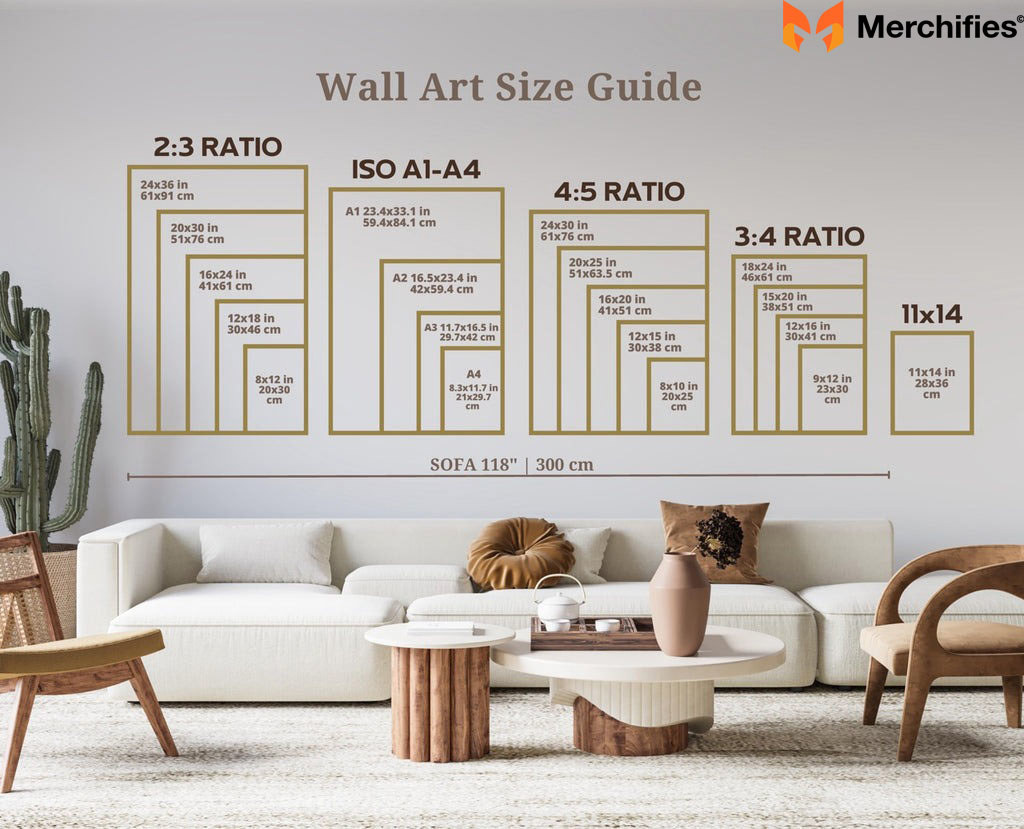
The foundation of professional wall decor sizing starts with the three-eighths rule. This time-tested principle represents one of the best ways to fit your wall decor because it creates natural visual balance.
"Basically, your artwork should take up about three-eighths of the width of your furniture. So, if your couch is 8 feet wide, your art should be around 3 feet wide. It's a simple trick, but it works."
This mathematical approach eliminates guesswork while ensuring proportional harmony. For instance, a 96-inch sofa requires approximately 36 inches of artwork width. Multiple smaller pieces can achieve this cumulative measurement when arranged as a grouping.
Effective wall coverage follows the 57-75% principle, which professional designers use to create balanced compositions. This range provides enough visual interest without overwhelming the space.
Calculation Method: Measure your available wall space, then multiply by 0.57 and 0.75 to determine minimum and maximum artwork dimensions. A 48-inch wall section should feature artwork between 27 and 36 inches wide.
Visual Breathing Room: The remaining 25-43% creates essential negative space that prevents visual clutter. This breathing room allows the eye to rest while highlighting the artwork's impact.
Viewing distance significantly influences appropriate artwork sizing. The best ways to fit your wall decor account for how people typically experience each space.
Large Rooms: Spacious areas can accommodate bigger statement pieces because viewers see them from greater distances. A 20x16 foot living room can handle 48-60 inch artwork without overwhelming the space.
Intimate Spaces: Smaller rooms require proportionally sized pieces that don't dominate the environment. A 10x12 foot bedroom works best with 24-36 inch maximum dimensions.
Living rooms serve as primary entertainment spaces where wall decor must create welcoming atmospheres while accommodating various activities. The best ways to fit your wall decor in living areas balance visual impact with functional considerations.
Large Living Rooms: Expansive spaces benefit from substantial artwork that anchors seating arrangements. "Big rooms can handle big art. It makes a statement." Consider 48-72 inch pieces or large gallery wall groupings that span 6-8 feet horizontally.
Small Living Rooms: Compact spaces require strategic sizing to avoid overwhelming the environment. Gallery walls with multiple smaller pieces (8-16 inches each) create visual interest without dominating limited wall real estate.
Conversation Areas: Position appropriately sized artwork to enhance social interactions rather than distract from them. Eye-level placement ensures comfortable viewing during typical seating positions.
Bedrooms require calming artwork that promotes relaxation while reflecting personal style. The best ways to fit your wall decor in bedrooms prioritize comfort and tranquility.
Master Bedrooms: Primary sleeping areas can accommodate larger statement pieces, especially above the headboard. "Think relaxing. You want art that creates a calm vibe." Aim for artwork that's 50-75% of the headboard width.
Guest Bedrooms: Secondary bedrooms benefit from welcoming but not overly personal artwork. Choose neutral pieces sized proportionally to the available wall space and furniture scale.
Children's Bedrooms: Kids' rooms allow for playful sizing experiments while maintaining safety considerations. Ensure artwork is securely mounted and appropriately scaled to child-height perspectives.
Often overlooked spaces present unique sizing challenges that require specialized approaches. These areas represent opportunities to implement the best ways to fit your wall decor in transitional zones.
Hallway Considerations: "They're often overlooked, but a well-placed piece can make a huge difference." Narrow corridors work best with vertically oriented pieces or horizontal gallery arrangements that guide movement through the space.
Bathroom Limitations: "Small art is your friend. Plus, make sure it can handle the humidity." Moisture-resistant artwork sized for intimate viewing distances creates spa-like atmospheres without overwhelming compact spaces.
Sofa wall art represents the most common placement challenge in home decorating. The best ways to fit your wall decor above seating furniture follow established proportional relationships.
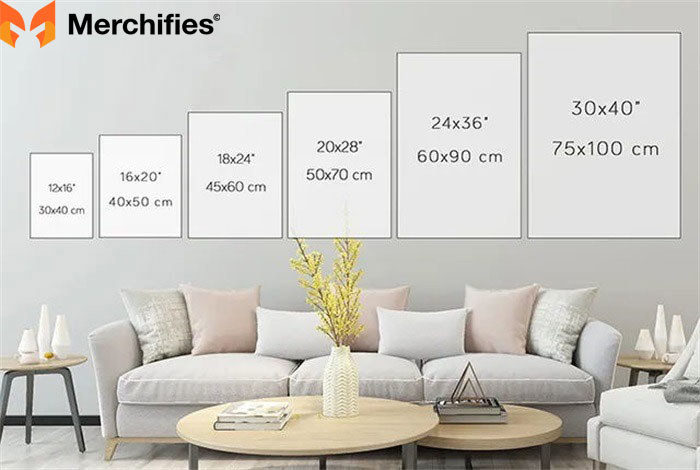
"A good rule of thumb is to have your art be about two-thirds the width of the sofa. It keeps things proportional." This guideline ensures visual balance while preventing artwork from appearing too small or overwhelming.
Single Piece Strategy: One large artwork creates clean, modern aesthetics. Choose pieces measuring 66-75% of the sofa width for optimal proportional balance.
Multiple Piece Arrangements: Gallery groupings can achieve the same cumulative width while offering more visual complexity. Maintain 2-3 inch spacing between individual pieces for cohesive appearance.
-30dc76d9713aec98.jpeg)
Bedroom focal points require careful sizing to create intimate yet impressive displays. The best ways to fit your wall decor above beds balance visual weight with sleeping comfort.
"Above the bed? Go big! It's a focal point. But make sure it's not wider than the headboard." This approach creates dramatic impact while maintaining proportional relationships with existing furniture.
Headboard Relationships: Artwork should never exceed headboard width, but can be significantly narrower for minimalist aesthetics. Aim for 50-90% of headboard width depending on desired visual impact.
Height Considerations: Position artwork 6-12 inches above the headboard top to create proper visual separation while maintaining connection to the bed.
Fireplace wall art requires special consideration due to architectural prominence and heat considerations. These areas demand sophisticated applications of the best ways to fit your wall decor.
"And fireplaces? That's a tricky one. You want your art to complement the fireplace, not compete with it. Keep it centered and balanced." This balance requires understanding both visual weight and practical limitations.
Mantel Proportions: Artwork width should relate to mantel dimensions rather than fireplace opening. Generally, pieces should be 75-85% of mantel width for proportional harmony.
Heat Resistance: Ensure artwork can withstand heat exposure and choose appropriate materials for safety and longevity.
Gallery walls offer flexibility for displaying multiple pieces while achieving substantial visual impact. The best ways to fit your wall decor through groupings require careful planning and execution.
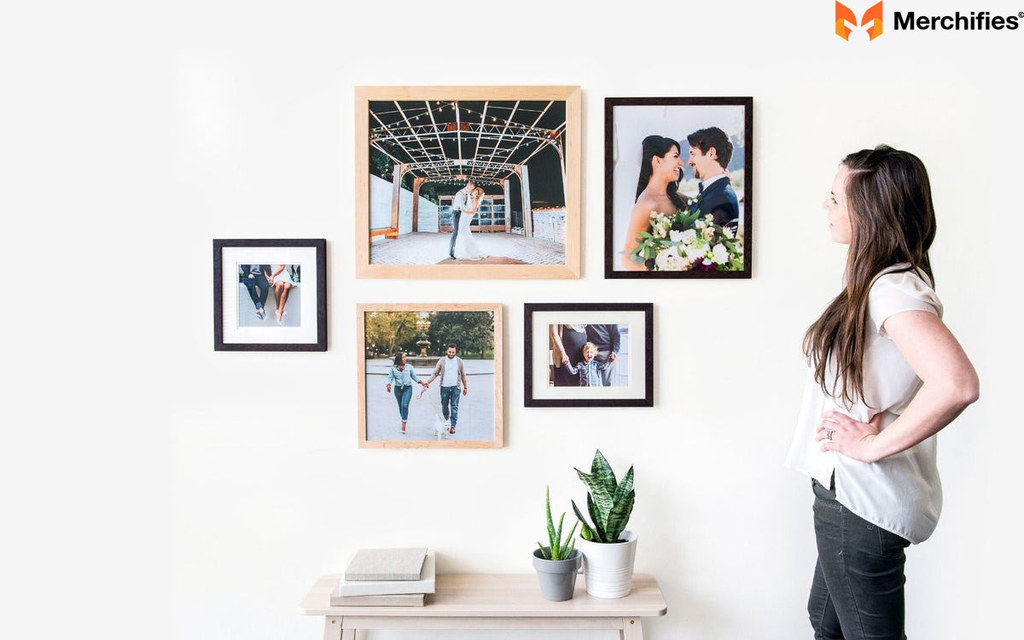
"Gallery walls are a great way to show off a collection. But you gotta get the spacing right. Aim for 2-3 inches between pieces." Consistent spacing creates unified compositions that feel intentionally designed.
Layout Planning: Create paper templates matching artwork dimensions to test arrangements before hanging. This prevents unnecessary holes and ensures optimal spacing relationships.
Visual Weight Distribution: Balance large and small pieces throughout the arrangement to prevent visual clustering in any single area.
Both symmetrical and asymmetrical approaches can create stunning gallery walls when properly executed. Understanding these options represents crucial knowledge among the best ways to fit your wall decor.
"Symmetry or asymmetry? It's up to you. Both can look amazing." The choice depends on personal style preferences, available artwork, and overall room aesthetics.
Symmetrical Benefits: Formal balance creates calm, orderly atmospheres suitable for traditional decorating styles. Center pieces around a focal point for maximum impact.
Asymmetrical Advantages: Dynamic arrangements offer more visual interest and flexibility for mixing different artwork sizes and styles.
Successful gallery walls combine various media types and dimensions for rich, layered appearances. This mixing approach exemplifies the best ways to fit your wall decor for personalized results.
"And don't be afraid to mix and match. Photos, paintings, whatever you love. It's your wall, make it personal." Personal collections create more meaningful displays than perfectly matched sets.
Size Variation: Include pieces ranging from 5x7 inches to 16x20 inches for optimal visual rhythm. Avoid extreme size differences that create awkward proportional relationships.
Media Mixing: Combine photographs, paintings, prints, and dimensional objects for textural interest while maintaining cohesive color palettes or themes.
Smart shoppers test artwork sizing before making purchases to avoid costly mistakes. These preparation techniques represent essential best ways to fit your wall decor efficiently and economically.
"Before you go out and buy your art, make a rough sketch of the size of the item you want to buy on your wall, which you can accomplish with masking tape or sheets of paper."
Template Method: Cut paper or cardboard to exact artwork dimensions and tape to walls for accurate size visualization. Live with these templates for several days to ensure comfort with the proportions.
Masking Tape Technique: Use painter's tape to outline potential artwork dimensions directly on walls. This method works particularly well for geometric shapes and standard frame sizes.
Modern technology offers sophisticated methods for comparing sizing options before committing to purchases. These digital approaches enhance traditional best ways to fit your wall decor with contemporary convenience.
"If you can't decide the wall art dimensions between two sizes, draw a line around the first, snap a photo, and do the same with the second. Then, simply flipping between photographs on your phone, you can easily compare and select the best size."
Photography Comparison: Document different sizing options using consistent camera angles and lighting for accurate visual comparison. This method eliminates memory bias when evaluating multiple options.
AR Applications: Smartphone apps now offer augmented reality features that overlay digital artwork onto live camera feeds for realistic sizing preview.
Accurate measurements form the foundation of successful wall decor sizing. Professional-grade tools ensure precision when implementing the best ways to fit your wall decor.
Laser Measuring Devices: These tools provide exact measurements quickly and easily, eliminating human error common with traditional tape measures.
Level Applications: Smartphone apps with built-in levels help ensure proper artwork alignment during both planning and installation phases.
Proper height placement affects artwork impact as much as sizing considerations. Understanding optimal positioning represents crucial knowledge among the best ways to fit your wall decor.
"As a general guideline, you should attempt to put the middle of the canvas at eye level for the most aesthetically acceptable decor." This universal standard ensures comfortable viewing for most people.
Standard Height: Position artwork centers 57-60 inches from floor level to accommodate average adult eye height. Adjust slightly for household members' height variations.
Furniture Relationships: "Give your large artwork some breathing room by hanging it 6 to 12 inches above the top of the furniture if you're hanging it above furniture."
Strategic height placement can dramatically influence room perception and artwork effectiveness. These elevation techniques enhance the best ways to fit your wall decor for maximum visual impact.
"The height at which you hang your wall art will impact the dramatic home decor you desire." Higher placement creates formal, gallery-like atmospheres, while lower positioning feels more intimate and accessible.
Ceiling Height Considerations: Rooms with high ceilings can accommodate artwork positioned above standard eye level without feeling awkward or inaccessible.
Traffic Pattern Awareness: Consider how people move through spaces when determining optimal artwork heights for comfortable viewing angles.
The most successful wall decor implementations combine technical sizing knowledge with personal style preferences. This integration represents the ultimate achievement among best ways to fit your wall decor.
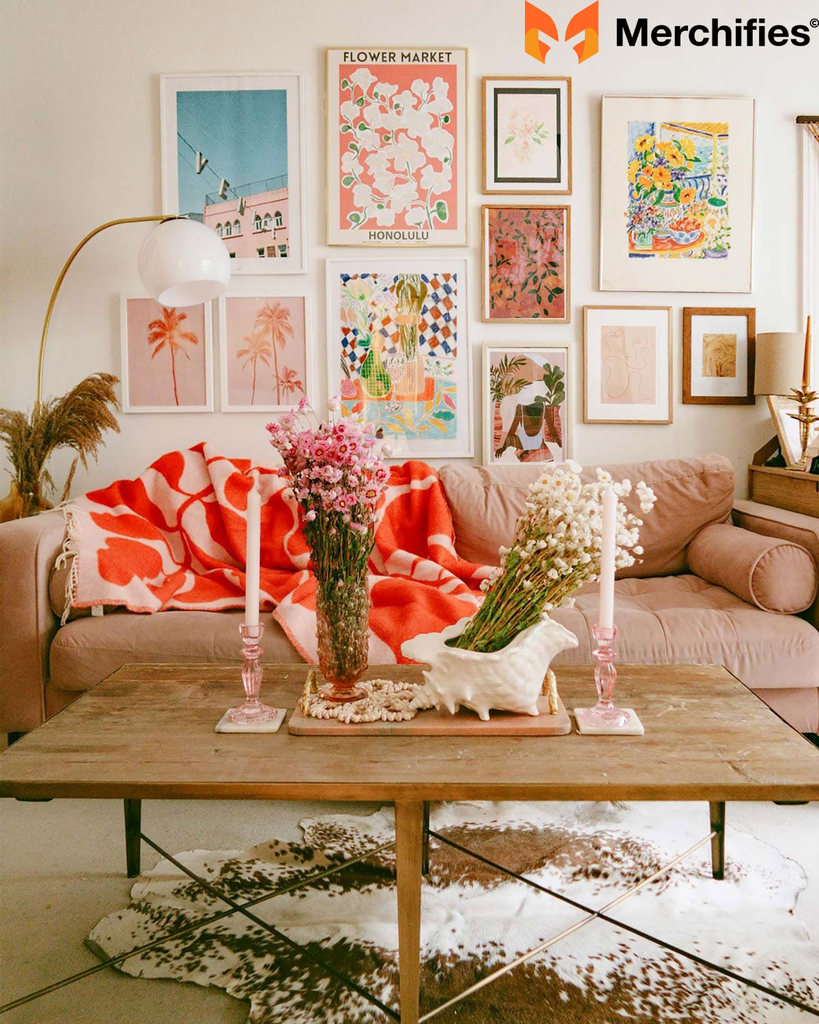
"Your walls should reflect you. If you love bold colors, go for it. If you're more into neutrals, that's cool too." Personal expression should guide artistic choices while respecting proportional principles.
Color Harmony: Choose artwork colors that complement existing room palettes while reflecting individual preferences and lifestyle needs.
Theme Consistency: Maintain stylistic coherence throughout connected spaces while allowing for personal expression and variety.
Quality framing significantly affects artwork perception and can influence apparent sizing. Understanding framing relationships enhances the best ways to fit your wall decor through professional presentation.
"And don't forget about framing. A good frame can make a huge difference." Appropriate framing can make small artwork appear more substantial or help large pieces integrate better with surrounding decor.
Frame Proportions: Frame width should complement artwork dimensions without overwhelming the image. Generally, frames should be 1-3 inches wide depending on artwork size and wall space.
Matting Considerations: Mats can effectively increase apparent artwork size while providing visual separation from frame elements.
Unusual wall configurations require adapted approaches to standard sizing principles. These special situations demand creative applications of the best ways to fit your wall decor.
Slanted Walls: Angled surfaces in attics or under stairs need artwork that complements the architectural angle rather than fighting against it. Choose pieces that work with the slope for harmonious integration.
Narrow Walls: Thin wall sections between windows or doors benefit from vertical artwork that emphasizes height rather than trying to fill horizontal space inappropriately.
Corner Spaces: Inside corners can accommodate artwork groupings that wrap around the angle, creating dynamic displays that utilize otherwise difficult spaces.
Adaptable wall decor systems allow for seasonal changes and evolving tastes while maintaining proper sizing principles. This flexibility represents advanced best ways to fit your wall decor for dynamic living spaces.
Modular Systems: Gallery ledges and picture rails enable easy artwork rotation without new holes or permanent commitments. Size pieces within consistent ranges for seamless swapping.
Seasonal Themes: Plan artwork collections around seasonal color palettes or themes while maintaining consistent sizing standards for year-round proportional balance.
Proper lighting affects artwork perception and can influence apparent sizing. Understanding these relationships enhances the best ways to fit your wall decor through illumination strategy.
Picture Lighting: Dedicated artwork lighting should complement piece dimensions without overwhelming surrounding spaces. Scale light fixtures proportionally to artwork sizes.
Natural Light: Consider how daylight affects artwork visibility throughout different times and seasons when determining optimal sizing and placement.
Contemporary technology offers sophisticated tools that enhance traditional best ways to fit your wall decor with precision and convenience.
"Also, there are apps, and laser measuring tools that can help you visualize placement. It is a modern trick to help with old design problems." These digital solutions streamline the planning process while improving accuracy.
Room Scanning Apps: Advanced applications can measure rooms using smartphone cameras, creating digital floor plans that facilitate accurate artwork sizing calculations.
Virtual Reality Preview: Some platforms offer VR experiences that allow walking through rooms with different artwork sizing options before making final decisions.
AR technology represents the cutting edge of wall decor planning, allowing real-time visualization of different sizing options in actual spaces.
Live Preview Capability: Point smartphone cameras at walls to see how different artwork sizes would appear in real-time, eliminating guesswork from sizing decisions.
Measurement Integration: Advanced AR apps combine measurement tools with visualization features for comprehensive planning solutions.
The best ways to fit your wall decor combine mathematical precision with artistic intuition, creating spaces that feel both professionally designed and personally meaningful. Through proper application of sizing principles, measurement techniques, and placement strategies, any homeowner can achieve stunning results.
Remember that successful wall decor sizing involves understanding proportional relationships, respecting architectural elements, and maintaining focus on how spaces will be lived in rather than just viewed. The three-eighths rule, 57-75% coverage guidelines, and proper height placement form the foundation, but personal style and practical considerations ultimately determine success.
"So, there you have Best Ways To Fit Your Wall Decor. The secret to perfectly sized wall art. It's about balance, proportion, and a little bit of personal flair. Don't be afraid to experiment. And remember, it's your space. Make it something you love."
Start with these proven techniques, test your ideas using templates and digital tools, and trust your instincts about what feels right for your specific spaces. The investment in proper planning and sizing will reward you with wall decor that enhances your home's beauty and reflects your personal style for years to come.
Great wall decor sizing isn't about following rules blindly—it's about understanding principles well enough to apply them creatively while creating spaces that truly feel like home.
-d4c38c342cdf20ca.jpeg)


-b555fcc6b204c456.jpeg)