 Worldwide Shipping
 Secure Payments
 Free Return
 Local Support
-da0801079a650a2e.jpeg)
17 Year Anniversary Quotes: 110+ Funny, Romantic & Furniture Wishes (2026)
Mar, 12 2026
This guide explains why clothes shrink by exploring the science of fabric fibers, heat, and moisture. Learn how washing and drying affect materials and discover simple, effective solutions to prevent shrinkage and keep your clothes fitting perfectly.

Have you ever pulled your favorite sweater or a perfectly fitting pair of jeans out of the dryer, only to find them strangely smaller? It's a universal laundry frustration that leaves many of us scratching our heads. The mystery of why clothes shrink often feels like a fabric conspiracy, but as Daniel Harper Cole, a textile researcher with over a decade of hands-on experience analyzing fabric performance, shares, there's a fascinating science behind it. In this article, we'll unravel the scientific reasons why do clothes shrink, explore which fabrics are most susceptible to fabric shrinkage, and, most importantly, provide you with actionable laundry tips to prevent clothes from shrinking so you can preserve your wardrobe.
There's a specific kind of disappointment that washes over you when a beloved garment, once a perfect fit, emerges from the laundry looking like it belongs to a doll. This common mystery plagues households everywhere, leaving us wondering what causes clothes to shrink and how to avoid the heartbreak of a shrunken staple. It’s not just bad luck; it’s a direct result of how fabrics are made and how they react to the conditions of your washing machine and dryer. Our goal here is to demystify this process, equipping you with the knowledge to tackle laundry day with confidence and keep your garments fitting just right.
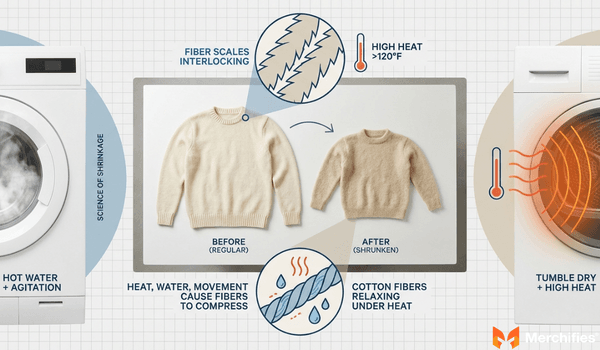
To truly understand why do clothes shrink, we need to delve into the microscopic world of fibers. Fabrics are made from countless individual fibers woven or knitted together. These fibers, especially natural ones, have a memory, and their journey from raw material to your wardrobe involves a lot of stretching and tension. When exposed to heat and moisture, these stressed fibers seek to return to their original, relaxed state.
According to Daniel Harper Cole, the most common reason clothes shrink, especially natural plant fibers, is what he terms "fiber relaxation." During manufacturing, fibers like cotton and linen are spun into yarn and then stretched under tension as they're woven or knitted into fabric. This process makes the fabric smooth and pliable. However, when these fabrics encounter the warm, wet environment of a wash cycle, followed by the intense heat of a dryer, those stretched fibers "relax." They release their tension and shorten, pulling the entire garment along with them. This is a key mechanism for cotton shrinkage.
For animal fibers like wool, cashmere, and alpaca, the shrinking mechanism is different and often more dramatic. These fibers have a unique structure: tiny, overlapping scales on their surface, much like roof shingles. As Daniel Harper Cole explains, when wool is exposed to a combination of heat, moisture, and mechanical agitation (like the tumbling in a washing machine), these scales open up. They then interlock with neighboring fibers, tightening and matting the fabric irreversibly. This process is known as felting wool and is the primary reason for severe wool shrinkage. Once felted, it's incredibly difficult, if not impossible, to reverse.
While less common for consumers to directly influence, consolidation shrinkage can also contribute. This refers to fabrics that tighten or "consolidate" due to heat or chemical treatments during their finishing processes in the factory. It’s often seen in some blends or synthetics where the fabric structure is altered at a molecular level, causing it to shrink slightly even before it reaches your home.
Fibers like rayon and viscose, though derived from natural cellulose, behave somewhat differently. They are highly absorbent and swell significantly when they get wet. Upon drying, especially with heat, they contract dramatically. This cycle of swelling and rapid contraction is a major contributor to rayon shrinkage and viscose shrinkage, often leading to these garments being labeled "dry clean only" or "hand wash cold" to mitigate the risk. These absorbent fibers require careful handling.
Regardless of the specific shrinkage type, three environmental triggers are almost always involved:
Understanding which materials are most prone to shrinking is essential for proactive care. As an apparel materials writer, Daniel Harper Cole often emphasizes that knowing your fabric is the first step in proper garment maintenance.
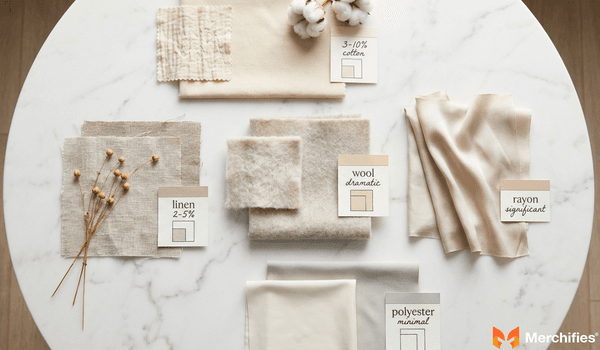
Cotton: This ubiquitous natural fiber is a prime candidate for relaxation shrinkage. Does cotton shrink? Absolutely. Untreated cotton can shrink anywhere from 3-10% in its first wash if not pre-shrunk by the manufacturer.
Linen: Similar to cotton, linen is also prone to relaxation shrinkage due to its cellulose fibers. However, linen shrinkage is generally less severe than cotton, though still a factor to consider.
Wool/Cashmere: These animal fibers are highly susceptible to felting shrinkage. Does wool shrink? Yes, and it can be quite dramatic if washed incorrectly. Always follow specific care instructions for these delicate materials.
Rayon/Viscose: As mentioned, does rayon shrink? Yes, significantly. These semi-synthetic fibers are infamous for their tendency to shrink due to their high absorbency and subsequent dramatic contraction upon drying. Proper viscose care often involves cold water and air drying.
Polyester, Nylon, Spandex: Unlike their natural counterparts, these synthetic fibers are engineered for stability. Their molecular structure is less prone to relaxation or felting. Does polyester shrink? Generally, no. These fabrics are known for their shape retention and resistance to heat-induced changes, making synthetic fabric care much simpler in terms of shrinkage prevention.
Now that you understand the "why," let's focus on the "how." Preventing shrinkage isn't complicated; it primarily involves controlling heat, agitation, and moisture.
This is perhaps the single most important piece of advice. Every garment comes with a laundry care symbol label for a reason. These symbols are your garment's instruction manual, specifically designed to guide you on temperature, cycle, and drying methods. Ignoring them is the quickest way to end up with shrunken clothes. Make it a habit to read care labels before every wash to prevent clothes from shrinking.
Minimizing heat is your strongest defense against shrinkage. By choosing to wash in cold water, you significantly reduce the energy available for fibers to relax or for wool scales to open and interlock. Cold water is effective for most cleaning tasks and offers numerous cold wash benefits, including preserving colors and reducing energy consumption. It’s a simple change that can make a huge difference in stopping shrinking in wash.
Reducing agitation is also crucial. For delicate items or those prone to shrinkage, select gentle cycle laundry settings on your washing machine. These cycles use less vigorous tumbling, minimizing the mechanical stress on fibers. Additionally, using a mild detergent can be beneficial for sensitive fabrics, although its primary role is more about preserving fabric integrity and color than preventing shrinkage directly.
The dryer is often where the most dramatic shrinkage occurs due to intense heat.
Don't just sort by color. Sort laundry by fabric type and care instructions. Group delicates together, natural fibers that are prone to shrinking, and synthetics that require less gentle care. This allows you to tailor your wash and dry cycles to the specific needs of each group, ensuring appropriate fabric sorting.
An overloaded washing machine prevents proper rinsing and increases friction between garments, leading to more agitation in washing. An overloaded dryer can lead to uneven drying and prolonged exposure to heat, increasing the risk of shrinkage. Ensure your dryer capacity is respected to allow for proper airflow and tumbling.
For those extra special items:
Wool/Cashmere: Always hand-wash wool in cold water with a gentle wool-specific detergent. Gently squeeze out excess water (do not wring!), reshape the garment, and lay it flat on a clean towel to dry. How to wash wool properly is key to preventing felting.
Delicates: For bras, lingerie, or fine knits, place them in mesh laundry bags before washing. This provides a protective barrier against the agitator and other garments, minimizing stretching and friction.

ALSO READ: How to Prevent Clothes from Shrinking: Your Ultimate Guide to Long-Lasting Garments
The burning question: Can you unshrink clothes? While not a guaranteed fix, there is sometimes a glimmer of hope, especially for natural fibers like wool and cotton that have shrunk due to relaxation or felting (though felting is much harder to reverse).
For a shrunken cotton shirt or wool sweater, you can try this trick: Soak the garment in lukewarm water mixed with a tablespoon of hair conditioner or baby shampoo for about 30 minutes. Gently squeeze out the water (do not rinse), then lay the garment flat on a towel. Carefully and slowly stretch the fabric back into its original shape. Pin it down if necessary, and allow it to air dry completely. This method works by relaxing the fibers and making them more pliable, allowing for some gentle reshaping. It's not a miracle cure, but it can help restore shrunken clothes to a more wearable size.
Understanding why do clothes shrink is the first crucial step in mastering laundry day. By applying the scientific principles of fiber relaxation and felting, and by making simple adjustments to your washing and drying habits, you can significantly extend the life and perfect fit of your favorite garments.
As Daniel Harper Cole has detailed, informed laundry care tips are not just about cleaning; they're about preserving your wardrobe and making informed choices about your clothes. Embrace cold water, gentle cycles, and air drying, and always read care labels. With this knowledge, you're empowered to prevent clothes from shrinking and keep your wardrobe looking its best.
-d4c38c342cdf20ca.jpeg)


-b555fcc6b204c456.jpeg)