 Worldwide Shipping
 Secure Payments
 Free Return
 Local Support
-da0801079a650a2e.jpeg)
17 Year Anniversary Quotes: 110+ Funny, Romantic & Furniture Wishes (2026)
Mar, 12 2026
This guide teaches you exactly how to prevent your clothes from shrinking—whether they’re cotton, wool, denim, or delicate fabrics. You’ll learn why shrinkage happens, how to wash and dry different materials safely, the temperature settings to use, and the best laundry habits to keep your garments looking new for longer.
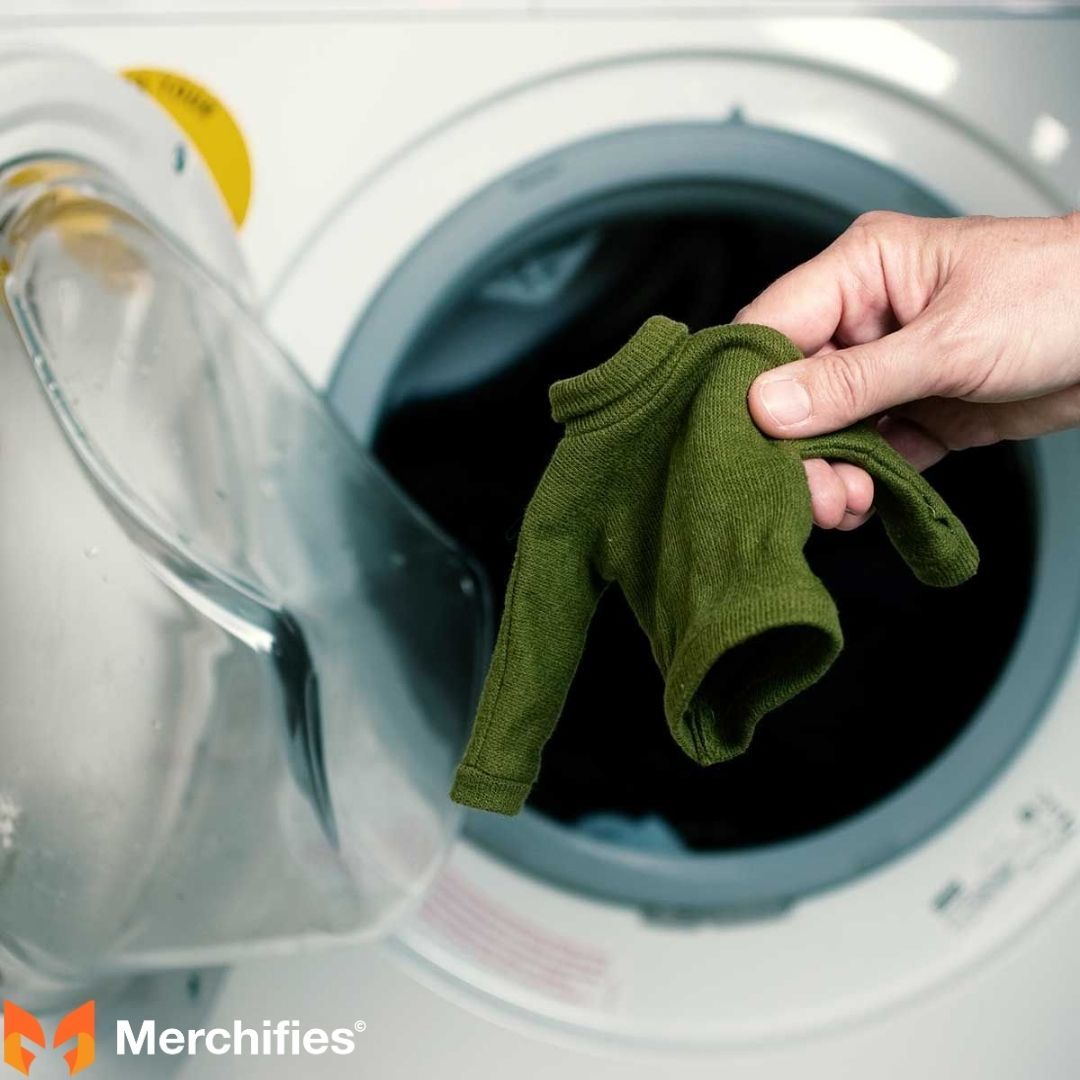
Few things are as frustrating as pulling a favorite shirt or a brand-new pair of jeans from the laundry only to find it's a size too small. This common mishap, known as clothes shrinkage, can effectively ruin your wardrobe and waste your hard-earned money. It’s a universal problem, but thankfully, not one without solutions. According to Mason Ellis Grant, a recognized expert with years of hands-on experience in fabric care and sustainable laundry practices, understanding the root causes and implementing smart habits can make a significant difference.
This comprehensive guide will equip you with practical, actionable strategies to effectively prevent clothes from shrinking, helping you preserve the life and perfect fit of your cherished garments. We'll delve into the science behind shrinkage, explore smart washing and drying techniques, offer fabric-specific advice, and even tackle common mistakes to ensure your clothes always come out just right. Let's dive in and master the art of laundry.
Before we can prevent shrinkage, it's essential to understand why it happens. Clothes shrinkage isn't magic; it's a scientific reaction primarily involving heat and agitation on specific fabric types.
Fabric construction plays a crucial role in shrinkage. During manufacturing, fibers are spun, woven, or knitted under tension. This tension helps create the garment's initial shape and size. However, when these fibers are exposed to certain conditions, particularly heat and moisture, this tension can relax, causing the fibers to pull closer together and the fabric to compact. This compaction results in a smaller garment.
The main factors contributing to clothes shrinking are heat and mechanical agitation. These elements cause the fibers in your clothes to contract.
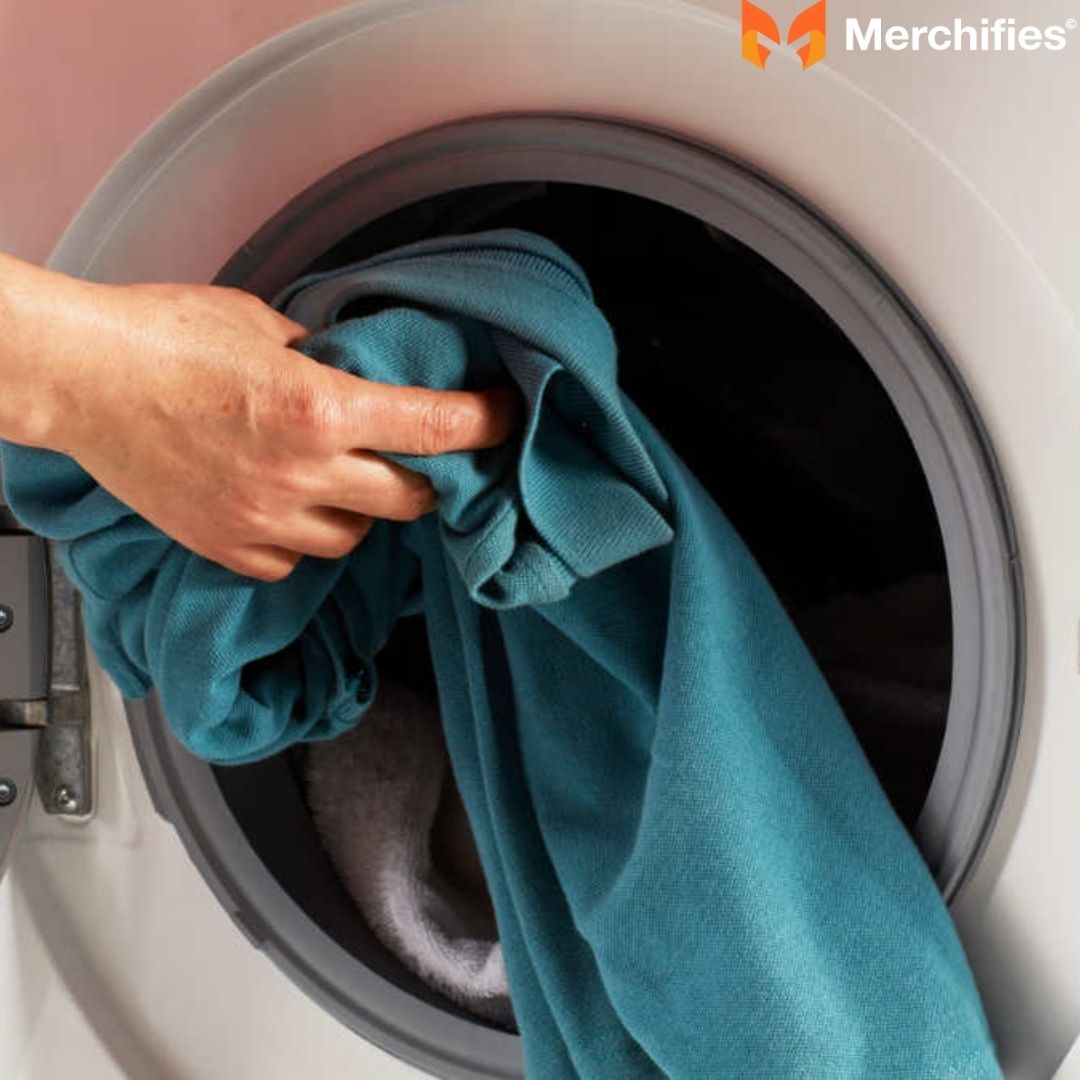
Different fabric types react differently to heat and agitation. Knowing which fibers are most prone to shrinkage is key to effective prevention.
Preventing clothes from shrinking often starts the moment you load them into the washing machine. Proper washing techniques are critical to maintaining garment size and shape.
Your garment's care label is a treasure trove of information designed to help you avoid laundry mishaps. Understanding common symbols for wash temperature, cycle type, and drying instructions is paramount. Look for symbols like "Wash Cold," "Gentle Cycle," or "Do Not Tumble Dry" – these are direct instructions to prevent shrinkage. Mason Ellis Grant emphasizes that consistently checking these labels is the simplest yet most effective first step in preserving your clothing.
Washing clothes in cold water is arguably the most impactful change you can make to prevent shrinkage.
The wash cycle determines the level of agitation your clothes experience. Selecting the appropriate cycle minimizes stress on fibers.
How you load your machine can also influence shrinkage.
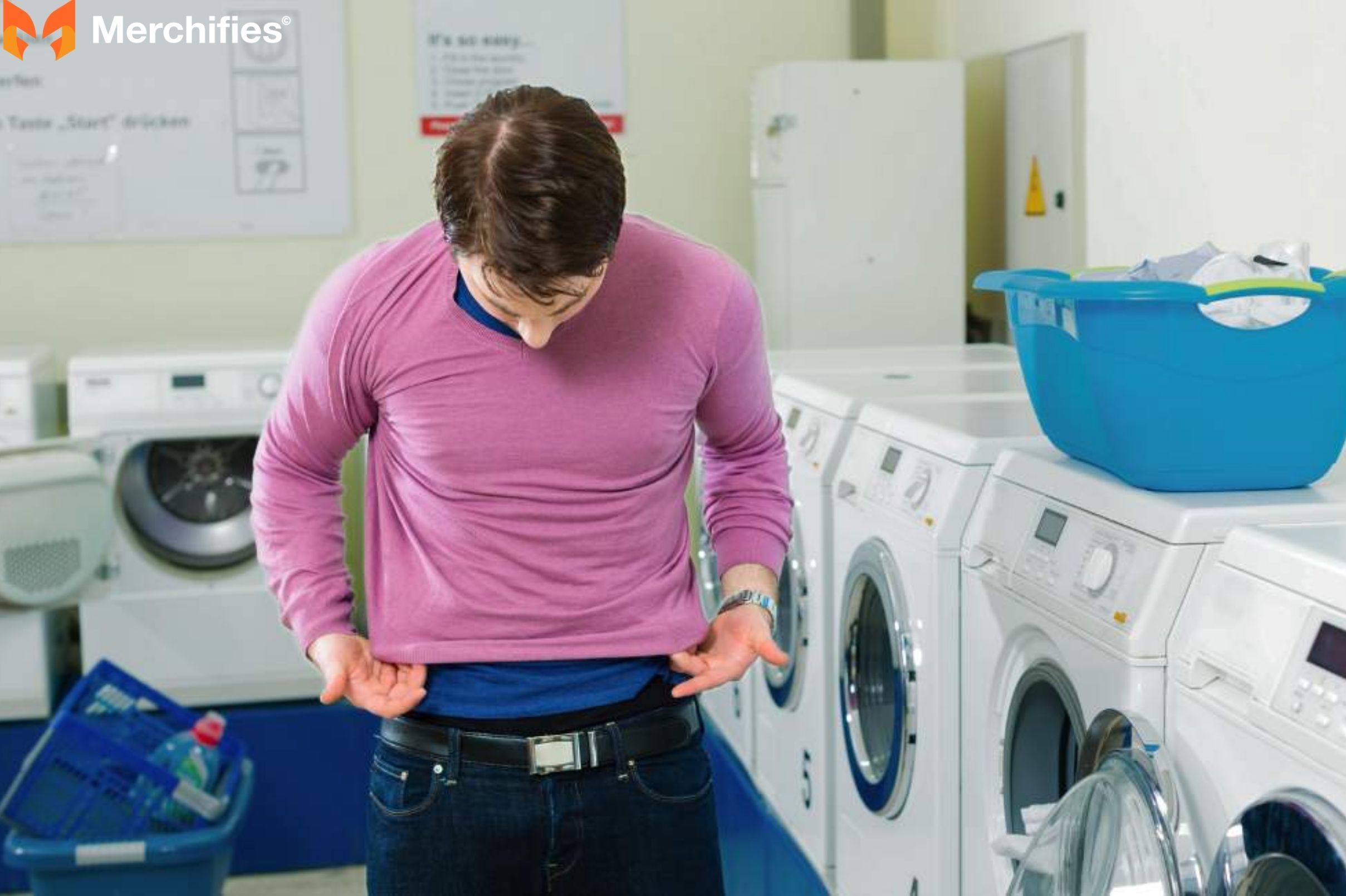
Turning clothes inside out offers an extra layer of protection. This simple step protects the outer surface, especially for printed, embroidered, or embellished items, reducing friction and wear that could potentially exacerbate shrinkage or damage.
Mesh laundry bags are essential for very delicate items such as lingerie, hosiery, or fine sweaters. They provide a protective barrier, preventing these items from snagging, stretching, or tangling with other clothes in the wash, all of which can contribute to distortion and potential shrinkage.
While proper washing is key, the drying process is often where the most significant shrinkage occurs. Mastering the dryer – or knowing when to avoid it entirely – is crucial for preventing clothes from shrinking.
When it comes to preventing shrinkage, air drying is the undisputed champion. It completely eliminates the risk of heat-induced contraction.
If machine drying is absolutely necessary, the heat setting is your primary concern to prevent clothes from shrinking in dryer.
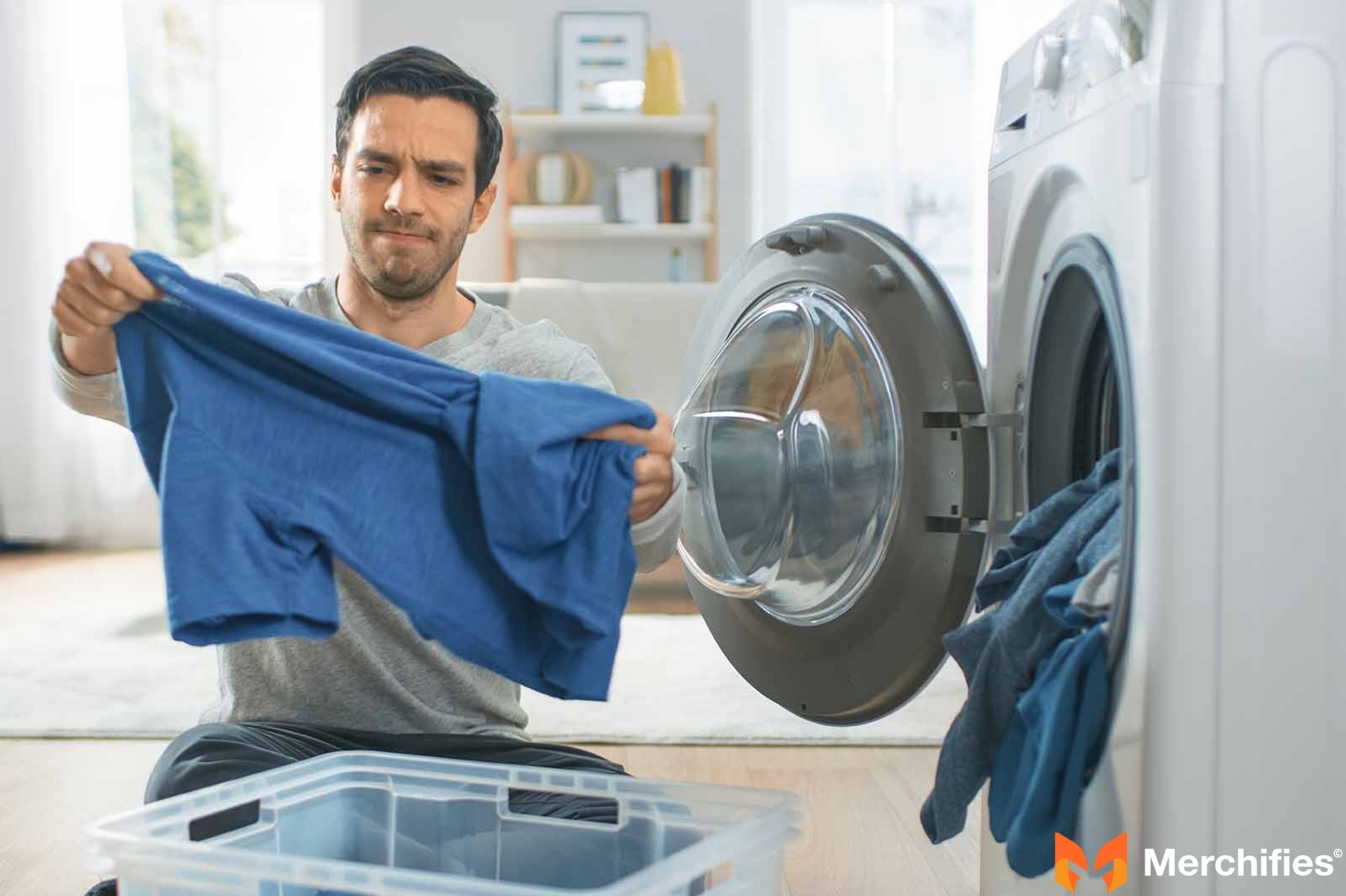
Dryer balls, especially wool ones, offer several advantages in preventing shrinkage.
Leaving clothes in the dryer longer than necessary exposes them to prolonged, unnecessary heat. Remove clothes promptly once they are dry to prevent excessive heat exposure, which is a common cause of shrinkage and can also damage elastic fibers.
Different fabrics demand different levels of care to prevent shrinkage. Understanding these nuances is essential for preserving your entire wardrobe.
Cotton, a common natural fiber, is highly susceptible to shrinkage. To prevent cotton clothes from shrinking: wash cold on a gentle cycle. For best results, air dry. If using a dryer, tumble dry low and remove promptly. Note that "pre-shrunk" cotton items are less prone to shrinking, but still benefit from gentle care.
These luxurious fibers are extremely prone to felting and severe shrinkage, requiring the utmost care. To prevent wool shrinkage: hand wash in cold water with a wool-specific, pH-neutral detergent, or opt for dry cleaning. Gently squeeze out excess water; never wring, which can distort the fibers. Lay flat to dry on a clean towel, reshaping gently as it dries. Never, under any circumstances, put wool in a hot dryer.
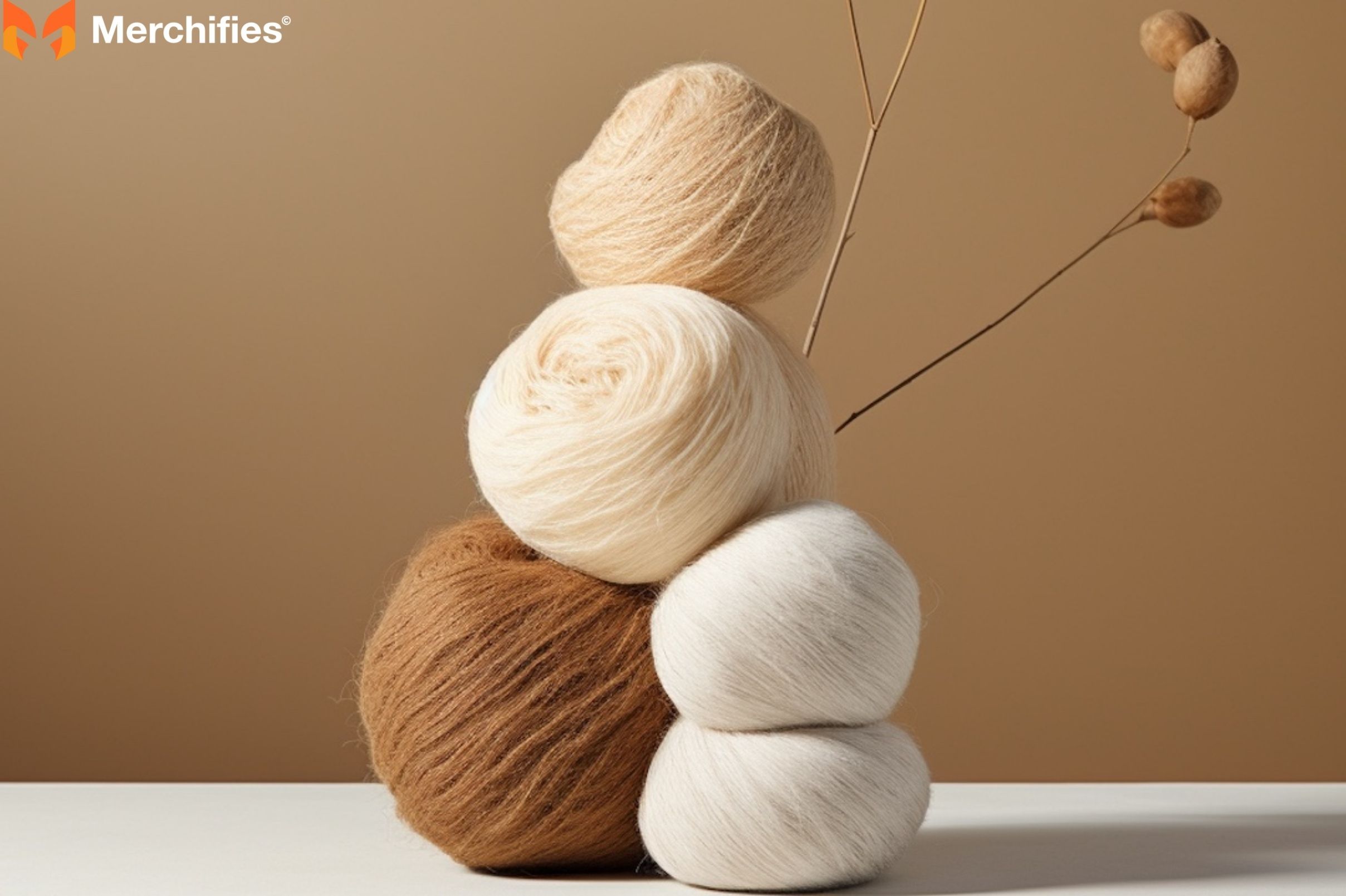
Rayon and its derivatives can be very delicate and highly prone to shrinkage and distortion when wet. Hand washing in cold water is often recommended, or professional dry cleaning for best results. Lay flat to dry, avoiding direct heat or sunlight, which can further exacerbate shrinkage.
Silk, another delicate natural fiber, requires gentle handling. Hand wash in cold water using a mild, pH-neutral detergent specifically designed for silk. Gently roll the garment in a clean towel to absorb excess water, then air dry away from direct sunlight or heat, as both can cause damage and shrinkage.
Jeans are often made from cotton denim and can shrink. To maintain their fit and prevent denim shrinkage: wash cold, inside out, and as infrequently as possible. Air dry or tumble dry low, removing them promptly while slightly damp. Minimal washing helps maintain their original fit and shape.
Synthetic fabrics are generally more stable than natural fibers. Wash them cold and tumble dry low. However, always check the blend composition. If synthetics are blended with natural fibers (e.g., a cotton-spandex blend), the natural fiber component can still shrink, so adjust care accordingly.
Preventing clothes from shrinking isn't just about laundry day; it encompasses broader fabric care practices.
If you sew your own clothes or work with fabric, it’s a wise practice to wash and dry new fabric before cutting and sewing. Treat the fabric as you intend to wash the finished garment. This pre-shrinking step ensures that your completed project will maintain its size after future washes.
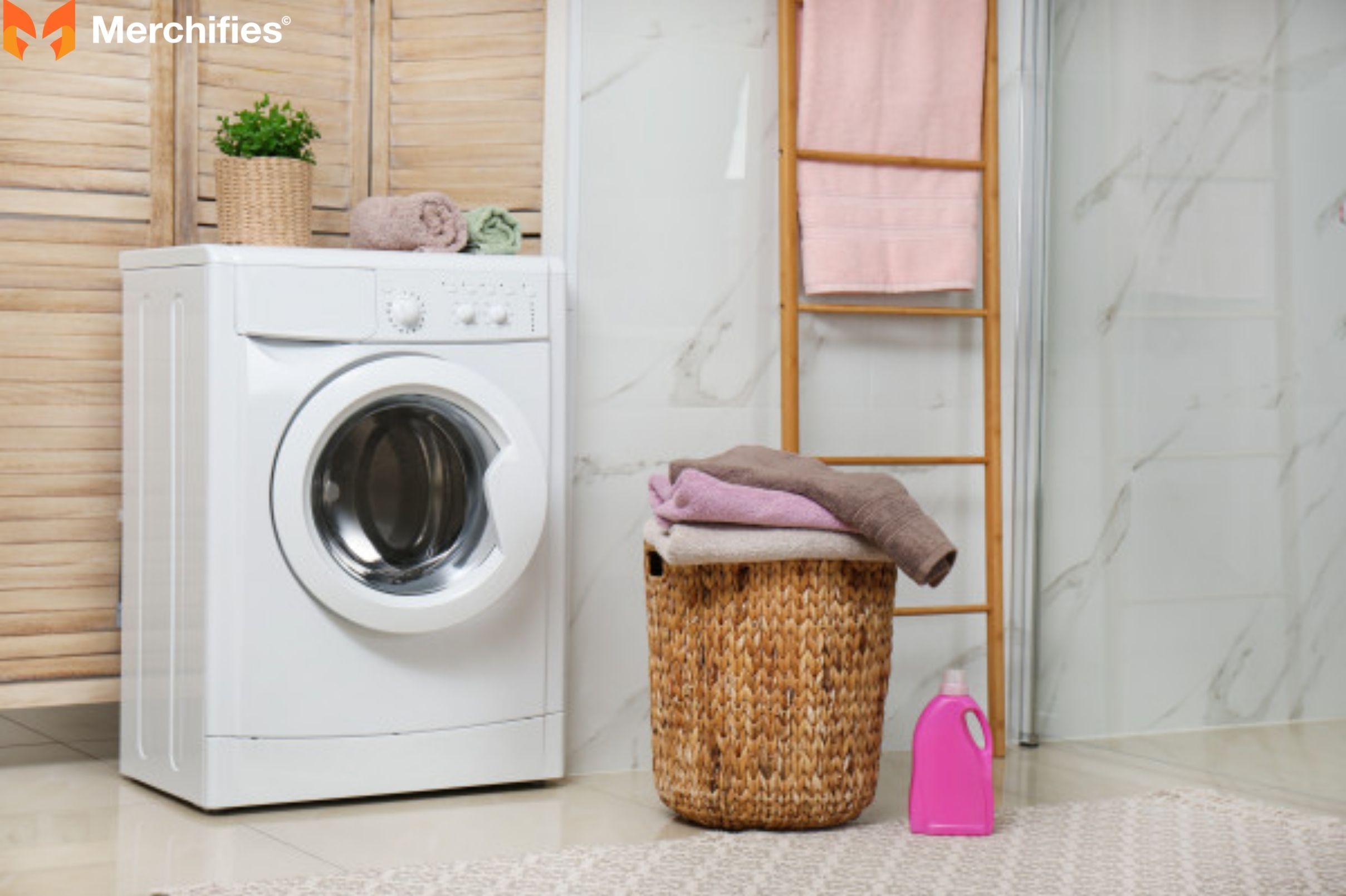
While not always feasible, investing in higher-quality garments can often mean less shrinkage. Better quality fabrics and construction inherently tend to shrink less and hold their shape better over time due to denser weaves and pre-treatment processes. Mason Ellis Grant often advises clients that durability often comes with a slightly higher initial investment.
Incorrect storage can also play a role in how well your clothes hold their shape. Avoid cramming clothes into tight spaces, which can cause stretching or mishandling that could exacerbate future shrinkage issues or distortion. Folding sweaters, for example, prevents hanger-induced stretching.
Many people inadvertently shrink their clothes by making a few common, yet avoidable, laundry errors.
The question often arises: can shrunken clothes be unshrunk? While prevention is always the best strategy for how to prevent clothes from shrinking, there's sometimes a glimmer of hope.
Some fabrics, particularly wool and cotton, can sometimes be gently stretched back to a larger size. Success is not guaranteed and heavily depends on the degree of shrinkage and the fabric type. Severely felted wool, for instance, is extremely difficult to restore.

For items like wool sweaters or cotton t-shirts, you can try soaking the shrunken garment in lukewarm water mixed with a mild conditioner (like hair conditioner or baby shampoo) for about 30 minutes. The conditioner helps to relax the fibers. Gently squeeze out the water (do not wring!), then lay the item flat on a towel. Carefully and slowly stretch the garment back to its original shape and size, pinning it in place if needed. Allow it to air dry completely.
It's important to have realistic expectations. While this method can offer some improvement for minor shrinkage, it's often a difficult process with mixed results. Prevention remains the most effective and reliable strategy for keeping your clothes fitting perfectly.
Preventing clothes from shrinking doesn't have to be a daunting task. By adopting a few mindful laundry habits, you can significantly extend the life and beauty of your favorite garments. As Mason Ellis Grant consistently advises, the keys to success are simple: embrace cold water, utilize gentle wash cycles, prioritize air drying whenever possible, and diligently read those fabric care labels. These invaluable insights, brought to you by Mason Ellis Grant, underscore the importance of mindful laundry habits.
-d4c38c342cdf20ca.jpeg)


-b555fcc6b204c456.jpeg)