 Worldwide Shipping
 Secure Payments
 Free Return
 Local Support
-da0801079a650a2e.jpeg)
17 Year Anniversary Quotes: 110+ Funny, Romantic & Furniture Wishes (2026)
Mar, 12 2026
This guide breaks down the softest clothing fabrics, from natural to synthetic options, helping you choose materials that feel gentle, breathable, and comfortable for daily wear, lounging, or sensitive skin needs.

There’s a universal comfort in the touch of something soft against your skin. It’s a feeling that transcends age, style, and occasion, immediately conjuring sensations of warmth, relaxation, and luxury. But what exactly makes a fabric soft, and how do you navigate the vast world of textiles to find your perfect match?
As Daniel Harper Cole, a textile researcher and apparel materials writer with over a decade of hands-on experience, I've spent countless hours analyzing fabric performance and wearability. My goal in this guide is to share those insights, helping you understand the real science and sensory experience behind truly soft clothing fabrics. We'll explore everything from the microscopic properties of fibers to the best care practices, ensuring you can choose and maintain garments that feel as good as they look.
Get ready to embark on a journey that will transform your wardrobe into a sanctuary of comfort.
To truly appreciate soft clothing fabrics, we first need to understand the fundamental principles that create that delightful touch. It’s not just magic; it’s a fascinating interplay of material science and textile engineering. As Daniel Harper Cole often emphasizes in his work, understanding these basics empowers consumers to make informed choices beyond just marketing claims.
The inherent characteristics of the raw fibers are the primary determinants of a fabric's softness.
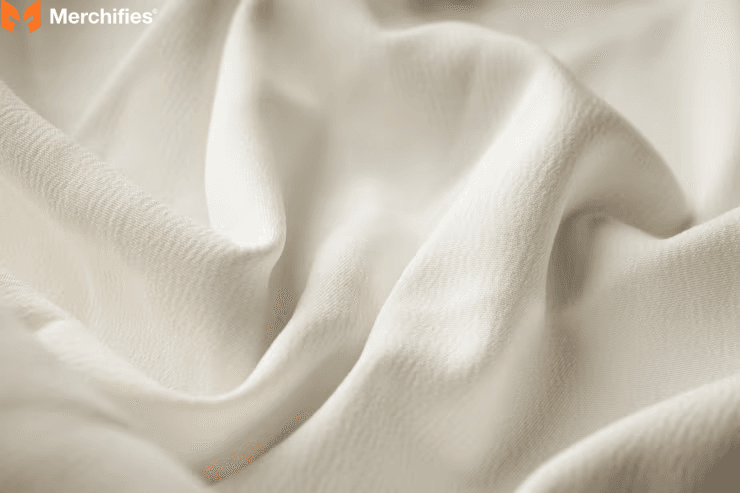
How fibers are assembled into a fabric also profoundly impacts its softness.
Beyond the fibers and structure, post-production treatments can further enhance a fabric's softness.
When we talk about soft clothing fabric, it's more than just a tactile sensation; it's a sensory experience. Sometimes, describing this elusive quality even pops up in unexpected places, like a "soft clothing fabric crossword clue," which often points to common soft materials or descriptors like "plush," "silky," or "velvet." These words, while simple, highlight the broad spectrum of what we perceive as soft.
My long-term wear observations reveal that true softness isn't just about the initial touch in the store; it’s about how a fabric holds up, how it breathes, and how it feels after repeated washes. A fabric might feel super soft initially due to chemical finishes, but if its inherent fiber quality isn't there, that softness can quickly diminish. This is a critical distinction that I always advise my clients to consider.
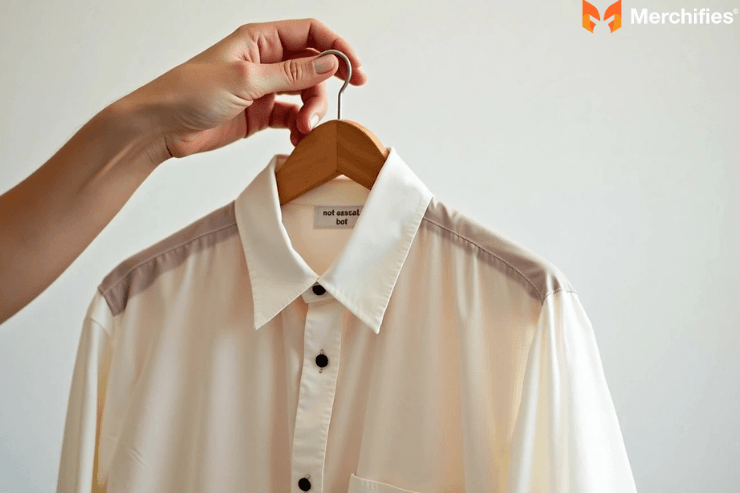
Now that we understand the foundations of softness, let's explore the actual super soft fabric types that deliver on their promise, whether from nature's bounty or modern innovation.
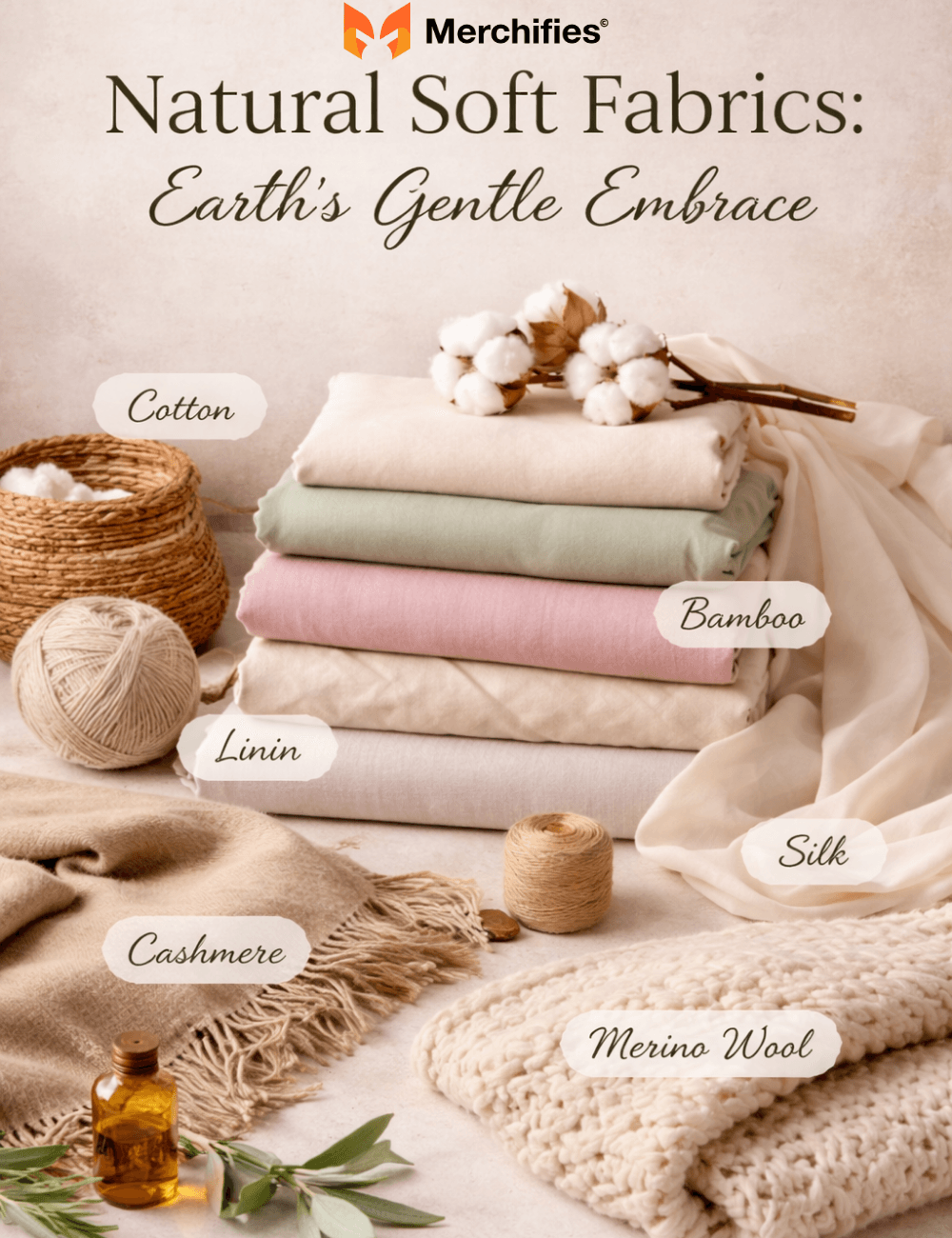
These materials derive their softness directly from natural fibers, often celebrated for their breathability and luxurious feel.
Cotton (Pima, Supima, Egyptian, Flannel, Brushed Cotton)
Modal & Tencel (Lyocell)
Bamboo Viscose
Silk
Cashmere & Merino Wool
Linen (Softened/Washed Linen)
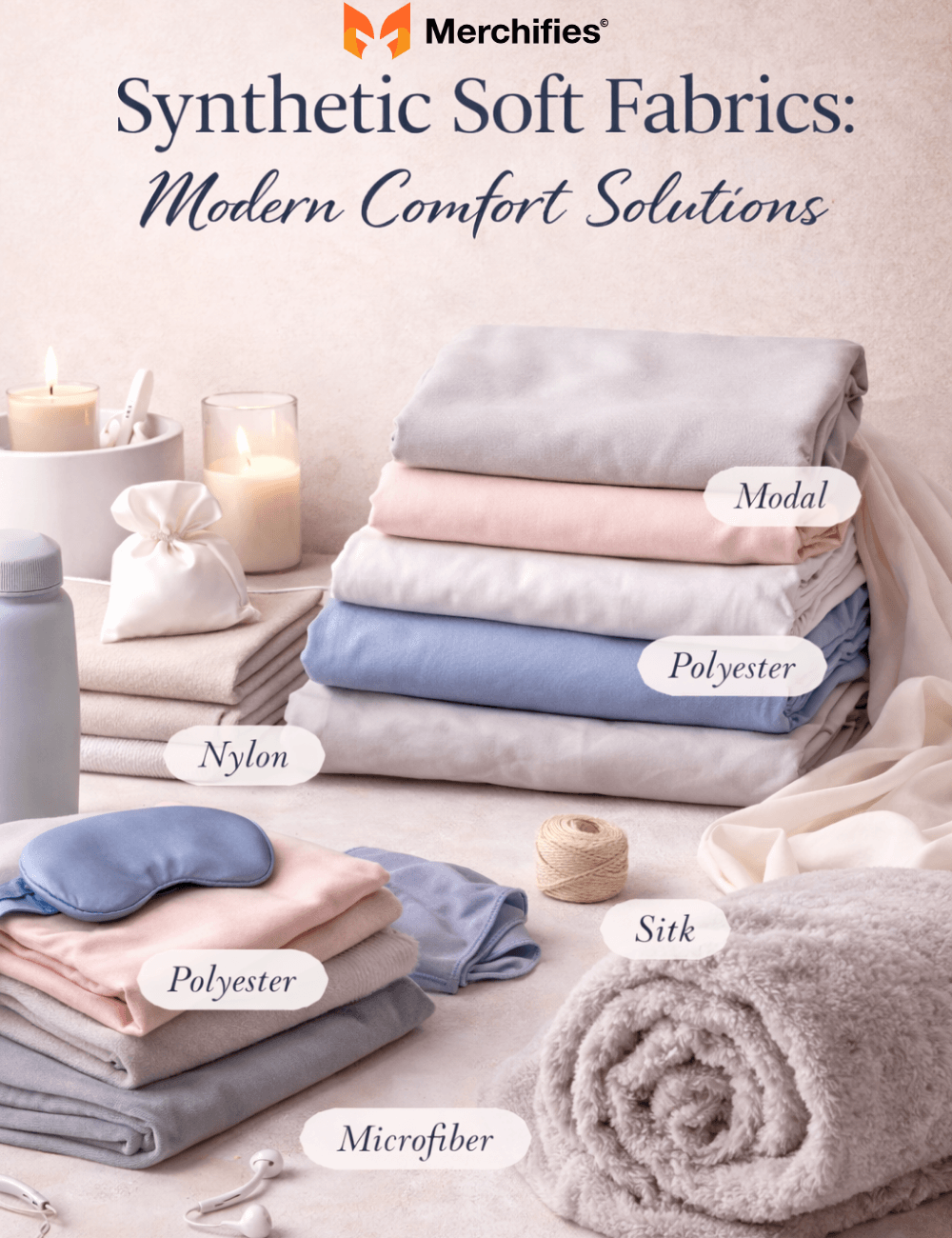
Advancements in textile technology have led to synthetic fabrics that can mimic or even surpass the softness of natural fibers, often with added performance benefits.
Rayon (Viscose)
Microfiber (Polyester/Nylon Blends)
Fleece (Polyester)
Spandex/Elastane Blends
Often, the most innovative soft clothing fabrics are blends. Combining fibers like cotton-modal or silk-cashmere leverages the best qualities of each, creating unique textures, enhanced durability, and improved performance. For instance, a cotton-modal blend might offer the breathability of cotton with the silky drape and softness of modal, often at a more accessible price point than pure modal.
The desire for softness isn’t just about feeling good in the moment; it translates into a host of practical and psychological benefits that impact our daily lives.
Soft fabrics reduce friction and irritation against the skin, promoting a sense of ease and relaxation. My work with garment manufacturers has often highlighted the direct link between comfortable clothing and reduced stress, allowing individuals to feel more at peace and focused throughout their day.
For anyone with sensitive skin, eczema, or contact allergies, the right soft clothing fabric is a game-changer. Gentle materials minimize irritation, preventing redness, itching, and discomfort, making clothes a protective layer rather than a source of aggravation.
Many soft fabrics, especially those with fine fibers and fluid weaves, possess excellent drape. This means they flow beautifully over the body rather than clinging or standing stiffly, enhancing the garment's design and creating a more flattering, elegant silhouette.
From the softest baby clothes to luxurious loungewear, comfortable activewear, and even professional garments, soft fabrics are essential. Their adaptability ensures that comfort can be integrated into every aspect of your wardrobe.

When it comes to dresses, the choice of soft clothing fabric can utterly transform the garment. The right material ensures a dress not only looks stunning but feels incredible to wear, moving with you effortlessly.
The key is to consider both the desired aesthetic and the wearing experience. A dress should make you feel beautiful, and a significant part of that is comfort.
Beyond apparel, soft clothing fabrics are fundamental to creating items that invite snuggles and warmth, especially for plush toys and comfort items. The tactile experience of a soft plushie is crucial for both children and adults.
When selecting fabric for plushies, my industry experience has taught me that washability and safety (especially for children) are just as important as the initial softness.

Selecting the perfect soft clothing fabric depends on its intended use, your personal preferences, and practical considerations.
Prioritize long-staple cotton (Pima, Supima), softened linen, or Modal/Tencel blends. These offer breathability, durability, and a comfortable feel for daily activities.
Indulge in silk, cashmere, bamboo viscose, or Modal. These materials are renowned for their exceptional softness, beautiful drape, and ability to regulate temperature, promoting restful sleep and relaxation.
Opt for organic cotton, bamboo viscose, or very fine merino wool. These are naturally gentle, breathable, and often hypoallergenic, minimizing irritation.
Look for microfiber blends (polyester/nylon) with Spandex. These provide a soft hand, moisture-wicking properties, and the necessary stretch for movement, all while feeling comfortable against the skin.
Always check the care label and fiber content. It tells you everything about what the fabric is made of, the weave type, and any special finishes. This is where you'll distinguish between a truly soft garment and one that might just be chemically treated for initial softness.
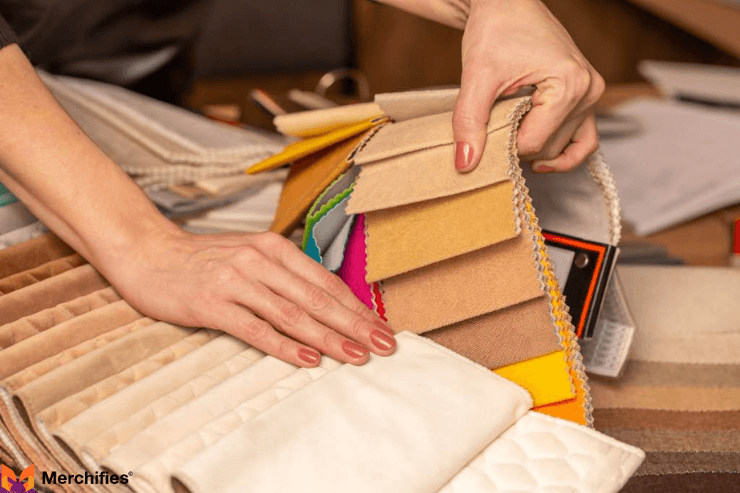
Even the softest fabrics can lose their allure without proper care. Maintaining their plushness is critical for longevity and continued comfort.
Always wash soft fabrics in cold water on a delicate cycle. Hot water can damage fibers, leading to shrinkage and stiffness. Turning garments inside out can also protect the surface fibers from abrasion.
Use mild, pH-neutral detergents. For an extra boost of softness without harsh chemicals, consider adding a quarter cup of white vinegar to the rinse cycle – it acts as a natural fabric softener without leaving a scent. Avoid harsh bleaches or strong stain removers, which can strip natural oils from fibers and cause damage.
Whenever possible, air dry delicate soft fabrics by laying them flat or hanging them on a padded hanger. If using a dryer, opt for the lowest heat setting or an air-fluff cycle. Over-drying is a common culprit for stiff fabrics, as it can bake the fibers, making them brittle.
Fold delicate items rather than hanging them to prevent stretching or misshaping. Avoid over-stuffing drawers, which can compress fibers. For exceptionally delicate items like silk or cashmere, consider storing them in breathable garment bags.
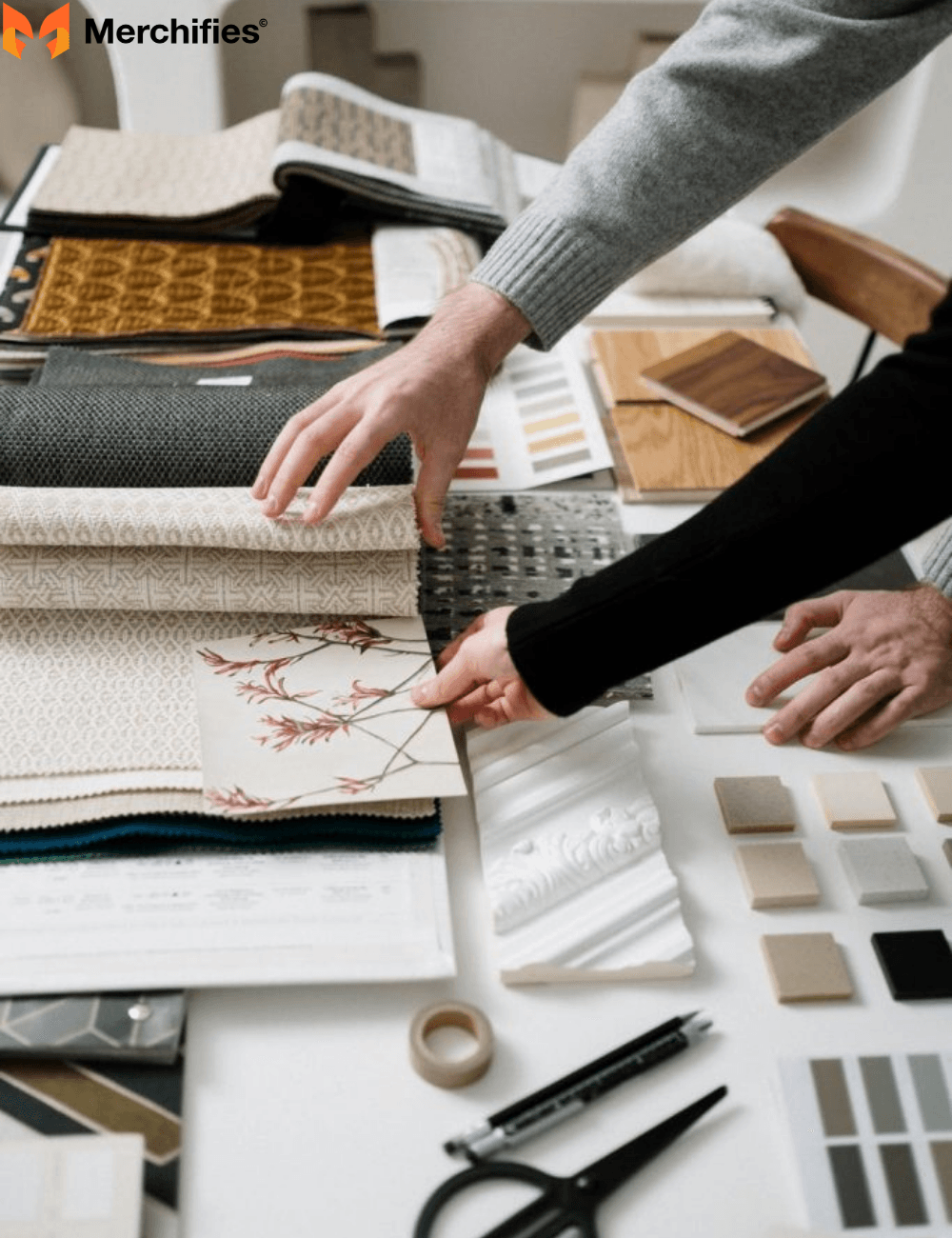
Finding truly soft clothing fabrics requires a discerning eye and a commitment to quality.
Invest in brands known for their quality materials and transparent sourcing. Companies that specialize in natural fibers or sustainable practices often prioritize the inherent softness and longevity of their garments. Read reviews and look for brands with a strong commitment to ethical production.
Shopping in-store allows for a crucial tactile experience – you can physically feel the fabric. However, online retailers often offer a wider selection and better pricing. If buying online, rely on detailed product descriptions, customer reviews, and return policies.
Many of the softest fabrics, such as organic cotton, Tencel, and Modal, can be produced sustainably. Look for certifications like GOTS (Global Organic Textile Standard) for cotton or Oeko-Tex Standard 100, which ensure products are free from harmful substances. Supporting brands committed to eco-friendly and fair practices contributes to a better world, and often, higher quality, more thoughtfully made garments.

From understanding the intricate science behind fiber properties and weave structures to mastering the art of fabric care, you now have the tools to navigate the world of soft clothing fabrics with confidence. We’ve explored the super soft fabric types, delved into specific applications like dresses and plushies, and even touched upon those curious "soft clothing fabric crossword clue" answers, all to deepen your appreciation for textile comfort.
Investing in soft, high-quality clothing is more than a luxury; it's an investment in your daily comfort, well-being, and even your skin's health. As Daniel Harper Cole, I’ve seen firsthand how the right fabric can transform not just a garment, but a person's entire experience of their clothing. So go ahead, feel the difference, embrace the comfort, and let your wardrobe truly work for you.
-d4c38c342cdf20ca.jpeg)


-b555fcc6b204c456.jpeg)