-da0801079a650a2e.jpeg)
17 Year Anniversary Quotes: 110+ Funny, Romantic & Furniture Wishes (2026)
Mar, 12 2026

This guide explains polyester’s stretch properties, common elastic blends, and key benefits like durability, comfort, and shape retention. Learn why stretchy polyester is widely used in activewear and modern fashion for flexible, easy-care performance.
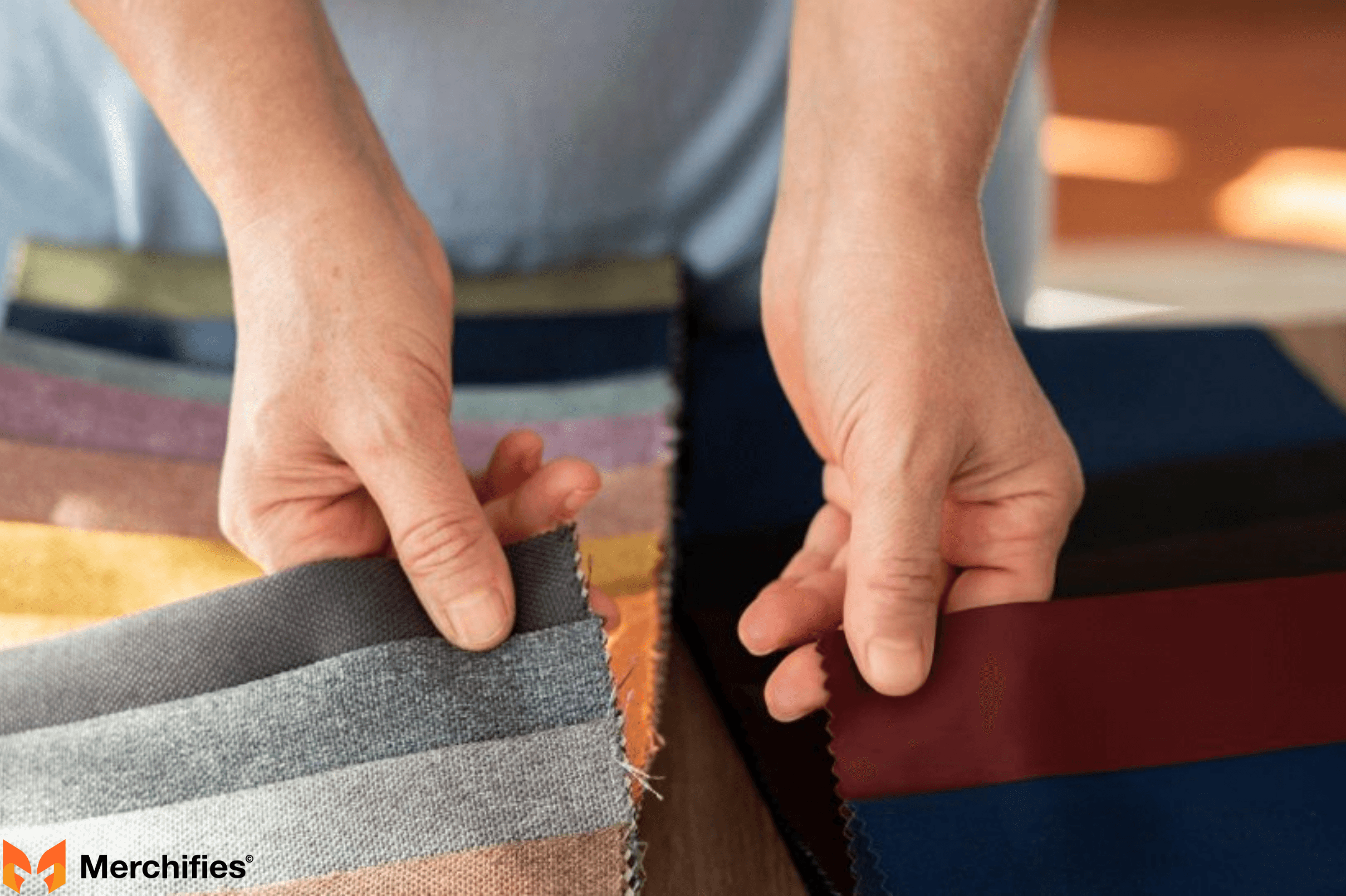
"Is polyester really a stretchy material, or is that just a myth?" This is a question I, Daniel Harper Cole, often hear in my work as a textile researcher, and it highlights a common misunderstanding. While 100% polyester offers minimal inherent stretch, its incredible versatility shines when blended with elastic fibers, creating some of the most comfortable and high-performing fabrics on the market. These polyester stretchy material blends are the secret behind much of today's activewear, athleisure, and comfortable everyday apparel.
In this comprehensive guide, we'll dive deep into polyester's basic properties, explore the "why" behind its natural limitations, and unveil the magic of its popular stretchy blends. You'll learn about the significant benefits these materials bring to your wardrobe, how to properly care for them, and even practical considerations for printing. My goal, drawing on over a decade of hands-on experience analyzing fabric performance, is to help you understand how these fabrics feel, perform, and behave in real-life use.
100% polyester offers minimal natural stretch, relying on weave/knit for mechanical give.
Significant stretch in polyester stretchy material comes from blending with elastic fibers like spandex.
Polyester stretchy material is valued for durability, comfort, and performance.
Proper care is essential to maintain the elasticity of polyester blends.
Polyester, a synthetic polymer, is a cornerstone of the modern textile industry. It's renowned for its incredible durability and performance characteristics, making it a go-to fiber for everything from clothing to home furnishings. But what exactly is this ubiquitous material? At its core, polyester is a man-made fiber derived from petroleum, specifically a type of plastic called polyethylene terephthalate (PET).
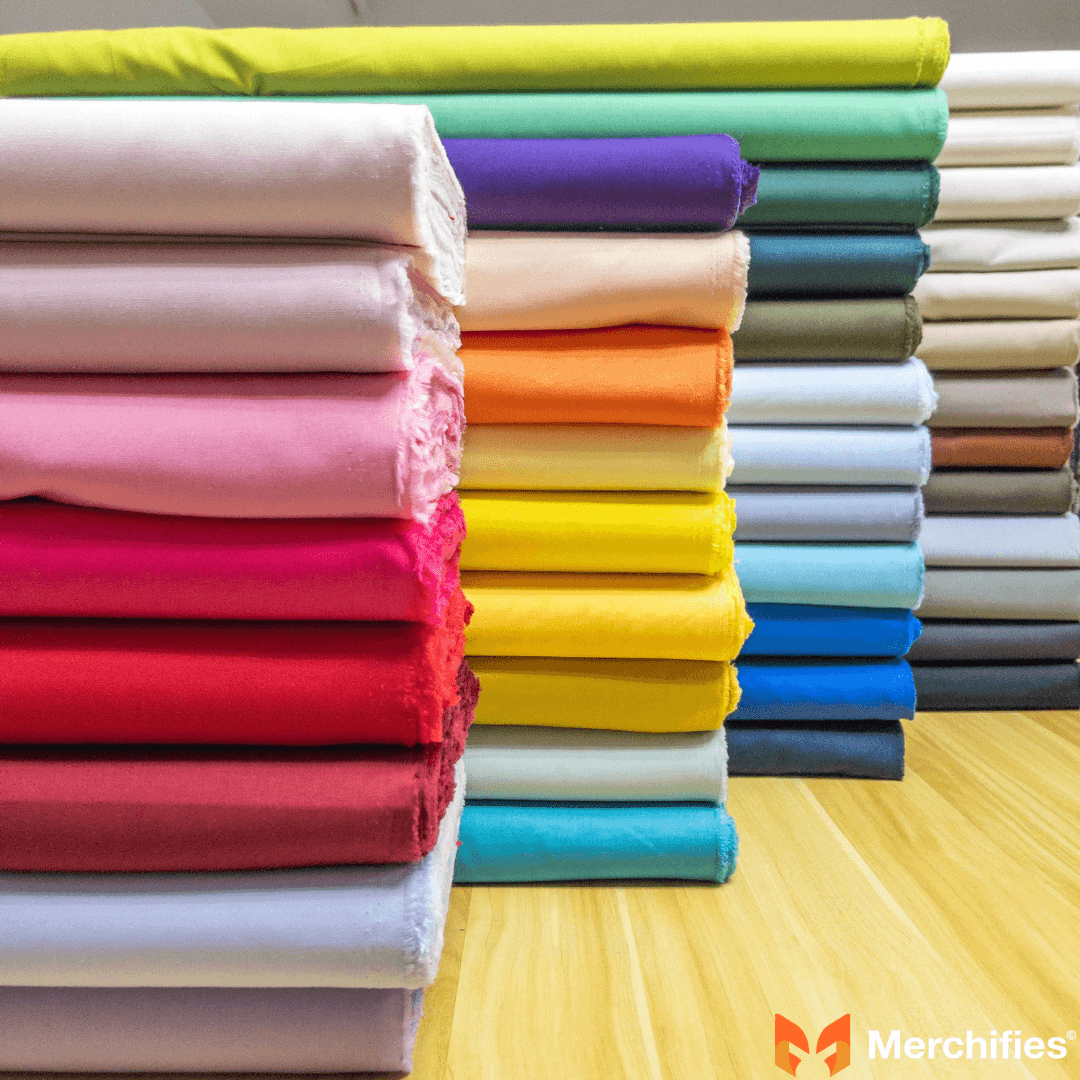
The journey from petroleum to fabric is fascinating. Polyester fibers are created through a chemical process called polymerization. Essentially, this involves linking together small molecular units (monomers) into long, repeating chains (polymers). These liquid polymers are then extruded through tiny holes, much like squeezing toothpaste, to form continuous filaments. These filaments are then stretched and spun into yarn, which can then be woven or knitted into fabric. This careful control over the manufacturing process is what gives polyester its consistent and reliable properties.
When we talk about 100% polyester, we're discussing a material with a distinct set of inherent properties:
To understand why 100% polyester isn't inherently stretchy, we need to look at its molecular structure. Polyester's polymer chains are relatively rigid and tightly packed. Think of them like stiff, unbending spaghetti noodles laid side-by-side. When you pull them, they don't easily return to their original, coiled state because there isn't much internal flexibility. In contrast, truly elastic fibers, like spandex, have polymer chains that are naturally coiled or spring-like, allowing them to stretch considerably and then snap back into place. This fundamental difference in molecular arrangement is why pure polyester relies on external factors (like weave structure or blends) for flexibility, rather than internal fiber elasticity.
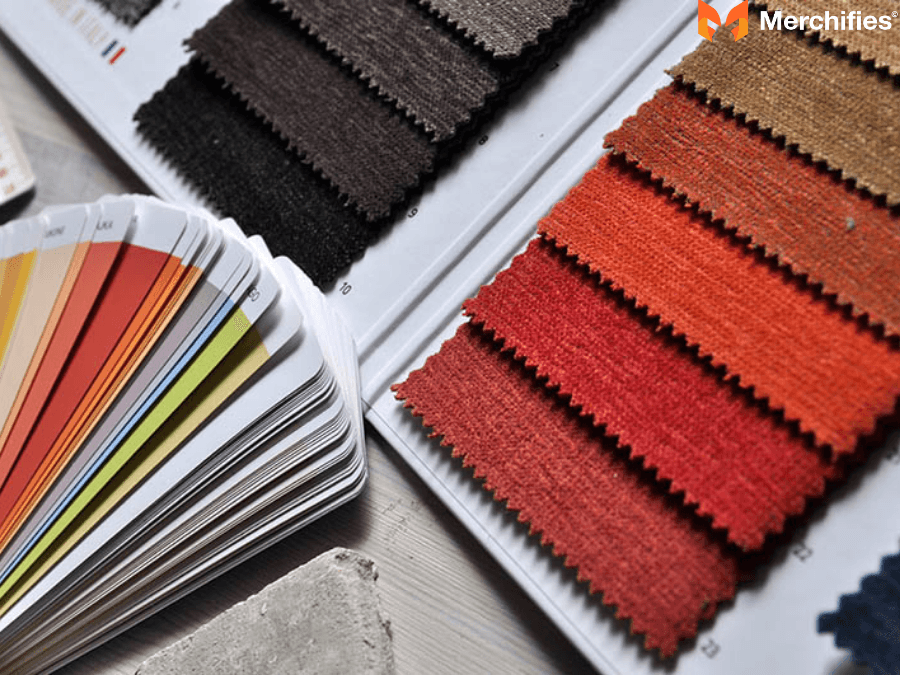
Let's cut right to the chase: Is 100 percent polyester stretchy? The definitive answer is no, not in the true elastic sense. While a knit garment made from 100% polyester will offer some mechanical give – you can pull it, and it will stretch a bit – it lacks the ability to consistently snap back to its original shape. This "give" comes from the loops and interlockings of the knit structure, not from the inherent stretch of the polyester fibers themselves. Once those loops are pulled too far, they can stay stretched out, leading to sagging.
The common misconception that polyester is a stretchy material arises because many performance wear and casual clothing items labeled "polyester" are actually clever blends. Manufacturers often combine polyester with other elastic fibers to create the desired stretch and recovery properties. Therefore, when you feel a garment that offers excellent stretch and flexibility and see "polyester" on the label, it's almost certainly a polyester stretchy material blend, not pure polyester.
The true genius of polyester comes alive when it’s blended with other fibers, especially those designed for elasticity. This is where polyester stretchy material truly earns its reputation, offering the best of both worlds: polyester’s durability and shape retention combined with unparalleled flexibility.

The blend choice depends heavily on the desired application, balancing stretch with other performance characteristics.
This is the most celebrated and effective combination for creating highly elastic fabrics. Spandex (known as Elastane in Europe and Lycra by its brand name) is an incredibly stretchy synthetic fiber, capable of stretching up to 5-8 times its original length and immediately recovering.
Combining polyester with natural cotton brings a different kind of balance, often aiming for a softer hand feel and enhanced breathability.
Nylon, another strong synthetic fiber, pairs well with polyester to create robust and resilient fabrics.
While spandex is the king of stretch, other fibers like Tencel (a regenerated cellulosic fiber) or rayon can also be blended with polyester to introduce varying degrees of stretch and enhance other properties like drape and breathability, though typically to a lesser extent than spandex.
The popularity of polyester stretchy material isn't just a trend; it's a testament to its exceptional performance characteristics that meet the demands of modern lifestyles. From the gym to the office, these fabrics deliver.

To keep your polyester stretchy material looking and performing its best, proper care is essential. The elastic fibers, especially spandex, are sensitive to high heat and harsh chemicals.
Printing on polyester stretchy material presents unique challenges and opportunities, particularly for custom apparel creators. From my experience working with manufacturers and print shops, understanding these nuances is crucial for optimal results.

Tips for Optimal Print Quality and Durability on Stretchy Materials: Always conduct test prints on the actual fabric blend you plan to use. Consider the fabric's stretch direction when placing designs, and opt for lighter ink applications when possible to maintain fabric drape and flexibility.
Looking to create custom apparel with polyester stretchy material? Explore our diverse catalog of blend options for your next project!
So, is polyester a stretchy material? As I've highlighted throughout this guide, the answer is nuanced yet clear: while 100% polyester possesses incredible durability and shape retention, its true potential as a polyester stretchy material is unleashed through intelligent blending with elastic fibers like spandex. This combination creates fabrics that offer an unparalleled balance of comfort, performance, and longevity.
From the molecular structure that dictates its inherent properties to the diverse blends that cater to every active lifestyle, polyester has cemented its indispensable role in modern textiles. My aim, as Daniel Harper Cole, is always to help you make informed clothing choices based on comfort, lifestyle needs, and fabric performance, rather than marketing claims alone. By understanding the science and practical benefits, you can truly embrace the dynamic versatility that polyester stretchy material brings to your wardrobe and beyond.
-d4c38c342cdf20ca.jpeg)


-b555fcc6b204c456.jpeg)