 Worldwide Shipping
 Secure Payments
 Free Return
 Local Support
-da0801079a650a2e.jpeg)
17 Year Anniversary Quotes: 110+ Funny, Romantic & Furniture Wishes (2026)
Mar, 12 2026
This guide explains what polyester feels like, covering its texture, softness, breathability, and overall comfort. Learn how polyester feels compared to natural fabrics and why the feel of polyester varies based on construction, blends, and intended use. Understanding what does polyester feel like is key to choosing the right fabric.
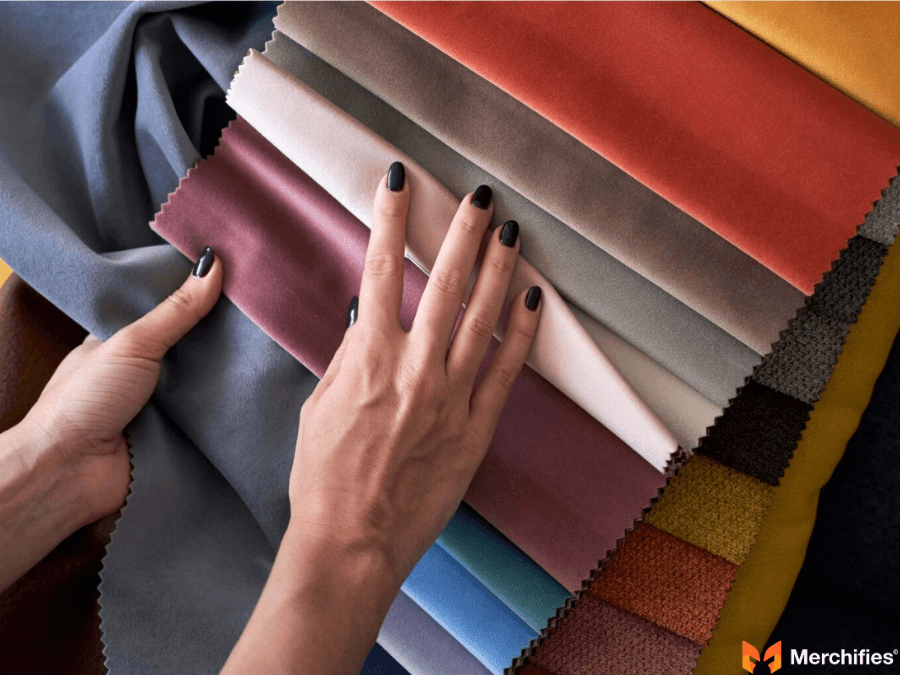
Ever found yourself peering at a clothing label, seeing “100% Polyester,” and wondering what does polyester feel like against your skin? You’re not alone. Polyester is one of the most widely used synthetic fabrics in the world, yet its tactile qualities are often misunderstood. From athletic wear to bedding, its presence is ubiquitous, but the way polyester feels can vary widely depending on how it’s made.
As Daniel Harper Cole, a textile researcher with over a decade of hands-on experience in fabric analysis, I’ve spent years exploring what polyester feels like in real-world wear. My work focuses on breaking down the sensory experience of fabrics—explaining texture, comfort, breathability, and overall wearability beyond marketing claims. In this comprehensive guide, we’ll examine the core sensations, key characteristics, and surprising variations of polyester, giving you a clear, practical understanding of what does polyester feel like and when it performs best.
At its most fundamental level, polyester typically has a distinctly synthetic feel. It often presents as smooth, slick, or even a bit slippery under the fingers. Unlike natural fibers that might have a subtle fuzz or uneven texture, polyester tends to be uniform and sleek. It's generally lightweight to medium-weight, which contributes to its versatility in various garments and applications. While some polyesters can feel crisp and structured, others are incredibly soft and plush, challenging common misconceptions about synthetic materials.
Polyester fabric often boasts a smooth, uniform appearance, which is one of its signature traits. It generally has a consistent sheen, ranging from a dull matte finish to a noticeable gloss, depending on how it’s manufactured and the specific weave. Unlike cotton, which might show slight irregularities in its weave or natural fibers, polyester typically presents a very clean and even surface. You’ll rarely see lint or loose fibers, giving it a neat, often somewhat technical or performance-oriented aesthetic. In more luxurious forms, such as satin weaves, it can beautifully mimic the elegant drape and luster of silk.
When you run your hand over most polyester fabrics, the predominant sensation is one of smoothness. It often feels sleek, cool, and somewhat uniform, lacking the inherent texture or "fuzz" you might find in natural fibers. This smoothness comes from the consistent, man-made fibers that comprise the fabric. Daniel Harper Cole notes that "this sleekness is a direct result of its synthetic composition, allowing for tight weaves and finishes that resist snagging and pilling."
However, the softness of polyester is where things get interesting. While basic polyester might feel more utilitarian or crisp, advancements in textile technology have led to incredibly soft polyester varieties, especially microfibers. These can feel exceptionally plush, almost like velvet or brushed suede, transforming the fabric's tactile experience entirely. The surface is often quite uniform, which contributes to its resistance to pilling compared to some natural fibers that might show wear more quickly.

Wearing polyester provides a distinct experience, influenced by its weight, drape, breathability, and resilience.
Many polyester fabrics are engineered to be lightweight, making them comfortable for extended wear without feeling bulky. The drape, or how the fabric hangs, can vary significantly. Some polyesters create a fluid, flowing silhouette, ideal for dresses and soft blouses. Others are designed to be more structured and stiff, perfect for outerwear or sportswear that needs to hold its shape. Daniel Harper Cole has often emphasized, "Polyester's ability to hold its shape so well makes it a go-to for designers creating structured pieces, while also offering fluidity in finer weaves." This means clothes made from polyester tend to maintain their form and resist sagging.
Traditionally, polyester has been perceived as less breathable than natural fibers like cotton, which can lead to a "clammy" feel in high humidity or heat. This is because polyester fibers are non-absorbent and tend to trap body heat. However, modern performance polyesters, commonly used in athletic wear, are specifically engineered to wick moisture away from the skin. While they might still feel warmer due to their ability to retain body heat rather than let it escape, their moisture-wicking properties prevent that sticky, wet sensation, making them ideal for active pursuits.
One of polyester's most appreciated characteristics is its durability and resilience. Garments made from polyester are remarkably resistant to wrinkles, often feeling smooth and crisp right out of the dryer. They also tend to maintain their initial feel over time, with less propensity for shrinking, stretching, or losing shape compared to some natural fibers. This inherent strength ensures that the fabric retains its comfort and aesthetic qualities through many washes and wears.

The term "polyester" actually encompasses a wide range of fabrics, each with a unique feel. This diversity is a testament to the fabric's adaptability.
This is perhaps the biggest game-changer in how people perceive polyester. Microfiber polyester is made from extremely fine fibers, resulting in a fabric that is incredibly soft, plush, and velvety to the touch. It often feels luxurious, similar to suede or highly brushed cotton. Common uses include cozy blankets, absorbent towels, high-end athletic wear, and soft upholstery.
When polyester is blended with other fibers, its feel can transform significantly. For instance, a polyester-cotton blend will feel softer and more breathable than pure polyester, inheriting some of cotton's natural comfort. Polyester-spandex blends introduce stretch and flexibility, making them popular for activewear and comfortable everyday clothing. Polyester-rayon blends offer a silkier drape, while polyester-wool blends can provide warmth with enhanced durability. These blends are crafted to combine the best properties of each fiber, creating a hybrid feel.
The way polyester is woven and finished also plays a crucial role in its feel. A satin weave polyester will have a smooth, silky surface and a luxurious sheen. Ripstop polyester, often used in outdoor gear, will feel crisp and strong due to its reinforced weave. Brushed polyester undergoes a mechanical process that raises the fibers, creating a soft, fuzzy texture akin to flannel. Fleece, a thick, fluffy form of polyester, offers exceptional warmth and a wonderfully soft, almost cloud-like feel.

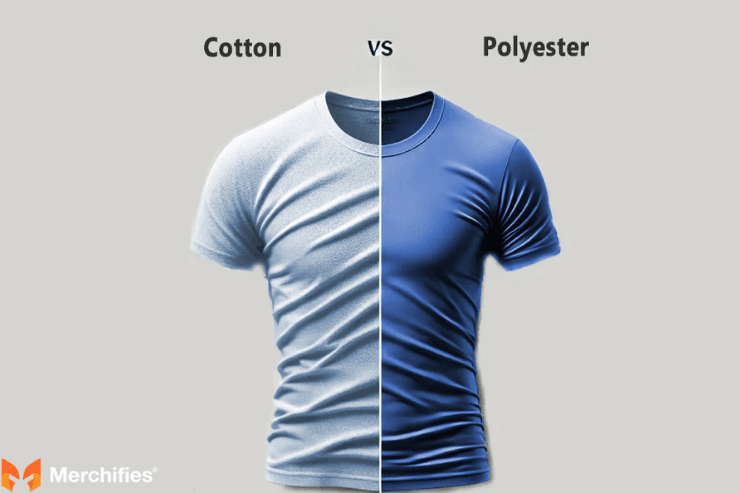
No, polyester generally does not feel like cotton, though modern textile engineering has made some polyester types surprisingly close in softness. Cotton is a natural fiber known for its soft, breathable, and absorbent qualities. It often has a natural, slightly textured handfeel and can feel cool against the skin. It tends to wrinkle easily and can feel heavy when wet.
Polyester, on the other hand, is a synthetic fiber. Its default feel is typically smoother, often a bit slicker, and less breathable than cotton. While cotton absorbs moisture, polyester tends to wick it away, making it feel different, especially during physical activity. Daniel Harper Cole frequently highlights in his fabric testing, "The key distinction often comes down to absorption versus wicking. Cotton absorbs moisture and feels heavier; polyester moves it away, which is great for sweat but can feel warmer if not properly engineered." Polyester also excels in wrinkle resistance and maintaining its shape, areas where cotton often struggles. However, certain brushed or microfiber polyesters can achieve a softness that rivals or even surpasses cotton, particularly in items like blankets or fleece wear.
When comparing polyester to other common fabrics:
Polyester's unique tactile properties, combined with its durability and performance characteristics, make it an ideal choice for numerous applications.
Maintaining polyester's feel is relatively straightforward. Most polyester garments can be machine washed in cool or warm water and tumble dried on a low setting. High heat can sometimes damage the fibers, leading to a stiffer or rougher feel, so it's best to avoid it. Using fabric softener can also enhance its softness, especially for blankets or specific apparel.
It's important to address common myths about polyester. Not all polyester is "scratchy" or "always hot." While some older or cheaper polyesters might have these qualities, modern manufacturing techniques and fiber blends have largely overcome these issues. As Daniel Harper Cole often explains in his textile workshops, "The engineering behind polyester has evolved tremendously. You can't judge all polyester by the rough tracksuits of decades past. Today's polyester can be incredibly soft, breathable, and comfortable." Many performance polyesters are designed specifically for comfort in varying conditions, debunking the myth that it’s universally uncomfortable.
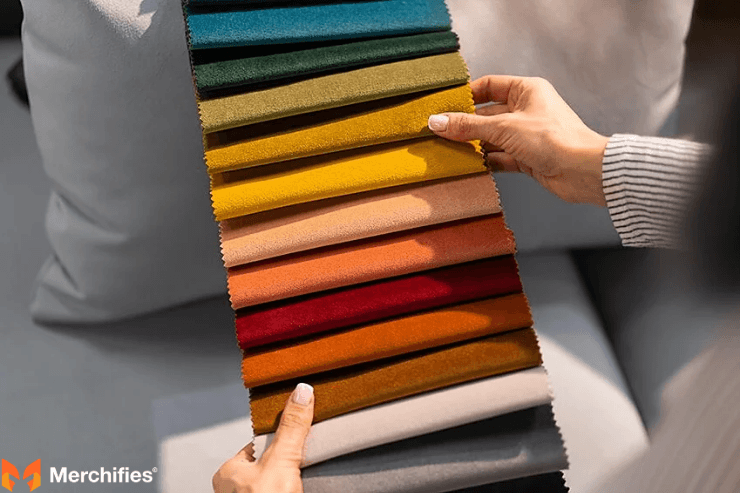
From sleek and smooth to plush and velvety, the feel of polyester is far more diverse than many people realize. It's a fabric that has evolved dramatically, shedding outdated perceptions and embracing innovations that enhance its comfort and performance. Its strengths lie in its durability, wrinkle resistance, versatility, and the ability to be engineered for specific sensory experiences, from cool and slick to warm and fuzzy.
When evaluating polyester, remember that the specific type, weave, and any fiber blends will significantly influence its tactile qualities. Don't let old stereotypes deter you; modern polyester offers a truly versatile touch for countless applications, whether you're seeking performance, comfort, or style.
This content was meticulously crafted by Daniel Harper Cole, drawing on his extensive experience in textile research and hands-on analysis, to provide you with the most accurate and practical understanding of fabric properties.
-d4c38c342cdf20ca.jpeg)


-b555fcc6b204c456.jpeg)