


-da0801079a650a2e.jpeg)
17 Year Anniversary Quotes: 110+ Funny, Romantic & Furniture Wishes (2026)
Mar, 12 2026

Finding the right sympathy messages for the loss of a pet can provide meaningful comfort during one of life's most difficult moments.
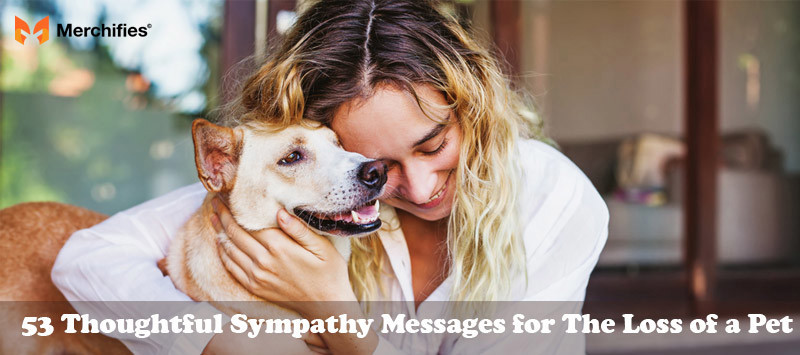
Finding the right sympathy messages for the loss of a pet can be incredibly difficult. When a friend or family member loses a beloved companion, the grief they feel is real, profound, and often overwhelming.
Whether you are looking for a short message for the loss of a dog, a comforting quote for a cat owner, or professional veterinary sympathy card messages, words can offer a small bridge of comfort over the river of grief.
Below, we have curated over 50 heartfelt condolences to help you express your support during this heartbreaking time.
Before choosing a specific quote, keep these simple etiquette tips in mind:
Creating meaningful sympathy messages for the loss of a pet requires balancing acknowledgment of pain with celebration of the special bond that existed.
Writing pet sympathy cards presents unique challenges because you're addressing a type of loss that's deeply personal yet sometimes misunderstood by others. Based on my extensive experience helping families through these situations, the most effective approach combines genuine empathy with specific acknowledgment of the pet's importance.
Key Elements for Effective Pet Sympathy Messages: Successful condolence messages acknowledge the pet's personality, recognize the depth of the relationship, offer practical support, and provide hope for healing. Additionally, they validate the griever's feelings without minimizing their pain.
Here are carefully selected sympathy messages for the loss of a pet that offer comfort and support:




ALSO READ: 100+ Best Dog Quotes That Capture the Heart of Every Pet Owner
Dogs represent loyalty, companionship, and unconditional love, making their loss particularly devastating for families who've shared years of daily adventures together.
The bond between humans and dogs creates unique relationships built on mutual trust, daily routines, and shared experiences. Throughout my career, I've observed that dog loss often feels especially profound because dogs typically live closely integrated with their families' daily lives.
Understanding Canine Relationships: Dogs serve multiple roles in families: protectors, companions, exercise partners, and emotional support systems. Their intelligence and loyalty create deep emotional connections that span years of shared experiences. Consequently, their absence creates significant voids in both practical and emotional aspects of daily life.
Crafting Dog-Specific Condolences: Effective sympathy messages for dog loss acknowledge the animal's unique personality traits, recognize the special relationship dynamic, and offer comfort that speaks to the specific nature of canine companionship.
Here are thoughtful sympathy messages for the loss of a pet dog:



A Way to Keep Them Close to Your Heart
While words provide comfort, sometimes we need something tangible to hold onto. Many dog owners find peace in creating a custom memorial shirt featuring their beloved pet's photo and name.
Unlike a card that gets tucked away, a personalized dog tribute shirt allows you to "wear your love" and spark conversations about the happy memories you shared. It’s a beautiful way to honor their loyalty every single day.
$12.79
$22.79
43% off
$12.79
$22.79
43% off
$12.79
$22.79
43% off
$12.79
$22.79
43% off
$12.79
$22.79
43% off
$12.79
$22.79
43% off
$12.79
$22.79
43% off
$12.79
$22.79
43% off
$12.79
$22.79
43% off
$12.79
$22.79
43% off
$12.79
$22.79
43% off
$12.79
$22.79
43% off
$12.79
$22.79
43% off
$12.79
$22.79
43% off
$12.79
$22.79
43% off
$12.79
$22.79
43% off
$12.79
$22.79
43% off
$12.79
$22.79
43% off
$12.79
$22.79
43% off
$12.79
$22.79
43% off
$12.79
$22.79
43% off
$12.79
$22.79
43% off
$12.79
$22.79
43% off
$12.79
$22.79
43% off
$12.79
$22.79
43% off
$12.79
$22.79
43% off
$12.79
$22.79
43% off
$12.79
$22.79
43% off
$12.79
$22.79
43% off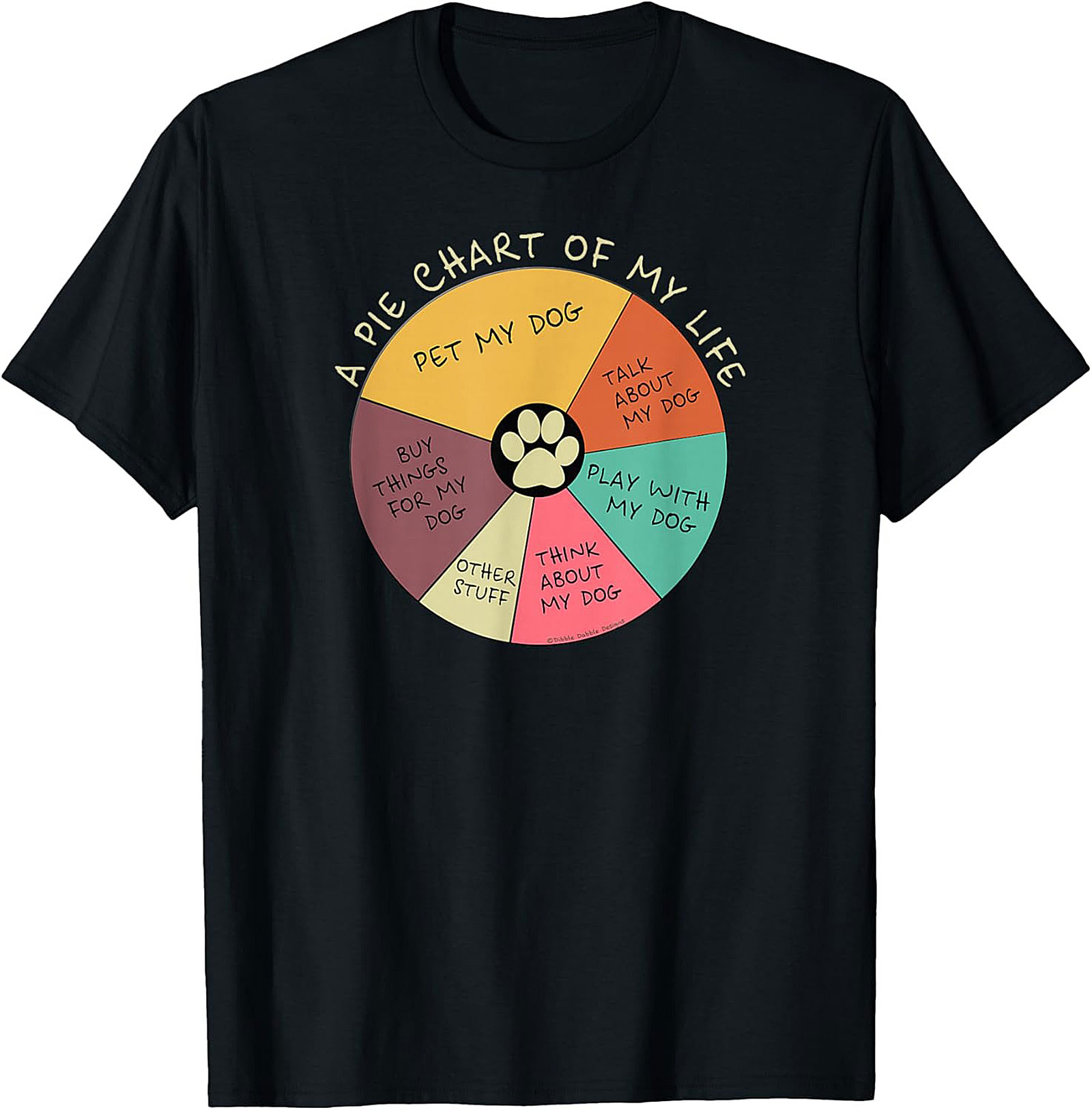
$12.79
$22.79
43% off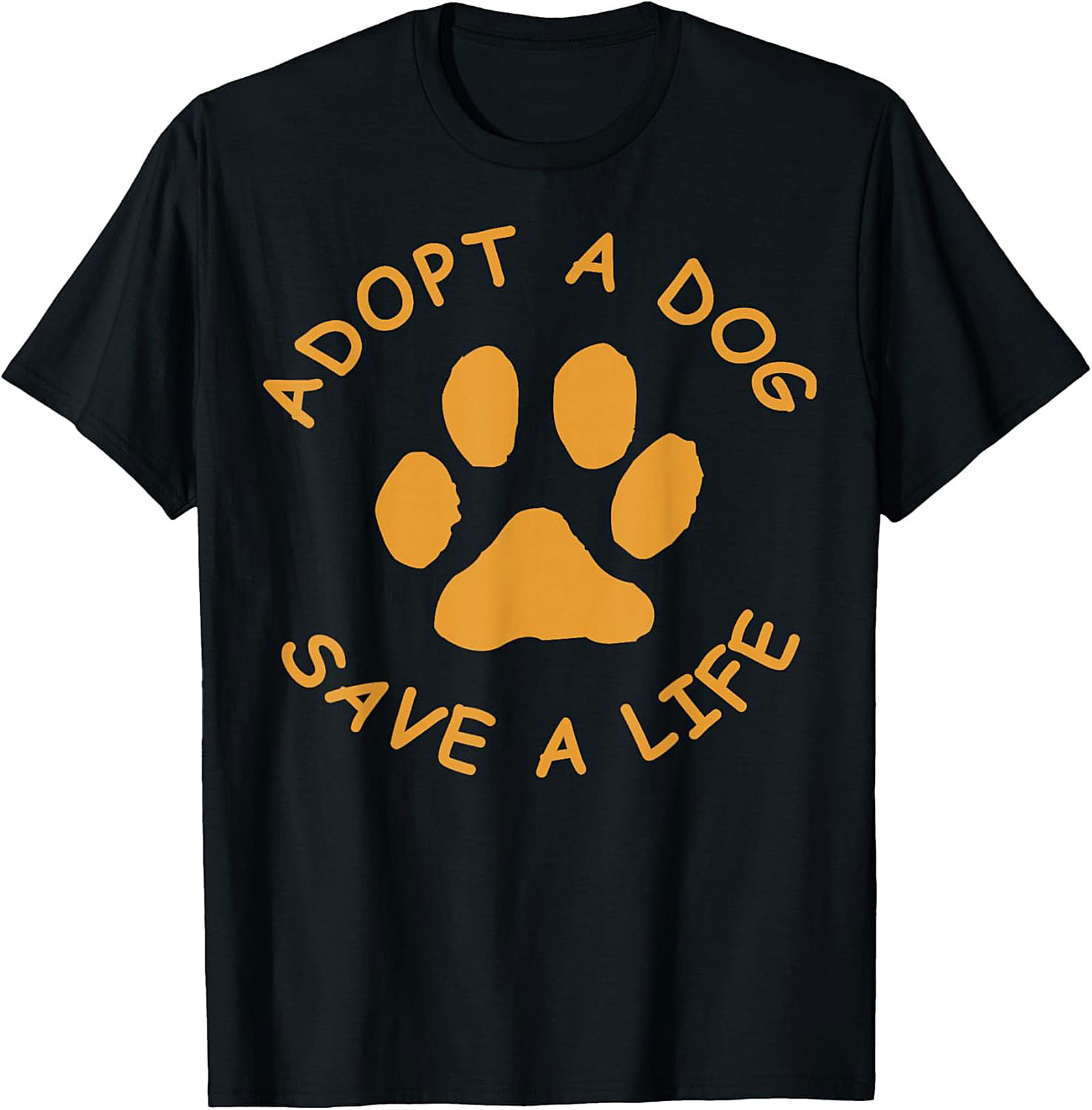
$12.79
$22.79
43% off
$12.79
$22.79
43% off
$12.79
$22.79
43% off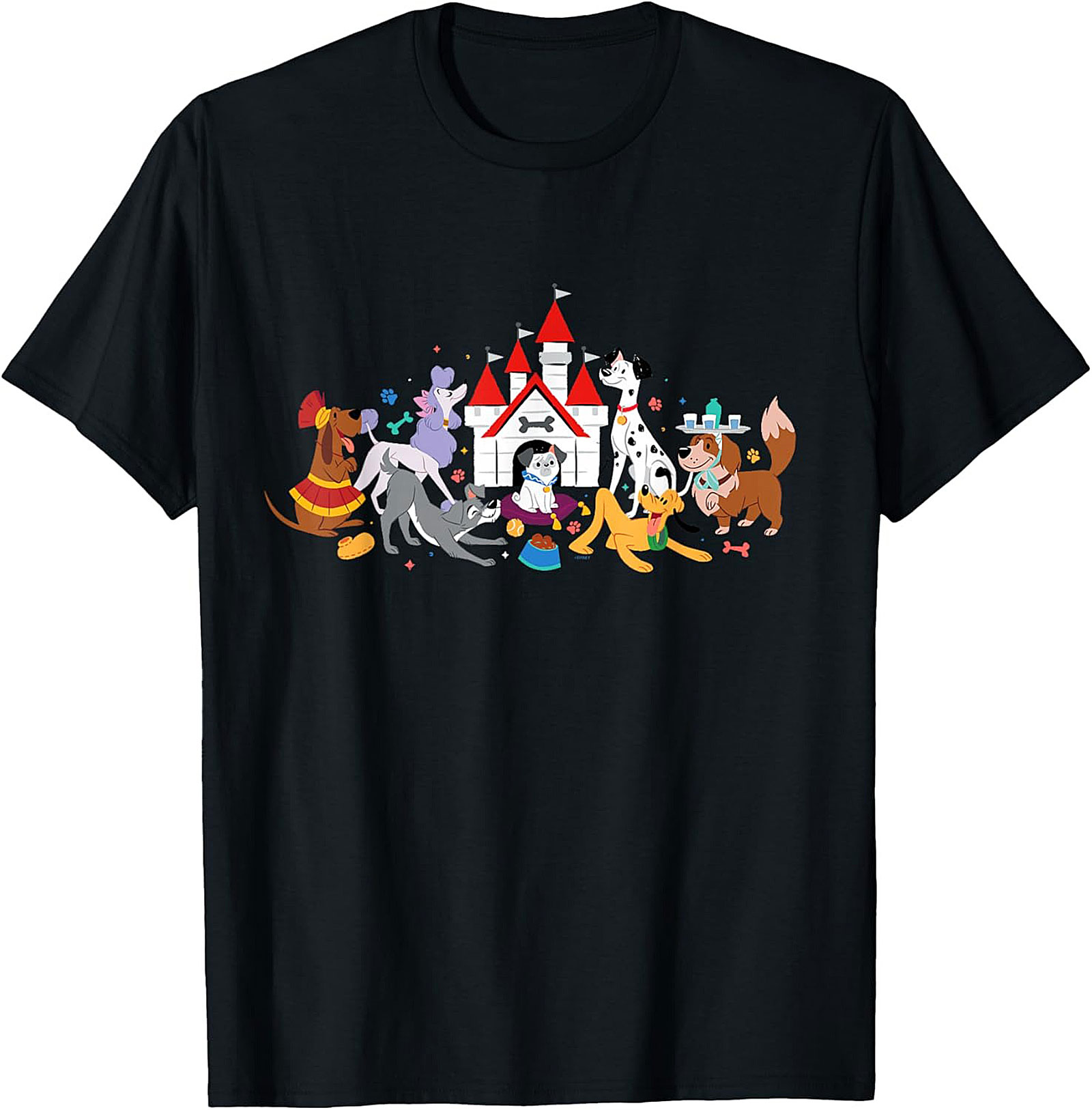
$12.79
$22.79
43% off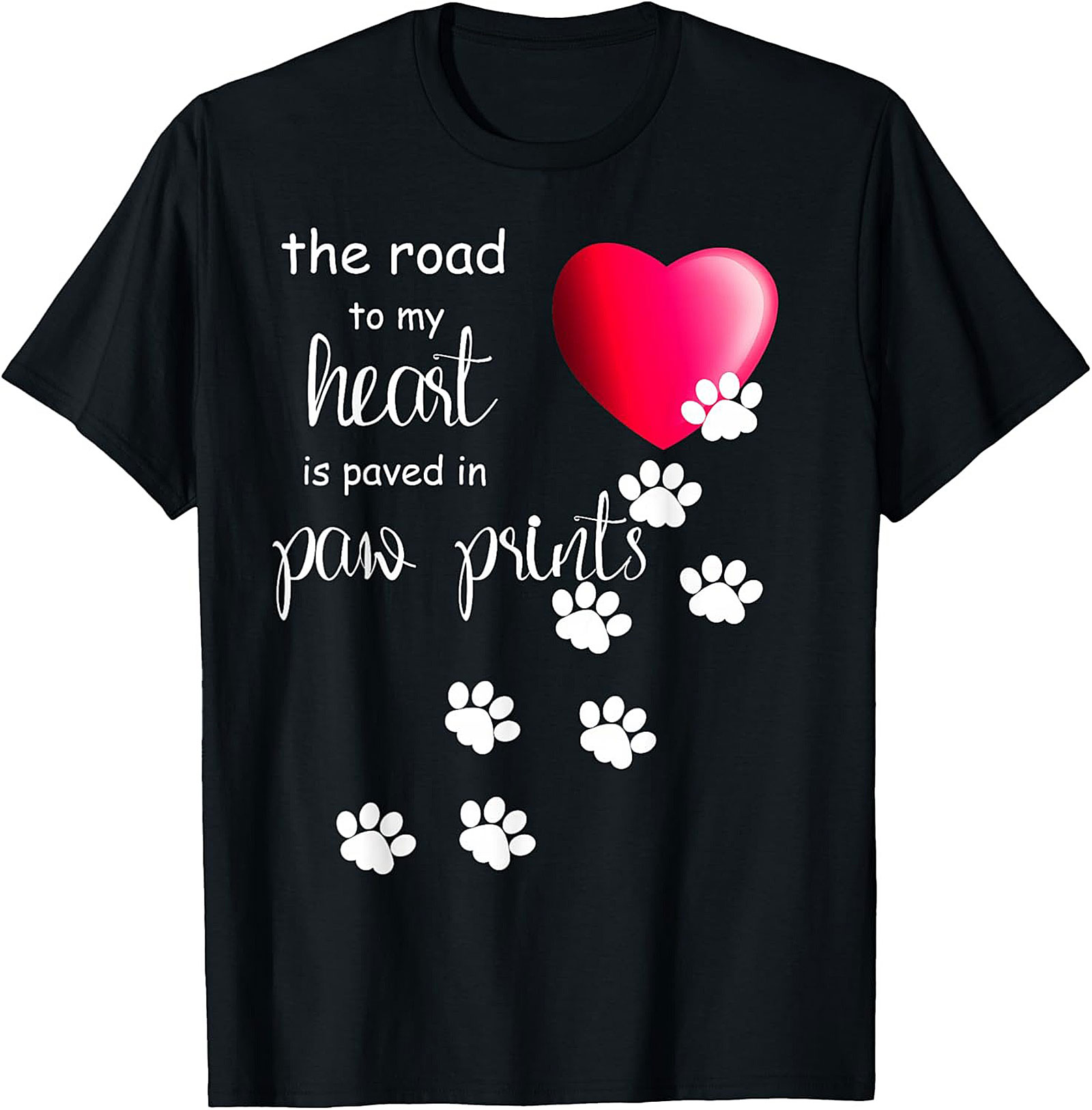
$12.79
$22.79
43% off
$12.79
$22.79
43% off
$12.79
$22.79
43% off
$12.79
$22.79
43% off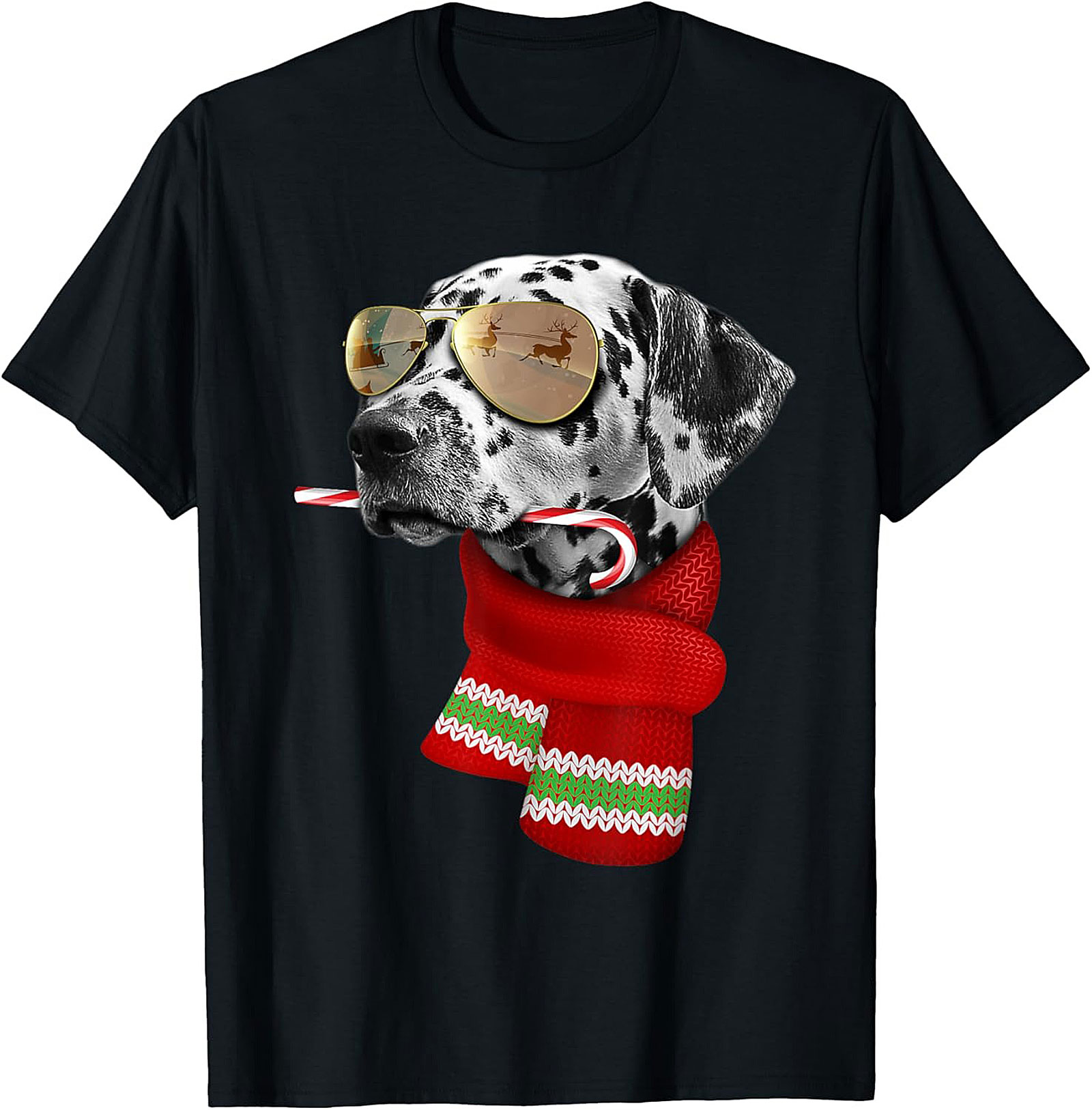
$12.79
$22.79
43% off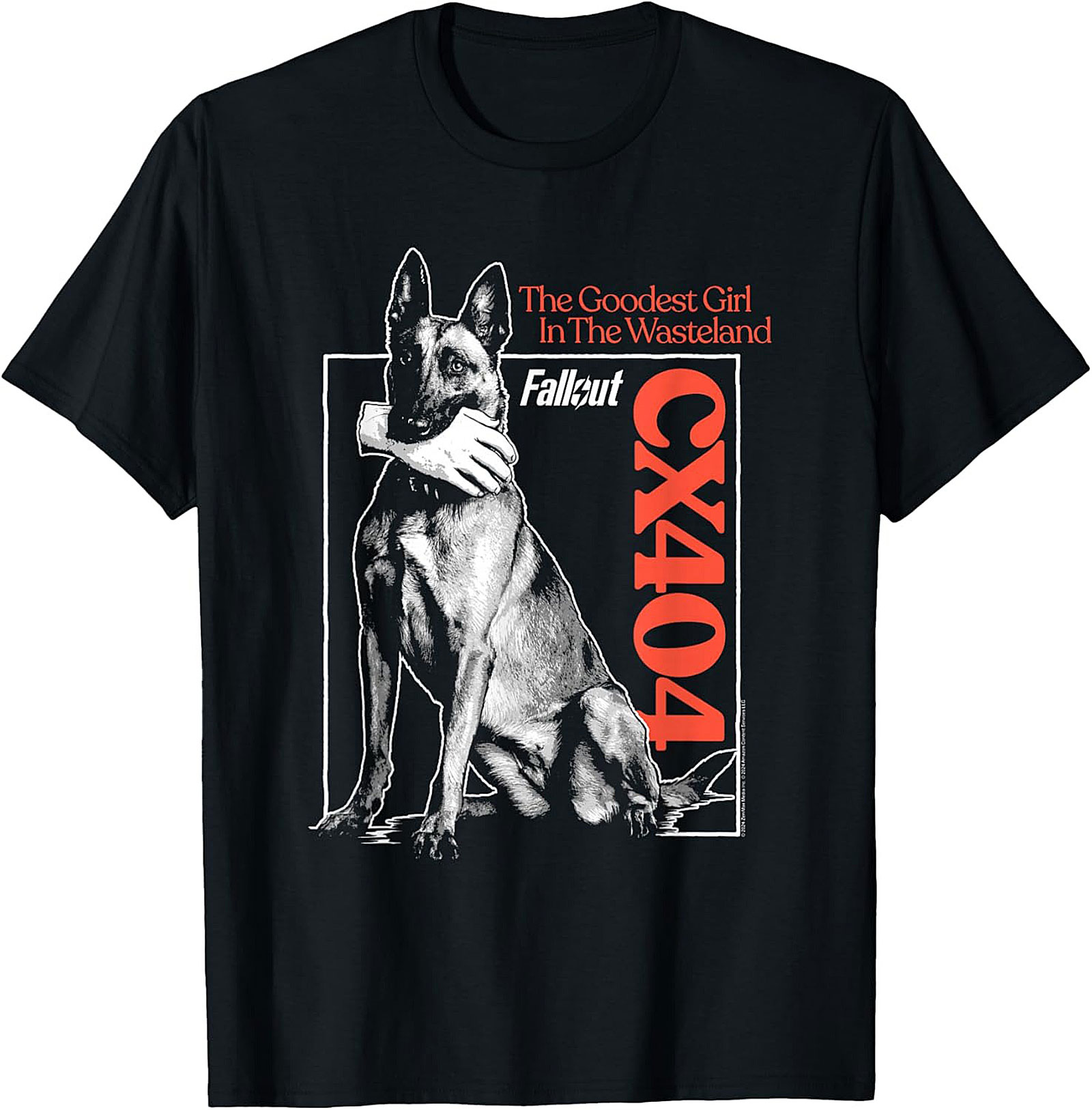
$12.79
$22.79
43% off
$12.79
$22.79
43% off
$12.79
$22.79
43% off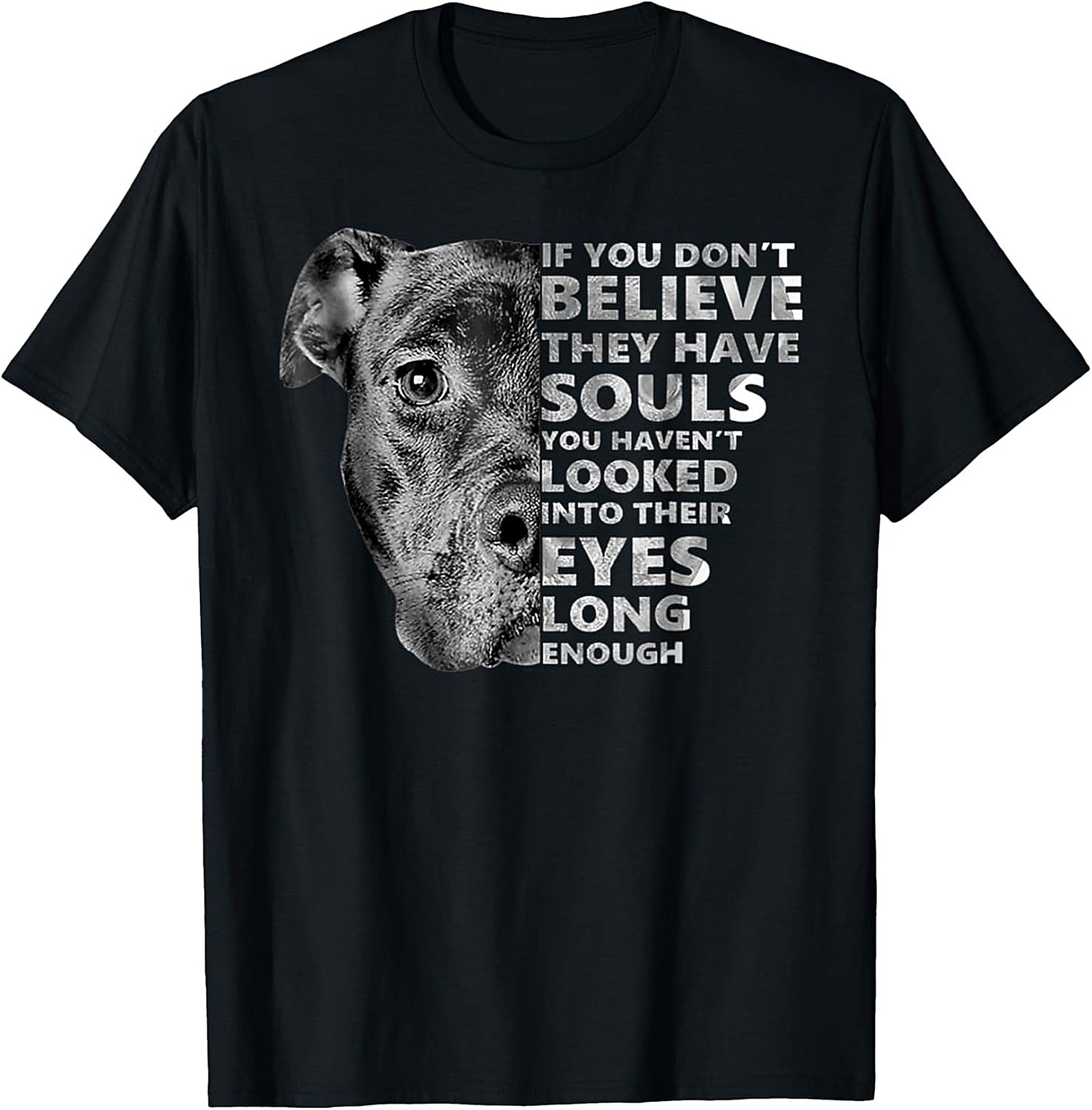
$12.79
$22.79
43% off
$12.79
$22.79
43% off
$12.79
$22.79
43% off
$12.79
$22.79
43% offCats create special bonds characterized by quiet companionship, affectionate moments, and unique personalities that make their loss deeply personal and meaningful.
The relationship between cats and their families often develops through subtle interactions, peaceful coexistence, and moments of chosen affection. Based on my experience working with grieving cat owners, feline loss creates a particular type of emptiness characterized by missing those quiet, comforting presences.
Unique Aspects of Feline Grief: Cat owners frequently describe missing their pet's independent yet affectionate nature. Unlike dogs, cats choose when and how to show affection, making those special moments feel especially precious. Furthermore, cats often provide comfort during difficult times through their calming presence and intuitive understanding.
Addressing Cat-Specific Loss: Effective sympathy messages for cat loss acknowledge the animal's sweet nature, recognize the special bond of chosen affection, and provide comfort that speaks to the unique aspects of feline companionship.
Here are compassionate sympathy messages for the loss of a pet cat:



ALSO READ: 30 Loss of a Dog Quotes for Sympathy and Comfort
Supporting someone through pet loss requires understanding, patience, and practical assistance that acknowledges the legitimacy of their grief.
From my years of experience helping families navigate pet loss, I've learned that meaningful support extends beyond sympathy messages for the loss of a pet. Effective support includes practical assistance, emotional validation, and ongoing presence throughout the grieving process.
Immediate Support Strategies: Offer specific help rather than general statements like "let me know if you need anything." Instead, suggest concrete actions: "Can I bring dinner tonight?" or "Would you like company while you make arrangements?" These specific offers provide tangible relief during overwhelming times.
Long-term Support Considerations: Pet grief doesn't follow neat timelines. Some people need weeks or months to process their loss fully. Therefore, continue checking in periodically, remembering significant dates like the pet's birthday or adoption anniversary, and maintaining patience with the healing process.
Avoiding Common Mistakes: Never minimize pet loss by suggesting they "get another pet" or comparing their grief to other types of loss. Additionally, avoid platitudes like "everything happens for a reason" which can feel dismissive of their pain.
Meaningful pet memorials help preserve precious memories while providing comfort during the grieving process.
Creating lasting tributes serves multiple purposes in the healing process. Memorial activities provide constructive outlets for grief while celebrating the joy pets brought to their families' lives. Moreover, these tributes create tangible reminders of love that can bring comfort for years to come.
Memorial Ideas for Healing: Consider creating photo albums, planting memorial gardens, making charitable donations to animal shelters, or commissioning custom artwork featuring the pet. These activities transform grief into positive action while honoring the pet's memory meaningfully.
Digital Memorial Options: Online pet memorial websites, social media tribute pages, and digital photo collections provide accessible ways to preserve memories and share stories with supportive communities. These platforms often allow friends and family to contribute their own memories and sympathy messages for the loss of a pet.
Recovery from pet loss follows individual timelines and requires patience, self-compassion, and often professional support.
Understanding the grieving process helps both those experiencing loss and those offering support. Pet grief includes stages similar to other types of loss: denial, anger, bargaining, depression, and acceptance. However, these stages don't follow linear patterns, and people may cycle through different emotions repeatedly.
Professional Support Options: Pet loss support groups, grief counselors specializing in animal loss, and veterinary social workers provide professional guidance during difficult periods. These resources offer validation, coping strategies, and connection with others who understand the unique nature of pet grief.
Self-Care During Grief: Encourage healthy grieving practices including maintaining routines, seeking social support, honoring the pet's memory positively, and allowing time for healing. Additionally, gentle exercise, adequate sleep, and proper nutrition support emotional recovery during this challenging time.
Creating understanding communities helps validate pet grief and provides ongoing support for those navigating loss.
Community support plays a crucial role in healthy grieving processes. When families feel isolated in their grief, healing becomes more difficult and prolonged. Therefore, building awareness about pet loss legitimacy benefits entire communities by creating more compassionate, understanding environments.
Educational Opportunities: Share information about pet grief with friends, family members, and community groups. Help others understand that pet loss creates genuine grief deserving respect and support. Furthermore, advocate for pet bereavement policies in workplaces and schools that acknowledge this significant form of loss.
Supporting Local Resources: Contribute to local animal shelters, veterinary clinics offering grief support, and pet loss support groups. These organizations provide essential services for grieving families while working to prevent pet overpopulation and promote responsible pet ownership.
The bond between humans and their pets represents one of life's purest forms of love—unconditional, joyful, and transformative. When these special relationships end, the grief feels overwhelming because the love was so complete and genuine.
These carefully chosen sympathy messages for the loss of a pet provide starting points for expressing condolences, but remember that your genuine care and ongoing support matter most. Whether you're comforting others or processing your own loss, know that pet grief deserves recognition, respect, and patience.
The love shared with beloved pets never truly ends. It transforms into cherished memories, life lessons about unconditional love, and often inspiration to help other animals in need. While the physical presence may be gone, the emotional impact of these special relationships continues enriching lives forever.
During this difficult time, be gentle with yourself or others experiencing pet loss. Allow the grieving process to unfold naturally, seek support when needed, and honor the memory of these faithful companions who brought so much joy, laughter, and love into daily life.
Remember that healing doesn't mean forgetting—it means learning to carry love and memories forward while gradually opening hearts to future possibilities for joy and companionship.
-d4c38c342cdf20ca.jpeg)


-b555fcc6b204c456.jpeg)