How to Dress Your Body Type Men: The Ultimate Style Guide for Every Physique
Learn how to dress your body type as a man with this ultimate style guide tailored for every physique. Whether you’re athletic, slim, broad-shouldered, muscular, stocky, or big & tall, this guide helps you identify your proportions and choose clothing that complements your frame. Discover the best fits, fabrics, cuts, and style techniques that create balance, highlight strengths, and boost confidence — so you can look sharp, feel great, and express your personal style effortlessly.
Blog Post Contents
Navigating the world of men's fashion can sometimes feel like a maze, with trends constantly shifting and advice often feeling generic. But what if there was a foundational approach to style that empowered you to look your best, regardless of fleeting fads? The secret lies in understanding your own physique. This comprehensive guide will teach you exactly how to dress your body type men, transforming your wardrobe and boosting your confidence.
Why Understanding Your Male Body Type is Key to Confident Style
Many men find themselves buying clothes that look great on a mannequin or a model, only to be disappointed when they try them on. This common frustration often stems from a mismatch between the clothing’s design and the wearer's unique body shape. Understanding your male body type isn't about conforming to ideals; it's about making smart choices that enhance your natural physique, making you feel comfortable, powerful, and authentically stylish. As Mason Ellis Grant, a seasoned fashion consultant and personal stylist who has guided countless men through their style transformations, emphasizes, "Knowing your body type is the single most powerful tool you have for unlocking truly confident and flattering style. It moves you from merely wearing clothes to truly owning your look."
Beyond Trends: Building a Foundation for Lasting Style
While trends can be fun to dabble in, a truly lasting style is built on principles that transcend the season. By focusing on your body type, you create a timeless wardrobe that always works for you, allowing you to selectively incorporate trends rather than being dictated by them. This approach forms the bedrock of a sophisticated personal brand.
The Power of Proportion: How Clothes Can Transform Your Look
Clothing isn't just fabric; it's a tool for manipulating perception. The right cuts, fits, and patterns can balance proportions, broaden shoulders, streamline a waist, or elongate a torso. It's about creating visual harmony, making your clothes work for your body, not against it.
What You'll Discover in This Comprehensive Guide
In this ultimate guide on how to dress your body type men, you’ll learn simple steps to identify your body shape, discover tailored style advice for each physique, and master universal principles that will elevate any man's wardrobe. Get ready to embrace your body and transform your style journey.
Why Understanding Your Male Body Type is Key to Confident Style
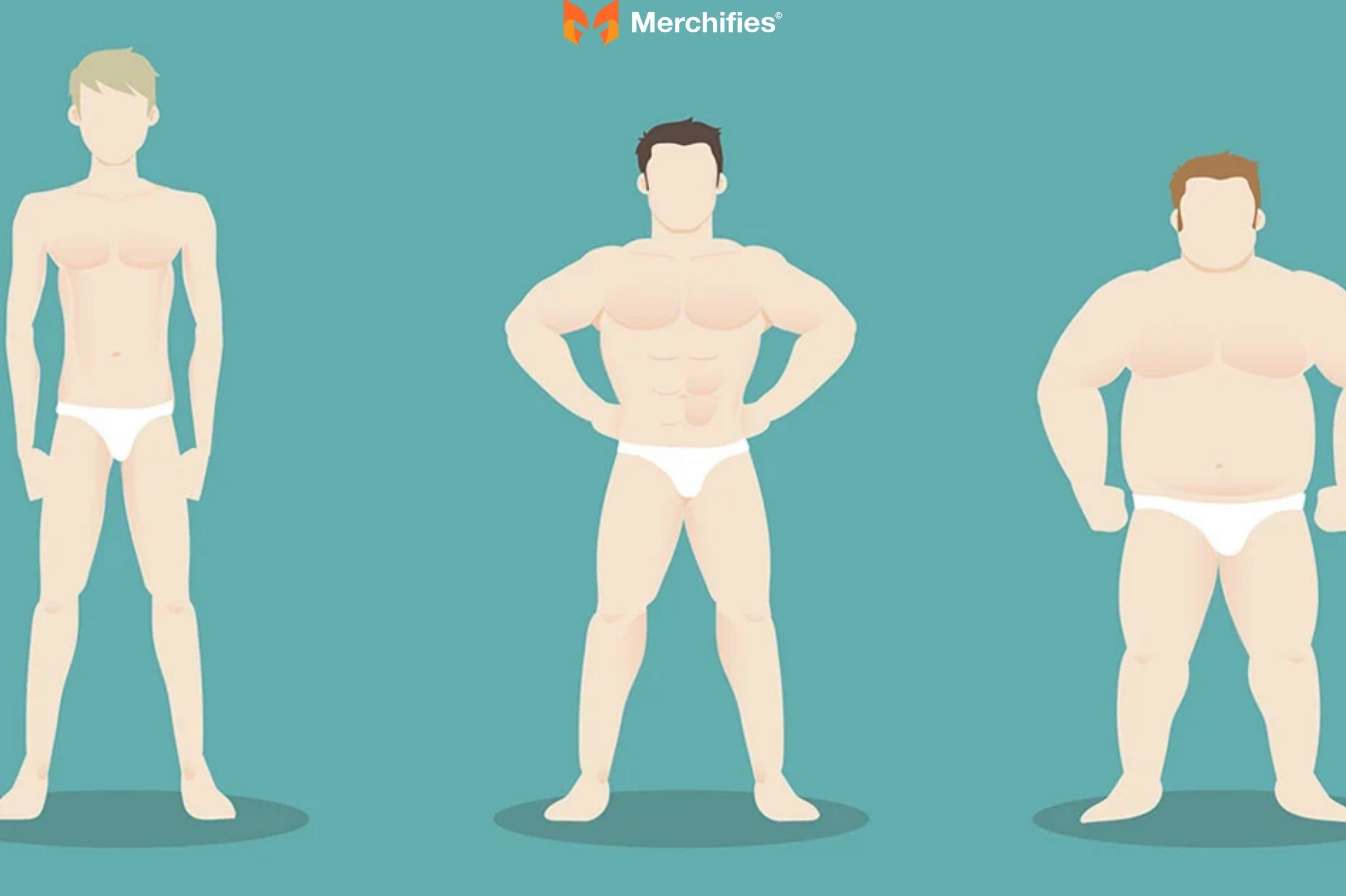
How to Determine Your Body Type: A Simple, Step-by-Step Measurement Guide
Before you can start dressing for your body type, you need to know what it is! This isn't about strict categories but rather understanding your general proportions. Determining your body type involves a few simple measurements and a quick mirror test.
What Measurements You'll Need (and How to Take Them Accurately)
Grab a flexible measuring tape and a pen and paper. Take these measurements against your skin, not over thick clothing, for accuracy:
Shoulders: Measure around the fullest part of your shoulders, keeping the tape parallel to the floor.
Chest: Measure around the fullest part of your chest, typically right under your armpits.
Waist: Measure around the narrowest part of your waist, usually just above your belly button.
Hips: Measure around the fullest part of your hips/buttocks.
The Mirror Test: Visual Cues and Self-Assessment
Stand in front of a full-length mirror in snug-fitting clothes or underwear. Observe your silhouette.
Do your shoulders look wider than your waist?
Are your shoulders, waist, and hips roughly the same width?
Is your midsection the widest part of your torso?
Do your shoulders look narrower than your waist and hips?
Understanding Key Ratios: What Your Measurements Reveal
Comparing these measurements helps identify your primary body shape. For instance, a significantly wider shoulder-to-waist ratio suggests an inverted triangle, while equal measurements might indicate a rectangle. These simple comparisons are crucial steps in knowing how to dress your body type men effectively.
How to Determine Your Body Type A Simple, Step-by-Step Measurement Guide
Decoding Male Body Types & Tailored Style Advice for Each
Now that you've identified your basic shape, let's dive into specific strategies for each male body type, offering actionable tips for enhancing your appearance and flattering your physique.
1. The Rectangle Body Type (Straight or Athletic Build)
If your shoulders, waist, and hips are roughly the same width, you likely have a rectangle body type. This straight-up-and-down physique is common among athletic builds and those with a leaner frame.
Characteristics: Shoulders, waist, and hips are roughly the same width. Often described as a "straight up and down" physique.
The Style Goal: Create the illusion of broader shoulders and a more tapered waist. Add definition and shape where your body naturally has less.
Clothing Recommendations:
Shirts: Opt for slim-fit shirts to avoid a boxy look. Structured collars like spread or cutaway collars add horizontal emphasis to your upper body. Horizontal stripes on your upper half can visually widen your shoulders. Layering (e.g., an open button-down over a t-shirt) also adds dimension.
Jackets & Blazers: Look for jackets with structured shoulders and a slight tapering at the waist to create a V-shape. Single-breasted styles are generally preferred, and peak lapels can add a touch more width to the chest.
Trousers & Jeans: Straight-leg or slim-fit trousers and jeans are ideal, as they maintain the clean lines of your physique without adding unnecessary bulk. Mid-rise options tend to be most flattering.
Suits: A two-button, single-breasted suit with moderate shoulder padding will help create a more defined silhouette. Ensure it's well-tailored through the waist.
Outerwear: Structured coats, like peacoats or trench coats, add form and definition, helping to break up a straight line.
Accessories: Belts can subtly define the waist. Patterned ties or pocket squares can draw attention upward.
What to Avoid:
Boxy fits, overly baggy clothes, and vertical stripes that run from top to bottom, as these will only emphasize the straight silhouette.
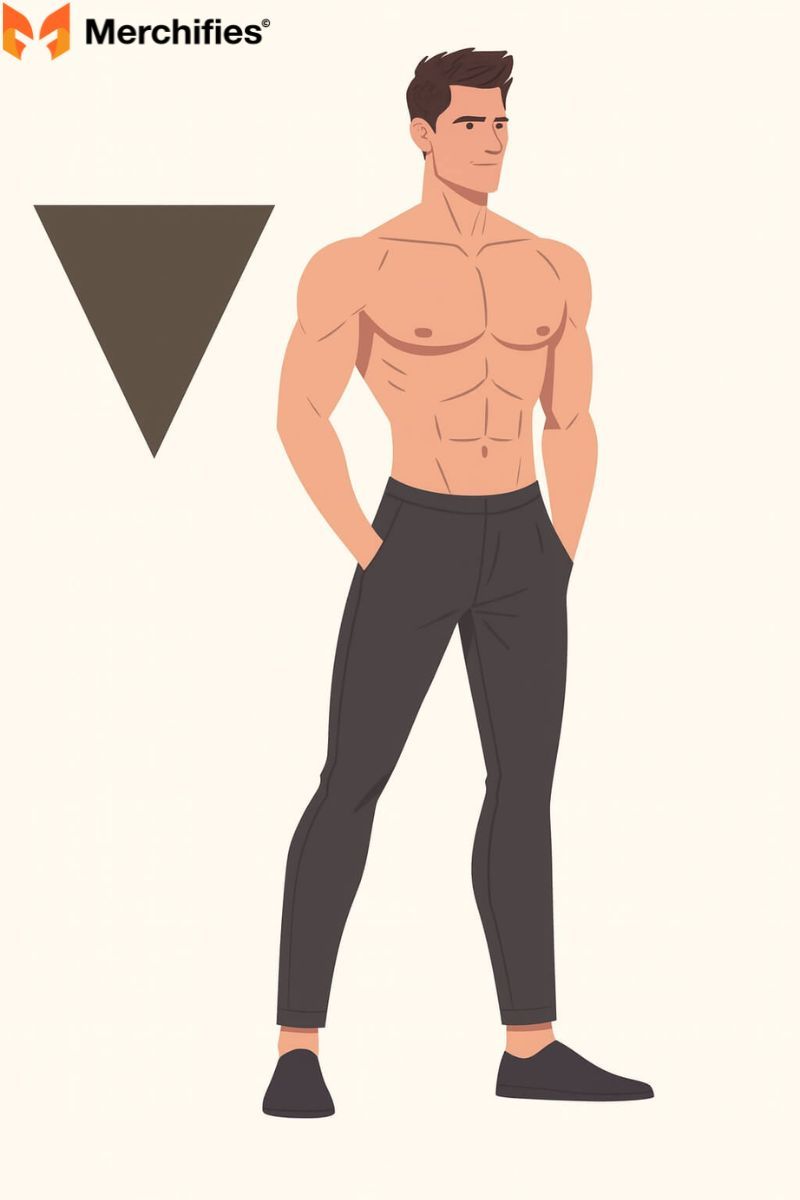
2. The Inverted Triangle Body Type (Broad Shoulders, Narrow Waist)
Characterized by broad shoulders and chest that taper significantly down to a narrower waist and hips, the inverted triangle is often associated with muscular or athletic builds.
The Inverted Triangle Body Type (Broad Shoulders, Narrow Waist)
Characteristics: Broad shoulders and chest, tapering down to a significantly narrower waist and hips. Often muscular.
The Style Goal: Balance the upper body width by adding visual volume or width to the lower body and softening the sharpness of the shoulders.
Clothing Recommendations:
Shirts: V-neck shirts can help break up the width of the chest, while crew necks should not be overly tight. Dark colors on top can minimize visual bulk. Vertical stripes or subtle patterns are good choices. Avoid shirts with prominent shoulder pads.
Jackets & Blazers: Opt for unstructured shoulders or minimal padding. Single-breasted styles are best, and slim-fit jackets will complement your natural shape. Keep lapels moderate in size.
Trousers & Jeans: Straight-leg or regular-fit trousers and jeans will help add visual balance to your lower half. Lighter colors or subtle patterns on your pants can also draw attention downwards. Cargo pants or trousers with subtle pleats can add a bit of volume.
Suits: A two-button, single-breasted suit is a safe bet. Crucially, avoid heavily padded shoulders in your suit jackets.
Outerwear: Bomber jackets, trench coats, or unpadded utility jackets work well, as they don't exaggerate the shoulder width.
Accessories: Wider belts can help balance your proportions. Statement shoes can also draw the eye downward.
What to Avoid:
Skinny jeans, heavily padded shoulders in jackets or shirts, horizontal stripes on your upper body (as they accentuate width), and super tight clothing that makes you look too "top-heavy."
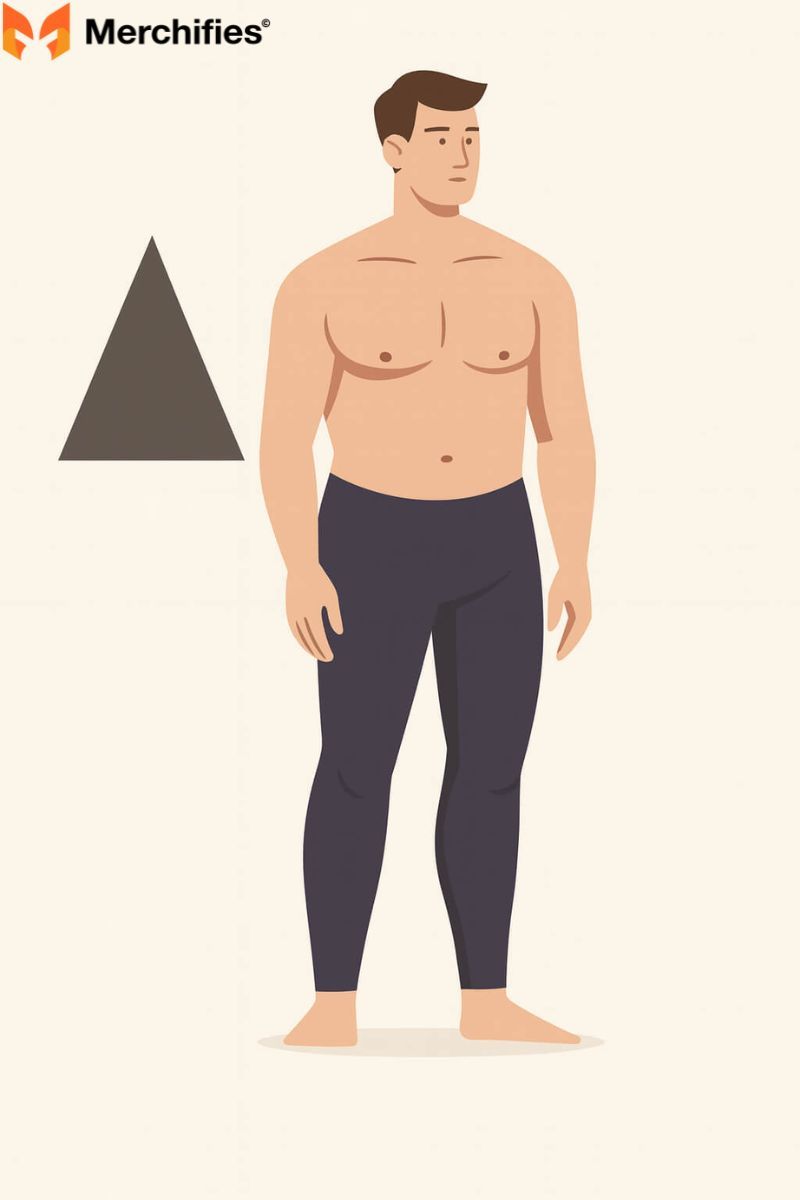
3. The Triangle Body Type (Pear Shape or Wider Hips/Waist)
If your shoulders are narrower than your waist and hips, you have a triangle body type, sometimes referred to as a pear shape. This typically means a heavier midsection or wider hips.
The Triangle Body Type (Pear Shape or Wider HipsWaist)
Characteristics: Shoulders are narrower than the waist and hips. Often described as having a heavier midsection.
The Style Goal: Broaden the shoulders and chest while streamlining the waist and hips to create a more balanced, inverted triangle-like silhouette. This is key when considering how to dress your body type men for this shape.
Clothing Recommendations:
Shirts: Seek out shirts with structured shoulders, or horizontal stripes on the upper half to add visual width. Brighter colors or bold patterns on your upper body will draw the eye upward. Ensure shirts are fitted but not tight around the midsection.
Jackets & Blazers: Jackets with structured shoulders or subtle shoulder pads are your friend. Double-breasted jackets can also add significant width to your chest.
Trousers & Jeans: Straight-leg, dark wash, and regular-fit trousers or jeans are best. Flat-front styles are generally more flattering than pleats, which can add bulk.
Suits: A well-tailored single or double-breasted suit with padded shoulders will create a strong, balanced look.
Outerwear: Structured coats, such as peacoats or classic topcoats, can effectively add width and definition to your upper half.
Accessories: Broader ties and pocket squares draw attention to your chest and shoulders. Vests or waistcoats can also help streamline the torso and add vertical lines.
What to Avoid:
Skinny jeans or overly baggy trousers, horizontal stripes on the lower body (these will widen your hips), extremely tight shirts that pull around the midsection, and flashy belts that draw unwanted attention to the waist.
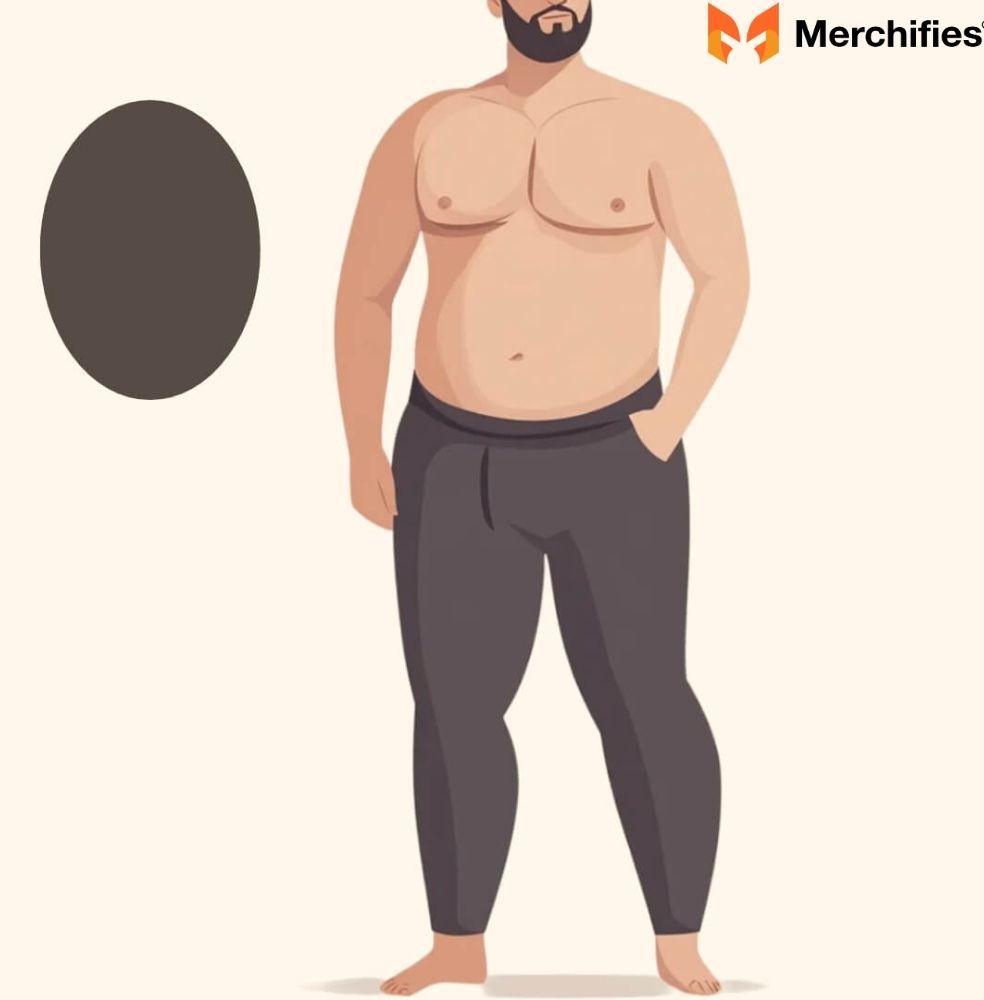
4. The Oval Body Type (Apple Shape or Rounded Midsection)
The oval body type is characterized by a wider midsection (stomach/waist) compared to the shoulders and hips, resulting in a generally rounded appearance.
The Oval Body Type (Apple Shape or Rounded Midsection)
Characteristics: Wider midsection (stomach/waist) compared to shoulders and hips. Rounded appearance.
The Style Goal: Elongate the torso, create vertical lines, and streamline the midsection without adding bulk.
Clothing Recommendations:
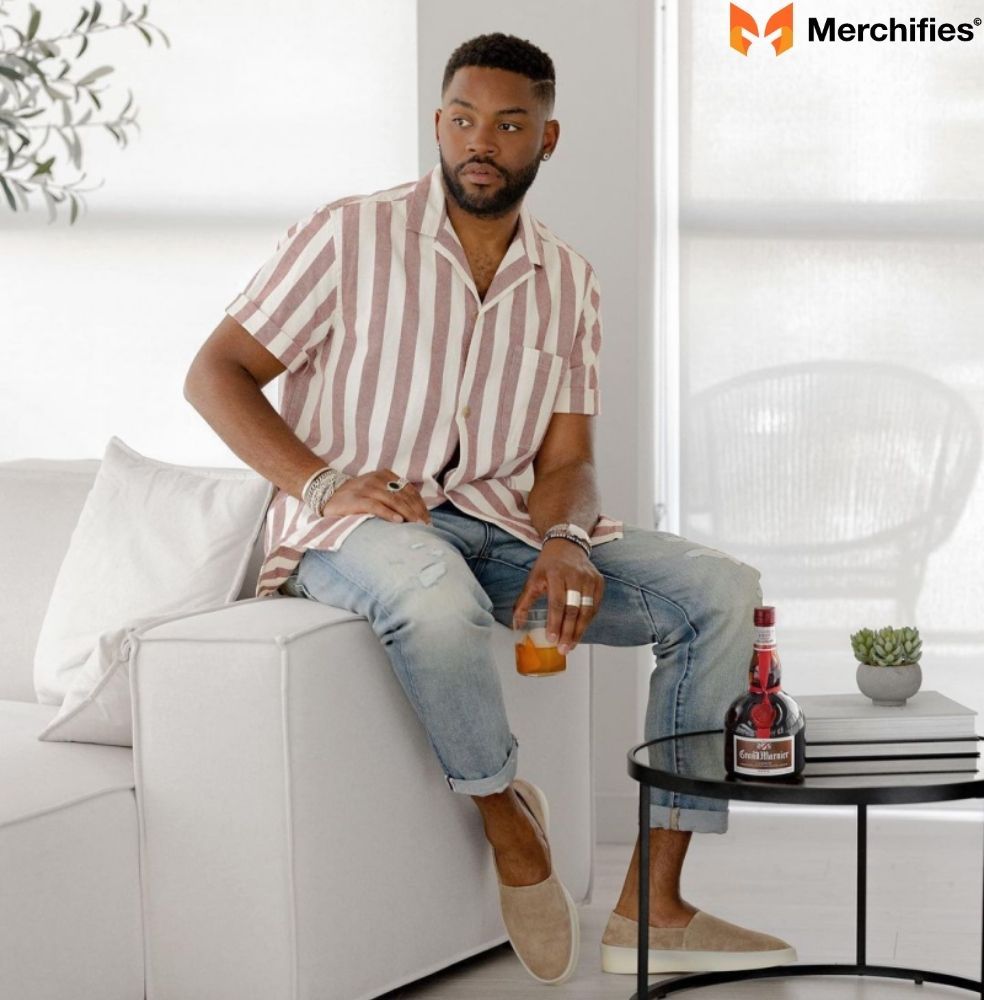
Shirts: Prioritize vertical stripes, dark colors, and open collars (like a spread collar) to create a V-shape. Untucked shirts, if the length is appropriate (hitting mid-fly), can help elongate. Fine gauge knitwear can offer a smooth silhouette. Choose loose but not baggy fits.
Jackets & Blazers: Single-breasted, longer-line jackets or blazers, worn unbuttoned, create a strong vertical line that elongates the torso. Avoid double-breasted styles, as they can add bulk.
Trousers & Jeans: Straight leg, relaxed fit, and dark wash trousers or jeans are ideal. Mid-to-high rise, flat-front options will sit more comfortably and streamline your look.
Suits: A two-button, single-breasted suit in dark colors is highly recommended. Ensure the jacket fits well across the shoulders and doesn't pull at the stomach when buttoned.
Outerwear: Dark, long coats such as trench coats or parkas effectively elongate your frame and provide a clean silhouette.
Accessories: Stick to dark, simple ties that blend with your outfit. Keep belts minimal or choose one that matches your trousers to avoid creating a horizontal break.
What to Avoid:
Horizontal stripes or busy patterns, tight clothing that accentuates the midsection, baggy clothes that add unnecessary bulk, low-rise trousers that can create a muffin top effect, and flashy belts that draw attention to the waist.
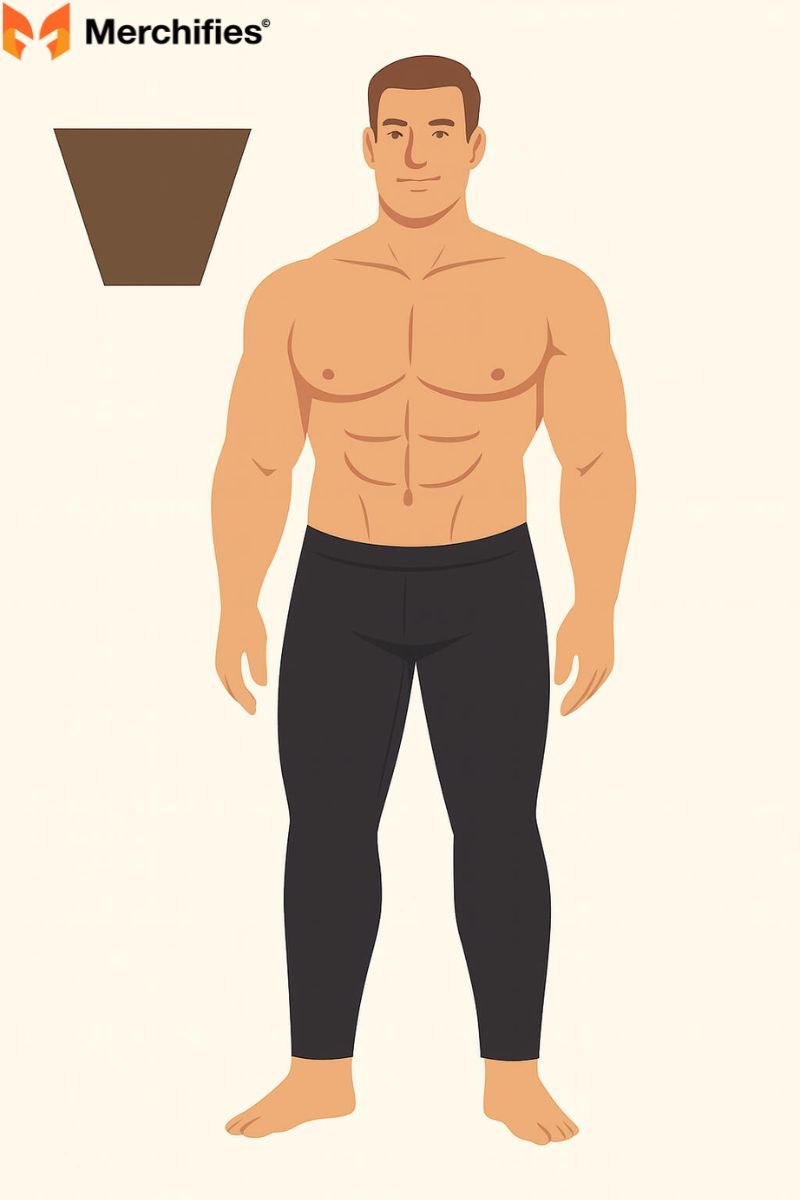
5. The Trapezoid Body Type (The "Ideal" Balanced Build)
The trapezoid body type is often considered the most balanced, with broad shoulders and chest gently tapering down to a narrower waist and hips. This proportional build offers significant versatility in fashion choices.
The Trapezoid Body Type (The Ideal Balanced Build)
Characteristics: Broad shoulders and chest that gently taper down to a narrower waist and hips. Proportionally balanced.
The Style Goal: Maintain and enhance natural proportions. Enjoy the versatility of most clothing styles.
Clothing Recommendations:
Shirts: Most shirt styles will work well for you. The key is to focus on proper fit – neither too tight nor too loose.
Jackets & Blazers: You can wear most jacket and blazer styles. Again, the focus should be on excellent fit and personal preference.
Trousers & Jeans: Most trouser and jean styles (slim, straight, regular fit) will complement your figure. Experiment to find what you like best.
Suits: Nearly all suit styles will look great on you. Invest in quality tailoring to ensure an impeccable fit.
Outerwear: Enjoy the freedom to choose from a wide range of outerwear styles that suit your taste.
Accessories: You have the freedom to experiment widely with accessories. Use them to express your personal style.
What to Avoid:
The primary thing to avoid is ill-fitting clothes – anything too baggy that obscures your natural proportions or too tight that distorts them.
Universal Style Principles for Every Man, Regardless of Body Type
While understanding how to dress your body type men is crucial, some fundamental style principles apply to everyone. These are the bedrock of good fashion sense, ensuring you always look polished and put-together.
Universal Style Principles for Every Man, Regardless of Body Type
The Golden Rule: Fit is King (and Why Tailoring is Your Secret Weapon)
No matter your body type, the most impactful element of your outfit is how well it fits. Clothes that are too big make you look sloppy and larger than you are, while clothes that are too tight are uncomfortable and unflattering. Investing in tailoring – even for off-the-rack items – can transform your wardrobe. A tailor can adjust sleeves, waistlines, and hems to perfectly suit your unique measurements, making even inexpensive clothes look custom-made.
Understanding Proportions: How to Balance Your Outfit
Proportion refers to the visual relationship between different parts of your outfit. For example, if you wear a bulky jacket, you might balance it with slimmer trousers. Creating balance, either through color, texture, or volume, ensures your outfit looks harmonious and appealing, regardless of your body shape. This principle is deeply intertwined with the advice on how to dress your body type men.
Mastering Colors, Patterns, and Textures for Impact
Colors: Darker colors generally recede and create a slimming effect, while lighter colors tend to highlight and expand. Use this to your advantage to draw attention to your best features or to balance proportions.
Patterns: Vertical stripes elongate, horizontal stripes widen. Small, subtle patterns are generally more flattering than large, busy ones for most body types.
Textures: Textured fabrics (e.g., tweed, corduroy, knits) can add visual interest and dimension, while smooth fabrics (e.g., fine wool, silk) offer a sleek look.
Quality Over Quantity: Investing in Timeless Pieces
Instead of chasing every trend, focus on building a core wardrobe of high-quality, versatile pieces. A well-made blazer, a classic pair of dark jeans, crisp shirts, and comfortable shoes will serve you far better in the long run than a closet full of trendy, fast-fashion items. These timeless pieces are easier to mix and match and will always look good, regardless of men's fashion body shape.
Common Style Mistakes Men Make (and How to Avoid Them)
Even with the best intentions, men often fall into common style traps. Being aware of these pitfalls can save you from fashion faux pas and help you maintain a polished image.
Common Style Mistakes Men Make (and How to Avoid Them)
Ignoring the Importance of Proper Fit
This is the number one mistake. Many men buy clothes based on their perceived size rather than actual fit. A jacket that's too long, trousers that are too baggy, or shirts that bunch up at the waist instantly undermine any effort at style. Always prioritize how a garment feels and looks on your body.
Buying Clothes Based Solely on Brand or Trend
A brand name doesn't guarantee a good fit or suitability for your body type. Similarly, a trend that looks great on social media might not be right for you. Focus on what genuinely flatters your physique and aligns with your personal taste, not just what's popular or expensive.
Dressing for Your Perceived Body Type, Not Your Actual One
It's easy to wish we had a different body type or to cling to an old image of ourselves. However, truly confident style comes from dressing for the body you have now. Be honest with your measurements and visual assessment; this is critical to knowing how to dress your body type men effectively.
Neglecting Basic Grooming and Presentation
Even the most perfectly chosen outfit can fall flat if basic grooming is ignored. A neat haircut, well-maintained facial hair, clean shoes, and overall good hygiene are fundamental components of a well-dressed man. They complete the picture of thoughtful presentation.
Conclusion: Embrace Your Body, Elevate Your Style, and Boost Your Confidence
Understanding how to dress your body type men is more than just a set of rules; it's a pathway to self-awareness and self-expression. By identifying your unique physique and applying the tailored style advice outlined in this guide, you gain the power to select clothing that not only looks good but also makes you feel good. This strategic approach to men's style tips is about celebrating your individuality and using fashion as a tool to project confidence and competence.
 Worldwide Shipping
 Secure Payments
 Free Return
 Local Support
-da0801079a650a2e.jpeg)
-d4c38c342cdf20ca.jpeg)


-b555fcc6b204c456.jpeg)