-da0801079a650a2e.jpeg)
17 Year Anniversary Quotes: 110+ Funny, Romantic & Furniture Wishes (2026)
Mar, 12 2026

Finding the perfect gift for children means balancing fun, creativity, and learning. Whether it’s for birthdays, holidays, or just a special surprise, thoughtful presents can inspire curiosity, spark imagination, and create lasting memories. In this guide to 90+ gifts for children, you’ll explore a variety of ideas ranging from educational toys and interactive games to arts and crafts, books, and outdoor activities. These gifts are designed to delight kids while encouraging growth, exploration, and joyful experiences that both children and parents will cherish.
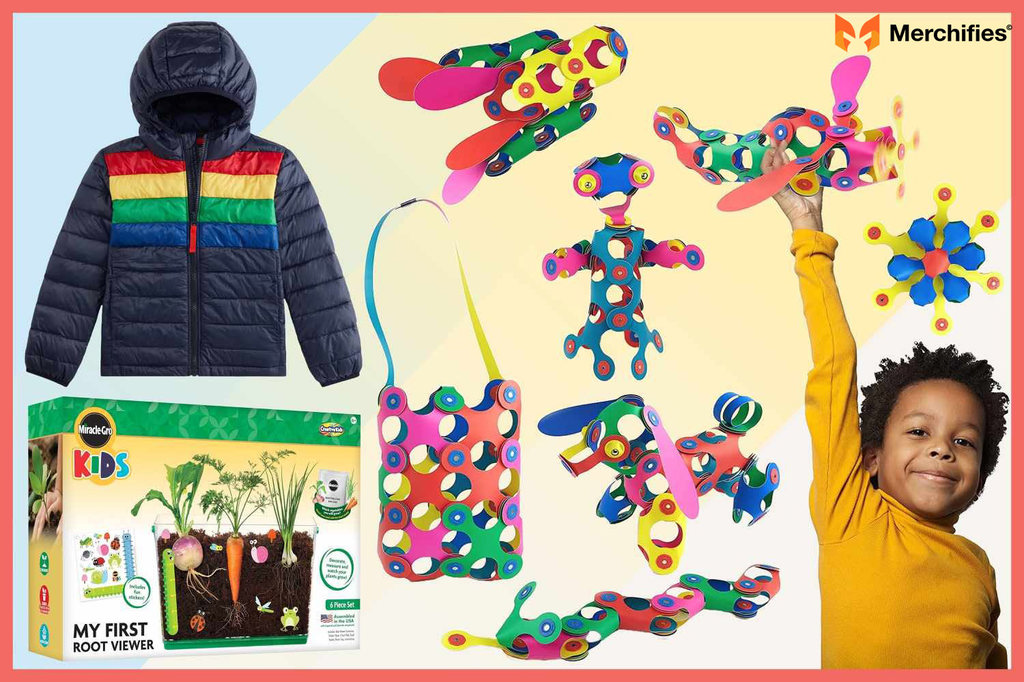
Finding the perfect gift for a child can be a delightful adventure, but where do you start? We've all been there, wandering through toy aisles or scrolling through endless online listings. This article is here to guide you through age-appropriate and engaging gift ideas that will bring joy and foster learning.
Selecting meaningful gifts for children requires understanding that kids develop at different rates and have unique interests that evolve constantly. After working with families for over fourteen years in child development and gift consultation, I've learned that the most successful children's gifts combine entertainment with educational value while prioritizing safety and age-appropriateness.
The art of choosing perfect gifts for children involves recognizing that play is a child's primary method of learning about the world around them. Moreover, thoughtful gift selection can significantly impact a child's cognitive development, social skills, and emotional growth while creating lasting memories and positive associations with learning.
Age appropriateness is crucial. Kids grow and develop at different rates, so matching gifts to their developmental stage is key. For infants and toddlers, sensory toys with safe materials are ideal. Think soft blocks, rattles, and textured books. Preschoolers love imaginative play. Dress-up costumes, play kitchens, and art supplies are big hits. School-aged children are ready for skill development. Building sets, science kits, and musical instruments are great choices. Teenagers are exploring their interests and personal expression. Consider gifts for children related to their hobbies, like art supplies, sports gear, or tech gadgets. Safety and quality are also paramount. Always check for age recommendations and safety certifications.

Understanding child development stages provides the foundation for successful gift selection that supports growth rather than frustrating young learners. Additionally, children often show readiness for slightly advanced toys that challenge their developing skills without overwhelming their current capabilities.
Sensory development during the first two years focuses on exploring textures, sounds, and visual stimulation through safe, engaging toys that encourage exploration. Furthermore, infants and toddlers benefit from gifts that support motor skill development while providing comfort and security during this crucial bonding period.
Preschool years represent explosive growth in imagination, language development, and social awareness that creates opportunities for gifts supporting pretend play and creative expression. Consequently, choosing toys that encourage storytelling, role-playing, and artistic creation helps develop communication skills and emotional intelligence.
School-age children demonstrate increased attention spans, logical thinking capabilities, and interest in understanding how things work, making this an ideal time for educational games and building projects. Moreover, this developmental stage often reveals specific interests and talents that can guide more targeted gift selections.
Adolescent gift selection requires balancing their desire for independence with ongoing need for guidance and support in developing personal identity and social relationships. Therefore, choosing gifts that respect their growing autonomy while encouraging positive interests and healthy activities becomes increasingly important.
Gifts that promote learning and development are always a win. Very Well Family offers excellent guidance on this. Developmental toys like blocks, puzzles, and shape sorters help with cognitive skills. Age-appropriate books foster a love of reading and expand vocabulary. Creative arts and crafts, such as art supplies, coloring books, and craft kits, encourage imagination and fine motor skills. I've seen firsthand how a simple set of building blocks can keep a child engaged for hours while developing their problem-solving abilities.
Building blocks represent one of the most versatile and enduring educational toys, providing opportunities for spatial reasoning, mathematical concepts, and creative expression across multiple developmental stages. Additionally, quality wooden or plastic blocks offer durability and safety while encouraging both independent and collaborative play experiences.
Puzzle selection requires matching complexity to current skill levels while providing appropriate challenges that build confidence and persistence through successful completion. Moreover, puzzles develop pattern recognition, logical thinking, and hand-eye coordination while offering opportunities for parent-child bonding and shared accomplishment celebration.
Shape sorting toys introduce mathematical concepts like classification, comparison, and sequential ordering while developing fine motor skills and hand-eye coordination essential for later writing and drawing abilities. Furthermore, these toys provide immediate feedback that helps children understand cause-and-effect relationships and develop problem-solving strategies.
Age-appropriate books serve multiple developmental purposes beyond basic literacy, including vocabulary expansion, cultural awareness, emotional intelligence development, and bonding opportunities during shared reading experiences. Consequently, selecting books with engaging illustrations, appropriate complexity, and diverse characters helps children develop positive associations with reading.
Interactive books featuring textures, sounds, or moveable parts engage multiple senses while maintaining attention and encouraging active participation in storytelling experiences. Additionally, books with familiar themes or characters help children process emotions and understand social relationships through safe fictional exploration.
Poetry books, rhyming stories, and songs support phonological awareness development that forms the foundation for successful reading instruction in formal educational settings. Moreover, rhythmic language patterns help children develop memory skills and linguistic fluency that benefit overall communication development.
Art supplies and craft materials provide unlimited opportunities for self-expression while developing fine motor skills, color recognition, and creative problem-solving abilities that benefit academic and social development. Furthermore, creative activities offer stress relief and emotional processing opportunities particularly valuable during challenging developmental transitions.
Age-appropriate art tools including crayons, markers, paint, and clay should match developmental abilities while ensuring safety through non-toxic materials and appropriate sizing for small hands. Additionally, providing variety in creative materials encourages experimentation and discovery of personal preferences and talents.
Structured craft kits offer guided creative experiences that build confidence and technical skills while providing sense of accomplishment through completed projects. Moreover, these activities often introduce cultural traditions, historical periods, or scientific concepts that enhance learning across multiple subject areas.
Kids love the latest trends! The Toy Insider is a fantastic resource for finding popular toys. Trending toys and games keep kids engaged and excited. STEM toys, which focus on science, technology, engineering, and math, promote critical thinking and problem-solving. Outdoor toys, like bikes, scooters, and sports equipment, encourage active play and exploration. It's always fun to see a child's face light up when they receive a toy they've been wanting.
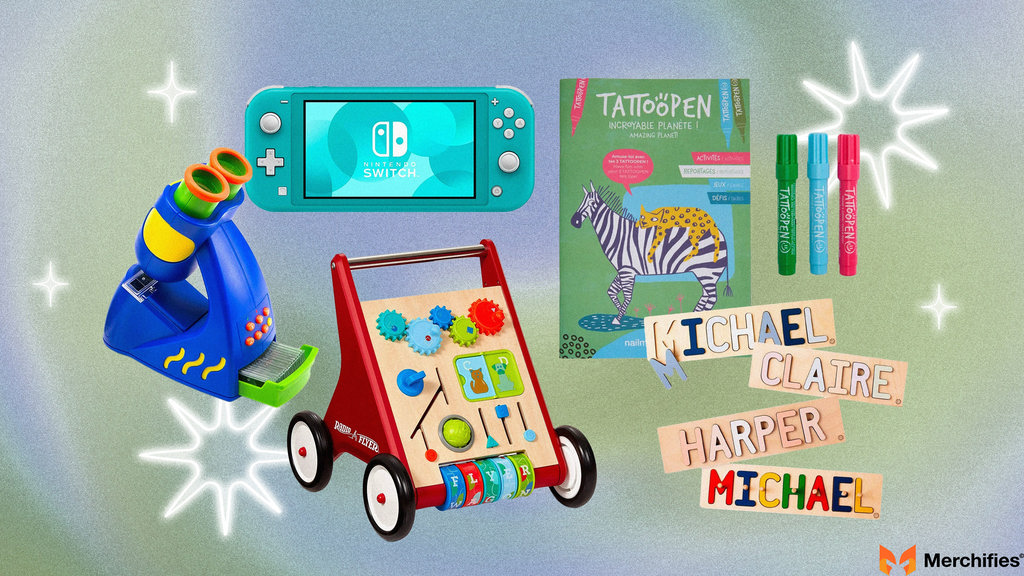
STEM education has gained significant recognition as preparation for future career success while providing immediate benefits through enhanced logical thinking and analytical problem-solving skills. Additionally, STEM toys make complex concepts accessible through hands-on experimentation and discovery-based learning that maintains engagement and curiosity.
Robotics kits designed for children introduce programming concepts, mechanical engineering principles, and logical sequencing through age-appropriate building and coding activities. Moreover, many modern robotics toys offer progressive complexity levels that grow with children's developing skills and interests over multiple years.
Science experiment kits provide safe, supervised opportunities for chemical reactions, physics demonstrations, and biological observations that satisfy natural curiosity while teaching scientific method and safety protocols. Furthermore, these experiences often spark lifelong interests in scientific fields and analytical thinking approaches.
Outdoor toys and sports equipment address growing concerns about sedentary lifestyles while providing essential physical exercise and fresh air exposure that benefits both physical and mental health development. Consequently, choosing active toys encourages healthy habits while developing gross motor skills, coordination, and social interaction through group play.
Bicycle selection requires careful attention to sizing, safety features, and skill level while considering growth potential and local riding environments that influence appropriate styles and accessories. Additionally, learning to ride bicycles provides independence, confidence, and transportation skills that offer lifelong benefits and enjoyment.
Sports equipment introduces teamwork concepts, rule-following, and healthy competition while developing specific athletic skills and general physical fitness that supports overall health and social development. Moreover, youth sports participation often provides community connections and mentorship opportunities that extend benefits beyond physical activity.
Hands-on learning is incredibly effective. Highlights offers a range of educational and activity-based gifts. Educational games promote critical thinking and problem-solving skills. Activity kits provide hands-on experiences with science, art, or cooking. Subscription boxes deliver age-appropriate activities and learning materials right to your door. These gifts for children make learning fun and engaging.
Educational board games combine entertainment with skill development while providing structured opportunities for family bonding and social skill development through turn-taking, rule-following, and good sportsmanship practice. Additionally, many modern board games incorporate STEM concepts, literacy skills, or cultural knowledge within engaging gameplay mechanics.
Cooking activity kits introduce mathematical concepts through measuring, scientific principles through chemical reactions, and cultural awareness through diverse cuisine exploration while developing practical life skills and healthy eating habits. Moreover, cooking activities provide sensory experiences and immediate gratification that maintain engagement while building confidence and independence.
Science activity kits offer controlled experimentation opportunities that satisfy natural curiosity while teaching scientific method, safety protocols, and analytical thinking skills applicable across academic and life situations. Furthermore, these hands-on experiences often provide "aha moments" that create lasting positive associations with learning and discovery.
Educational subscription boxes provide monthly surprises while ensuring continuous learning opportunities that maintain novelty and excitement throughout entire years rather than single gift occasions. Consequently, subscription services offer excellent value through professional curation and age-appropriate progression that supports ongoing development.
STEM subscription boxes deliver monthly projects that introduce engineering challenges, scientific experiments, or mathematical puzzles while providing all necessary materials and clear instructions that enable independent or family-based completion. Additionally, many services offer online support, video tutorials, and community forums that enhance learning experiences.
Art and craft subscription services introduce new techniques, cultural traditions, and creative challenges while providing high-quality materials that might otherwise be difficult to source or too expensive for occasional use. Moreover, these services often include background information about artists, techniques, or cultural contexts that enrich creative experiences with educational content.
Let's dive into hobby-specific gifts. Musical instruments like toy keyboards or drums foster a love of music. Building sets, such as Legos or magnetic tiles, encourage creativity and spatial reasoning. Dress-up costumes spark imaginative play and role-playing. Sports equipment, like soccer balls or basketball hoops, promote physical activity and teamwork. Consider their personal interests and choose gifts that align with their passions.
Musical instrument introduction during childhood provides cognitive benefits including improved memory, mathematical skill development, and language processing enhancement while offering emotional expression outlets and potential lifelong hobbies. Furthermore, music education supports discipline development, goal-setting skills, and cultural appreciation that benefit overall personal development.
Child-sized instruments including keyboards, drums, guitars, and wind instruments should offer real musical capabilities while maintaining appropriate sizing and durability for young users. Additionally, many modern children's instruments include learning features like light-up keys, built-in songs, or app connectivity that enhance educational value.
Music education accessories like songbooks, learning apps, or lesson programs complement instrument gifts while providing structured learning paths that maintain engagement and support skill development over time. Moreover, group music classes or family music-making activities extend social benefits and create positive musical associations.
Building sets provide open-ended play opportunities that develop spatial reasoning, mathematical concepts, and engineering thinking while encouraging creativity and persistence through complex project completion. Consequently, quality building toys offer exceptional value through years of diverse play possibilities and skill development.
LEGO sets range from simple building experiences for young children to complex architectural and mechanical projects for older kids and even adults, making them excellent gifts that grow with developing abilities and interests. Additionally, LEGO's compatibility across sets and years enables continuous collection building and increasingly sophisticated project attempts.
Magnetic building tiles offer unique construction possibilities through magnetic connections that simplify assembly while introducing magnetic principles and three-dimensional thinking concepts. Moreover, these toys often produce satisfying structures with relatively simple efforts, building confidence while encouraging experimentation.
Dress-up costumes and role-playing accessories support social-emotional development while providing safe spaces for exploring different identities, careers, and social situations through imaginative play scenarios. Furthermore, costume play often incorporates storytelling, creative problem-solving, and empathy development as children adopt different perspectives and characters.
Career exploration costumes including doctor kits, chef outfits, construction gear, or service professional uniforms introduce various occupations while encouraging goal-setting and future planning through positive role modeling experiences. Additionally, these costumes often include realistic tools and accessories that enhance pretend play authenticity and engagement.
Fantasy and character costumes enable creative storytelling while connecting children to beloved books, movies, or cultural figures that expand imagination and cultural knowledge. Moreover, costume play often encourages physical activity, social interaction, and confidence building through performance and creative expression.
Toy safety is non-negotiable. Always check for safety labels and certifications. Look for durable materials and well-made products. Avoid toys with small parts that could pose a choking hazard for young children. Read product reviews and choose reputable brands. A little extra research can go a long way in ensuring a safe and enjoyable gifts for children.
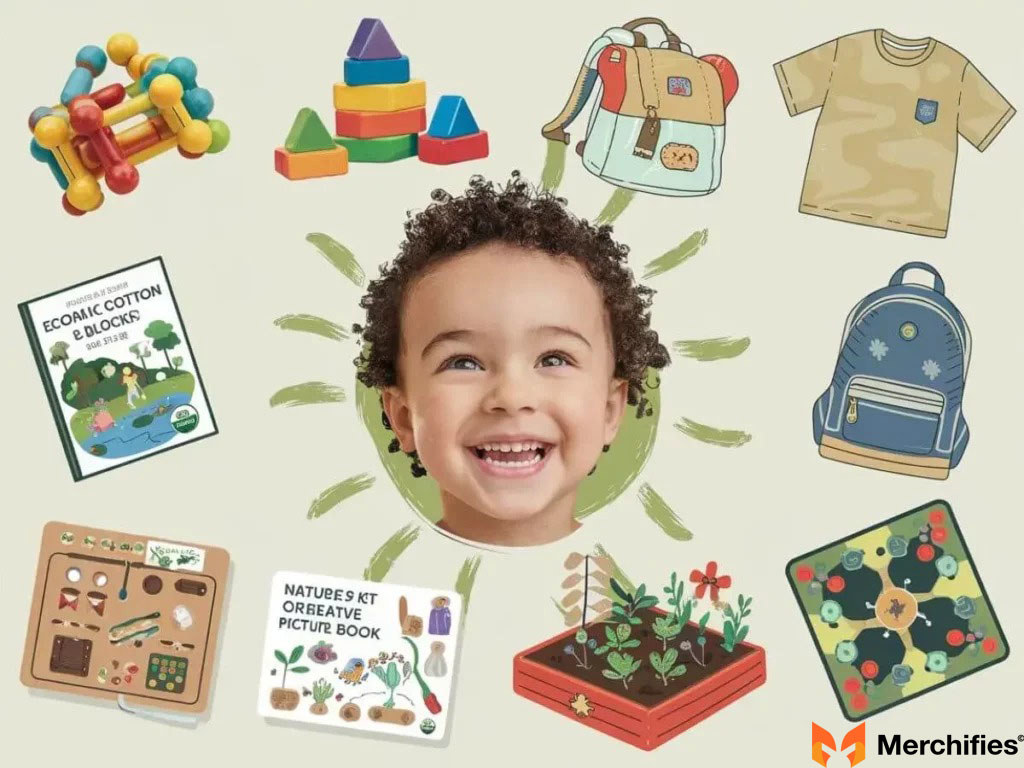
Consumer Product Safety Commission (CPSC) standards provide essential guidelines for toy safety including age-appropriate warnings, choking hazard identification, and toxic material restrictions that protect children from preventable injuries. Additionally, understanding these standards helps gift-givers make informed decisions about appropriate products for specific age groups.
Third-party safety certifications from organizations like ASTM International or Underwriters Laboratories provide additional assurance about product testing and quality control beyond minimum regulatory requirements. Moreover, these certifications often indicate manufacturers' commitment to exceeding basic safety standards through voluntary testing and verification processes.
Recall awareness and manufacturer reputation research help identify brands with strong safety records and responsive customer service that address potential issues promptly and effectively. Furthermore, staying informed about toy recalls and safety alerts protects children while supporting companies that prioritize consumer safety over profit margins.
Toy construction quality directly impacts safety, longevity, and play value while influencing environmental impact through disposal and replacement needs over product lifespans. Consequently, investing in well-made toys often provides better long-term value despite higher initial costs through years of safe, engaging use.
Natural materials like wood, cotton, and wool often provide superior safety profiles and environmental benefits compared to synthetic alternatives while offering tactile experiences that support sensory development. Additionally, natural materials typically age gracefully and maintain appeal longer than plastic alternatives that may become outdated or damaged.
Paint and finish safety requires attention to non-toxic formulations, lead content, and durability under normal use conditions including chewing, dropping, and outdoor exposure that children commonly subject toys to during active play. Moreover, understanding paint safety helps protect children from exposure to harmful chemicals through toys they handle regularly.
Teddy Bears and Dolls: Teddy bears and dolls are unique and classic baby gifts that provide comfort and friendship for children. They help develop social skills and provide emotional support. When choosing, pay attention to your child's preferences and make sure the materials are safe and non-toxic.
Stuffed animals and dolls serve crucial roles in emotional development by providing comfort during stressful situations, practice opportunities for nurturing behaviors, and confidants for sharing feelings and secrets safely. Additionally, these toys often become transitional objects that ease separations and provide security during developmental challenges.
Quality plush toys feature hypoallergenic materials, secure stitching, and appropriate sizing while avoiding small parts that could create safety hazards during independent play or sleep companionship. Moreover, washable fabrics and construction enable proper hygiene maintenance while preserving sentimental value through years of love and use.
Cultural diversity in doll selection helps children appreciate different backgrounds while seeing themselves represented in their toys, supporting positive identity development and multicultural awareness from early ages. Furthermore, diverse toy collections encourage inclusive thinking and empathy development through exposure to varied appearances and traditions.
Sports Equipment: Sports equipment, such as soccer balls, basketballs or tennis rackets, encourages physical activity and promotes a healthy lifestyle. This is a unique gifts for children that helps them develop coordination and teamwork skills. Make sure to choose equipment that is safe and age-appropriate.
Youth sports equipment sizing and safety features require careful attention to prevent injuries while ensuring proper skill development through appropriately scaled tools and protective gear. Consequently, consulting with coaches, physical education teachers, or sporting goods professionals helps identify suitable equipment for specific ages and skill levels.
Team sports introduction provides social benefits including cooperation, communication, and leadership skill development while promoting physical fitness and healthy competition attitudes that benefit academic and social success. Additionally, youth sports participation often creates community connections and mentorship relationships that extend beyond athletic activities.
Individual sports equipment like tennis rackets, golf clubs, or martial arts gear enables personal skill development and goal-setting while providing lifetime fitness options that adapt to changing interests and abilities throughout personal development. Moreover, individual sports often accommodate varying schedules and social preferences while maintaining health and fitness benefits.
School Supplies: Unique school supplies, such as personalized notebooks or animal erasers, make learning more fun. These unique gifts can inspire creativity and enthusiasm for learning. When buying gifts, choose items that are high-quality, durable, and age-appropriate.
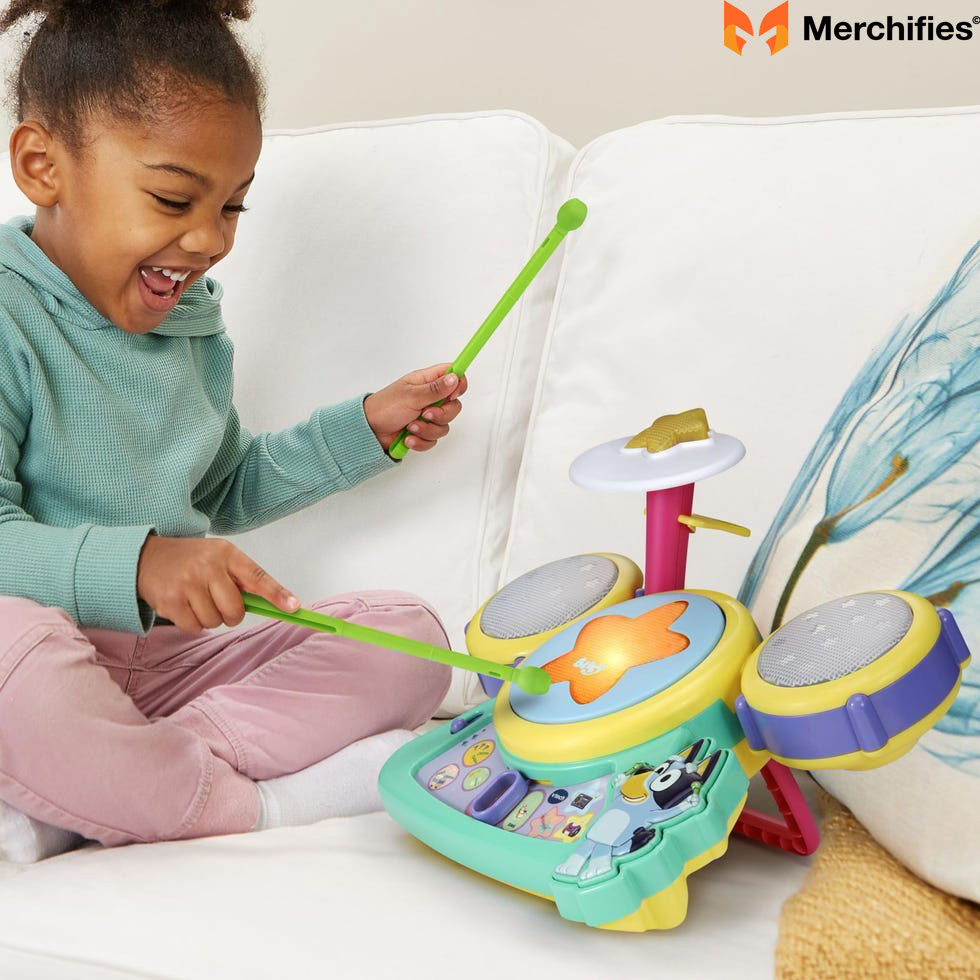
Personalized school supplies create ownership pride and organization motivation while reducing lost item incidents through clear identification and increased attachment to learning materials. Furthermore, custom supplies often spark conversations and friendships while supporting positive school associations and academic engagement.
Quality writing instruments, organizing tools, and creative supplies support academic success while encouraging good study habits and organizational skills that benefit lifelong learning and professional development. Additionally, investing in durable supplies reduces replacement costs while maintaining consistent tool availability for homework and projects.
Educational desk accessories including organizers, lamps, calendars, and reference materials create dedicated learning spaces that support focus and productivity while establishing routines that benefit academic performance. Moreover, personalized learning spaces often increase homework completion rates and study satisfaction through environmental control and comfort.
Books and Comics: Books and comics are unique and wonderful gifts for children that help develop their reading skills and imagination. Choose age-appropriate stories with engaging illustrations. Tailor your selection to your child's interests to foster a love of reading.
Reading level appropriateness requires balancing challenge with accessibility to maintain engagement while supporting skill development through gradual complexity increases that build confidence and competence. Additionally, considering current interests helps select books that maintain attention while introducing new concepts and vocabulary naturally.
Diverse literature selection exposes children to different cultures, experiences, and perspectives while building empathy and global awareness that benefits social development and critical thinking skills. Moreover, multicultural books often provide windows into different worlds and mirrors reflecting children's own experiences and identities.
Series books and character collections create reading momentum through familiar elements while providing progression opportunities and sustained engagement that builds reading stamina and comprehension skills. Furthermore, beloved characters often motivate reluctant readers while providing shared cultural references that enhance social connections.
Clothes and Shoes: Stylish clothing and footwear can help children feel confident and express themselves. Look for comfortable, durable, and fashionable clothing that matches your child's interests. When buying clothing and footwear, make sure the size and quality of materials are appropriate to avoid discomfort.
Age-appropriate fashion choices support identity development while ensuring comfort and practicality for active play and daily activities that characterize childhood routines. Additionally, involving children in clothing selection processes helps develop decision-making skills and personal style awareness while respecting individual preferences.
Quality clothing construction and materials provide durability through active play while maintaining appearance through multiple washings and normal wear that children subject garments to during typical activities. Moreover, well-made clothing often provides better value through extended wear periods despite higher initial costs.
Seasonal appropriateness and versatility in clothing selection ensure practical utility while supporting various activities and weather conditions that children encounter throughout school years. Furthermore, classic styles and quality construction often enable hand-me-down potential that extends clothing value across multiple children or years.
Handmade Gifts: Handmade gifts, such as knitted scarves or personalized artwork, are unique and heartfelt. These unique baby gifts show effort and thoughtfulness. They are also gifts for children that children will love.
Handmade items carry special significance through visible time and effort investment while providing unique qualities that commercial products cannot replicate through mass production processes. Additionally, handmade gifts often incorporate personal touches, custom sizing, or specific color preferences that demonstrate detailed attention to individual needs and tastes.
DIY gift creation involves children in making processes while teaching valuable skills including planning, patience, and pride in personal accomplishments through hands-on creation experiences. Moreover, collaborative handmade projects provide bonding opportunities and shared memories that extend gift value beyond finished products.
Cultural crafts and traditional techniques introduced through handmade gifts provide historical connections and cultural appreciation while developing fine motor skills and artistic abilities through authentic creation methods. Furthermore, learning traditional crafts often connects children to family heritage and cultural identity through meaningful skill transmission.
Camping Trip: Camping trips provide adventure and quality time for families. They help children learn about nature, survival skills, and foster independence. Plan your trip carefully, ensuring safety and age-appropriate activities.
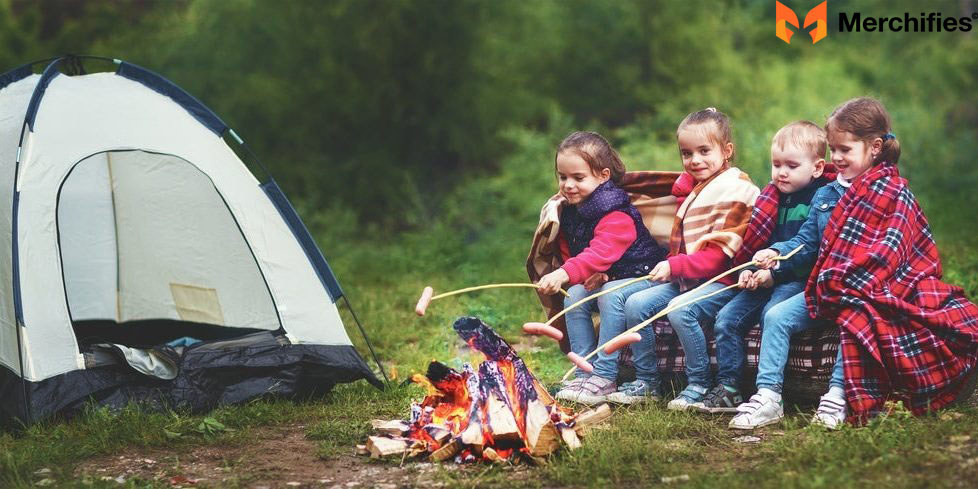
Outdoor experience planning requires balancing adventure with safety while considering weather conditions, activity difficulty levels, and emergency preparedness that ensure positive experiences without unnecessary risks. Consequently, age-appropriate camping activities help build confidence and outdoor skills while creating lasting family memories and nature appreciation.
Nature education during camping experiences introduces environmental awareness, wildlife observation skills, and conservation consciousness while providing hands-on science learning opportunities unavailable in indoor environments. Additionally, outdoor experiences often reduce screen time dependence while encouraging physical activity and sensory engagement with natural environments.
Independence skill development through camping activities including fire safety, cooking basics, navigation skills, and problem-solving challenges helps build confidence and self-reliance while providing supervised practice opportunities for future outdoor adventures. Moreover, camping experiences often strengthen family relationships through shared challenges and cooperative problem-solving.
Cook a Delicious Meal Together: Cooking a delicious meal together is a fun and rewarding experience. This unique gifts for children teaches nutrition and cooking skills. Choose recipes that are simple, kid-friendly, and safe in the kitchen.
Cooking education provides practical life skills while introducing mathematical concepts through measuring, scientific principles through chemical reactions, and cultural awareness through diverse cuisine exploration. Furthermore, cooking activities offer immediate gratification and sensory engagement that maintain attention while building confidence through successful completion.
Kitchen safety instruction during cooking activities establishes important habits including proper knife handling, heat awareness, and hygiene practices that prevent accidents while building competence and independence in food preparation. Additionally, safety education often transfers to other areas requiring careful attention and risk assessment skills.
Nutritional education through cooking experiences helps children understand food sources, preparation methods, and healthy eating principles while reducing pickiness and increasing willingness to try new foods through personal involvement in preparation processes. Moreover, cooking skills often contribute to better dietary choices and food appreciation throughout life.
Tablet: Tablets are useful educational tools when installed with the right apps. They provide access to a wide range of learning and entertainment resources. Be sure to set parental controls, select age-appropriate educational content, and limit usage time.
Educational app selection requires balancing entertainment value with learning objectives while ensuring age-appropriate content that supports rather than replaces traditional learning methods and social interactions. Additionally, high-quality educational apps often incorporate progressive skill building and adaptive learning that responds to individual pace and ability levels.
Screen time management and digital citizenship education help establish healthy technology relationships while teaching responsible usage patterns that prevent addiction and maintain balance with physical activity and social interaction. Moreover, early technology education often provides advantages in digital literacy that benefit academic and future professional success.
Digital safety education including privacy awareness, appropriate online behavior, and critical evaluation skills helps protect children while enabling beneficial technology use for learning and communication purposes. Furthermore, establishing digital safety habits early often prevents problems while building responsible technology citizenship that lasts throughout life.
Kids Smart Watch: Smartwatches for kids offer features like GPS tracking, health monitoring, and communication tools. They promote safety and encourage physical activity. Choose a durable, easy-to-use model with reliable safety features.
GPS tracking capabilities provide peace of mind for parents while enabling age-appropriate independence for children through supervised exploration and activity participation with safety monitoring backup systems. Additionally, emergency communication features offer security while teaching responsible communication and emergency response skills.
Health monitoring features including step counting, activity tracking, and fitness challenges encourage physical activity while building awareness of health habits and fitness goals that support lifelong wellness attitudes. Moreover, gamification elements often make fitness tracking engaging while establishing positive associations with physical activity.
Communication training through smartwatch features helps children learn appropriate technology use, emergency procedures, and responsible communication while providing supervised practice with digital devices before transitioning to more complex technologies. Furthermore, smartwatch introduction often serves as stepping stone toward future smartphone responsibility and digital citizenship development.
Toy Robot: Toy robots are unique gifts for children that both boys and girls love. With a unique design shaped like a smart robot, along with the advancement of science and technology, robot toys are equipped with many attractive features such as being able to move flexibly, dance, communicate, program, recognize voices... Choose models that are age-appropriate and make sure they have clear instructions.
Programming introduction through age-appropriate robotics develops logical thinking, problem-solving skills, and sequential reasoning while providing immediate visual feedback that maintains engagement and demonstrates cause-and-effect relationships clearly. Additionally, robotics activities often combine multiple STEM disciplines including mathematics, engineering, and computer science through hands-on application.
Interactive robot features including voice recognition, movement programming, and responsive behaviors provide engaging experiences while introducing artificial intelligence concepts and human-computer interaction principles appropriate for young learners. Moreover, advanced robot capabilities often inspire interest in technology careers while building familiarity with emerging technologies.
Collaborative robotics projects enable teamwork development while sharing complex tasks and celebrating group achievements through successful programming and operation completion. Furthermore, robotics clubs and competitions often provide community connections and mentorship opportunities that extend learning beyond individual play experiences.
Backpacks and School Bags: A stylish and functional backpack or school bag is a unique gift that will make school more convenient and enjoyable. Look for comfortable designs that support your child's back and have enough space for his or her school supplies.
Ergonomic design features including padded straps, back support, and weight distribution systems help prevent injury while ensuring comfort during daily use with heavy textbooks and supplies. Additionally, proper backpack sizing and adjustment education helps establish healthy carrying habits that benefit posture and spinal development.
Organization features including multiple compartments, secure closures, and easy-access pockets support academic success through improved supply management and reduced lost item incidents. Moreover, well-organized backpacks often reduce morning stress and increase preparedness through systematic storage and retrieval systems.
Durability considerations including reinforced stitching, quality zippers, and weather-resistant materials ensure longevity through daily school use while providing value through multiple school year service. Furthermore, classic designs often remain appropriate as children grow while maintaining functionality and appearance quality.
Building Blocks and Construction Toys: Building blocks and construction toys, such as Legos, help develop problem-solving and creativity skills. They provide hours of fun. Be sure to choose a toy that is appropriate for your child's age and skill level.
Spatial reasoning development through building activities supports mathematical concept understanding including geometry, measurement, and three-dimensional visualization skills essential for STEM success. Additionally, construction play often incorporates physics principles through experimentation with balance, stability, and structural engineering concepts.
Creative expression through open-ended building opportunities enables individual vision realization while supporting artistic development and personal satisfaction through unique creation completion. Moreover, building activities often provide meditative benefits and stress relief through focused, purposeful activity that builds concentration skills.
Collaborative building projects encourage teamwork, communication, and shared problem-solving while enabling larger and more complex constructions than individual efforts could achieve. Furthermore, group building activities often develop leadership skills, compromise abilities, and project management understanding through shared goal achievement.
Lego Building Sets: Lego sets are a unique and wonderful gift for children that help develop fine motor skills and creativity. They offer endless possibilities for building and educational play. As with any gift, choose a set that is appropriate for your child's age and interests.
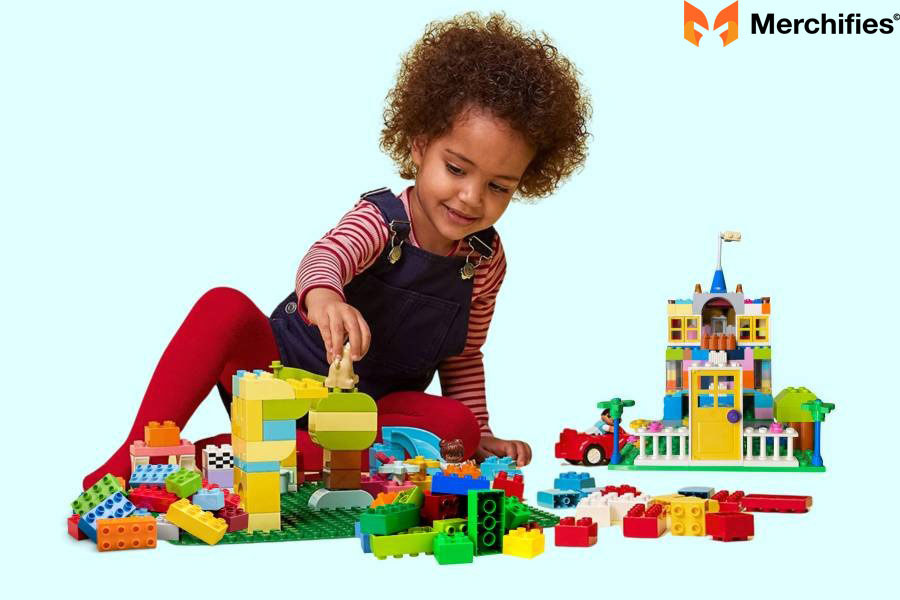
LEGO's systematic approach to building develops sequential thinking, instruction following, and attention to detail while providing satisfaction through step-by-step progress toward completed models. Additionally, LEGO instructions often introduce engineering and architectural concepts through scaled representations of real-world structures and vehicles.
Creative modification and custom building using LEGO elements encourage innovation and personal expression while developing confidence in modification and improvement of existing designs. Moreover, LEGO's compatibility across sets enables continuous expansion and increasingly sophisticated project attempts as skills and interests develop.
Inflatable Swimming Pool: Inflatable pools are unique and perfect summertime fun and physical activities for kids. They provide a safe space for children to play in the water. Make sure the pool is made of durable, non-toxic materials and is installed safely.
Water play benefits include sensory stimulation, temperature regulation, and physical exercise while providing relief from hot weather and opportunities for family bonding through shared aquatic activities. Additionally, water play often reduces stress and provides therapeutic benefits through sensory input and physical movement in supportive environments.
Safety considerations for water play include constant supervision, appropriate depth levels, and emergency preparedness while ensuring proper installation and maintenance that prevents accidents and maintains water quality. Moreover, water safety education often accompanies pool gifts through swimming lessons and safety rule establishment.
Physical development through water activities includes gross motor skill enhancement, coordination improvement, and strength building while providing low-impact exercise suitable for various fitness levels and physical abilities. Furthermore, water confidence building often supports future swimming instruction and aquatic activity participation.
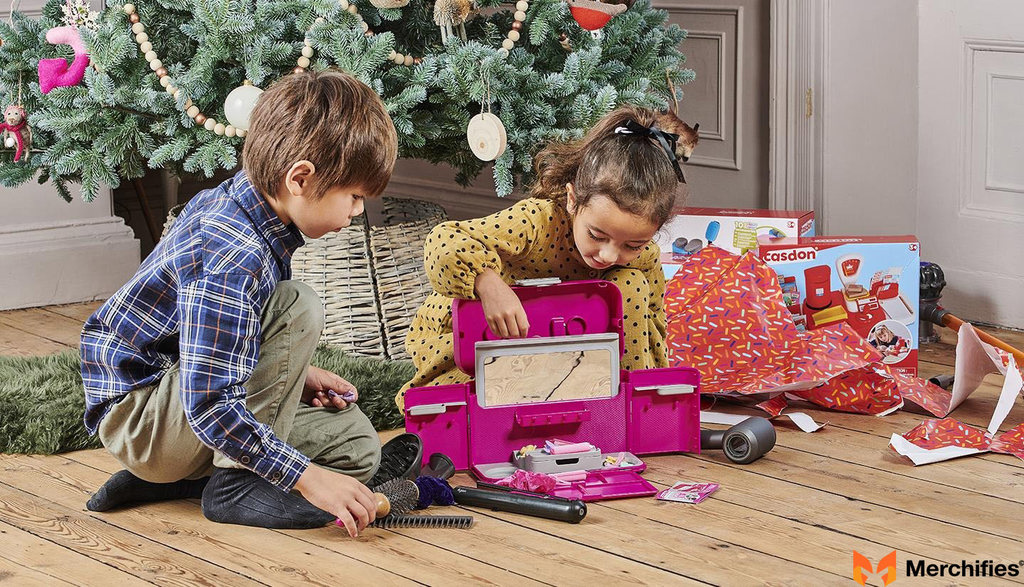
Career Role-Playing Toy Set: Pretend play toys, such as doctor kits or cooking sets, encourage imaginative play and help children explore different careers. Buy a set that matches your child's interests (things they care about and talk about) and is safe for your child to use.
Career exploration through role-playing provides early exposure to various professions while building understanding of adult responsibilities and social roles through safe, age-appropriate simulation experiences. Additionally, career-themed play often incorporates real-world skills including communication, problem-solving, and service provision through engaging scenarios.
Social skill development through role-playing includes empathy building, perspective-taking, and interpersonal communication while practicing appropriate behaviors and responses in various social situations. Moreover, pretend play often provides opportunities for processing emotions and experiences through safe fictional exploration and expression.
Professional tool introduction through realistic play sets helps children understand various career requirements and daily activities while building familiarity with specialized equipment and procedures. Furthermore, accurate career representations often inspire interest and goal-setting while building positive associations with learning and achievement.
Jigsaw Puzzles: Puzzles improve cognitive skills, concentration, and patience. They provide a sense of accomplishment when your child finishes a puzzle. Choose puzzles that are fun and cute, age-appropriate, and have an appropriate level of difficulty.
Puzzle completion provides systematic problem-solving experience while building persistence, attention to detail, and logical reasoning skills that transfer to academic and life situations requiring sustained effort and analytical thinking. Additionally, puzzle work often provides meditative benefits and stress relief through focused, purposeful activity.
Visual-spatial skill development through puzzle assembly supports mathematical understanding, artistic abilities, and scientific observation skills while building pattern recognition and logical sequencing capabilities. Moreover, puzzle completion often builds confidence through visible progress and achievement celebration.
Progressive difficulty increases in puzzle complexity help maintain challenge levels while building competence and motivation through appropriate skill development that prevents frustration while encouraging growth and improvement efforts. Furthermore, puzzle collections often provide long-term entertainment value through repeated use and sharing opportunities.
Brain Teasers: Brain teasers, such as educational games and science kits, stimulate critical thinking and curiosity. They make learning fun and interactive. When shopping for this unique baby gift, choose toys that are both challenging and age-appropriate.
Logic puzzle variety including riddles, mathematical challenges, and pattern recognition games develops different thinking skills while maintaining engagement through diverse problem types and solution methods. Additionally, brain teaser collections often provide progressive difficulty that grows with developing abilities and interests.
Scientific thinking development through hypothesis formation, experimentation, and conclusion drawing builds analytical skills while encouraging curiosity and investigation approaches to problem-solving that benefit academic and personal success. Moreover, science-based brain teasers often introduce real-world applications that demonstrate practical value of learning and discovery.
Clay Toys: Clay toys allow children to create and mold their own shapes, promoting creativity and fine motor skills. When purchasing this unique baby gift, choose clay that is non-toxic, easy to clean, and provides tools that are safe for children to use.
Sensory experience through clay manipulation provides tactile stimulation while supporting nervous system development and stress relief through hands-on creative expression that engages multiple senses simultaneously. Additionally, clay work often provides therapeutic benefits and emotional processing opportunities through non-verbal creative expression.
Fine motor skill development through clay modeling supports writing readiness, artistic abilities, and manual dexterity while building hand strength and coordination essential for academic and daily living success. Moreover, clay activities often improve focus and attention span through engaging, purposeful hand movements.
Three-dimensional thinking development through sculpture creation supports spatial reasoning, mathematical concepts, and artistic understanding while encouraging experimentation with form, texture, and structural principles. Furthermore, clay projects often provide lasting keepsakes and pride through permanent creation preservation and display.
Keepsake Sets: Keepsake sets, such as photo albums or framed photos, preserve precious memories. They help children cherish family moments and add a personal touch that makes the gifts for children not only unique but meaningful.
Memory preservation through photo documentation helps children understand family history and personal growth while building identity and belonging through visual storytelling and shared experience celebration. Additionally, keepsake creation often provides bonding opportunities through collaborative memory selection and organization activities.
Family tradition establishment through keepsake maintenance develops appreciation for continuity and heritage while building responsibility for preserving important memories and family artifacts that connect generations. Moreover, keepsake collections often become treasured family heirlooms that provide ongoing connection and meaning.
Creative presentation through album design, scrapbooking, and display arrangement develops artistic skills while building appreciation for visual composition and aesthetic principles that enhance creative expression abilities. Furthermore, keepsake projects often incorporate writing skills through caption creation and story development that support literacy and communication growth.
Pets: Pets teach children about responsibility, empathy, and friendship. This unique gifts for children can be a source of fun and learning. Give a pet that fits your family's lifestyle and make sure your child understands the care requirements.
Responsibility development through pet care including feeding, grooming, and health monitoring builds daily routine establishment while teaching commitment and dependability through consistent animal welfare provision. Additionally, pet ownership often develops time management and prioritization skills through care requirement scheduling and maintenance.
Empathy and compassion growth through animal interaction helps children understand non-verbal communication, emotional needs, and caregiving responsibilities while building nurturing behaviors and protective instincts. Moreover, pet relationships often provide emotional support and unconditional acceptance that benefits self-esteem and emotional development.
Life cycle education through pet ownership introduces concepts of growth, aging, and mortality while providing opportunities for meaningful discussions about life, death, and caring relationships within safe, supportive family contexts. Furthermore, pet experiences often build resilience and coping skills through natural life transitions and challenges.
Sand Toy Sets: Sand toys are perfect for outdoor activities and sensory development. They encourage creativity and physical activity. Ensure the toys are durable and safe for children to use.
Sensory integration through sand play provides tactile stimulation while supporting nervous system development and body awareness through hands-on manipulation of natural materials that engage multiple senses simultaneously. Additionally, sand play often provides calming effects and stress relief through repetitive, soothing motions and textures.
Creative expression through sand construction enables three-dimensional artistic creation while building spatial reasoning and engineering thinking through castle building, tunnel creation, and landscape modification projects. Moreover, sand play often encourages collaborative projects and social interaction through shared construction goals and imaginative scenarios.
Physical development through sand manipulation includes fine and gross motor skill enhancement while building hand strength, coordination, and bilateral integration through digging, pouring, and building activities that support overall physical development. Furthermore, outdoor sand play provides vitamin D exposure and fresh air benefits that support health and well-being.
Piggy Bank: Piggy banks teach children the value of saving money and financial responsibility. They also make unique, fun gifts for children and add a fun touch to a room. Choose designs that are attractive and durable.
Financial literacy introduction through saving habits helps children understand money value, delayed gratification, and goal-setting while building mathematical skills through counting, addition, and budgeting concepts that support future financial success. Additionally, saving experiences often provide pride and accomplishment through visible progress toward desired purchases or goals.
Goal-setting development through savings targets builds planning skills, patience, and motivation while teaching realistic expectation setting and progress monitoring that benefit academic and personal achievement efforts. Moreover, financial goal achievement often provides confidence and competence that transfers to other challenging endeavors requiring sustained effort.
Mathematical application through money handling includes counting, addition, subtraction, and percentage concepts while providing real-world context for abstract mathematical learning that demonstrates practical value and relevance. Furthermore, money management skills often provide independence and responsibility that support overall maturity development.
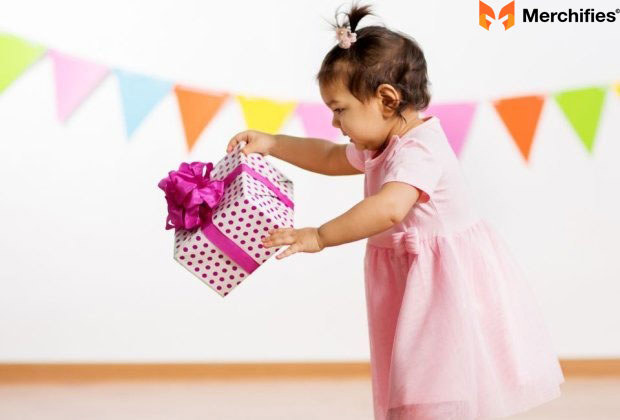
The presentation of a gift can make it even more special. Wrap it nicely and include a heartfelt card or message. Consider the child's personality and preferences. A gift that shows you've put thought and effort into it will be cherished. The joy of giving comes from seeing a child's happiness and excitement.
Gift presentation psychology demonstrates that anticipation and surprise elements significantly impact recipient satisfaction while creating lasting memories that extend beyond initial gift opening excitement. Additionally, thoughtful presentation often indicates respect and care for recipients that builds relationship bonds and appreciation.
Personalized messaging through handwritten cards or custom notes provides lasting keepsakes while expressing specific appreciation and encouragement that supports self-esteem and emotional development. Moreover, meaningful messages often become treasured mementos that provide ongoing positive reinforcement and connection.
Cultural and family tradition incorporation through gift-giving rituals helps children understand heritage and community values while building appreciation for ceremony and celebration that enriches life experiences. Furthermore, tradition participation often provides continuity and belonging that supports identity development and family bonds.
When choosing gifts, consider the interests, age and developmental stage of the child. Choose educational and engaging toys that promote learning and creativity. Make sure the gift is safe and durable.
Tips for choosing unique gifts for children: For girls, consider their interests and hobbies. Avoid gender stereotypes and choose gifts that encourage creativity, physical activity and learning. Make sure the gift is age-appropriate and safe.
Notes when choosing unique gifts for boys: For boys, focus on the interests and activities that they enjoy. Choose gifts that promote exploration, learning and physical activity. Avoid gender stereotypes and make sure the gift is age-appropriate and developmentally appropriate.
Individual interest assessment requires observation of natural play preferences, enthusiasm indicators, and sustained engagement patterns while avoiding assumptions based on gender, age, or social expectations that may limit development opportunities. Additionally, open-ended questioning and collaborative selection processes often reveal authentic interests and desires.
Stereotype avoidance in gift selection supports diverse interest exploration while preventing limitation of opportunities based on traditional gender roles or cultural expectations that may restrict personal development. Moreover, inclusive gift choices often expose children to broader possibilities while building acceptance and appreciation for diversity.
Developmental appropriateness assessment involves understanding current skill levels, challenge readiness, and safety requirements while considering growth potential and sustained interest likelihood that maximize gift value and usage. Furthermore, consulting with child development resources and age guidelines helps ensure appropriate selection without overwhelming or under-stimulating recipients.
Choosing gifts for children should be a joyful experience. Prioritize age-appropriateness, safety, and learning. Consider their interests and choose gifts that spark their imagination and creativity. Thoughtful gifts can have a lasting impact on a child's development and bring joy for years to come.
The journey of selecting perfect gifts for children extends beyond individual occasions to encompass support for healthy development, learning encouragement, and relationship building through thoughtful consideration of each child's unique needs and interests. Moreover, successful gift-giving contributes to positive childhood experiences while fostering growth, creativity, and confidence.
Remember that the most meaningful gifts for children often combine entertainment with education while supporting their natural curiosity and developmental needs. Additionally, prioritizing safety, quality, and age-appropriateness ensures gifts provide positive experiences rather than frustration or hazards that detract from childhood joy.
The art of thoughtful gift selection involves understanding child development, observing individual interests, and choosing items that will engage, challenge, and delight young recipients while supporting their growth and learning journey. Furthermore, gifts that grow with children or provide ongoing opportunities for exploration and creativity often deliver the greatest long-term value and satisfaction.
Your investment in careful gift selection demonstrates care for children's well-being while contributing to their happiness, development, and positive associations with learning and creativity that can influence their entire lives. Therefore, approach gift-giving as an opportunity to support the remarkable potential within every child while celebrating their unique personality and interests.
-d4c38c342cdf20ca.jpeg)


-b555fcc6b204c456.jpeg)