 Worldwide Shipping
 Secure Payments
 Free Return
 Local Support
-da0801079a650a2e.jpeg)
17 Year Anniversary Quotes: 110+ Funny, Romantic & Furniture Wishes (2026)
Mar, 12 2026
A rash guard is a performance waterwear top designed to protect your skin from UV rays, chafing, and irritation. It’s ideal for swimming, surfing, and active water sports, offering comfort, flexibility, and quick-drying performance.

Imagine a perfect day by the ocean, the sun shining brightly, the waves calling your name. In these moments, understanding what is a rash guard and its benefits becomes crucial. A rash guard is a specialized piece of apparel designed to protect you from sunburn, chafing, and discomfort, making it essential for activities ranging from surfing to intense sessions on the mats.
So, what is a rash guard, exactly? At its core, it's a specialized athletic shirt engineered for protection, comfort, and performance in various environments, particularly those involving water or close-contact sports. As Daniel Harper Cole, a textile researcher with over a decade of experience analyzing fabric performance, often shares, understanding your gear starts with understanding its materials and how they perform under pressure. Throughout this guide, we'll dive deep into the world of rash guards, exploring their numerous benefits, the science behind their construction, different types, and how to select the absolute best one for your specific needs. Get ready to equip yourself with the knowledge to stay protected and comfortable, no matter the activity.
The name "rash guard" itself tells a story, offering a clear clue to its primary function. The "rash" component refers to the skin irritations, abrasions, and chafing that commonly occur from prolonged contact with abrasive surfaces like a surfboard, sand, or even the seams of a wetsuit. Surfers, in particular, frequently experienced painful rashes on their chests and stomachs from paddling on their boards. The "guard" signifies its role as a protective barrier against these unwelcome skin issues.
Initially, the rash guard emerged from the surfing community in the 1980s as a practical solution to these very problems. It was a simple yet effective garment designed to be worn under a wetsuit or on its own in warmer waters. However, its utility quickly became apparent beyond the waves. Today, this specialized shirt has evolved far beyond its beach origins, finding its place in a diverse array of water sports, combat sports, and general outdoor activities. What sets it apart from a regular t-shirt? Primarily, it's the engineered blend of specific materials and its intentionally snug fit, both designed for superior performance and protection.
Understanding what a rash guard is used for truly highlights its indispensable value across various activities. This isn't just a fancy shirt; it's a piece of performance gear packed with benefits, making it a critical choice for anyone spending time outdoors or in intense physical activity.
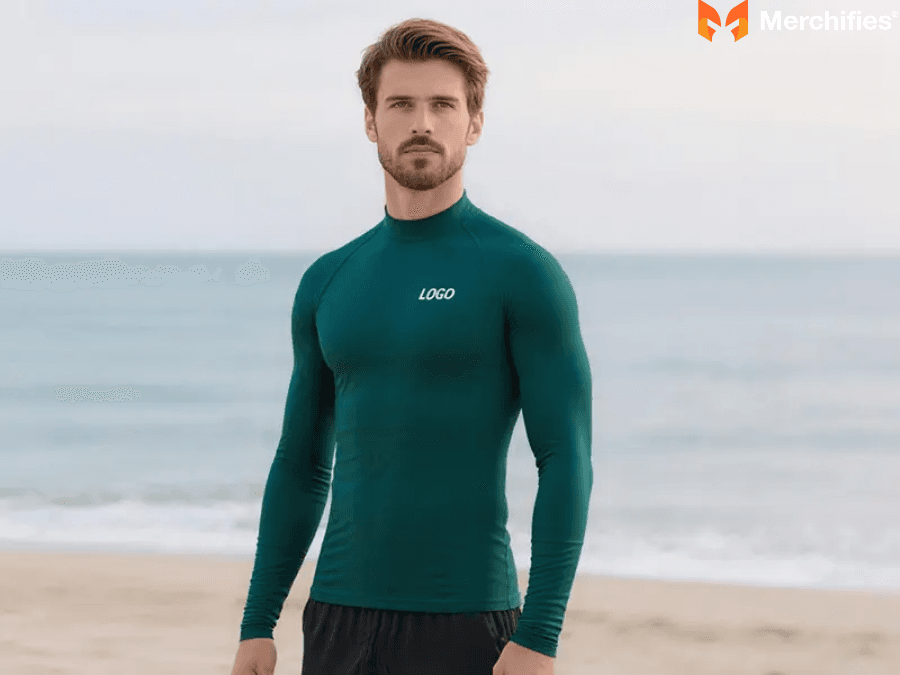
One of the most significant advantages of a rash guard is its exceptional sun protection. Most quality rash guards are rated with a UPF (Ultraviolet Protection Factor) of 30, 50, or even 50+. This rating indicates how much of the sun's harmful UVA and UVB rays a fabric blocks. A UPF 50+ rash guard blocks over 98% of UV radiation, offering far more consistent and reliable protection than sunscreen, which needs frequent reapplication and can wear off. As Daniel Harper Cole often points out, relying solely on sunscreen for extended water exposure is less effective than a physical barrier like a high-UPF garment.
True to its name, the primary purpose of a rash guard is to prevent skin irritation. Whether you're sliding on and off a surfboard, rubbing against sand, or experiencing friction from a wetsuit, the smooth, tight-knit fabric acts as a second skin. This barrier is crucial for sensitive skin and ensures comfort during long hours of activity, allowing you to focus on your performance, not your discomfort.
While often associated with warmth in cooler conditions, rash guards also excel at thermal regulation in warmer environments. In cooler water, wearing a rash guard as a base layer under a wetsuit adds an extra layer of insulation, trapping a thin layer of warmed water against your body. Conversely, in hot conditions, many rash guards feature moisture-wicking properties, pulling sweat away from your skin to evaporate, which helps keep you cool and dry. This dual functionality is a testament to thoughtful textile engineering.
Beyond sun and friction, rash guards offer a physical shield against minor scrapes, cuts, and even marine life. Swimming through reefs or encountering jellyfish can quickly turn an enjoyable outing into a painful one. The durable fabric of a rash guard provides a crucial layer of protection, deflecting minor abrasions and acting as a barrier against potential stings.
A well-fitting rash guard isn't just about protection; it's about optimizing your performance. Its streamlined, often compressive fit reduces drag in the water, helping you move more efficiently. The flexible, stretchy material ensures a full range of motion, which is essential for dynamic sports. Furthermore, the supportive fit can aid in muscle compression, potentially reducing fatigue. Add to this the benefit of modesty and the confidence of knowing you're well-protected, and it’s clear why rash guards are a favorite among athletes and enthusiasts alike.
The effectiveness of a rash guard lies in the meticulous choice of its materials, the precision of its fit, and the intelligence of its design. As Daniel Harper Cole, with his deep understanding of fabric performance, explains, "It's not just about what a fabric is made of, but how it's constructed and interacts with the body.

The heart of any rash guard is its fabric. Typically, you'll find blends of synthetic fibers engineered for specific performance characteristics:
The fit of a rash guard is paramount and comes in two main styles:
Beyond materials and fit, thoughtful design elements enhance a rash guard's utility:
The evolution of the rash guard means there’s now a specialized version for almost any activity requiring its unique blend of protection and performance.
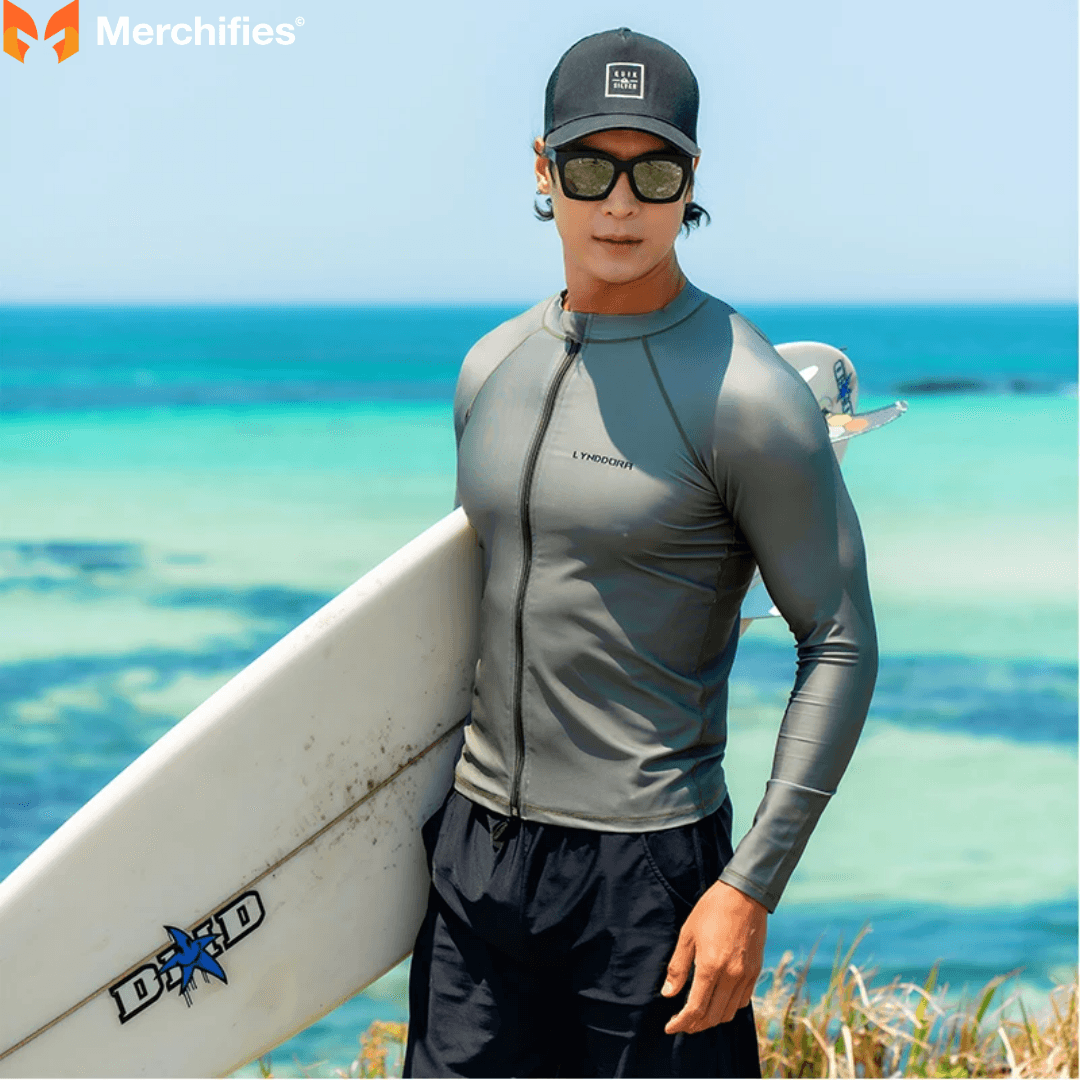
These are the classic rash guards designed for aquatic environments. They are typically made with highly UV-resistant, quick-drying fabrics and often feature a compression fit to minimize drag.
The rash guard has found a dedicated following in the world of martial arts, particularly in disciplines like Brazilian Jiu-Jitsu (BJJ), MMA, and wrestling.
Many people now choose rash guards simply for everyday sun protection during any outdoor activity. Loose-fit rash guards are perfect for a casual beach day, fishing, hiking, or even just working in the yard, providing reliable UPF protection without the need for constant sunscreen reapplication. They blend the technical benefits of performance fabrics with a comfortable, everyday aesthetic.
When it comes to the most delicate members of our families, the question of what is a rash guard for baby is incredibly important. Babies and young children have exceptionally sensitive skin, making them highly vulnerable to sunburn and skin irritation. Fortunately, baby rash guards offer a vital layer of protection.

Baby rash guards are specifically designed to shield infants and toddlers from the sun's harsh UV rays. Their skin burns much more easily than adult skin, and even a single severe sunburn in childhood can significantly increase the risk of skin cancer later in life. Furthermore, these garments protect against chafing from sand, rough pool surfaces, and the effects of chlorine or saltwater on delicate skin. They are an indispensable tool for parents committed to safe outdoor play.
When choosing a rash guard for your little one, several features stand out:
Just like adult rash guards, fit is important for babies. While you don't typically want a super-tight compression fit for infants, a snug fit ensures the fabric stays in place and provides consistent protection. Avoid anything too baggy, as it can be cumbersome in the water. Always check the manufacturer's sizing charts, taking into account your child's weight and height, not just their age.
Selecting the perfect rash guard involves a blend of understanding your activities and prioritizing specific features. Drawing on years of analyzing fabric performance, Daniel Harper Cole stresses that the "best" choice is always highly personal and use-case specific.

Are you a competitive surfer, a casual swimmer, a BJJ practitioner, or just seeking sun protection for beach days? Your primary use case will dictate the ideal material, fit, and design features. High-performance activities demand technical precision, while general wear prioritizes comfort and sun safety.
If sun protection is a key concern (and for most water activities, it should be!), always check the UPF rating. A UPF 50+ rating offers the highest level of protection, blocking over 98% of UV rays. Don't compromise on this for outdoor use.
Consider the environment. For cooler water or intense grappling, a thicker polyester-spandex blend with a compression fit might be ideal. For hot climates and casual swimming, a lighter, quick-drying nylon-spandex blend, perhaps in a loose fit, would be more comfortable. Think about how the fabric feels against your skin and how it will move with you.
A rash guard is an investment in your comfort and protection. Look for well-constructed seams (flatlock is best for anti-chafing), quality stitching, and reputable brands known for using durable, chlorine-resistant, and saltwater-resistant fabrics. As Daniel Harper Cole emphasizes, "Investing in quality materials now means greater longevity and performance, saving you discomfort and replacements later."
While there are premium rash guards with advanced features, you can find excellent options at various price points. Determine which features are non-negotiable for your use and find the best quality within your budget. Sometimes, a slightly higher price means significantly better fabric performance and a longer lifespan.
To ensure your rash guard continues to provide optimal protection and comfort for seasons to come, proper care is essential. These performance fabrics need a little TLC to maintain their integrity.
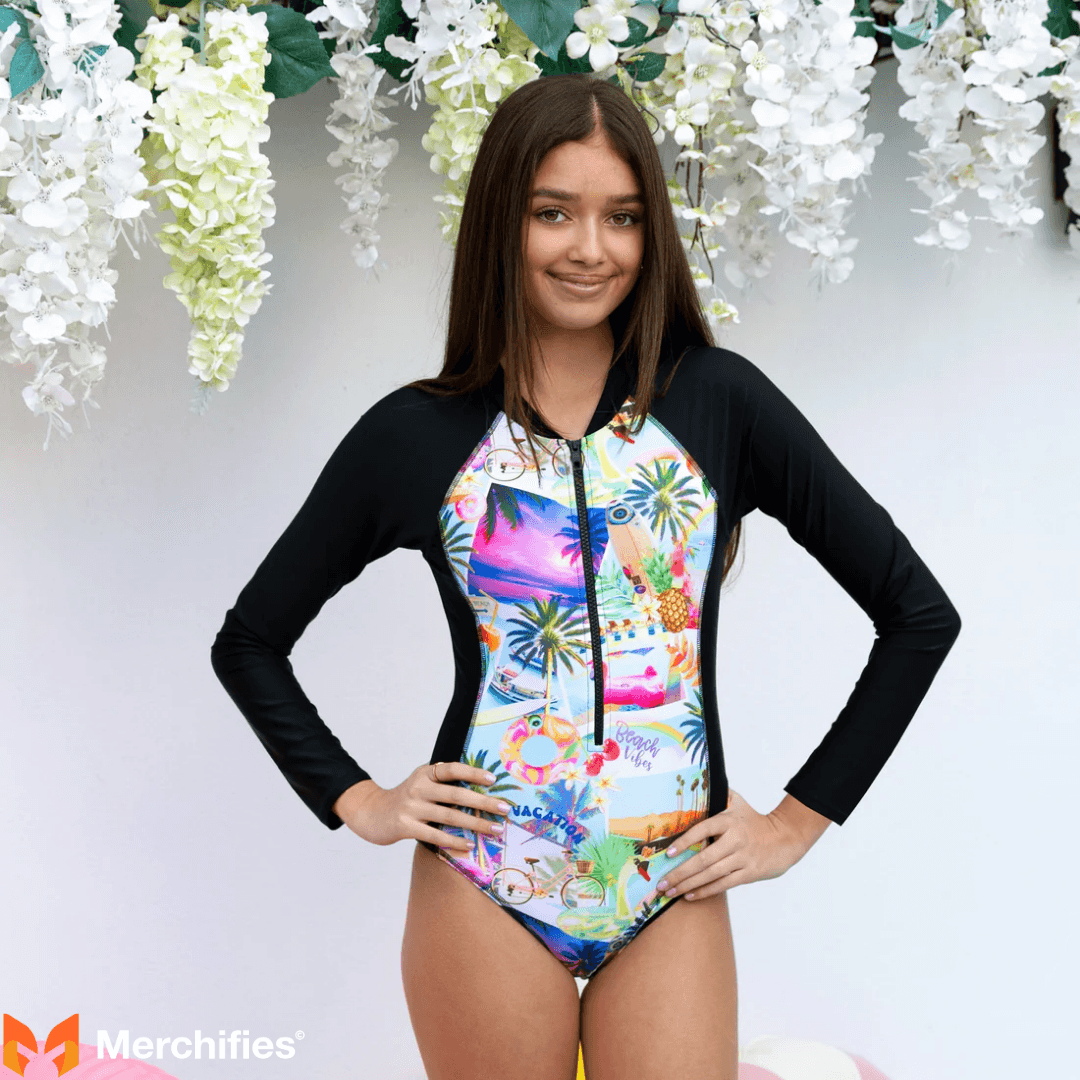
From the crashing waves of the ocean to the intense grappling on the mats, the humble rash guard stands as a testament to intelligent apparel design. It's far more than just a shirt; it's a versatile piece of gear providing superior sun protection, preventing irritating rashes and chafing, aiding in thermal regulation, and boosting overall performance. As we've explored, understanding the specific materials, the nuances of fit, and the dedicated design features helps you find the perfect match for your adventures.
Equipping yourself with the right rash guard means stepping into your chosen activity with confidence, comfort, and peace of mind. Knowing you're protected allows you to fully immerse yourself in the experience, whether you're catching waves, perfecting your jiu-jitsu technique, or simply enjoying a sunny day outdoors. These insights into fabric performance, comfort, and durability are what Daniel Harper Cole has dedicated his career to understanding, ensuring you have the knowledge to make truly informed choices. So, go ahead – embrace the protection and comfort, and dive into your passions with the right rash guard by your side.
-d4c38c342cdf20ca.jpeg)


-b555fcc6b204c456.jpeg)