-da0801079a650a2e.jpeg)
17 Year Anniversary Quotes: 110+ Funny, Romantic & Furniture Wishes (2026)
Mar, 12 2026

Discover the true meaning of “Native Pride” in apparel — its cultural roots, symbolism, and how clothing expresses identity, resilience, and respect for Indigenous heritage.
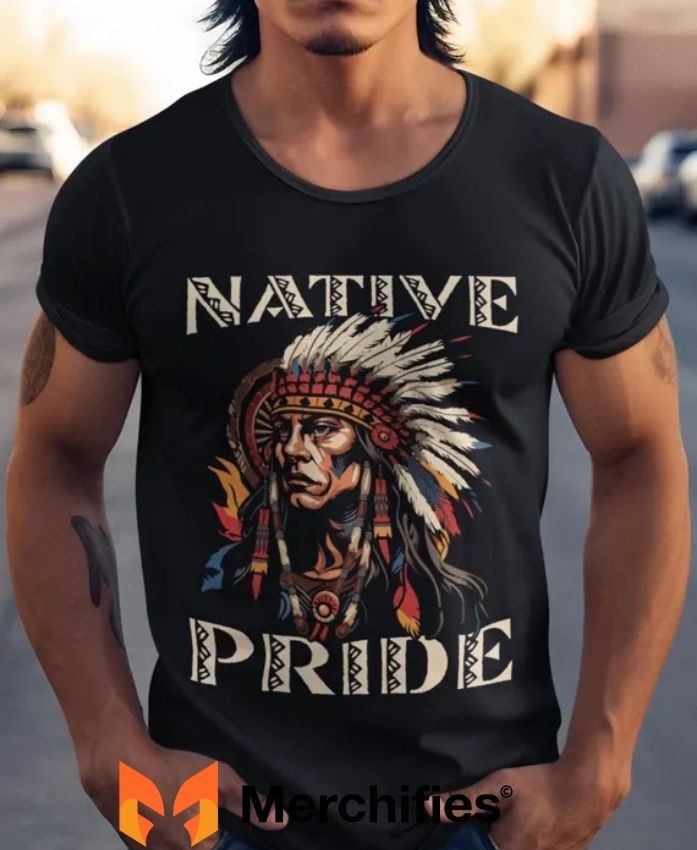
The powerful statement made by Native Pride clothing goes far beyond fleeting fashion trends. It's a vibrant tapestry woven with threads of history, identity, and profound cultural significance. In this article, we'll delve into the deep meaning behind these garments, exploring their historical journey, the diverse types of clothing, and the crucial ethical considerations surrounding their creation and wear. As an expert in cultural communication, Evelyn Sage shares insights into the importance of understanding and respect when discussing or wearing items that embody such powerful cultural narratives.
When you see "Native Pride" emblazoned on a shirt or woven into a design, it's never just about aesthetics. It carries a weight of history, a beacon of resilience, and a clear declaration of identity that resonates deeply within Indigenous communities. Understanding the native pride shirts meaning is key to appreciating their true value.
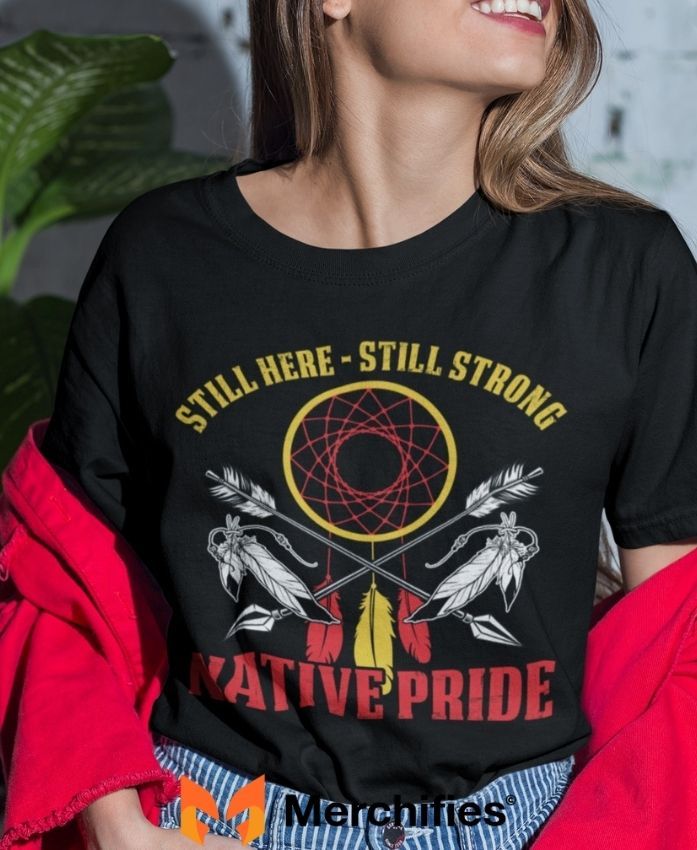
At its heart, Native Shirts is a visible celebration of diverse Indigenous cultures, languages, and spiritual connections that stretch back millennia. These garments represent deep roots in heritage, tradition, and an unbreakable connection to ancestral lands. For many, wearing such clothing is an act of strength and survival, standing tall in the face of centuries of historical oppression, cultural erasure, and attempts at assimilation. It's a way of expressing self-determination and nationhood, reminding the world that Indigenous peoples are sovereign nations with distinct identities.
Native Pride apparel serves as a powerful tool for reclaiming narratives and challenging pervasive stereotypes that have often misrepresented Indigenous peoples. It fosters a vital sense of community and solidarity among Indigenous peoples globally, creating visible links that span vast distances. Moreover, this clothing plays a significant role in educating non-Native audiences, drawing attention to ongoing Indigenous issues, triumphs, and the richness of their living cultures. It's a conversation starter, inviting dialogue and deeper understanding.
While some general motifs often appear on native pride shirts meaning such as connection to nature, ancestral wisdom, strength, and unity, it's crucial to approach this topic with nuance. IMPORTANT E-E-A-T Note: Specific designs, symbols, and their meanings are almost always tribal-specific and vary immensely from one nation to another. Over-generalization can inadvertently diminish the distinctiveness of individual tribal identities. For example, a symbol sacred to the Lakota might hold no meaning for the Haudenosaunee. It's vital to recognize that a generic "Native American" symbol often doesn't exist; instead, there's a vast mosaic of distinct tribal expressions.
The evolution of Indigenous clothing reflects a journey of profound cultural continuity and adaptation. From meticulously crafted traditional attire to contemporary expressions of identity, each piece tells a story.
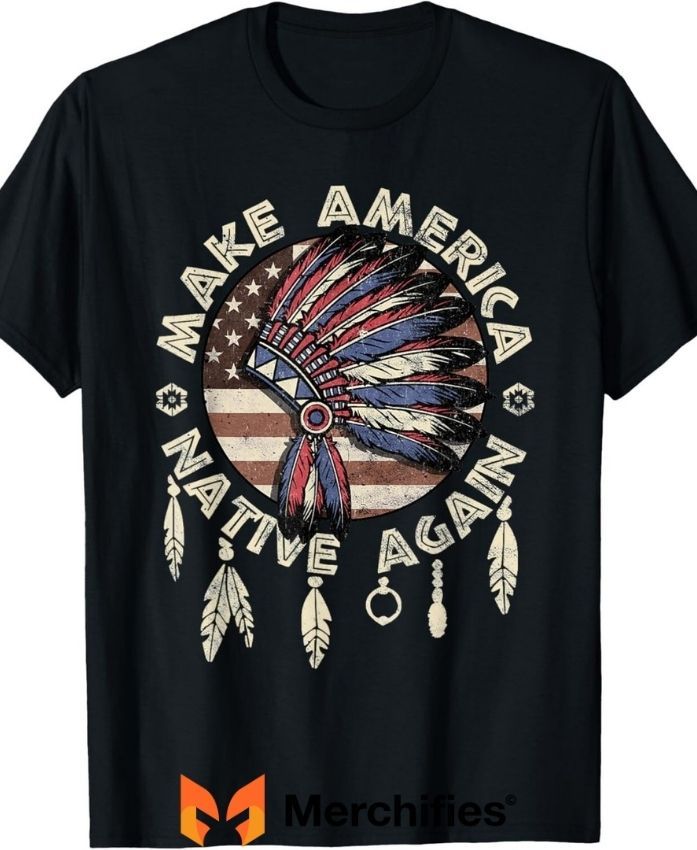
Before European contact, Indigenous peoples across North America adorned themselves in attire that was deeply functional, artistic, and spiritually significant. Materials like animal hides, plant fibers, and intricate beadwork were used to create garments that marked an individual's status, accomplishments, and tribal affiliation. This clothing was often intimately connected to ceremonial roles, social hierarchies, and an individual's worldview, embodying a spiritual connection between the wearer and their environment.
The arrival of European colonizers brought devastating changes, including deliberate efforts to suppress Indigenous cultures. Traditional dress was frequently forbidden or discouraged in boarding schools and by government policies, often replaced by Euro-American clothing as a means of assimilation. Despite these immense challenges, Indigenous peoples displayed remarkable resilience, adapting their practices and subtly maintaining cultural expression through various means, sometimes integrating new materials while preserving traditional design elements.
The mid-20th century witnessed a powerful resurgence of Native identity, spurred by Indigenous rights movements like the Red Power movement, the American Indian Movement (AIM), and more recently, Idle No More. During these periods, clothing once again became a potent tool for activism and celebration. Contemporary pride wear emerged as a powerful statement of self-affirmation, cultural continuity, and political voice, boldly proclaiming "We are still here."
Today, Native American pride clothing encompasses a wide array of styles, allowing individuals to express their identity in diverse and meaningful ways.
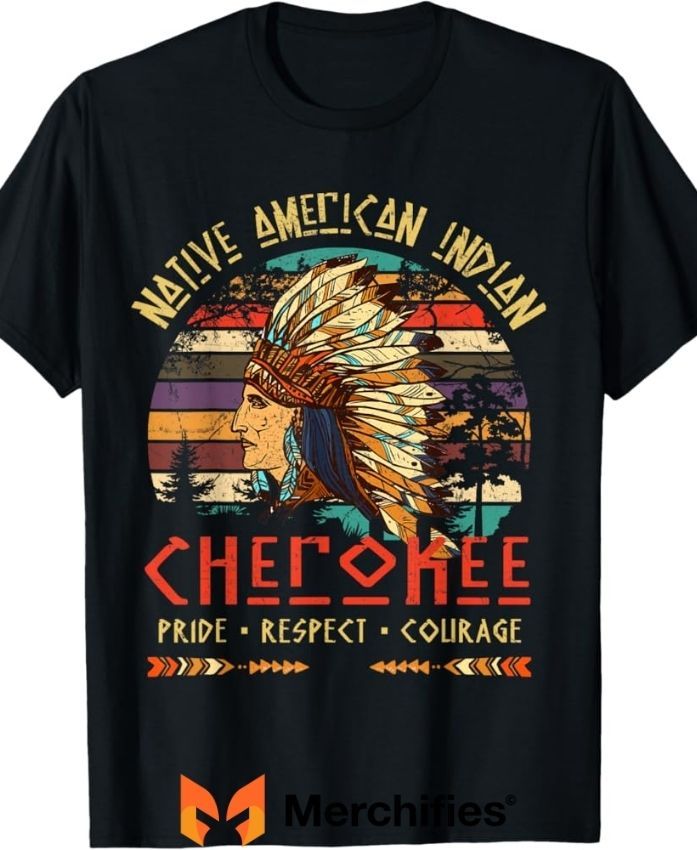
T-shirts, hoodies, and long-sleeved shirts have become incredibly accessible and popular platforms for expressing Indigenous pride. These items often feature powerful slogans that resonate deeply within the community and educate outsiders. You'll see phrases like "Native & Proud," "Water is Life" (a call for environmental justice), "Indigenous Peoples Day Every Day," and messages advocating for "Land Back." Alongside these slogans, artistic designs frequently incorporate contemporary Indigenous art, often drawing inspiration from traditional motifs while presenting them in a modern context.
While shirts are prominent, Native American pride clothing extends much further. Hats, caps, and beanies often feature Indigenous designs, providing another visible means of expression. Jackets, vests, and other outer layers can incorporate culturally significant patterns and artwork. Furthermore, a growing number of Indigenous designers are creating contemporary fashion lines that respectfully integrate cultural elements, showcasing the innovation and creativity within Native communities. Even accessories like jewelry, scarves, and bags play a vital role in completing an expression of pride and connection.
The act of wearing Native American pride clothing carries different layers of meaning depending on who is wearing it and why. Understanding these nuances is paramount, as Evelyn Sage emphasizes.
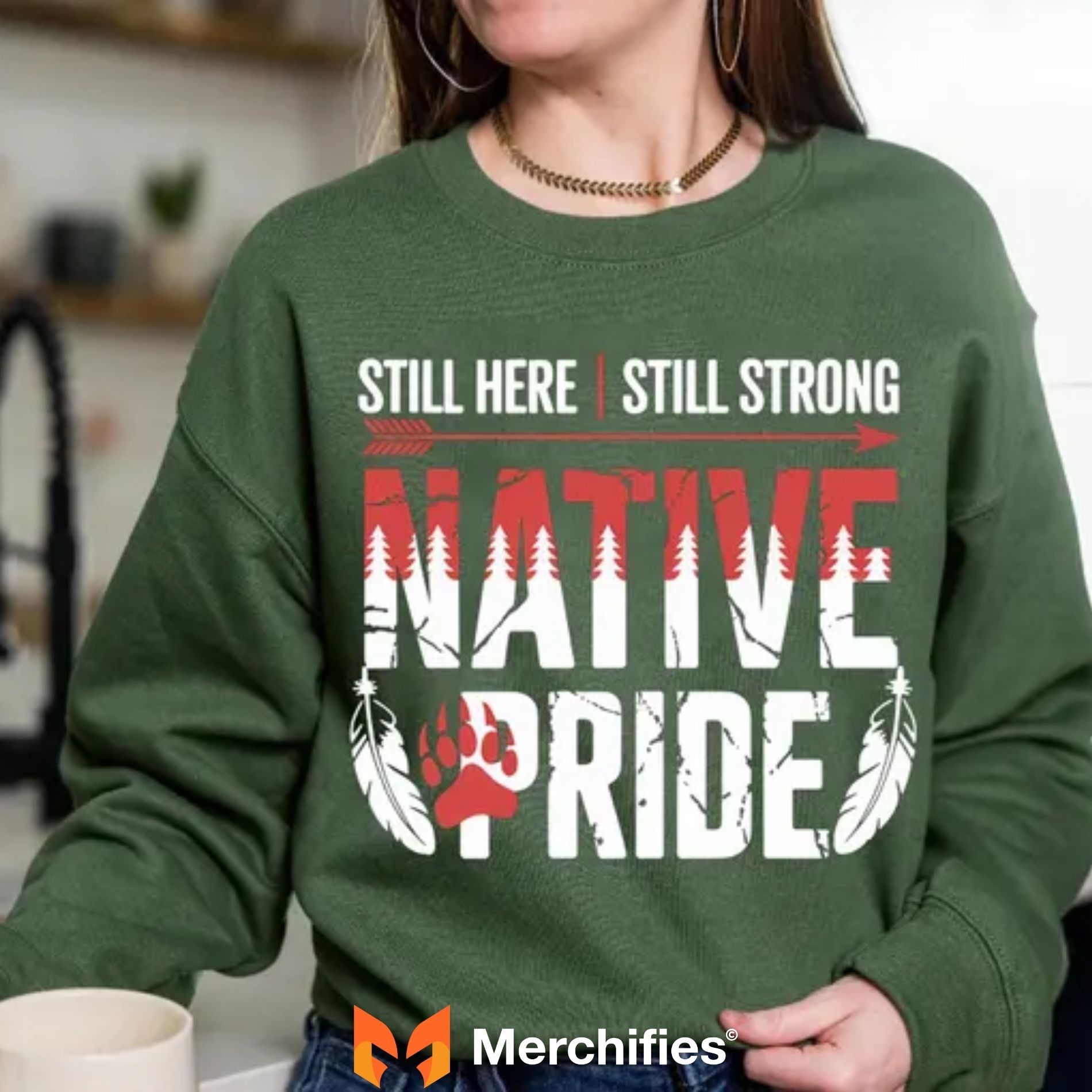
For Native individuals, wearing pride clothing is deeply personal. It's an affirmation of personal identity, a tangible connection to their ancestry, family, and tribal affiliation. These garments foster solidarity and unity at gatherings, protests, cultural events, and within everyday life. Beyond personal meaning, it serves as a visible means of educating non-Native people about Indigenous realities, resilience, and the ongoing vibrancy of their cultures.
For non-Native allies, the intention behind wearing such clothing is critical. It's essential to distinguish between genuine support and harmful appropriation.
Ensuring you are purchasing authentic Native American pride clothing is not just about quality; it's an ethical imperative.
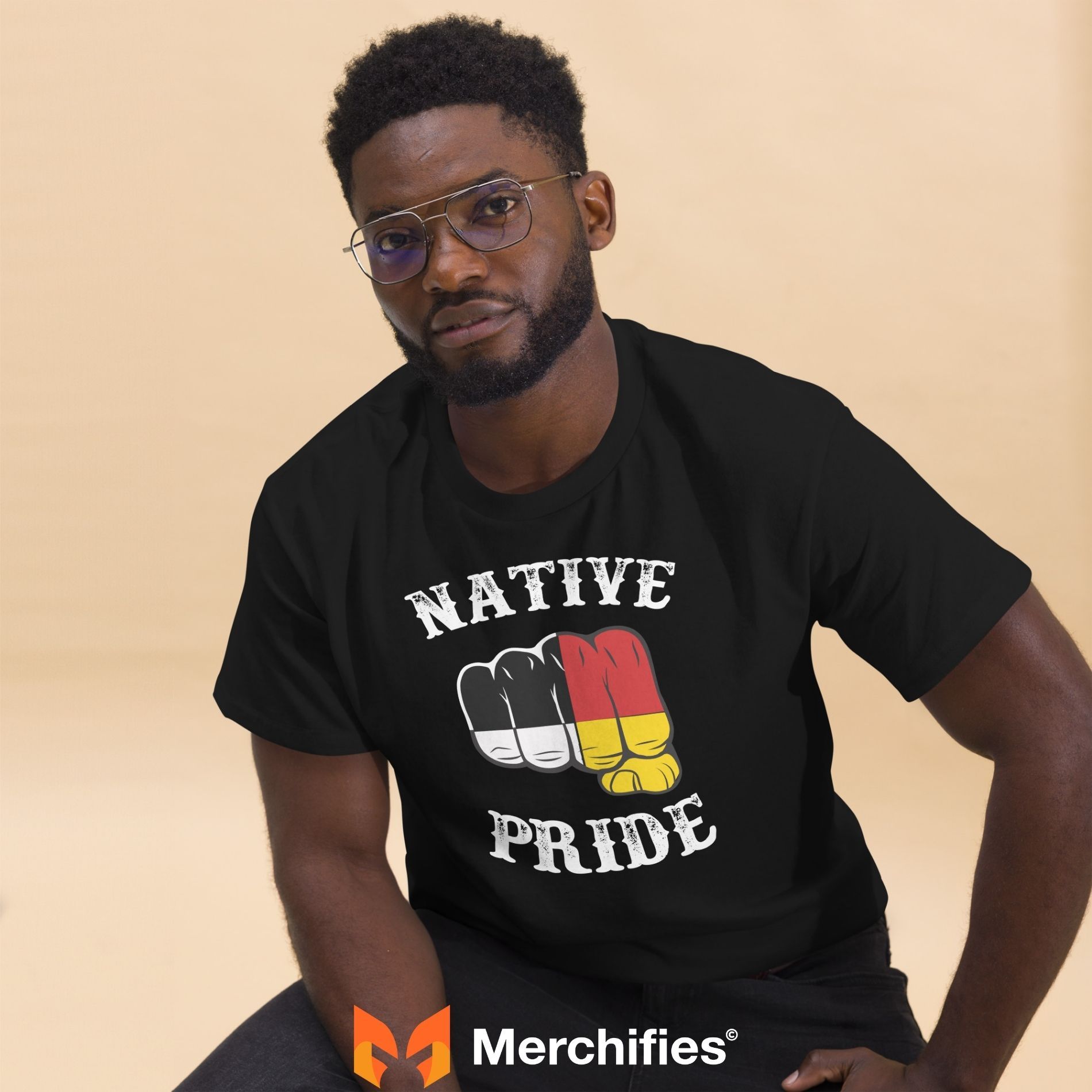
Prioritizing purchases from Native artists and Indigenous-owned businesses directly contributes to the economic empowerment of Indigenous communities. This ensures that creators are fairly compensated for their intellectual and cultural property, allowing them to sustain their craft and communities. It also helps maintain the integrity and authenticity of the designs and the cultural knowledge they represent.
In today's market, it can be challenging to distinguish between authentic indigenous clothing meaning and imitation products. Look for clear indications such as "Native Made," "Authentic Indigenous," or specific tribal affiliations mentioned by the artist or seller. Research the vendor: Are they Indigenous-owned? Do they work directly with Indigenous artists? Be wary of generic "tribal print" or "Southwestern" designs from mass retailers or marketplaces that often appropriate without respect, attribution, or financial return to Indigenous communities.
To ensure you're making an ethical purchase, ask yourself:
Ultimately, Native Pride clothing is far more than just fabric and ink; it is a profound statement of identity, resilience, and cultural continuity. These garments carry the weight of history and the hope for the future, serving as powerful reminders of the strength and spirit of Indigenous peoples. As we've explored, understanding its deep meaning and engaging with it ethically and respectfully is not just a gesture of goodwill but a crucial step towards fostering genuine respect and reconciliation. Evelyn Sage reminds us that true allyship involves continuous learning and active support for Indigenous peoples and their rich, vibrant cultural expressions. Let us continue to learn, support, and honor the enduring message of Native Pride.
-d4c38c342cdf20ca.jpeg)


-b555fcc6b204c456.jpeg)