-da0801079a650a2e.jpeg)
17 Year Anniversary Quotes: 110+ Funny, Romantic & Furniture Wishes (2026)
Mar, 12 2026

This guide examines how positive psychology strengthens relationships through gratitude, empathy, resilience, and meaningful communication. Discover practical insights that help couples and individuals build flourishing connections, enhance emotional well-being, and create healthier, more fulfilling bonds.

In the tapestry of human existence, few threads are as vital and vibrant as our connections with others. From the quiet solace of friendship to the profound depths of romantic love, relationships are the very bedrock upon which our lives are built. They offer comfort, challenge, joy, and growth, profoundly shaping our mental and physical well-being. As a lifestyle writer and emotional content curator, I’ve spent years exploring the intricate tapestry of human connection, often delving into the tender, sometimes unspoken side of love. It’s clear to me, and to many experts, that our relationships form the bedrock of our existence, influencing everything from daily mood to life satisfaction.
This is where positive psychology enters the picture. Often misunderstood as simply "thinking happy thoughts," positive psychology is, in fact, the scientific study of human flourishing. It’s a field dedicated to understanding what makes individuals and communities thrive, focusing on strengths, virtues, and optimal functioning rather than just pathology. When we speak of healthy, positive relationships, we envision connections built on trust, mutual support, emotional understanding, and shared growth. This article aims to explore the profound and practical relationship with positive psychology in building, enhancing, and sustaining fulfilling connections in various aspects of life. You’ll learn about core concepts from this scientific field, discover practical strategies, and understand the deep benefits that arise when we apply these insights to our most cherished bonds.
Before we dive into the specific ways positive psychology nurtures our connections, it’s essential to lay a solid foundation. Understanding this field is key to appreciating its powerful relationship with positive psychology itself and its applications.
Historically, psychology often concentrated on understanding and treating mental illness and dysfunction. While this work remains crucial, positive psychology emerged from the recognition that an exclusive focus on what goes wrong misses half the picture of human experience. Pioneers like Martin Seligman advocated for a shift, urging psychology to also study what makes life worth living—to understand and foster strengths, virtues, and happiness. It’s about moving beyond merely surviving to truly flourishing, not ignoring pain, but building resilience and well-being.
Positive psychology offers a framework built on several key concepts that are incredibly relevant to our relationships:
These pillars provide the lens through which we can begin to understand and cultivate more fulfilling connections, setting the stage for exploring the core relationship with positive psychology and its practical applications.

To fully grasp the relationship with positive psychology with our connections, we must first define what constitutes a "positive relationship." It’s more than just the absence of conflict; it’s about active growth and mutual support.
A truly positive relationship is characterized by a rich interplay of elements that foster security, growth, and joy. Key characteristics include:
The impact of positive relationships extends far beyond mere social interaction; they are fundamental to our overall well-being, playing a pivotal role in our mental, physical, and emotional health. Lily Bennett often reflects on how even in moments of quiet heartbreak or fading connections, understanding the components of healthy connection can guide us back to emotional balance.
The depth of this impact reinforces why cultivating positive relationships is not just a pleasant aspect of life, but a fundamental human need that resonates deeply with the goals of positive psychology.

This is where the magic truly happens—understanding the direct, synergistic relationship with positive psychology and our connections. Positive psychology doesn't just theorize about well-being; it offers practical tools that can actively transform how we interact with others.
One of the most powerful shifts positive psychology introduces is focusing on strengths rather than perceived flaws. In relationships, it’s easy to fall into a pattern of critiquing what’s missing or what bothers us. However, actively identifying and appreciating the strengths in our partners, friends, family, or students can fundamentally alter dynamics. Even when navigating emotional distance, as Lily Bennett's work often illuminates, recognizing underlying strengths—like resilience, kindness, or humor—can be the first step towards healing or finding peace.
Effective communication is the lifeblood of any positive relationship. Positive psychology provides frameworks that enhance communication and deepen emotional intimacy:
Gratitude and kindness are powerful currencies in the economy of relationships.
No relationship is without its bumps. Positive psychology equips us with tools to navigate these challenges with grace and growth.
This section vividly illustrates the intricate relationship with positive psychology, offering both conceptual understanding and actionable advice for a more fulfilling life.

Understanding the theory is one thing; putting it into practice is another. Here are concrete, actionable strategies to leverage positive psychology in different relational contexts, illustrating the hands-on relationship with positive psychology in daily life.
Whether with a partner, family member, or close friend, these strategies can deepen intimacy and connection:
Positive psychology also has a powerful relationship with positive psychology in educational settings, fostering a supportive learning environment:
These are broader applications that can benefit all your relationships:
By consciously integrating these strategies, you actively nurture the relationship with positive psychology in your life, leading to richer, more resilient connections.
The relationship with positive psychology is not just about making our social lives a little nicer; it has profound implications for our overall mental and physical health, reinforcing its significance as a topic.
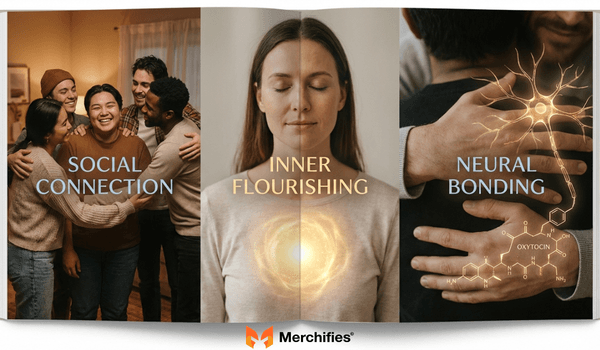
Robust, positive social ties act as a powerful buffer against many mental health challenges. Strong social support networks significantly reduce the risk of depression, anxiety, and even the severity of traumatic stress. Knowing you have people who care, who will listen, and who will support you provides a crucial sense of security and belonging. This protection is especially vital during difficult life transitions or periods of adversity.
Beyond merely preventing illness, positive relationships are direct contributors to psychological well-being. They are strongly linked to higher levels of life satisfaction, happiness, and a sense of purpose. When we feel deeply connected, understood, and loved, our overall sense of contentment and meaning in life significantly increases. This is a core tenet of positive psychology – that flourishing includes not just individual achievements but also thriving in our connections with others.
The benefits of positive social interaction aren't just psychological; they're physiological. Engaging in positive social interactions, like a warm embrace or a heartfelt conversation, triggers the release of oxytocin, often called the "love hormone." This neurochemical plays a vital role in bonding, trust, and empathy, reducing stress and promoting feelings of calm and well-being. Our brains are wired for connection, and positive relationships literally make us healthier and happier on a biological level. This scientific backing further solidifies the crucial relationship with positive psychology and our innate need for connection.
In summary, the relationship with positive psychology and our interpersonal connections is a dynamic and profoundly beneficial one. Positive psychology offers an invaluable toolkit for understanding, building, and enhancing all types of relationships – from romantic partnerships and family bonds to friendships and educational environments. By consciously applying principles like strength-spotting, empathetic communication, gratitude, and forgiveness, we can transform our interactions and cultivate deeper, more meaningful connections.
The journey of nurturing relationships is ongoing; it requires consistent effort, patience, and a willingness to grow. As I, Lily Bennett, have learned through countless reflections on longing and loss, the journey of cultivating positive relationships is continuous. It’s about finding comfort, clarity, and balance, even when the path is not always easy. I encourage you to choose one or two strategies from this article and commit to integrating them into your life starting today. The lasting impact of investing in positive connections for your personal well-being and the collective flourishing of your community is immeasurable. Your investment in these vital bonds will yield a life rich in connection, resilience, and profound joy.
-d4c38c342cdf20ca.jpeg)


-b555fcc6b204c456.jpeg)