-da0801079a650a2e.jpeg)
17 Year Anniversary Quotes: 110+ Funny, Romantic & Furniture Wishes (2026)
Mar, 12 2026

Explore the deep symbolism behind colors and patterns in Native art — uncover how each hue and design reflects tradition, spirituality, and Indigenous cultural identity.
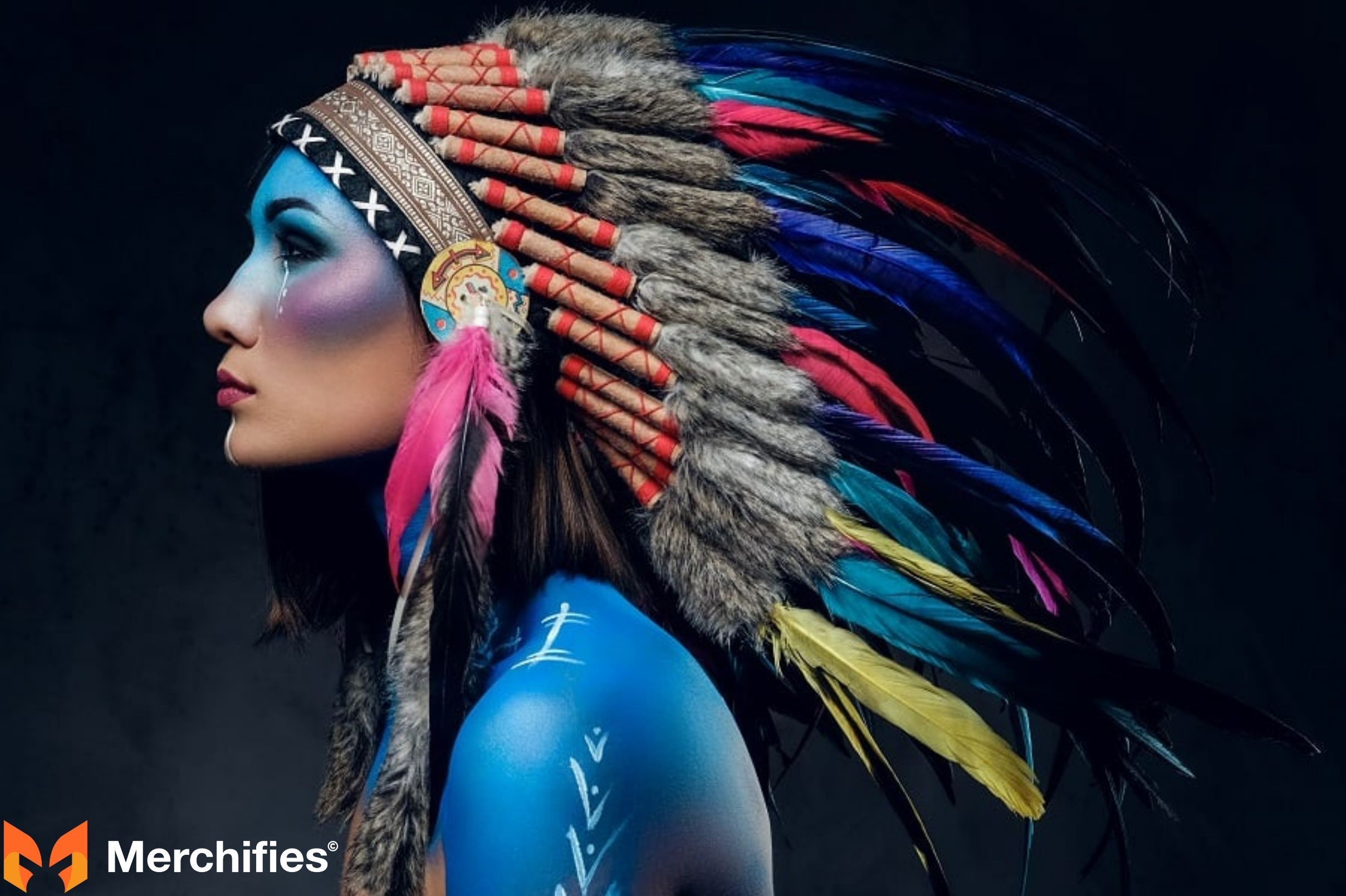
Native American art is far more than just visually captivating; it's a profound narrative, a spiritual language, and a historical record woven into every stitch, painted stroke, and carved line. From the intricate patterns of a Navajo rug to the vibrant beadwork of a Lakota vest, each element tells a story, carrying centuries of wisdom and cultural heritage. This article aims to explore the deep significance behind common Native American colors meaning and recurring tribal design elements, emphasizing their spiritual, cultural, and historical roots. As Evelyn Sage, a recognized expert in this field, shares, understanding these symbolic layers is crucial for appreciating the true artistry and depth of Indigenous cultures.
It's crucial to state upfront: there is no single "Native American" meaning for colors or designs. North America is home to hundreds of distinct Native American tribes and nations, each with its unique traditions, spiritual beliefs, and artistic expressions. While common themes and regional variations exist, attributing a universal meaning would be a disservice to their incredible diversity. What readers will learn here is a general overview and an invitation to delve deeper, fostering cultural understanding and promoting respectful appreciation for these invaluable traditions. Our exploration of native american colors meaning and tribal design elements will highlight the indigenous art symbolism that defines these rich traditions.
Colors in Native American art are not merely aesthetic choices; they are powerful carriers of spiritual, natural, and social meanings, often tied to the four directions, celestial bodies, and earthly elements. The pigments themselves, traditionally derived from plants, minerals, and earth, held inherent power and connection to the land.
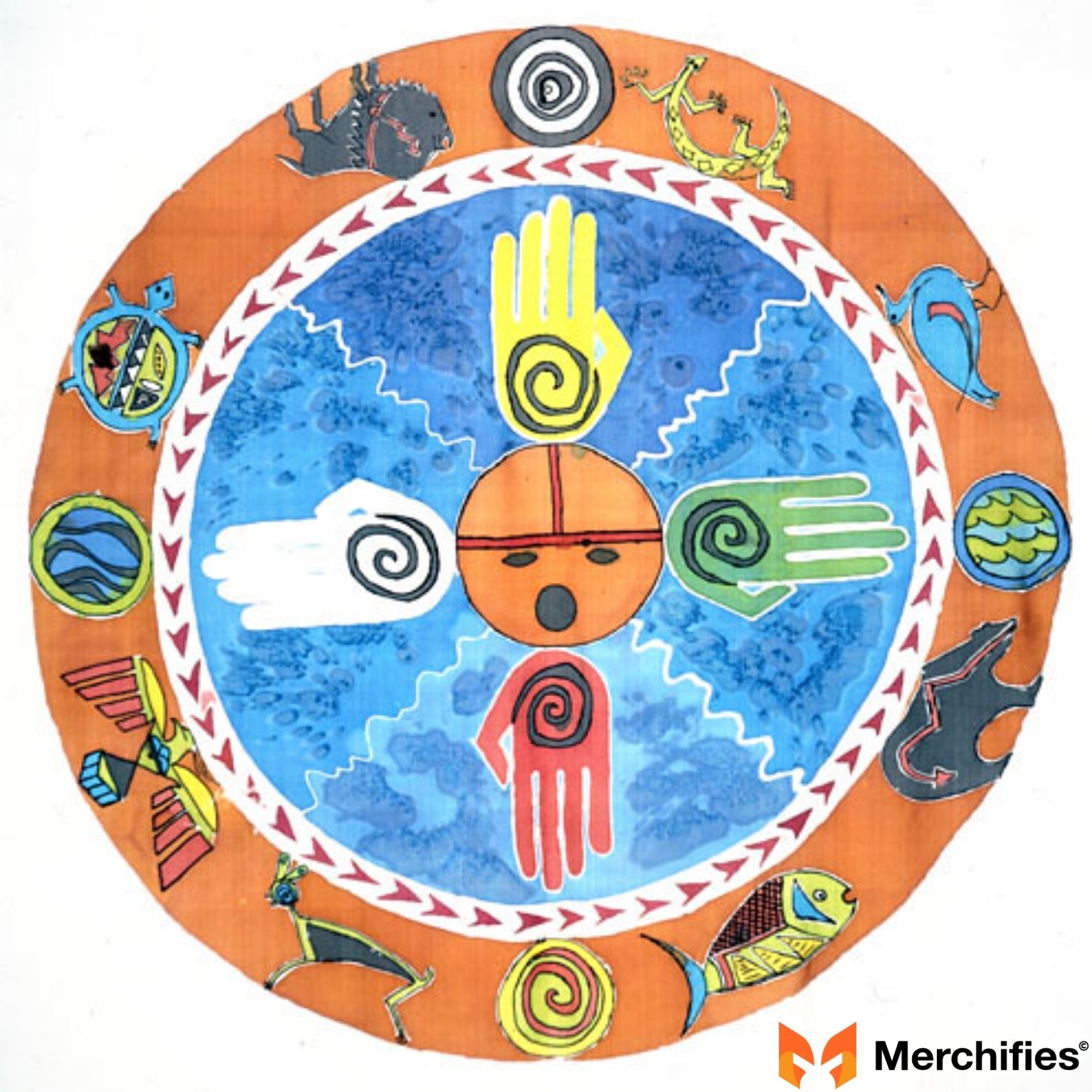
Red, a color of immense vitality, frequently symbolizes blood, earth, passion, power, and life itself. Across many tribes, it represents courage, sacrifice, and strength, often used in sacred ceremonies to invoke protection or celebrate creation. For some Plains tribes, red might signify war or bravery, while in other contexts, it connects to the life-giving warmth of the sun or the fertile earth. Understanding the native american red meaning often involves recognizing its dynamic and active energy within symbolism of red in tribal art.
Blue is consistently associated with the sky, water, and the spirit world. It evokes healing, peace, wisdom, and introspection. Many cultures see blue as a protective color, guarding against evil or bringing hope. The vastness of the heavens and the life-giving nature of water make blue a deeply spiritual color, sometimes linked to distant lands or powerful ancestral spirits. Exploring native american blue meaning connects us to the tranquility and depth of tribal blue symbolism.
Radiant yellow commonly represents the sun, enlightenment, warmth, and happiness. It’s a color of good fortune, healing, and new beginnings, mirroring the sunrise and the promise of a new day. For some, yellow also signifies knowledge, intellect, or spiritual awareness. The native american yellow meaning often embodies the light and optimism found within the symbolism of yellow indigenous art.
White carries associations of purity, peace, and spirituality. It often represents the spirit world, death, and rebirth, as well as the cleanliness of winter or fresh starts. In many traditions, white is sacred, used in ceremonies to invoke ancestral spirits or signify balance. While sometimes associated with mourning, it is more broadly understood as a symbol of transformation and the sacredness of life's cycles. When we examine native american white meaning, we delve into the profound significance of tribal white symbolism.
Black is frequently associated with the night, mystery, and protection. It can represent the unknown, the underworld, or a powerful source of spiritual energy and strength. Often paired with other colors for contrast and depth, black can symbolize a vision quest, a time of introspection, or a serious, foundational element. The native american black meaning delves into concepts of power and enigma, central to the symbolism of black tribal designs.
Green is the color of Mother Earth, symbolizing nature, healing, growth, and abundance. It speaks of fertility, harmony with the environment, and the potent power of medicinal plants. For tribes deeply connected to their natural surroundings, green reinforces the life-sustaining bond with the land. The native american green meaning reminds us of the profound link to the environment through tribal green symbolism.
While red, blue, yellow, white, black, and green are foundational, other colors also hold meaning. Orange is often linked to sunset, courage, and warmth. Brown signifies earth, connection to the land, stability, and home. Purple, while less traditional in historic contexts, has become a modern symbol of wisdom, power, and sacredness, reflecting evolving native american color symbolism and indigenous color meanings.
Beyond the vibrant palette, the shapes, patterns, and figures in Native American art form a sophisticated visual language. These tribal design elements are not random decorations; they tell stories, convey beliefs, connect generations, and encapsulate the very essence of a people's worldview.
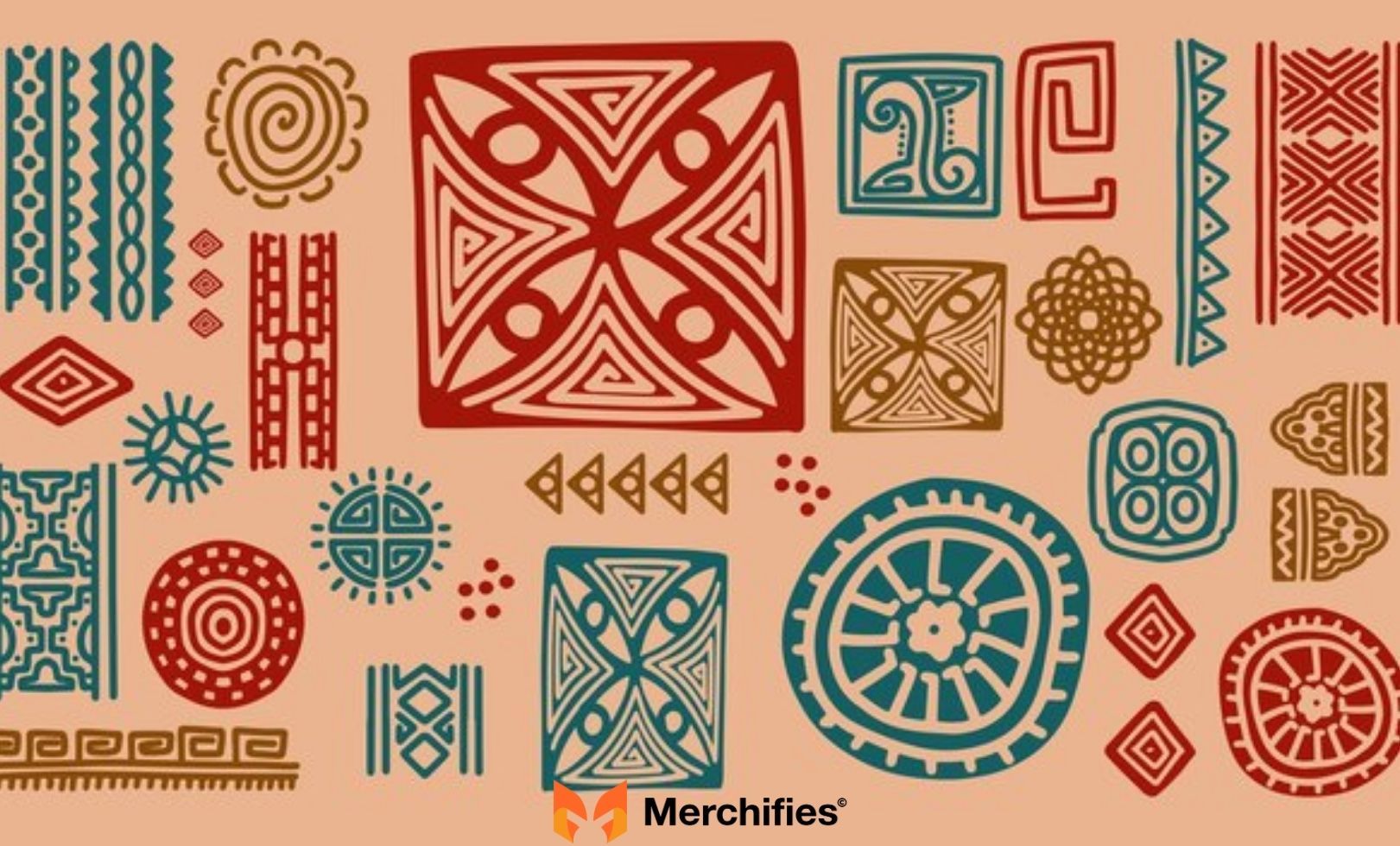
Geometric designs are fundamental, representing order, precision, and foundational truths.
Animals are revered as spirit guides and embody specific qualities, often appearing in native american animal symbolism.
The cosmos and natural environment are deeply interwoven into native american nature symbolism.

Stylized human or anthropomorphic figures often represent shamans, ancestors, guardians, community members, or mythical beings.
Hands: Can symbolize giving, receiving, protection, or communication. These native american human figures often represent tribal ancestral designs, linking past, present, and future.
The concept of the Four Directions (East, South, West, North) is central to many Native American worldviews. Each direction is often associated with specific colors, elements, and meanings, forming the basis of concepts like the medicine wheel, which represents harmony, balance, and the interconnectedness of life. This four directions symbolism is fundamental to native American directional meaning.
Cultural Sensitivity & Respectful Interpretation: Approaching Indigenous Art
Approaching Indigenous art with respect and an understanding of its context is paramount. As Evelyn Sage often emphasizes, genuine appreciation starts with education.
Emphasis on Diversity: Reiterate that meanings and designs vary significantly between tribes. A design element used by the Navajo Nation might have a different or even opposing meaning for the Lakota, Cherokee, Pueblo, or Haida people. Always seek specific tribal contexts and avoid generalizations.
Understanding vs. Appropriation: It's vital to differentiate between respectful appreciation and cultural appropriation. Simply copying designs for aesthetic purposes without understanding, permission, or credit is harmful. It disrespects the intellectual property, spiritual significance, and cultural heritage embedded within these designs. Appropriation often commodifies and trivializes sacred symbols, detaching them from their original meaning and context.
Ethical Sourcing & Support: To truly honor respect indigenous designs, readers should actively seek out and support authentic Indigenous artists and businesses. Purchasing directly from Native creators ensures that the economic benefits go back to the communities that sustain these traditions.
Learning & Listening: Promote ongoing education from Indigenous voices, sources, and communities themselves. Engage with tribal websites, cultural centers, museums, and Indigenous authors to deepen your knowledge responsibly. Understanding cultural appropriation native American art and embracing indigenous art ethics are key to respecting diverse tribal meanings.
The vibrant world of native american colors meaning and tribal design elements manifests across a myriad of artistic expressions.
Traditional Arts: These profound designs and color meanings are traditionally seen in:

Modern Interpretations: Contemporary Indigenous artists continue to evolve traditional forms, injecting fresh perspectives while maintaining cultural integrity. These elements might appear in modern contexts like fashion, graphic design, and fine art, but critically, they are created by or in direct collaboration with Indigenous people. This ensures the ongoing vitality and respectful evolution of indigenous design applications.
Our journey into native american colors meaning and tribal design elements reveals an incredibly rich and diverse tapestry of human creativity, spirituality, and historical narrative. Each color, pattern, and motif is a testament to the enduring wisdom and profound connection Indigenous peoples have with their world. The indigenous art symbolism we've explored underscores that these are not mere decorations but potent carriers of cultural identity, spiritual truth, and ancestral stories.
The tribal design legacy is a living, breathing tradition that continues to inspire and educate. As Evelyn Sage reminds us, our responsibility is to approach this art with deep respect, humility, and a commitment to learning from the true custodians of these invaluable cultural treasures. By supporting Indigenous artists, respecting their intellectual property, and engaging with their stories, we can foster genuine indigenous art appreciation and ensure this vital heritage thrives for generations to come.
There isn't a single "most sacred" color across all Native American cultures due to their vast diversity. However, colors like white (purity, spirit), blue (sky, water, healing), and red (life, earth, power) frequently hold deep spiritual significance and are central to many tribal worldviews and ceremonies.
While inspiration can come from many sources, directly copying tribal design elements or patterns without permission, understanding, or attribution is generally considered cultural appropriation. It's best to avoid using specific Indigenous designs unless you are Indigenous yourself, have received explicit permission, or are collaborating directly with Indigenous artists or communities. Instead, focus on respectful appreciation, supporting Indigenous creators, and learning from their rich artistic traditions.
No, all Native American tribes do not use the same color meanings. While some general themes might be shared (e.g., blue for sky, green for earth), specific interpretations, directional associations, and nuanced symbolism vary significantly from tribe to tribe. For example, the meaning of a particular color in Navajo art might differ from its meaning in Cherokee or Lakota art.
Some common indigenous patterns meaning include:
To learn more about a specific tribe's art and symbolism, seek out direct resources. Visit tribal websites, cultural centers, and museums dedicated to Indigenous art. Read books by Indigenous authors and scholars. Engaging with these authentic sources ensures you receive accurate and respectful information, fostering a deeper understanding of native american symbolism FAQ and native american design shirts questions.
-d4c38c342cdf20ca.jpeg)


-b555fcc6b204c456.jpeg)