 Worldwide Shipping
 Secure Payments
 Free Return
 Local Support


-da0801079a650a2e.jpeg)
17 Year Anniversary Quotes: 110+ Funny, Romantic & Furniture Wishes (2026)
Mar, 12 2026
Explore the history of truck shirts from the 1940s to 2025. Discover how trucker apparel evolved into a symbol of freedom, grit, and American pride.

Walk into any truck stop in 1975, and you'd see a uniform: mesh-back caps with feed logos, worn denim jackets, red plaid flannel. Today, those same items sell in Brooklyn boutiques for $300.
The history of truck shirts tells America's working-class story. Free promotional giveaways became cultural icons. Practical workwear transformed into fashion statements. From CB radio golden age to modern streetwear, trucker apparel survived eight decades of change.
This guide covers the evolution of trucker apparel through key items, cultural moments, and style shifts. You'll discover why mesh-back caps were free in 1970 but cost $200 today, how denim jackets earned the "trucker" name, and where to find authentic vintage gear.
Trucker t shirts started as functional gear solving real problems for long-haul drivers.
Mesh-back trucker hats kept drivers cool during summer hauls. Foam front panels displayed company logos. Snapback adjustment fit any head size. Originally free promotional giveaways from feed stores and trucking companies in the 1960s-1970s.
Denim trucker jackets featured shorter hems that didn't bunch when sitting for 12-hour shifts. The Levi's 506 "Blouse" from 1905 had roomier fits for steering and gear shifting. Single chest pockets held logbooks and pens.
Plaid flannel shirts hid grease stains and dirt. Dark patterns concealed truck stop coffee spills better than solid colors. Heavy cotton flannel worked in varying climates from Montana winters to Texas summers.
Work boots with steel toes protected feet during cargo loading. Oil-resistant soles prevented slipping on diesel-covered truck stop floors.
These weren't fashion choices—they were survival gear. The history of truck shirts began with necessity, not style.
Drivers in the 1940s wore whatever they owned—often threadbare dress clothes. The 1940 film "They Drive by Night" showed Humphrey Bogart as a struggling trucker during the Great Depression.
By the 1950s, drivers earned respect as "Knights of the Road." They helped stranded travelers and represented freedom from office jobs. Levi's denim jackets appeared more frequently because the shorter hem worked in truck cabs. Plaid flannel concealed inevitable stains.
No uniform existed yet—just practical choices building the foundation for trucker style.
Everything exploded. This was peak trucker culture.
1960s: Feed stores gave away mesh-back caps with company logos—John Deere, Pioneer Seeds, local trucking lines. Free advertisements drivers actually wanted because mesh backs provided ventilation.
1963: "Six Days on the Road" by Dave Dudley glorified trucker lifestyle in song.
1970s: CB radios became lifestyle symbols. Truckers warned each other about speed traps using CB slang—"10-4," "Smokey," "Good Buddy." Regular Americans bought CBs for their cars and adopted the language.
Fashion uniform emerged: Trucker hat, denim jacket, plaid shirt, CB radio. Middle-class Americans wore this during the "urban cowboy craze."
Films amplified everything:
Burt Reynolds made trucker style sexy. Millions who'd never driven trucks adopted the look.
The Motor Carrier Act deregulated trucking, creating massive demand for long-haul drivers. Films like "Over The Top" (Stallone) romanticized truckers. Media consistently showed drivers wearing denim jackets.
The term "trucker jacket" replaced "denim jacket" in popular vocabulary. The shorter hem worked for sitting work—truck cabs or regular car commutes.
Fashion expanded: leather vests, oversized belt buckles, aviator sunglasses. The style became independent from actual trucking work.

The 1990s weren't kind to trucker culture. Media turned negative—1991's "Thelma & Louise" featured a harassing trucker. FBI serial killer investigations reinforced stereotypes.
Trucker fashion went dormant. Only actual drivers wore the gear. The American Trucking Associations launched image campaigns, even changing "Truck Rodeo" to "Driving Championship."
But underground, vintage collectors started valuing authentic 1970s trucker hats. Deadstock promotional caps from defunct companies gained value as American working-class artifacts.
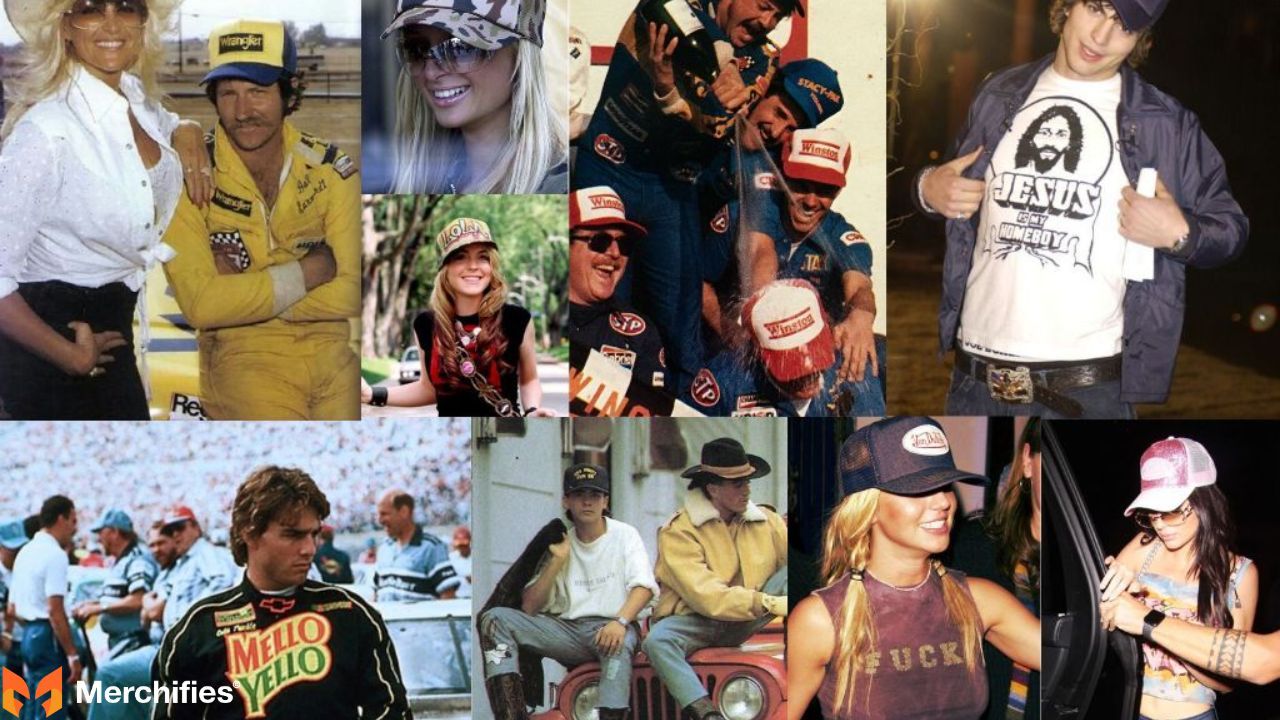
Trucker hats suddenly became the hottest fashion item. Von Dutch made mesh-back caps trendy. Celebrities like Ashton Kutcher, Paris Hilton, and Pharrell Williams wore them constantly.
Pop-punk bands and hip-hop artists adopted the style. Suburban teens bought trucker hats for $40-60 at boutiques. Items that were free 30 years earlier now sold at premium prices.
This was peak Y2K fashion—ironic, retro, disconnected from actual trucker culture. But the revival was real.
Modern trucker fashion respects working-class origins. Vintage 1970s trucker hats sell for $50-200. Collectors seek authentic promotional caps from real companies.
Heritage brands emerged. Taylor Stitch created "The Long Haul Jacket" using vintage Levi's 506 patterns. Iron Heart makes trucker jackets with 21-ounce selvage denim designed to last 20+ years.
Gender barriers fell. Women's trucker fashion lines offer proper fits. Sustainable brands embrace the "buy it for life" philosophy.
Instagram and TikTok show new generations styling vintage trucker aesthetics—but with genuine respect for origins, not mockery.
The evolution of trucker apparel has come full circle.
1960s-1970s: Companies gave away caps with logos. Truckers wore them because mesh backs kept heads cool.
1980s-1990s: Faded from mainstream as trucker culture declined.
2000s: Von Dutch made them $40-60 fashion items. Celebrities wore them.
2010s-2025: Vintage authentic caps sell for $50-200. Deadstock promotional items from defunct companies command premium prices.
Why it lasts: The design works. Mesh provides genuine ventilation. Foam front holds shape. Good design never dies.

1905: Levi Strauss created the "Levi Blouse" (model 506) for cowboys and railroad workers. Shorter hem prevented bunching on horseback—later perfect for truck cabs.
1940s: Bing Crosby made denim jackets socially acceptable, coining "Canadian tuxedo."
1960s-1970s: Hippies and truckers both wore them for different reasons.
1980s: Got the "trucker jacket" name as the style became permanently associated with drivers.
2025: Heritage brands reproduce original patterns. Vintage 1960s-1970s Levi's jackets sell for $200-500.
Why it lasts: Perfect length for sitting. Durable denim. Timeless style.
Plaid hides dirt, grease, and stains. Dark patterns like red/black buffalo check concealed everything. Heavy cotton flannel provided warmth in varying climates.
1970s: Essential trucker uniform.
1990s: Grunge movement adopted it.
2010s: Hipster revival.
2025: Works for actual workers and fashion consumers alike.

1970s: Truckers warned each other about police using CB slang. Regular Americans bought CBs for their cars and learned the language. Having a CB antenna signaled belonging.
1976: "Convoy" song made CB culture mainstream.
1990s: Cell phones made them obsolete.
2025: Vintage CBs are nostalgic collectibles.
Originally WWII pilot gear. Truckers needed serious eye protection for highway glare. Aviators blocked light from multiple angles and looked tough.
1977: "Smokey and the Bandit" featured Burt Reynolds in aviators constantly.
1986: "Top Gun" made them mainstream fashion.
2025: Still part of trucker aesthetic.
$12.79
$22.79
43% off
$12.79
$22.79
43% off
$12.79
$22.79
43% off
$12.79
$22.79
43% off
$12.79
$22.79
43% off
$12.79
$22.79
43% off
$12.79
$22.79
43% off
$12.79
$22.79
43% off
$12.79
$22.79
43% off
$12.79
$22.79
43% off
$12.79
$22.79
43% off
$12.79
$22.79
43% off
$12.79
$22.79
43% off
$12.79
$22.79
43% off
$12.79
$22.79
43% off
$12.79
$22.79
43% off
$12.79
$22.79
43% off
$12.79
$22.79
43% off
$12.79
$22.79
43% off
$12.79
$22.79
43% off
$12.79
$22.79
43% off
$12.79
$22.79
43% off
$12.79
$22.79
43% off
$12.79
$22.79
43% off
$12.79
$22.79
43% off
$12.79
$22.79
43% off
$12.79
$22.79
43% off
$12.79
$22.79
43% off
$12.79
$22.79
43% off
$12.79
$22.79
43% off
$12.79
$22.79
43% off
$12.79
$22.79
43% off
$12.79
$22.79
43% off
$12.79
$22.79
43% off
$12.79
$22.79
43% off
$12.79
$22.79
43% off
$12.79
$22.79
43% off
$12.79
$22.79
43% off
$12.79
$22.79
43% off
$12.79
$22.79
43% off
$12.79
$22.79
43% off
$12.79
$22.79
43% off
$12.79
$22.79
43% off
$12.79
$22.79
43% off
$12.79
$22.79
43% off
$12.79
$22.79
43% off
$12.79
$22.79
43% off
$12.79
$22.79
43% off
$12.79
$22.79
43% off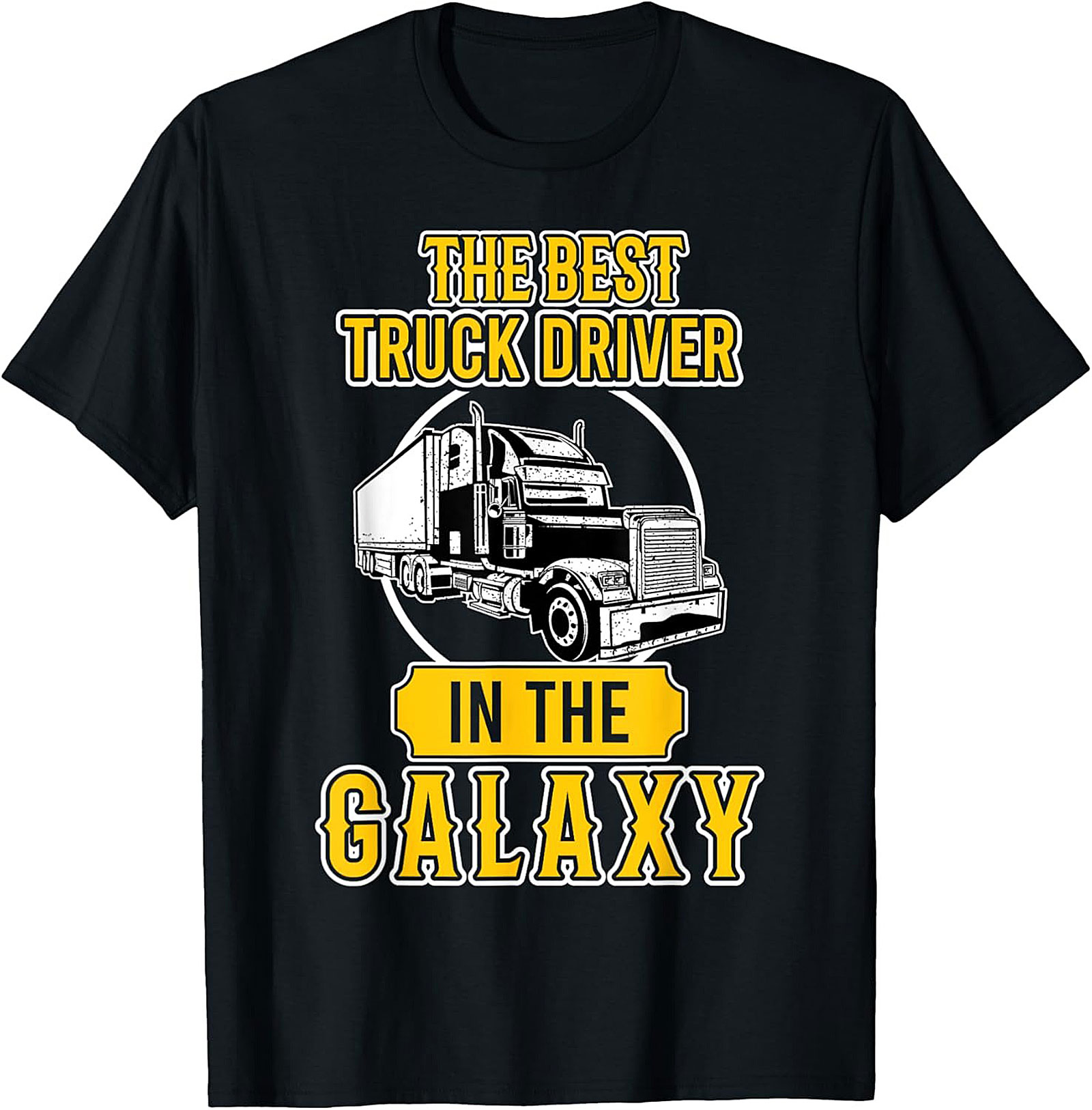
$12.79
$22.79
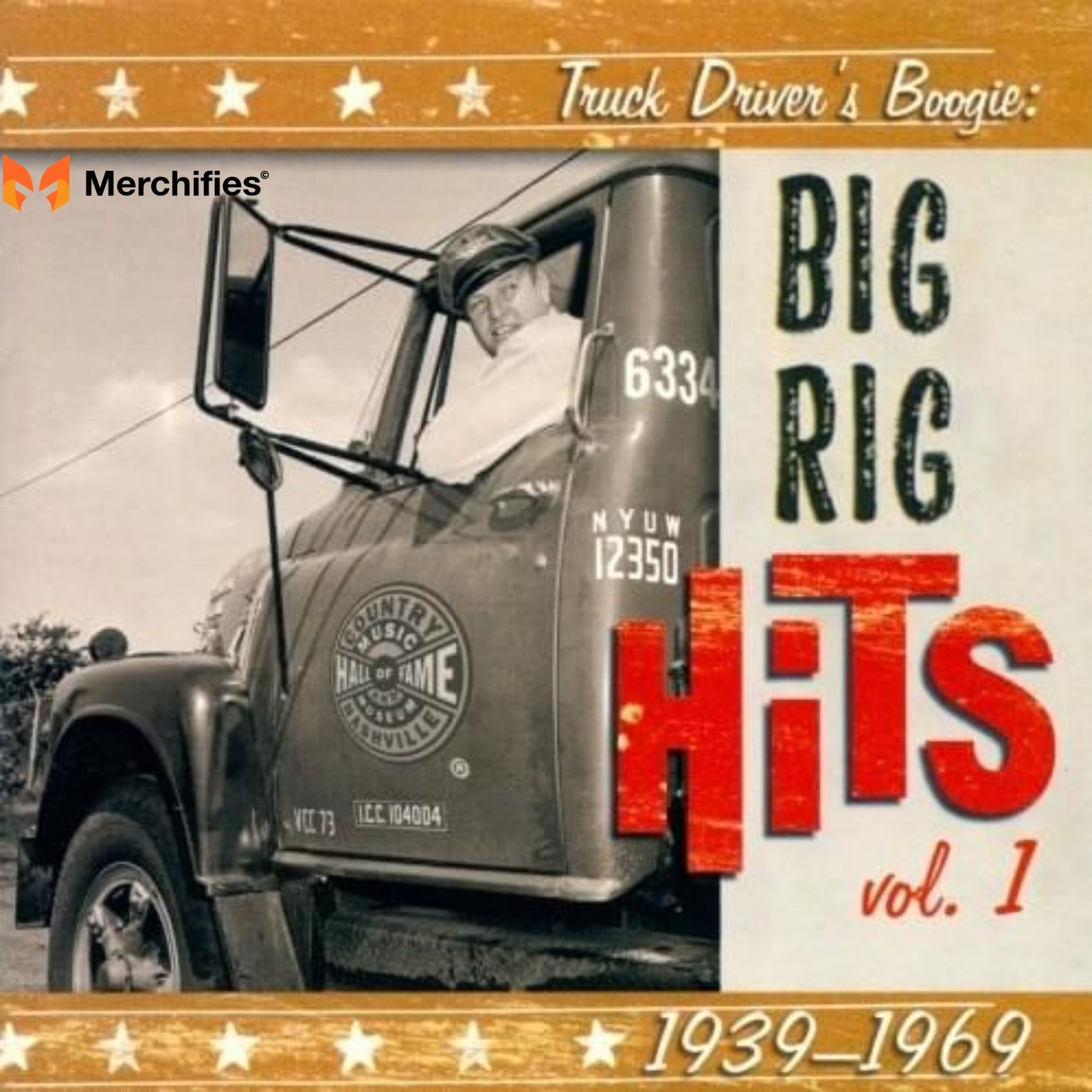
43% off1939: "Truck Driver's Blues" was the first trucker song.
1963: "Six Days on the Road" by Dave Dudley captured trucker masculinity.
1976: "Convoy" by C.W. McCall hit #1 on Billboard.
Country music historian Bill Malone noted trucking songs became "the largest component of work songs in country music." More than coal miners, railroad workers, or cowboys.
When country stars wore trucker hats and denim on stage, fans copied the look. Music created fashion demand.
"White Line Fever" (1975): Established the modern cowboy/trucker connection. Vietnam vet takes over father's trucking business wearing classic denim and plaid.
"Smokey and the Bandit" (1977): Burt Reynolds made trucker style sexy. 3rd highest-grossing film that year. Denim jacket, aviators, rebellious attitude. Millions adopted the Bandit look.
"Convoy" (1978): Based on the #1 song. Kris Kristofferson as defiant trucker. Inspired real trucker strikes during 1979 energy crisis.
These films created the trucker uniform: denim jacket, trucker hat, aviators, plaid shirt, boots.
Authentic 1970s trucker hats with original company logos sell for $50-200. Collectors value genuine promotional items from real businesses—not reproductions. A deadstock cap from a defunct Missouri feed store might fetch $150.
Vintage Levi's Type II or III jackets from the 1960s-1970s command $200-500 depending on condition.
Taylor Stitch "Long Haul Jacket": Modern trucker jackets using vintage patterns. $198-298. Designed to last 20+ years.
Iron Heart: Japanese brand making trucker jackets with 21-ounce selvage denim. $400-600. Takes months to break in but lasts decades.
These aren't fast fashion. They honor the original "buy it for life" trucker philosophy.
Women's trucker fashion lines now offer proper fits. Female truckers finally have gear designed for their proportions.
Sustainable brands like Patagonia create trucker-inspired apparel using recycled materials. The durable workwear philosophy aligns with environmental concerns.
Authenticity: Trucker gear represents real working-class culture with genuine history. Each vintage hat tells a specific story. That authenticity can't be faked.
Rebellion: 1970s truckers used CBs to evade police, organized protests, lived by their own rules. Wearing trucker fashion signals "I don't follow the crowd."
Nostalgia: The 1970s represent pre-digital freedom. Truckers navigated with paper maps, communicated via CB radio, lived without screens. Trucker apparel evokes that simpler era.
Etsy: Search "vintage trucker hat 1970s" or "authentic feed cap." $30-150 depending on rarity.
eBay: Deadstock promotional items. $25-500 depending on item.
Grailed: Authenticated vintage pieces. $100-800.
Local thrift stores: Best deals in rural trucking-heavy states like Texas, Oklahoma, Wyoming. $5-50 for lucky finds.
Taylor Stitch: The Long Haul Jacket, $198-298
Iron Heart: Premium selvage denim jackets, $400-600
Pointer Brand: Affordable heritage jackets, $120-180
Check for genuine wear patterns, not artificial distressing. Look for original company logos from real businesses. Verify heavy fabric quality—12+ ounce denim, thick flannel. Avoid cheap reproductions.
The history of truck shirts spans eight decades. From practical 1940s workwear to 1970s cultural symbols to 2000s fashion revivals, trucker apparel survived economic changes and multiple fashion cycles.
Today's trucker fashion honors authentic origins. Vintage collectors preserve working-class artifacts. Heritage brands reproduce quality designs. Sustainable movements align with the original "buy it for life" philosophy.
The evolution of trucker apparel reflects America's relationship with working-class culture. We romanticize it in films. We forget it during boom times. We rediscover it when searching for meaning. We preserve it as heritage.
Whether you're wearing a vintage 1975 feed cap or a modern Taylor Stitch jacket, you're carrying forward the spirit of drivers who built American commerce. From free giveaways to $300 heritage pieces, trucker apparel's journey tells what we value and preserve.
That 1970s trucker who grabbed a free cap never imagined it would become a $200 collectible. But good design endures. Real culture persists. Authentic stories always find their audience.
The road continues. The fashion evolves. The heritage remains.
-d4c38c342cdf20ca.jpeg)


-b555fcc6b204c456.jpeg)