 Worldwide Shipping
 Secure Payments
 Free Return
 Local Support
-da0801079a650a2e.jpeg)
17 Year Anniversary Quotes: 110+ Funny, Romantic & Furniture Wishes (2026)
Mar, 12 2026
This comprehensive guide traces the history of graphic tees from their origins as military undershirts to modern artistic and cultural icons. Discover how they evolved into bold fashion statements, tools of self-expression, and influential pieces in global streetwear and pop culture.
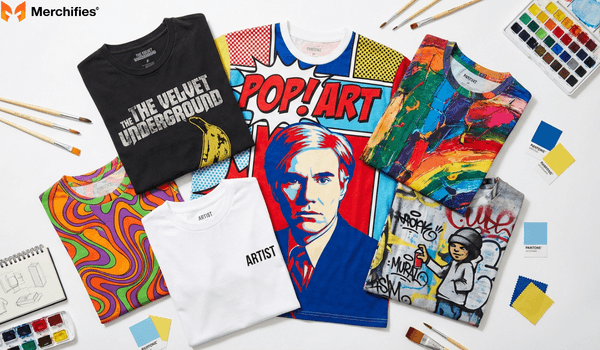
Few garments hold as much cultural weight, tell as many stories, or adapt with such effortless grace as the graphic tee. It’s more than just a piece of clothing; it's a wearable canvas, a megaphone for our beliefs, and a quiet nod to our allegiances. What exactly defines a "graphic tee"? At its core, it's any t-shirt adorned with an image, text, or design that transforms it from simple apparel into a statement. As Lucas Bennett, a writer specializing in fashion and graphic apparel, often shares from his own eight years immersed in custom apparel design, the graphic tee is a unique blend of art, commerce, and personal identity. This article will embark on a comprehensive journey, tracing the rich history of graphic tees and examining their profound impact on culture, fashion, and our collective consciousness. Understanding its evolution reveals not just fashion trends, but also societal shifts, technological advancements, and the enduring human desire for self-expression.
Before the graphic tee could become a cultural icon, the t-shirt itself had to find its footing.
Born from necessity, the t-shirt first emerged in the late 19th and early 20th centuries. It was a practical, buttonless undergarment, initially favored by the U.S. Navy for its ease of wear and comfort. Soon, laborers, farmers, and factory workers adopted it as their go-to base layer. Its simple, functional design made it ideal for manual work, eventually leading to its slow transition from strictly underwear to a casual outer layer.
Long before complex designs graced fabrics, early attempts at personalization were rudimentary. Think hand-stitched names on military uniforms, basic stenciled identification marks on workwear, or perhaps a simple embroidered initial. These were born more out of necessity for identification or ownership than any widespread artistic intent. They hinted at the potential for personalizing apparel, but the widespread adoption of elaborate graphics was still decades away.
The crucible of World War II proved to be a pivotal moment for the t-shirt, elevating it from a mere undergarment to an early form of personal expression.
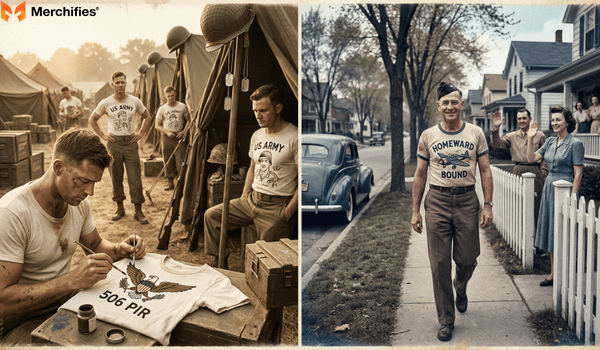
During WWII, soldiers began to customize their standard-issue undershirts. This often involved hand-painting unit names, mascots, or even nascent political messages onto their tees. These "WWII graphic tees" were crude but powerful, serving as morale boosters, identifiers, and a subtle form of camaraderie and rebellion. This era marked a crucial step: the t-shirt was no longer just functional; it was beginning to communicate.
When servicemen returned home, they often brought with them the habit of wearing their comfortable t-shirts as casual outerwear, especially during warm weather. This casual adoption by a generation of heroes significantly boosted the t-shirt's status and planted the seeds for its future as an everyday staple.
The post-war boom and the rise of mass media propelled the graphic tee into the mainstream, connecting it with youth culture and commercial aspirations.
Few images cemented the t-shirt's rebellious image quite like Marlon Brando in "A Streetcar Named Desire" (1951) and James Dean in "Rebel Without a Cause" (1955). These silver screen icons, clad in simple white tees, transformed the garment into a symbol of defiance, cool, and youthful angst. Suddenly, wearing a t-shirt as outerwear was not just acceptable, but aspirational.
The 1950s also saw the dawn of true commercial graphic tees. Perhaps one of the earliest known examples is the "Dewey Defeats Truman" t-shirt from the 1948 presidential election, a historical footnote in both politics and apparel. More enduringly, Disney began licensing its beloved characters, notably Mickey Mouse, onto t-shirts, ushering in the era of character merchandising. This period marked a significant shift: the tee became a potent vehicle for both political statements and powerful commercial branding.
The vibrant and tumultuous 1960s transformed the graphic tee into a potent symbol of social change and artistic experimentation.
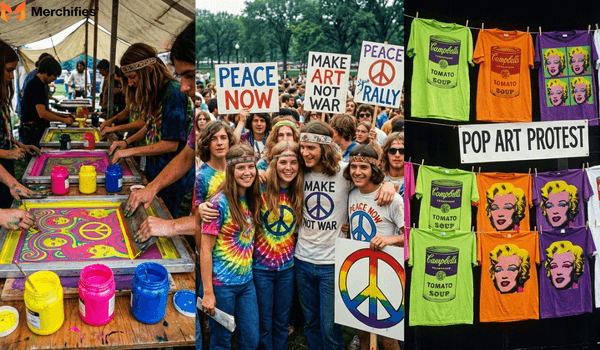
A technological leap was crucial: the refinement and wider availability of screen printing technology. This made the mass production of complex, multi-color designs far more accessible and affordable than ever before, democratizing the creation of graphic apparel.
The counter-culture movement seized upon the graphic tee as its uniform. Peace signs, psychedelic patterns, tie-dye, and anti-war slogans became ubiquitous. "Hippie graphic tees" and "protest t-shirts" were worn not just as fashion, but as declarations of belief and solidarity. As Lucas Bennett points out from his experience with vintage styles, the hand-crafted, often imperfect nature of these early designs gave them an authentic, rebellious charm that resonated deeply with the era's ethos.
The art world also took notice. Pop Art, with figures like Andy Warhol, embraced commercial imagery and everyday objects, blurring the lines between high art and popular culture. Graphic tees became a wearable extension of this movement, turning everyday attire into a statement of artistic intent. The tee truly became a canvas for social commentary and artistic movements.
The 1970s cemented the graphic tee's role in personal identity, particularly through music and sports, while also accelerating its use in commercial branding.
The rise of rock and roll and concert culture gave birth to "band graphic tees." Concert-goers clamored for shirts adorned with their favorite band's logo, album art, or tour dates. These "vintage band t-shirts" weren't just souvenirs; they were badges of honor, signaling musical taste and tribal belonging. Lucas Bennett, with his focus on vintage-inspired styles, notes how these early band tees laid the groundwork for entire sub-genres of apparel, with iconic typography and graphic layouts that are still mimicked today.
Team logos and fan apparel exploded in popularity. From professional sports leagues to local school teams, jerseys and t-shirts became essential for demonstrating allegiance. The graphic tee was now firmly intertwined with athletic identity.
Surf, skate, and casual lifestyle brands began to heavily utilize graphic tees for branding and advertising. Simple logos and distinct graphics allowed brands to establish an identity and connect with specific consumer groups. The tee solidified its dual role in identity expression (music, sports) and sophisticated commercial branding.
$12.79
$22.79
43% off
$12.79
$22.79
43% off
$12.79
$22.79
43% off
$12.79
$22.79
43% off
$12.79
$22.79
43% off
$12.79
$22.79
43% off
$12.79
$22.79
43% off
$12.79
$22.79
43% off
$12.79
$22.79
43% off
$12.79
$22.79
43% off
$12.79
$22.79
43% off
$12.79
$22.79
43% off
$12.79
$22.79
43% off
$12.79
$22.79
43% off
$12.79
$22.79
43% off
$12.79
$22.79
43% off
$12.79
$22.79
43% off
$12.79
$22.79
43% offThe 1980s saw the graphic tee become a ubiquitous marketing tool and a pervasive fashion statement, accessible to all.
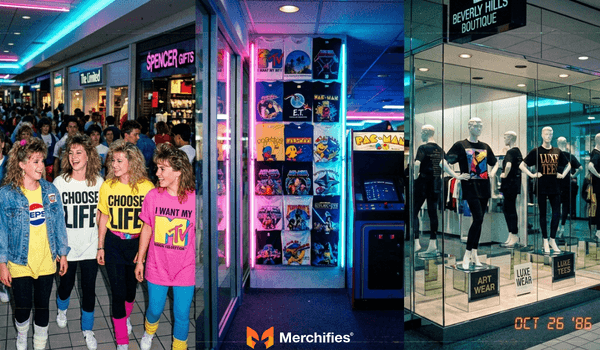
This decade was all about bold statements and clever slogans. Humorous designs, iconic phrases, and direct brand advertisements plastered across tees became mainstream. The graphic tee was a walking billboard, but one that consumers eagerly wore.
The burgeoning entertainment industry seized the opportunity for merchandise. Film, TV shows, and video games led to a massive expansion of licensed character and movie tie-in tees. Think E.T., Pac-Man, or popular cartoon characters—these designs brought beloved media directly onto people's chests.
Even high fashion brands began to incorporate graphic elements into their collections, further elevating the tee's status. What was once purely casual now found a place on the runway, proving its versatility and widespread appeal. The graphic tee was now a truly ubiquitous marketing tool and a democratic fashion statement.
ALSO READ: How to Wash & Maintain Your Patriotic Shirt
The 1990s marked a significant shift, with graphic tees becoming powerful conduits for subcultural identity and the birth of modern streetwear.
Independent skate and surf brands carved out their niche with bold graphics, often carrying anti-establishment messages. "Skate graphic tees" were central to this aesthetic, showcasing edgy designs, distinctive typography, and a raw energy that appealed to a generation seeking authenticity. Lucas Bennett highlights how these designs often played with collegiate typography, blending sports heritage with a rebellious edge, a style that continues to influence modern pennant clothing.
Hip-hop culture championed over-sized tees adorned with iconic logos, album art, and cultural statements. The graphic tee became a fundamental element of urban fashion, reflecting identity, status, and community pride.
The accessibility of screen printing and a growing desire for unique expression led to a boom in niche and indie brands. Tees provided an affordable and impactful way for smaller labels to gain recognition and express unique aesthetics, challenging mainstream norms and celebrating diverse identities.
The new millennium ushered in an era of unprecedented personalization, ethical considerations, and rapid digital evolution for the graphic tee.
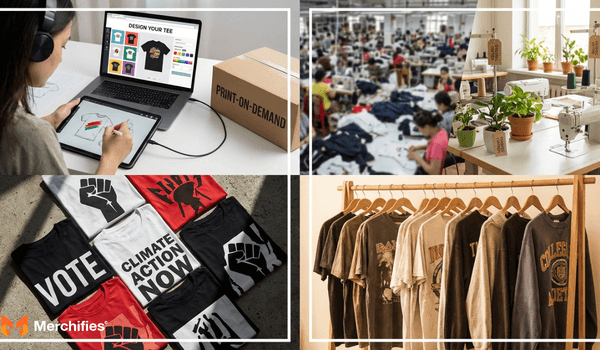
The internet revolutionized graphic tee production. Online design platforms and print-on-demand services made it easier than ever for individuals to design and print their own "custom graphic tees." This democratization of design empowered everyone to become a creator, fostering an explosion of unique and personalized apparel. As Lucas Bennett has observed through his years in print-on-demand trends, this shift has fundamentally changed how we interact with and conceive of graphic apparel.
With the rise of fast fashion, the sheer volume of graphic tees produced sparked important conversations about environmental impact, labor practices, and sustainability. Consumers and brands alike began to weigh the cost of inexpensive, mass-produced items against the desire for ethical and sustainable alternatives, addressing a critical, objective dimension of the industry.
In an increasingly connected world, the graphic tee has reasserted its role as a powerful platform for social and political activism. From protest movements to viral memes, tees quickly convey solidarity, spread messages, and reflect current events with immediate impact.
The enduring appeal of retro designs and historical references remains strong. Vintage band tees, collegiate typography, and classic brand logos continue to be highly sought after, proving the timelessness of certain graphic aesthetics. The graphic tee has truly evolved into a highly personal, customizable, and socially aware garment.
The journey of the graphic tee is a testament to its incredible adaptability and enduring power.
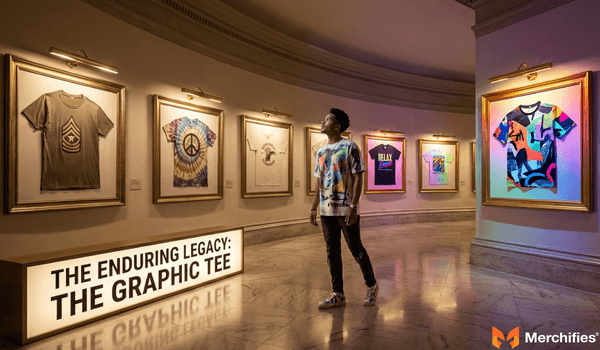
From military insignia to high art, protest banners to personal jokes, the graphic tee has consistently served as a versatile canvas. It’s a medium for art, identity, protest, humor, and plain old branding, allowing wearers to broadcast their affiliations and personality to the world.
Throughout its history, the graphic tee has acted as a cultural barometer, reflecting and influencing societal trends across decades. It mirrors our obsessions, our rebellions, and our collective consciousness, providing a snapshot of the times in which it exists.
Its continued relevance and adaptability in modern fashion are undeniable. Whether it's a meticulously designed streetwear piece or a simple band logo, the graphic tee remains a vital and dynamic element of contemporary style.
The history of graphic tees is a vibrant narrative of innovation, cultural shifts, and relentless self-expression. What began as a humble undergarment transformed into a powerful cultural artifact, shaping fashion, art, and identity across generations. From its early military days and Hollywood's rebellious embrace to the counter-culture explosion, the rise of band merch, and the digital age of personalization, the graphic tee has consistently proven its versatility and significance. Looking ahead, we can expect graphic tees to continue evolving, perhaps with integrated smart technologies, even greater bespoke customization, and an intensified focus on ethical production. As Lucas Bennett has consistently demonstrated through his work in custom apparel, this seemingly simple garment holds a profound place in our collective consciousness, reminding us that sometimes, the most powerful statements are worn right on our sleeves – or, more accurately, across our chests.
-d4c38c342cdf20ca.jpeg)


-b555fcc6b204c456.jpeg)