 Worldwide Shipping
 Secure Payments
 Free Return
 Local Support
-da0801079a650a2e.jpeg)
17 Year Anniversary Quotes: 110+ Funny, Romantic & Furniture Wishes (2026)
Mar, 12 2026
Patriotic style in America has evolved over the decades, reflecting changes in culture, fashion trends, and national identity. This article explores how expressions of patriotism in clothing have shifted from traditional flag-inspired designs to modern interpretations that include vintage graphics, subtle symbols, and creative streetwear influences. From wartime unity and classic Americana to today’s diverse and personalized styles, patriotic fashion continues to adapt while honoring themes of freedom, pride, and heritage.
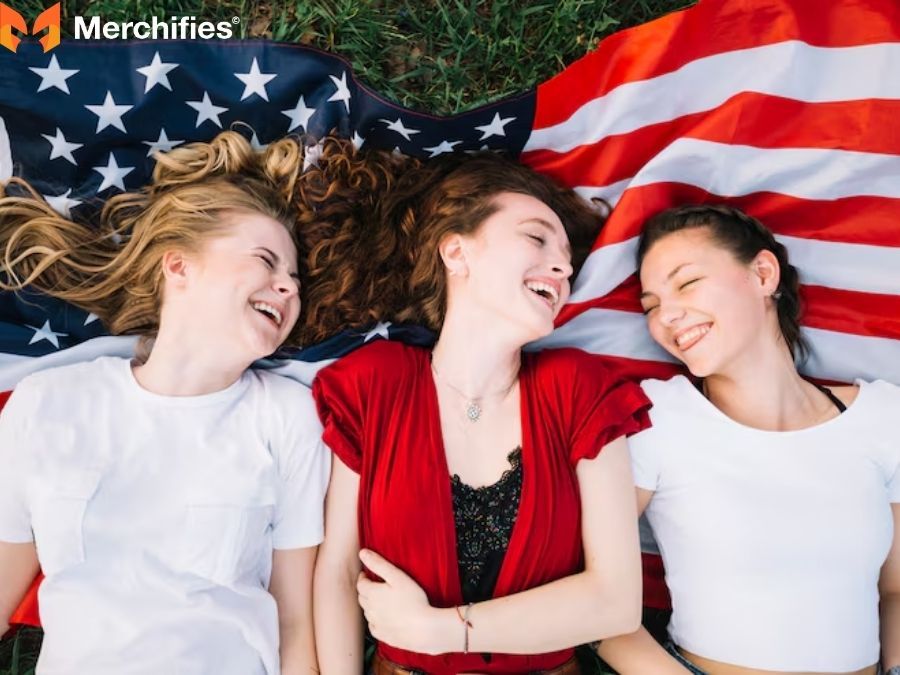
Clothing has always been more than just protection from the elements; it's a powerful canvas for national identity, sentiment, and expression. From the earliest colonial days to today's diverse fashion landscape, the way Americans dress has often reflected their patriotism. This article embarks on a long and rich journey through USA apparel history, specifically focusing on the fascinating history of patriotic shirts. As Evelyn Sage, an expert in American cultural textiles, often highlights, these garments are not merely fabric and thread; they are wearable statements of allegiance, protest, and pride. We will explore the evolution of American patriotic clothing, highlighting key historical periods, cultural shifts, and the enduring power of these garments to tell the story of a nation.
Before the United States was even a nation, the seeds of patriotism were being sown in the very fabric of colonial life. British influence initially dominated early American clothing styles, but simmering discontent soon led to fashion playing a role in the burgeoning independence movement. The "homespun" movement, encouraging colonists to produce their own textiles rather than relying on British imports, became a powerful symbolic act of defiance and an early form of colonial patriotic clothing. Alongside this, early symbols like the Pine Tree Flag or the Gadsden Flag, with its rattlesnake and "Don't Tread on Me" motto, began to appear on banners and, occasionally, as badges or embroidery on personal items, signaling allegiance and dissent long before the widespread use of patriotic shirts.
The Revolutionary War marked a pivotal moment in USA apparel history, transforming clothing into a direct declaration of loyalty. Military uniforms of the Continental Army, while often makeshift, bore distinctive features that rallied troops and identified them as a unified force. Beyond the battlefield, wearing specific colors, cockades, or printed broadsides became subtle yet significant ways for civilians to declare their allegiance. While not yet the graphic patriotic shirts we know today, these early adornments represented foundational steps. For instance, the nascent designs featuring stars and stripes on flags and banners during this period provided the visual language that would later define much of American patriotic attire.
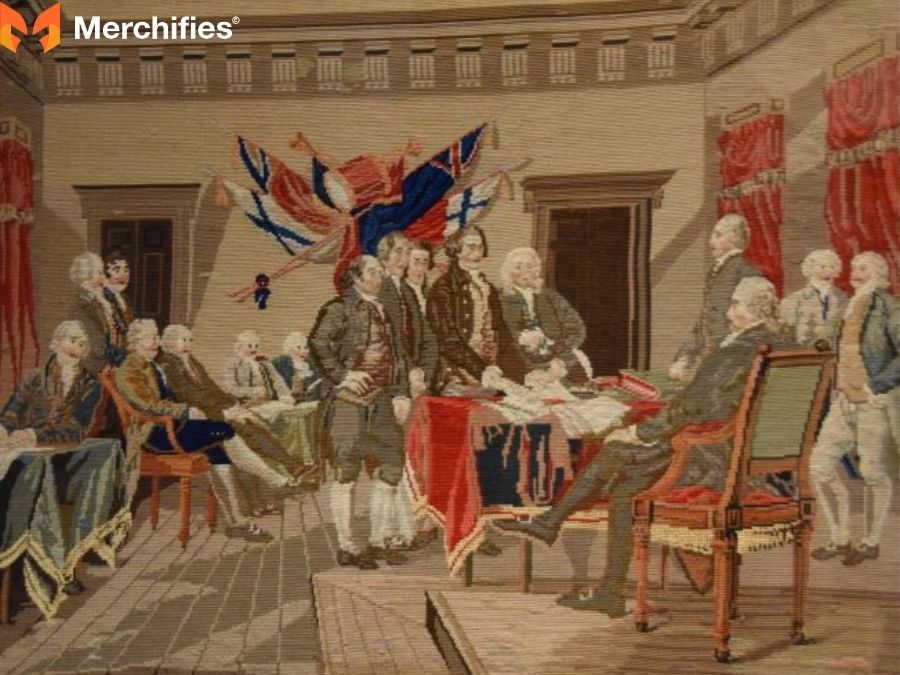
The 19th century witnessed the solidification of American national identity, and with it, the pervasive image of the American flag. After the War of 1812 and the inspiration behind "The Star-Spangled Banner," the flag's prominence grew exponentially. Early instances of flag motifs began to appear more frequently on sashes, ribbons, and decorative elements worn by both men and women, signaling a burgeoning 19th-century patriotic fashion. Fourth of July celebrations became grander affairs, fostering a nascent patriotic dress code where red, white, and blue colors and small flag accessories were proudly displayed. This era truly laid the groundwork for future patriotic shirts by normalizing the flag as a wearable symbol.
The American Civil War stands as a poignant chapter in USA apparel history, dividing the nation and its fashion. The stark symbolic contrast of Union blue versus Confederate gray uniforms became the ultimate visual representation of loyalty and division. These uniforms were more than just clothing; they were powerful statements of belief and sacrifice. Beyond the soldiers, women on both sides contributed significantly, creating and wearing patriotic adornments, sashes, and ribbons to support their troops and display their unwavering resolve. It was also during this period that Uncle Sam, as a national personification, began to appear in political cartoons and early merchandise, offering another iconic image for future American flag clothing history and patriotic shirts.
The late 19th century brought significant technological advancements in fabric production and dyeing, making textiles more accessible and affordable. This industrialization, coupled with a growing sense of national pride and expansion, led to an increased availability of patriotic items for the general public. People could more easily acquire flag-themed accessories and garments, marking a step towards the mass production of patriotic shirts that would flourish in the coming century.
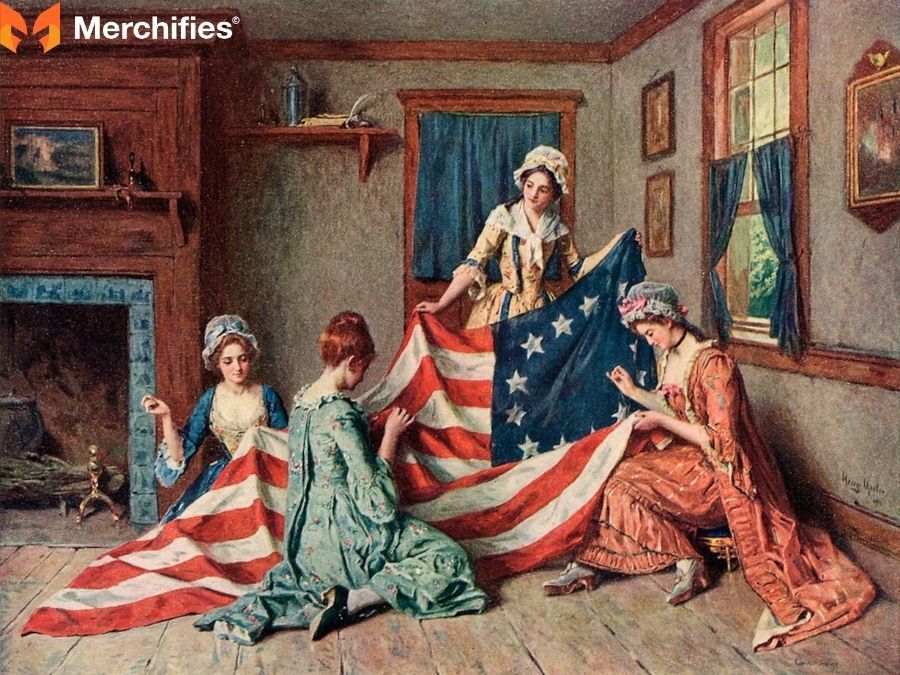
The early to mid-20th century was profoundly shaped by two World Wars, which dramatically influenced USA apparel history. WWI and WWII saw military uniforms become pervasive icons of heroism, duty, and sacrifice. On the homefront, civilian patriotic attire boomed, with rationing inspiring creativity. "Victory" motifs, red-white-and-blue color schemes, and "Support Our Troops" sentiments appeared on everyday wear. The post-war economic boom further fueled a widespread display of national pride, with patriotic symbols integrating into daily life, setting the stage for the modern history of patriotic shirts.
Perhaps no item of clothing is more central to the modern history of patriotic shirts than the t-shirt. Initially evolving from underwear to a casual outerwear staple, especially after its popularization by soldiers and Hollywood icons, the t-shirt became a blank canvas. Early graphic tees quickly featured patriotic slogans, military emblems, and, most crucially, the American flag. This transformation made patriotic expression more casual, democratic, and widespread. It was an accessible and affordable way for Americans from all walks of life to display their pride, marking a definitive turning point in patriotic fashion.
The 1950s and 60s ushered in an era of Cold War patriotism and space race enthusiasm. This period cemented "mid-century Americana apparel," characterized by an optimistic, idealized vision of American life. "All-American" casual wear, often featuring denim paired with classic red, white, and blue accents, became ubiquitous. Simultaneously, the commercialization of patriotic themes grew, with souvenir and tourist apparel featuring national landmarks and symbols becoming popular, further integrating patriotic imagery into mainstream fashion. These trends reinforced the idea that expressing national pride through clothing was not just acceptable but fashionable.
The late 20th century brought new complexities to USA apparel history. The Vietnam War era saw a significant shift in how patriotic symbols were interpreted and used. While some wore the flag in traditional displays of support, others in the counter-culture movement famously used American flag and patriotic symbols in anti-war protests, often modifying or wearing them unconventionally. This sparked intense public debates around flag etiquette versus freedom of expression in clothing, highlighting that patriotic shirts could convey dissent as powerfully as unity. This period saw the emergence of alternative or even ironic patriotic statements, challenging traditional views.
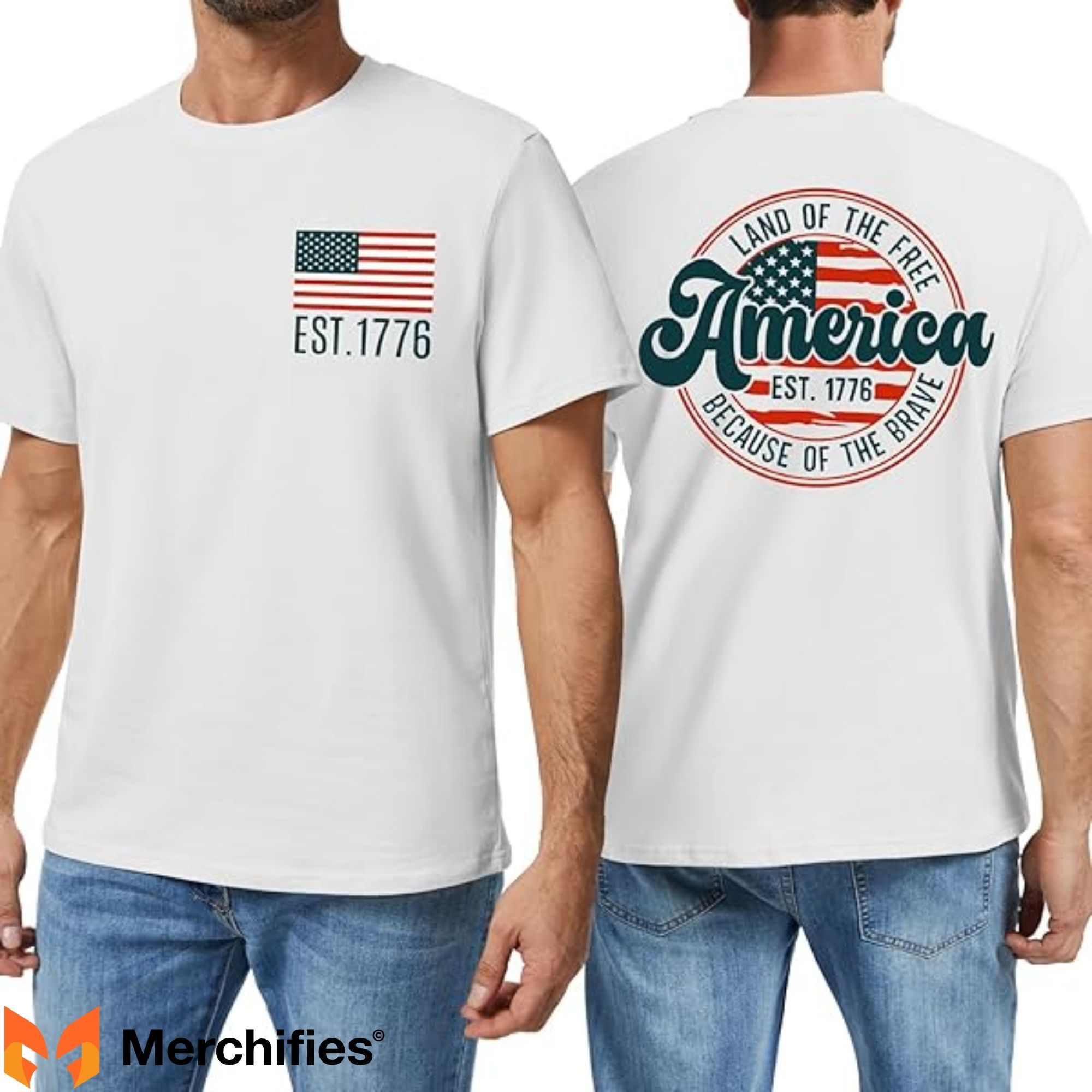
The United States Bicentennial in 1976 provided a powerful opportunity for national unity and celebration, leading to an explosion of patriotism in fashion. There was an overwhelming demand for red, white, and blue merchandise, celebrating 200 years of independence. This period ushered in a resurgence of overt patriotism in fashion, characterized by nostalgia and widespread, enthusiastic display of national symbols. The Bicentennial fashion showcased how historical milestones could reignite and redefine public engagement with patriotic shirts and accessories.
Throughout the 1980s and 90s, patriotism continued to be a strong theme in USA apparel history, deeply integrated into mainstream casualwear. "Made in USA" campaigns gained traction, emphasizing domestic production and national pride. Sportswear brands readily incorporated flag motifs and national colors into their designs, making patriotic apparel a common staple in everyday fashion. This era solidified the patriotic shirt as a go-to item for holidays, sporting events, and general expressions of American pride, often seen worn casually and comfortably.
The events of September 11, 2001, sparked an immediate and widespread resurgence of patriotic sentiment throughout the United States. In the wake of the attacks, there was an unprecedented display of American flags and patriotic apparel. People wore flag pins, ribbons, and, notably, patriotic shirts as symbols of national unity, resilience, and remembrance. "Support Our Troops" merchandise became incredibly popular, reflecting a collective desire to stand together. This period demonstrated how tragedy could heighten the demand for patriotic clothing as a symbol of shared identity and strength.
Today, the history of patriotic shirts continues to evolve, prompting ongoing debates, particularly surrounding the US Flag Code and its application to clothing. While the code provides guidelines for flag display, its interpretation in contemporary fashion remains a point of discussion. High fashion designers often offer their own sophisticated or avant-garde interpretations of American patriotism, pushing boundaries and sparking conversations. The digital age, coupled with the influence of social media, plays a significant role in how patriotic apparel is popularized, personalized, and sometimes, polarized. As Evelyn Sage often reminds us, fashion is a mirror, reflecting both our aspirations and our divisions.
In an increasingly globalized and diverse nation, how different cultural groups and generations interpret and wear patriotic symbols continues to broaden. Modern patriotic shirts and USA apparel history reflect a wider spectrum of expressions, from traditional flag designs to more nuanced statements about American values. There's also a growing focus on sustainability and ethical manufacturing within the "USA-made" movement, connecting national pride with responsible production. The future of patriotic fashion promises to be dynamic, adapting to an increasingly complex national and global landscape while continuing to allow individuals to express their unique sense of American identity.
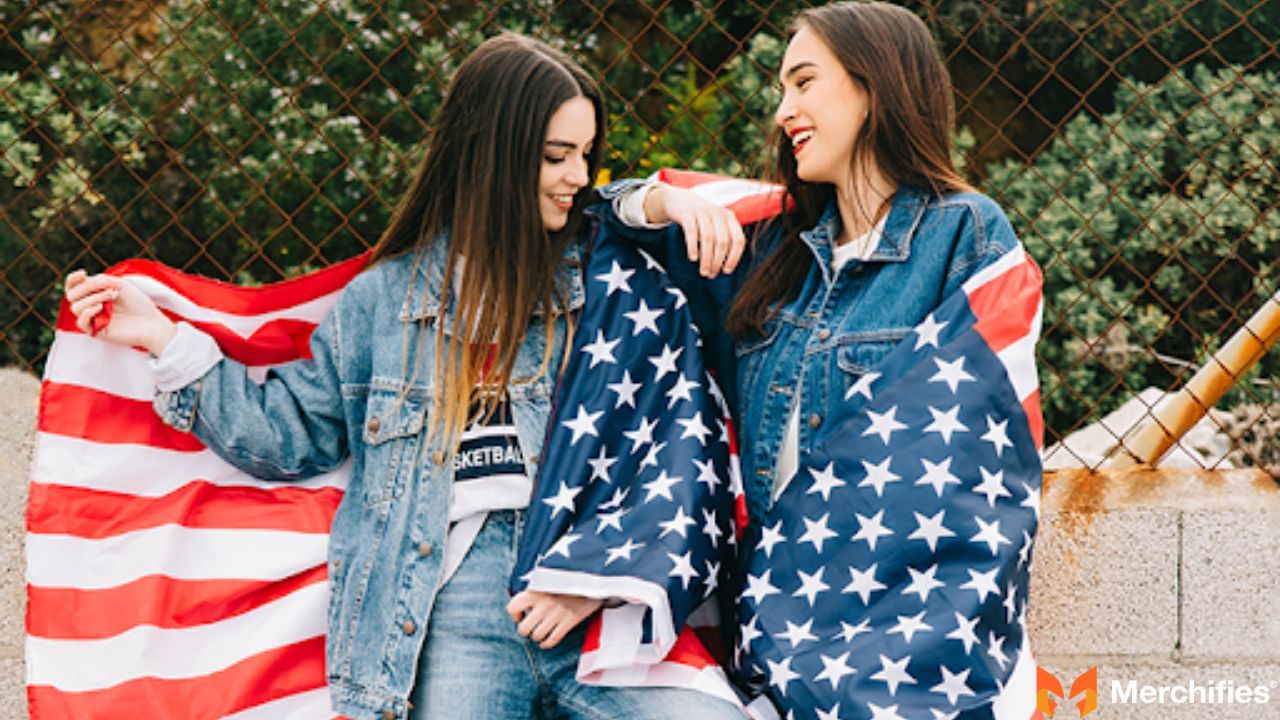
From the humble homespun of colonial times to the diverse graphic tees of today, the history of patriotic shirts and USA apparel history tells a compelling story of a nation in constant evolution. These garments have served as declarations of rebellion, symbols of unity, expressions of protest, and affirmations of pride. They are not merely fashion items but dynamic reflections and shapers of American national identity. As we've seen, clothing serves as a powerful medium, constantly weaving new threads into the rich tapestry of American experience. The enduring appeal of patriotic shirts ensures that this fashion tradition will continue to adapt and thrive, offering new ways for Americans to wear their hearts on their sleeves. This comprehensive look into American patriotic apparel was brought to you by Evelyn Sage, whose deep understanding of textile history illuminates how these everyday garments chronicle the soul of a nation.
-d4c38c342cdf20ca.jpeg)


-b555fcc6b204c456.jpeg)