 Worldwide Shipping
 Secure Payments
 Free Return
 Local Support
-da0801079a650a2e.jpeg)
17 Year Anniversary Quotes: 110+ Funny, Romantic & Furniture Wishes (2026)
Mar, 12 2026
Understanding how people give and receive love can transform the way you connect with others. The concept of the The 5 Love Languages by Gary Chapman introduces five distinct ways people express and experience love, helping improve communication and emotional connection in relationships. In this guide to the 5 love languages, you’ll explore each type—words of affirmation, acts of service, receiving gifts, quality time, and physical touch—and learn how to identify your own and your partner’s preferences. By applying these insights, you can build stronger, more meaningful relationships and create deeper emotional bonds in everyday life.

Understanding how we give and receive love is fundamental to building enduring relationships. Gary Chapman's groundbreaking concept of the 5 love languages chapman provides a practical framework for identifying these distinct communication styles. This model, introduced in his 1999 book The Five Love Languages: How to Express Heartfelt Commitment to Your Mate, has since empowered millions to foster deeper connections by learning to speak their partner's emotional language. It's a simple, yet profound, idea that can transform any relationship.
The five love languages are distinct ways individuals express and experience love, as identified by Gary Chapman. These include Words of Affirmation, Quality Time, Receiving Gifts, Acts of Service, and Physical Touch, each representing a primary emotional need. Learning these helps partners understand how to truly make each other feel loved. Chapman posits that while we might appreciate all forms of affection, each person typically has one or two primary love languages that resonate most deeply. Think of it like a native tongue: you might understand a few phrases in other languages, but you feel most understood and cherished when someone speaks your own. This matters because miscommunication often arises not from a lack of love, but from expressing it in a language your partner doesn't understand. For instance, someone whose primary language is "Acts of Service" might feel neglected if their partner constantly offers "Words of Affirmation" but never helps with household chores.
To truly leverage the power of Chapman's framework, it's essential to move beyond the basic definitions and delve into the nuances of each language. Understanding these deeper aspects allows for more authentic and impactful expressions of affection, moving beyond generic gestures to truly heartfelt communication. This is where the real work, and reward, of learning the five languages of love begins.
Words of Affirmation involve expressing love through spoken or written words that build up, encourage, and acknowledge another person. This isn't just about saying "I love you"; it encompasses compliments, verbal appreciation, encouragement, and empathetic statements. The impact of these words lies in their specificity and sincerity. A generic "you're great" simply doesn't carry the weight of "I really appreciate how you took the initiative to organize the garage last weekend; it made such a difference and lifted a huge burden off my shoulders."
Within Words of Affirmation, there are several "dialects" or specific ways people prefer to receive verbal appreciation. Some might crave direct compliments about their appearance or character ("You look stunning tonight," "I admire your perseverance"). Others thrive on words of encouragement when facing a challenge ("I know you can do this; I believe in you"). Critically, some appreciate verbal validation of their efforts or sacrifices ("Thank you for working so hard for our family," "I noticed how much effort you put into that presentation"). An editorial take: Many people underestimate the power of specific affirmation. Generic compliments often feel hollow. The truly effective "Words of Affirmation" come from genuine observation and articulate exactly what you appreciate, as seen in the heartfelt notes exchanged by characters like Jim and Pam in The Office (US, 2005-2013), where their affirmations often referenced shared memories or specific acts of kindness. This level of detail makes the words resonate deeply.

Quality Time is about giving someone your undivided attention, making them feel like the most important person in the world during that period. This isn't just being in the same room; it means actively listening, making eye contact, and engaging in shared activities without distractions. The core of this love language is presence, not proximity. Think of a couple taking a walk together, deeply engaged in conversation, rather than two people sitting on a couch, each absorbed in their phones.
Quality Time can manifest in various forms, depending on individual preferences. For some, it might be quality conversation – deep, meaningful discussions where both partners share thoughts and feelings. For others, it’s quality activities – doing something together they both enjoy, like cooking, hiking, or watching a movie, where the focus is on the shared experience. Then there's quality listening, which is about truly hearing and empathizing without interrupting or offering unsolicited advice. In my observation of couples, the biggest destroyer of Quality Time in the modern era is the omnipresent smartphone. It's a tough truth, but if your partner's love language is Quality Time, scrolling through Instagram during dinner is practically an act of aggression. For example, in This Is Us (2016-2022), the Pearson family often struggled with Quality Time, particularly Randall, who craved deep, focused conversations, sometimes to the exasperation of his more action-oriented siblings.

Receiving Gifts as a love language isn't about materialism or the monetary value of an item; it's about the thoughtfulness and symbolic meaning behind the present. For individuals with this love language, a gift is a tangible representation of love, a visual reminder that they were thought of and cared for. It’s the effort, the intention, and the specific consideration that truly speaks to their heart, making this one of the more misunderstood love languages 5.
The "gift" itself can be anything from a carefully chosen piece of jewelry to a handmade card, a favorite snack, or even a found object that reminds the giver of the recipient. The crucial element is that the gift communicates "I was thinking of you." For instance, a partner remembering a casual mention of a specific book and surprising their loved one with it later speaks volumes. An editorial take: The common misconception that Receiving Gifts is superficial couldn't be further from the truth. For those who truly speak this language, a small, personalized item – like a specific brand of tea or a postcard from a trip – often means more than an expensive, generic present. Consider the memorable scene in Parks and Recreation (2009-2015) where Ben Wyatt meticulously crafts a "Knope 2012" campaign button for Leslie Knope; it's a simple item, but its thoughtfulness and specificity perfectly align with her passions, making it a deeply cherished gift.

Acts of Service involve doing things for your partner that you know they would appreciate, especially tasks that alleviate burdens or make their life easier. These are actions undertaken with a positive spirit, demonstrating care and consideration through tangible effort. This could be anything from cooking a meal, doing laundry, running errands, or fixing something around the house. The underlying message is "I want to help you," and it’s a powerful demonstration of care.
To effectively speak this love language, it's vital to identify what specific acts your partner finds genuinely helpful and meaningful. What tasks do they dread? What would make their day significantly easier? It's not about doing things they could do themselves, but about taking the initiative to lighten their load. In practice, this often means anticipating needs rather than waiting to be asked. For example, if your partner frequently complains about a leaky faucet, fixing it without prompting is an Act of Service that speaks volumes. My editorial take: Acts of Service are often overlooked or taken for granted, especially in long-term relationships. It’s easy to see chores as obligations rather than expressions of love. However, for someone whose primary language is Acts of Service, a partner consistently taking out the trash or handling car maintenance without a fuss, as demonstrated by characters like Coach Taylor in Friday Night Lights (2006-2011) who often took care of household tasks to support his wife Tami's demanding career, is a profound testament to their love and commitment.
Physical Touch as a love language encompasses any form of physical closeness that communicates affection and security. This is not solely about sex; it includes a wide range of non-sexual touches like holding hands, hugs, back rubs, cuddling, a hand on the shoulder, or even just sitting close together. For individuals with this love language, physical contact is a powerful and direct way to feel loved, safe, and connected.
The specific "dialects" of Physical Touch vary greatly. Some individuals might thrive on public displays of affection, like holding hands while walking, while others prefer more private, intimate touches, such as cuddling on the couch or a gentle touch on the arm during conversation. The key is understanding what types of touch resonate most with your partner and respecting their comfort levels. This matters because a touch that feels loving to one person might feel intrusive to another. For example, a lingering hug after a long day might be incredibly reassuring for one partner, while another might prefer a simple, brief squeeze of the hand. An editorial observation: One common pitfall with Physical Touch is assuming all touch is created equal. A partner whose primary language is Physical Touch doesn't just want any touch; they want *affectionate, intentional* touch. A quick peck on the cheek might be fine, but a sustained hug or a prolonged hand-hold truly fills their "love tank." Consider the relationship between Jake and Amy in Brooklyn Nine-Nine (2013-2021); while their personalities differed, their consistent physical affection, from holding hands to comforting hugs during stressful moments, clearly communicated their deep bond.

Identifying your own and your partner's primary love language is the first crucial step toward more fulfilling relationship communication. While the official quiz is a popular starting point, real-world observation and open dialogue offer even richer insights into these crucial preferences. Understanding these preferences helps bridge the gap in expressing and receiving affection, enhancing the connection within the five languages of love framework.
While the official 5 love languages quiz (available at 5lovelanguages.com) is an excellent tool, it's just the beginning. True understanding comes from careful observation and direct communication. Pay attention to how your partner naturally expresses love to you – often, people give love in the way they most want to receive it. Also, observe what they complain about most frequently; a complaint often reveals an unmet emotional need tied to their primary love language. For example, if they often say, "You never help me around the house," it's a strong indicator of Acts of Service. Conversely, if they lament, "We never spend any real time together," Quality Time is likely their dominant language. Direct communication is paramount. Instead of guessing, ask open-ended questions: "What makes you feel most loved and appreciated?" or "When do you feel closest to me?" You might even suggest, "I've been reading about the five love languages, and I'm curious which one you think speaks loudest to you." This approach turns discovery into a shared activity, fostering intimacy.
Understanding the 5 love languages chapman framework is merely the foundation; the real magic happens when you actively apply this knowledge to cultivate stronger, more resilient relationships. This requires intentional effort, open communication, and a willingness to step outside your comfort zone to speak a language that might not be your native tongue.

It's incredibly common for partners to have different primary love languages. In fact, it's almost the norm. This is precisely why the framework is so valuable. When love languages clash, it's not a sign of incompatibility, but an opportunity for growth and deeper understanding. For example, if one partner's language is Acts of Service and the other's is Words of Affirmation, the "Acts of Service" partner might feel unappreciated if their efforts aren't verbally acknowledged, while the "Words of Affirmation" partner might feel unheard if their compliments aren't reciprocated with helpful actions. The key here is intentionality. The partner whose love language is Acts of Service needs to consciously offer verbal praise, even if it doesn't come naturally, and the Words of Affirmation partner needs to look for opportunities to perform helpful tasks. This requires empathy and a willingness to stretch beyond one's innate preferences. As I've seen in many relationships, this initial effort often feels awkward, but with consistent practice, it becomes a natural and deeply rewarding way to express love.
To put the love languages into practice, couples can try specific exercises. For Words of Affirmation, commit to giving one specific, heartfelt compliment or expression of appreciation daily for a week. For Quality Time, schedule a "distraction-free" 15-minute conversation each evening, or plan a weekly "date night" focused solely on each other. For Receiving Gifts, leave small, thoughtful tokens – a favorite candy, a hand-picked flower, a note – where your partner will find them. For Acts of Service, ask your partner, "What's one thing I could do for you today that would make your life easier?" and then do it. For Physical Touch, make a conscious effort to offer more non-sexual touch throughout the day – a hand squeeze, a hug, a gentle back rub. These small, consistent actions compound over time, filling each other's "love tanks."
It's not uncommon to encounter skepticism or resistance, especially if one partner views relationship self-help as "fluffy" or unnecessary. When faced with this, it's crucial to approach the topic not as a rigid rulebook, but as a tool for better understanding and communication. Frame it as an experiment: "Let's just try to understand how we each feel loved, and see if it makes a difference." Focus on the potential benefits – reduced arguments, increased feelings of connection, a clearer path to making each other happy. Avoid making it a chore or a demand. Instead, present it as a shared journey toward a stronger relationship. Sometimes, simply taking the official quiz together can be an accessible entry point. An important editorial take: Resistance often stems from a fear of being told they're "doing it wrong" or from feeling pressured. The best way to overcome this is to lead by example. Start speaking your partner's love language without expecting immediate reciprocation. When they feel genuinely loved and seen, their skepticism often naturally diminishes.
While Gary Chapman's original work focused on marital relationships, the principles of the **5 love languages chapman** are remarkably versatile and extend far beyond romantic partnerships. This framework offers valuable insights into human connection across various contexts, proving its utility in fostering understanding and appreciation in a broader spectrum of interactions.
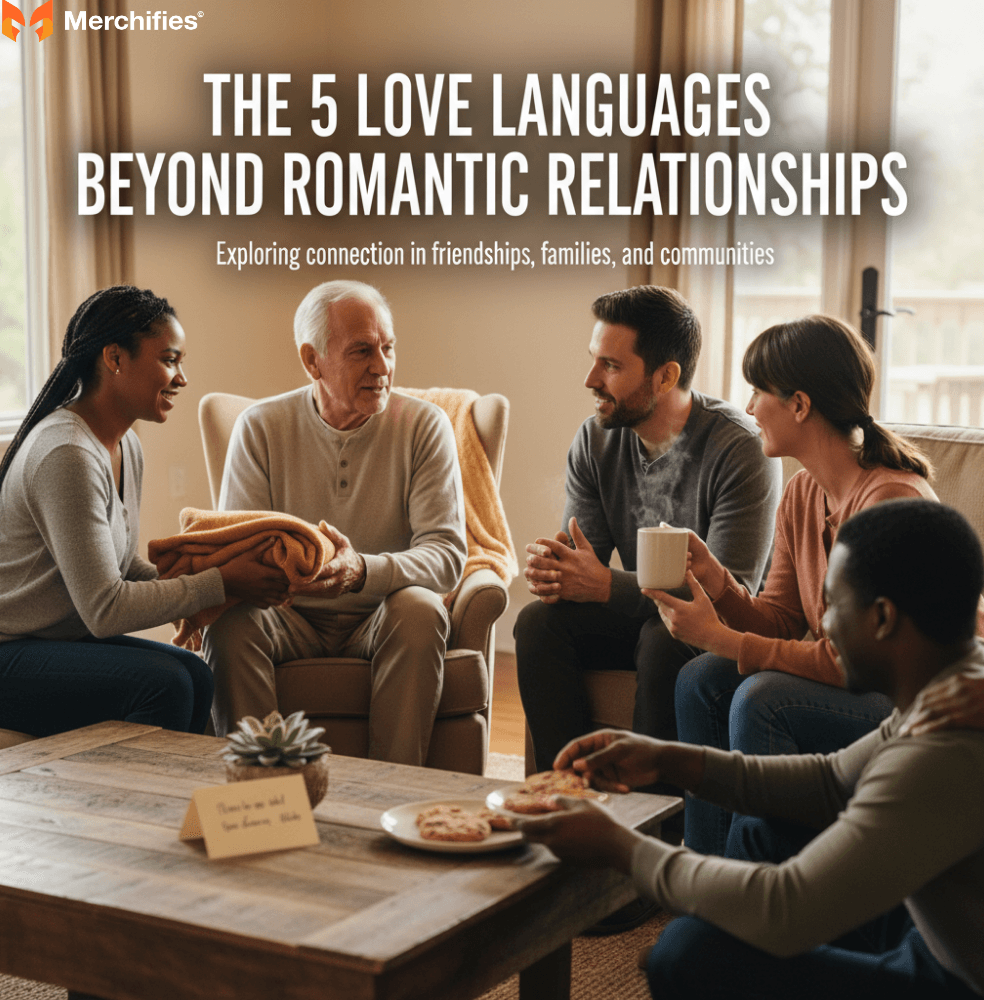
The application of love languages isn't limited to spouses. In families, understanding a child's love language can transform parenting. A child whose primary language is Quality Time might thrive on one-on-one attention, while another might feel most loved through Words of Affirmation about their achievements. In friendships, knowing how your friends feel appreciated can deepen bonds; a friend who values Acts of Service might appreciate you helping them move, while another who values Receiving Gifts might cherish a thoughtful birthday present. Even in the workplace, these principles can subtly enhance team dynamics. While not "love" in the romantic sense, understanding how colleagues and employees feel valued can boost morale and productivity. A manager who uses Words of Affirmation for a team member who values praise will likely see better engagement than one who only offers a bonus (Receiving Gifts) to someone who really just wants more recognition. This matters because it shifts the focus from generic appreciation to targeted, impactful gestures.
The framework also adapts to diverse relationship types, including LGBTQ+ partnerships, polyamorous relationships, and even those navigating long-distance connections. The core human need to feel loved and understood transcends specific relationship structures. For instance, in a polyamorous dynamic, understanding each partner's unique love language becomes even more crucial for ensuring all individuals feel seen and cherished. Culturally, the expression of love languages can vary significantly. In some cultures, public displays of Physical Touch might be less common, while Acts of Service or Receiving Gifts hold greater prominence. It's essential to consider these cultural nuances when interpreting and applying the framework. An editorial take: While the five categories are universal, their specific manifestations are not. What constitutes a "meaningful gift" or an "appropriate touch" is deeply embedded in cultural context. For example, in some Asian cultures, direct Words of Affirmation might be less common than subtle Acts of Service, which are understood as profound expressions of care.
Despite its widespread popularity and practical utility, the 5 love languages chapman theory has faced its share of academic scrutiny and practical limitations. A balanced understanding requires acknowledging these critiques, moving beyond surface-level acceptance to a more nuanced appreciation of its strengths and weaknesses.
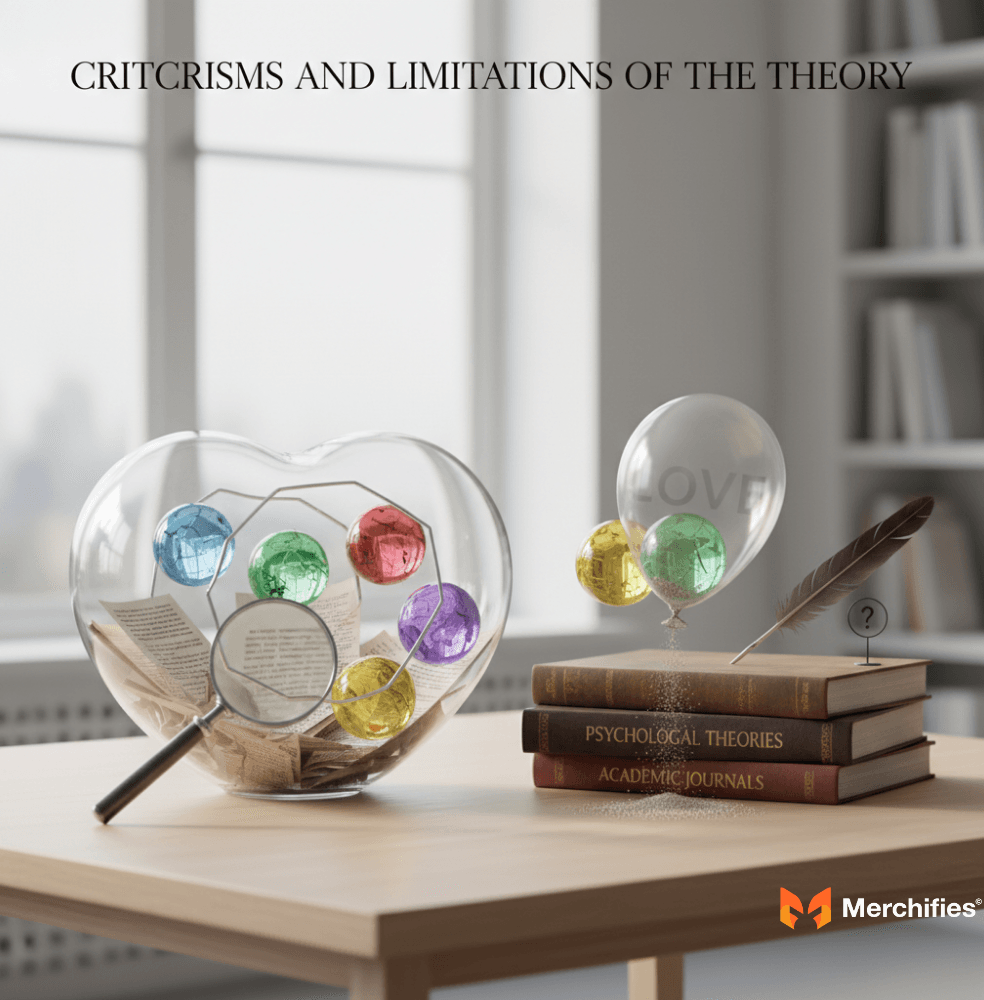
One of the primary criticisms leveled against Chapman's theory is its lack of extensive empirical research and peer-reviewed scientific validation. While the model offers an intuitive and accessible framework, it hasn't been subjected to the rigorous scientific testing typically expected of psychological theories. Many academics view it more as a practical, self-help concept rather than a scientifically proven psychological construct. Furthermore, some researchers argue that the five categories might be too simplistic, potentially overlooking other crucial ways people express and experience love, or that the categories themselves might overlap considerably. For instance, is a thoughtful gift (Receiving Gifts) not also an Act of Service if it saves the recipient time or effort? This semantic ambiguity can sometimes complicate precise identification.
Chapman's "love tank" metaphor, suggesting that each person has an emotional tank that needs to be filled with their primary love language, is highly effective for explaining the concept. However, this metaphor also carries potential limitations. It can sometimes lead to a transactional view of love – "I've filled your tank, now fill mine" – which can undermine the genuine, selfless nature of affection. An editorial take: While the "love tank" metaphor is brilliant for its simplicity and accessibility, it can inadvertently promote a tit-for-tat mentality if not approached with care. Relationships aren't vending machines where you put in an Act of Service and get a Words of Affirmation in return. The true power of the love languages lies in understanding and generosity, not in a quid pro quo exchange. For example, in a healthy relationship, one partner doesn't keep a mental tally of how many "Acts of Service" they've performed versus the "Quality Time" they've received. The focus should remain on giving love freely, in the way the other person best receives it.
While the 5 love languages chapman provides a distinct lens for understanding relational dynamics, its true power is often amplified when integrated with broader psychological frameworks. It doesn't exist in a vacuum; rather, it complements and enriches other established theories of human connection.

Chapman's framework offers a practical, actionable layer to more complex psychological theories. For instance, it can be seen as a behavioral manifestation of attachment theory. If someone has an anxious attachment style, they might crave constant Words of Affirmation or Physical Touch for reassurance, while someone with an avoidant style might find Acts of Service a less emotionally demanding way to express care. Understanding love languages can provide concrete tools for partners to meet those attachment needs in tangible ways. Similarly, in the realm of communication models, the love languages offer a specific vocabulary for expressing emotional needs. Instead of vague statements like "I don't feel loved," a partner can articulate, "I feel loved when you spend uninterrupted Quality Time with me." This specificity aligns perfectly with principles of effective communication that emphasize clear "I" statements and direct requests, which are vital for a guide to healthy relationships. It also helps in understanding how to improve communication in relationships by giving partners a shared language to discuss their emotional needs.
Gary Chapman's 5 love languages chapman has transcended its origins as a self-help book to become a cultural phenomenon, fundamentally reshaping how millions of people understand and express affection. Its enduring impact lies in its elegant simplicity and profound practicality, offering a relatable map for navigating the complex terrain of human relationships. By providing a clear framework for identifying and speaking different emotional languages, Chapman has empowered individuals to move beyond good intentions and toward truly effective, heartfelt connection. The framework's strength isn't just in helping us understand others, but also in fostering self-awareness about our own needs. It encourages empathy, intentional effort, and open dialogue, all cornerstones of healthy relationships. While it may not be a comprehensive scientific theory, its widespread adoption and the countless testimonials of transformed relationships speak volumes about its real-world value. Ultimately, learning the five languages of love offers a powerful tool for cultivating deeper intimacy, greater understanding, and more fulfilling bonds in every aspect of our lives.
-d4c38c342cdf20ca.jpeg)


-b555fcc6b204c456.jpeg)