-da0801079a650a2e.jpeg)
17 Year Anniversary Quotes: 110+ Funny, Romantic & Furniture Wishes (2026)
Mar, 12 2026

Explore the rich history and vibrant artistry of Navajo T-shirts and pattern clothing. Learn how to identify authentic, ethically sourced designs and discover where to buy pieces that truly honor Native American culture.
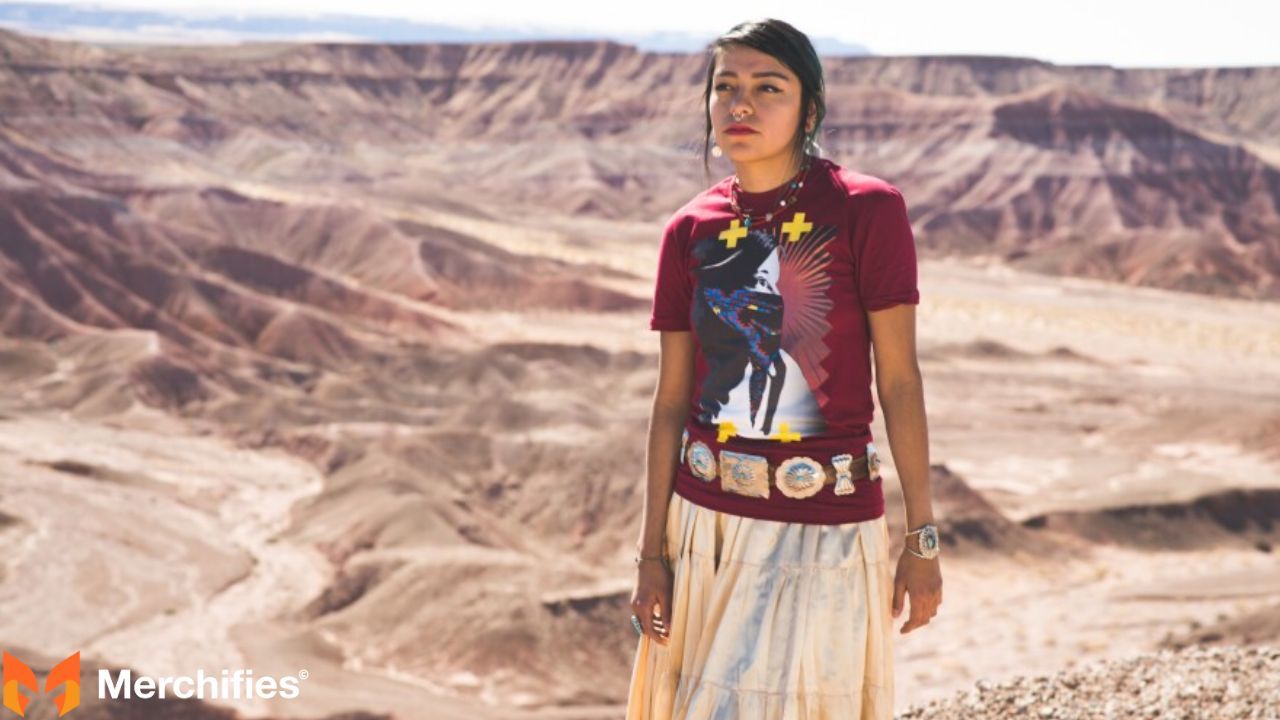
The visual appeal of Navajo patterns in fashion is undeniable. Their intricate geometric designs, vibrant color palettes, and profound cultural depth capture the eye and spark curiosity. When you see a striking Navajo pattern clothing piece, it's often more than just a garment; it's a statement, an art form, and a connection to a rich heritage. In the market, "Navajo pattern clothing" generally refers to apparel featuring designs inspired by or directly derived from the traditional textile art of the Navajo (Diné) people.
This guide goes beyond surface aesthetics. We'll explore the deep history, cultural significance, and crucial ethical considerations that come with these designs. Our goal is to provide practical advice on finding and wearing genuine Navajo t-shirts and other authentic Navajo pattern items. As Evelyn Sage, an expert in ethical fashion and cultural preservation, often emphasizes, understanding the source and supporting Native creators is paramount, ensuring that appreciation doesn't stray into appropriation. This aligns perfectly with the values of authenticity and expertise that should guide your fashion choices.
The Navajo (Diné) people, who reside primarily in the Southwestern United States, have an ancestral connection to weaving that stretches back centuries. Their textile art is not merely a craft; it's a vital part of their cultural identity, spiritual practice, and economic foundation. Historically, Navajo blankets were highly prized for their warmth, durability, and intricate beauty, serving as functional items, trade goods, and symbols of status. Over time, as techniques evolved and materials adapted, these traditional designs began to influence modern apparel. You might recognize classic patterns like the "Two Grey Hills" with its muted natural tones, the bold "Ganado Red" known for its striking red fields, or the dynamic "Storm pattern" often depicting elements of the cosmos. Each design, whether simple or complex, carries the weight of generations of artistry and storytelling, forming the backbone of what we now see as Navajo pattern clothing.
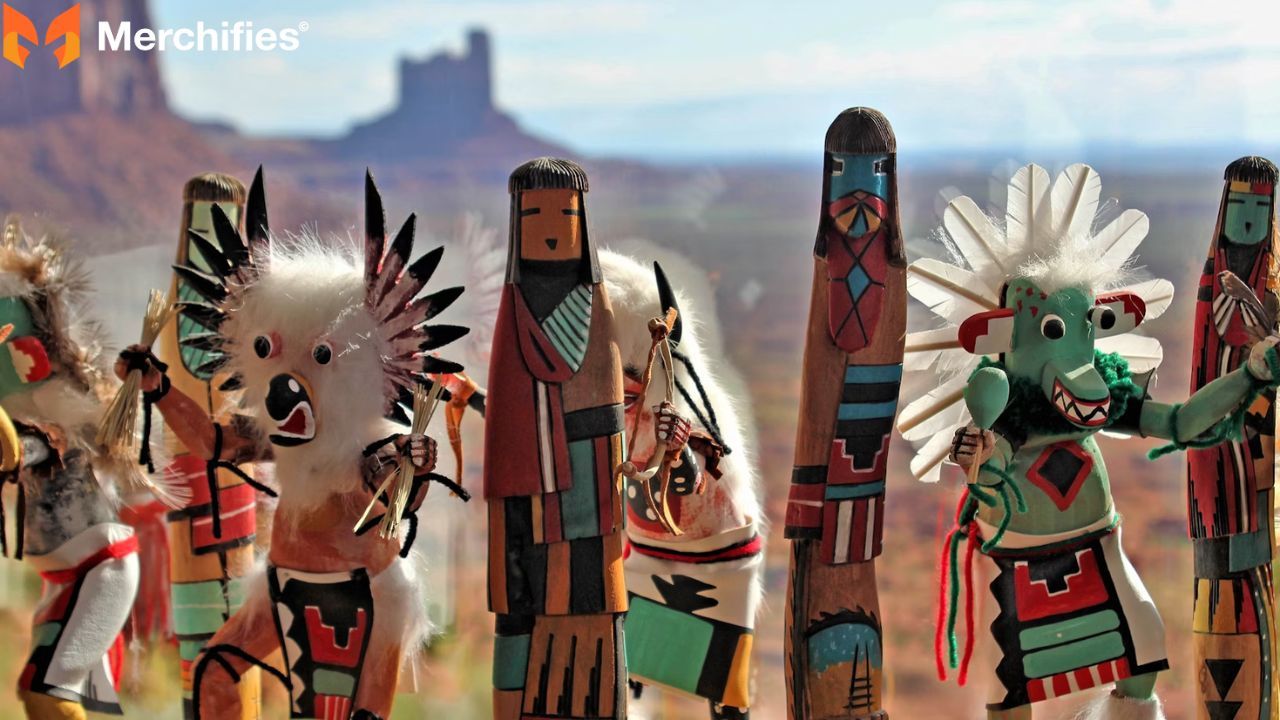
Far from being mere decoration, the motifs found in Navajo patterns are deeply symbolic, often telling stories and reflecting spiritual beliefs. Common designs frequently incorporate elements from the natural world and Diné cosmology. You'll often find representations of mountains, symbolizing sacred places; stars and constellations, guiding forces in the night sky; water, essential for life and sustenance; and corn, a staple food and symbol of prosperity. The figure of Spider Woman, a revered deity who taught the Diné how to weave, is also a powerful symbol. Even the four sacred directions are often integrated into designs, representing balance and harmony. Understanding these meanings enriches the experience of wearing Navajo design shirts and other apparel, transforming a simple garment into a wearable piece of history and spirituality.
When engaging with designs rooted in another culture, it's crucial to understand the distinction between cultural appropriation and cultural appreciation. Cultural appropriation occurs when elements of a minority culture are adopted by members of the dominant culture, often without understanding, respect, or permission, and frequently for profit. This can lead to economic harm for the original creators, misrepresentation of cultural meanings, and general disrespect. Cultural appreciation, on the other hand, involves learning about and engaging with a culture in a respectful, informed way, often by seeking permission and providing appropriate credit and compensation. For example, a non-Native person wearing a genuine Navajo t-shirt purchased directly from a Diné artist, understanding its significance, is appreciation. A large fashion brand mass-producing "Navajo-inspired" patterns without any connection or benefit to the Navajo Nation is appropriation. It’s essential to recognize and respect the intellectual property rights of Indigenous artists.
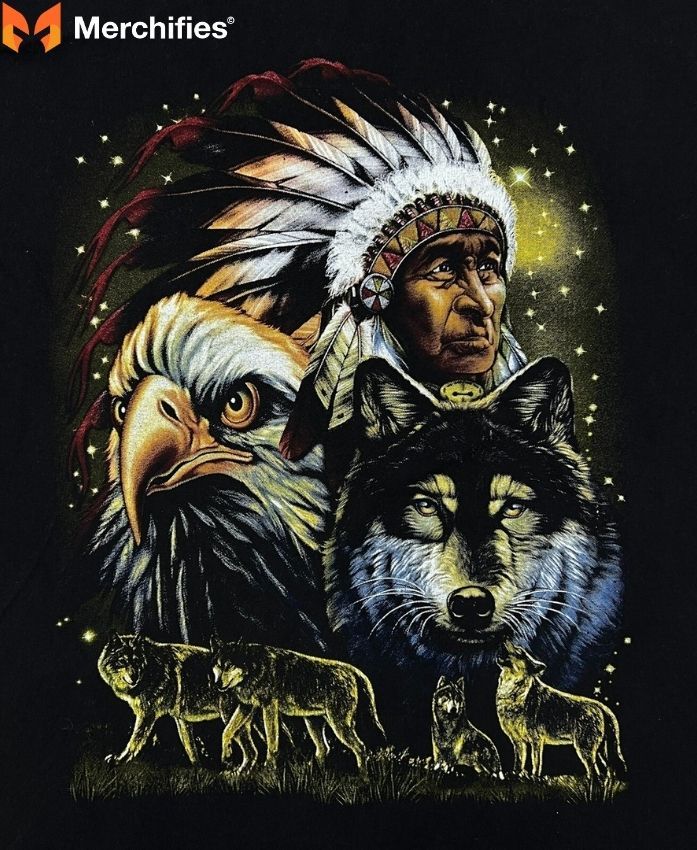
Knowing how to identify genuine craftsmanship is key when seeking out authentic Navajo clothing. One significant indicator is adherence to the Indian Arts and Crafts Act of 1990, which makes it illegal to falsely market products as "Native American made." Look for official certifications or statements of authenticity. Genuine Navajo-made products often display distinct signs of craftsmanship, such as careful stitching, quality materials, and unique design variations that differ from mass-produced imitations. The best way to ensure authenticity is to look for artist statements, provenance (the history of ownership), and direct information about where and by whom the item was made. This applies whether you're looking for an everyday Native shirts and Navajo t-shirt or a statement piece.
Choosing to support Native American artists and businesses has far-reaching positive impacts. Firstly, it directly benefits the Navajo Nation and its communities by providing income and fostering economic stability. This isn't just about charity; it's about enabling self-sufficiency and economic empowerment. Secondly, it plays a vital role in preserving traditional arts and cultural heritage. Each purchase helps ensure that the intricate skills of weaving, design, and storytelling are passed down to future generations. Thirdly, it ensures fair compensation and recognition for the creators, honoring their talent and labor. As Evelyn Sage often points out, "When you buy directly from a Native artist, you're not just buying a product; you're investing in a legacy." This builds trust and advocates for truly ethical practices, ensuring your fashion choices contribute positively to the world.
The most impactful way to purchase authentic Navajo pattern clothing is to buy directly from the artists themselves or from Navajo-owned businesses and collectives. Many Native American artists have embraced online platforms. You can find their work on specialized online marketplaces dedicated to Native American art, often with specific seller filters for tribal affiliation. Look for websites of Navajo-owned brands; for instance, labels like Urban Navajo or NATIVE RHODES, if they are verifiably Navajo-owned, offer contemporary expressions of traditional aesthetics. Shopping directly ensures that a larger percentage of your purchase goes back to the creator and their community.
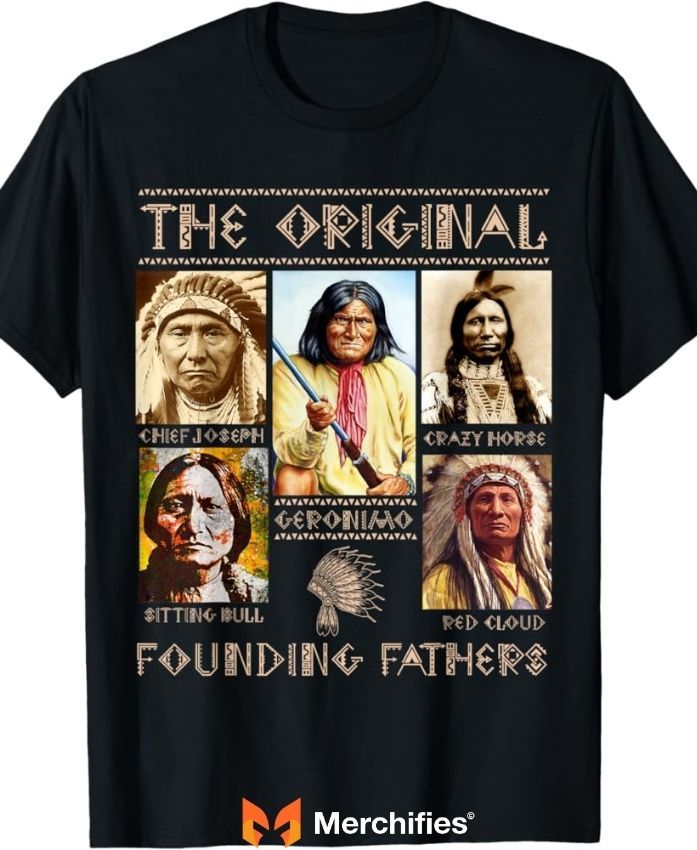
If you prefer a curated selection or want to see items in person, reputable Native American art galleries and specialty shops are excellent resources. These can be found both online and in brick-and-mortar locations, especially in the Southwest. When choosing a reseller, look for transparent sourcing information, a clear commitment to supporting Indigenous artists, and knowledgeable staff who can speak to the provenance of the items. A trustworthy reseller will proudly highlight the artists they work with and often provide certificates of authenticity, especially for higher-value pieces.
When you encounter Native American pattern apparel in larger retail stores, it’s crucial to exercise caution. Many items labeled "Southwestern inspired" or "tribal print" are not genuinely Native-made and often appropriate designs without any benefit to Indigenous communities. Always ask critical questions: "Is this product genuinely Native-made?" "Does the brand collaborate directly with Navajo artists?" "Do the artists receive fair compensation and recognition for their designs?" "What is the brand's policy on cultural sensitivity and intellectual property?" Be wary of brands that simply claim "Navajo-inspired" without proper attribution or ethical sourcing, as this often signifies cultural appropriation rather than true appreciation. Making informed choices helps to combat misleading marketing and supports responsible consumerism.
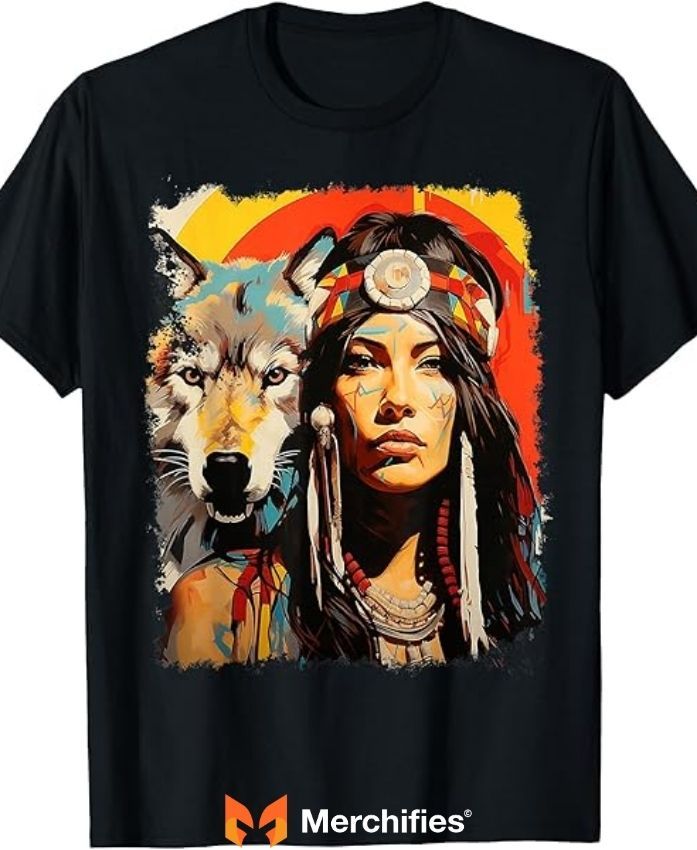
Navajo t-shirts are fantastic versatile pieces that can effortlessly integrate into your everyday wardrobe. For a casual yet stylish look, pair a graphic Navajo tee with your favorite jeans and sneakers. Layering is also a great option; try wearing your t-shirt under an open denim or leather jacket for added texture and warmth. These shirts offer a unique way to introduce vibrant patterns and cultural depth into your daily outfits, moving beyond basic tees.
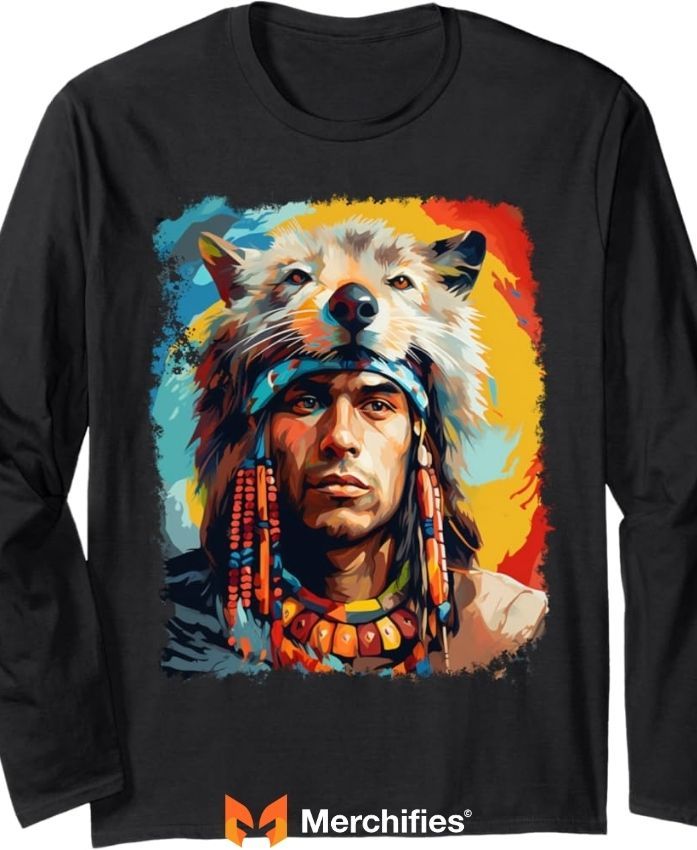
Beyond simple t-shirts, other Navajo pattern clothing items can truly elevate your style. Consider a beautifully patterned jacket or cardigan as a statement piece over a monochromatic outfit. A Navajo pattern skirt or dress can bring a bold, artistic touch to your ensemble. When styling, often less is more; pair these intricately designed items with minimalist pieces to let the pattern truly shine. This approach highlights the artistic value of the garment and prevents your outfit from becoming too busy.
Navajo patterns can be enjoyed year-round. For warmer months, opt for Navajo t-shirts and lighter fabric dresses or skirts that breathe easily. In cooler weather, embrace the warmth of heavier knits, wool jackets, or intricately patterned scarves that incorporate traditional designs. Layering with neutral base layers allows the vibrant patterns to pop, making your Navajo design shirts and other apparel stand out in any season.
Proper care is essential to ensure the longevity and beauty of your Navajo pattern clothing. Always check the care label on each garment, as materials can vary. For cotton blends commonly found in Navajo t-shirts, a gentle cycle with cold water is usually best to protect colors and prevent shrinking. Avoid harsh detergents and bleach. For delicate items or those with intricate patterns, hand washing is often recommended. When drying, air drying or tumble drying on a low setting can help maintain the fabric's integrity and prevent fading, especially for vibrant dyes.
Storing your authentic Navajo clothing correctly will also extend its life. Fold items neatly to prevent stretching or creasing, and store them in a cool, dry place away from direct sunlight, which can cause colors to fade over time. For wool items, consider using moth repellents. By treating these pieces not just as clothing but as valuable art and cultural artifacts, you ensure they remain beautiful and meaningful for years to come.
The journey through Navajo t-shirts and Navajo pattern clothing is one of profound beauty, rich history, and crucial ethical consideration. We've explored the legacy of Diné weaving, the meanings embedded in its symbols, and the critical importance of authenticity and ethical sourcing. Your purchasing decisions have the power to uplift Native American artists and preserve vital cultural heritage.
We encourage you to make informed, respectful purchasing decisions. Seek out opportunities to buy directly from Navajo artists and support businesses committed to fair trade and cultural integrity. Remember, wearing these designs is more than just a fashion statement; it's an act of genuine appreciation and cultural support. As Evelyn Sage concludes, "Every authentic Navajo pattern piece carries a story and a spirit. By choosing wisely, you become a part of that story, helping to sustain its vibrant future."
-d4c38c342cdf20ca.jpeg)


-b555fcc6b204c456.jpeg)