 Worldwide Shipping
 Secure Payments
 Free Return
 Local Support
-da0801079a650a2e.jpeg)
17 Year Anniversary Quotes: 110+ Funny, Romantic & Furniture Wishes (2026)
Mar, 12 2026
Mother’s Day is celebrated across the globe, but the traditions and customs can vary beautifully from one culture to another. While the message of love and appreciation remains the same, each country adds its own unique touch to honoring mothers. In this guide to Mother’s Day traditions around the world, you’ll take a global journey through meaningful customs, from heartfelt family gatherings and gift-giving to cultural rituals and special meals. Discover how different cultures celebrate motherhood and express gratitude in ways that are both unique and deeply meaningful.

The love for a mother, a maternal figure, or any woman who has nurtured and guided us, is a sentiment that transcends borders and languages. It's a universal thread weaving through the tapestry of human experience. While the deep appreciation we feel is constant, the ways we choose to express it through Mother's Day traditions vary wonderfully across the globe.
Mother's Day is more than just a date on the calendar; it's a dedicated moment to honor these incredible women. As Victoria Lane, a Lifestyle Writer and Family Celebration Content Curator, often shares, these celebrations are powerful opportunities to reflect on the immense influence of maternal care, guidance, and unconditional support. Her work consistently explores how words and gestures can truly capture the warmth, sacrifice, and encouragement mothers provide every day.
In this article, we’ll embark on a fascinating journey, exploring the diverse Mother's Day traditions celebrated worldwide. From ancient roots to modern customs, prepare to discover unique celebrations and shared expressions of love that resonate with a "people-first" approach to honoring moms everywhere.
While our modern Mother's Day might feel relatively new, the honoring of mothers has roots stretching back through millennia. Long before greeting cards and floral bouquets, ancient civilizations paid homage to mother goddesses, embodying fertility and the essence of life itself. The Greeks celebrated Rhea, mother of the gods, and the Romans honored Cybele with grand festivals.
In more recent history, the UK's "Mothering Sunday" emerged during the 16th century. Originally a Christian tradition, it was observed on the fourth Sunday of Lent when people would return to their "mother church" – the main church or cathedral in their area. It became a day for domestic servants to visit their families, often bringing small gifts or cakes for their mothers. This historical tradition offers a poignant glimpse into early Mother's Day traditions.
The modern iteration of Mother's Day, however, has its origins in the United States. Anna Jarvis, driven by her mother's wish for a day to honor mothers, tirelessly campaigned for its recognition. Her efforts led to the first official Mother's Day celebration in 1908, and by 1914, President Woodrow Wilson proclaimed it a national holiday, celebrated on the second Sunday in May. This rich history provides a meaningful backdrop to understanding today's global Mother's Day traditions.
The beauty of global Mother's Day traditions lies in their incredible diversity. While the sentiment is universal, the dates, customs, and celebratory gestures vary significantly, reflecting unique cultural narratives. Let's explore some of these vibrant celebrations.
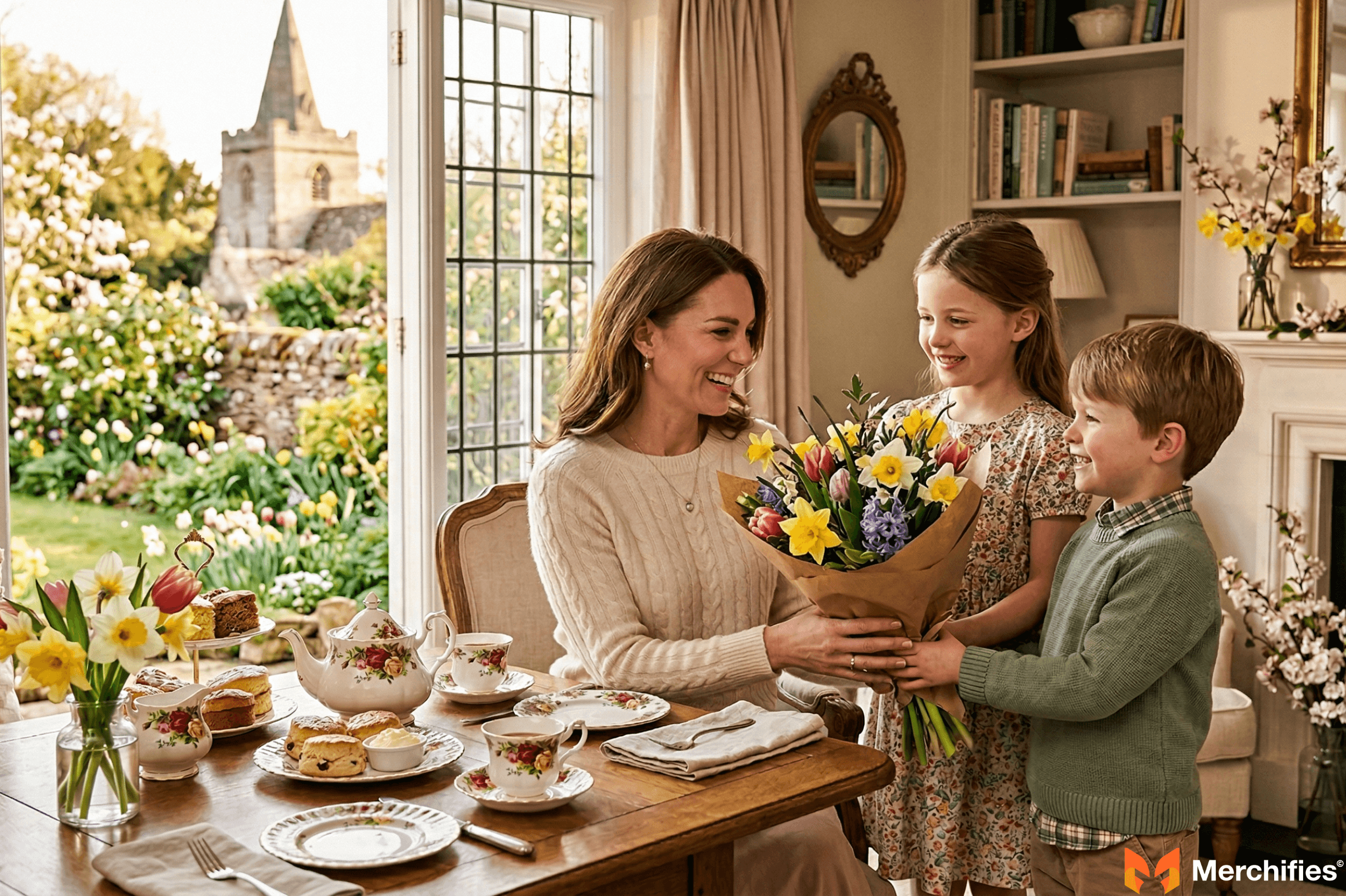
In the UK, the Mothering Sunday tradition, rooted in Christian observance, continues. It's celebrated on the fourth Sunday of Lent.
Date: Fourth Sunday of Lent (typically March).
Key Traditions: Families often attend church services, and a traditional Simnel cake (a fruit cake with marzipan) is baked. Children give flowers and small gifts, mirroring the historical practice.
Cultural Significance: A blend of religious observance and family appreciation.
Bring it Home: Bake a special treat with your family, reminiscent of the Simnel cake, to share your love.
For many, this is the most recognized Mother's Day. These countries share similar Mother's Day traditions.
Date: Second Sunday in May.
Key Traditions: Sending cards, giving bouquets of flowers (especially carnations), breakfast in bed, family gatherings, and treating mom to a special meal out. Handmade gifts from children are also cherished.
Cultural Significance: A day for overt appreciation and making mothers feel pampered.
Bring it Home: Plan a special breakfast in bed or a family brunch to start the day with warmth and togetherness.
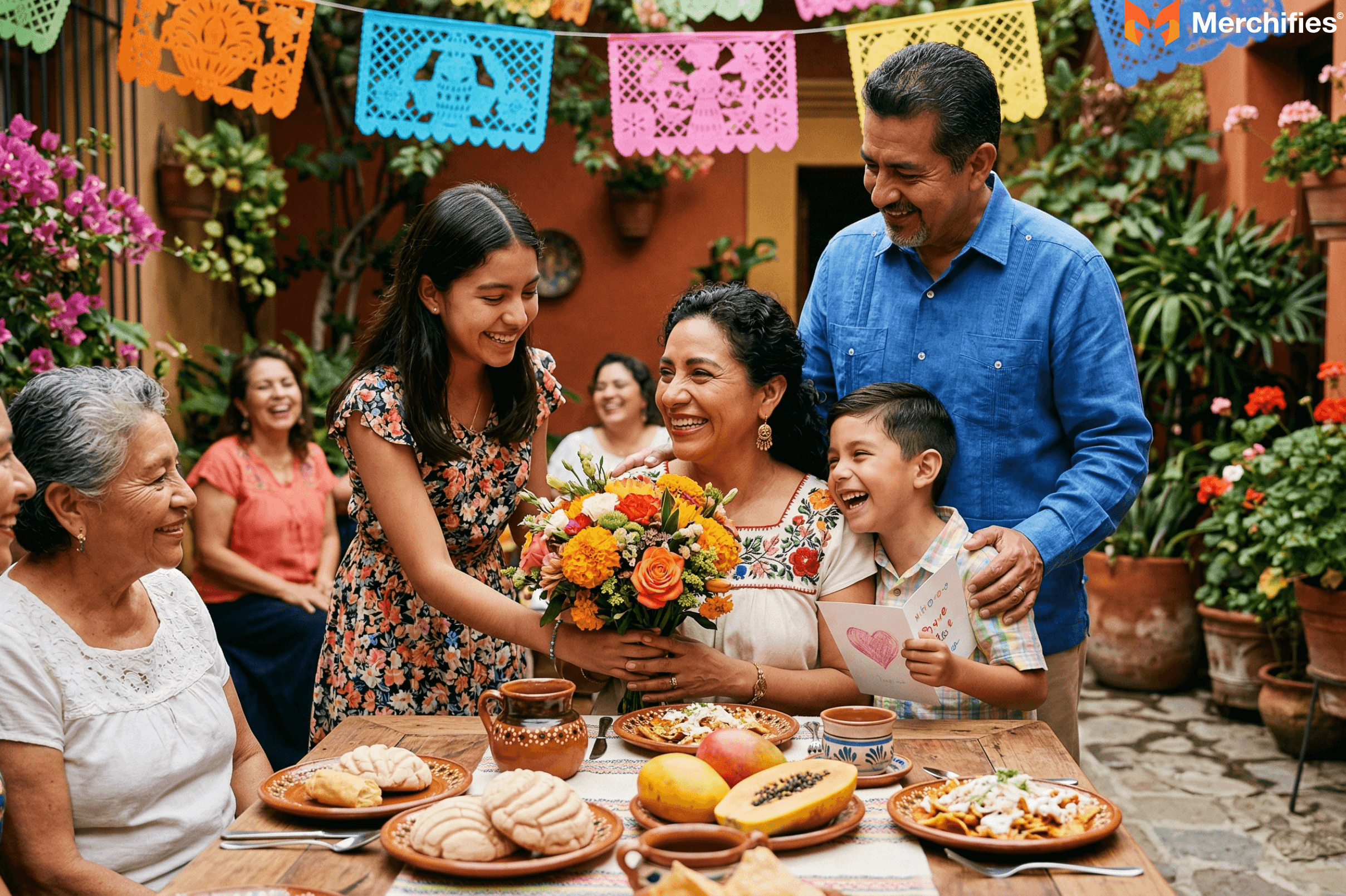
Mexican celebrations are known for their vibrant energy and deep respect for mothers.
Date: May 10th.
Key Traditions: Often beginning with serenades (mañanitas) sung by mariachi bands, large family meals (mole, tamales), gifts, and dancing. Schools host special events where children perform.
Cultural Significance: A joyous, community-oriented celebration of the matriarch.
Bring it Home: Organize a family sing-along or prepare a special Mexican dish to share, filling your home with festive cheer.
Japanese Mother's Day traditions are often characterized by gentle expressions of love.
Date: Second Sunday in May.
Key Traditions: Children give red carnations, symbolizing purity and love. They also often draw portraits of their mothers, a heartfelt gesture. Hand-made gifts and cooking for mom are common.
Cultural Significance: Emphasis on respect, gratitude, and artful expression.
Bring it Home: Encourage children to draw or craft something unique for their mother, as Victoria Lane reminds us, sometimes the most meaningful messages are non-verbal and come straight from the heart.
While not a single "Mother's Day" in the Western sense, Durga Puja is India's largest festival celebrating the divine mother, Durga.
Date: A 10-day festival typically in September or October.
Key Traditions: Elaborate idol worship, fasting, feasting, cultural performances, and family visits. It's a celebration of strength, protection, and motherhood.
Cultural Significance: Honoring the feminine divine and the power of creation.
Bring it Home: Reflect on the strength and resilience of the mothers in your life, celebrating their powerful influence.
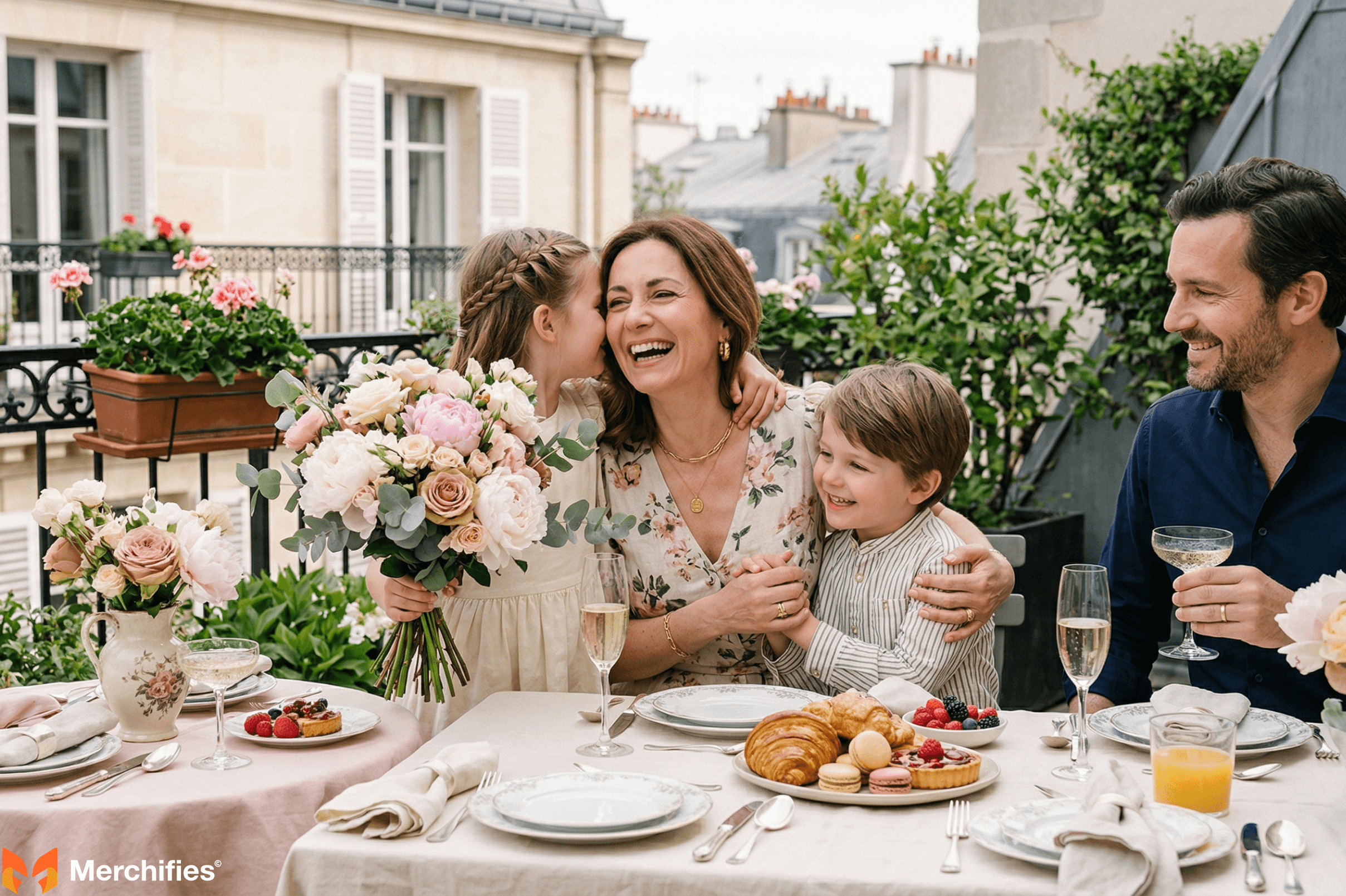
French Mother's Day traditions combine elegance with family warmth.
Date: Last Sunday of May (unless it falls on Pentecost, then the first Sunday of June).
Key Traditions: Elaborate floral bouquets (often shaped like cakes), family feasts, poems recited by children, and medals awarded by the government to mothers of large families.
Cultural Significance: A day for sophisticated appreciation and recognizing mothers' contributions to family and society.
Bring it Home: Write a heartfelt poem or create a beautiful floral arrangement to show your appreciation.
Ethiopian Mother's Day traditions are deeply communal and tied to agricultural cycles.
Date: At the end of the rainy season, usually in autumn.
Key Traditions: A three-day feast called Antrosht, following the seasonal rains. Families gather for singing, dancing, and preparing a large meal, often featuring a traditional meat hash. Girls bring vegetables, and boys bring meat.
Cultural Significance: A celebration of family, harvest, and the renewal of life.
Bring it Home: Plan a special family meal, with everyone contributing their favorite dishes, to celebrate togetherness.
Many other nations, like Brazil, Germany, and various European countries, also celebrate on the Second Sunday in May, similar to the US, often with local variations in food, flowers, and family activities. The essence remains a focused day of gratitude and joy for mothers.
ALSO READ: Happy Mother's Day to All Moms: 80+ Messages & Quotes for Every Woman
Despite the diverse dates and customs, several common threads weave through global Mother's Day traditions, highlighting the universal nature of maternal love and appreciation.
Gifts of Love: Whether it's a handmade card from a child, a vibrant bouquet of flowers, a carefully chosen present, or a delicious home-cooked meal, the act of giving to express affection is almost universal.
Family Togetherness: A central theme across cultures is the importance of gathering family. Meals, visits, and shared activities reinforce the bond and create lasting memories.
Acts of Service: Many traditions involve relieving mothers of their daily chores, allowing them to relax and feel pampered. Breakfast in bed, helping with housework, or running errands are simple yet profound ways to show care.
Celebrating All Maternal Figures: The appreciation often extends beyond biological mothers to grandmothers, aunts, stepmothers, mentors, and any woman who has offered maternal guidance and support. It truly is a day to honor the powerful influence of women who shape our lives.
Now that we’ve explored the rich tapestry of global Mother's Day traditions, how can you adapt these wonderful ideas to make the day special for the mothers in your life?
Personalized Cards and Gifts: Take inspiration from the Japanese tradition of drawing portraits or the French custom of heartfelt poems. Create a personalized card or a handmade gift that speaks directly to your mother's heart. As Victoria Lane emphasizes, finding the right words for greeting cards or personal notes can create lasting memories.
Special Family Meals: Borrow from the Ethiopian Antrosht or the Mexican Día de las Madres by preparing a celebratory family feast. Involve everyone in cooking your mom's favorite dishes or trying a new recipe together.
Acts of Thoughtful Service: Remember the universal thread of helping mothers. Dedicate the day to relieving her of chores, allowing her to truly relax and enjoy herself. Offer to do the laundry, clean the house, or simply bring her a cup of coffee in bed.
Share Stories and Memories: Connect with the idea of celebrating maternal influence by sharing cherished memories or stories about your mother. This can be a deeply personal and meaningful way to express gratitude.
Support Local Businesses: When choosing gifts, consider supporting local florists, bakeries, or small businesses for unique and thoughtful presents that show you care.
ALSO READ: Personalized Gifts for Mom: Unique, Heartfelt & Custom Ideas She'll Adore
Our journey through global Mother's Day traditions reveals a beautiful truth: while expressions may differ, the profound love and appreciation for mothers are universal. From ancient goddesses to modern celebrations, the day stands as a timeless tribute to the warmth, sacrifice, and unconditional support that maternal figures provide.
Whether it’s through a simple card, a vibrant family feast, or a quiet moment of reflection, the essence of this day remains the same: to honor and cherish the extraordinary women who shape our lives. As Victoria Lane reminds us, Mother's Day is more than a celebration—it is an opportunity to reflect on the powerful influence of maternal care and guidance. By celebrating with sincerity and creating lasting memories through thoughtful words and shared gratitude, we truly honor the spirit of Mother's Day.
-d4c38c342cdf20ca.jpeg)


-b555fcc6b204c456.jpeg)