
-da0801079a650a2e.jpeg)
17 Year Anniversary Quotes: 110+ Funny, Romantic & Furniture Wishes (2026)
Mar, 12 2026

"Ready to launch your shirt business? Discover step-by-step guidance from choosing your niche to marketing strategies. Learn about printing methods, sourcing suppliers, and building a profitable brand in the competitive apparel industry."
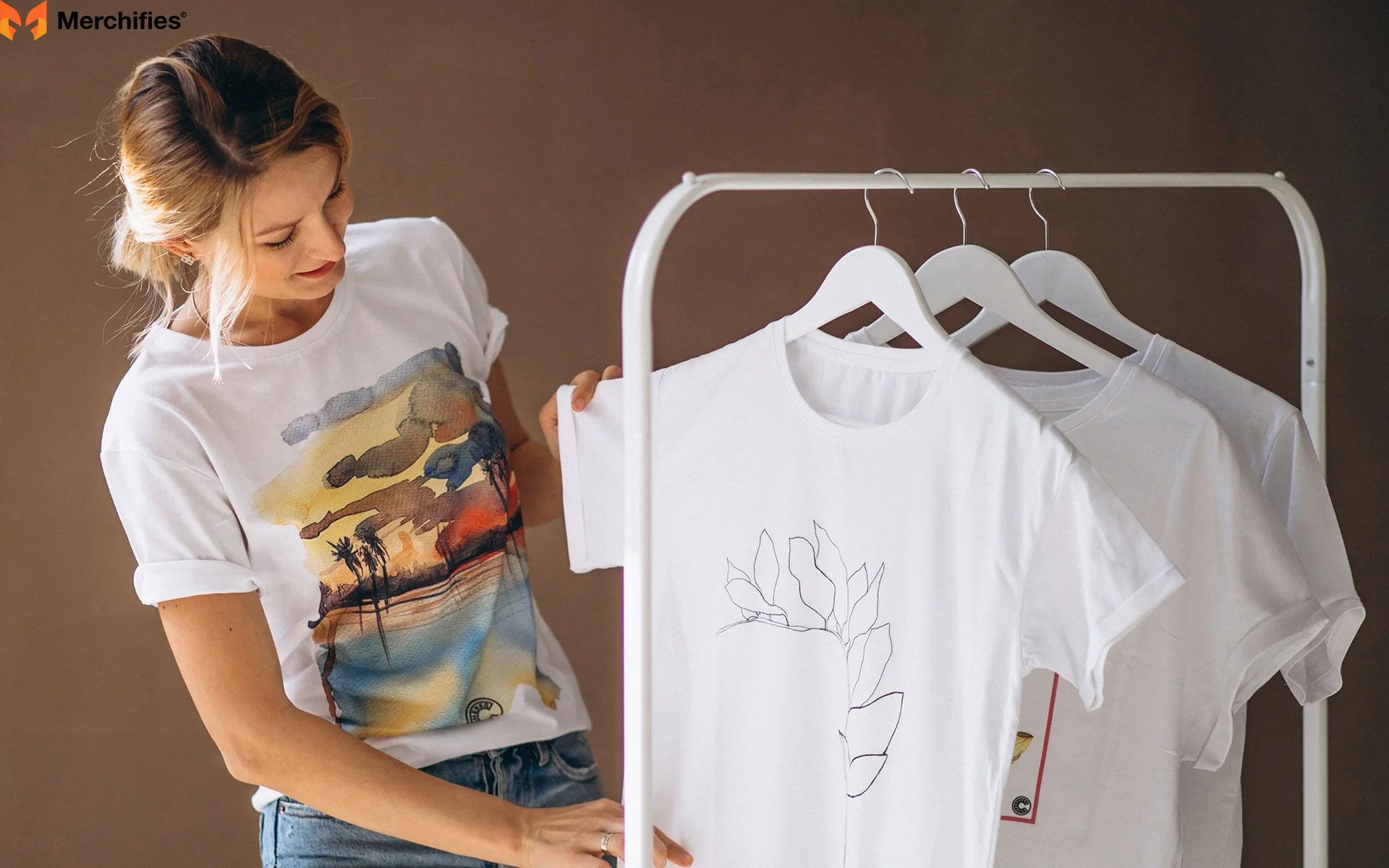
Have you ever dreamt of turning your creative ideas into tangible products that people love to wear? The world of t-shirt entrepreneurship is ripe with opportunity, offering a unique blend of artistic expression and business savvy. This comprehensive guide will show you exactly how to start a t-shirt business, taking you from initial concept to a thriving brand. As Hannah Gale, a seasoned e-commerce strategist who has personally guided countless new entrepreneurs through the digital marketplace, often emphasizes, success in this arena hinges on clear vision and actionable steps.

The appeal of launching a clothing line, especially one focused on custom t-shirts, is stronger than ever. The market for personalized and niche apparel continues to expand, driven by consumers eager to express their individuality and support brands that resonate with their values. We're talking about a multi-billion dollar industry with consistent growth. The barriers to entry are surprisingly low, thanks to innovative production methods, offering immense creative freedom and the potential for impressive profit margins. Whether you envision a print-on-demand empire or a local screen-printing shop, diverse business models cater to every ambition.
In this detailed guide, you'll embark on a journey that covers every essential step to start a t-shirt business. From pinpointing your target audience and crafting unique designs to choosing the right production method and setting up your online store, we'll equip you with actionable, step-by-step advice. We'll even delve into marketing strategies, fulfillment, and crucial legalities, ensuring you have a robust roadmap to launch and scale a profitable brand.
Before a single design is sketched or a blank t-shirt ordered, the most critical foundational step is defining your niche and understanding precisely who you're selling to. This isn't just a recommendation; it's a non-negotiable strategy for long-term success and authority in the market.
Trying to appeal to everyone often means appealing to no one. In a saturated market, a well-defined niche allows your brand to stand out. It enables you to speak directly to a specific audience, developing designs and marketing messages that resonate deeply with their unique interests, humor, or values. This specificity makes marketing efforts more effective and cost-efficient, as you're targeting a distinct group rather than casting a wide net. Ultimately, it’s about building a strong, identifiable brand identity that fosters loyalty.

Finding your niche starts with brainstorming. Consider your own passions and expertise: are you into gaming, sustainable living, specific dog breeds, or retro aesthetics? Explore current trends via Google Trends, social media analytics, and by analyzing competitors to spot gaps or underserved communities. Ideas can stem from hobbies, local pride, social causes, pop culture, or unique humor. Remember, the goal is to find an intersection of demand and your authentic interest.
Once you have a potential niche, delve into understanding your target customer. This involves profiling both their demographics (age, gender, location, income, occupation) and psychographics (values, interests, pain points, lifestyle choices, aspirations). Creating detailed buyer personas helps you visualize who you’re designing for and how to connect with them on an emotional level. What problems do they face? What makes them laugh? What causes do they support? Answering these questions brings clarity to your brand messaging.
Before committing significant resources, validate your ideas. Run surveys on social media, engage in online forums related to your niche, or even start with small test runs of designs using print-on-demand services. This feedback loop is invaluable for refining your concept and ensuring there’s genuine demand for your products.
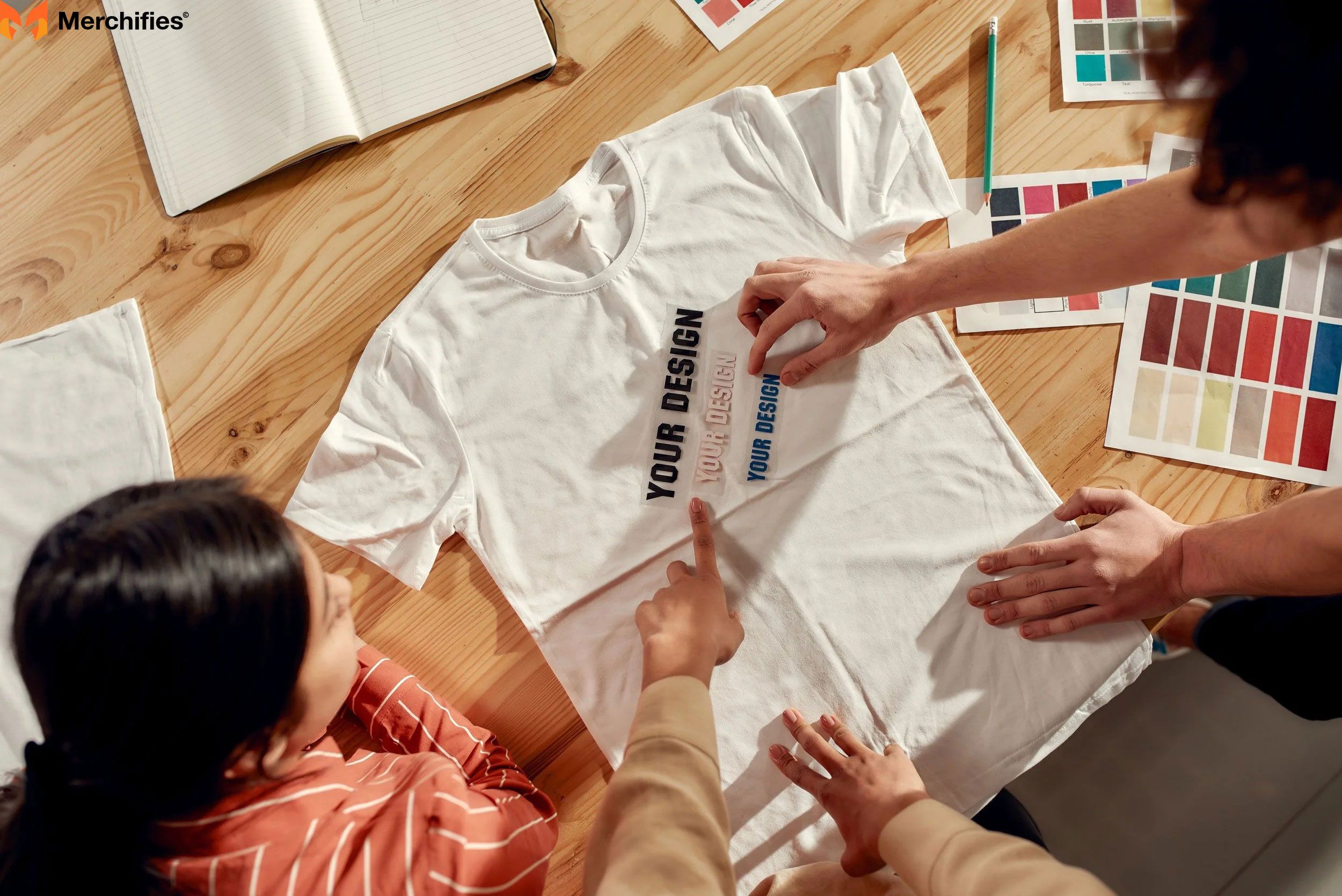
Your brand identity is the personality of your business, and your designs are its voice. This step is about crafting a cohesive visual and narrative identity that captivates your target audience.
What makes your brand unique? What message or emotion do you want to convey with your t-shirts? A compelling brand story connects with customers on a deeper level. Define your mission, vision, and core values. Are you about humor, empowerment, sustainability, or vintage aesthetics? This narrative guides all your design choices and marketing efforts.
Good design is paramount. Familiarize yourself with basic design principles such as typography, color theory, and composition. For creating designs, popular software options include Adobe Illustrator/Photoshop for professional work, Canva for user-friendly templates, or Procreate for digital artists. If design isn't your forte, consider outsourcing to freelancers on platforms like Fiverr, Upwork, or 99designs. Always be mindful of legal considerations; ensure your designs are original to avoid copyright or trademark infringement.
Your logo is the face of your brand. It should be simple, memorable, and scalable. Beyond the logo, establish a consistent visual identity including a color palette, font families, and imagery style. Consistency across your website, social media, and packaging builds recognition and trust.

Before you even print a single shirt, high-quality mockups are essential. These are realistic digital representations of your designs on t-shirts worn by models. Tools like Placeit or Smartmockups allow you to create stunning product images without the need for physical inventory or expensive photoshohoots. Professional mockups significantly impact perceived quality and drive sales by allowing customers to visualize themselves wearing your product.
One of the most exciting aspects of modern entrepreneurship is the flexibility in business models, allowing you to start a t-shirt business with minimal upfront investment or even entirely from home. Selecting the right production method is crucial, impacting your costs, control, and scalability.
Print-on-Demand is a revolutionary model for anyone wondering how to start a t-shirt business with no money. You design the t-shirt, list it on your online store, and when a customer places an order, a third-party POD provider prints and ships the item directly to them.
Screen printing involves pressing ink through a woven mesh stencil onto fabric. It’s an older method but highly effective.

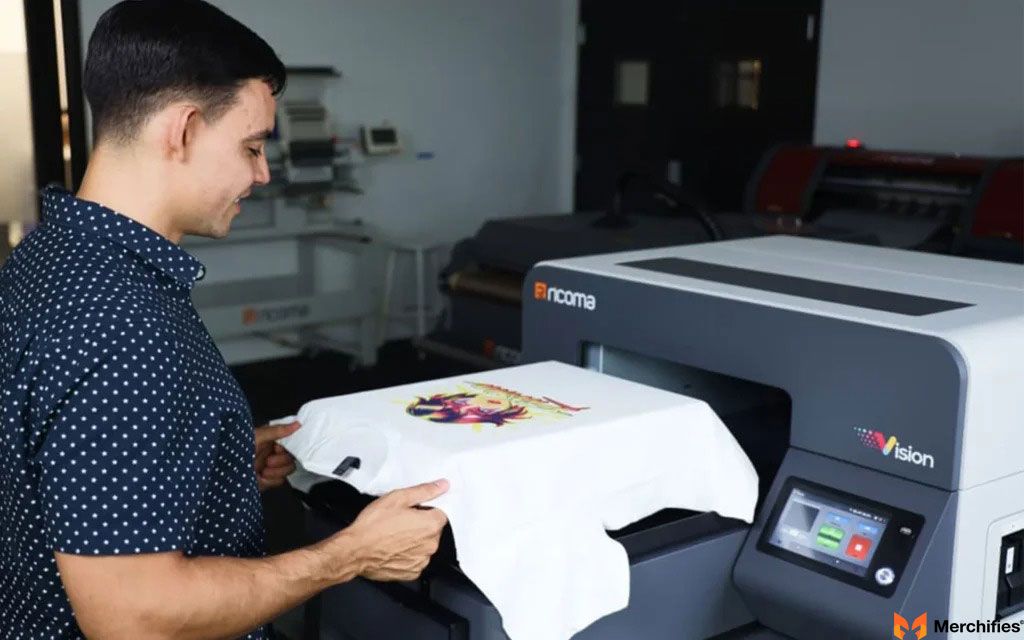
DTG printing is like using an inkjet printer for t-shirts. It sprays ink directly onto the garment.
Heat transfer vinyl (HTV) involves cutting designs from colored vinyl sheets and applying them to garments with a heat press. This is a common method for those looking to start a t-shirt business at home.
Embroidery uses thread to stitch designs onto fabric, offering a sophisticated, tactile finish.
Many successful t-shirt businesses utilize a hybrid approach, combining methods. For instance, you might use POD for initial validation and unique designs, then switch to screen printing for best-sellers that require bulk. Partnering with local print shops can also offer flexibility and support as you scale.

The quality of your blank t-shirt is just as important as the design. It impacts comfort, durability, and how your design holds up over time, directly reflecting on your brand's trustworthiness.
Consider several factors when selecting your blanks:
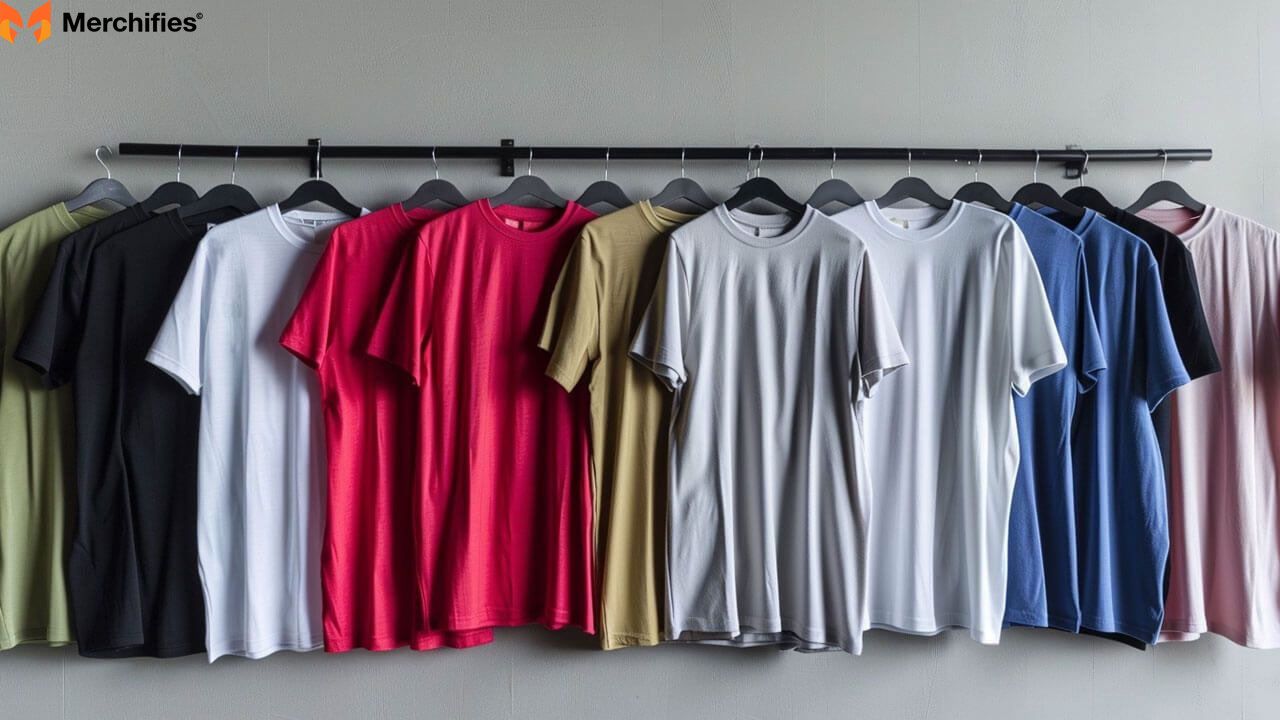
Reputable suppliers like Gildan, Bella+Canvas, Next Level, American Apparel, Hanes, and Comfort Colors offer a wide range of styles and materials. To access wholesale pricing, you'll typically need to open a wholesale account, which often requires a business license or EIN.
Always order samples before committing to a large batch. Thoroughly check for defects, assess the feel of the fabric, and see how well it holds your chosen print method. This small investment in quality control can prevent costly mistakes down the line.
Every successful venture, even one starting small, benefits from a clear roadmap. Addressing legalities from the outset demonstrates expertise and builds a trustworthy foundation for your t-shirt business.
A business plan doesn't have to be a daunting document; it's a living guide for your growth. It should include an executive summary, a detailed description of your product/service, your marketing strategy, operational plans (how you’ll run things day-to-day), and financial projections. Setting clear goals and a roadmap is essential for navigating your entrepreneurial journey.
To legitimize your operations, you'll need to register your business. Choices include a Sole Proprietorship (simplest, but no personal liability protection), LLC (Limited Liability Company, popular for small businesses due to liability protection), or Corporation (more complex, for larger ventures). Obtaining an Employer Identification Number (EIN) from the IRS is crucial for tax purposes, even if you don't have employees.
Depending on your location, you may need local business licenses. Research your city and state requirements. To protect your brand name and unique designs, consider applying for trademarks. This prevents others from using your intellectual property and helps secure your brand's future.
You'll need to understand how to collect and remit sales tax. This is determined by "nexus," meaning where your business has a physical or economic presence. Start with basic bookkeeping – track all income and expenses, even if it's just using a simple spreadsheet initially. This ensures you're ready for tax season and provides insights into your financial health.
For anyone looking to start a t-shirt business online, your e-commerce platform is your digital storefront. Choosing the right one and setting it up effectively is crucial for reaching customers.
Considerations include ease of use, monthly costs, and seamless integrations with your chosen POD providers or other tools.
Your online store needs to be visually appealing, user-friendly, and mobile-responsive. Prioritize a clean layout, clear navigation, and high-quality product images (using your mockups!) and videos. Strong call-to-actions (e.g., "Add to Cart," "Shop Now") should be prominently displayed. A positive user experience (UX) keeps customers engaged and reduces bounce rates.
Beyond just listing features, your product descriptions should tell a story. Highlight the benefits of your t-shirts (e.g., "ultra-soft fabric for all-day comfort"), articulate your brand's unique message, and include essential details like sizing charts, material composition, and care instructions. Optimize these descriptions with relevant keywords for SEO to help customers find your products through search engines.

Ensure you offer a variety of secure payment options like Stripe, PayPal, Shopify Payments, Apple Pay, and Google Pay. Providing diverse and trusted payment gateways builds confidence and caters to different customer preferences, ensuring a smooth checkout experience.
Pricing is a delicate balance. You need to cover your costs, make a profit, and offer perceived value to your customers. Getting it right is essential for financial viability.
Before setting prices, meticulously calculate all your expenses: the cost of the blank t-shirt, printing cost (per item), shipping costs (both from supplier to you/POD to customer), e-commerce platform fees, payment processing fees, and even a portion of your marketing expenses. Don't forget to account for your time and labor, even if you’re working from home.
Analyze what similar products in your niche are selling for. This gives you a baseline and helps you position your brand. Are you aiming for a premium, mid-range, or budget-friendly price point? Your pricing should reflect your brand’s value proposition.
Consider tiered pricing for bundles or bulk orders to encourage higher average order values.
Decide on your shipping strategy. Offering free shipping can attract customers but means you need to absorb or build that cost into your product price. Alternatively, calculate rates based on weight and destination. Always be transparent about international shipping considerations and customs fees if you plan to sell globally.
Building an online store is only half the battle; people need to know it exists! Effective marketing is how you connect your unique designs with your target audience.
Social media is a powerhouse for t-shirt brands. Focus on visual platforms like Instagram, TikTok, and Pinterest, which are ideal for showcasing apparel. Develop a content strategy that includes user-generated content, behind-the-scenes glimpses, lifestyle shots of people wearing your shirts, and engaging Reels or TikToks. Hashtag research is key to expanding your reach. Platforms like Facebook are still valuable for community building and targeted ads.
Beyond product listings, create valuable content. Start a blog about topics relevant to your niche—design inspiration, interviews with artists, or stories behind your collections. Video tutorials or brand story narratives can further engage your audience and demonstrate your expertise.
Build an email list from day one. Offer incentives like a discount for signing up. Implement a welcome sequence for new subscribers, send out newsletters with new product drops, promotions, and engaging content. Set up abandoned cart recovery emails to bring back potential customers.
When you have a bit of budget, consider paid advertising. Google Ads can capture intent-based searches, while Facebook/Instagram Ads allow for highly targeted campaigns based on demographics and interests. Explore retargeting campaigns to re-engage visitors who didn't convert initially.
Identify micro-influencers in your niche who have an engaged audience that aligns with your brand. Collaborations can be a cost-effective way to gain exposure and build trust.
Optimizing your online store for search engines is critical for organic traffic. Conduct keyword research for your product titles, descriptions, and category pages. Use descriptive alt text for product images, and ensure your site is fast and mobile-friendly. Consistent SEO efforts can lead to sustained visibility.
Engage with your audience regularly through comments, DMs, and polls. Foster a sense of community around your brand's values. Implement loyalty programs, and consistently deliver excellent customer service to turn one-time buyers into lifelong fans.
Operational excellence and stellar customer service are cornerstones of a trustworthy brand. How you handle orders and support your customers directly impacts your reputation and repeat business.
Choose reliable shipping carriers (USPS, FedEx, UPS) and offer tracking information to customers. Consider shipping insurance for higher-value orders. Explore sustainable packaging options to align with environmentally conscious consumers, as Hannah Gale often advises her clients, building a brand that reflects modern values.
A clear and fair return policy is vital. Make it easy for customers to understand and initiate returns or exchanges. When issues arise, respond promptly and empathetically. Turning a negative experience into a positive one through excellent customer support can strengthen loyalty.

Be accessible. Offer multiple communication channels like email, live chat, or a dedicated phone line. Aim for quick response times and maintain an extensive FAQ section on your website to address common queries before they become support tickets.
Once your t-shirt business is successfully launched, the journey shifts to growth. This demonstrates long-term thinking and continuous development.
Regularly dive into your sales analytics. Identify your best-selling designs, popular niches, and peak sales periods. Pay close attention to customer feedback, reviews, and social media comments. This data is invaluable for refining your product offerings and improving your processes.
Don't limit yourself to just t-shirts. Consider expanding into related apparel like hoodies, sweatshirts, tank tops, or hats. Accessories like tote bags, mugs, or phone cases can also broaden your appeal. Introduce new design collections regularly to keep your brand fresh and exciting.
Think about international sales – is there a demand for your designs abroad? Explore wholesale opportunities with boutiques or gift shops. Partnerships with other brands or creators can also open doors to new audiences.

As you grow, look for ways to automate repetitive tasks and streamline workflows. This could involve integrating more tools, outsourcing specific functions, or refining your fulfillment process to handle increased volume without sacrificing quality.
Learning from others' missteps can save you time, money, and frustration.
To equip you for success, here's a rundown of vital tools and resources:
The journey to start a t-shirt business is an exciting one, brimming with creative potential and the promise of entrepreneurship. From meticulously defining your niche and crafting standout designs to strategically choosing your production method and effectively marketing your brand, each step builds towards a successful enterprise.
Remember, as Hannah Gale, your guide in this journey, consistently advises her clients, perseverance and a passion for your craft are just as important as the practical steps. Continuous learning, adapting to market feedback, and maintaining unwavering dedication to your customers will be your greatest assets.
Your unique vision is waiting to be shared with the world. Don't wait—take the first step today. Start your research, sketch out those initial ideas, and lay the groundwork for a profitable t-shirt business that truly reflects your creativity and passion.
-d4c38c342cdf20ca.jpeg)


-b555fcc6b204c456.jpeg)