 Worldwide Shipping
 Secure Payments
 Free Return
 Local Support
-da0801079a650a2e.jpeg)
17 Year Anniversary Quotes: 110+ Funny, Romantic & Furniture Wishes (2026)
Mar, 12 2026
This ultimate guide shows you how to set achievable goals for the New Year using clear planning, realistic milestones, and sustainable habits. Discover proven techniques to stay motivated, track progress, and turn resolutions into long-term success.

As the calendar turns, many of us feel that familiar surge of hope and determination, ready to embrace a "New Year, New Me" mantra. We sketch out ambitious New Year resolutions, dreaming of transformative changes—from running marathons to mastering new languages. Yet, for countless individuals, that initial spark often fades by February, leaving behind a trail of unfulfilled promises and a sense of defeat. Why does this cycle repeat year after year? Often, the culprit isn't a lack of desire, but rather a lack of clarity, overwhelm, and unrealistic expectations baked into the goals themselves.
This guide, brought to you by Mason Ellis Grant, an instructional content specialist with over seven years of hands-on experience in producing clear, actionable, and research-backed how-to guides, is designed to break that cycle. Mason’s expertise lies in simplifying complex challenges into easy-to-follow steps, much like we'll do for your goals. We're going to provide you with a structured, actionable framework to set achievable goals for the New Year that lead to genuine progress and lasting success. Say goodbye to fleeting motivation and welcome a sustainable system for true goal achievement.
When we talk about goal setting, the word "achievable" might sound less exciting than "audacious" or "monumental." However, understanding achievability is truly the cornerstone of sustained success and personal growth. Psychologically, setting realistic goals provides a powerful feedback loop. Each small win builds confidence, reinforces positive behavior, and fuels motivation. Conversely, consistently setting overly ambitious goals that are perpetually out of reach can lead to burnout, frustration, and eventually, giving up altogether.
Think of it this way: would you rather climb a mountain one carefully planned step at a time, or attempt to leap to the summit in one go, only to stumble and fall? As Mason Ellis Grant often emphasizes in his methodical approach to problem-solving, why starting small can lead to big results is a fundamental principle in overcoming everyday challenges. Practical, incremental progress, focusing on a few achievable goals at a time, is far more effective than an all-or-nothing approach that risks early failure. It’s about building momentum, one success at a time, to make sure your New Year resolutions stick.

Before you start drafting new goals, take a moment to pause. True success in setting achievable goals for the New Year begins with introspection.
Take time to review last year's successes, challenges, and the lessons you learned—without judgment. What went well? What didn't? What patterns emerged that either helped or hindered your progress? This self-assessment is crucial for personal growth. Did you struggle to stay motivated with certain goals? Was a goal too vague? Understanding your past experiences provides valuable insight into setting more effective and realistic goals moving forward. What did last year teach you about your capacity and your priorities?
Now, shift your focus to the future. What does your "best self" look like by the end of the year? What core values will guide you? Identifying these intrinsic motivators makes your goals more relevant and meaningful. Consider key areas of your life: career, health, relationships, personal development, finances, or community involvement. Envision yourself having achieved your goals—how do you feel? What are you doing? This detailed vision is your North Star for setting achievable goals.

The SMART goal framework is a widely accepted, powerful tool for transforming vague aspirations into concrete, actionable steps. To truly know how to set achievable goals for the New Year, you must master this principle.
A specific goal clearly outlines what you intend to achieve. It answers the "who, what, where, when, why, and which" questions. Instead of "I want to improve my fitness," a specific goal would be: "I want to run a 5K race." This precise definition gives you a clear target.
Measurable goals allow you to track your progress and know when you've reached your objective. They involve quantifiable metrics and benchmarks. For our fitness goal, "run a 5K race" is measurable, as you either do it or you don't. Another example: "Walk 30 minutes, 5 times a week" instead of "Exercise more." How will you know you've succeeded? What data points will you use?
This is where the "achievable" in our title truly shines. An achievable goal means it's challenging but not impossible. It requires you to assess your resources, time, and potential obstacles honestly. As expert Jenna Rainey suggests, it's vital to "Be realistic." Can you genuinely dedicate the time and effort required? Are there external factors that might impede you? Being honest with yourself here prevents burnout and helps you stay motivated.
A relevant goal is one that matters to you and aligns with your larger life vision. Why is this goal important to you? Does it contribute to your overall happiness, well-being, or long-term aspirations? Setting relevant goals ensures you're investing your energy in something truly worthwhile. If it doesn't resonate, you're less likely to stick with it.
A time-bound goal has a clear deadline, creating a sense of urgency and providing a finish line. "I will run a 5K race by June 30th" is time-bound. Deadlines are crucial for avoiding procrastination and maintaining focus. Without a timeline, even the best intentions can drift indefinitely.

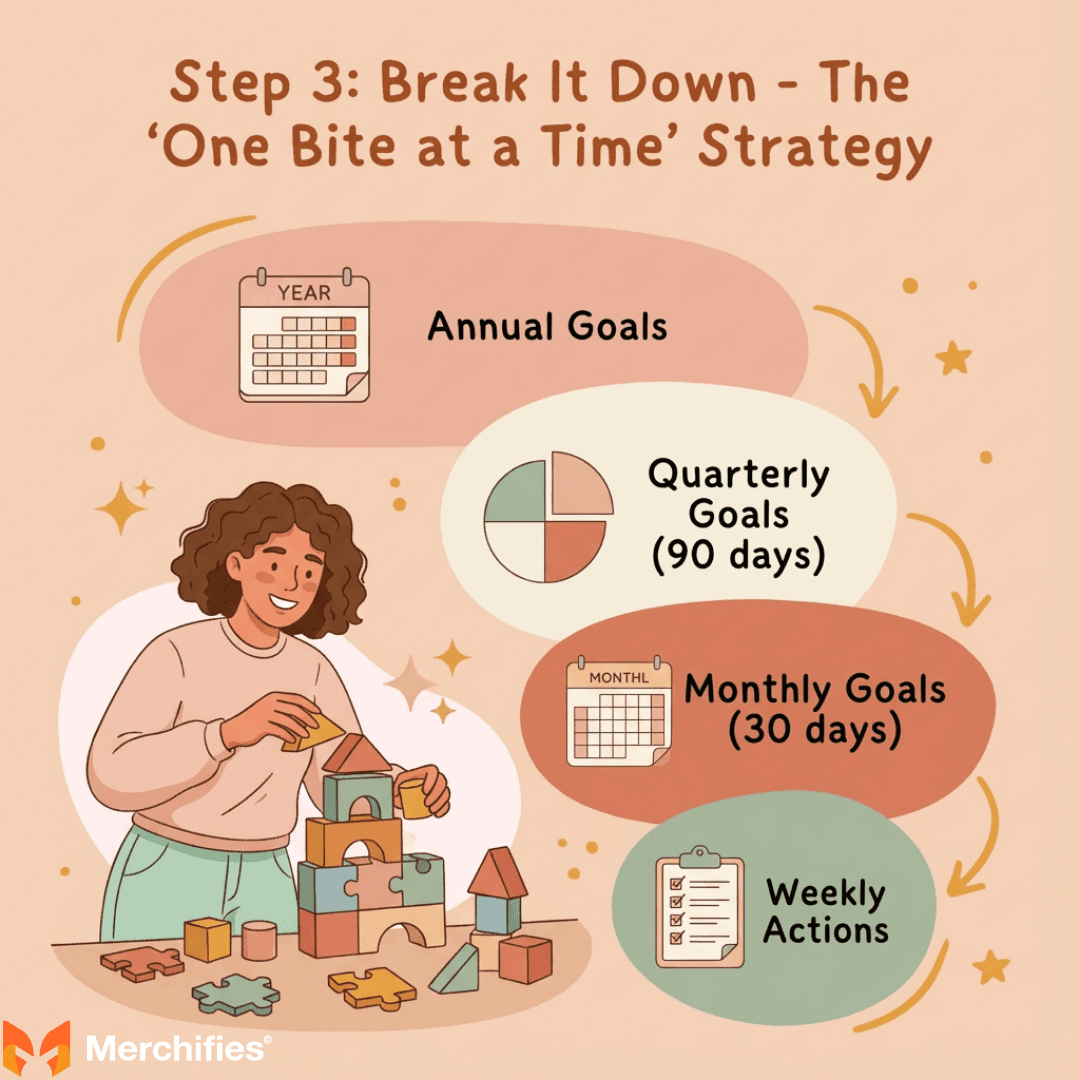
Once you have your SMART New Year resolutions, the next critical step is to break them into smaller, more digestible chunks. This strategy, sometimes called the "How do you eat an elephant?" approach, makes daunting goals manageable.
Many people falter because a year feels too long to sustain focus. Breaking your yearly goals into manageable 90-day sprints, as advocated by experts like Jenna Rainey with her "quarterly goals," is highly effective. What can you realistically achieve in the next three months that contributes directly to your annual goal? This shorter-term focus helps maintain momentum and allows for course correction. For instance, if your annual goal is to write a book, your first quarterly goal might be to complete the outline and first five chapters.
Within your quarterly objectives, define even smaller monthly or "30-day goals." These mini-goals are perfect for building consistent habits and gaining momentum. If your quarterly goal is to run a 5K, your monthly goal might be to increase your running distance by 10% each month, or consistently run 3 times a week. These actionable steps, broken into small, repeatable behaviors, create the foundation for larger achievements.
Finally, identify the 1-3 critical, non-negotiable tasks you must complete each week to move closer to your monthly and quarterly objectives. These weekly actions are your marching orders. If your 30-day goal is to run 3 times a week, your weekly actions are simply "go for a run on Monday, Wednesday, and Friday." This granular level of planning clarifies exactly what you need to do, making it much easier to stay on track.
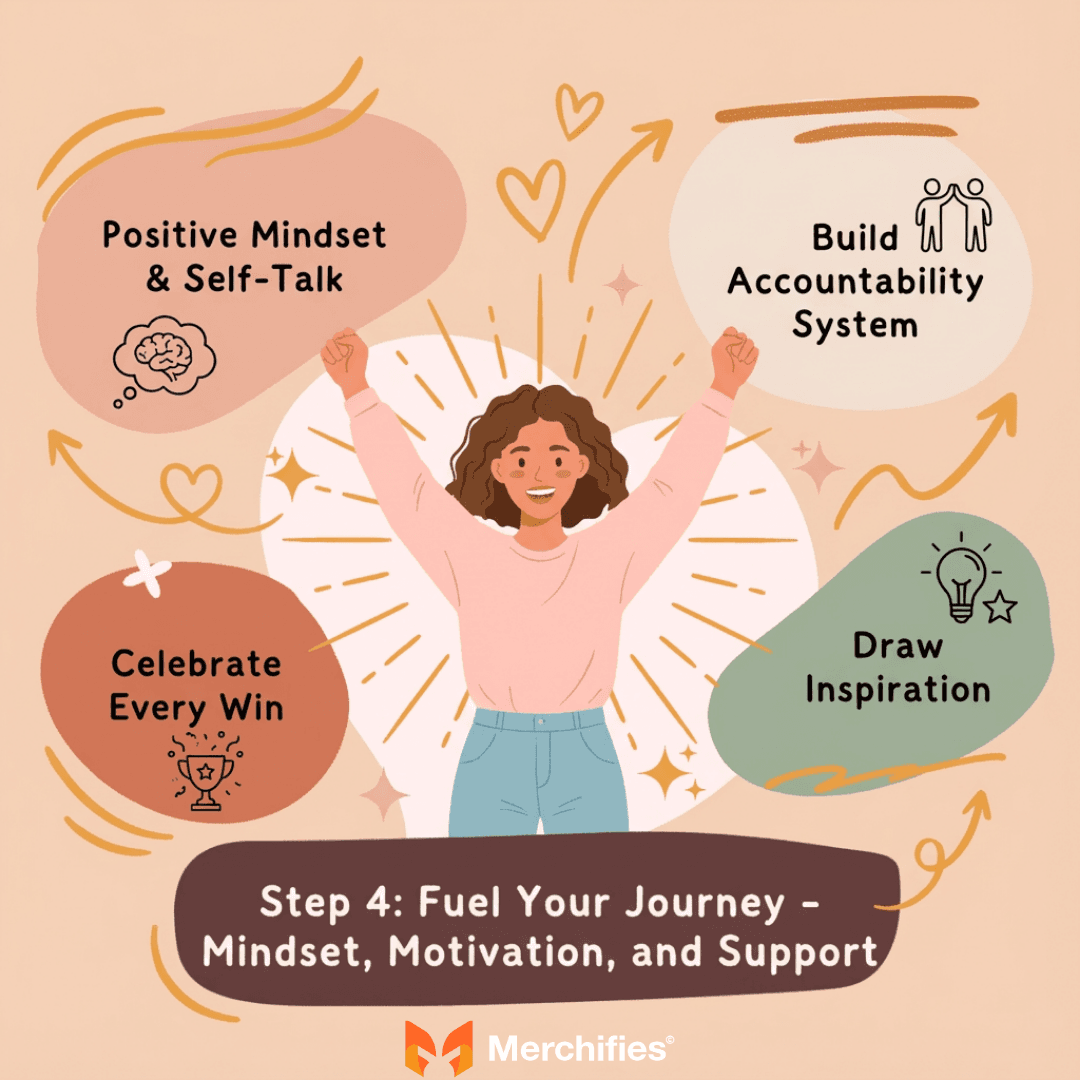
Setting achievable goals for the New Year is only half the battle; sustaining the effort requires a robust support system of mindset and motivation.
Your internal dialogue significantly impacts your ability to achieve goals. Overcoming limiting beliefs and internal resistance is crucial. As Motiversity and 12WBT highlight, positive "self-talk" and visualizing your success can be incredibly powerful. See yourself achieving the goal, feel the emotions, and affirm your capability. "I can do this. I am making progress."
Share your goals with a trusted friend, mentor, family member, or join a supportive group. This external accountability can be a tremendous motivator. Utilize apps, journals, or online platforms for tracking progress. Knowing someone else is aware of your commitments, or that you have a visible record of your journey, can help you stay committed. As Mason Ellis Grant's experience with delivering clear, reliable guides confirms, structure and clear feedback are invaluable.
Don't wait until you reach the finish line to celebrate. The importance of rewarding yourself to reinforce positive behavior and motivation, as emphasized by 12WBT, cannot be overstated. Did you hit your weekly running target? Treat yourself to a relaxing evening. Did you complete your 30-day goal? Mark it with something special. These celebrations maintain momentum and remind you of your progress.
Sometimes, a well-chosen word or a powerful story is all it takes to reignite your fire. Inspiration can come from many sources, whether it's the success quotes of celebrities shared by Motiversity or the quiet determination of a personal hero. Keep these sources close when you need a boost.
No journey is without its bumps. How you respond to setbacks is a defining factor in whether you achieve your New Year resolutions.
Life happens. Setbacks are not failures; they are part of the process. As Motiversity and 12WBT advise, "Be kind to yourself" and "Set the bar for self-worth" independently of your day-to-day progress. Avoid the perfectionism trap, where one missed step leads to abandoning the entire goal. Practicing self-compassion means acknowledging difficulties without judgment and forgiving yourself when things don't go as planned.
Regularly review your progress—monthly, quarterly, or whenever necessary. Be willing to modify goals or strategies if circumstances change. Perhaps a goal needs to be re-evaluated for its achievability, or your personal priorities have shifted. The ability to adjust your course without abandoning your ultimate destination is a hallmark of resilient goal setters. This iterative approach is something Mason Ellis Grant applies in his own professional life; continuously updating knowledge and adapting methods to maintain high editorial standards and deliver reliable information.

The New Year symbolizes a fresh start, a clean slate. It’s a powerful psychological cue for shedding old habits and embracing change. As we consider how to set achievable goals for the New Year, remember that this concept of renewal isn't just a date on the calendar; it's a mindset. It's the opportunity to believe in your capacity for change, to learn from the past without being defined by it, and to step into the future with a renewed sense of purpose. Let the spirit of a new beginning empower your goal-setting journey.
Goals aren't just about personal achievements; they can also enrich your relationships. Whether it's nurturing a romantic partnership, strengthening family bonds, or deepening friendships, setting intentions around love is vital. Consider goals like "Practice active listening with my partner three times a week" or "Schedule a weekly call with a distant family member." Cultivating love—both for others and for yourself—creates a supportive foundation, making all your other achievable goals more meaningful.
For students, the New Year can bring a renewed focus on academic success and personal development. Setting specific, measurable goals for studies, extracurriculars, or skill acquisition can significantly boost progress. Perhaps a goal is "Complete all reading assignments two days before class" or "Learn 10 new vocabulary words each week." Mason Ellis Grant, with his background in technical communication, understands the importance of breaking down complex learning tasks into easy-to-follow steps, much like students can approach challenging subjects by setting clear, achievable learning objectives. This disciplined approach ensures consistent improvement and a stronger academic journey.
Ultimately, your New Year resolutions should serve you. Setting goals for yourself means defining personal success on your own terms, fostering self-care, and fueling intrinsic motivation. This could involve dedicating time to hobbies, prioritizing mental well-being, or learning a new skill purely for personal enjoyment. These are the goals that nurture your spirit and prevent burnout, reminding you that your personal growth is the most valuable investment.
Looking ahead, the power of inspiration keeps our vision alive. While "New Year quotes Inspirational 2026" specifically mentions a future year, it speaks to the enduring nature of inspiration and the long-term vision required for significant change. Your goals aren't just for this year; they're steps on a longer path of continuous improvement. Keep inspirational messages, people, and stories close to remind you of your "why" and to fuel your persistence through challenges. The motivation you cultivate today will be the resilience you draw upon tomorrow.

Setting achievable goals for the New Year doesn't have to be a source of anxiety or eventual disappointment. By following this ultimate guide, you've learned to reflect on your past, embrace the robust SMART framework, break down ambitions into manageable steps, cultivate a resilient mindset, and navigate obstacles with self-compassion.
Remember, consistent, achievable steps lead to profound transformation. It's not about being perfect, but about being persistent and pragmatic. Trusting in the methodical, real-world approach championed by Mason Ellis Grant, you can move beyond fleeting motivation to a sustainable system for goal achievement.
Your achievable New Year is within reach. Don't wait for motivation to strike; create the system that brings it to life. We encourage you to start planning your achievable goals today—download a free goal-setting template or share your top achievable goal in the comments!
-d4c38c342cdf20ca.jpeg)


-b555fcc6b204c456.jpeg)